Dietary Supplement Myths vs. Facts: What to Know Before You Buy
A myth-versus-fact guide to dietary supplements, covering food-first context, individual variation, label claims, and why “natural” or “more” does not automatically mean better.
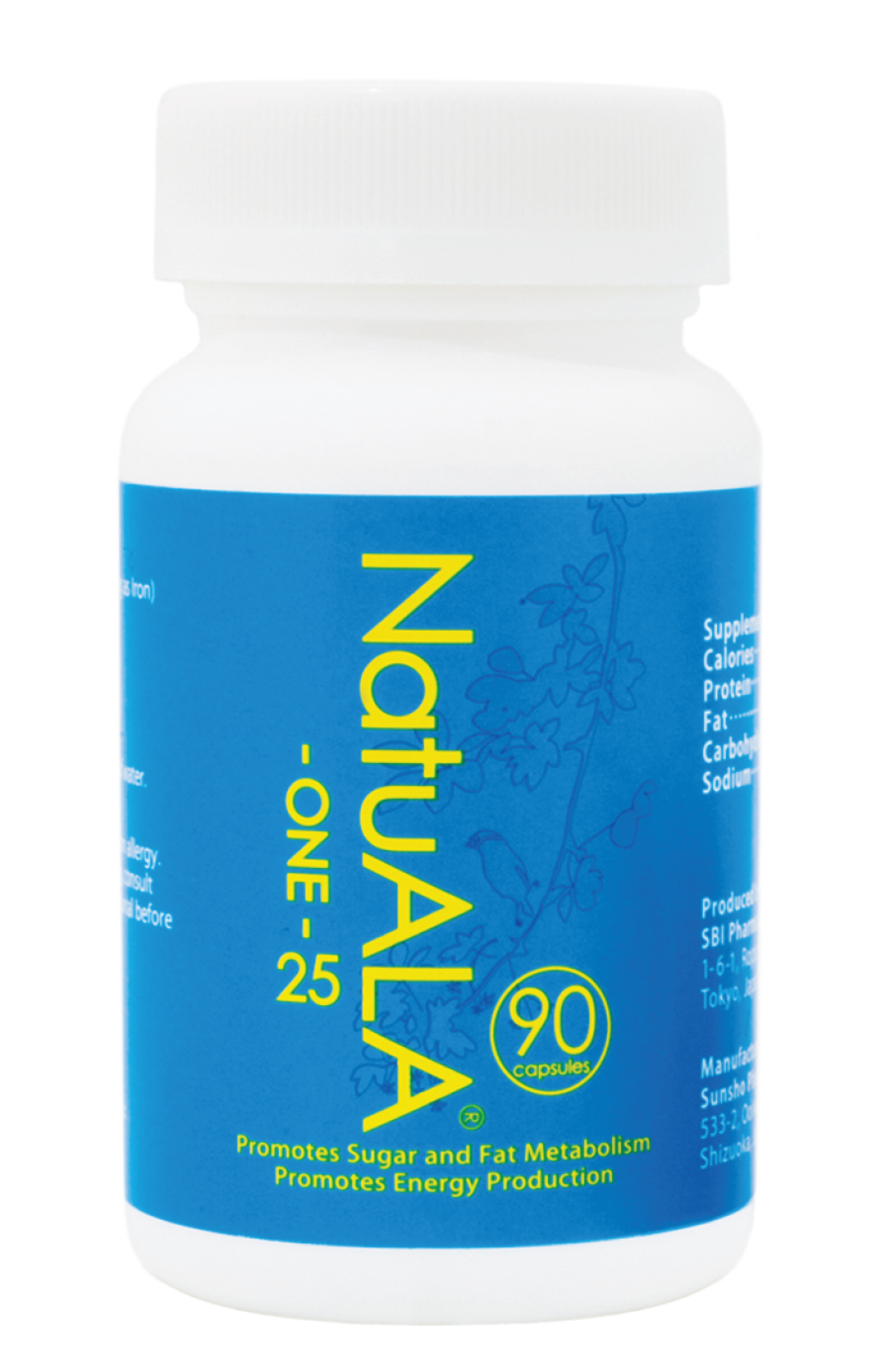
Cover: Own work · Wikimedia Commons · CC BY-SA 4.0
Question: Do dietary supplements work the same way for everyone, and are they always necessary or better than food?
Myth: Supplements are a shortcut to good nutrition
Dietary supplements can provide specific nutrients, but they are not a substitute for an overall dietary pattern. Foods can contribute a mix of nutrients and other components that a supplement does not replicate. A supplement may be useful in some circumstances, but it does not automatically make a poor diet complete.
Fact: Supplement needs depend on context
Nutrient needs and risks vary with age, life stage, dietary patterns, health conditions, and medicines. A product that is appropriate for one person may be unnecessary or unsuitable for another. Qualified health professionals can help assess individual circumstances and whether a supplement is warranted.
Myth: If some is good, more is better
More is not automatically better. Higher intakes of some nutrients can carry risks, and supplements can interact with medicines or affect laboratory tests. Labels and professional guidance matter because a product’s effects depend on the ingredient, amount, form, and the person using it.
Myth: “Natural” means risk-free
Ingredients described as natural can still have biological effects. Herbal products and other supplement ingredients may interact with medicines or cause unwanted effects. Regulatory categories also differ from medicines, so “natural” is not a guarantee of safety or effectiveness.
Fact: Labels and claims need careful reading
Check the supplement facts panel, ingredient list, serving information, and manufacturer contact details. Be cautious with dramatic promises and claims that sound too broad. In some markets, supplement claims are regulated differently from medicine claims, so it helps to verify claims with a qualified professional or a public health agency.
Myth: Everyone needs the same supplement
There is no single supplement routine that fits everyone. Dietary patterns, food access, medical history, and life stage can all affect individual needs. A supplement may be recommended in specific situations, but it is not a universal requirement for good nutrition.
A practical fact-checking mindset
When encountering a supplement claim, ask what evidence supports it, whether the product label matches the claim, and whether the claim applies to people like you. Consider interactions with medicines and the possibility of unnecessary spending. For personal health decisions, use qualified professional advice rather than marketing messages alone.