Do Supplements Replace a Healthy Diet? Myths and Facts
A myth-versus-fact guide explaining why dietary supplements supplement rather than replace a balanced diet, why more is not always better, and why label claims and natural status do not prove safety or effectiveness.
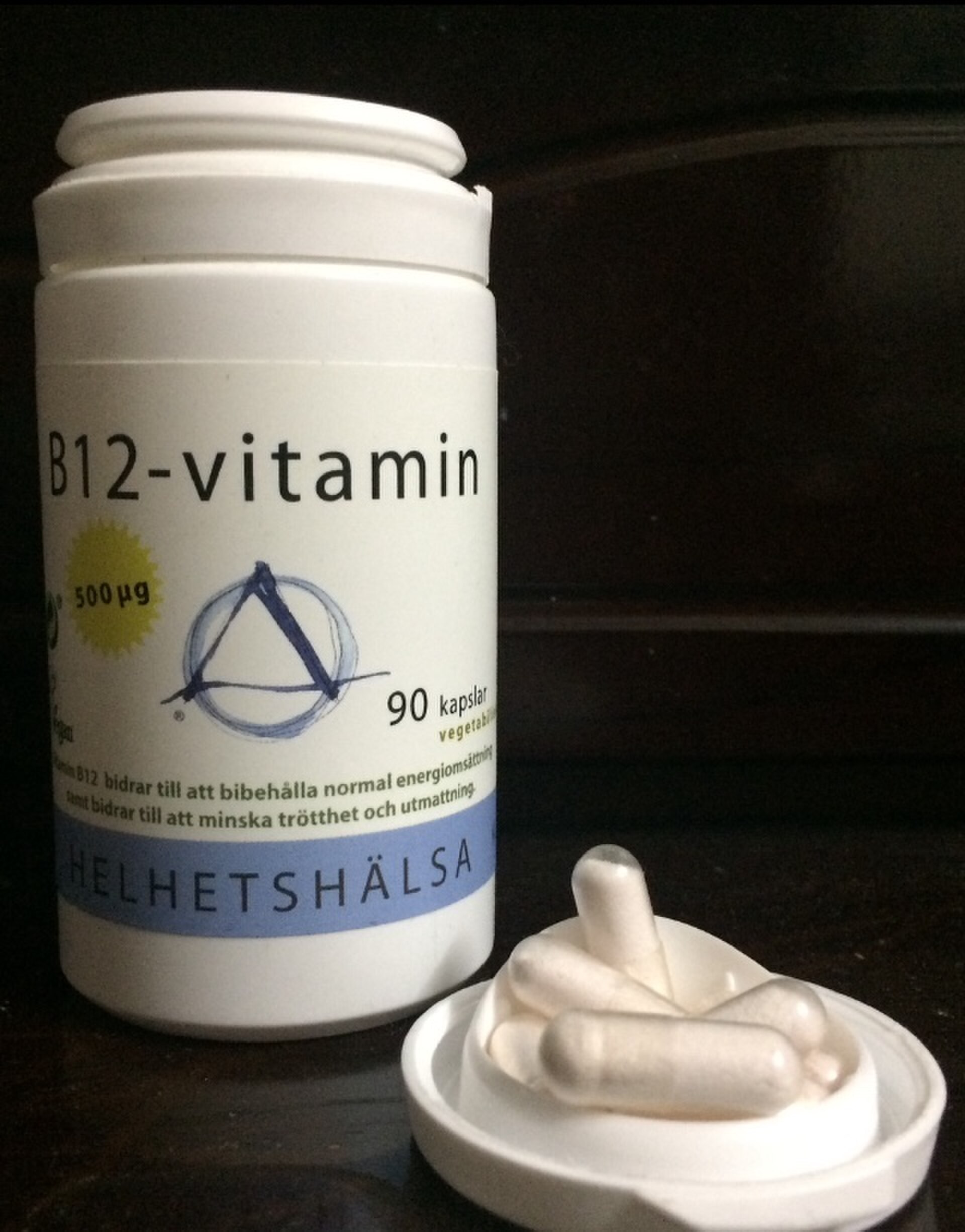
Cover: Own work · Wikimedia Commons · CC0
Question: Do dietary supplements replace a balanced diet, or guarantee better health?
Myth: A supplement can substitute for a healthy diet
Fact: Dietary supplements are intended to supplement the diet, not replace it. A balanced dietary pattern contributes energy, protein, fiber, and a mix of nutrients in ways a supplement does not recreate. A supplement may be appropriate when a healthcare professional identifies a specific nutritional gap, but it is not a substitute for overall diet quality.
Myth: More of a nutrient is always better
Fact: Nutrient needs do not follow a more-is-better rule. Some vitamins and minerals have upper intake levels, and excessive intake can be harmful. Supplement use should be based on individual need and professional guidance rather than the assumption that extra intake adds extra benefit.
Myth: Natural or over-the-counter means risk-free
Fact: Supplements can interact with medicines, affect laboratory tests, or cause side effects. Natural describes a product's origin, not its safety. People who take medicines, are pregnant or breastfeeding, are preparing for surgery, or are managing a health condition should seek professional advice before using supplements.
Myth: A label claim proves the supplement works
Fact: Labels and structure/function claims are not the same as proof of clinical benefit. Regulatory requirements vary by country, and evidence quality differs by ingredient and intended use. Reliable scientific information and professional guidance are more useful than marketing claims when evaluating a supplement.
Myth: Everyone needs the same supplement
Fact: Nutrient needs vary with age, life stage, diet, health status, and medicines. Public health guidance may identify groups who could benefit from specific nutrients, but individual supplement decisions should be individualized rather than based on a universal rule.