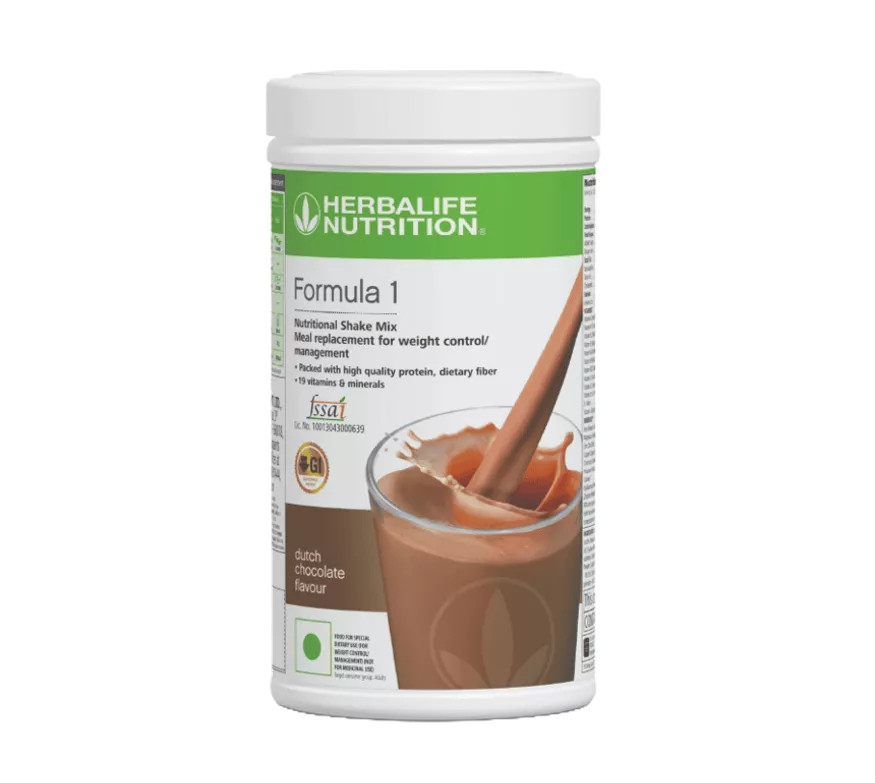

Photos from current listings. Actual item, color, and included accessories may vary.
Chocolate Protein Shake Buying Guide
Chocolate protein shakes span ready-to-drink (RTD) and powder formats, with the key trade-off being protein density and sugar load versus convenience and digestive tolerance. RTD options deliver 16–30g protein per 8–11oz bottle with no prep but often carry 1–7g added sugar or sugar alcohols; powders offer 20–25g per scoop at lower cost and flexible dosing but require a shaker and water/milk. The decision rule: pick RTD for portion-controlled meal replacement on the go at 20g+ protein and ≤5g added sugar; pick powder for daily high-volume protein supplementation and ingredient control.
Key takeaways
- RTD protein density ranges from 16g (Ensure Plus, 8oz) to 30g (Premier Protein, 11.5oz); meal-replacement labeling typically requires 20g+ protein plus 20%+ daily vitamins/minerals.
- Whey isolate and whey concentrate dominate chocolate RTD/powder; plant-based versions use pea/rice blends and must hit 20g+ complete protein with all essential amino acids to match dairy.
- Sugar alcohols (maltitol, erythritol) and fiber (inulin, soluble corn fiber) replace sugar in low-carb shakes; excess maltitol (>10g/serving) causes GI distress in sensitive buyers.
At a glance
- Category
- Meal Replacement Management
- Last updated
- Nov 27, 2026
Current offers
Highlights
- RTD protein density ranges from 16g (Ensure Plus, 8oz) to 30g (Premier Protein, 11.5oz); meal-replacement labeling typically requires 20g+ protein plus 20%+ daily vitamins/minerals.
- Whey isolate and whey concentrate dominate chocolate RTD/powder; plant-based versions use pea/rice blends and must hit 20g+ complete protein with all essential amino acids to match dairy.
- Sugar alcohols (maltitol, erythritol) and fiber (inulin, soluble corn fiber) replace sugar in low-carb shakes; excess maltitol (>10g/serving) causes GI distress in sensitive buyers.
- Premier Protein uses 30g milk protein blend with 1g sugar and 160 calories per 11.5oz; Ensure Original/Plus uses 9–16g protein with 220–350 calories and higher sugar for clinical/elderly nutrition.
Best use cases
- Best fit: busy professionals replacing breakfast or lunch — choose RTD with 20–30g protein, ≤5g added sugar, and 20%+ DV vitamins/minerals; skip powder if you lack a shaker and water access at work.
- Best fit: athletes/gym-goers supplementing 25–30g protein post-workout — choose chocolate whey isolate powder (24g+ per scoop, low lactose) over RTD for cost and dosing flexibility; RTD is wrong-fit for daily double servings.
- Best fit: bariatric or medically supervised meal replacement — choose RTD with 20g+ protein, 200–250 calories, and complete micronutrient panel; skip high-sugar Ensure Original (9g protein, 220 cal) unless weight gain is the goal.
- Wrong fit: lactose-intolerant or vegan buyers — standard whey RTD causes bloating; select plant-based pea/rice RTD or powder with 20g+ protein and added B12/iron instead.
Buying tips
- Protein per serving rule: meal replacement needs 20–30g; post-workout needs 20–25g; snack/supplement can be 15–20g. Below 15g it's a beverage, not a protein shake.
- Sugar threshold: keep added sugar ≤5g per serving for weight management; ≤1g for low-carb/keto. Check total carbs minus fiber minus sugar alcohols for net carb impact.
- RTD format math: 11–11.5oz bottles deliver 20–30g protein; 8oz bottles (Ensure) deliver 9–16g. Buy 11oz+ for meal replacement, 8oz for supplement/elderly nutrition.
- Powder scoop math: 30–35g scoop yields 20–25g protein; 2lb tub gives ~28–30 servings, 5lb gives ~70. Compare cost per gram of protein, not cost per tub.
Specs
| Protein Per Serving | 16–30g (RTD) / 20–25g (powder) |
|---|---|
| Format | RTD bottle 8–11.5oz / powder tub |
| Added Sugar | ≤1g low-carb to 7g standard |
| Protein Source | Whey isolate/concentrate vs pea/rice |
Related searches
What to check before buying
- Confirm your daily protein target (0.7–1g per lb bodyweight for active adults) and divide by servings needed; one 30g RTD covers roughly one-third of a 180lb active adult's daily protein.
- Check refrigeration: most RTD shakes are shelf-stable until opened but must be refrigerated after opening; powder must be stored dry and used within 2–3 months of opening.
- Verify dietary restrictions on the label — dairy-free requires plant protein; gluten-free requires certified GF; kosher/halal certifications are separate from 'natural' claims.
- For bariatric or medical use, confirm the shake meets 20%+ DV for 20+ micronutrients and consult your physician on protein and calorie targets before committing to a 12–24 pack.
FAQ
Data sources: eBay / Amazon listings and product attribute feeds. Updated Nov 27, 2026.
Some links on this page are affiliate links. If you buy after clicking one, we may earn a commission at no extra cost to you. This does not change which products appear here or their order. Affiliate disclosure.