
Photos from current listings. Actual item, color, and included accessories may vary.
High Protein Meal Replacement Shake Buying Guide
High-protein meal replacement shakes are powdered or ready-to-drink (RTD) formulas engineered to deliver 15–30 g of protein per serving alongside a full micronutrient panel, replacing a meal rather than just supplementing one. The core trade-off is protein source and processing: fast-digesting whey/casein blends give complete amino profiles but can cause GI distress in lactose-sensitive users, while plant blends (pea/rice/soy) offer dairy-free tolerance at lower leucine density unless precisely combined. The decision rule: choose RTD for portion control and zero-prep convenience; choose powder for cost-per-serving and customizable macros, but only if the blend lists a complete protein or complementary plant sources and at least 15 g protein per 200–300 kcal serving.
Median $44.02
Key takeaways
- Protein density threshold: a true meal replacement delivers 15–30 g protein per 200–400 kcal serving; sub-15 g products are protein snacks, not meal replacements.
- Whey isolate (90%+ protein by dry weight) vs concentrate (35–80%) determines lactose content and digestibility; isolate suits lactose-sensitive users, concentrate suits budget buyers who tolerate dairy.
- RTD shakes are typically 11 oz (325 mL) with 20 g protein; powder scoops range 30–50 g yielding 20–24 g protein plus 3–5 g fiber per serving.
At a glance
- Category
- Meal Replacement Management
- Last updated
- Nov 27, 2026
Current offers
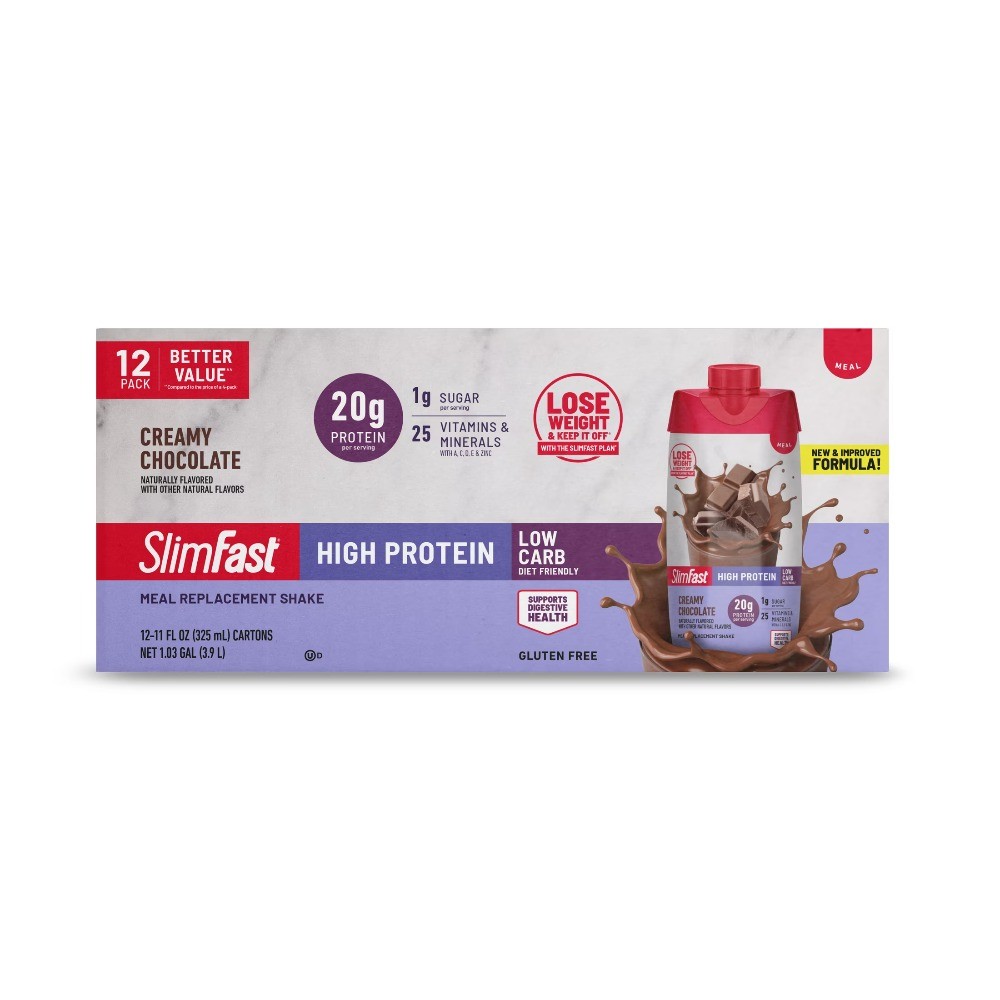 High Protein 20g Ready To Drink Meal Replacement Shake Creamy Chocolate,11oz12ct$23.99View on eBay
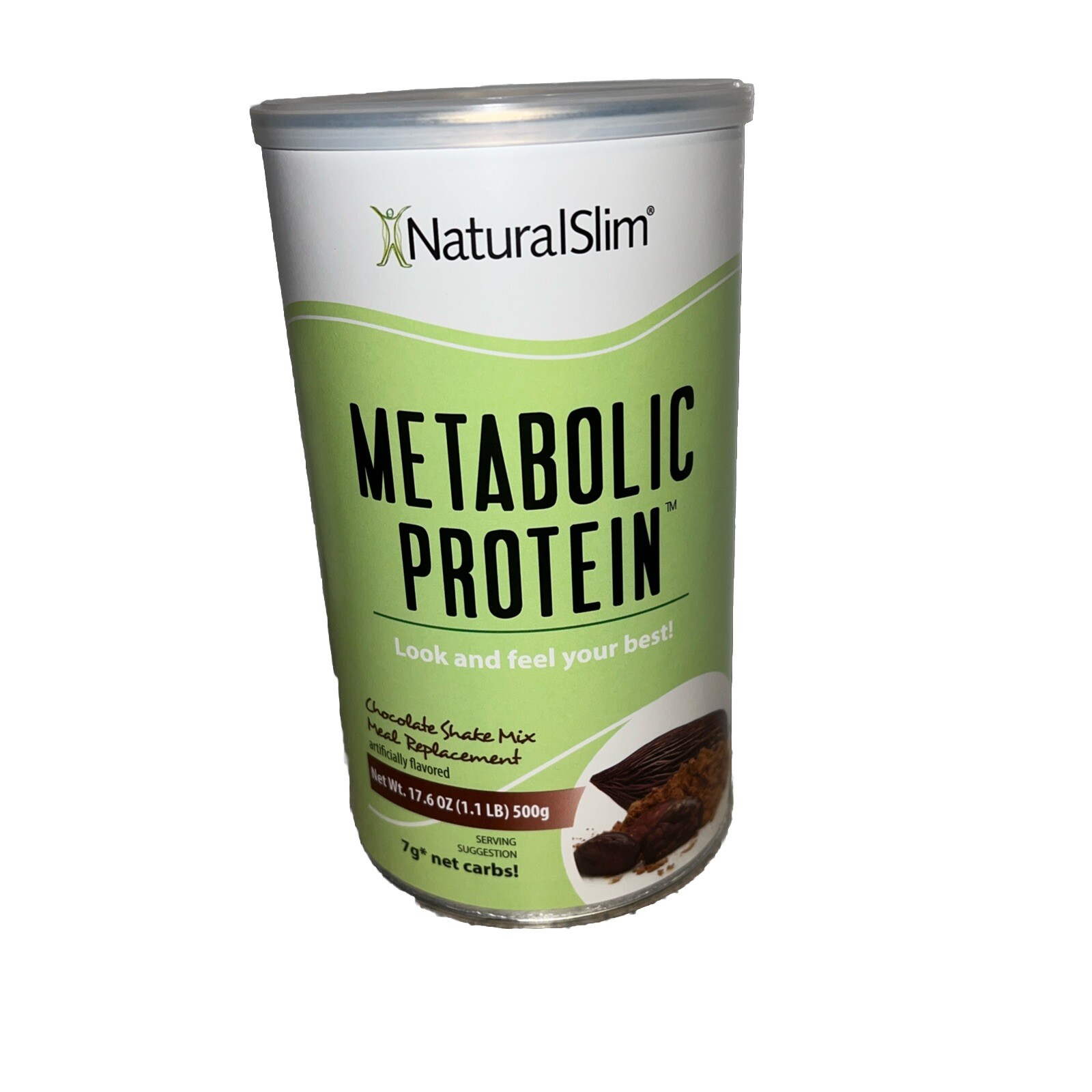 NaturalSlim Metabolic Whey Protein Powder - Chocolate Meal Replacement Shake$29.99Last checked Nov 23, 2026View on eBay
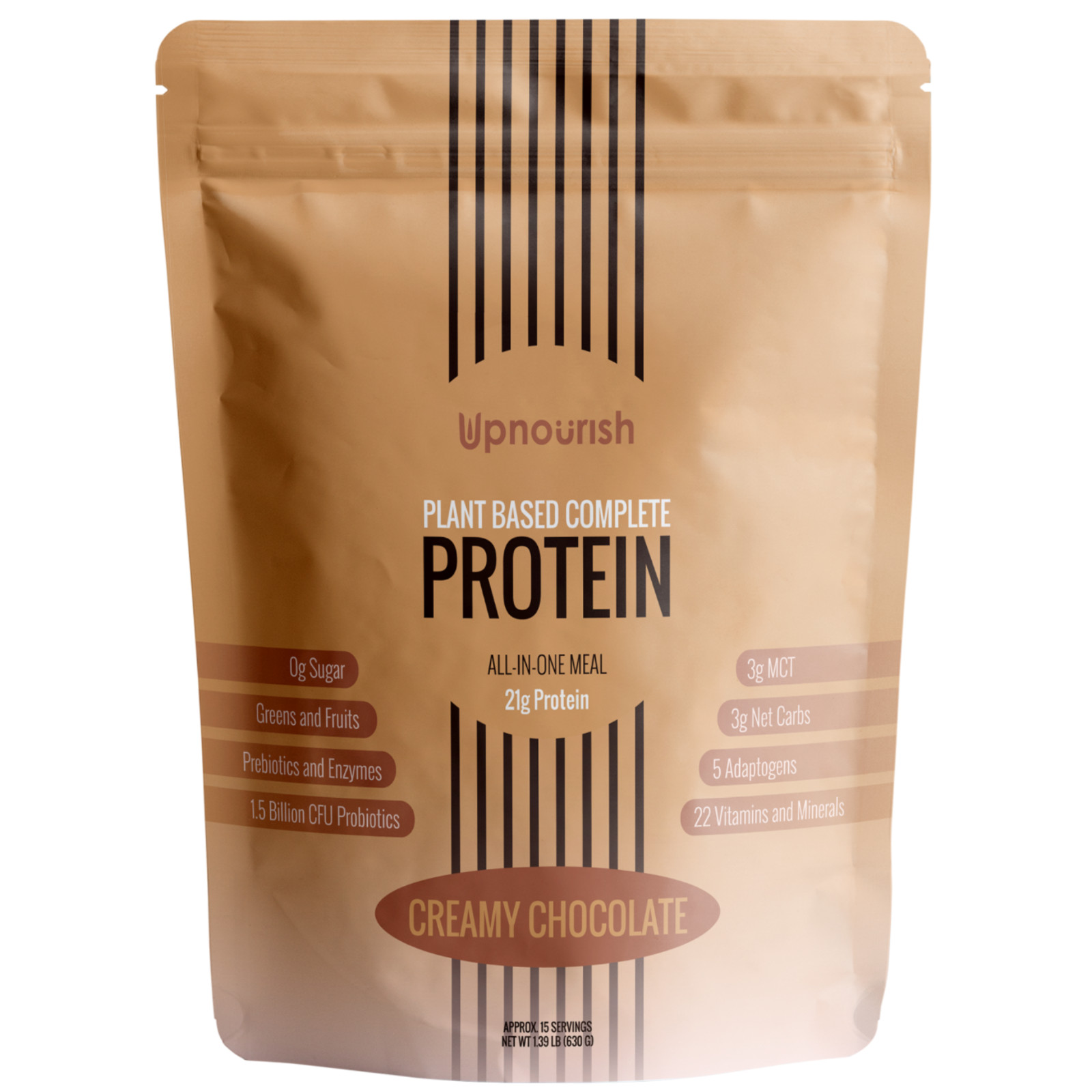 Vegan Plant Based Complete Protein Meal Replacement Shake Chocolate Gluten Free$29.99View on eBay
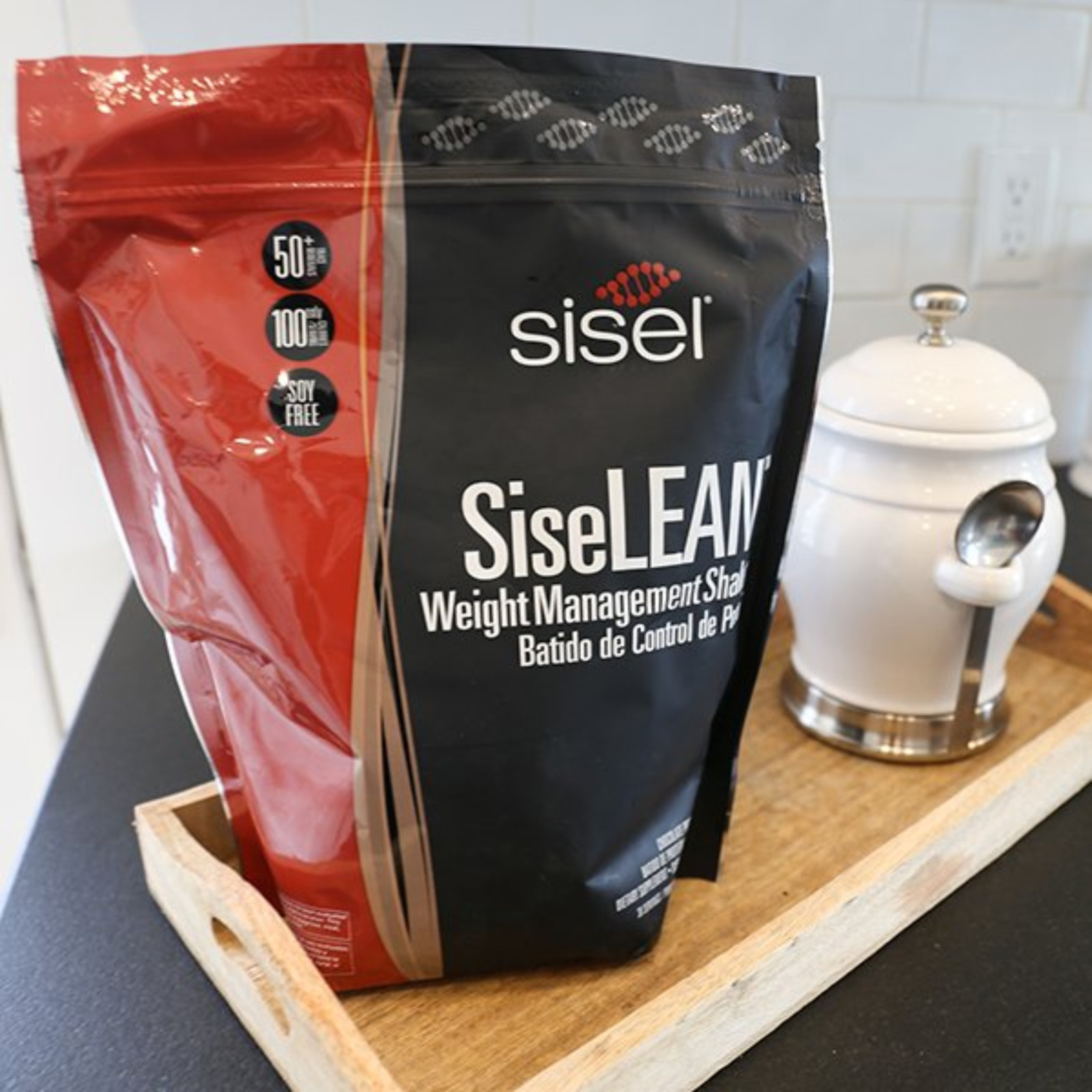 Sisel SiseLEAN Chocolate Weight Management Protein Shake Meal Replacement 30 Ser$34.59View on eBay
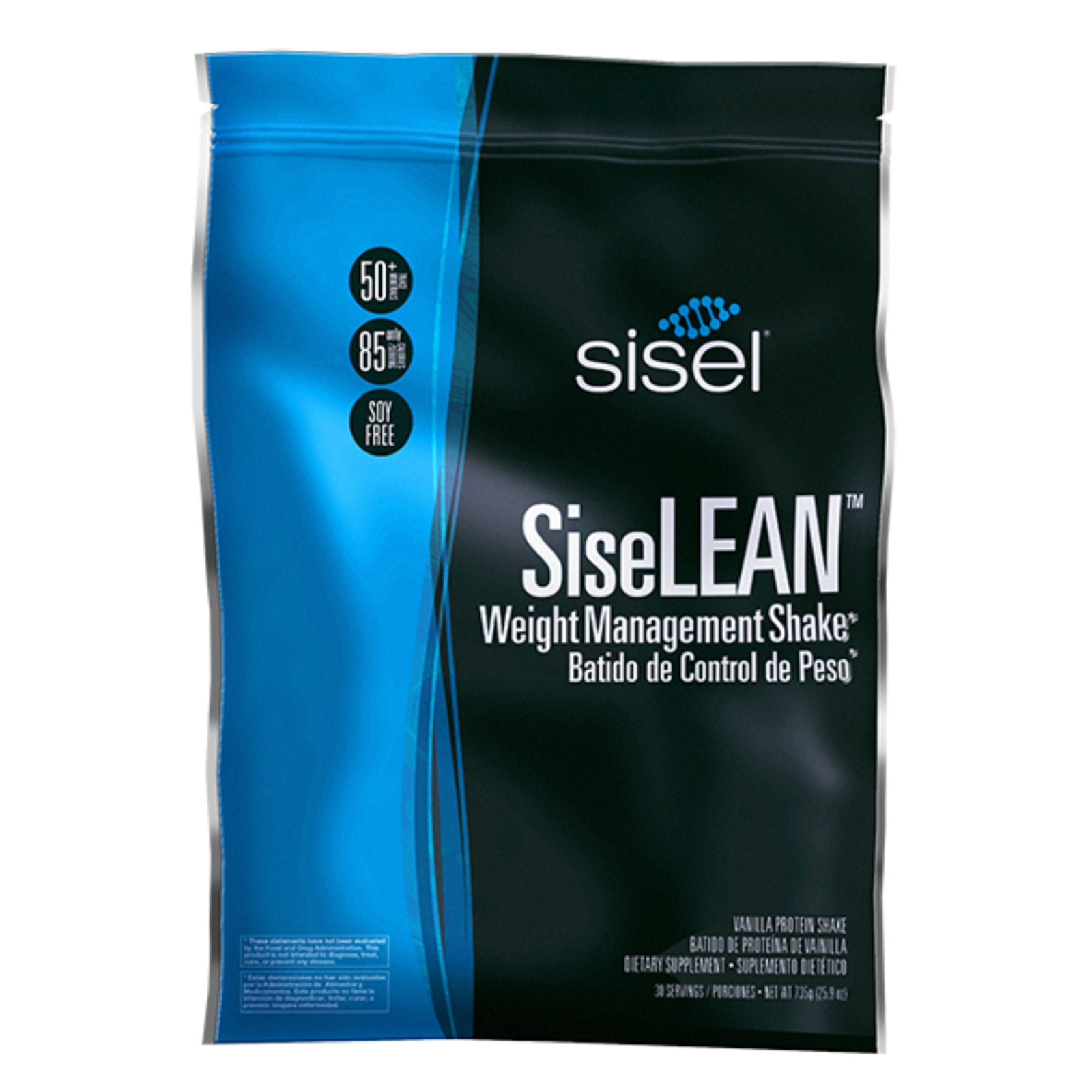 Sisel SiseLEAN Vanilla Weight Management Protein Shake Meal Replacement - NEW$34.59View on eBay
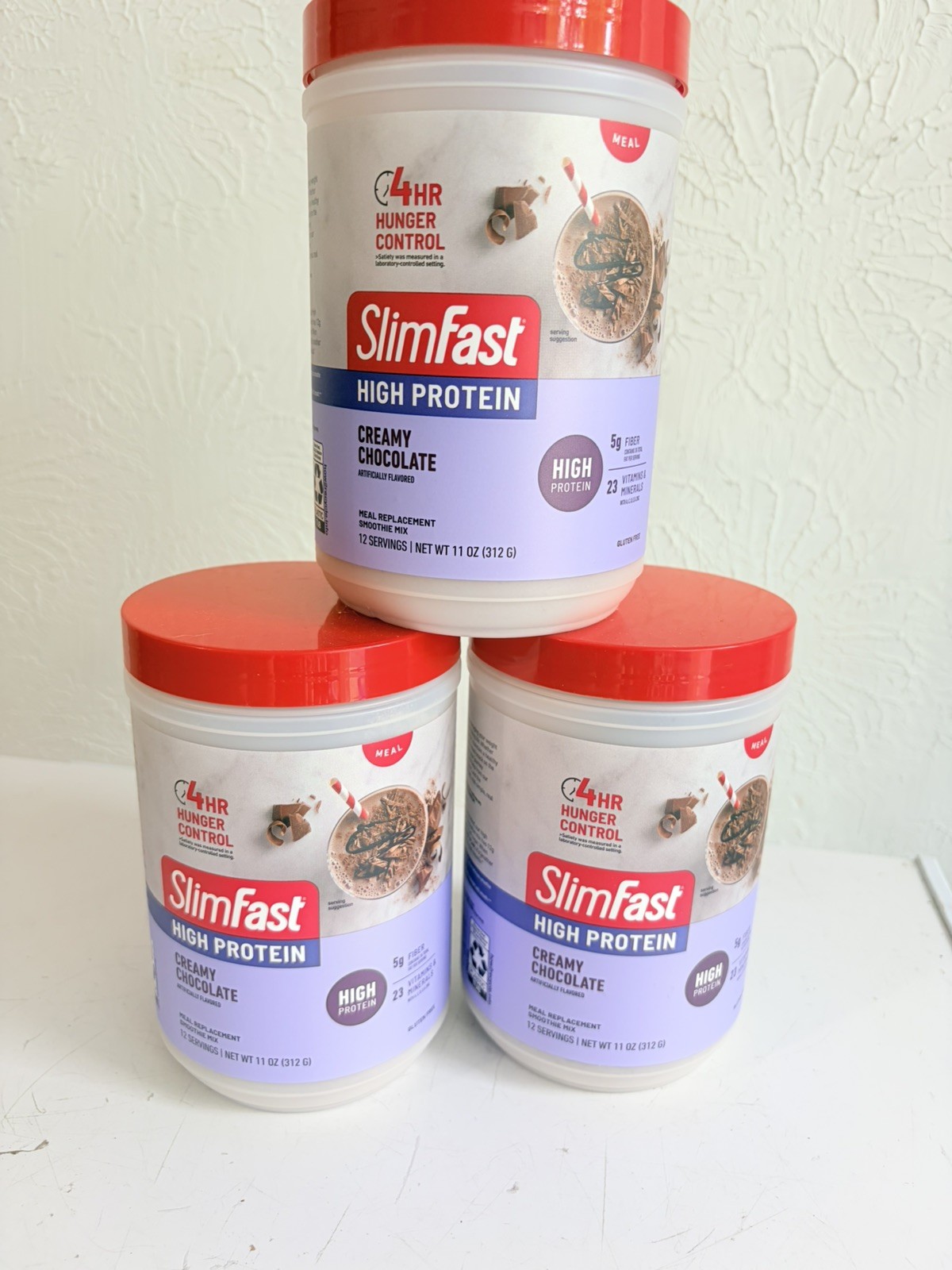 3x SlimFast High Protein Meal Replacement Shake Powder – 11 oz Slim Fast$39.99View on eBay
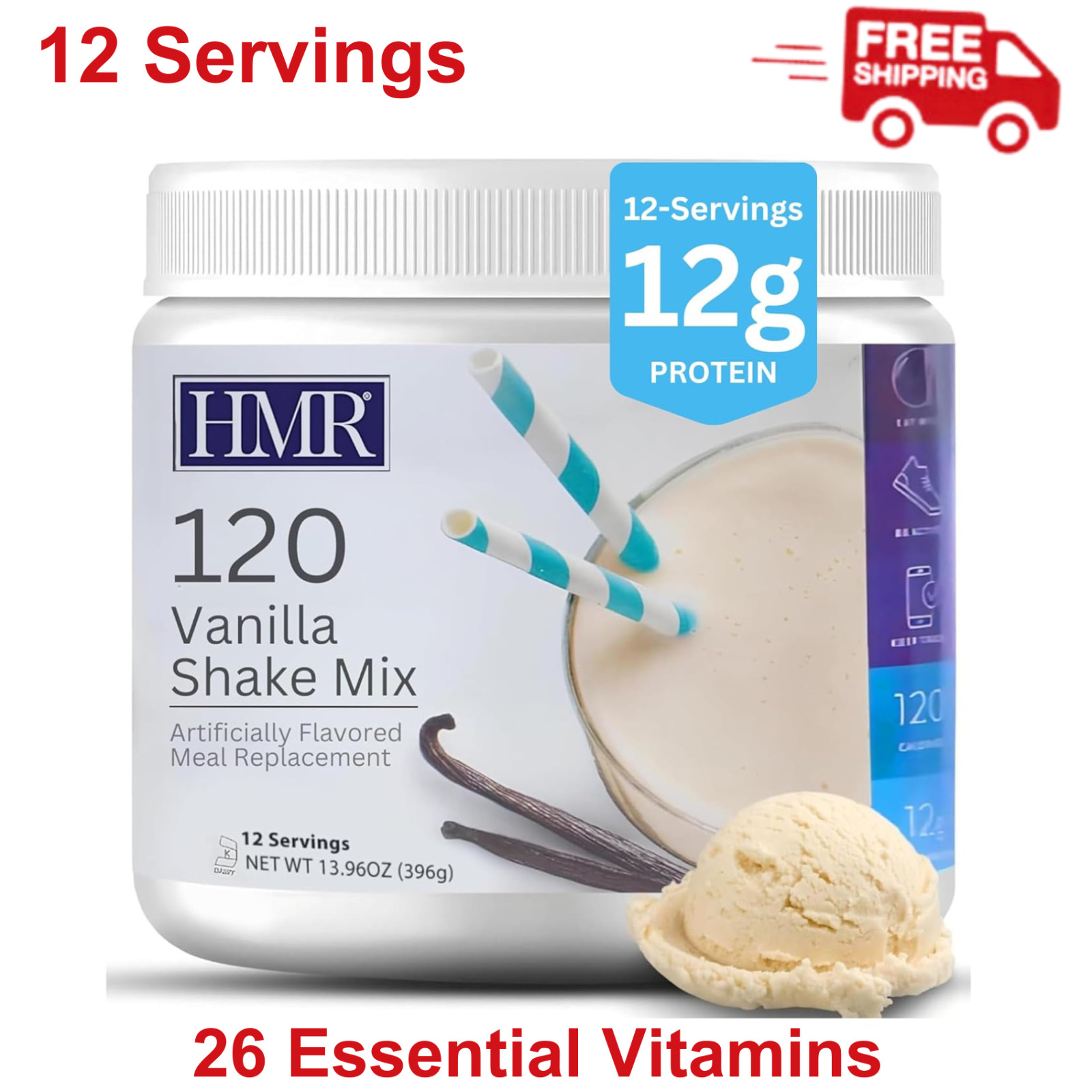 HMR 120 Vanilla Shake Powder, Meal Replacement, 12g Protein,12Serv, 120 Calories$48.05Last checked Nov 22, 2026View on eBay
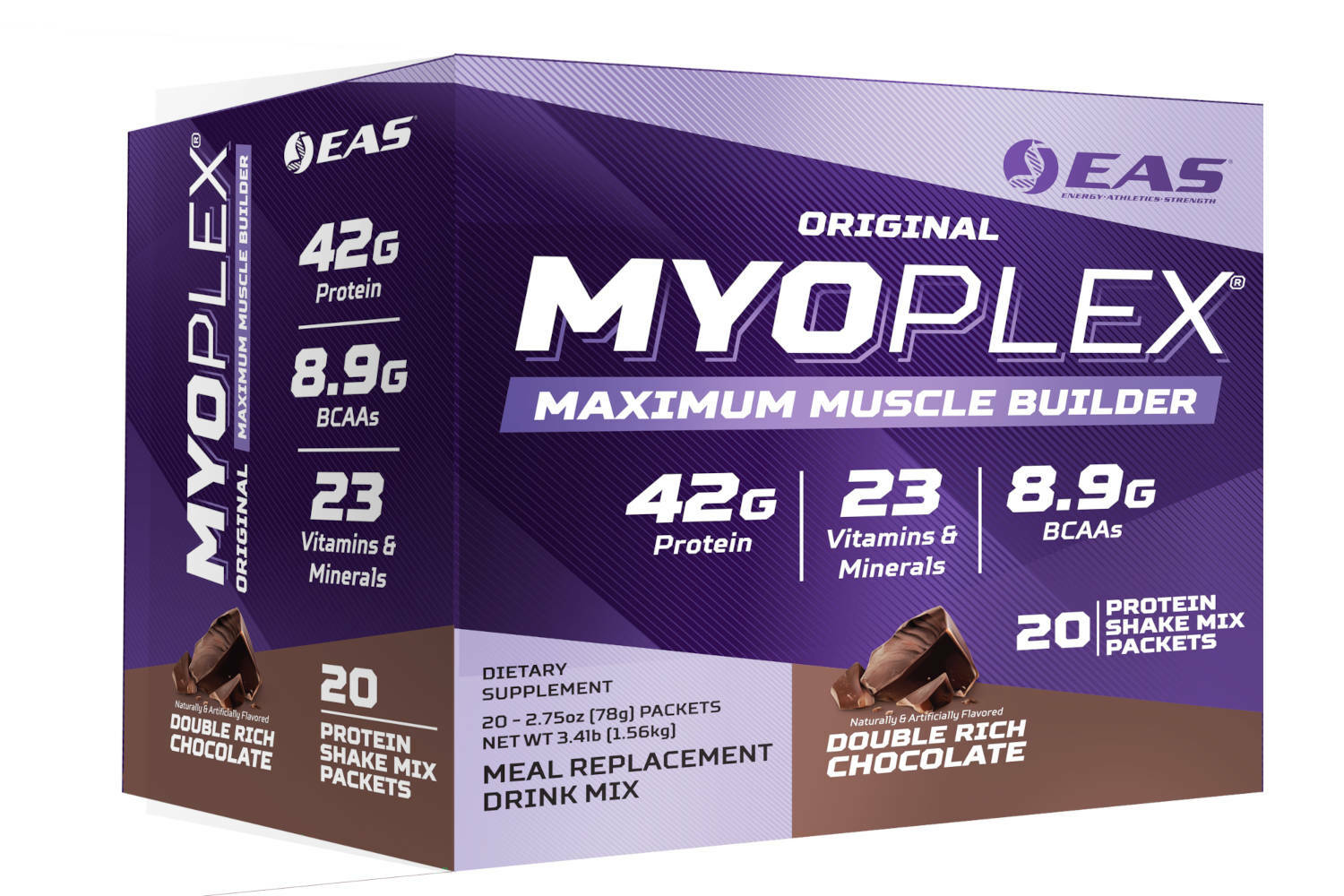 EAS MYOPLEX Original Meal Replacement Powder Protein Shake Vitamins BCAAs 20 Pk$58.45Last checked Nov 21, 2026View on eBay
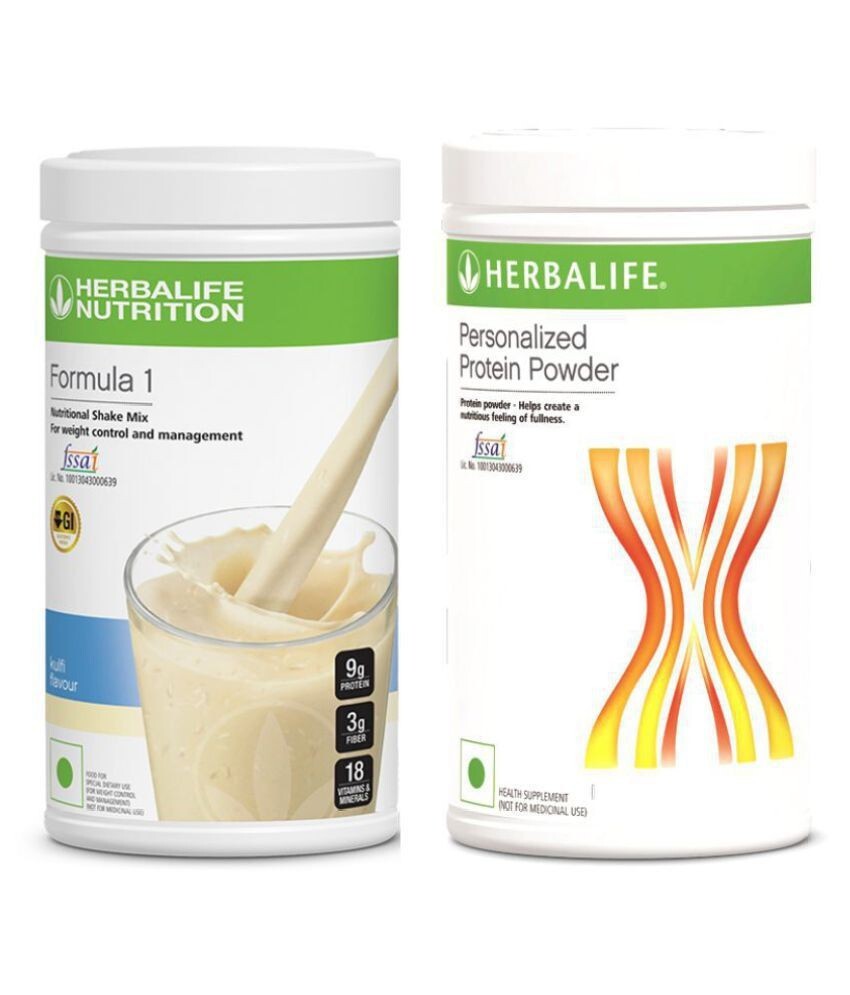 FORMULA 1 HEALTHY MEAL REPLACEMENT SHAKE 500gm KULFI FLAVOR PROTEIN POWDER 400GM$62.69View on eBay
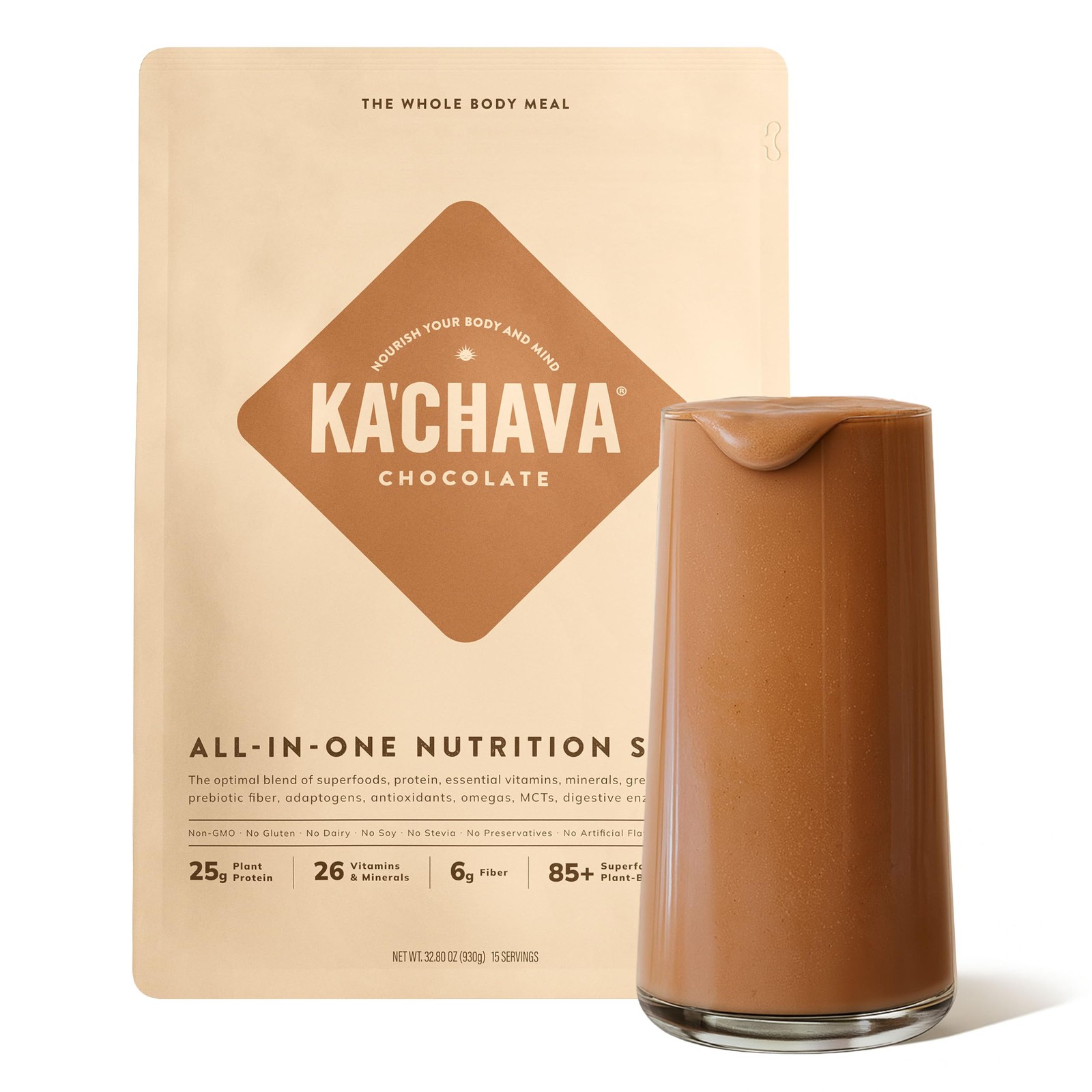 Vegan Meal Replacement Shake – Chocolate Protein Powder with 85+ Superfoods$84.21Last checked Nov 22, 2026View on eBay
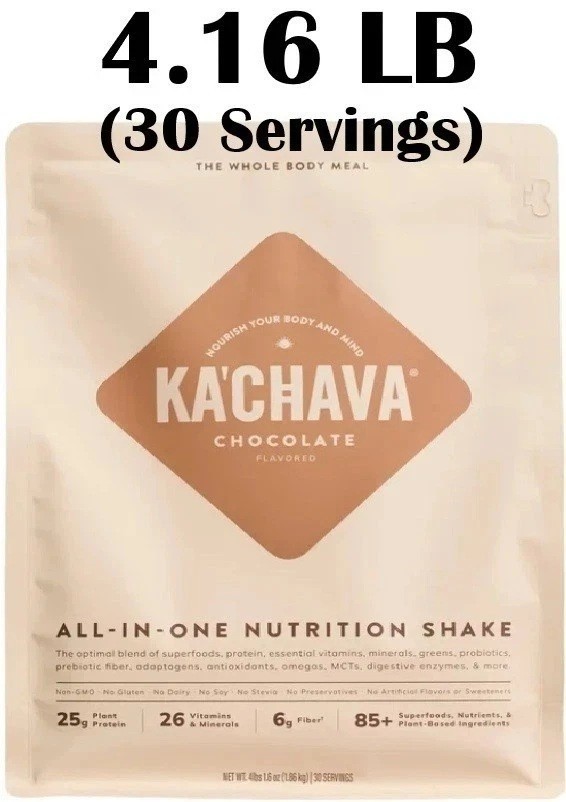 KaChava Meal Replacement Powder Protein Shake, Chocolate, 30 Servings, 4.16 LB$108.99View on eBay
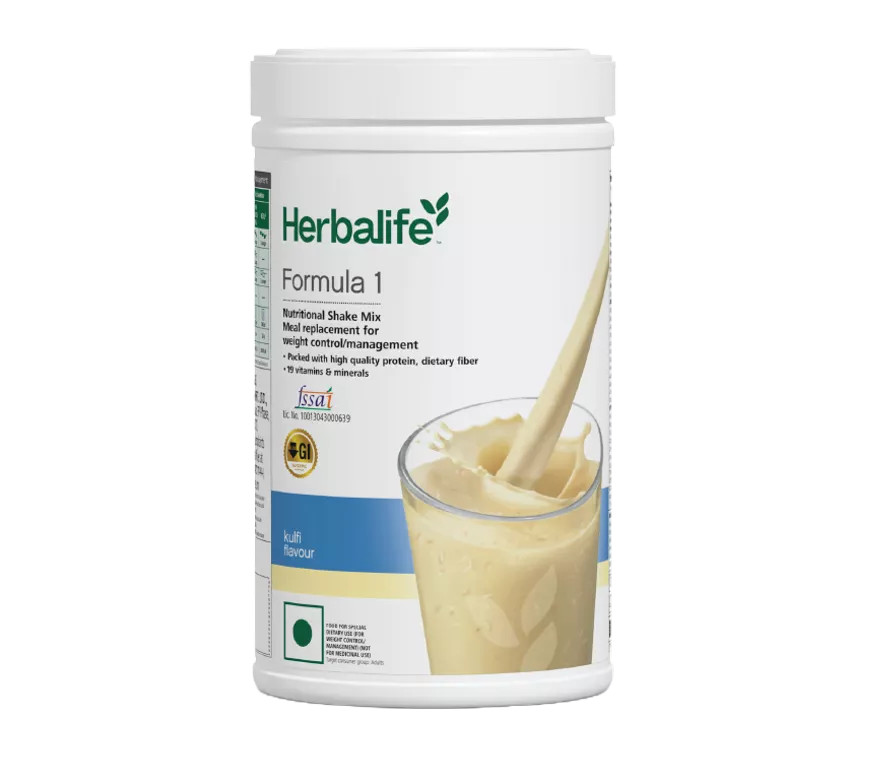 Herbalife Formula 1 Nutritional Shake Mix Kulfi Meal Replacement Protein | 750G$113.49Last checked Nov 24, 2026View on eBay
Highlights
- Protein density threshold: a true meal replacement delivers 15–30 g protein per 200–400 kcal serving; sub-15 g products are protein snacks, not meal replacements.
- Whey isolate (90%+ protein by dry weight) vs concentrate (35–80%) determines lactose content and digestibility; isolate suits lactose-sensitive users, concentrate suits budget buyers who tolerate dairy.
- RTD shakes are typically 11 oz (325 mL) with 20 g protein; powder scoops range 30–50 g yielding 20–24 g protein plus 3–5 g fiber per serving.
- Complete protein requires all nine essential amino acids: dairy (whey/casein) qualifies natively; plant blends need pea+rice or soy to close the lysine/methionine gap.
Best use cases
- Best fit for busy office workers skipping lunch: pick an 11 oz RTD with 20 g protein and 3–5 g fiber — shelf-stable, no shaker needed, portion-controlled.
- Best fit for budget-conscious daily users: choose a 1–2 lb powder tub with whey isolate or pea/rice blend at 20+ g protein per scoop; cost-per-serving is far lower than RTD.
- Wrong fit for lactose-intolerant buyers: skip whey concentrate and milk-protein RTDs; choose pea/rice or soy isolate blends explicitly labeled dairy-free.
- Wrong fit for athletes needing >30 g protein per meal: meal replacement shakes top out around 30 g; use a dedicated protein powder plus whole-food meal instead.
Buying tips
- Read the protein source list first: whey isolate, casein, soy isolate, or pea+rice blend are complete; single-source pea or brown rice alone is incomplete at typical doses.
- Check calories-per-serving vs protein ratio: aim for at least 15 g protein per 200 kcal; below that you're buying a sugary snack, not a meal replacement.
- Powder vs RTD math: a 1 lb (454 g) tub at 30 g scoops yields ~15 servings; compare that against 12-count RTD cases to judge which format matches your routine and storage.
- Verify fiber at 3+ g and added sugar under 8 g per serving; high-protein shakes with 15+ g sugar defeat weight-management intent regardless of protein content.
Specs
| Protein Per Serving | 15–30 g per meal replacement |
|---|---|
| Format | Powder tub vs 11 oz RTD bottle |
| Protein Source | Whey isolate/casein vs pea+rice/soy |
| Calorie Range | 200–400 kcal per serving |
Related searches
What to check before buying
- Confirm your dietary tolerance: lactose-sensitive or dairy-free buyers need plant-isolate or whey-isolate formulas explicitly labeled as such on the ingredient panel.
- Measure storage: RTD cases need refrigerator or pantry space for 12 x 11 oz bottles (~1.3 gal); powder tubs need a dry shelf and a shaker bottle with 16–20 oz capacity.
- Check scoop-to-water ratio: most powders require 8–12 oz liquid per scoop; verify your shaker or blender handles the volume without clumping.
- Match serving size to your meal gap: if replacing breakfast, 200–300 kcal serves; if replacing lunch or dinner, 300–400 kcal with 20–30 g protein is the target.
FAQ
Data sources: eBay / Amazon listings and product attribute feeds. Updated Nov 27, 2026.
Some links on this page are affiliate links. If you buy after clicking one, we may earn a commission at no extra cost to you. This does not change which products appear here or their order. Affiliate disclosure.