
Photos from current listings. Actual item, color, and included accessories may vary.
Meal Replacement Elderly Buying Guide
Meal replacement products for elderly buyers are complete-nutrition shakes or powders formulated to supply protein, fiber, vitamins, and minerals when whole-food meals are difficult. The core trade-off is between weight-loss-oriented formulas (lower calorie, higher fiber) and clinical nutrition formulas (higher protein, controlled carbs, added MCTs or specialized nutrients for diabetes or muscle loss). Choose a clinically structured elder-specific formula when the goal is preventing malnutrition or managing a condition; a standard diet shake fails to deliver the calorie and protein density required.
Median $37.69
Key takeaways
- Elder-specific clinical formulas typically provide 20-30 g protein and 250-350 kcal per serving, while SlimFast Original delivers only 10 g protein and 180-200 kcal — insufficient for muscle preservation.
- Diabetic formulas like Glucerna use a slow-release carbohydrate blend (sucromalt, fiber) with 15-20 g protein and 200-250 kcal per 8 oz, keeping glycemic response low versus standard shakes.
- Powder formats require mixing with 8-12 oz water or milk but offer 12-22 servings per can; ready-to-drink shakes deliver single-serve 8-11 oz bottles with no prep, preferred when dexterity or cognition limits food preparation.
At a glance
- Category
- Meal Replacement Management
- Last updated
- Nov 27, 2026
Current offers
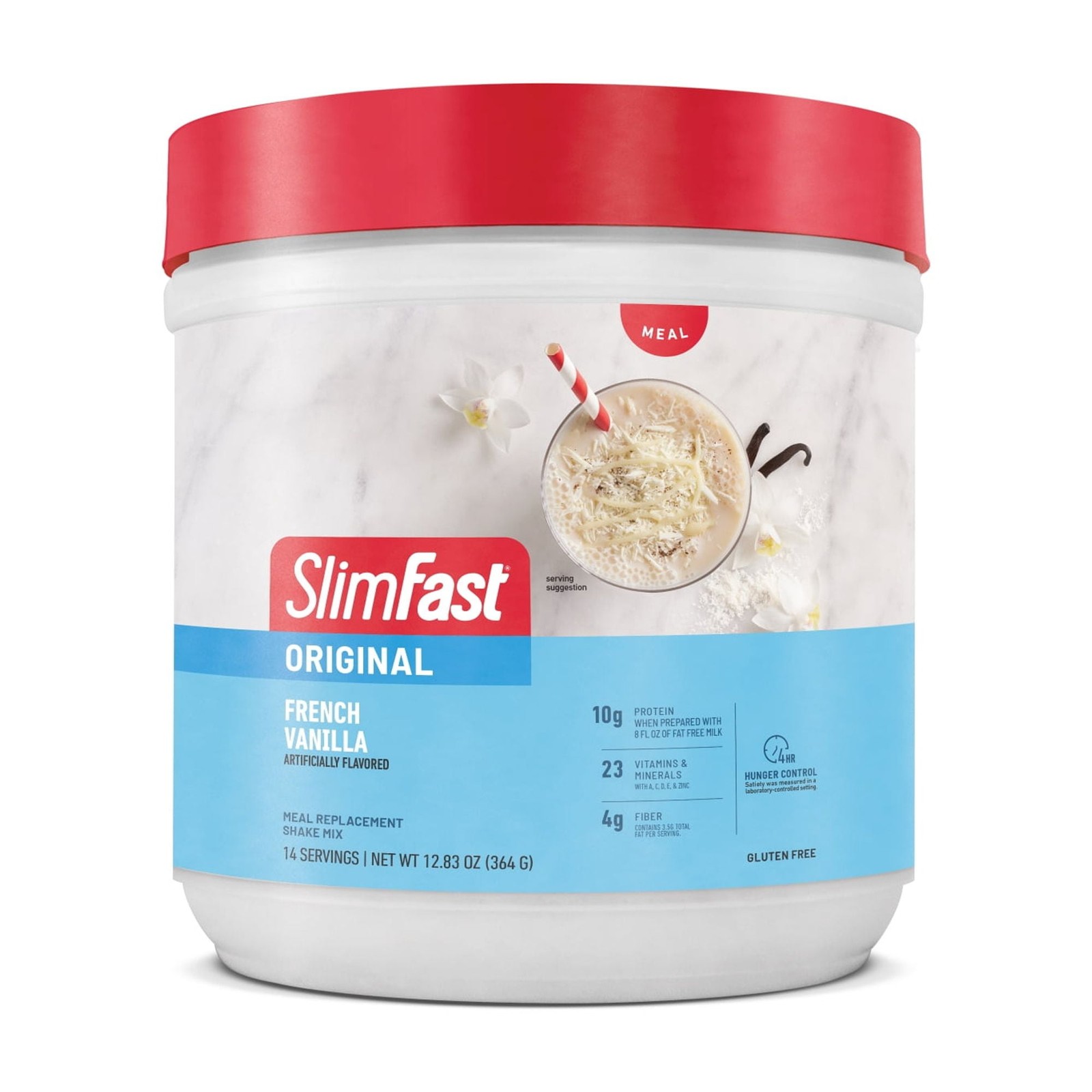 SlimFast Original French Vanilla Meal Replacement Shake Powder, 12.83 oz$4.28View on eBay
- SlimFast Original Meal Replacement Shake Powder, French Vanilla, 12.83 oz, 14...$4.28View on eBay
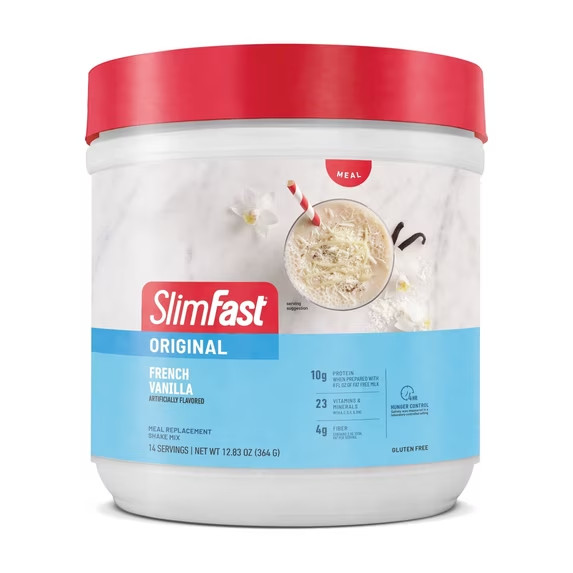 SlimFast Original Meal Replacement Shake Powder in French Vanilla, 12.83 oz$5.99View on eBay
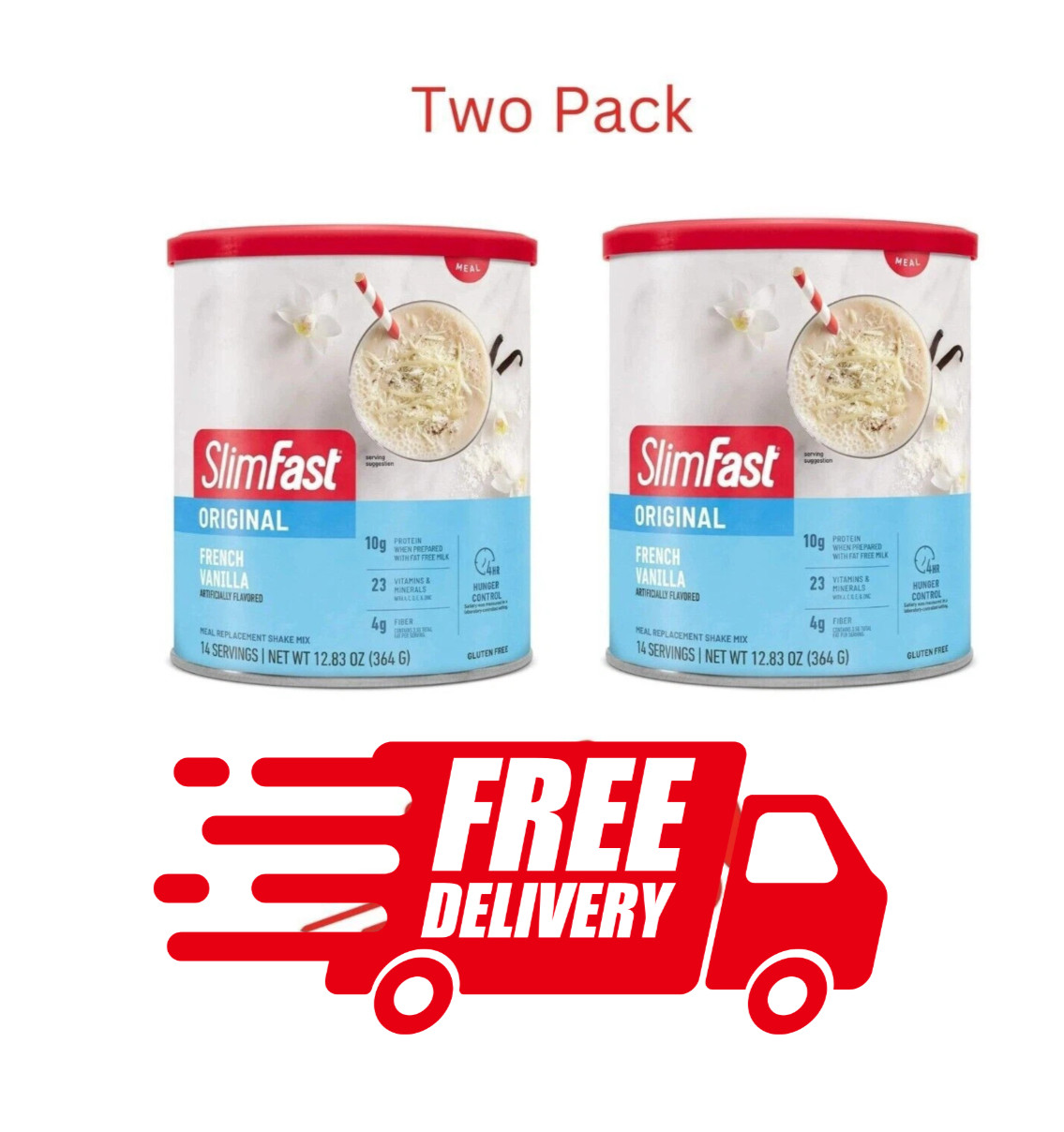 (2 PACK) SlimFast Original Meal Replacement Shake Powder, French Vanilla, 12.83$8.29View on eBay
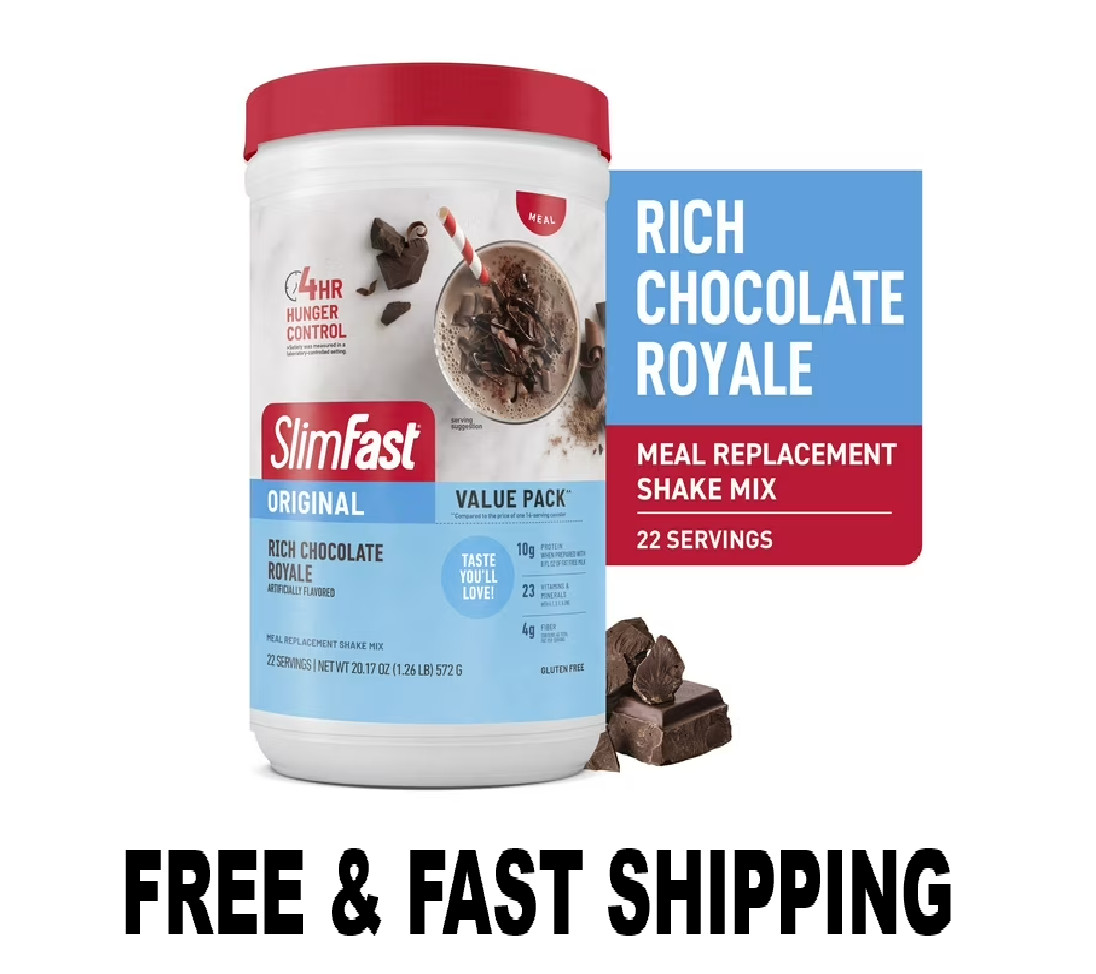 SlimFast Original Meal Replacement Shake Mix, Rich Chocolate Royale, 20.18 oz,$8.49View on eBay
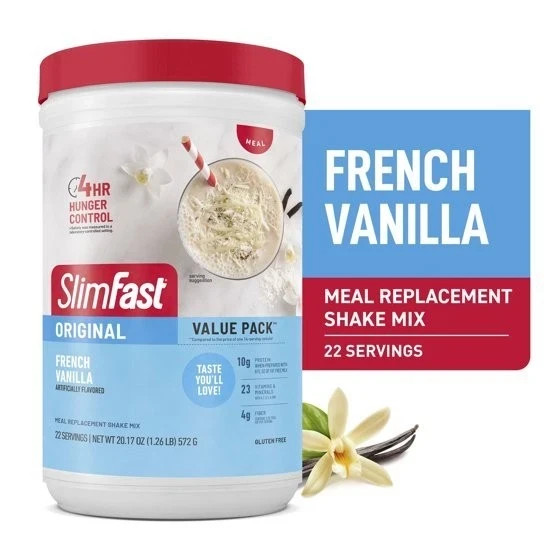 SlimFast Original Meal Replacement Shake Mix, French Vanilla, 22 Servings$9.98View on eBay
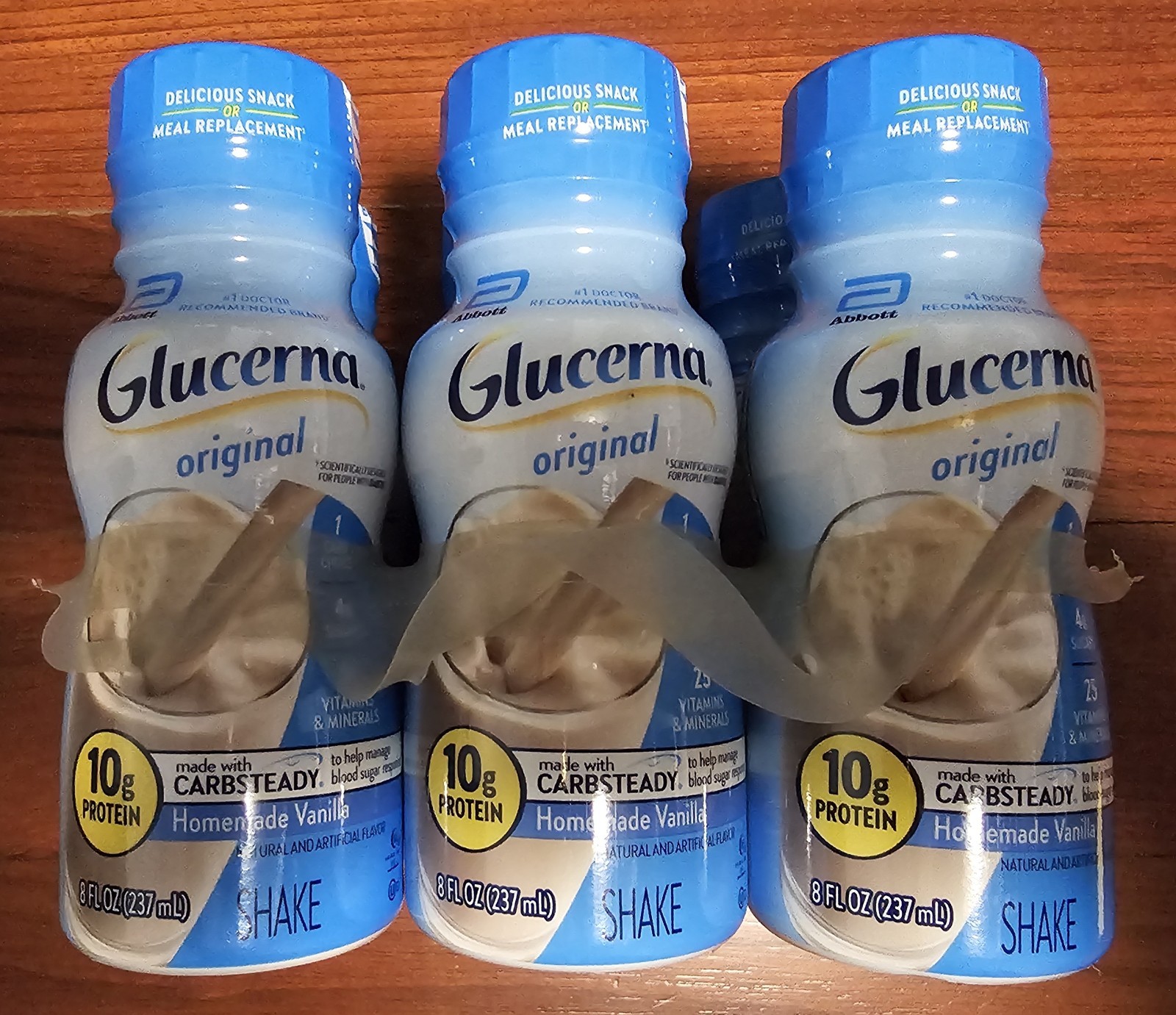 Glucerna Original Meal Replacement Shakes - Homemade Vanilla - 6 Pack (8 fl oz)$10.99View on eBay
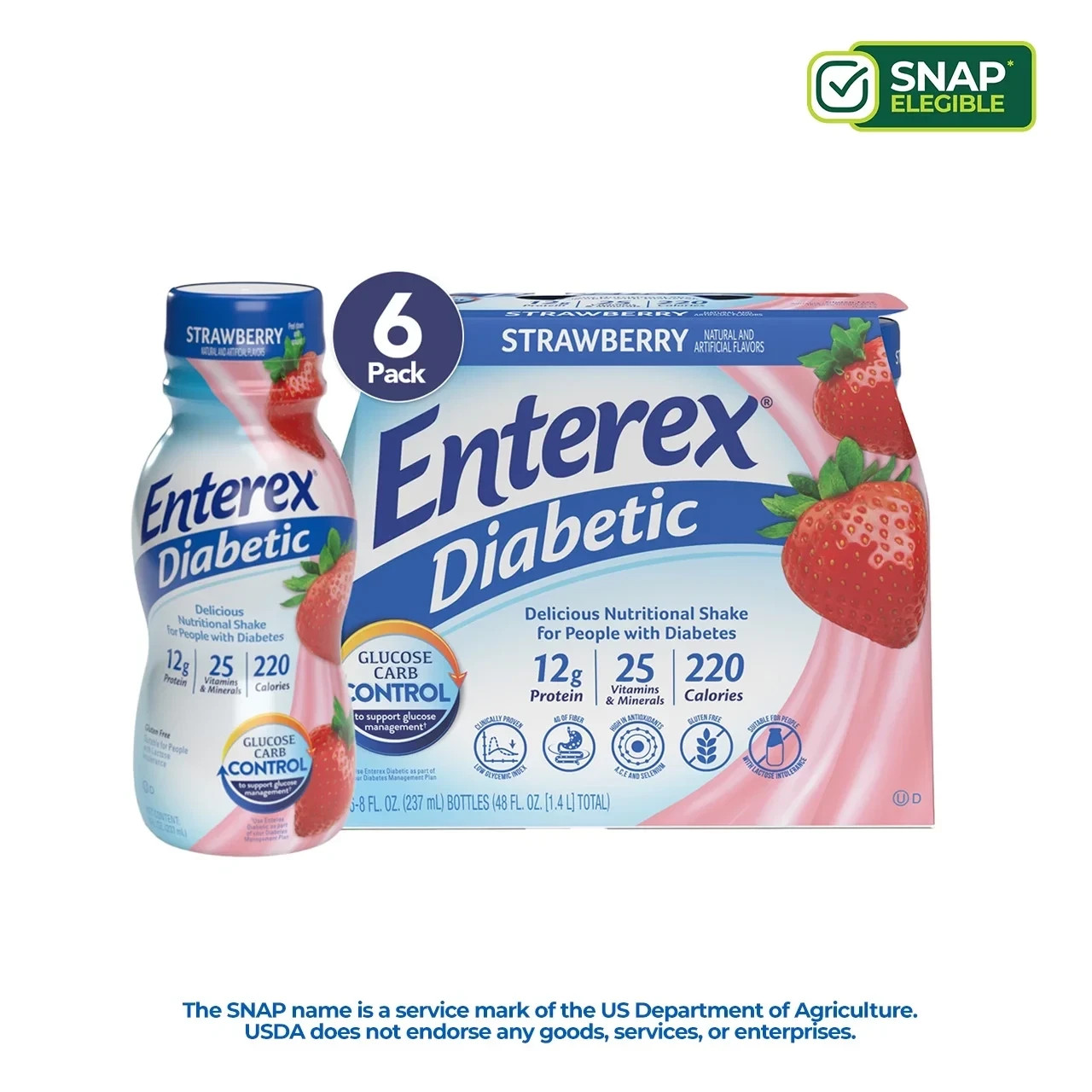 Diabetic Nutritional Meal Replacement Shake,For People with Diabetes,Strawberry$10.99View on eBay
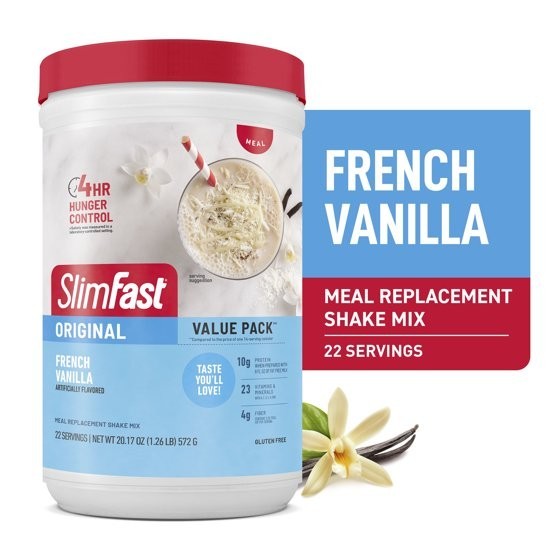 SlimFast Original Meal Replacement Shake Mix, French Vanilla, 22 Servings$12.48View on eBay
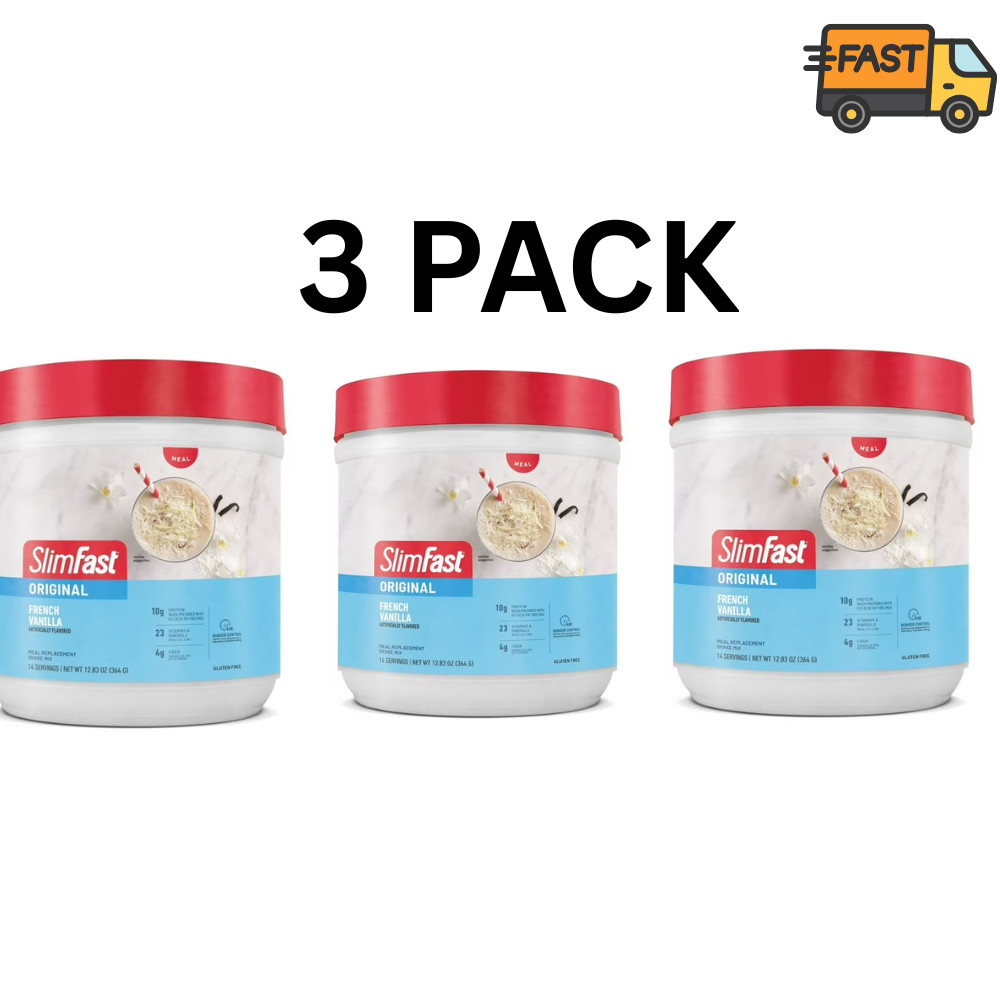 SlimFast French Vanilla Meal Replacement Shake Powder 12.83 oz Pack of 3$15.68View on eBay
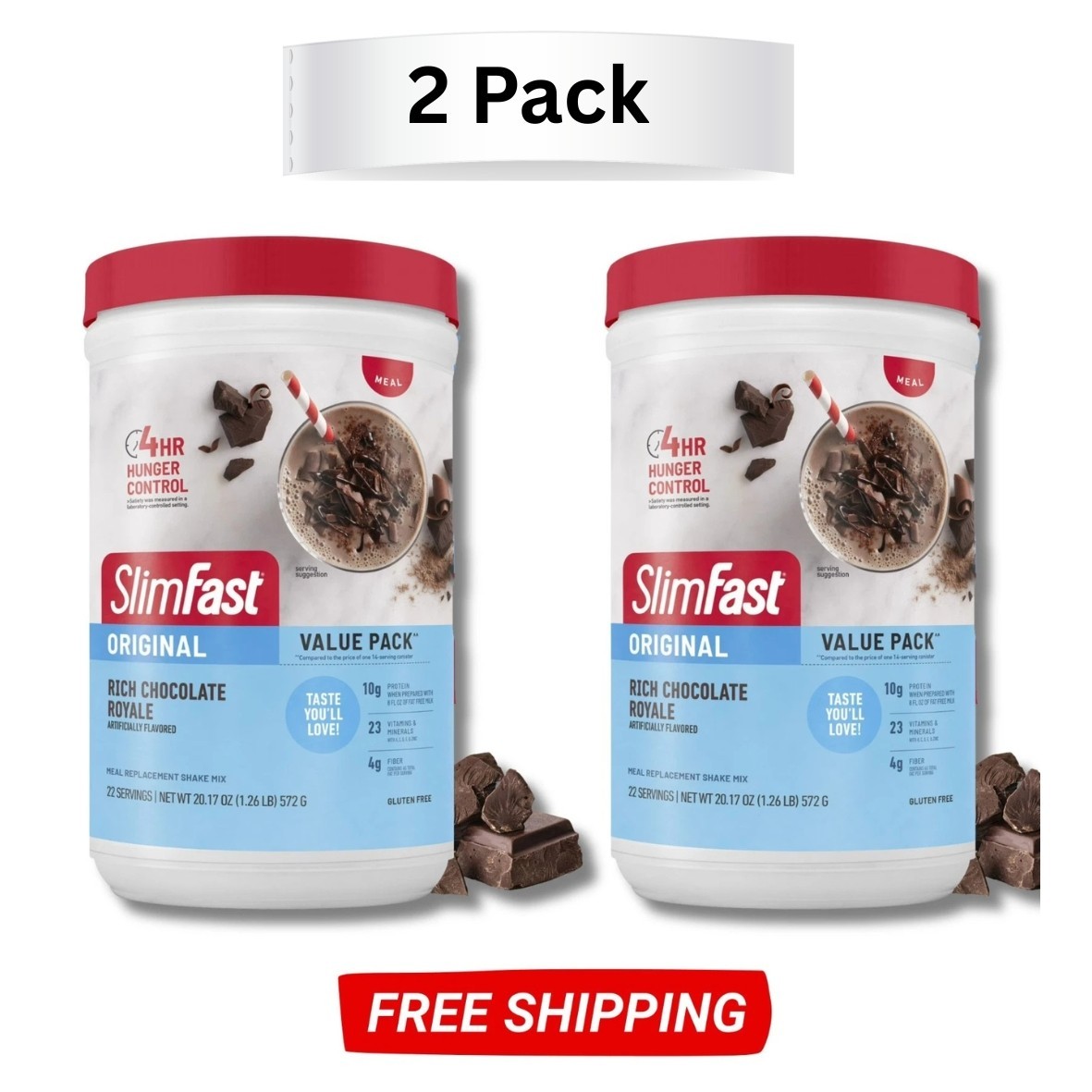 SlimFast Original Rich Chocolate Royale Meal Replacement Shake 20.18 Oz (2 Pack$15.90View on eBay
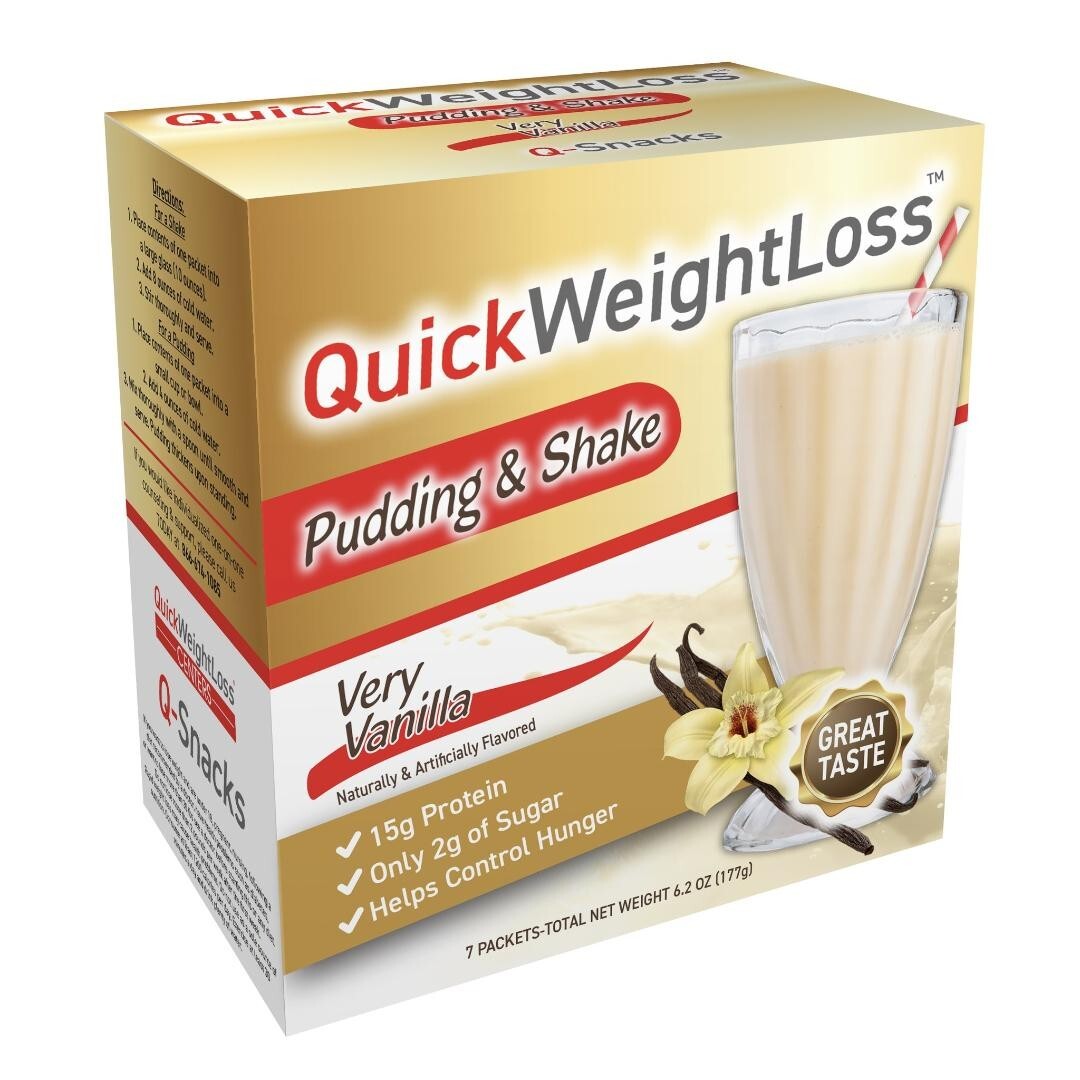 Very Vanilla Pudding Shake Meal Replacement 15g Fast Weight Loss Supplement 7ct$16.49Last checked Nov 23, 2026View on eBay
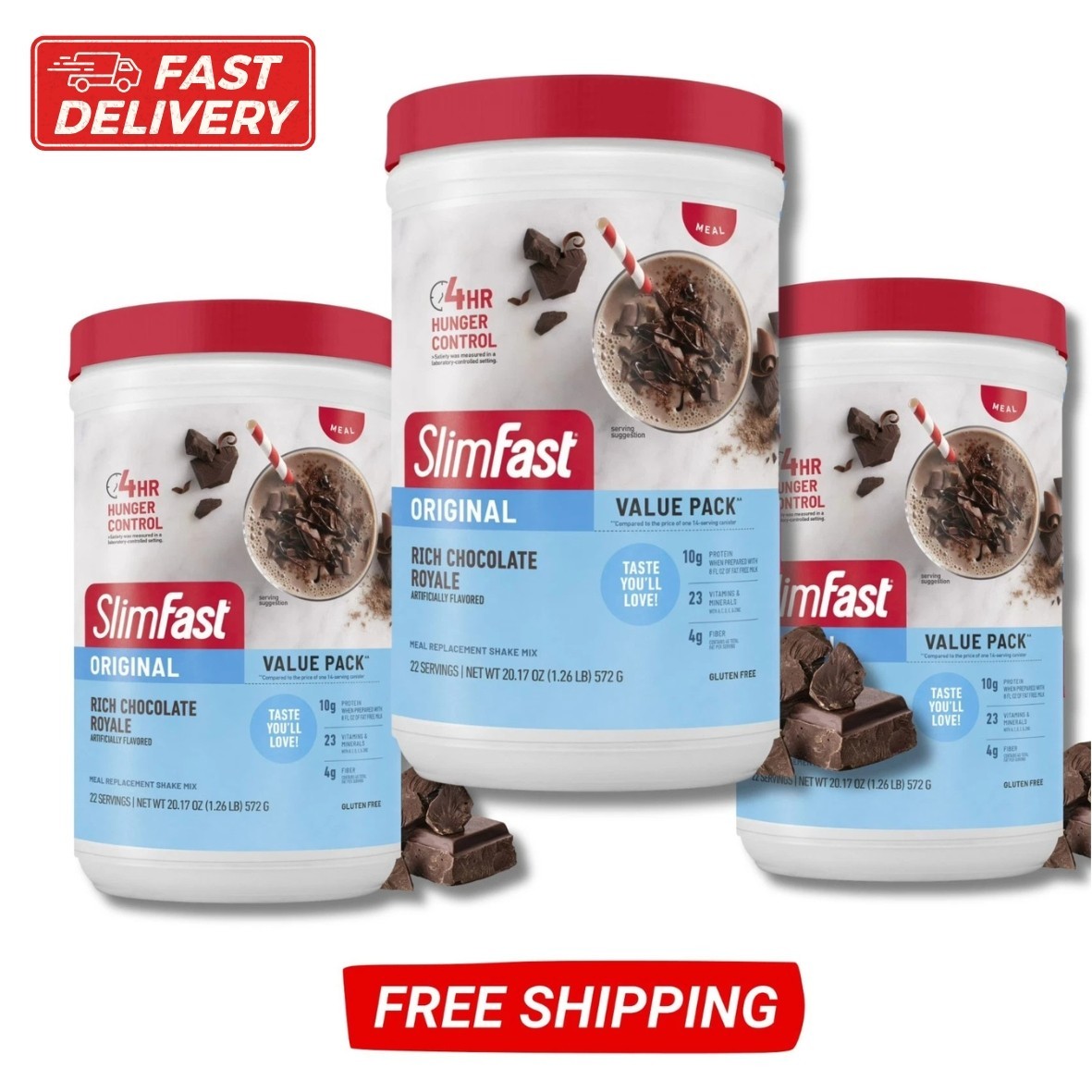 SlimFast Original Meal Replacement Shake Mix, Rich Chocolate Royale, 20.18 oz,$18.00View on eBay
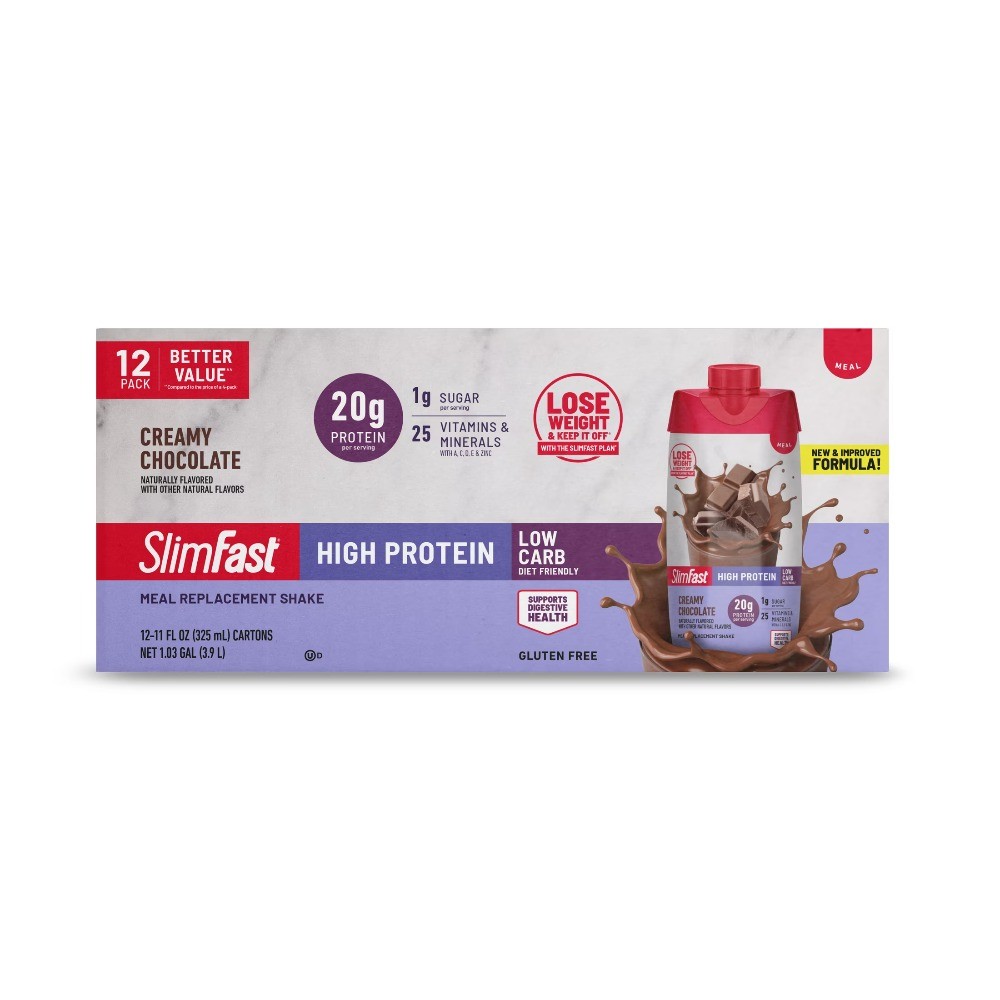 High Protein 20g Ready To Drink Meal Replacement Shake Creamy Chocolate,11oz12ct$23.99View on eBay
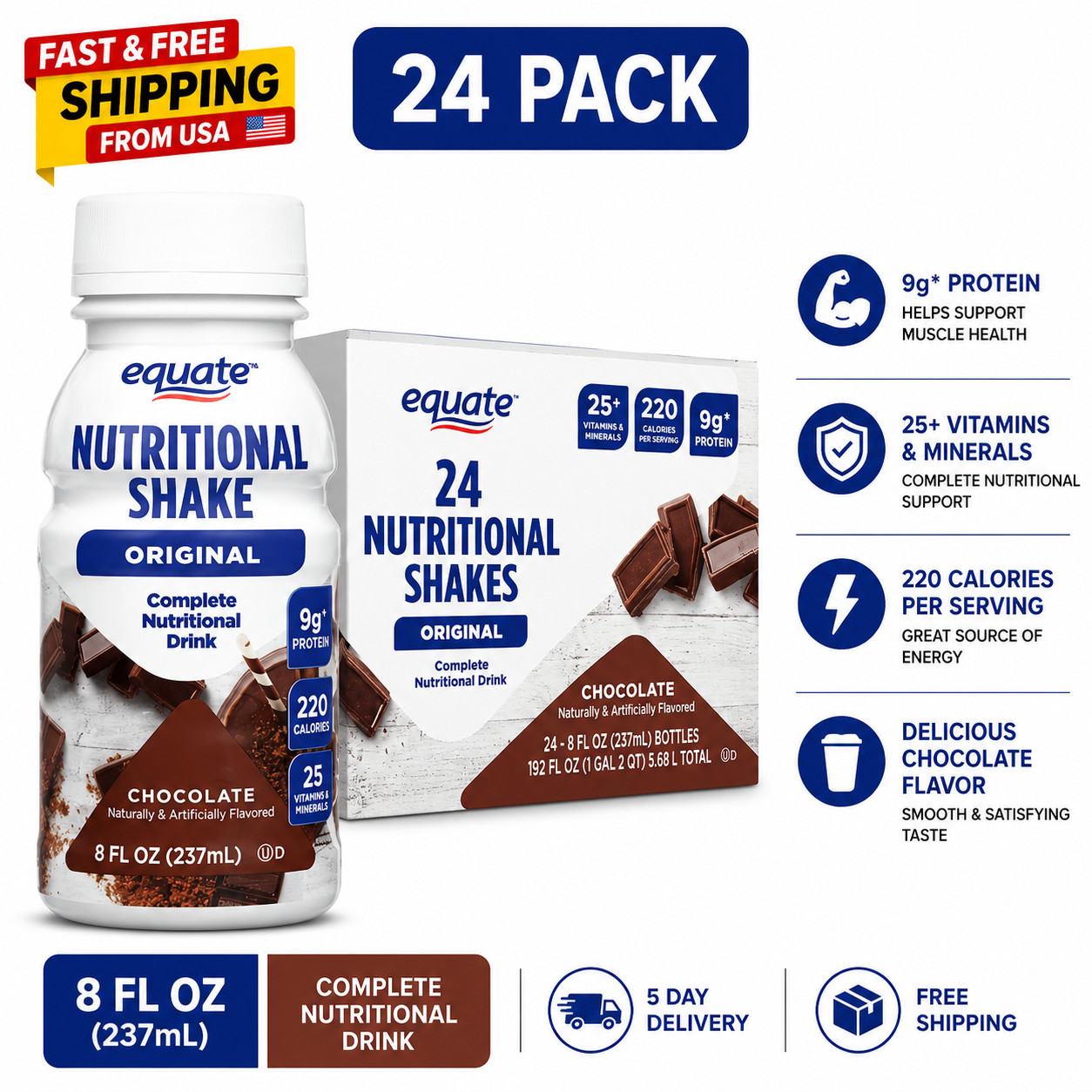 Equate Original Meal Replacement Nutritional Shakes, Chocolate, 8 Oz, 24 Count$28.34View on eBay
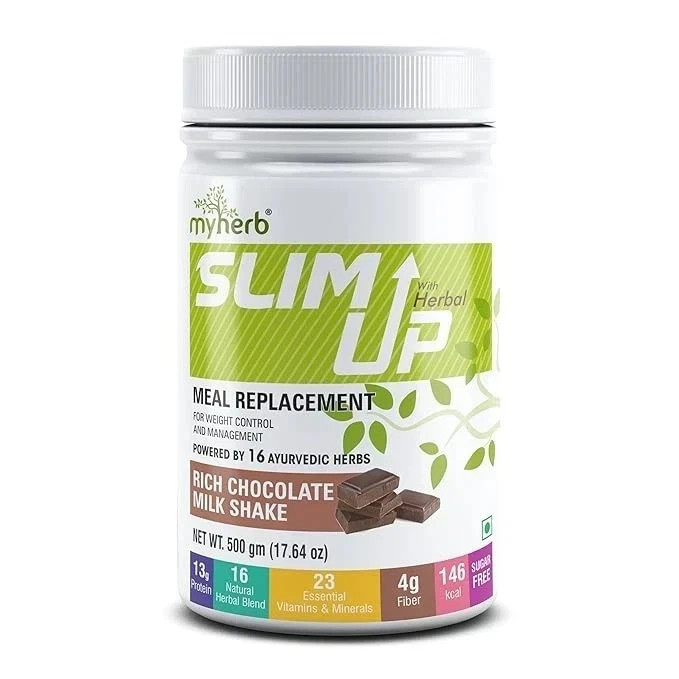 MYHERB Slim Up Meal Replacement Shake 500 g – Pack of 1 | Weight Management$29.74View on eBay
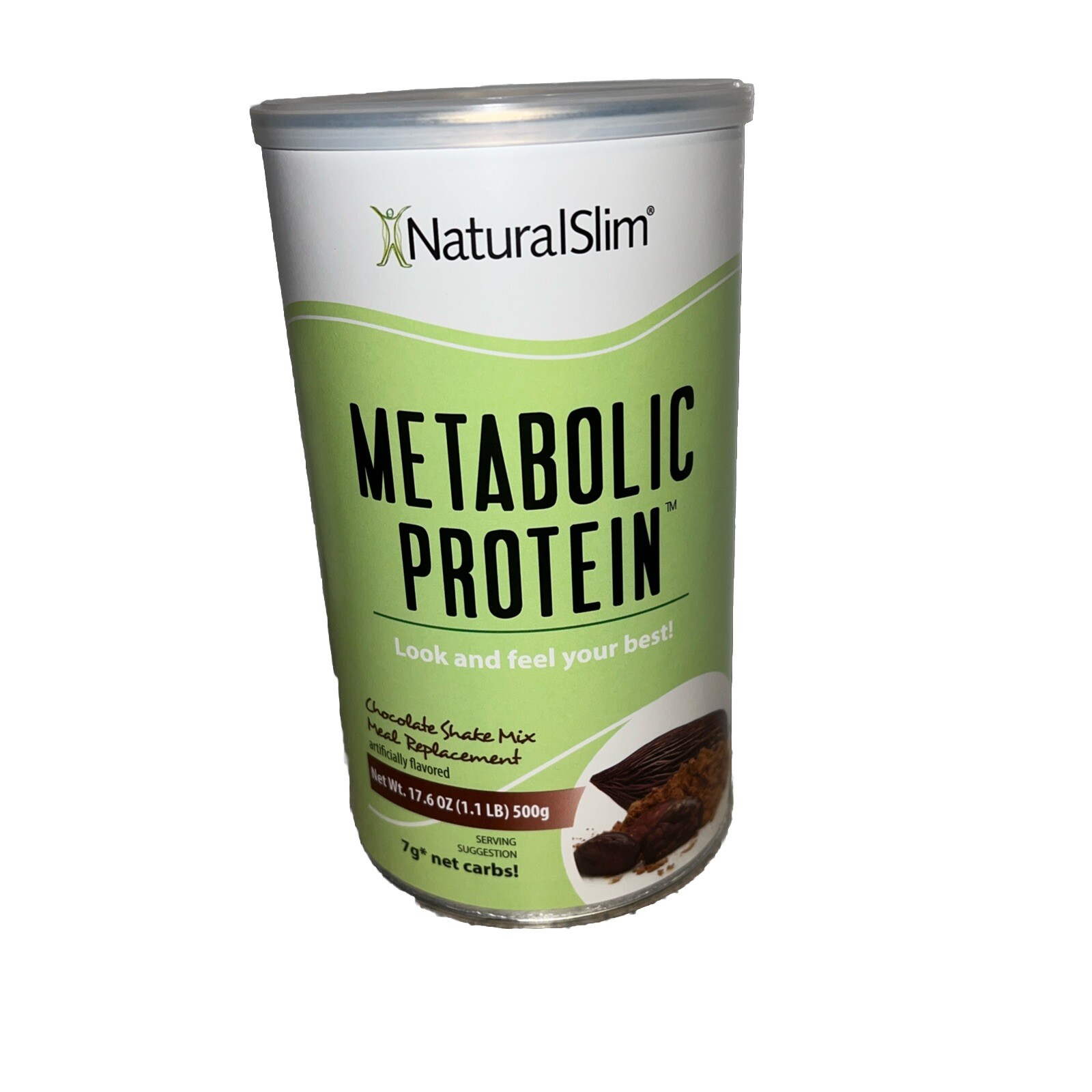 NaturalSlim Metabolic Whey Protein Powder - Chocolate Meal Replacement Shake$29.99Last checked Nov 23, 2026View on eBay
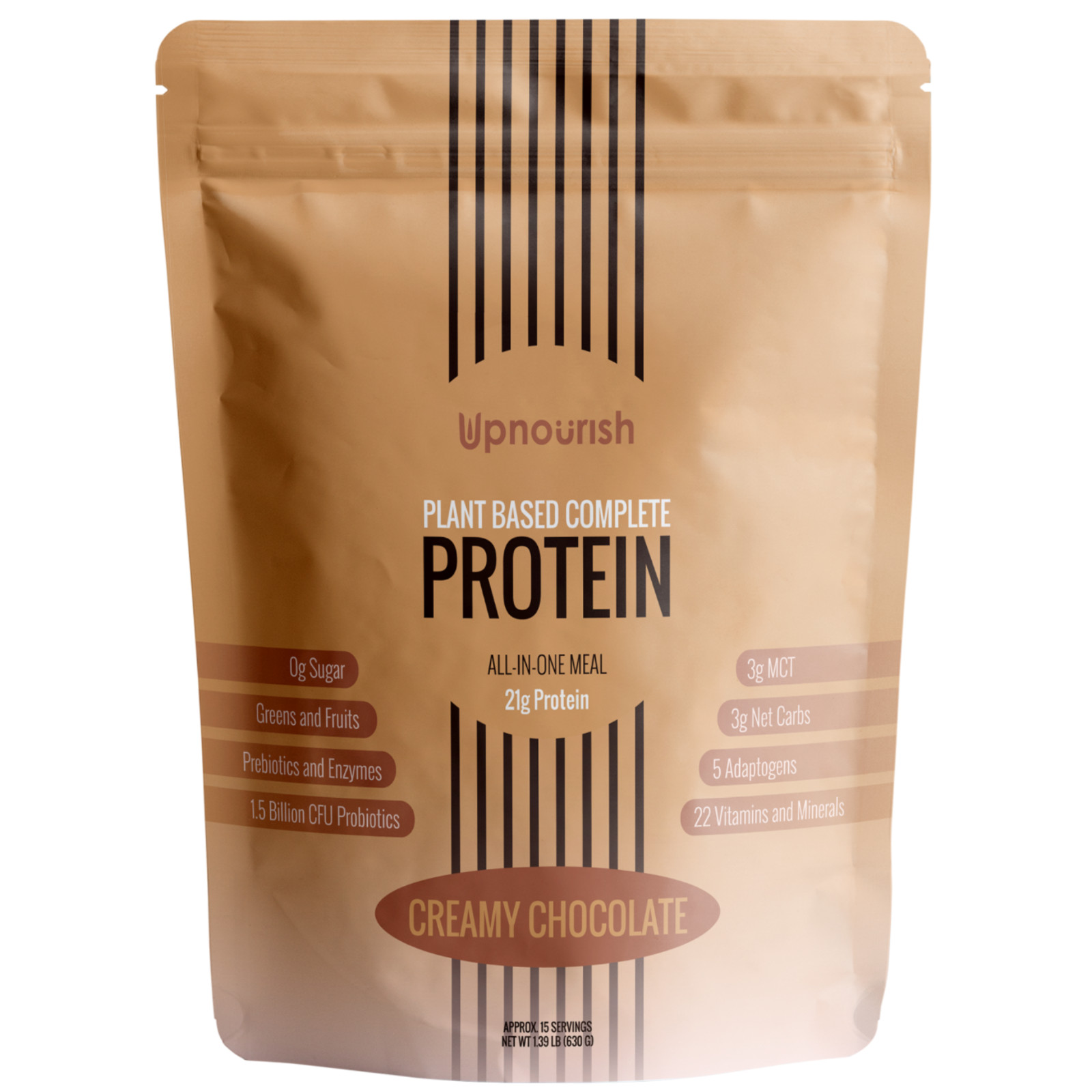 Vegan Plant Based Complete Protein Meal Replacement Shake Chocolate Gluten Free$29.99View on eBay
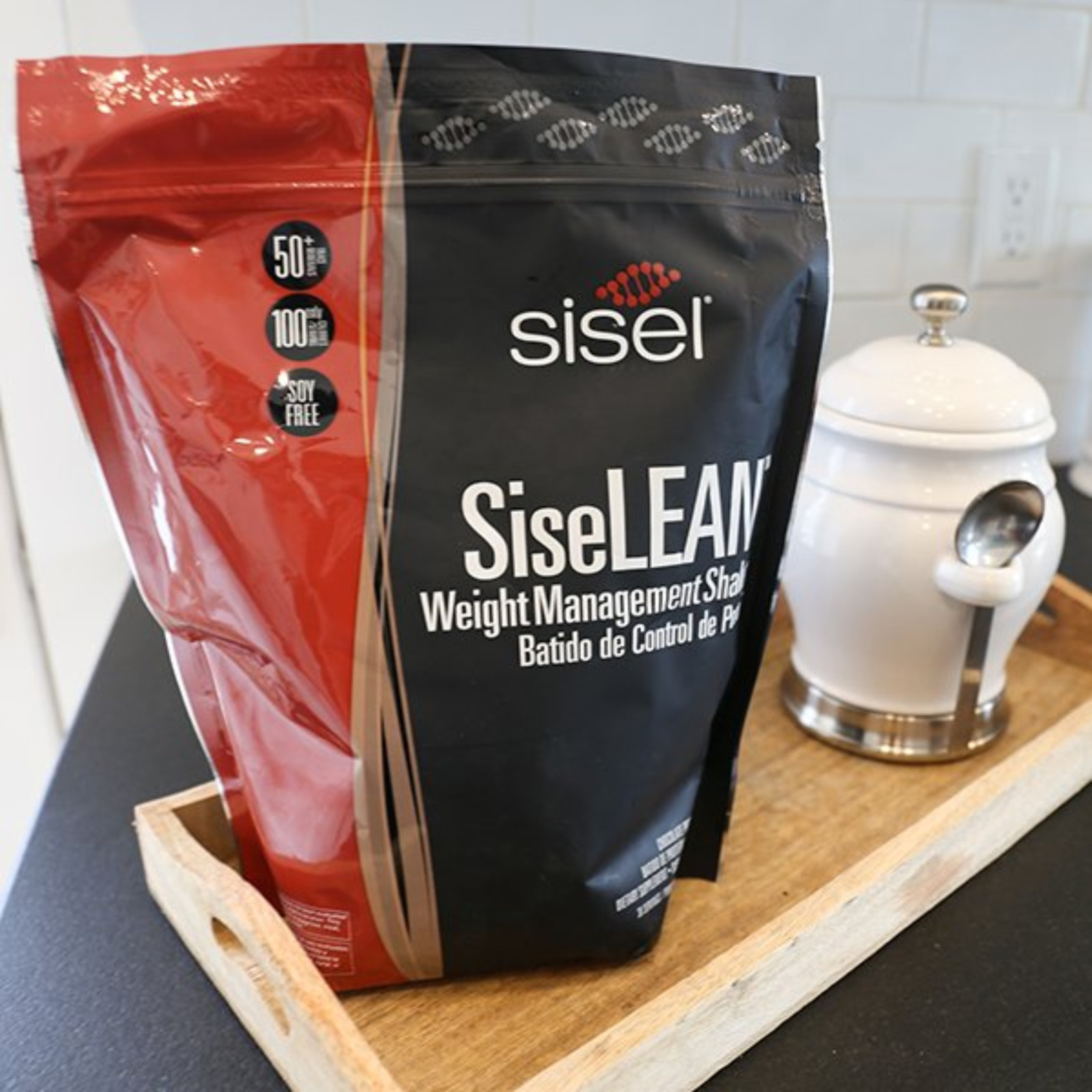 Sisel SiseLEAN Chocolate Weight Management Protein Shake Meal Replacement 30 Ser$34.59View on eBay
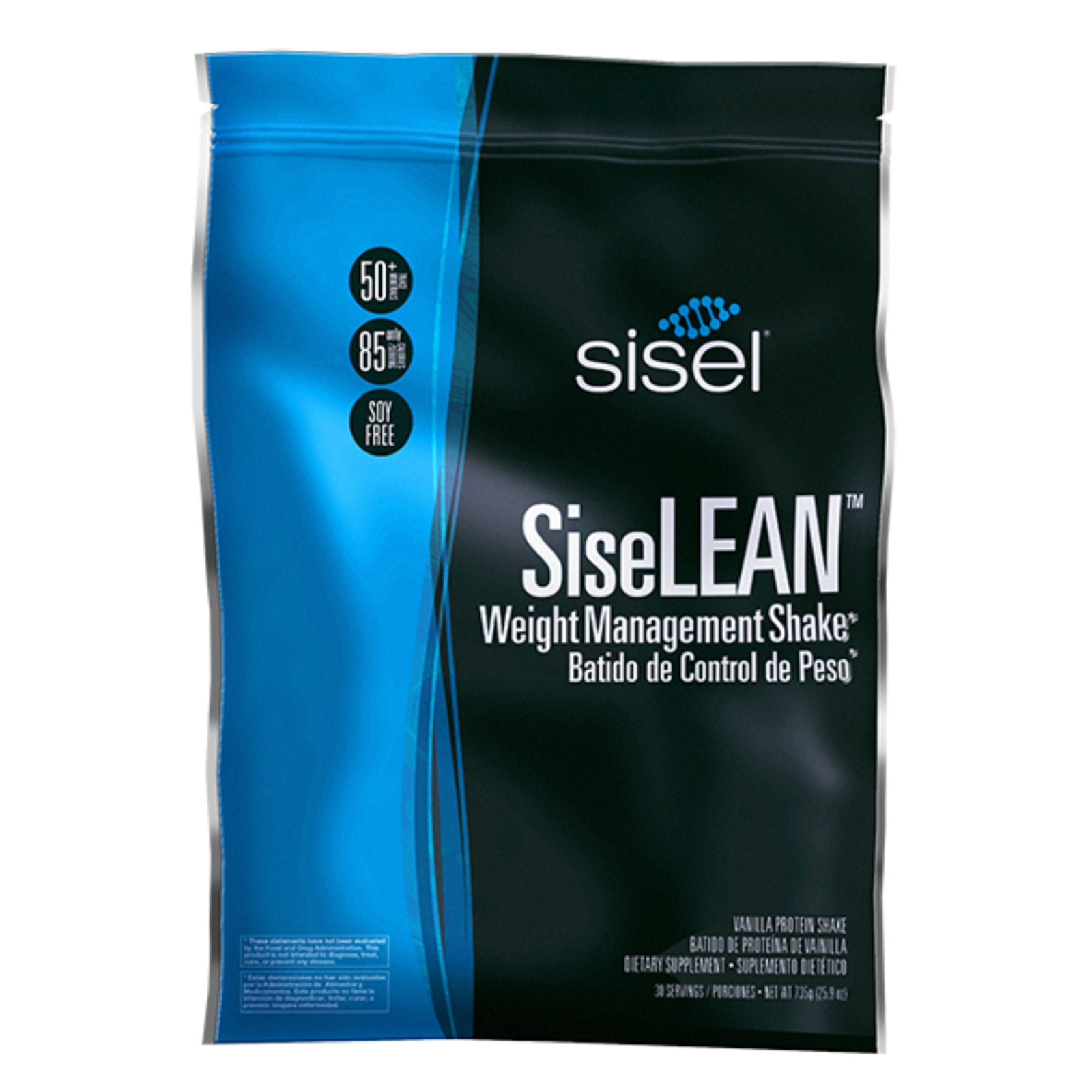 Sisel SiseLEAN Vanilla Weight Management Protein Shake Meal Replacement - NEW$34.59View on eBay
Highlights
- Elder-specific clinical formulas typically provide 20-30 g protein and 250-350 kcal per serving, while SlimFast Original delivers only 10 g protein and 180-200 kcal — insufficient for muscle preservation.
- Diabetic formulas like Glucerna use a slow-release carbohydrate blend (sucromalt, fiber) with 15-20 g protein and 200-250 kcal per 8 oz, keeping glycemic response low versus standard shakes.
- Powder formats require mixing with 8-12 oz water or milk but offer 12-22 servings per can; ready-to-drink shakes deliver single-serve 8-11 oz bottles with no prep, preferred when dexterity or cognition limits food preparation.
- Standard shake powders (SlimFast 12.83 oz) yield about 12-14 servings at ~110-130 kcal per scoop when mixed with water; clinical powders (e.g., Ensure Powder) deliver 220-250 kcal per scoop — read the serving size before comparing.
Best use cases
- Best fit: An elderly person with unintended weight loss or low appetite should choose a high-calorie (250-350 kcal), high-protein (20-30 g) clinical ready-to-drink shake — skip SlimFast Original, which is calorie-restricted and unsuitable for malnutrition.
- Best fit: Diabetic elderly with glucose control needs should pick a diabetes-specific formula (Glucerna, or equivalent slow-carb) in 8-11 oz ready-to-drink bottles; skip standard high-sugar powders and SlimFast which contain 18-22 g sugar per serving.
- Best fit: Elderly with swallowing difficulty (dysphagia) need pre-thickened ready-to-drink shakes at nectar or honey consistency; skip powder formats entirely because thickening after mixing is unreliable and unsafe.
- Wrong fit: An active elderly person eating three solid meals daily does not need meal replacements — a standard multivitamin and protein-rich diet suffices; shakes add cost without benefit and can displace whole foods.
Buying tips
- Match calories to body weight: for unintended weight loss, aim for 250-350 kcal per shake and 2 shakes daily (500-700 kcal supplement) alongside meals; for maintenance, 200-250 kcal per serving is adequate.
- Check protein type and amount: whey or casein isolates at 20-30 g per serving support muscle protein synthesis in older adults; 10 g or less per serving (common in diet shakes) does not meet elder protein needs.
- Verify diabetic suitability: choose formulas with <10 g total sugar and a fiber blend (1-3 g soluble fiber per serving) and slow carbs like sucromalt or maltodextrin-free blends; avoid powders listing sugar or corn syrup solids in the first three ingredients.
- Prefer ready-to-drink bottles for anyone with limited hand strength, arthritis, or cognitive impairment — no scooping, blending, or measuring; powders save cost but require reliable preparation and clean water.
Specs
| Protein Per Serving | 10-30 g (elder clinical: 20-30 g) |
|---|---|
| Calories Per Serving | 180-350 kcal (diet vs clinical) |
| Sugar Per Serving | <10 g for diabetic formulas |
| Format | Powder (multi-serve) vs Ready-to-Drink |
Related searches
What to check before buying
- Measure the elderly person's daily fluid limit: ready-to-drink shakes are 8-11 oz each; 2 shakes use 16-22 oz of fluid, which matters for heart or kidney conditions with fluid restrictions.
- Confirm any renal or hepatic diet restrictions: standard high-protein shakes may exceed protein limits in chronic kidney disease; a renal-specific formula (lower protein, lower potassium/phosphorus) is required.
- Check the serving size and scoop-to-water ratio on powder labels: mix with 8 oz water unless the label says milk; using milk adds 80-150 kcal and 8 g protein, which can be desirable or excessive depending on the goal.
- Verify texture needs: if a speech-language pathologist has recommended thickened liquids, only pre-thickened ready-to-drink products at the prescribed IDDSI level (nectar= mildly thick, honey= moderately thick) are safe.
FAQ
Data sources: eBay / Amazon listings and product attribute feeds. Updated Nov 27, 2026.
Some links on this page are affiliate links. If you buy after clicking one, we may earn a commission at no extra cost to you. This does not change which products appear here or their order. Affiliate disclosure.