
Photos from current listings. Actual item, color, and included accessories may vary.
Meal Replacement Powder Buying Guide
Meal replacement powders are engineered blends of protein, fiber, vitamins, and minerals designed to substitute a whole meal, typically at 200–400 calories per serving. The core trade-off is protein quality and density versus added sugars and artificial fillers: high-protein, low-sugar formulas support satiety and lean mass, while legacy weight-loss powders often rely on maltodextrin and sugar. Choose a powder with at least 15g protein and ≤5g added sugar per serving; skip anything listing sugar or maltodextrin as the first ingredient.
Median $37.69
Key takeaways
- Protein source determines satiety and muscle retention: whey isolate and soy protein isolate digest faster and score higher on PDCAAS than collagen or pea-only blends.
- Serving protein tiers separate products: weight-loss formulas cluster at 10–15g, high-protein meal replacements at 20–30g, and medical-grade options exceed 30g per serving.
- Fiber content of 5g or more per serving (from chicory root, psyllium, or resistant dextrin) slows gastric emptying and stabilizes blood glucose versus low-fiber formulas.
At a glance
- Category
- Meal Replacement Management
- Last updated
- Nov 27, 2026
Current offers
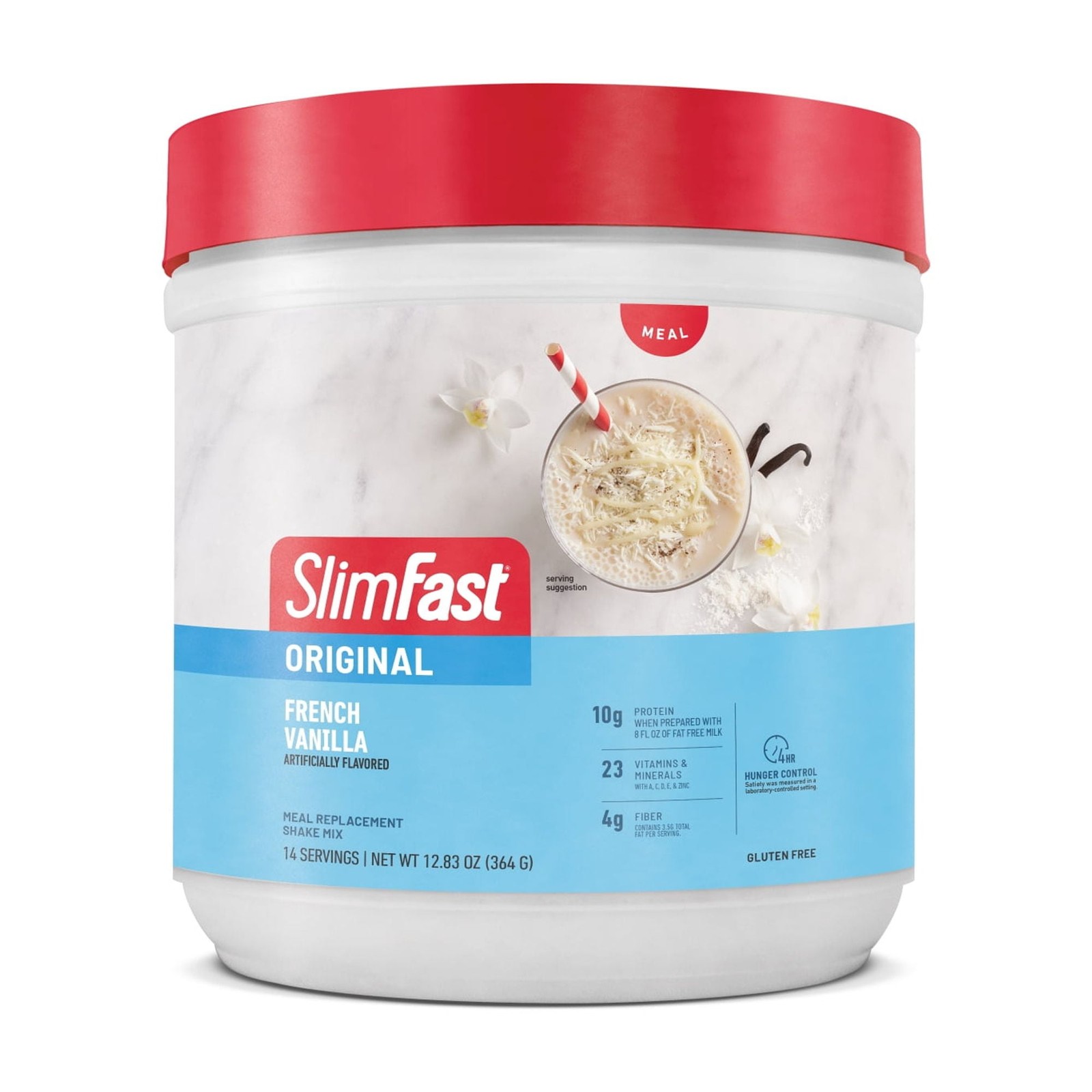 SlimFast Original French Vanilla Meal Replacement Shake Powder, 12.83 oz$4.28View on eBay
- SlimFast Original Meal Replacement Shake Powder, French Vanilla, 12.83 oz, 14...$4.28View on eBay
 SlimFast Original Meal Replacement Shake Powder in French Vanilla, 12.83 oz$5.99View on eBay
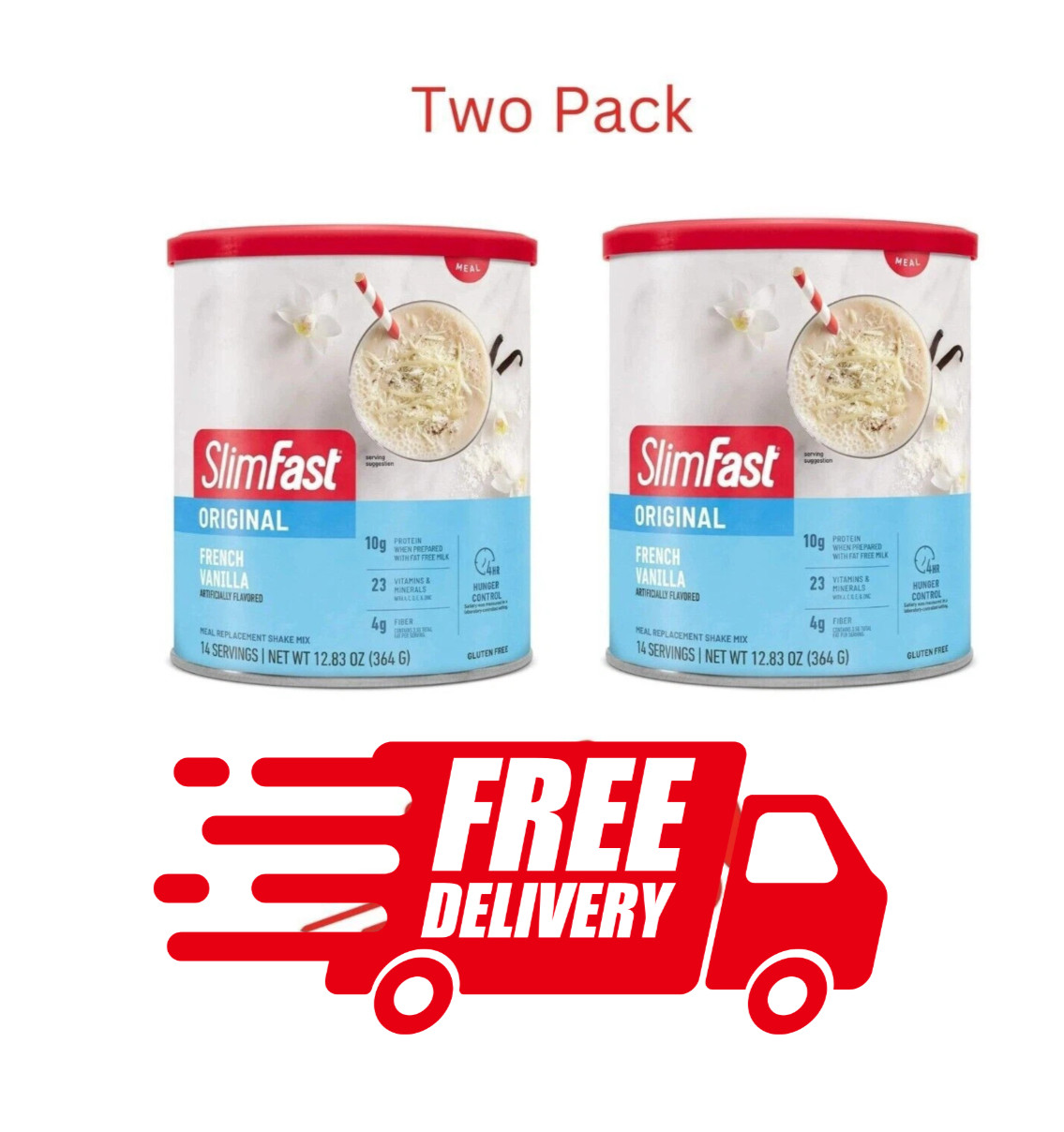 (2 PACK) SlimFast Original Meal Replacement Shake Powder, French Vanilla, 12.83$8.29View on eBay
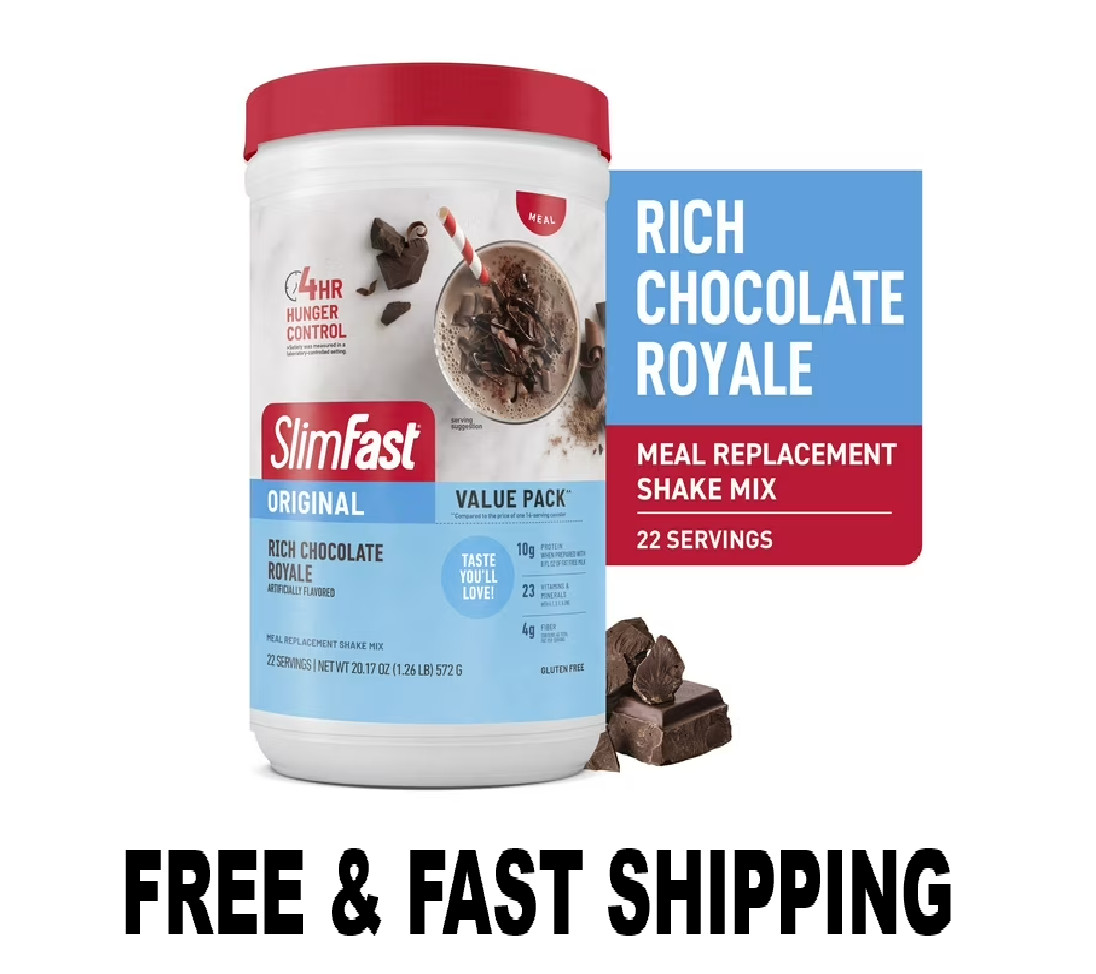 SlimFast Original Meal Replacement Shake Mix, Rich Chocolate Royale, 20.18 oz,$8.49View on eBay
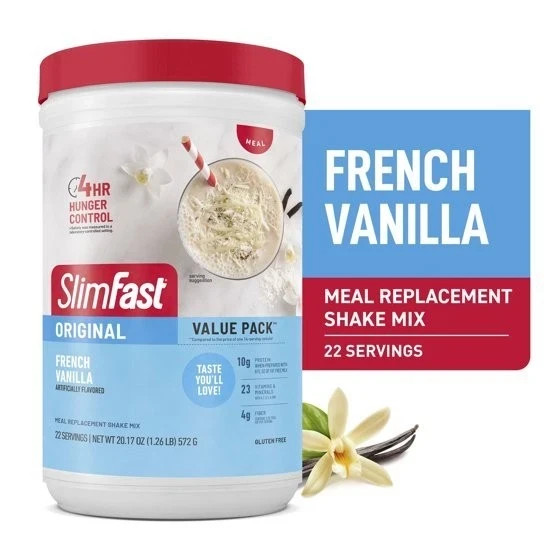 SlimFast Original Meal Replacement Shake Mix, French Vanilla, 22 Servings$9.98View on eBay
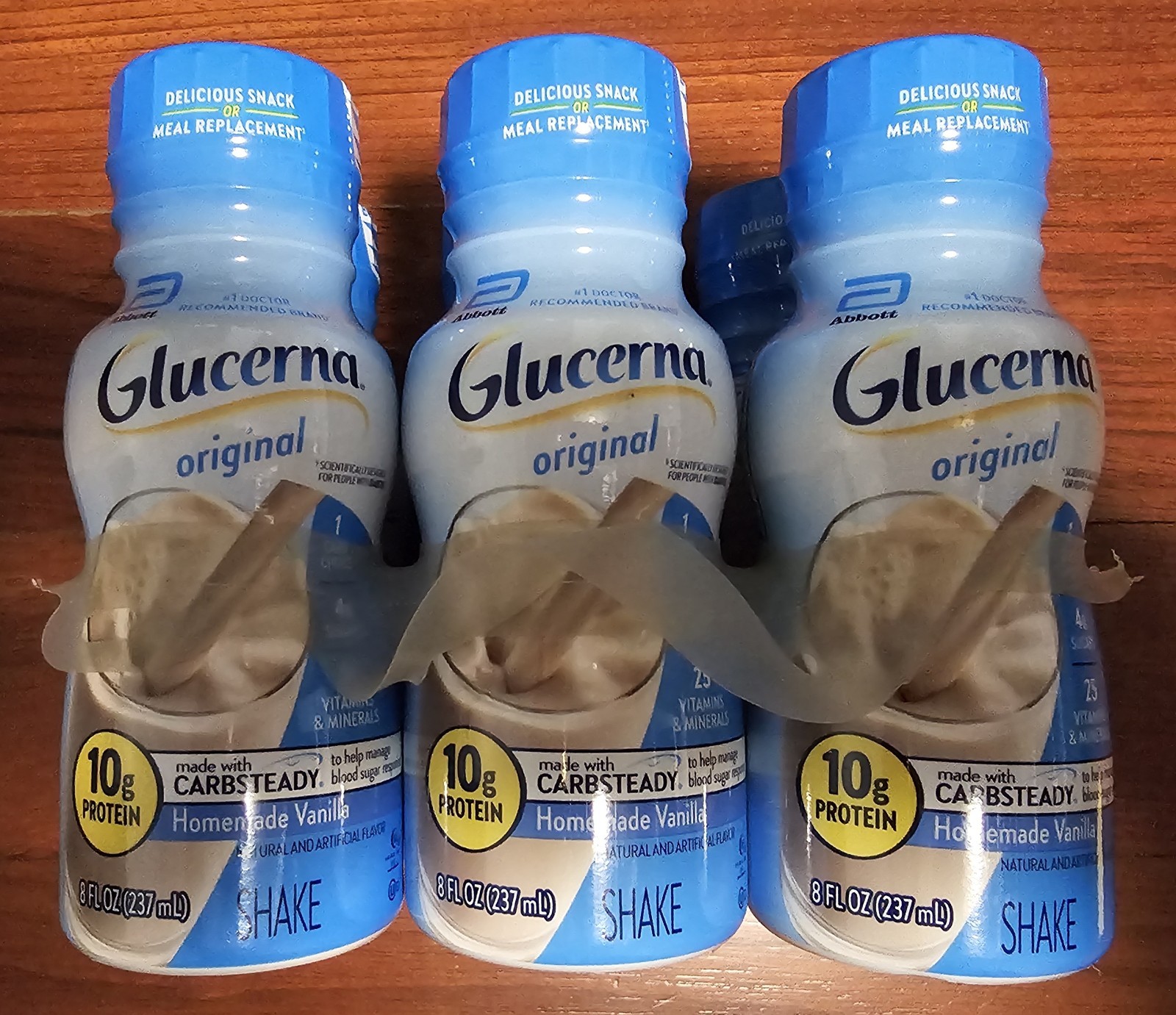 Glucerna Original Meal Replacement Shakes - Homemade Vanilla - 6 Pack (8 fl oz)$10.99View on eBay
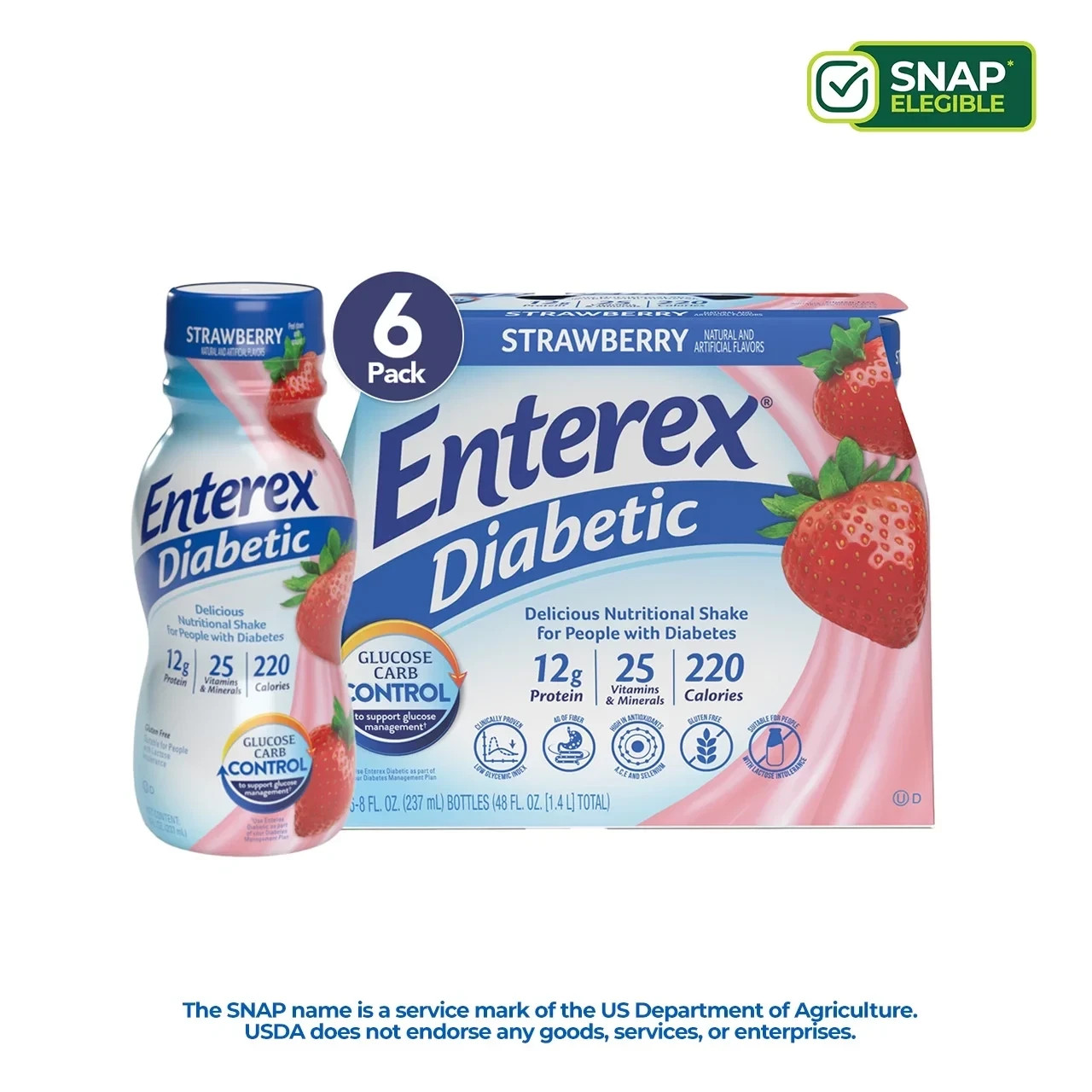 Diabetic Nutritional Meal Replacement Shake,For People with Diabetes,Strawberry$10.99View on eBay
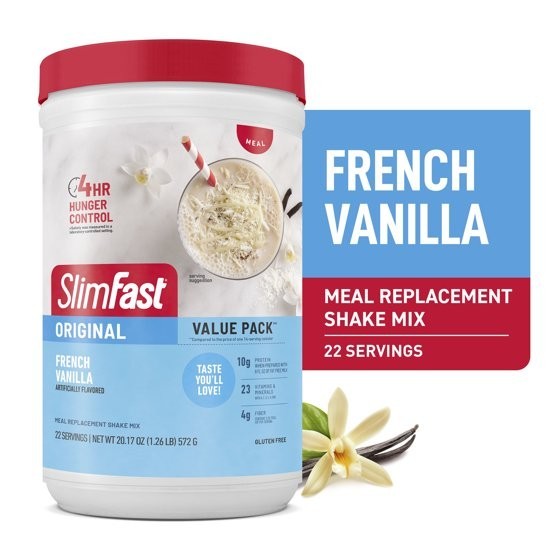 SlimFast Original Meal Replacement Shake Mix, French Vanilla, 22 Servings$12.48View on eBay
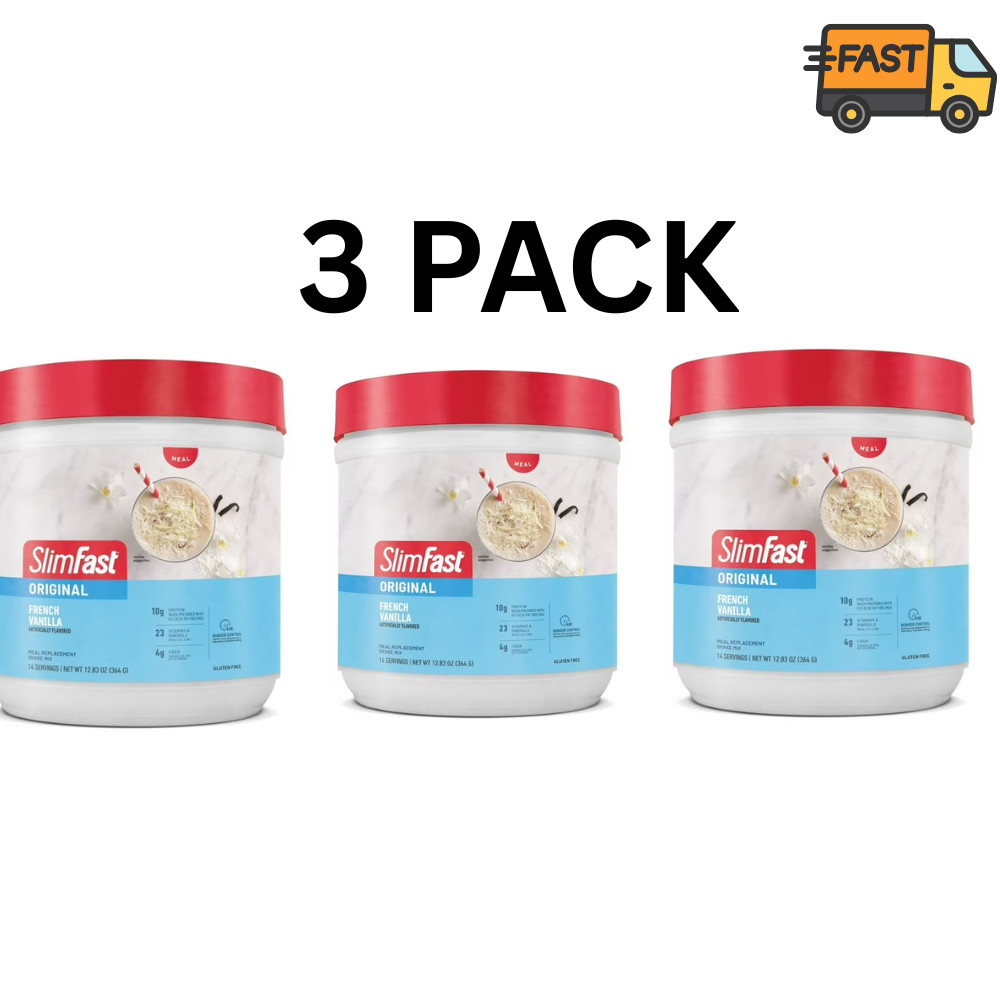 SlimFast French Vanilla Meal Replacement Shake Powder 12.83 oz Pack of 3$15.68View on eBay
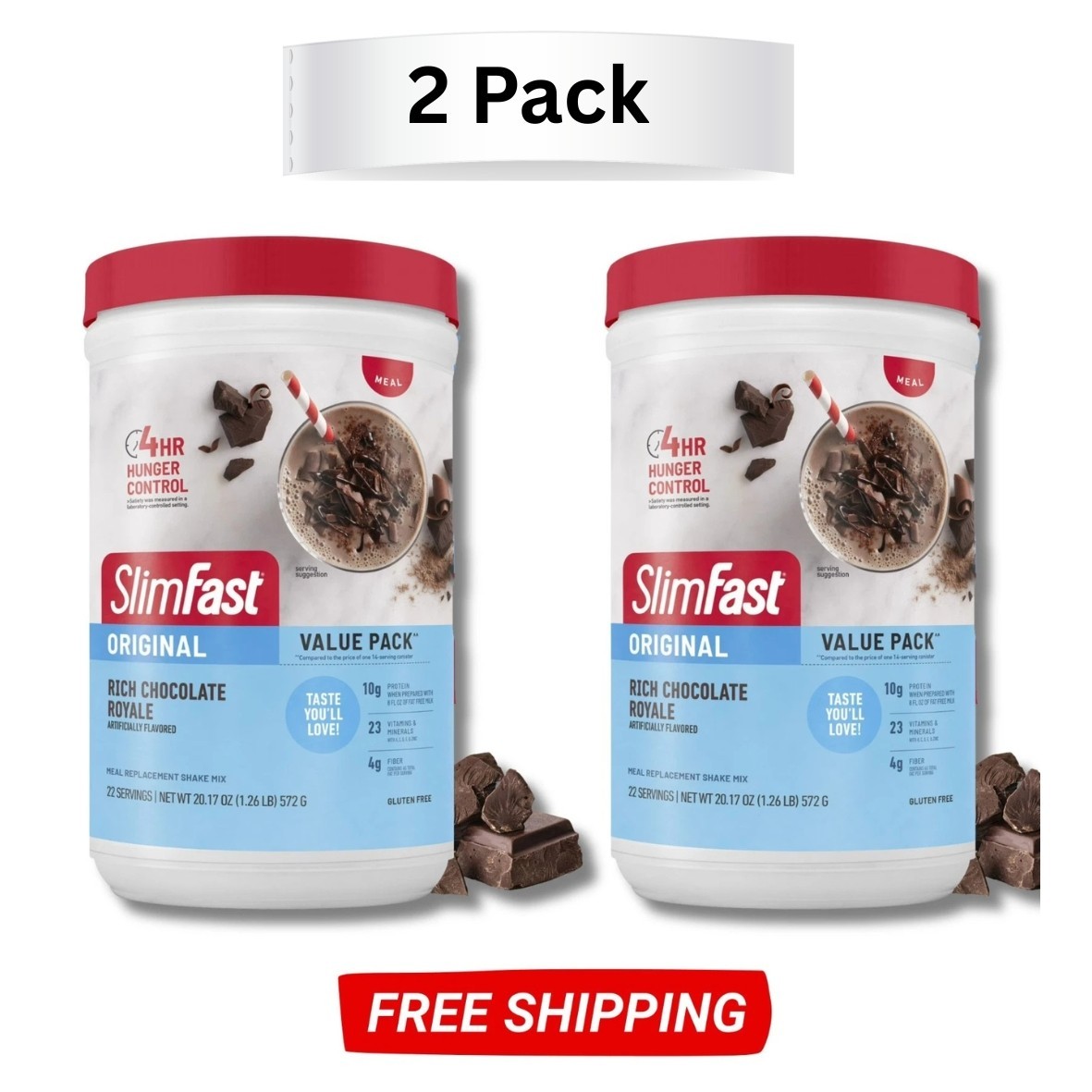 SlimFast Original Rich Chocolate Royale Meal Replacement Shake 20.18 Oz (2 Pack$15.90View on eBay
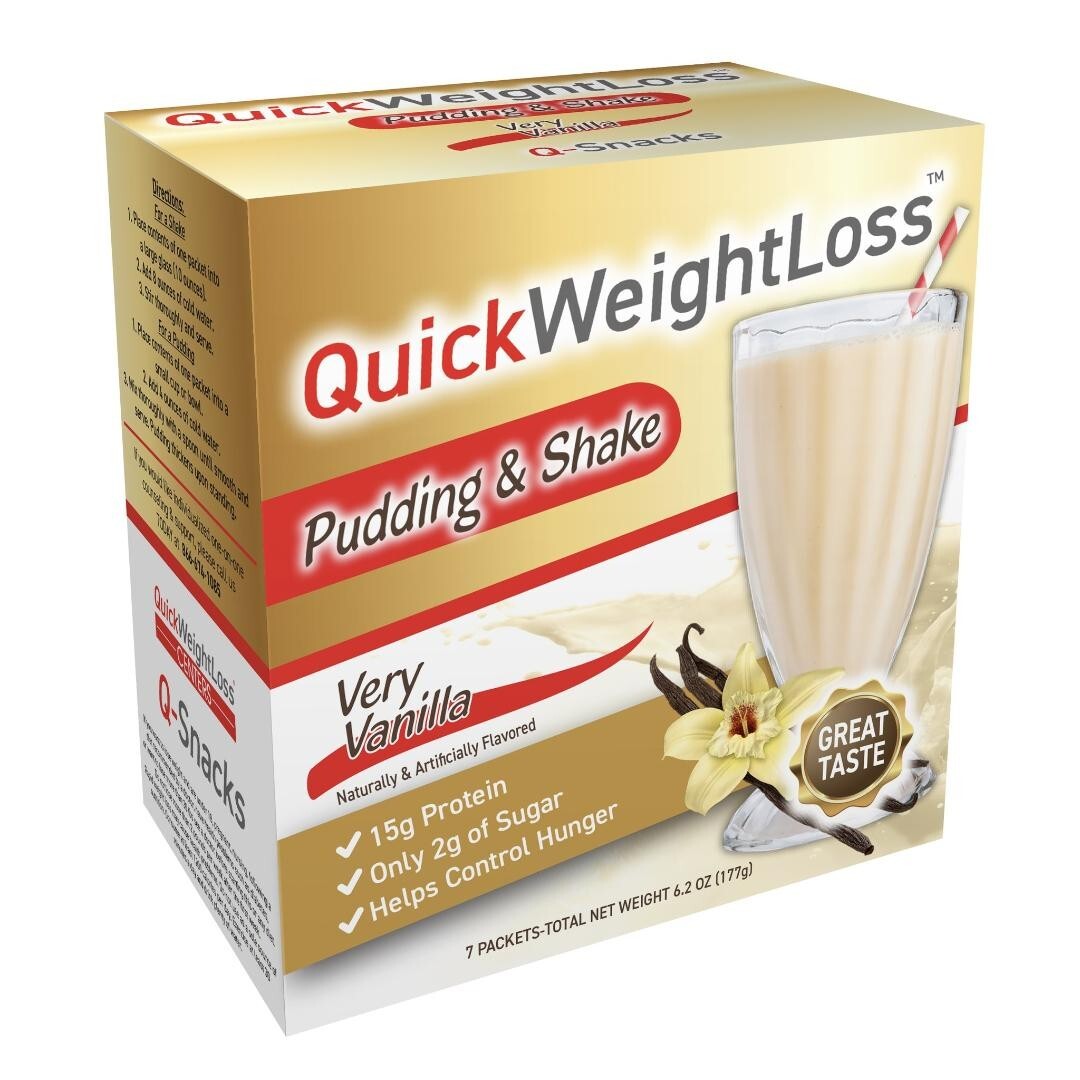 Very Vanilla Pudding Shake Meal Replacement 15g Fast Weight Loss Supplement 7ct$16.49Last checked Nov 23, 2026View on eBay
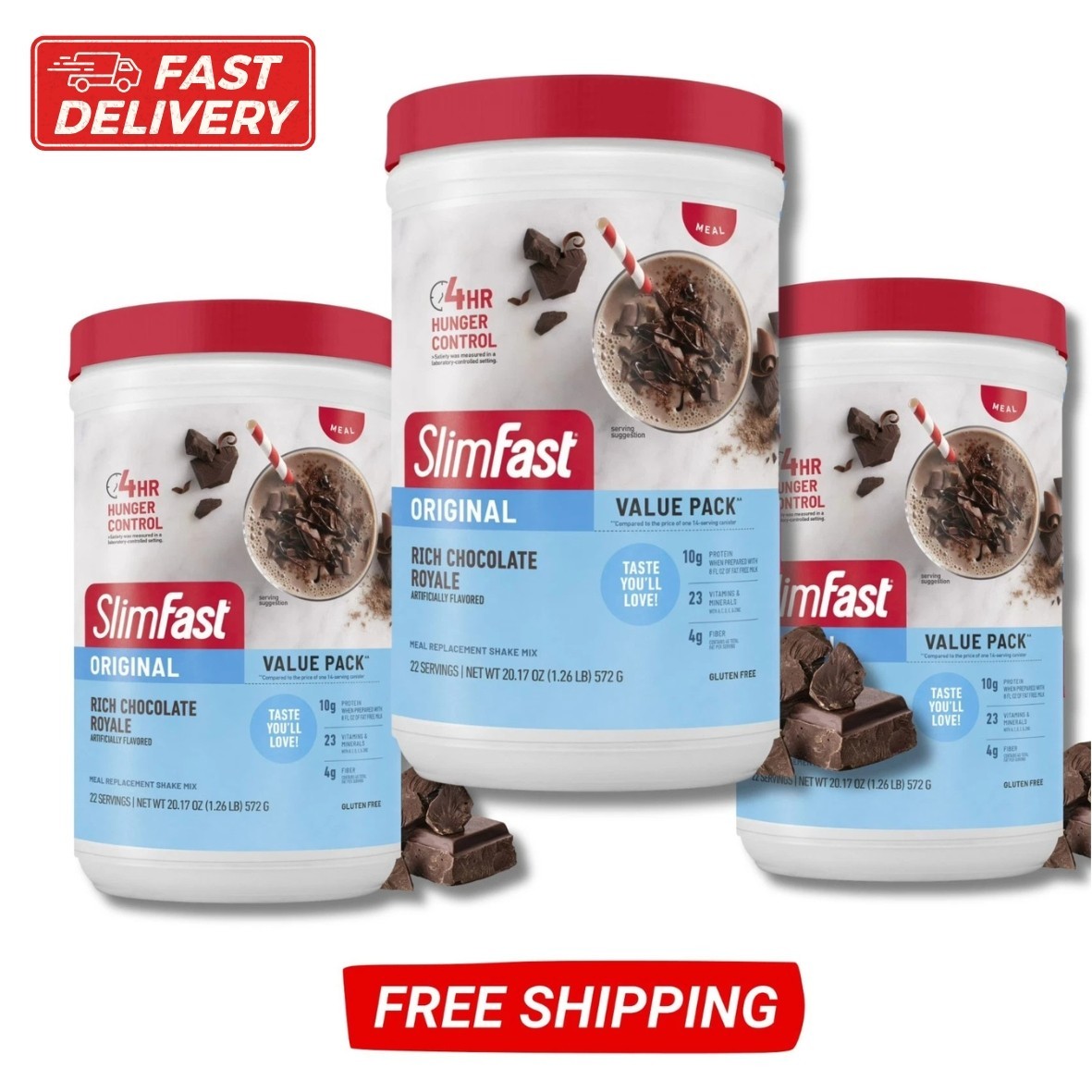 SlimFast Original Meal Replacement Shake Mix, Rich Chocolate Royale, 20.18 oz,$18.00View on eBay
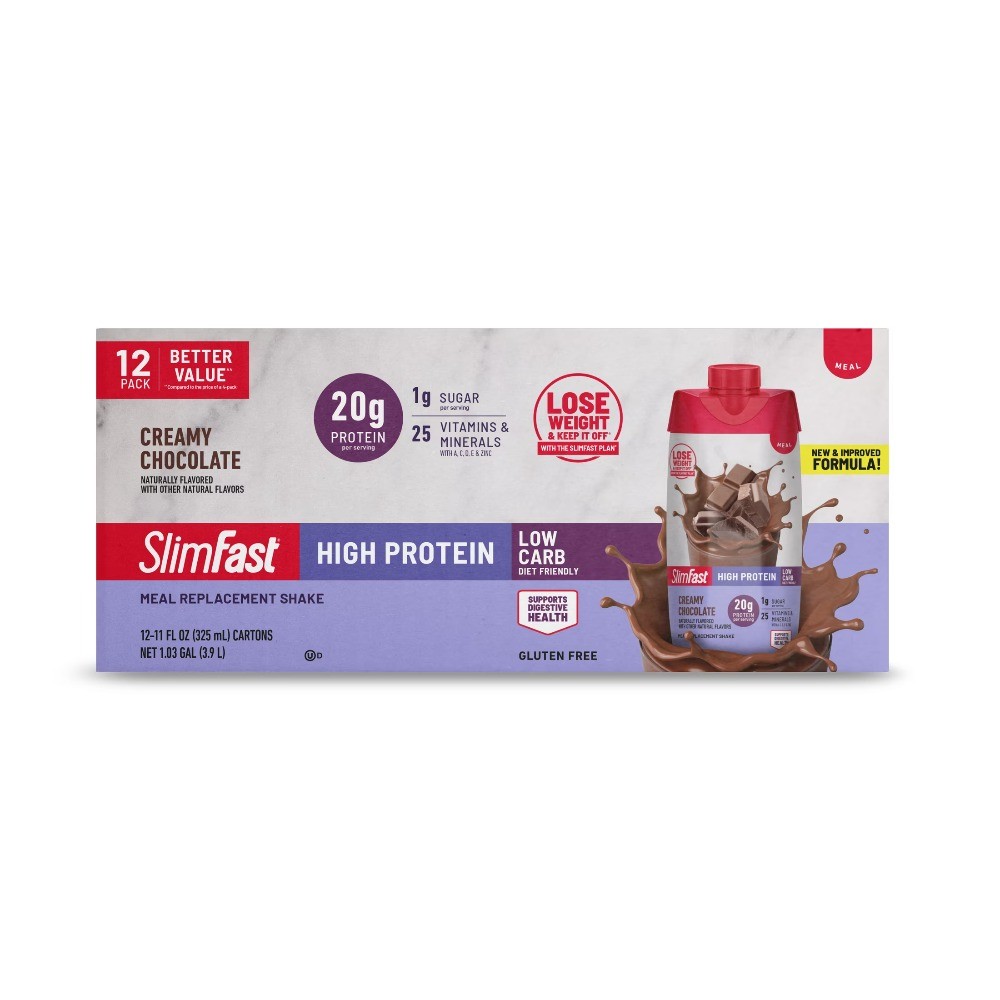 High Protein 20g Ready To Drink Meal Replacement Shake Creamy Chocolate,11oz12ct$23.99View on eBay
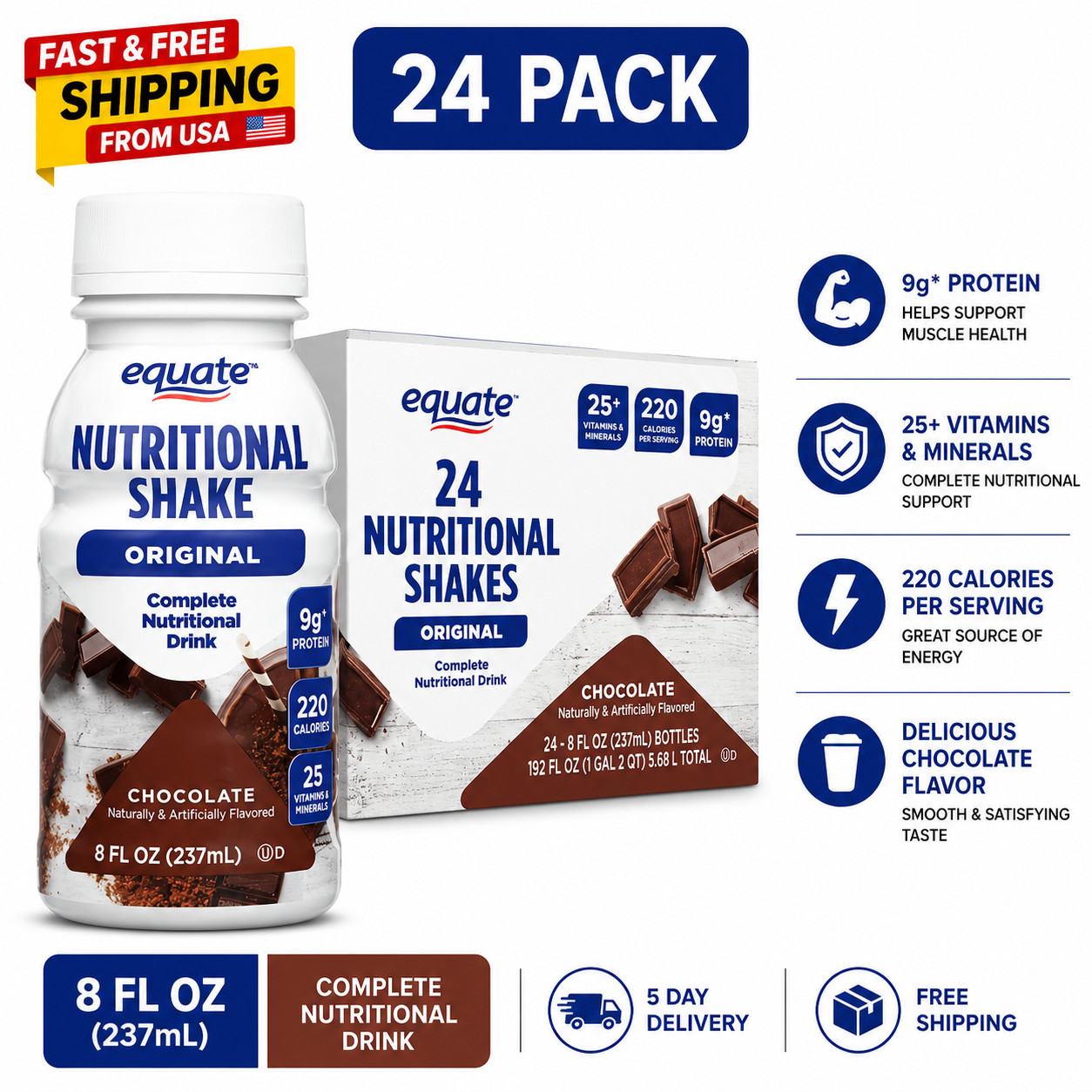 Equate Original Meal Replacement Nutritional Shakes, Chocolate, 8 Oz, 24 Count$28.34View on eBay
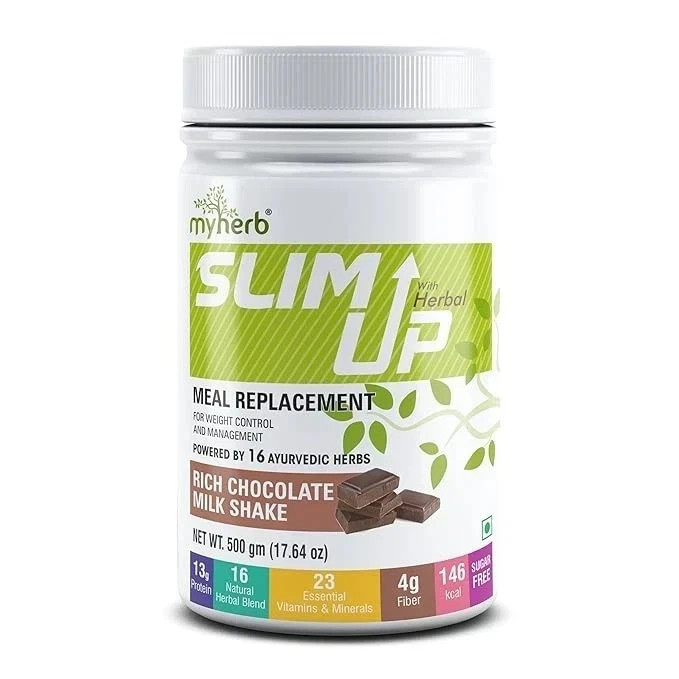 MYHERB Slim Up Meal Replacement Shake 500 g – Pack of 1 | Weight Management$29.74View on eBay
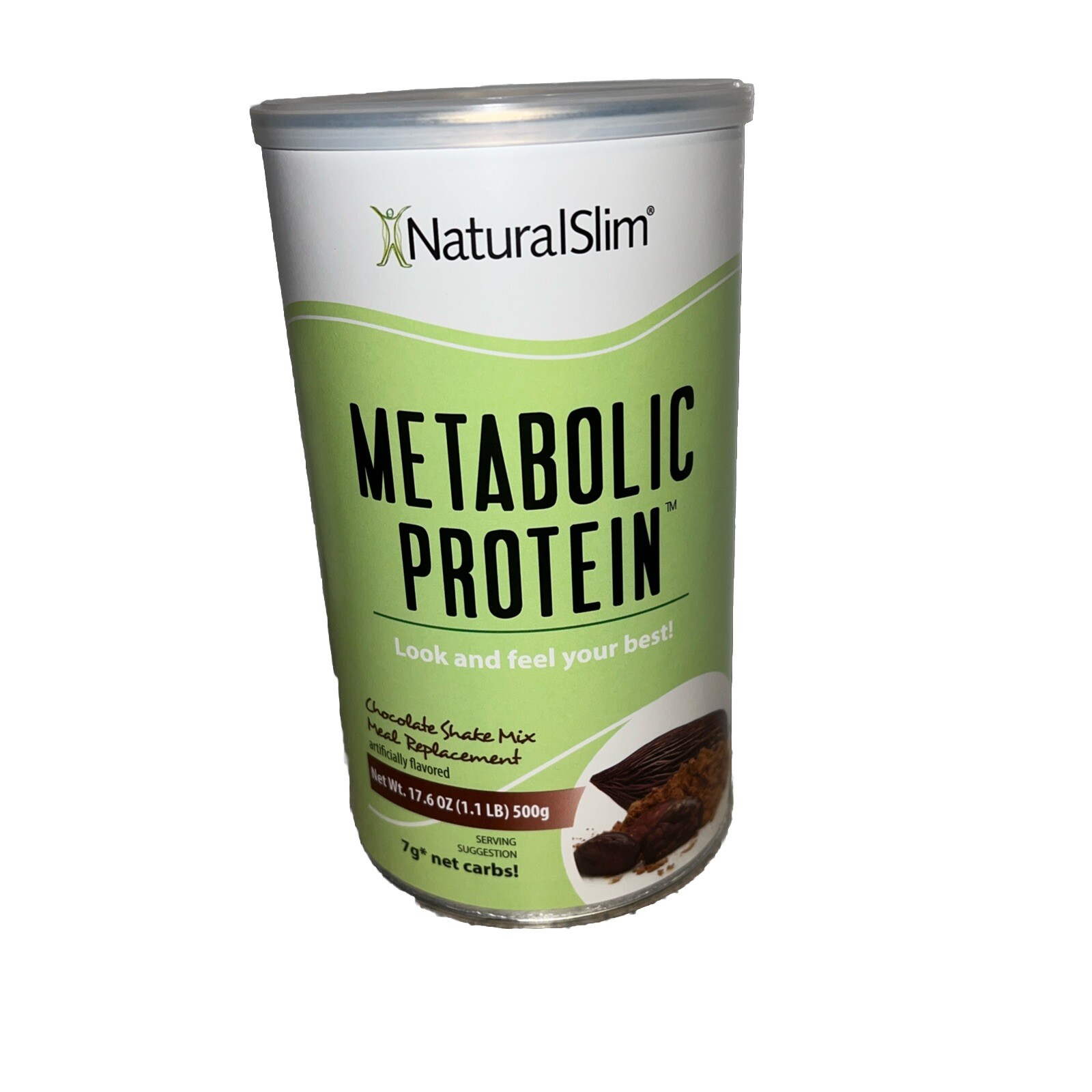 NaturalSlim Metabolic Whey Protein Powder - Chocolate Meal Replacement Shake$29.99Last checked Nov 23, 2026View on eBay
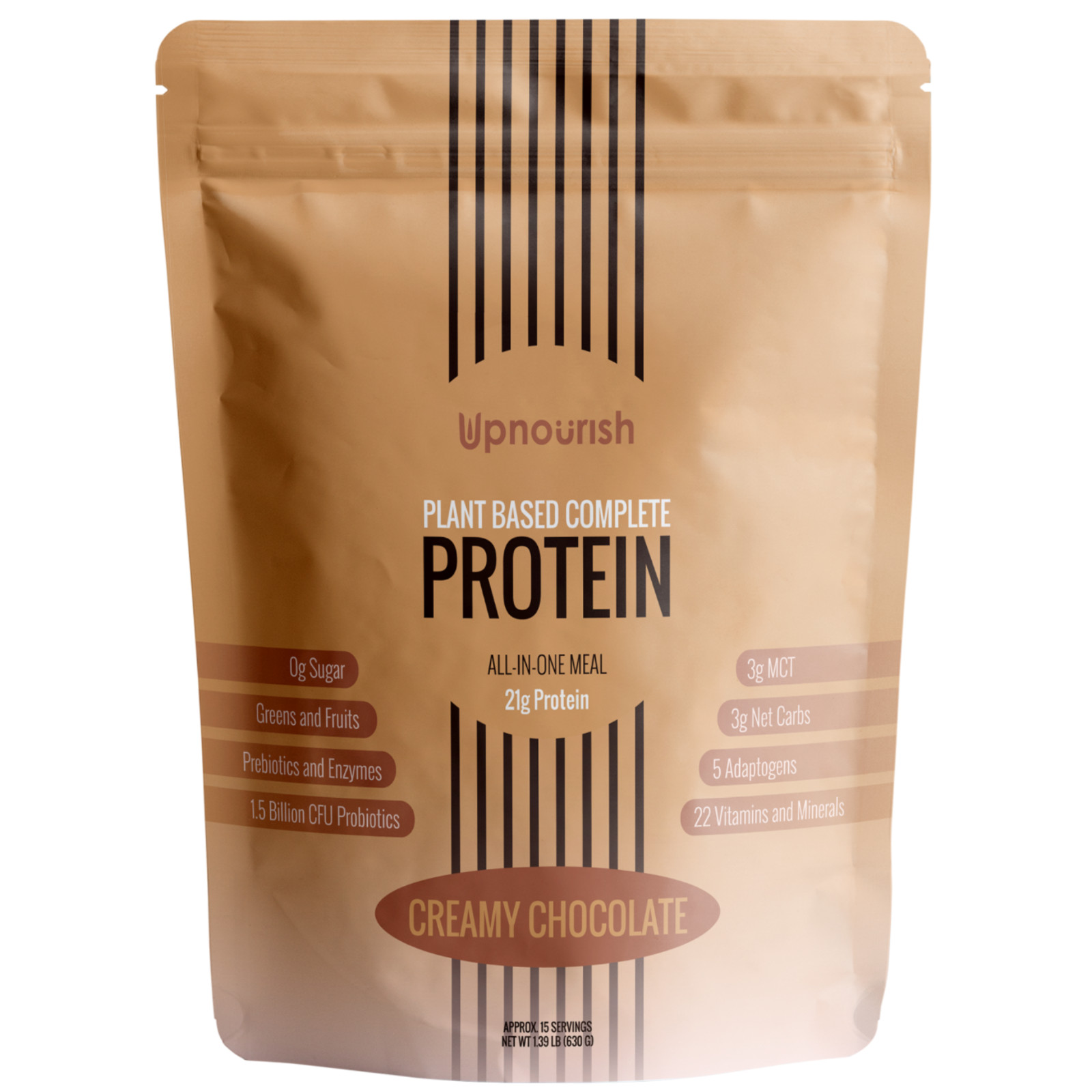 Vegan Plant Based Complete Protein Meal Replacement Shake Chocolate Gluten Free$29.99View on eBay
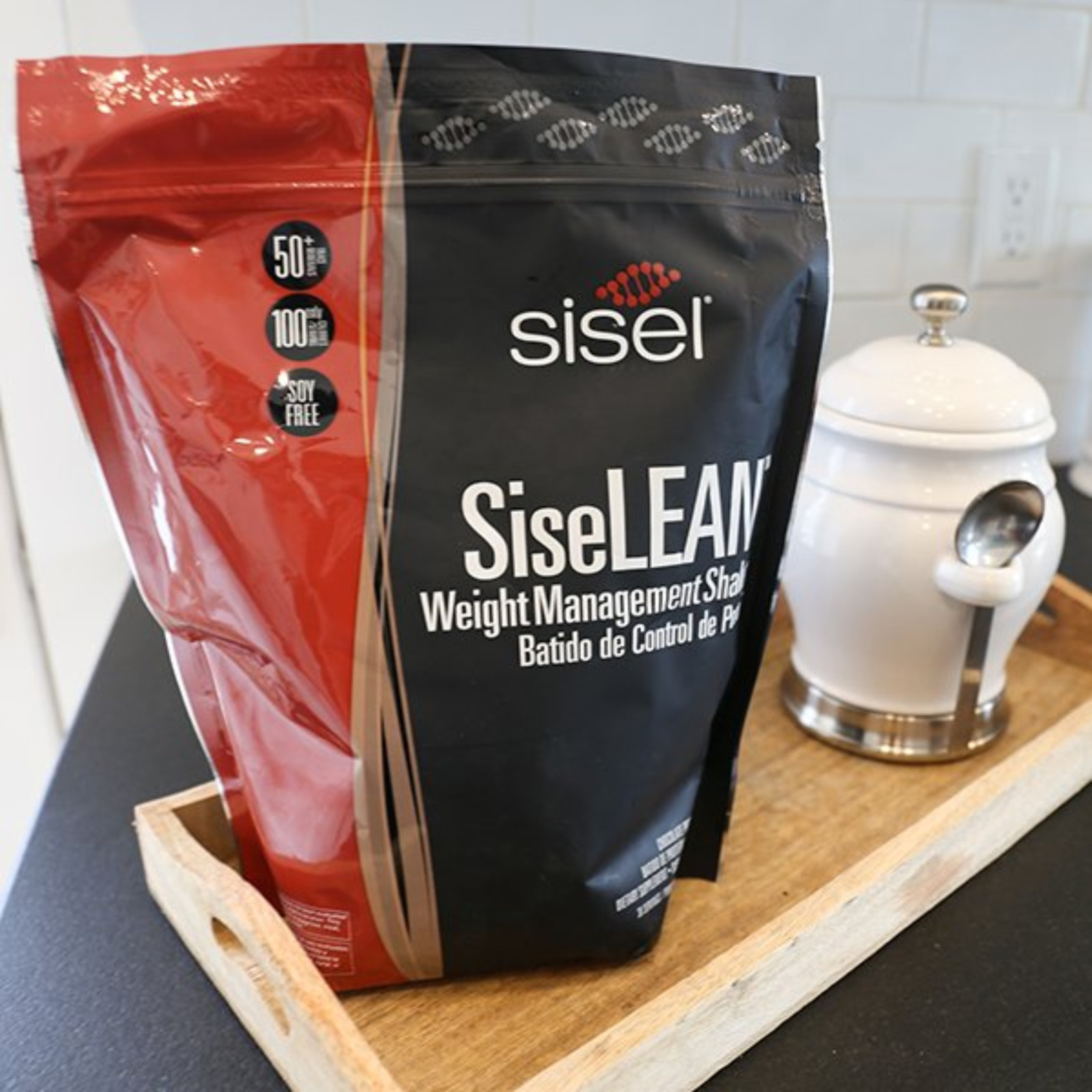 Sisel SiseLEAN Chocolate Weight Management Protein Shake Meal Replacement 30 Ser$34.59View on eBay
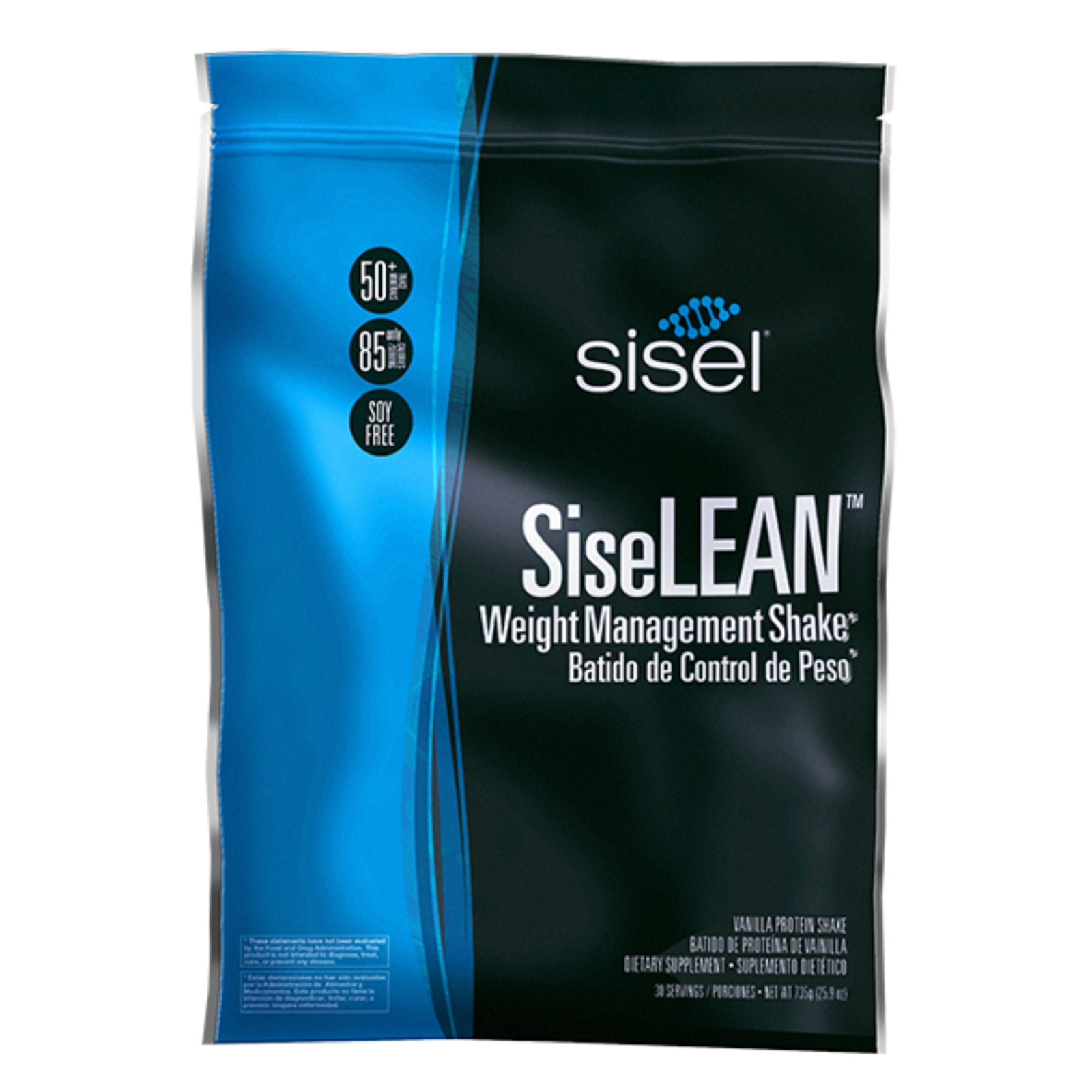 Sisel SiseLEAN Vanilla Weight Management Protein Shake Meal Replacement - NEW$34.59View on eBay
Highlights
- Protein source determines satiety and muscle retention: whey isolate and soy protein isolate digest faster and score higher on PDCAAS than collagen or pea-only blends.
- Serving protein tiers separate products: weight-loss formulas cluster at 10–15g, high-protein meal replacements at 20–30g, and medical-grade options exceed 30g per serving.
- Fiber content of 5g or more per serving (from chicory root, psyllium, or resistant dextrin) slows gastric emptying and stabilizes blood glucose versus low-fiber formulas.
- Added sugar and maltodextrin are the key compromises: legacy SlimFast Original lists sugar early in the ingredient panel, while Advanced Nutrition and Ka'Chava use low-glycemic sweeteners.
Best use cases
- Best fit for weight loss with satiety: pick a high-protein formula (20g+ protein, 5g+ fiber, ≤5g added sugar) like SlimFast Advanced Nutrition or Ka'Chava — skip Original SlimFast if avoiding sugar spikes.
- Best fit for meal skipping on a busy schedule: choose a 200–250 calorie serving with 20g+ protein and 24+ vitamins/minerals; avoid 400+ calorie gainer-style powders unless replacing two meals.
- Best fit for lactose intolerance: select whey isolate or plant-based (pea/rice) formulas; skip whey concentrate blends that list milk or lactose in the allergen panel.
- Wrong fit for medical nutrition needs: standard retail powders lack the calorie and nutrient density ofEnsure/Boost clinical formulas — those require a healthcare-supervised product.
Buying tips
- Target 20–30g protein per serving for weight loss; below 15g protein, the powder functions as a snack, not a meal replacement.
- Keep added sugar under 5g per serving; check the ingredient list for maltodextrin, corn syrup solids, or cane sugar in the top three ingredients.
- Match serving size to your calorie target: a 200–250 calorie serving replaces breakfast or lunch; a 350–400 calorie serving suits active adults replacing one meal.
- Choose whey isolate over whey concentrate if you are lactose-sensitive; isolate has less than 1g lactose per serving versus 3–5g in concentrate.
Specs
| Protein Per Serving | 10-30g (weight-loss to high-protein) |
|---|---|
| Added Sugar | 0-20g (≤5g for low-sugar tier) |
| Fiber Per Serving | 3-10g (5g+ for satiety) |
| Calories Per Serving | 200-400 kcal (meal vs gainer) |
Related searches
What to check before buying
- Measure your daily calorie goal: a meal replacement should cover 25–35% of it, so a 200–250 calorie serving fits a 1,600–2,000 calorie plan.
- Confirm your protein target: aim for 20–30g per meal replacement to preserve lean mass during weight loss, especially if resistance training.
- Check allergen labeling: milk, soy, and gluten appear in most whey blends — choose pea/rice protein if any apply.
- Verify scoop size and servings per container: a 26-serving tub at one scoop daily lasts about four weeks; larger scoops shorten that to two weeks.
FAQ
Data sources: eBay / Amazon listings and product attribute feeds. Updated Nov 27, 2026.
Some links on this page are affiliate links. If you buy after clicking one, we may earn a commission at no extra cost to you. This does not change which products appear here or their order. Affiliate disclosure.