
Photos from current listings. Actual item, color, and included accessories may vary.
Meal Replacement Protein Powder Buying Guide
Meal replacement protein powders combine protein, carbs, fats, and micronutrients into a single shake intended to replace a meal. The core trade-off is protein source and completeness: whey/casein blends digest fast and taste creamy, while plant blends (pea/rice/soy) need careful amino acid pairing to match digestibility. The decisive rule is label transparency — a true meal replacement lists 15–30 g protein, 200–400 kcal, and at least 20% DV for 15+ vitamins/minerals per serving; anything less is a protein supplement, not a meal.
Median $44.02
Key takeaways
- True meal replacements deliver 200–400 kcal per serving with 15–30 g protein and 20%+ DV of 15+ micronutrients; plain protein powders omit calories and vitamins entirely.
- Whey isolate is 90%+ protein by dry weight with low lactose; whey concentrate is 70–80% protein with more carbs and fat — check the first ingredient to know which you get.
- Plant blends must combine pea and rice (or add soy/hemp) to cover all essential amino acids; single-source pea protein is low in methionine and limits muscle protein synthesis.
At a glance
- Category
- Meal Replacement Management
- Last updated
- Nov 27, 2026
Current offers
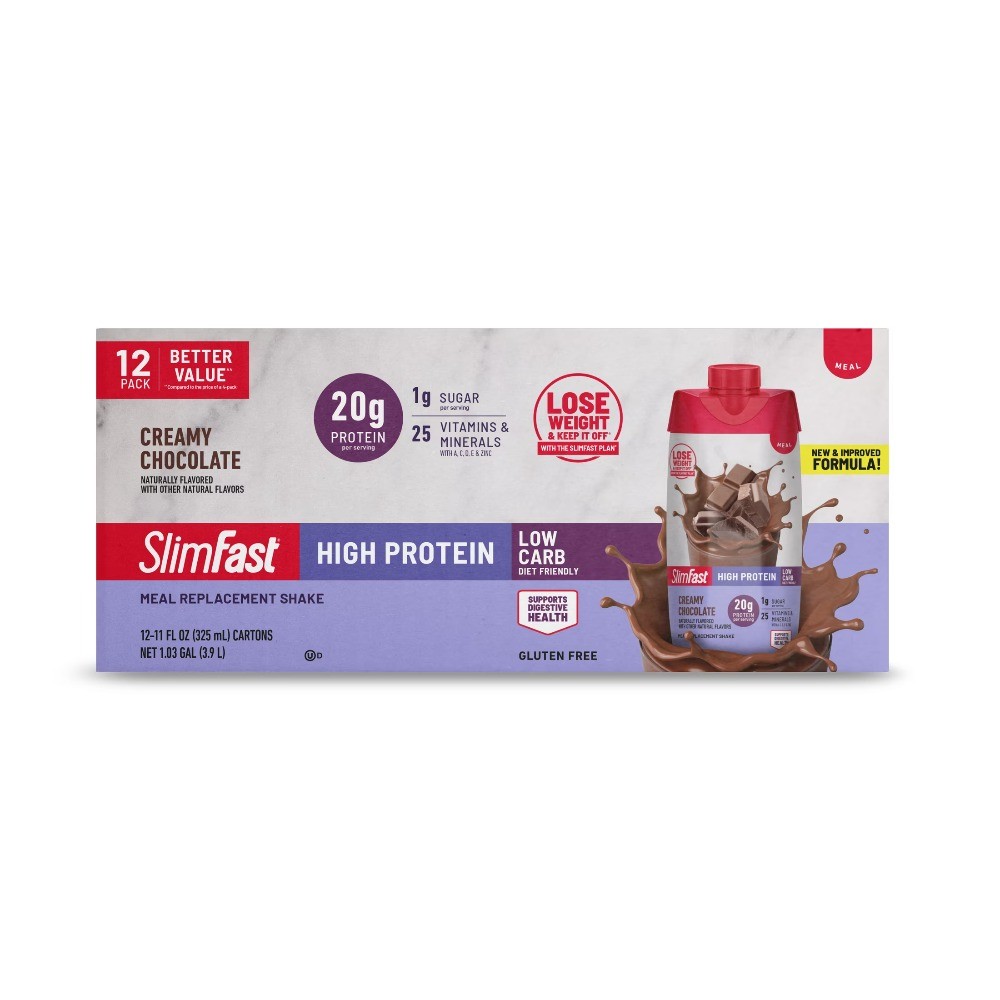 High Protein 20g Ready To Drink Meal Replacement Shake Creamy Chocolate,11oz12ct$23.99View on eBay
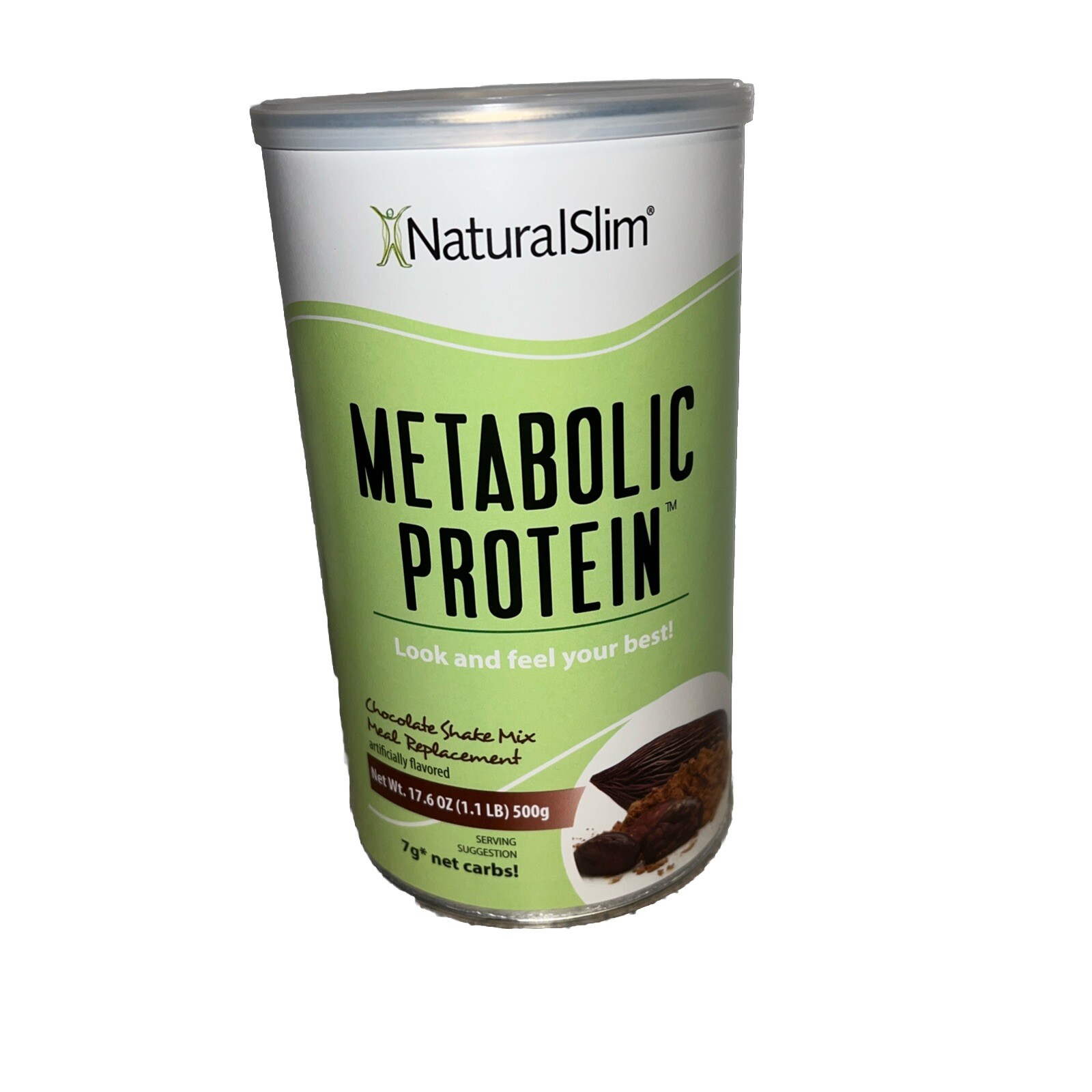 NaturalSlim Metabolic Whey Protein Powder - Chocolate Meal Replacement Shake$29.99Last checked Nov 23, 2026View on eBay
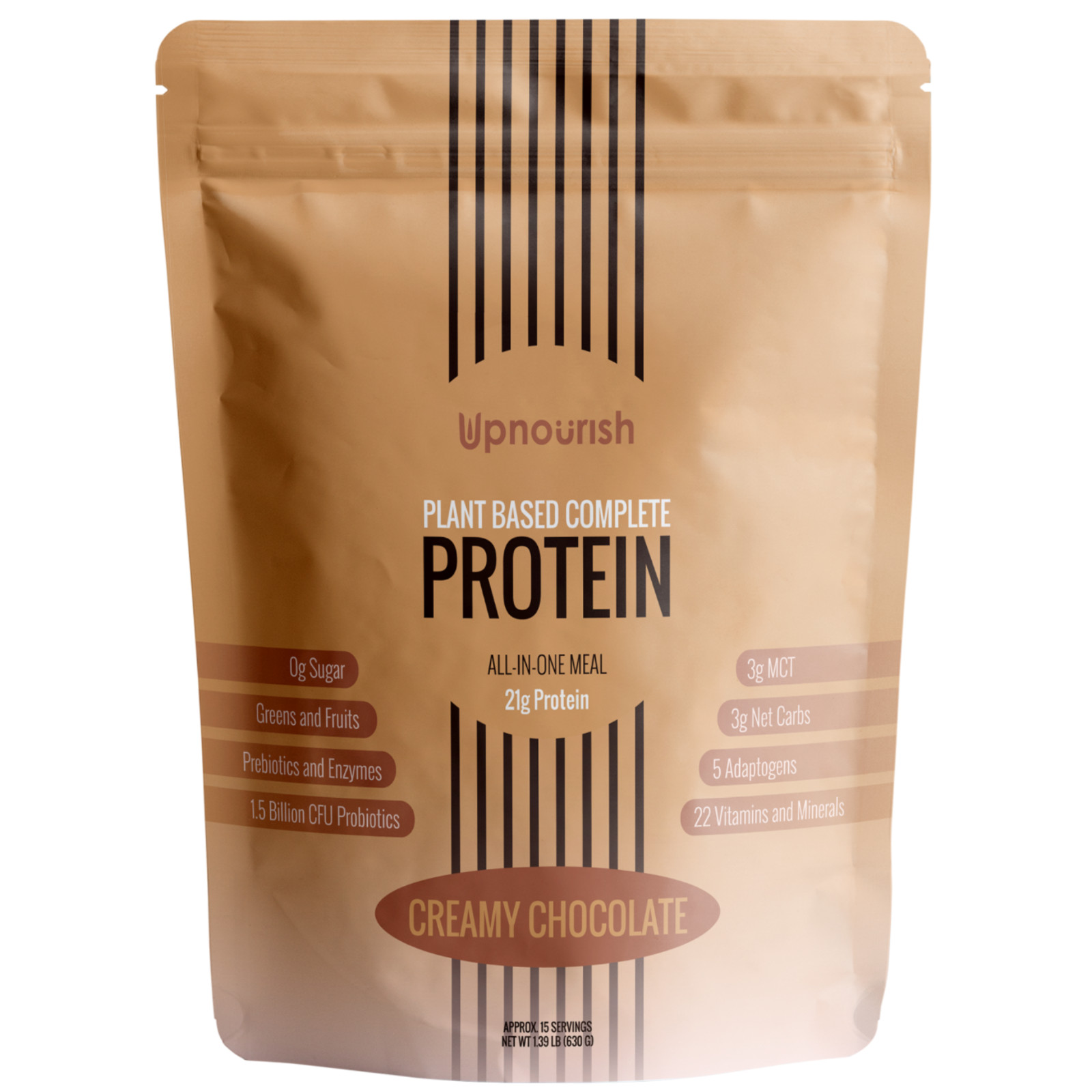 Vegan Plant Based Complete Protein Meal Replacement Shake Chocolate Gluten Free$29.99View on eBay
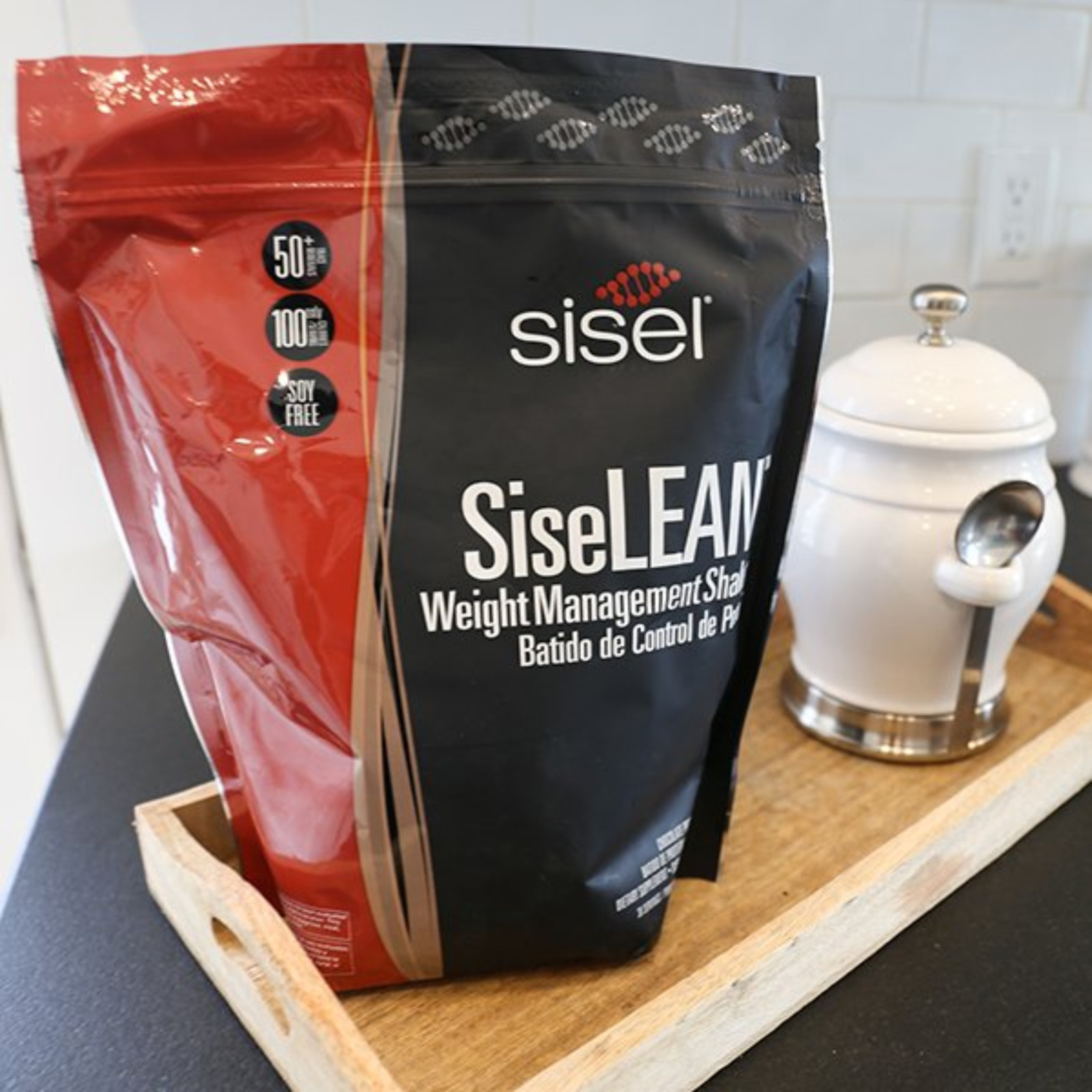 Sisel SiseLEAN Chocolate Weight Management Protein Shake Meal Replacement 30 Ser$34.59View on eBay
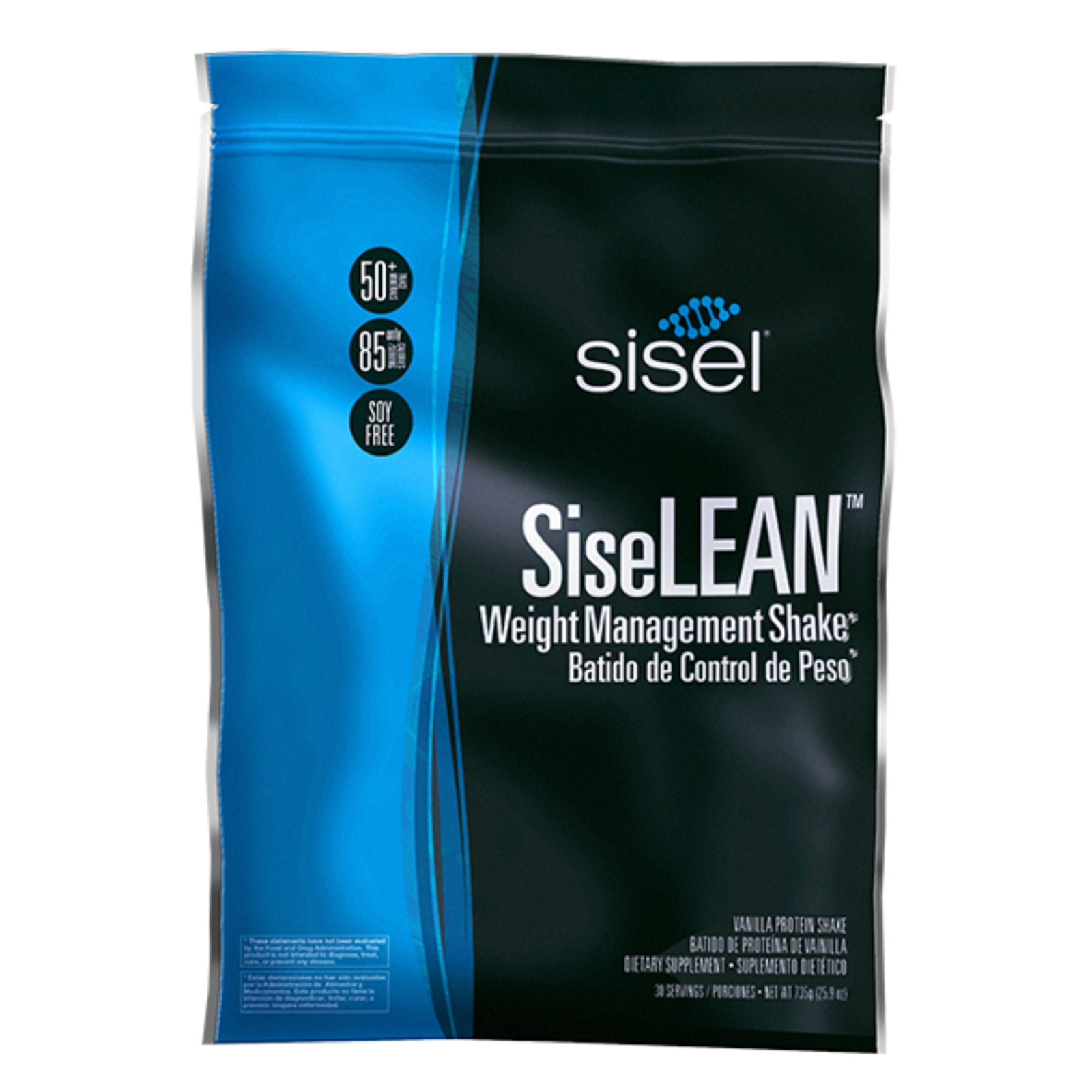 Sisel SiseLEAN Vanilla Weight Management Protein Shake Meal Replacement - NEW$34.59View on eBay
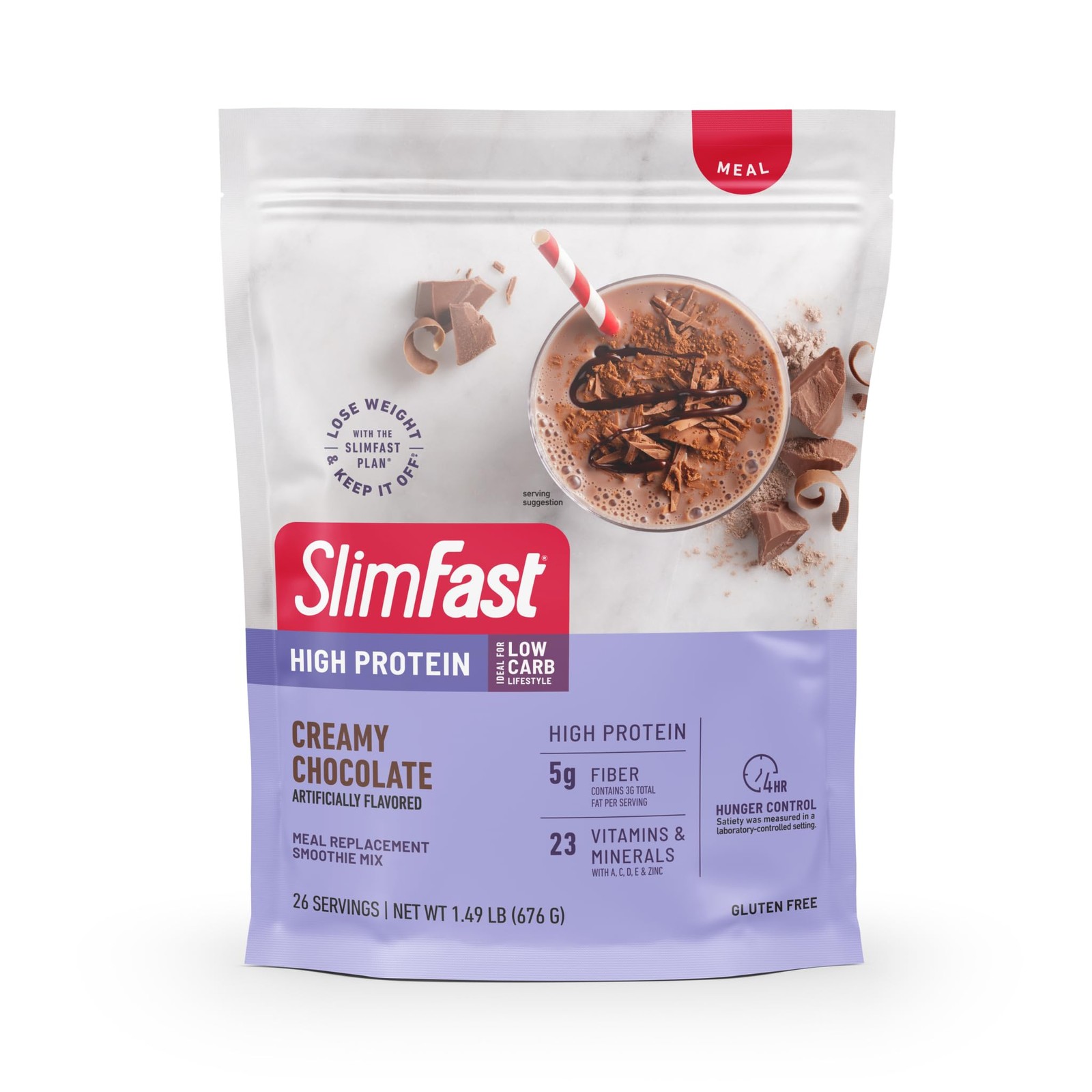 SlimFast High Protein Meal Replacement Powder, Advanced Nutrition 26 Servings$34.74Last checked Nov 22, 2026View on eBay
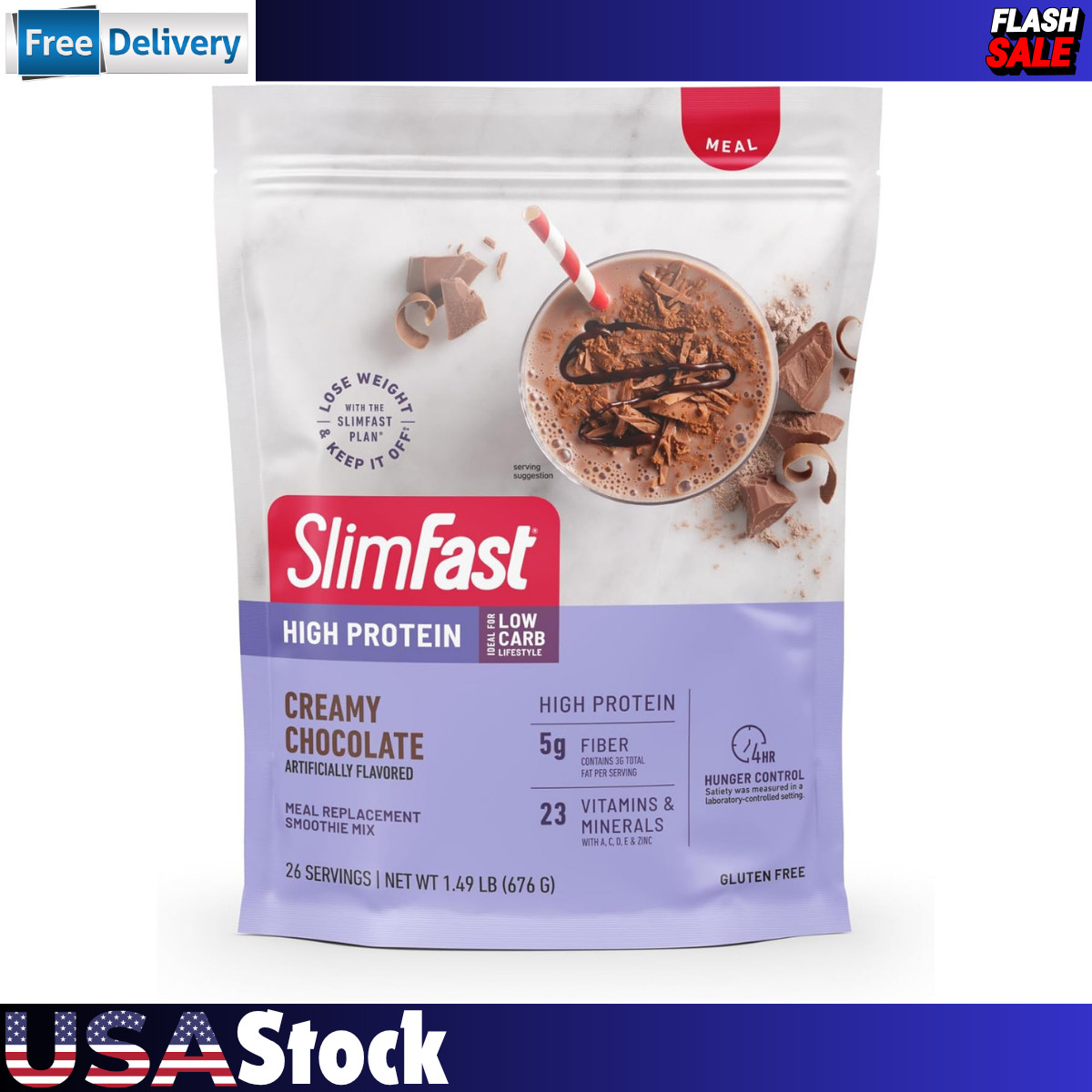 Slimfast High Protein Meal Replacement Powder, Creamy Milk Chocolate, 26 Serving$35.99Last checked Nov 19, 2026View on eBay
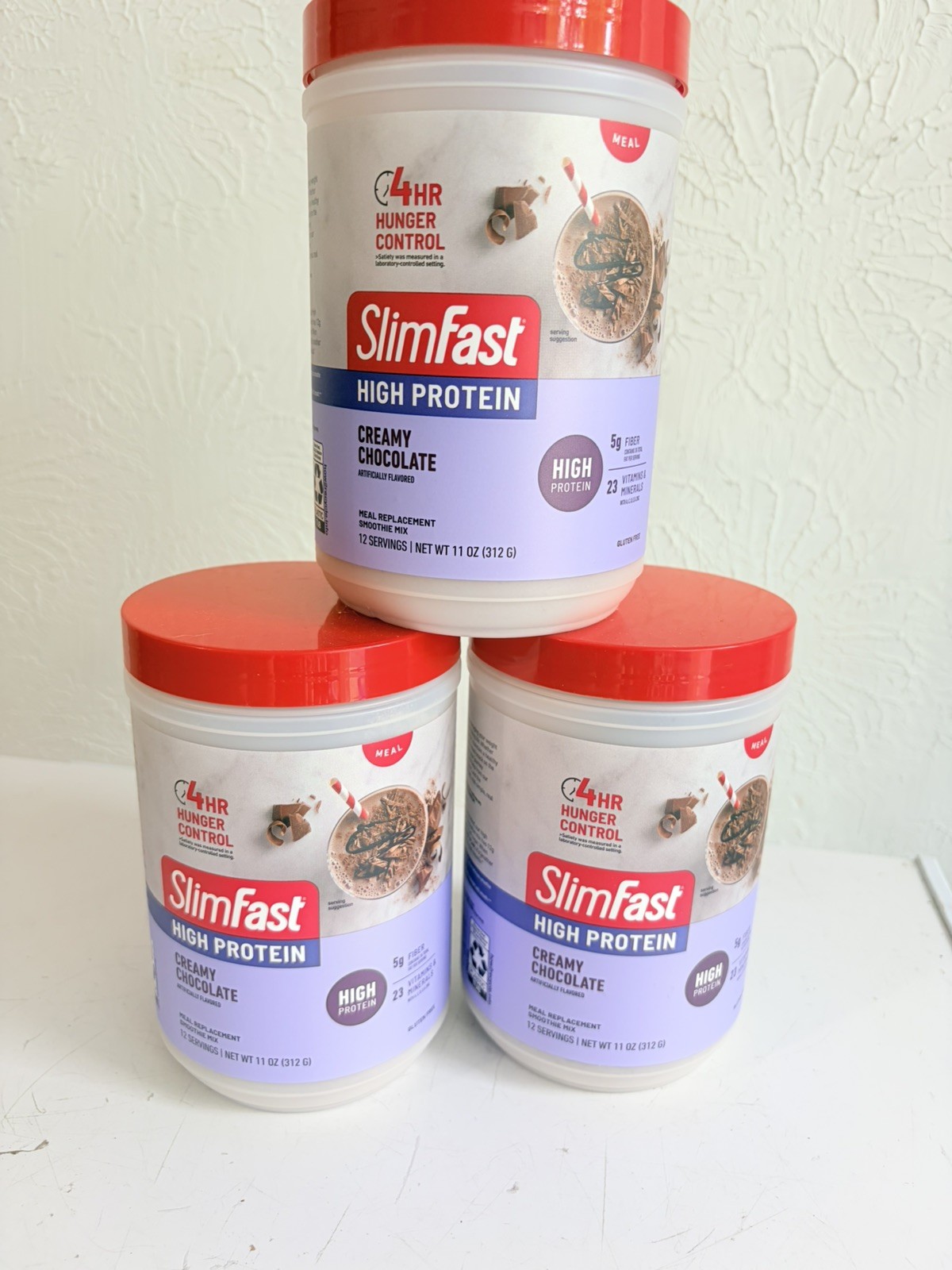 3x SlimFast High Protein Meal Replacement Shake Powder – 11 oz Slim Fast$39.99View on eBay
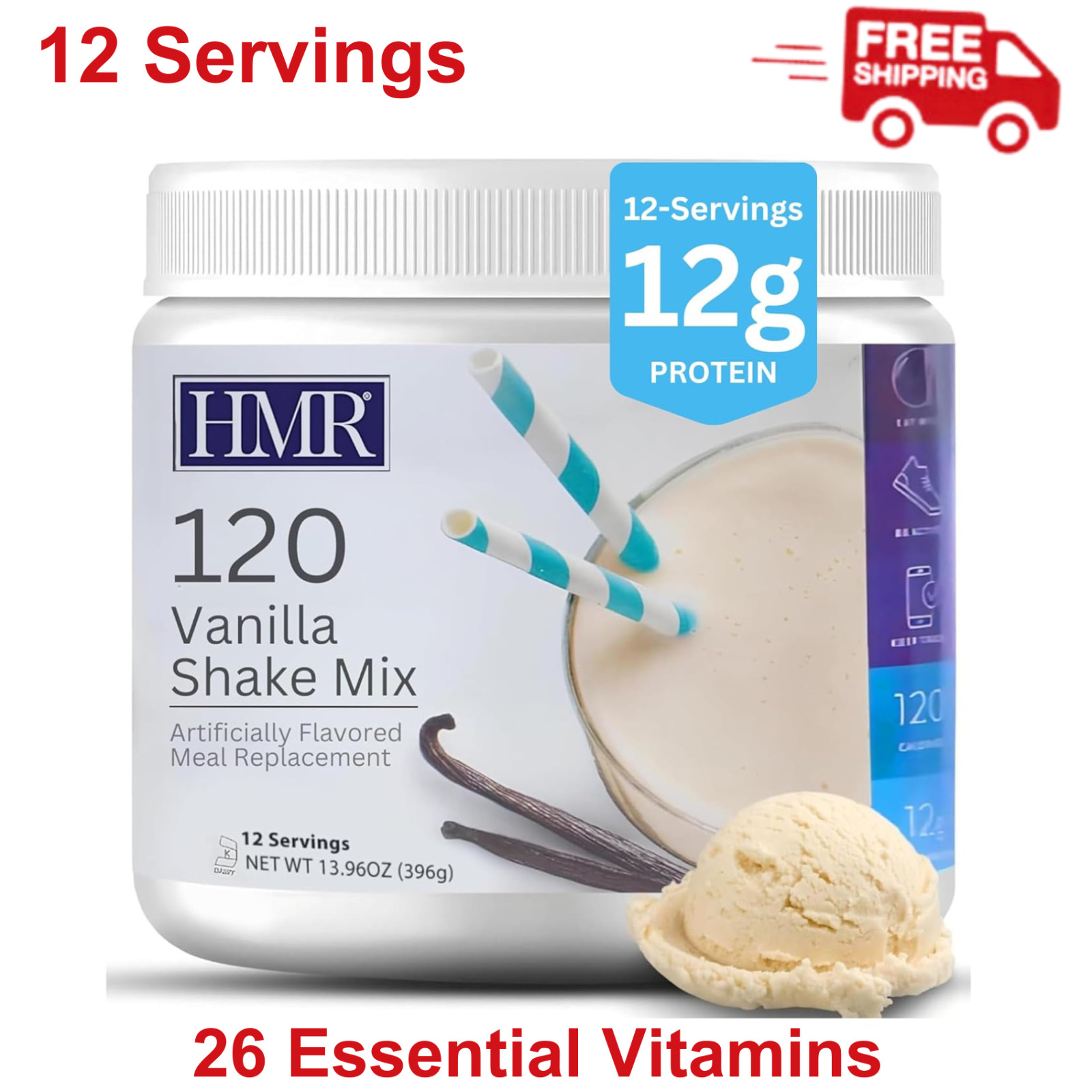 HMR 120 Vanilla Shake Powder, Meal Replacement, 12g Protein,12Serv, 120 Calories$48.05Last checked Nov 22, 2026View on eBay
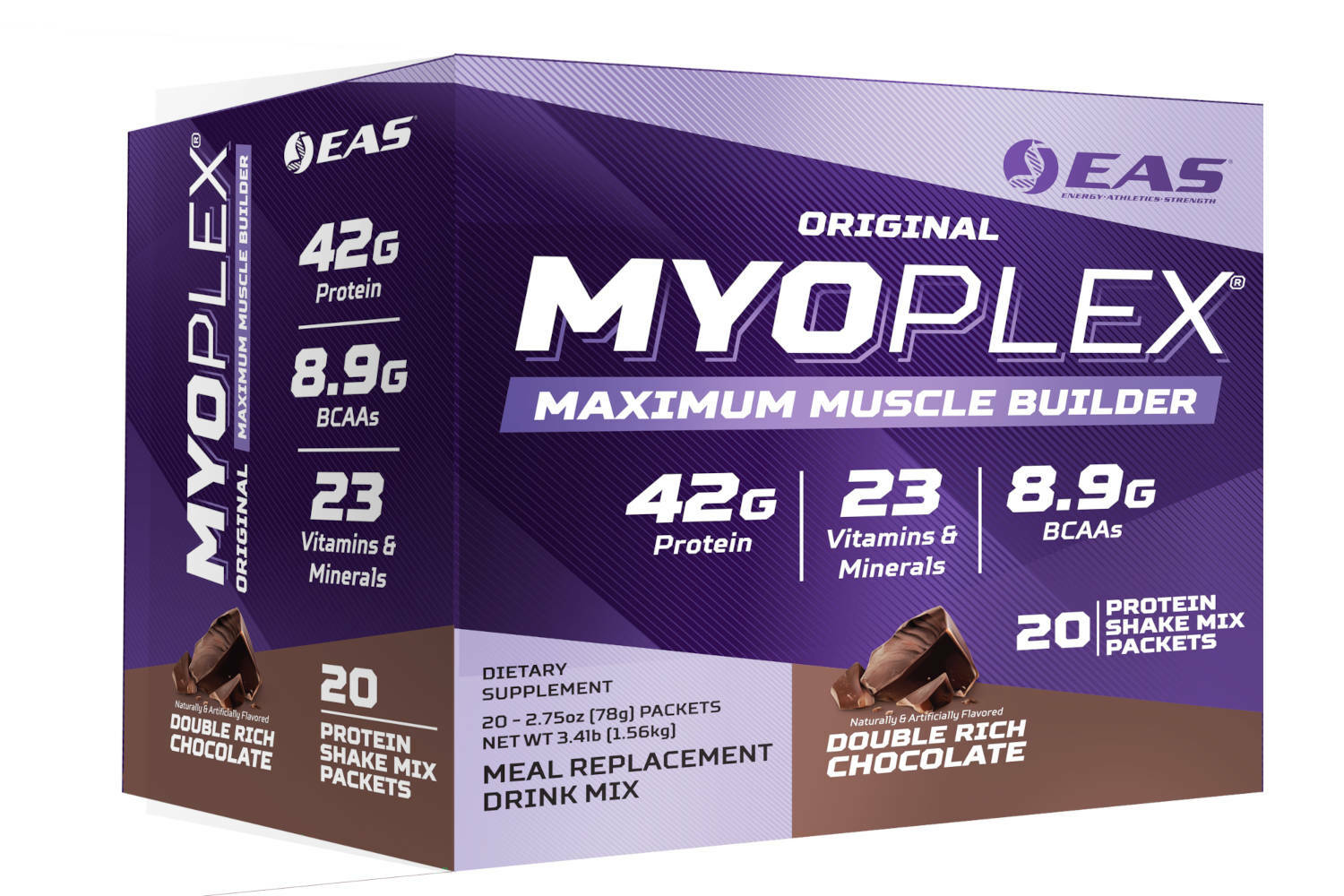 EAS MYOPLEX Original Meal Replacement Powder Protein Shake Vitamins BCAAs 20 Pk$58.45Last checked Nov 21, 2026View on eBay
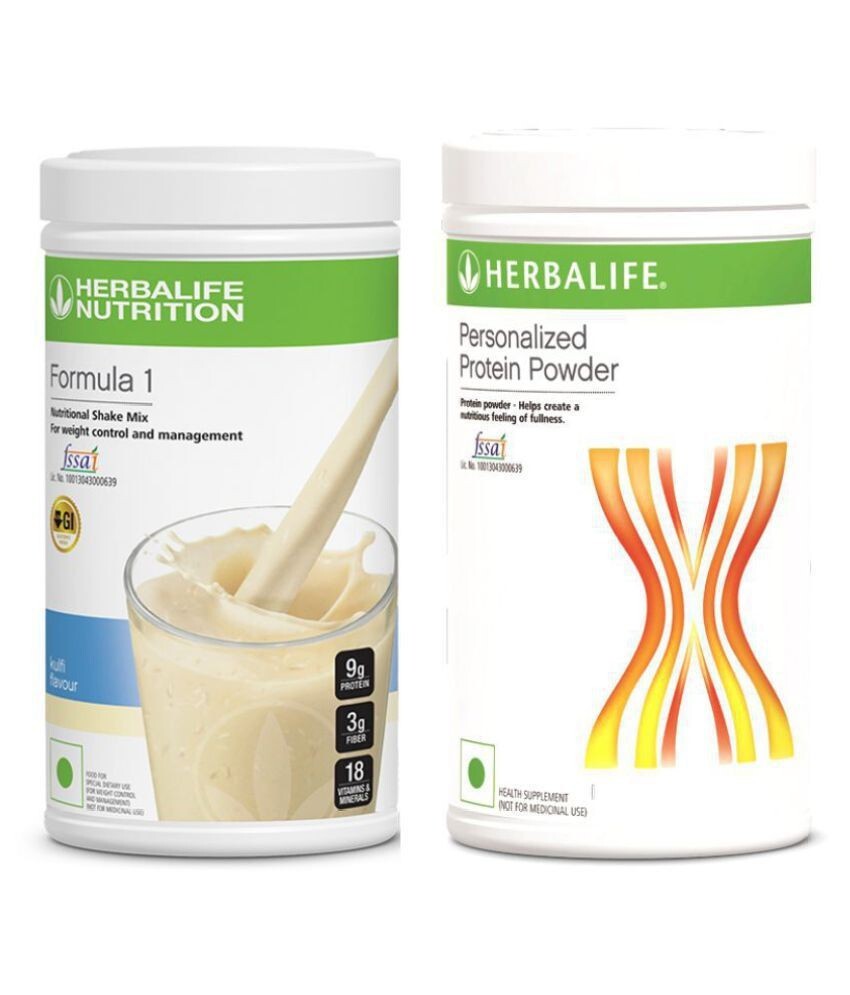 FORMULA 1 HEALTHY MEAL REPLACEMENT SHAKE 500gm KULFI FLAVOR PROTEIN POWDER 400GM$62.69View on eBay
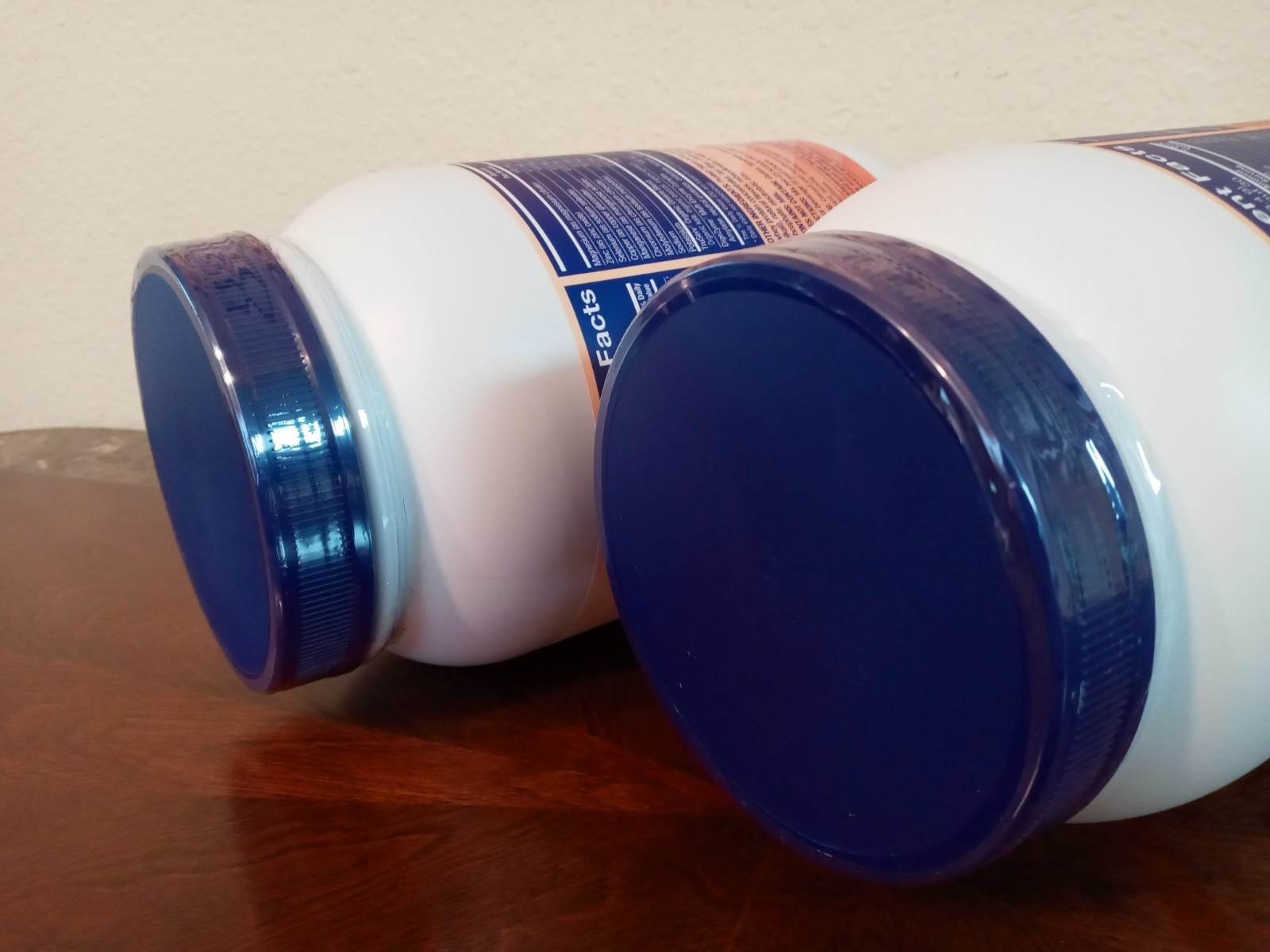 Whole Health Rx Meal Replacement Protein Powder x2/To Fill The Nutritional Gaps$69.95View on eBay
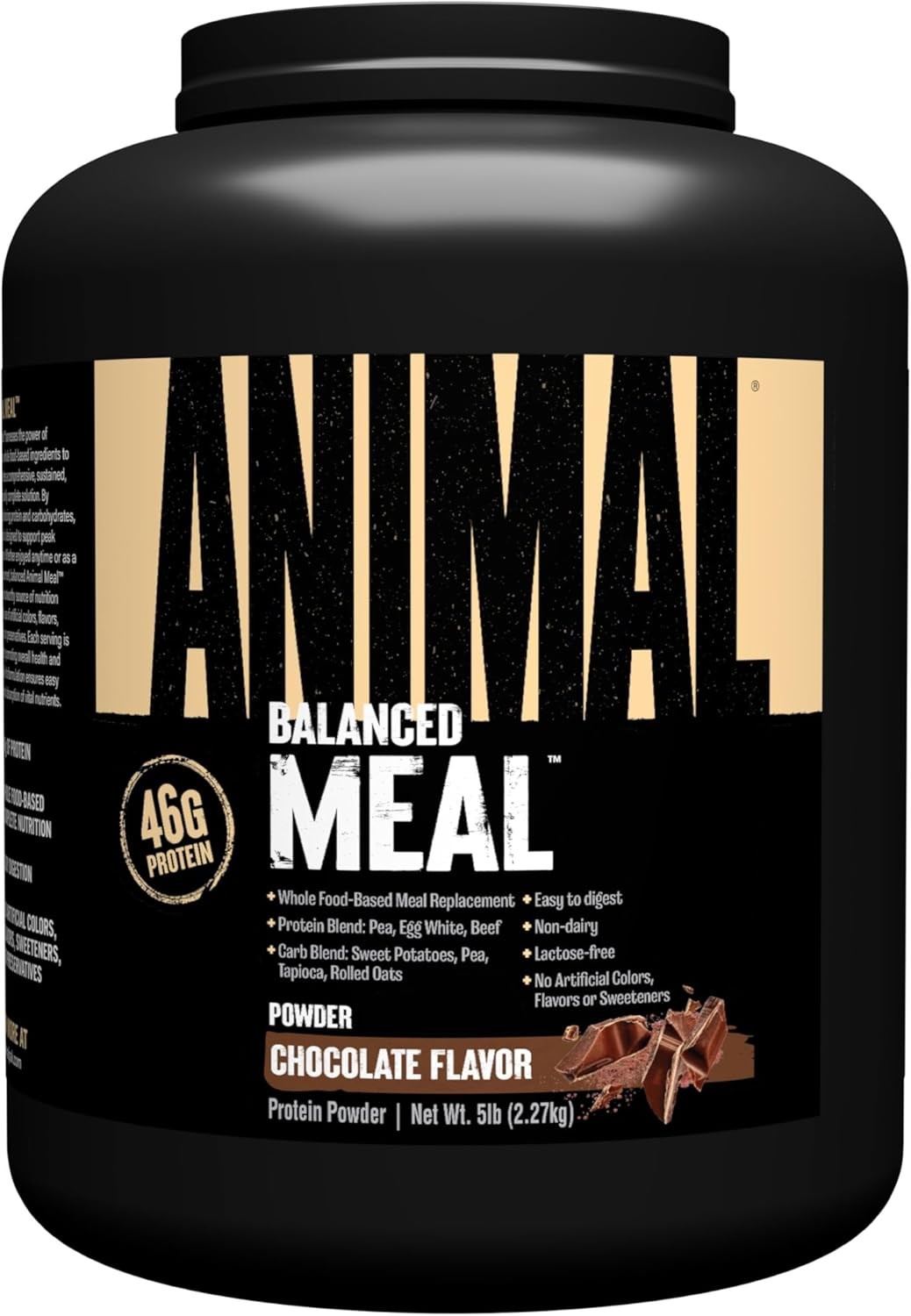 Animal Meal Balanced Whole Food Meal Replacement Protein Powder Egg Beef 5 Lb$75.84View on eBay
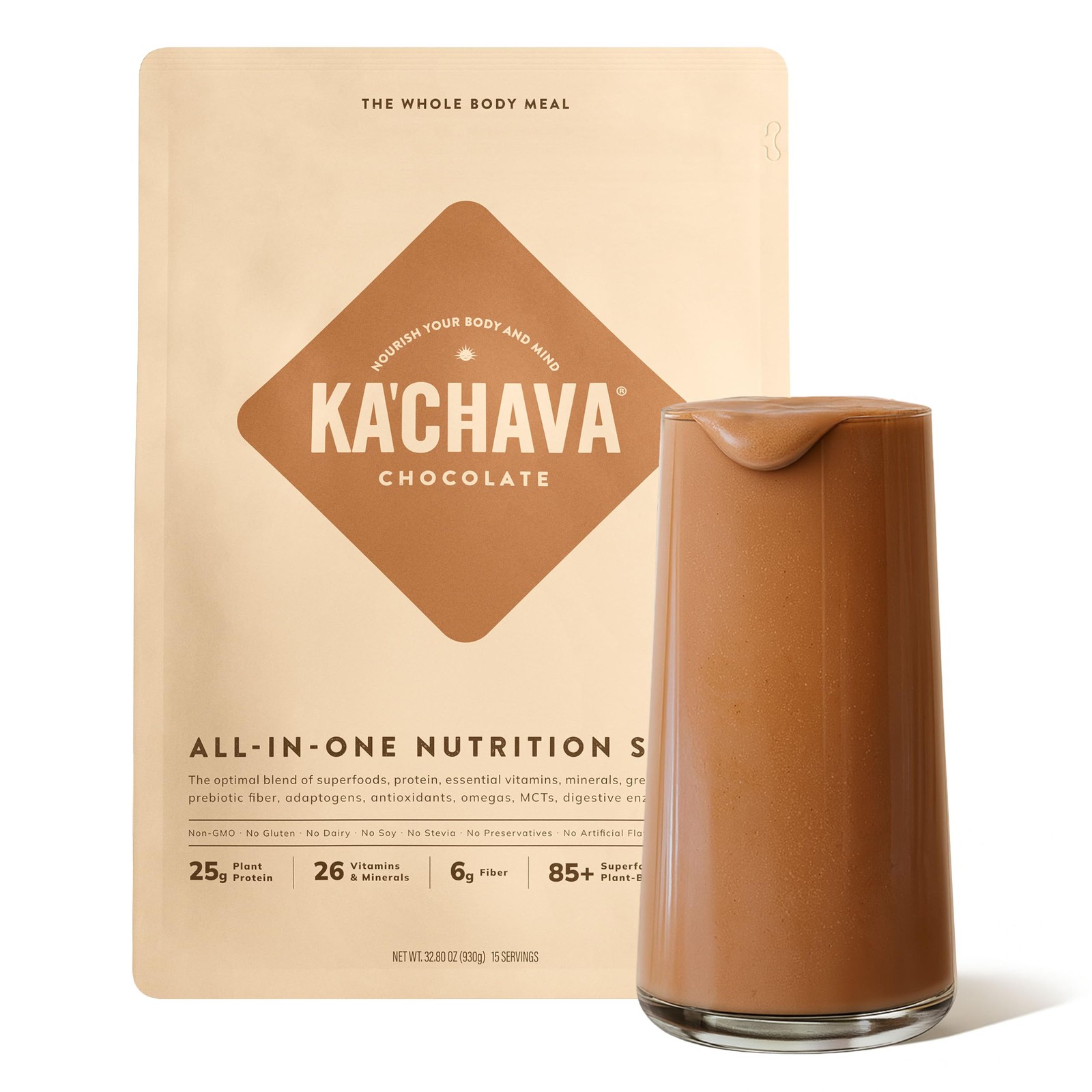 Vegan Meal Replacement Shake – Chocolate Protein Powder with 85+ Superfoods$84.21Last checked Nov 22, 2026View on eBay
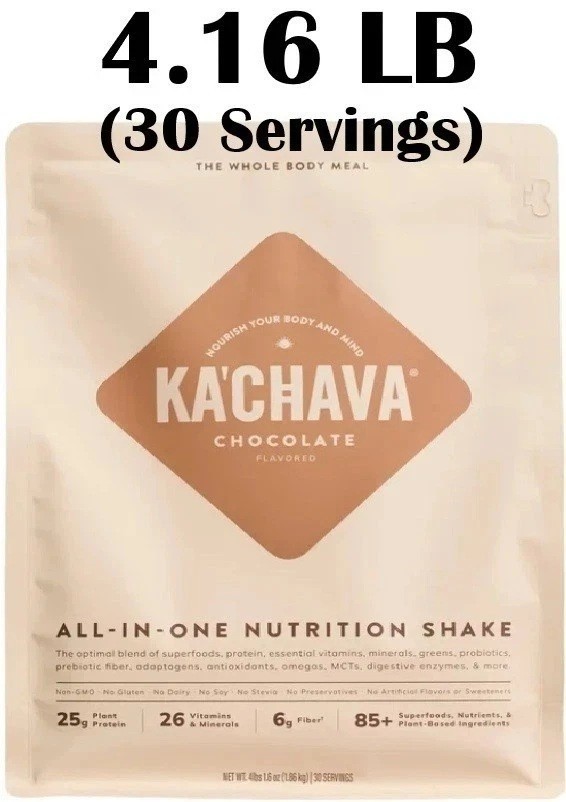 KaChava Meal Replacement Powder Protein Shake, Chocolate, 30 Servings, 4.16 LB$108.99View on eBay
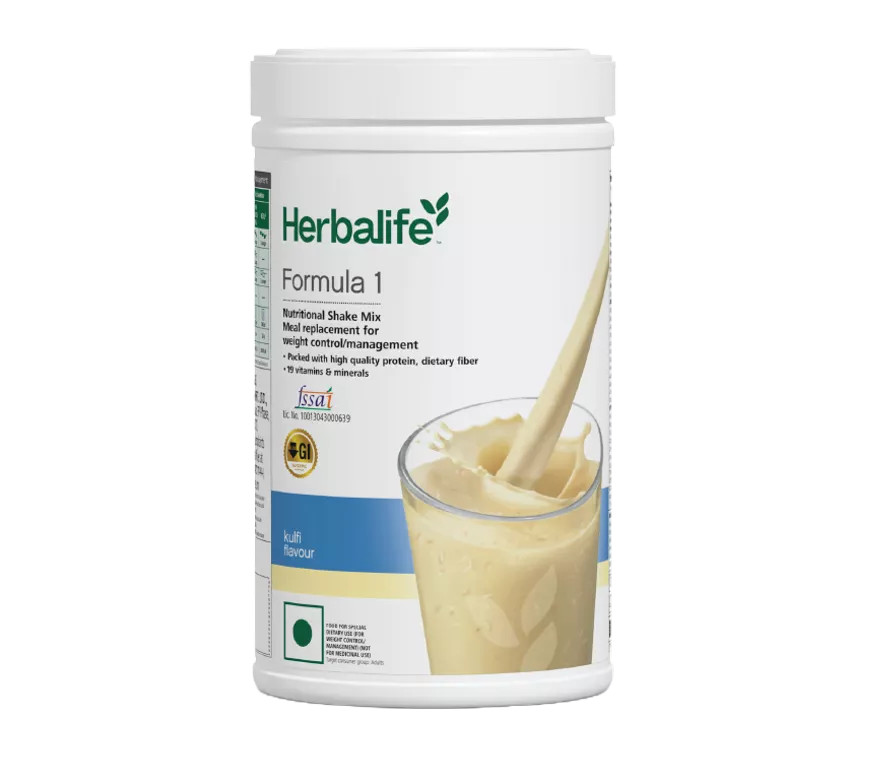 Herbalife Formula 1 Nutritional Shake Mix Kulfi Meal Replacement Protein | 750G$113.49Last checked Nov 24, 2026View on eBay
Highlights
- True meal replacements deliver 200–400 kcal per serving with 15–30 g protein and 20%+ DV of 15+ micronutrients; plain protein powders omit calories and vitamins entirely.
- Whey isolate is 90%+ protein by dry weight with low lactose; whey concentrate is 70–80% protein with more carbs and fat — check the first ingredient to know which you get.
- Plant blends must combine pea and rice (or add soy/hemp) to cover all essential amino acids; single-source pea protein is low in methionine and limits muscle protein synthesis.
- Ready-to-drink shakes are sterilized and shelf-stable for 12–18 months, while powders last 18–24 months unopened; both degrade faster once exposed to heat above 75°F.
Best use cases
- Best fit: busy professionals replacing breakfast or lunch — choose a 200–300 kcal whey or plant blend with 20–25 g protein and 24+ micronutrients; skip plain protein powders that leave you hungry by mid-morning.
- Best fit: athletes or lifters adding calories — pick a 300–400 kcal powder with 25–30 g protein and added carbs (maltodextrin or oats); skip 'weight management' shakes capped at 150–200 kcal.
- Best fit: vegan or dairy-sensitive buyers — select a pea+rice or soy-based complete blend with B12, iron, and zinc listed; skip whey concentrates and lactose-containing 'meal' powders.
- Wrong fit: anyone expecting a whole-food meal replacement — powders lack fiber complexity and phytonutrients; if you want satiety from real food, choose a bar or whole-food meal kit instead.
Buying tips
- Match protein source to digestion: whey isolate for fast post-workout absorption and low lactose; casein blends for overnight satiety; pea+rice for plant-based completeness.
- Check calories per serving: 150–250 kcal suits snack or light meal replacement; 300–400 kcal suits full meal replacement for active adults or weight gain.
- Verify micronutrient breadth: a true meal replacement lists 20%+ DV for at least 15 vitamins and minerals on the Supplement Facts panel; fewer means it is a protein shake, not a meal.
- Size the tub by servings, not pounds: a 2 lb tub yields roughly 14–20 servings at 25 g protein; a 5 lb tub yields 40–60 — calculate cost per serving instead of cost per pound.
Specs
| Protein Source | Whey isolate / concentrate / pea+rice |
|---|---|
| Calories Per Serving | 150–400 kcal (meal vs snack tier) |
| Protein Per Serving | 15–30 g complete amino profile |
| Micronutrient Breadth | 20%+ DV for 15+ vitamins/minerals |
Related searches
What to check before buying
- Measure your daily calorie target and subtract 200–400 kcal per shake you plan to replace; ensure the rest of your diet covers the gap.
- Confirm you have a shaker bottle or blender — most powders clump in water alone; plant blends especially need 10–15 seconds of vigorous shaking.
- Check for allergens: whey contains milk; many plant blends use soy or coconut oil; read the 'contains' line if you have dairy, soy, or tree nut allergies.
- Verify scoop size and serving count on the label — a 'serving' is often 1–2 scoops, so a 2 lb tub may deliver half the meals you expect.
FAQ
Data sources: eBay / Amazon listings and product attribute feeds. Updated Nov 27, 2026.
Some links on this page are affiliate links. If you buy after clicking one, we may earn a commission at no extra cost to you. This does not change which products appear here or their order. Affiliate disclosure.