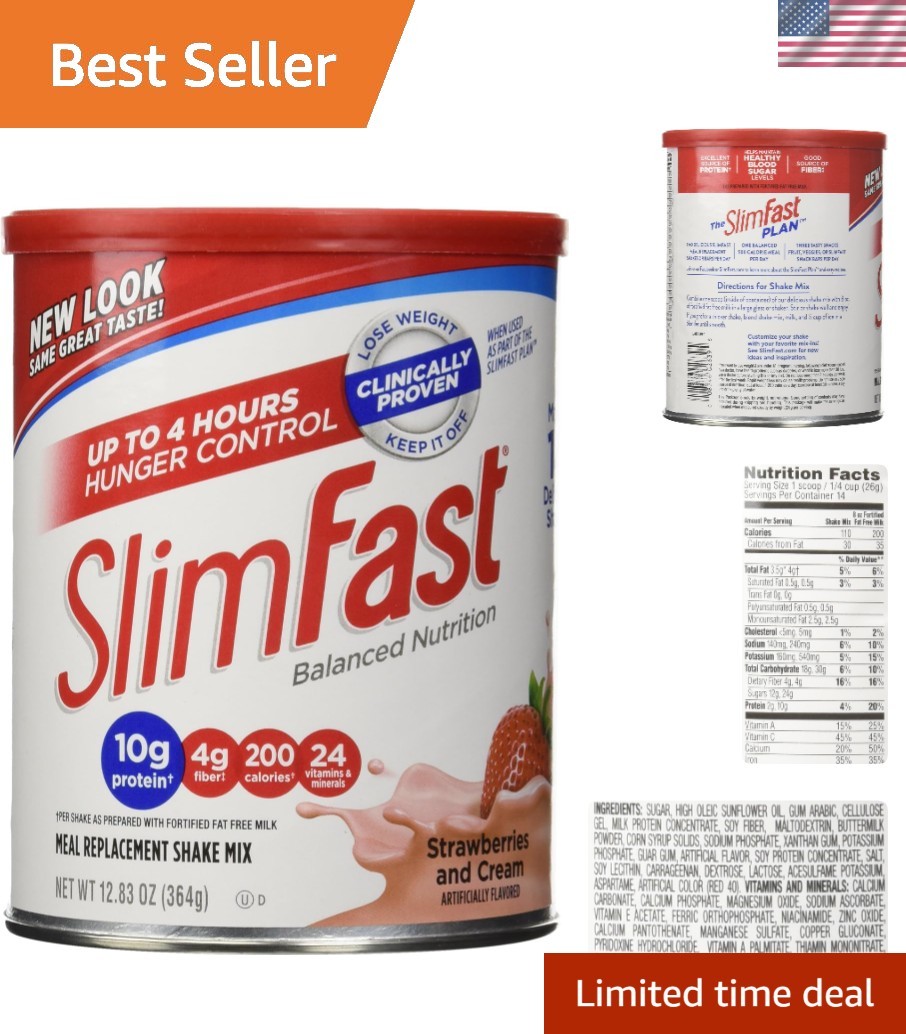

Photos from current listings. Actual item, color, and included accessories may vary.
Meal Replacement Protein Shake Buying Guide
Meal replacement protein shakes are complete, calorie-controlled products that substitute for a meal, with the core trade-off being protein completeness and micronutrient density versus calories, sugar, and texture. The decisive rule: choose a shake that delivers at least 15g of high-quality protein, 20-30% of daily vitamins and minerals, and 200-400 calories per serving; avoid any product that is merely a protein powder with added sugar and no micronutrient profile.
Key takeaways
- Protein source determines satiety and muscle support: whey and casein blends digest quickly, while soy, pea, and rice blends provide vegan complete amino acid profiles only when combined.
- Calorie tiers separate use cases: 200-250 kcal shakes suit weight-loss meal skipping; 350-400 kcal shakes (e.g., Ensure Plus) suit weight maintenance or gain.
- Micronutrient fortification at 20-30% DV per serving is the minimum for a true meal replacement; products below this are protein supplements, not meal replacements.
At a glance
- Category
- Meal Replacement Management
- Last updated
- Nov 27, 2026
Current offers
Highlights
- Protein source determines satiety and muscle support: whey and casein blends digest quickly, while soy, pea, and rice blends provide vegan complete amino acid profiles only when combined.
- Calorie tiers separate use cases: 200-250 kcal shakes suit weight-loss meal skipping; 350-400 kcal shakes (e.g., Ensure Plus) suit weight maintenance or gain.
- Micronutrient fortification at 20-30% DV per serving is the minimum for a true meal replacement; products below this are protein supplements, not meal replacements.
- Ready-to-drink (RTD) formats are sterile and portion-controlled but heavier to ship; powders offer adjustable calories and cost per serving but require measuring and a shaker.
Best use cases
- Best fit for busy weight-loss meal skippers: a 200-250 kcal powder or RTD with 20g+ protein and 25% DV vitamins; skip 400 kcal weight-gain shakes.
- Best fit for vegan or dairy-free users: pea and rice protein blends with added B12, iron, and calcium at 20-30% DV; skip whey-based products.
- Best fit for elderly or post-illness nutrition: 350-400 kcal RTD shakes like Ensure Plus with 16g protein and 25% DV micronutrients; skip low-calorie diet powders.
- Wrong fit for athletes seeking post-workout recovery: meal replacement shakes have lower protein per calorie than dedicated isolates; choose a 25g+ protein isolate instead.
Buying tips
- Calculate cost per 400 kcal meal: a 15-serving tub at 2 scoops per serving provides only 7-8 meals, so check serving size versus scoop count before comparing tubs.
- Verify protein completeness: vegan shakes must combine pea and rice or add methionine; soy alone is complete but lower in leucine.
- Match calorie tier to goal: 200-250 kcal for weight loss, 350-400 kcal for maintenance or gain; a 16g protein/350 kcal shake suits elderly, not dieters.
- Check sweetener type: sucralose and acesulfame-K are common but may cause GI upset; stevia and monk fruit are gentler for daily use.
Specs
| Protein Per Serving | 15-25g (RTD) / 20-30g (powder) |
|---|---|
| Calorie Tier | 200-250 kcal (loss) / 350-400 kcal (gain) |
| Micronutrient Density | 20-30% DV per serving |
| Format | Powder tub vs ready-to-drink bottle |
Related searches
What to check before buying
- Measure your daily calorie target: a meal replacement should replace one meal, so the shake's calories must fit your remaining daily budget.
- Confirm protein source against allergies: whey and casein are dairy; soy and pea are legume; check for gluten-free certification if needed.
- For RTD shakes, verify package count and volume (e.g., 11oz x 12) matches your weekly meal skip count and storage space.
- Check micronutrient percentages on the label: 20-30% DV per serving is the threshold; 10% DV or less means it is not a meal replacement.
FAQ
Data sources: eBay / Amazon listings and product attribute feeds. Updated Nov 27, 2026.
Some links on this page are affiliate links. If you buy after clicking one, we may earn a commission at no extra cost to you. This does not change which products appear here or their order. Affiliate disclosure.