
Photos from current listings. Actual item, color, and included accessories may vary.
Meal Replacement Smoothie Buying Guide
Meal replacement smoothies are powdered or ready-to-drink formulas engineered to deliver a full meal's calories, protein, fiber, and micronutrients in liquid form. The core trade-off is between convenience and satiety: high-protein, high-fiber formulas with slow-digesting carbs keep you full, while sugar-heavy or low-protein mixes spike and crash. Choose a product with at least 15g protein and 5g fiber per serving for weight-loss use; treat sub-10g protein or high-sugar shakes as snacks, not meal replacements.
Median $36.47
Key takeaways
- Protein source matters: whey and casein blends digest slowly and preserve lean mass, while soy or pea isolates suit dairy-free diets but often need added fiber for satiety.
- Fiber content of 5g or more per serving slows gastric emptying and blunts blood-sugar spikes; most mainstream powders fall short at 3-4g.
- Ready-to-drink shakes (8-11 fl oz) use aseptic packaging for shelf stability, while powders require milk or water and deliver more servings per container.
At a glance
- Category
- Meal Replacement Management
- Last updated
- Nov 27, 2026
Current offers
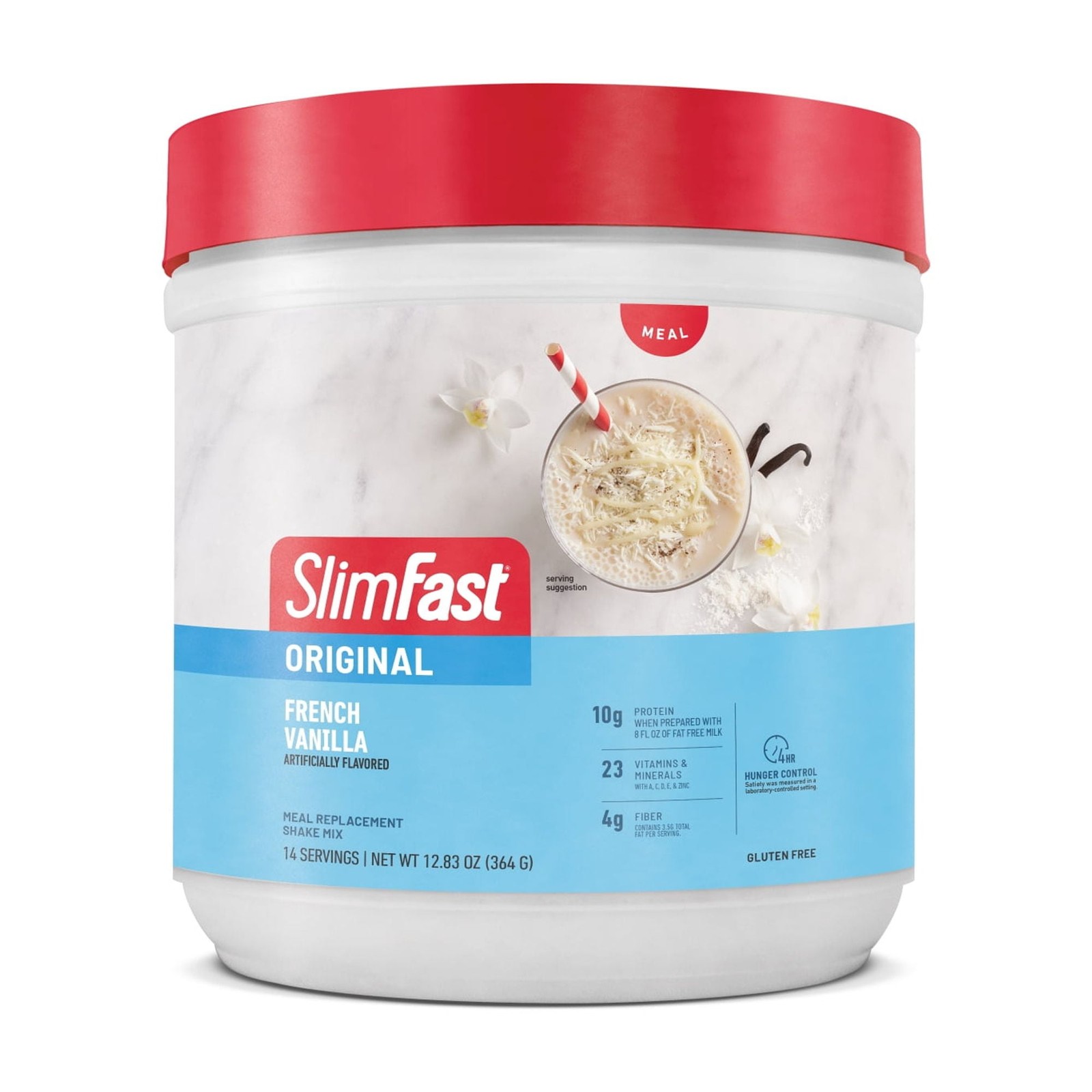 SlimFast Original French Vanilla Meal Replacement Shake Powder, 12.83 oz$4.28View on eBay
- SlimFast Original Meal Replacement Shake Powder, French Vanilla, 12.83 oz, 14...$4.28View on eBay
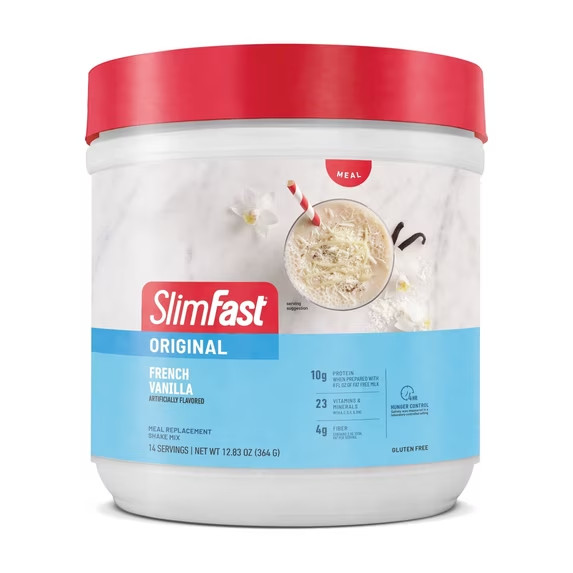 SlimFast Original Meal Replacement Shake Powder in French Vanilla, 12.83 oz$5.99View on eBay
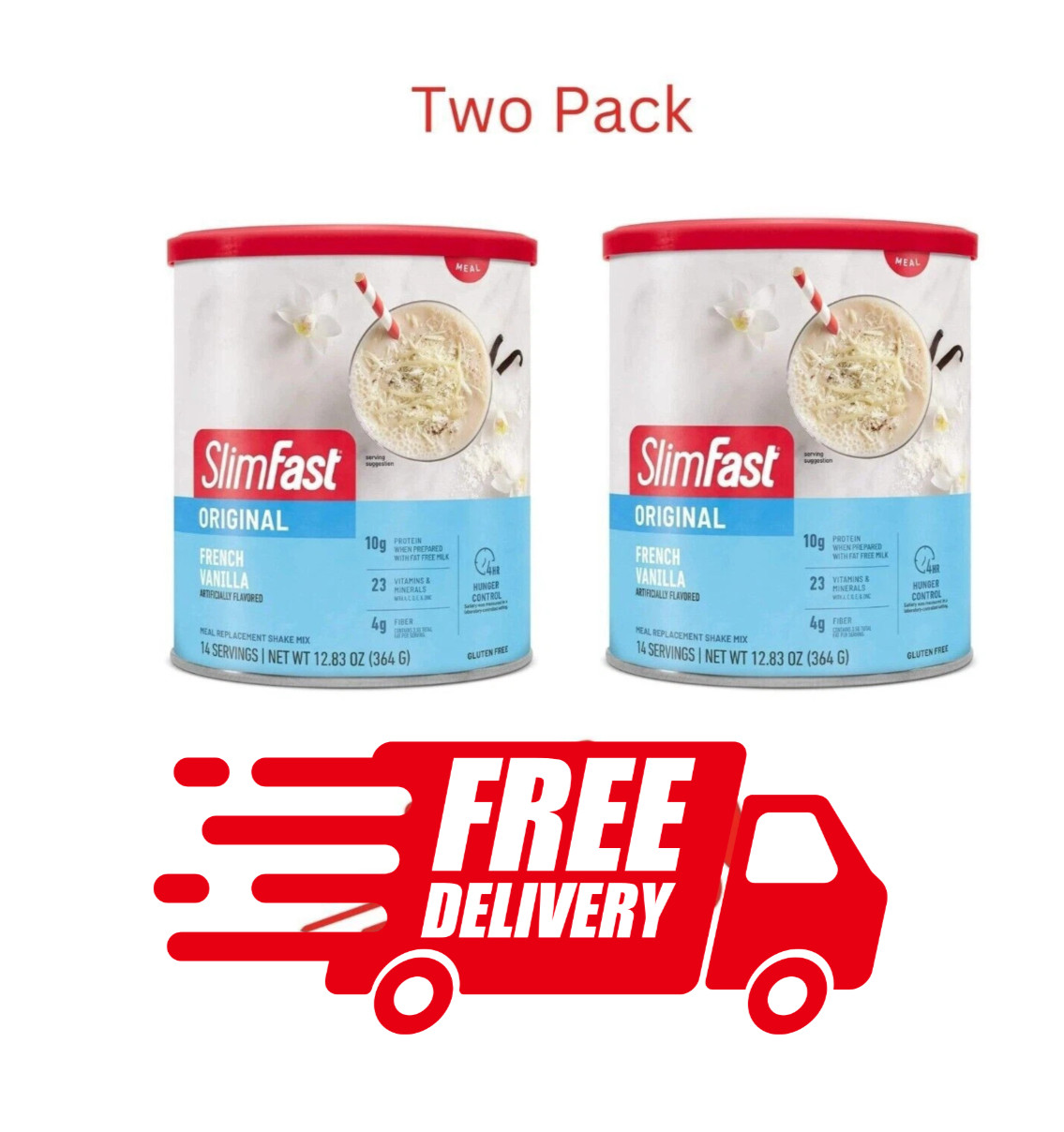 (2 PACK) SlimFast Original Meal Replacement Shake Powder, French Vanilla, 12.83$8.29View on eBay
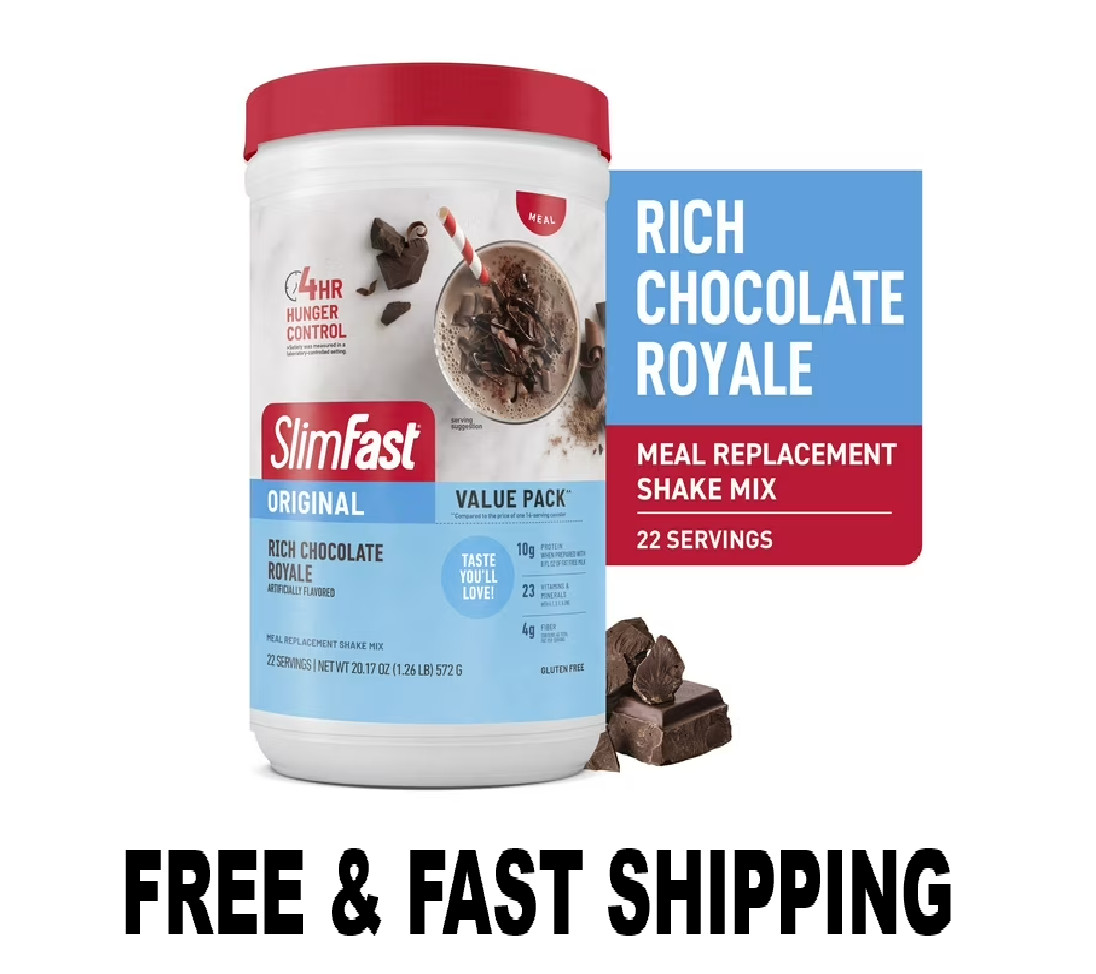 SlimFast Original Meal Replacement Shake Mix, Rich Chocolate Royale, 20.18 oz,$8.49View on eBay
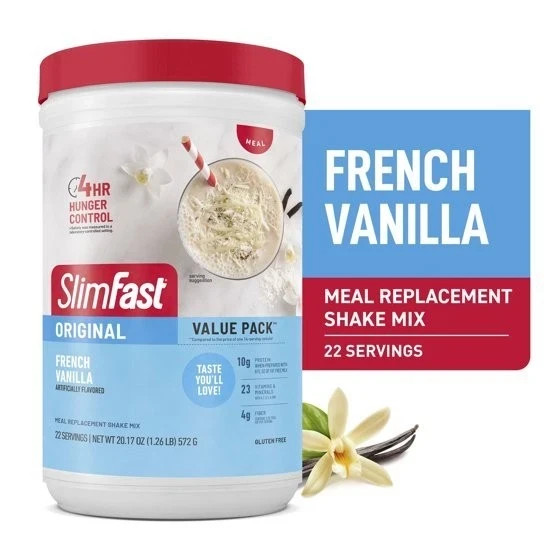 SlimFast Original Meal Replacement Shake Mix, French Vanilla, 22 Servings$9.98View on eBay
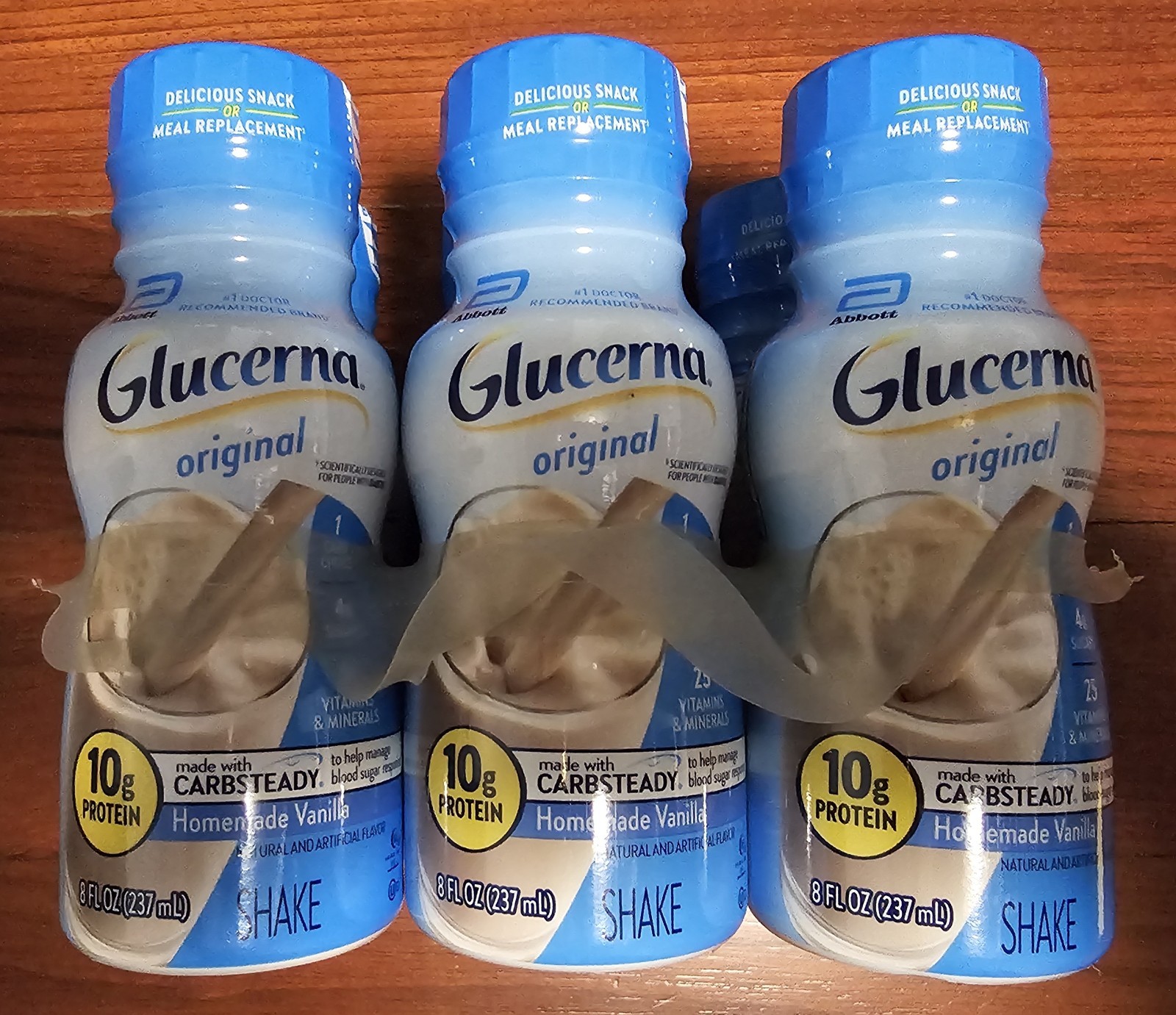 Glucerna Original Meal Replacement Shakes - Homemade Vanilla - 6 Pack (8 fl oz)$10.99View on eBay
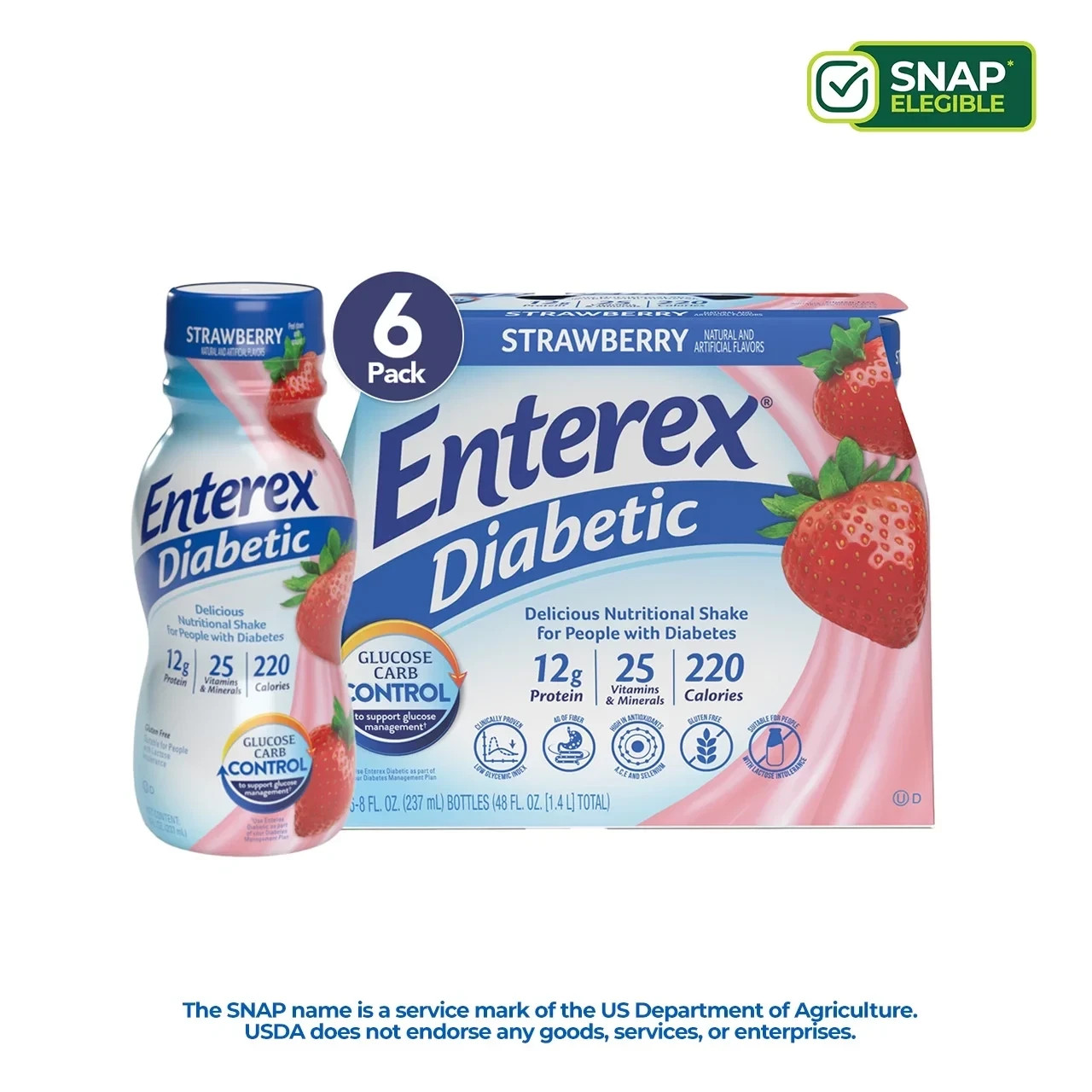 Diabetic Nutritional Meal Replacement Shake,For People with Diabetes,Strawberry$10.99View on eBay
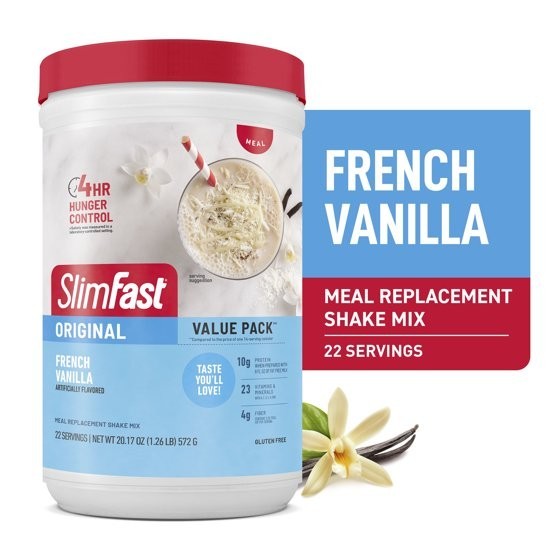 SlimFast Original Meal Replacement Shake Mix, French Vanilla, 22 Servings$12.48View on eBay
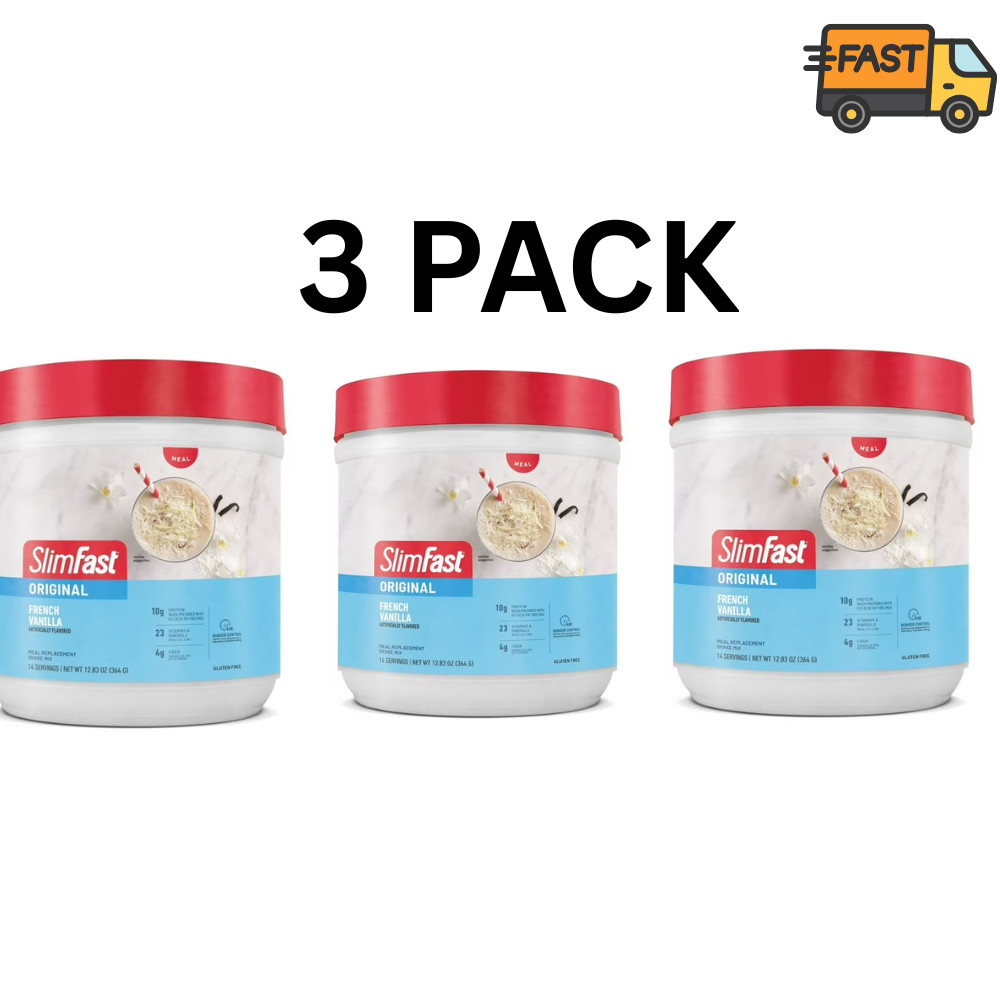 SlimFast French Vanilla Meal Replacement Shake Powder 12.83 oz Pack of 3$15.68View on eBay
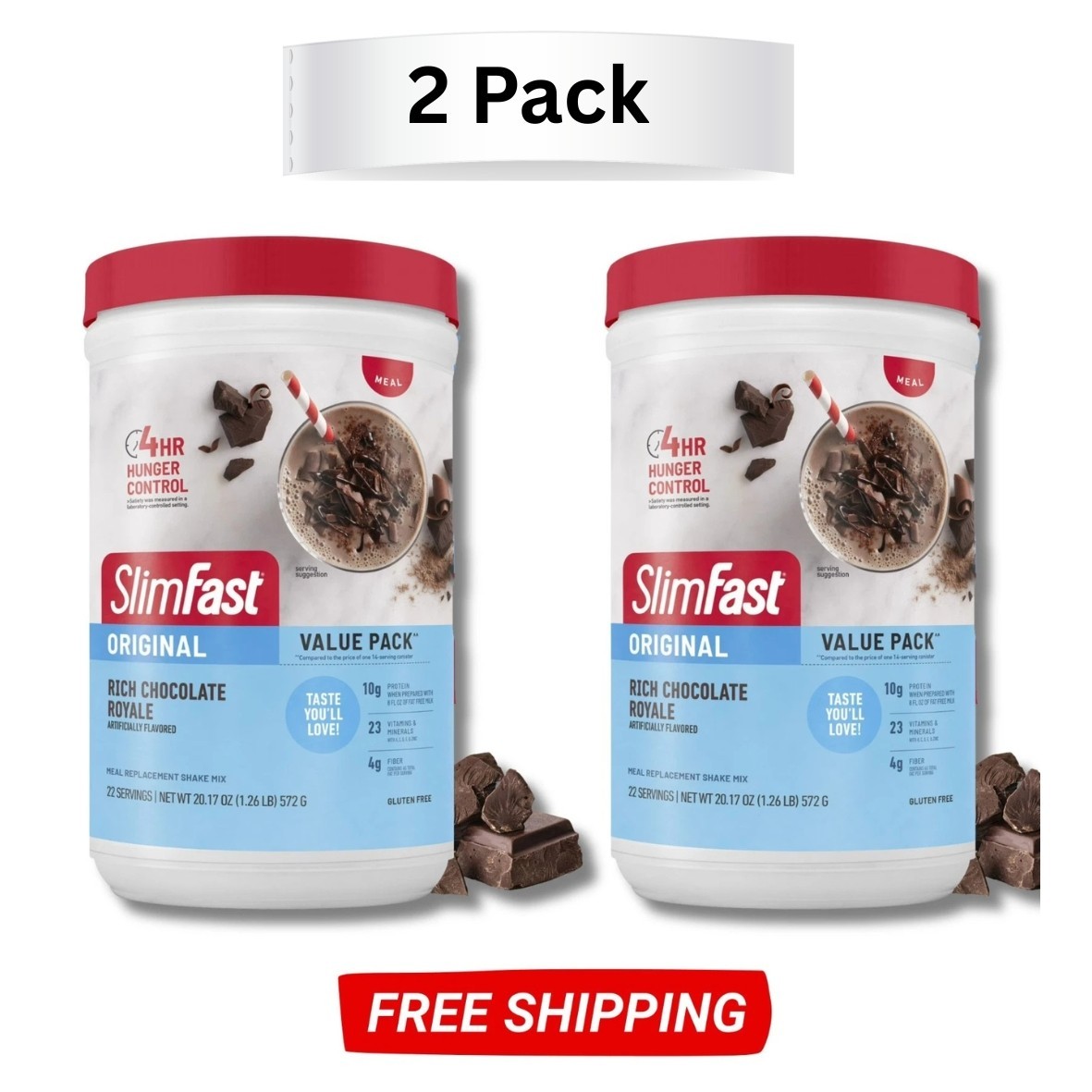 SlimFast Original Rich Chocolate Royale Meal Replacement Shake 20.18 Oz (2 Pack$15.90View on eBay
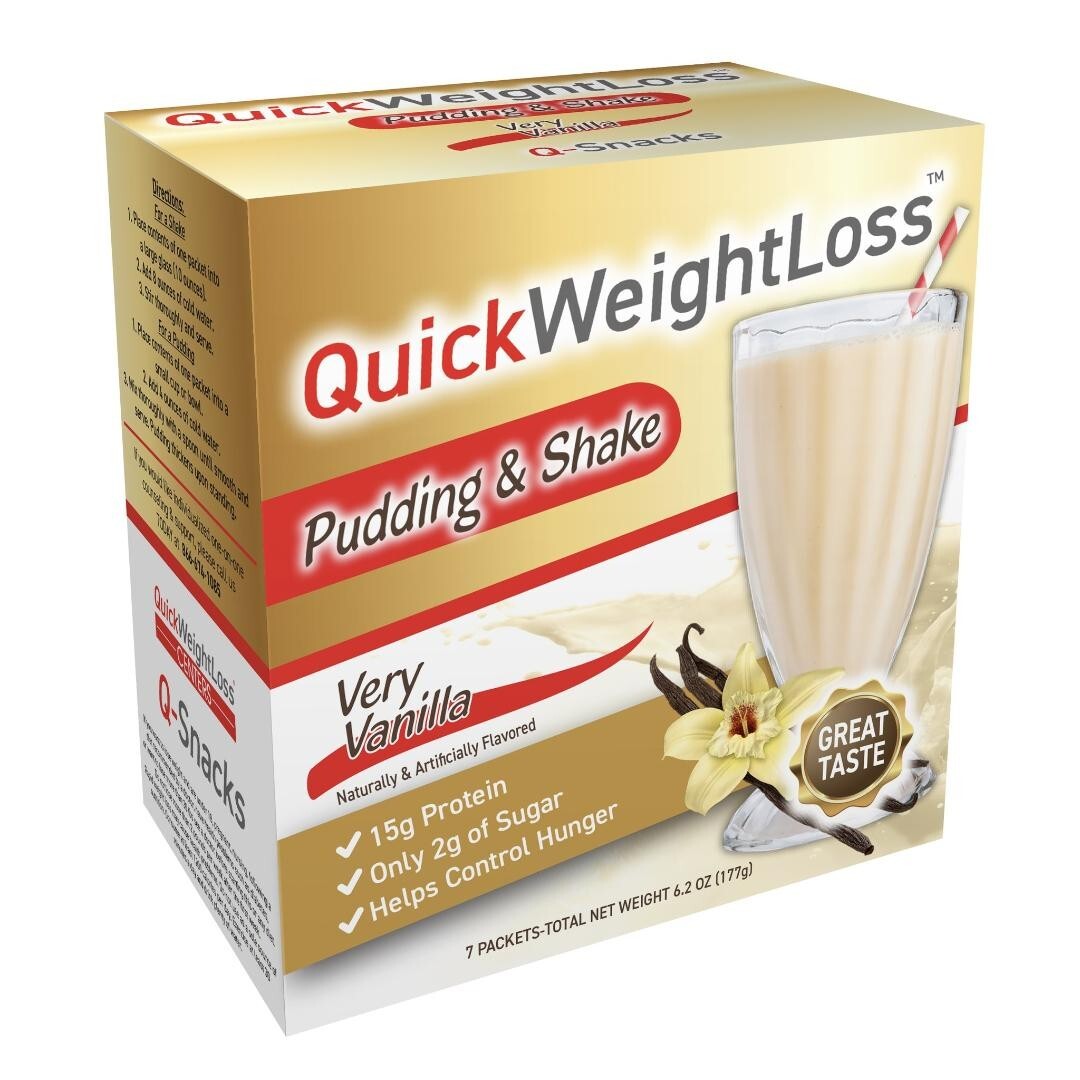 Very Vanilla Pudding Shake Meal Replacement 15g Fast Weight Loss Supplement 7ct$16.49Last checked Nov 23, 2026View on eBay
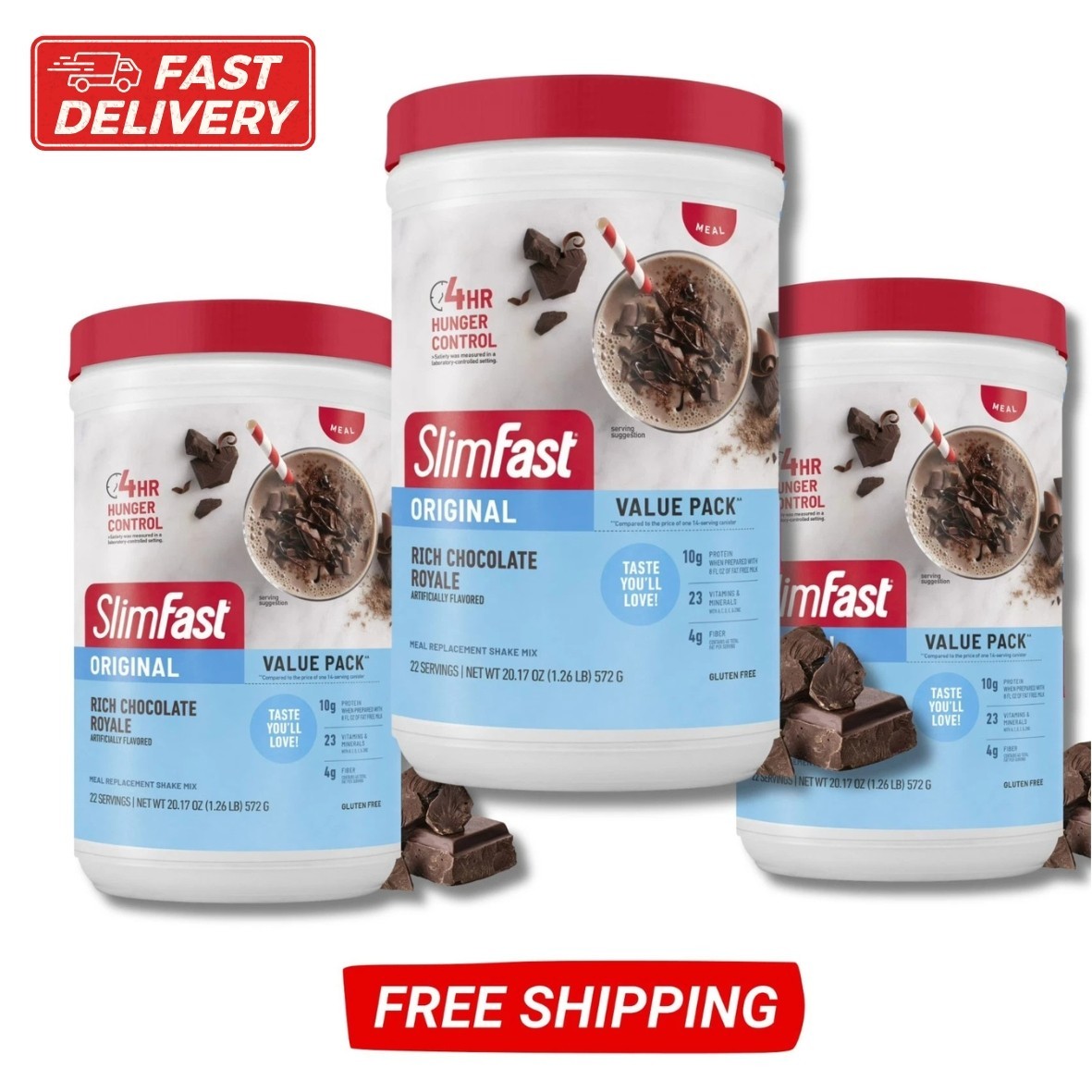 SlimFast Original Meal Replacement Shake Mix, Rich Chocolate Royale, 20.18 oz,$18.00View on eBay
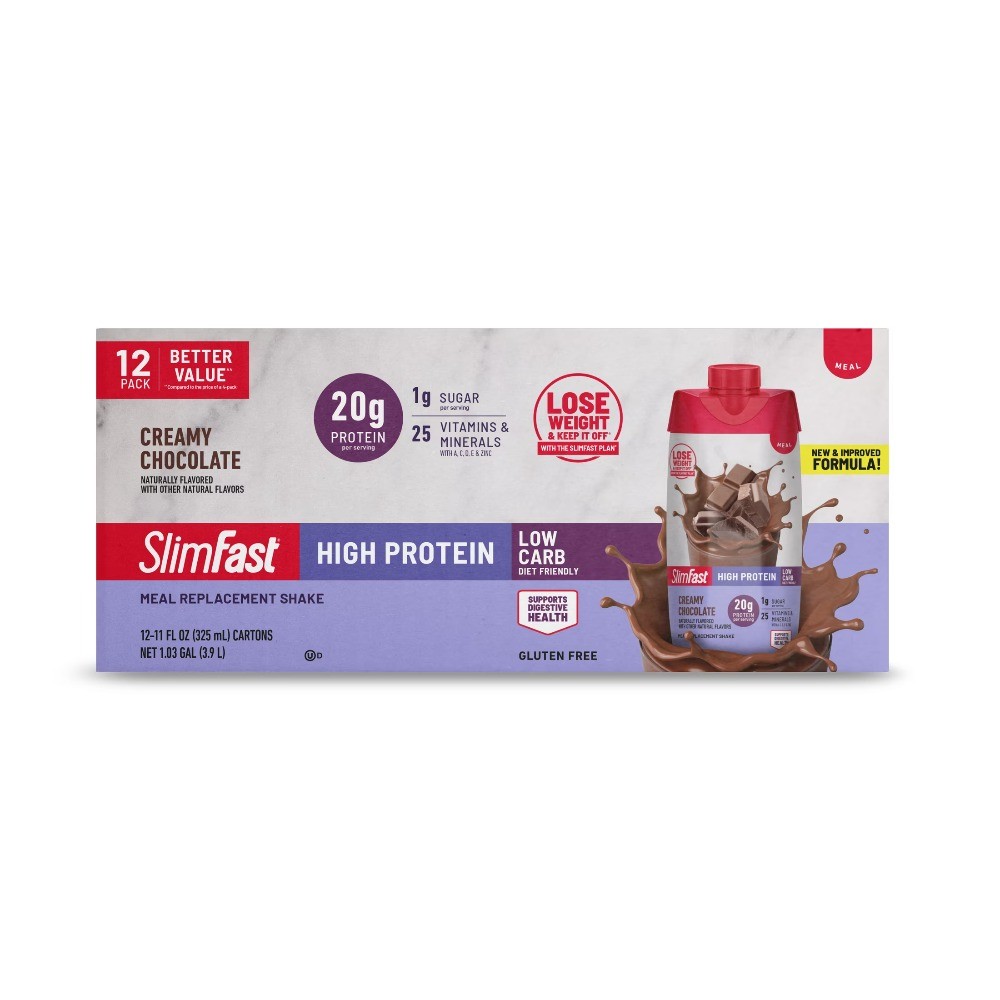 High Protein 20g Ready To Drink Meal Replacement Shake Creamy Chocolate,11oz12ct$23.99View on eBay
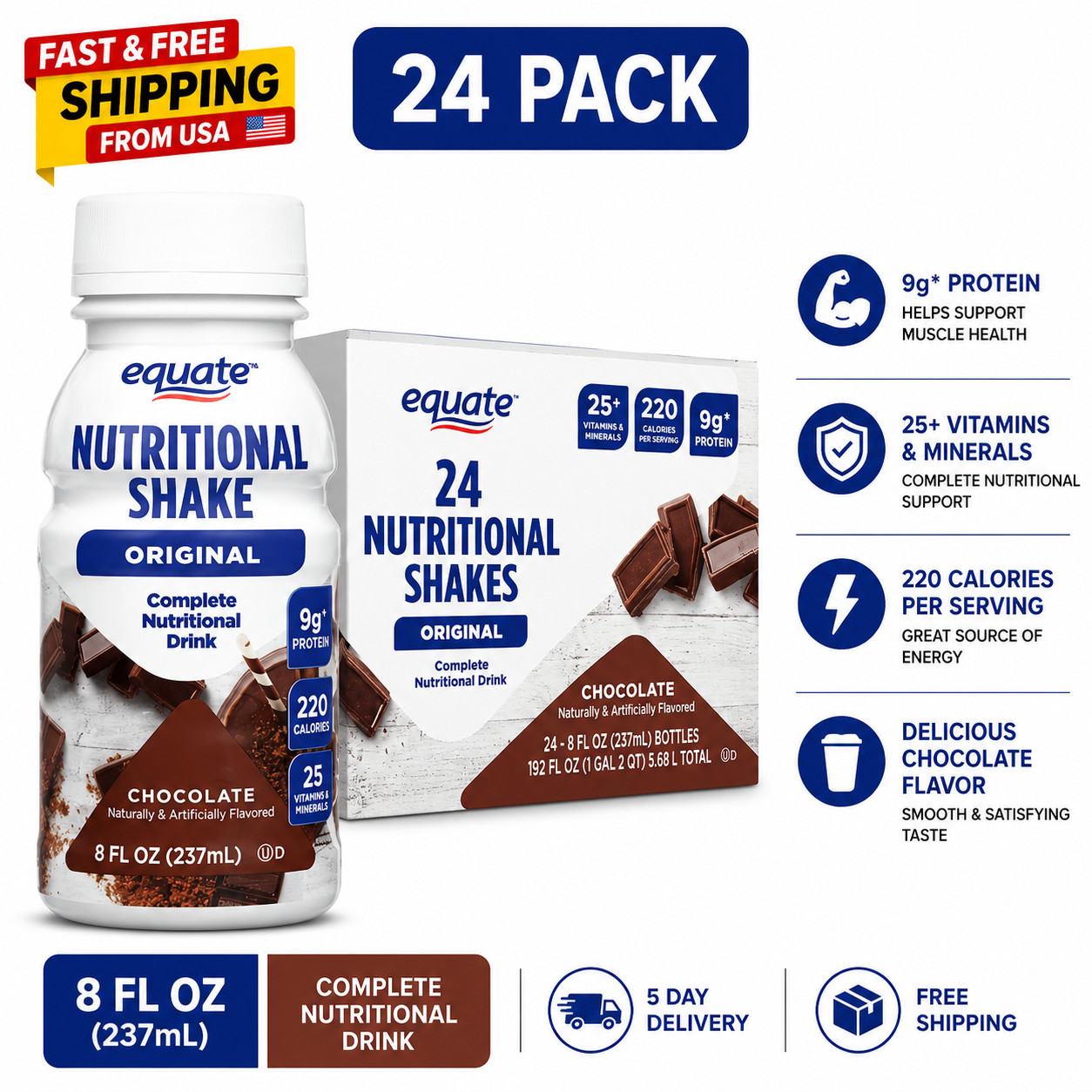 Equate Original Meal Replacement Nutritional Shakes, Chocolate, 8 Oz, 24 Count$28.34View on eBay
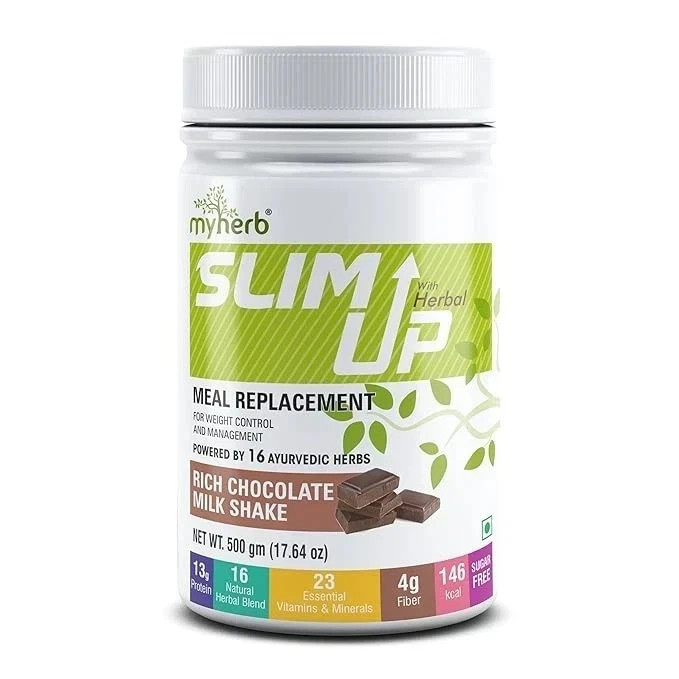 MYHERB Slim Up Meal Replacement Shake 500 g – Pack of 1 | Weight Management$29.74View on eBay
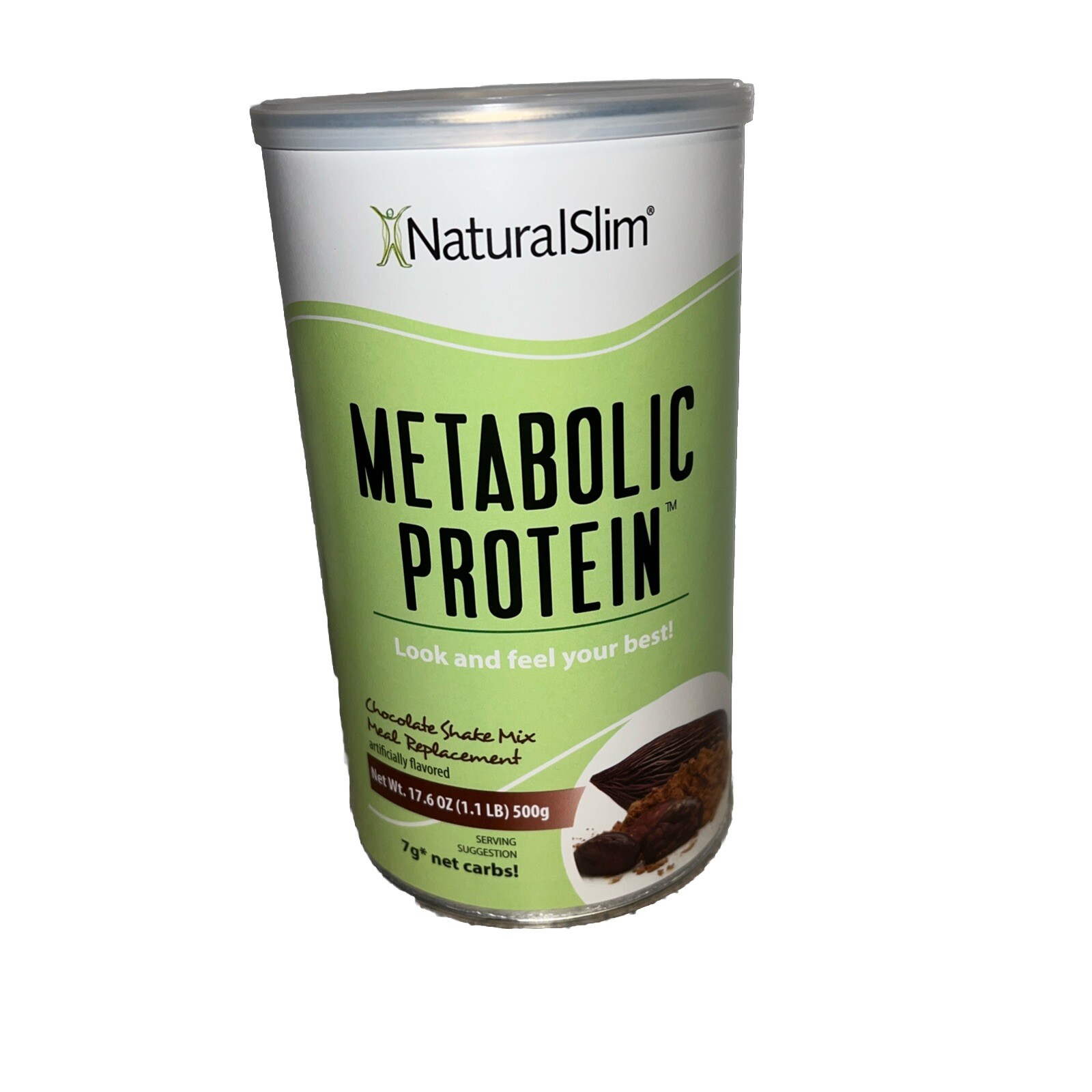 NaturalSlim Metabolic Whey Protein Powder - Chocolate Meal Replacement Shake$29.99Last checked Nov 23, 2026View on eBay
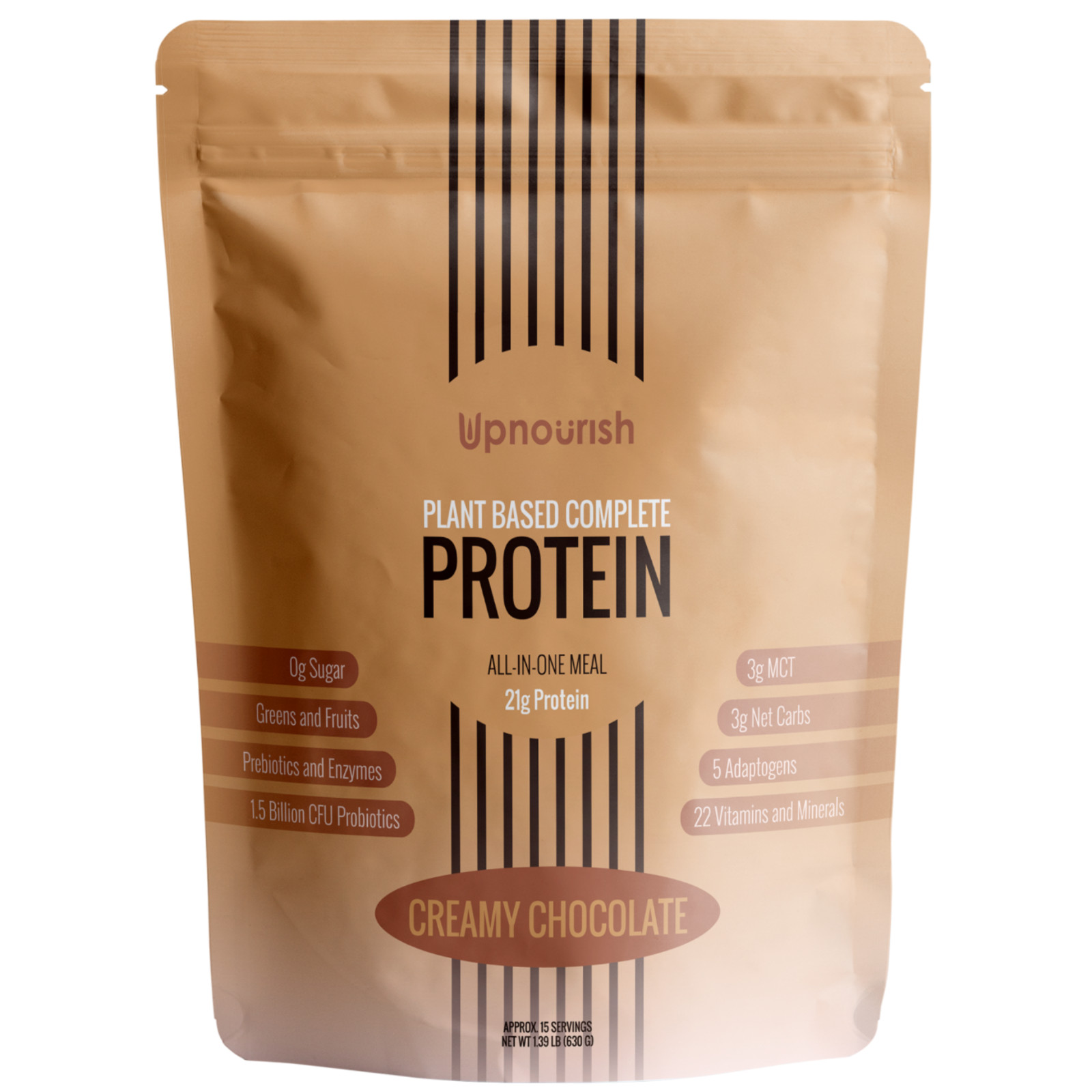 Vegan Plant Based Complete Protein Meal Replacement Shake Chocolate Gluten Free$29.99View on eBay
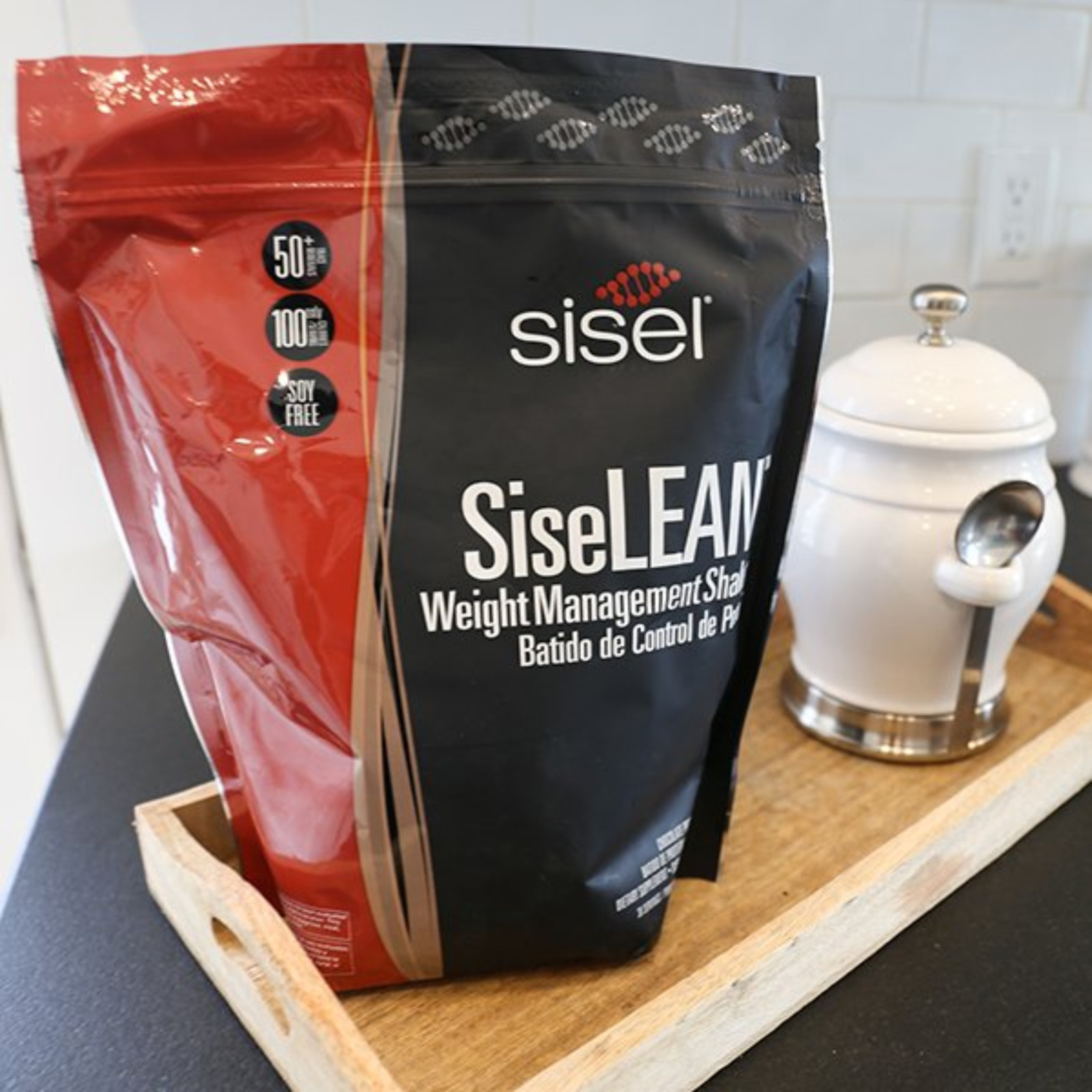 Sisel SiseLEAN Chocolate Weight Management Protein Shake Meal Replacement 30 Ser$34.59View on eBay
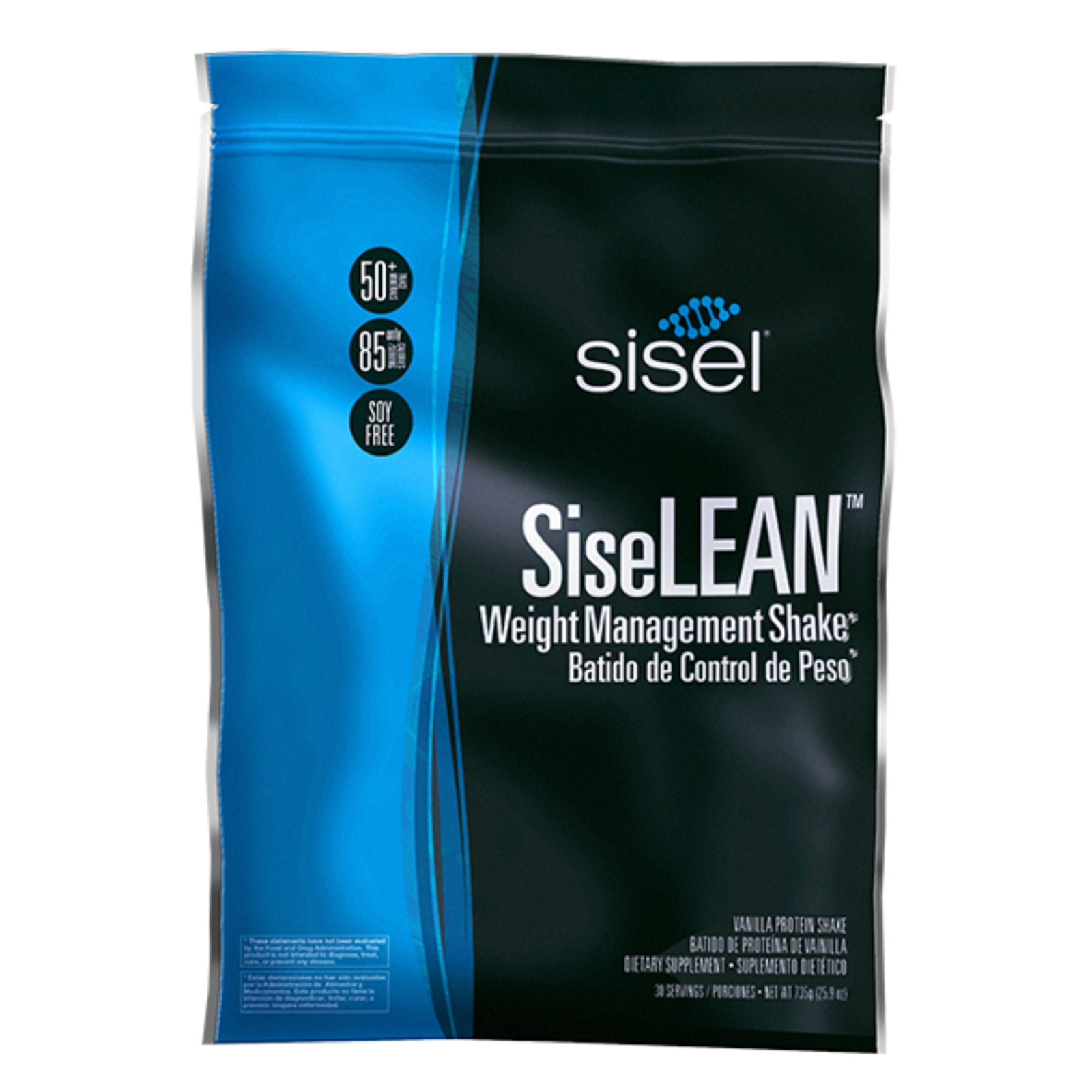 Sisel SiseLEAN Vanilla Weight Management Protein Shake Meal Replacement - NEW$34.59View on eBay
Highlights
- Protein source matters: whey and casein blends digest slowly and preserve lean mass, while soy or pea isolates suit dairy-free diets but often need added fiber for satiety.
- Fiber content of 5g or more per serving slows gastric emptying and blunts blood-sugar spikes; most mainstream powders fall short at 3-4g.
- Ready-to-drink shakes (8-11 fl oz) use aseptic packaging for shelf stability, while powders require milk or water and deliver more servings per container.
- Diabetic-friendly formulas like Glucerna use slow-release carbs and lower sugar (under 10g) with added chromium and fiber to manage glycemic response.
Best use cases
- Best fit for weight loss: pick a powder with 15-20g protein, 5g+ fiber, and under 10g sugar per serving; skip ready-to-drink shakes that exceed 200 calories per bottle.
- Best fit for diabetic management: choose a formula explicitly labeled for diabetes with slow-release carbs and under 10g total sugar; avoid standard SlimFast Original with 18g sugar per serving.
- Best fit for busy breakfast replacement: ready-to-drink 8-11 fl oz bottles are portion-controlled and require no prep; powders are cheaper per serving but need a shaker and milk.
- Wrong fit: using a meal replacement smoothie as a post-workout recovery drink when you need 25g+ fast protein; choose a dedicated whey isolate instead.
Buying tips
- Check the protein-to-calorie ratio: 15g protein per 200 calories or better signals a true meal replacement; below 10g protein per 200 calories is a snack.
- Powder canisters list serving count by scoop; a 12.83 oz canister yields about 14 servings, while 20+ oz canisters yield 22-24 servings—compare cost per serving, not per ounce.
- For dairy-free needs, select pea or soy protein isolates with added B12 and calcium; whey-based formulas cause GI distress for lactose-intolerant users.
- Ready-to-drink shakes have 8-11 fl oz bottles with 180-250 calories; powders mixed with 8 oz 2% milk add about 120 calories and 8g protein to the label values.
Specs
| Protein Per Serving | 15-20g (weight-loss tier) |
|---|---|
| Fiber Per Serving | 5g+ for satiety |
| Sugar Per Serving | Under 10g (diabetic-friendly) |
| Format | Powder canister vs RTD bottle |
Related searches
What to check before buying
- Measure your daily calorie target: a meal replacement should be 200-400 calories per serving to fit a 1200-1800 calorie weight-loss plan; adjust mix-ins accordingly.
- Confirm your dietary restrictions: lactose intolerance rules out whey and casein; vegan diets need pea, soy, or rice protein with added B12.
- Check blood-sugar needs: diabetics should select formulas with under 10g sugar and slow-release carbs like maltodextrin alternatives, not sucrose or corn syrup.
- Verify preparation equipment: powders need a shaker bottle or blender for smooth texture; ready-to-drink bottles need refrigeration only after opening.
FAQ
Data sources: eBay / Amazon listings and product attribute feeds. Updated Nov 27, 2026.
Some links on this page are affiliate links. If you buy after clicking one, we may earn a commission at no extra cost to you. This does not change which products appear here or their order. Affiliate disclosure.