
Photos from current listings. Actual item, color, and included accessories may vary.
Protein Meal Replacement Buying Guide
Protein meal replacements are powdered or bar formats engineered to deliver 15–30 g of protein with added vitamins, minerals, and fiber to stand in for a full meal. The core trade-off is protein source and dose versus added sugar, artificial sweeteners, and digestibility—whey and casein offer complete amino profiles and fast mixing, while plant blends (pea, rice, soy) need careful combining to match bioavailability and often carry grittier texture. The decision rule: prioritize products listing a complete protein source at ≥20 g per serving with ≤5 g added sugar and third-party testing; treat sub-15 g protein or sugar-heavy “meal” shakes as snacks, not replacements.
Median $44.02
Key takeaways
- Protein dose per serving separates true meal replacements (20–30 g complete protein) from snack shakes (10–15 g), directly affecting satiety and muscle retention.
- Whey isolate and casein blends mix smooth and digest fast; pea-rice blends require 1:1 ratio to close the lysine–methionine gap and often need lecithin for texture.
- Added sugar above 5 g per serving and sugar-alcohol sweeteners (maltitol, sorbitol) cause GI distress and blood-sugar spikes in sensitive users.
At a glance
- Category
- Meal Replacement Management
- Last updated
- Nov 27, 2026
Current offers
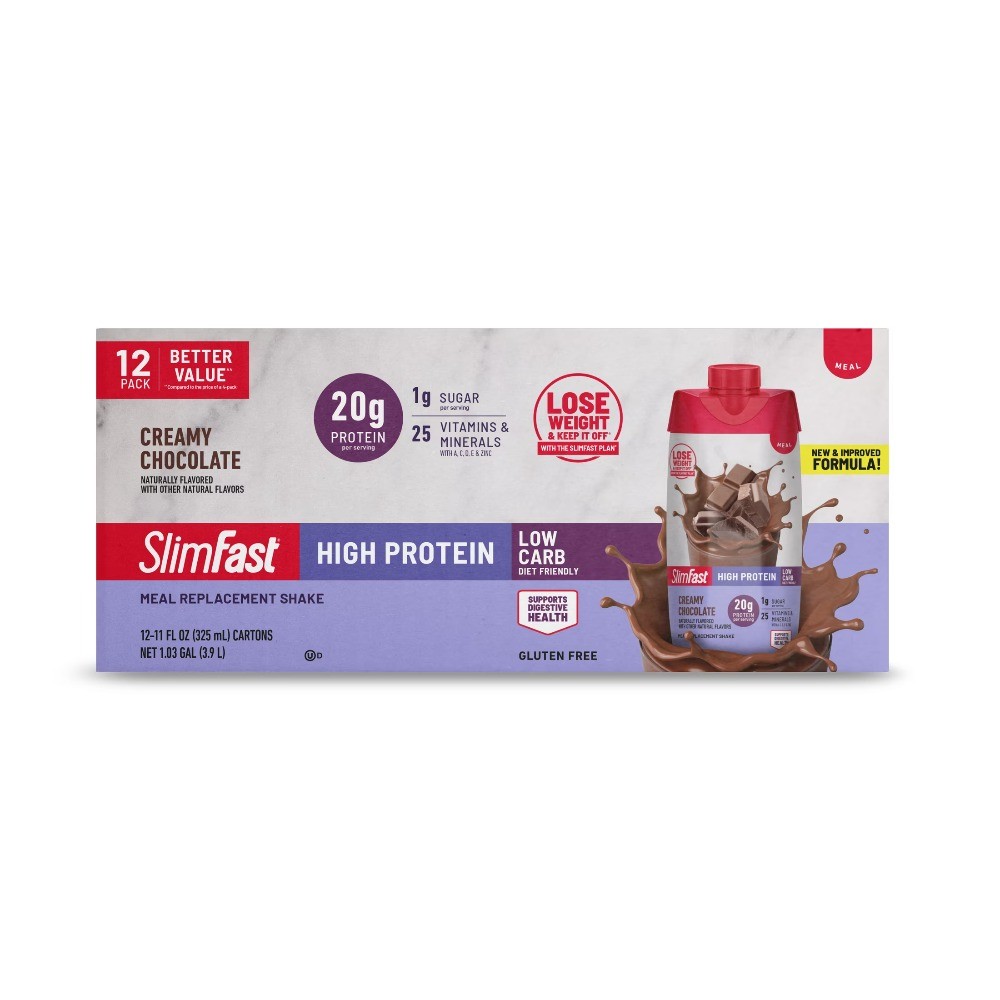 High Protein 20g Ready To Drink Meal Replacement Shake Creamy Chocolate,11oz12ct$23.99View on eBay
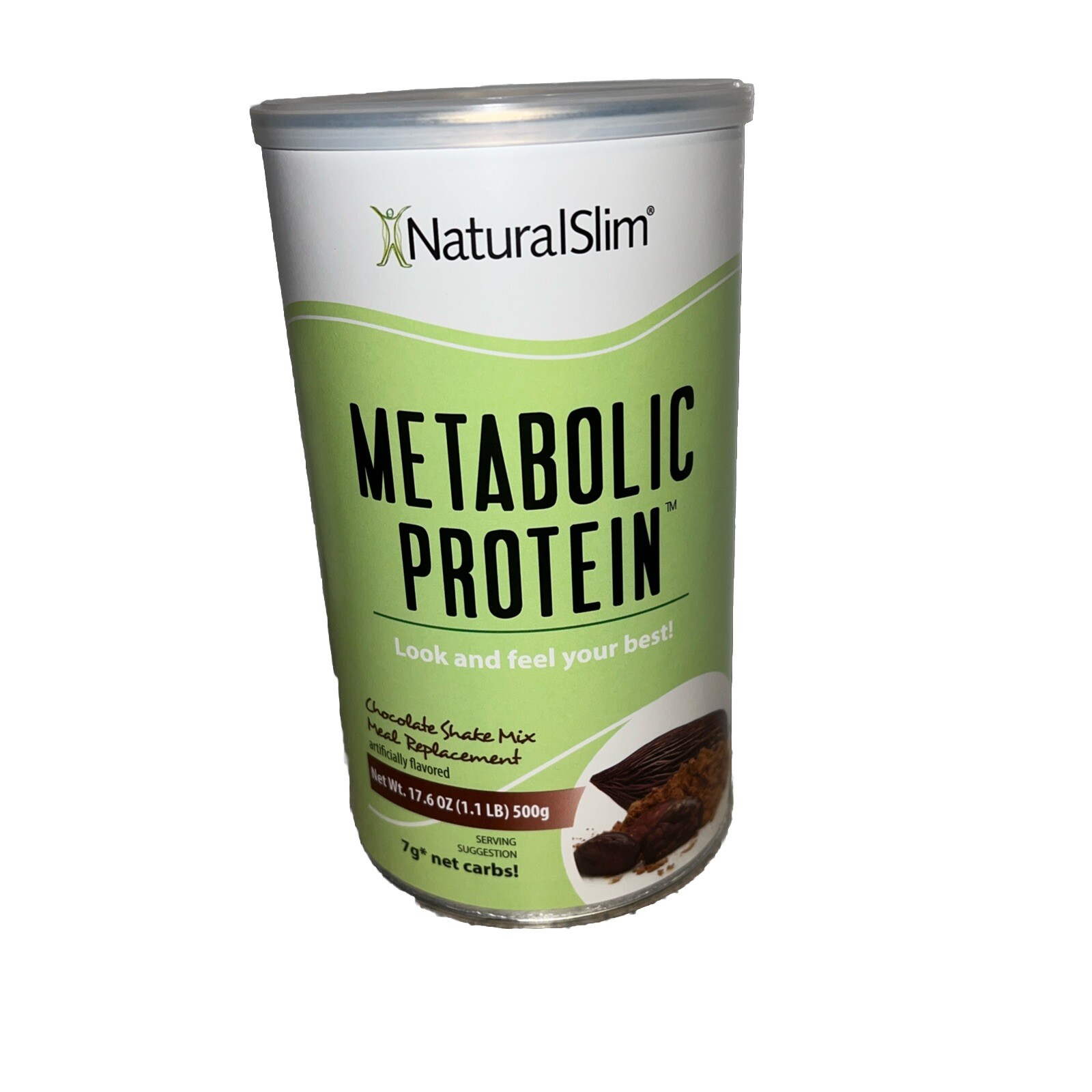 NaturalSlim Metabolic Whey Protein Powder - Chocolate Meal Replacement Shake$29.99Last checked Nov 23, 2026View on eBay
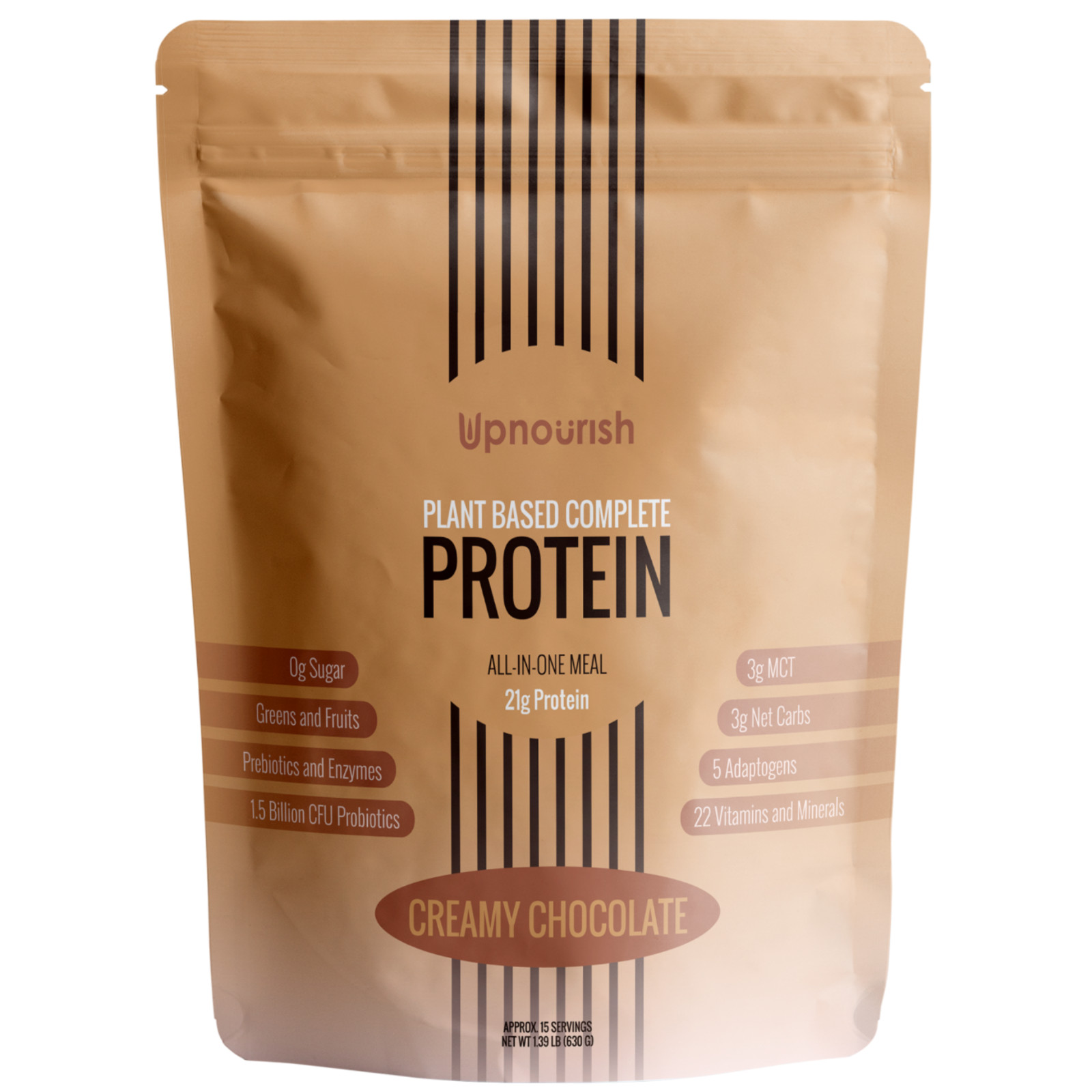 Vegan Plant Based Complete Protein Meal Replacement Shake Chocolate Gluten Free$29.99View on eBay
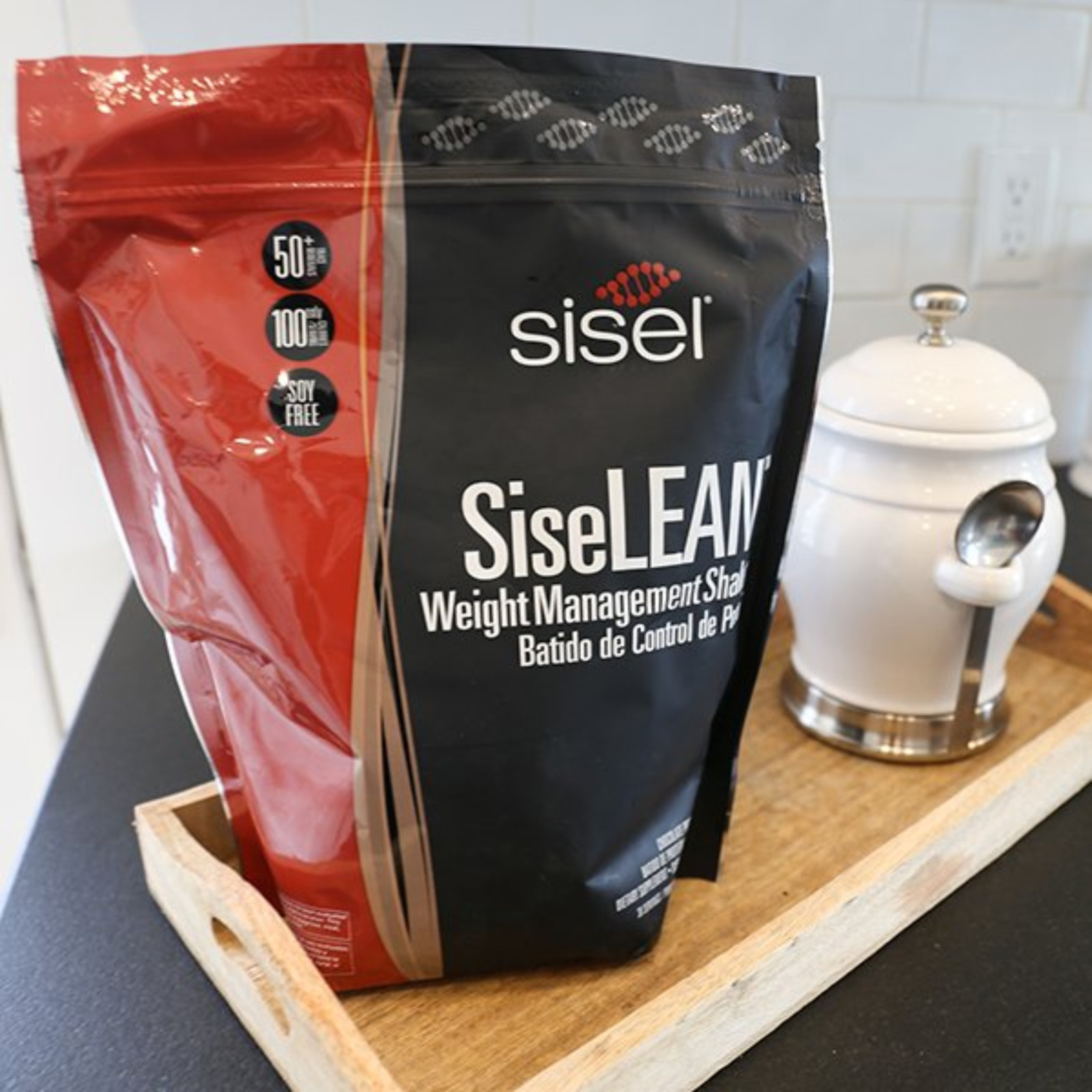 Sisel SiseLEAN Chocolate Weight Management Protein Shake Meal Replacement 30 Ser$34.59View on eBay
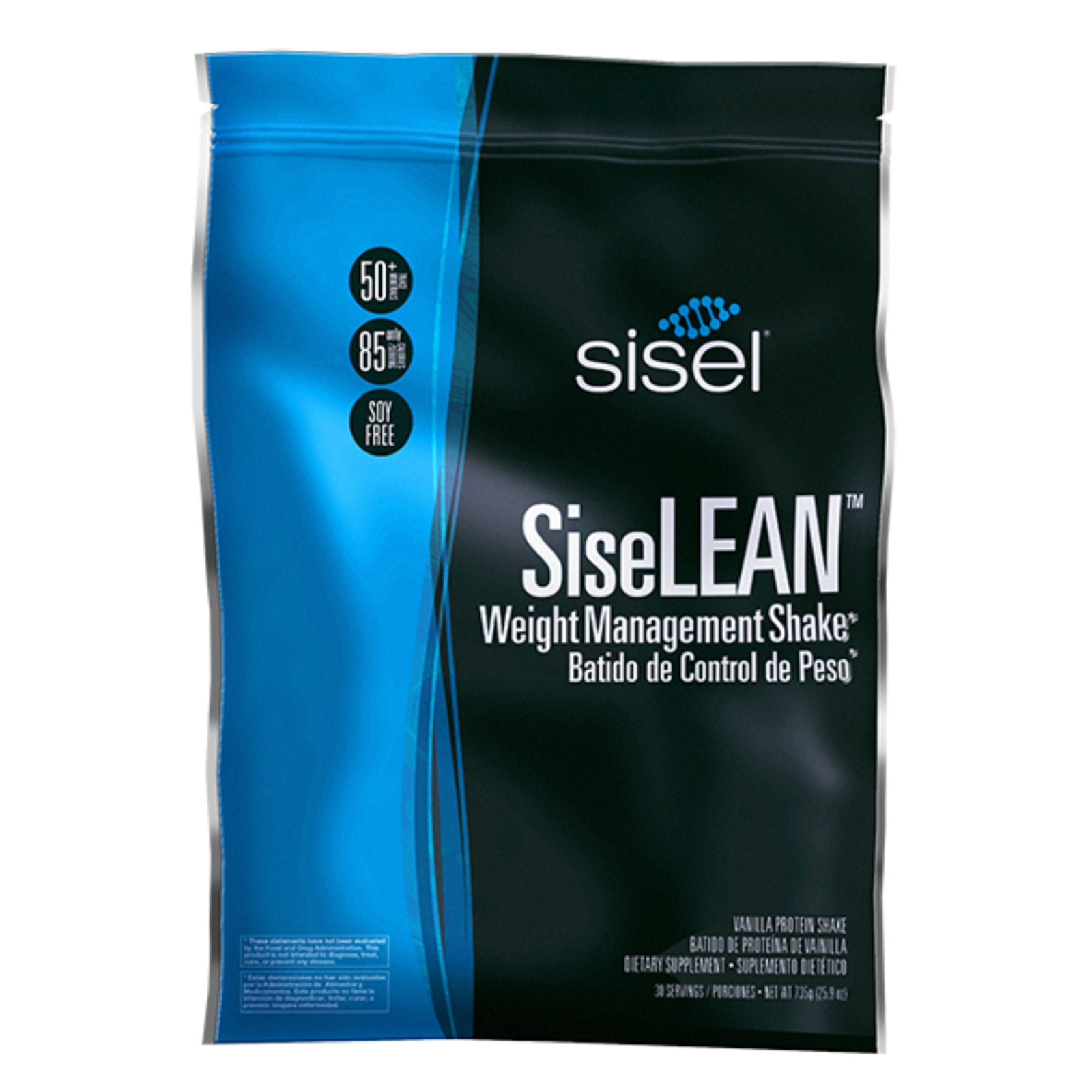 Sisel SiseLEAN Vanilla Weight Management Protein Shake Meal Replacement - NEW$34.59View on eBay
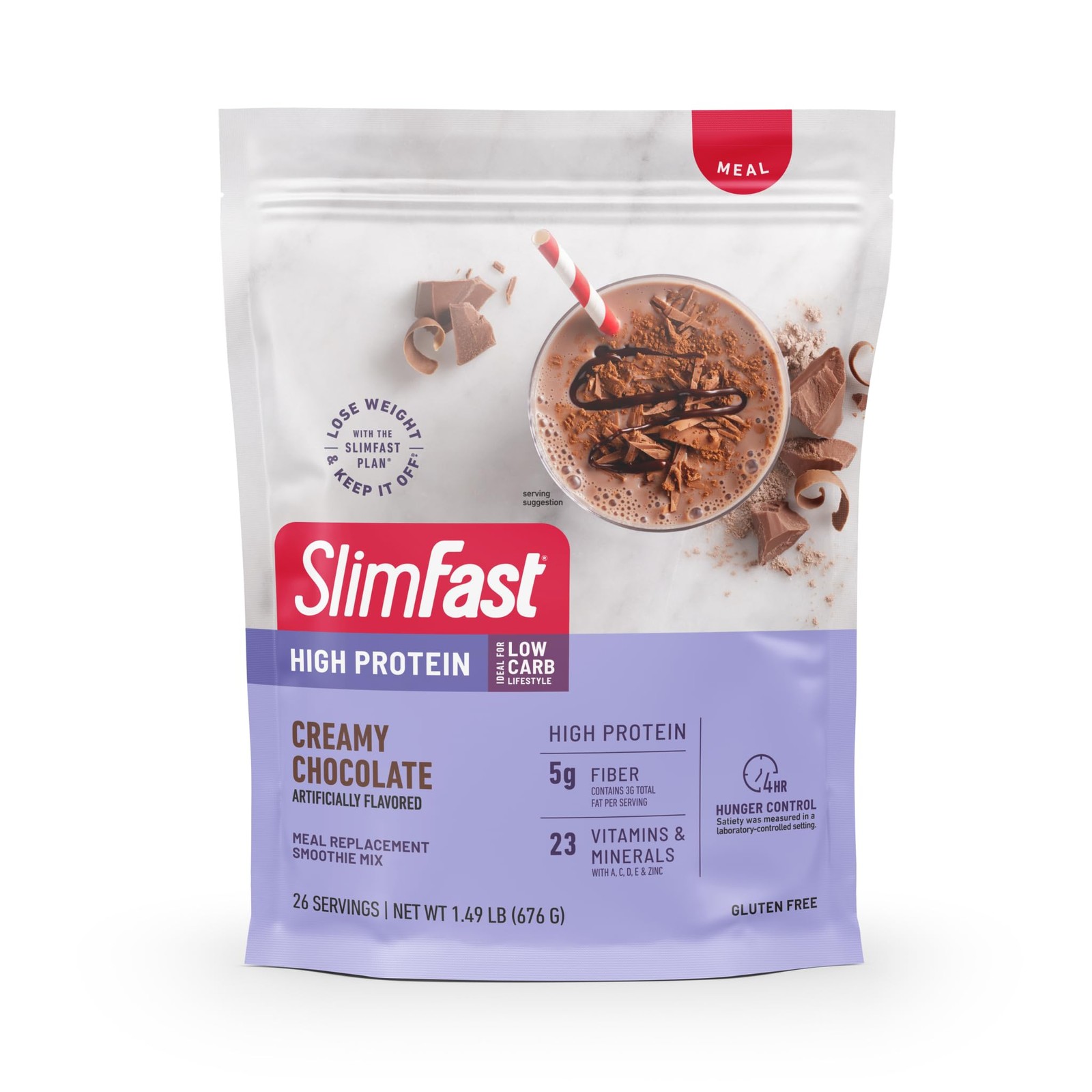 SlimFast High Protein Meal Replacement Powder, Advanced Nutrition 26 Servings$34.74Last checked Nov 22, 2026View on eBay
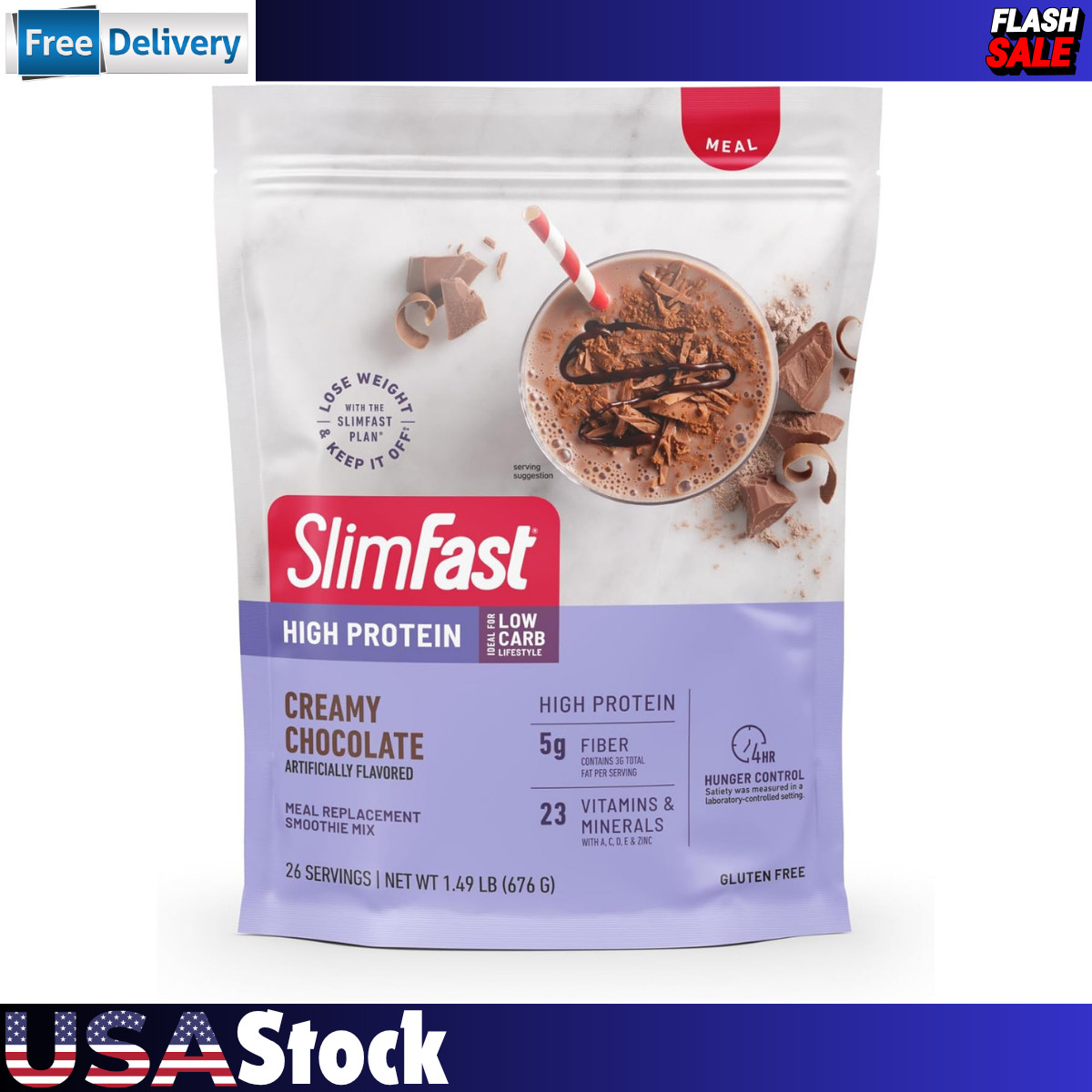 Slimfast High Protein Meal Replacement Powder, Creamy Milk Chocolate, 26 Serving$35.99Last checked Nov 19, 2026View on eBay
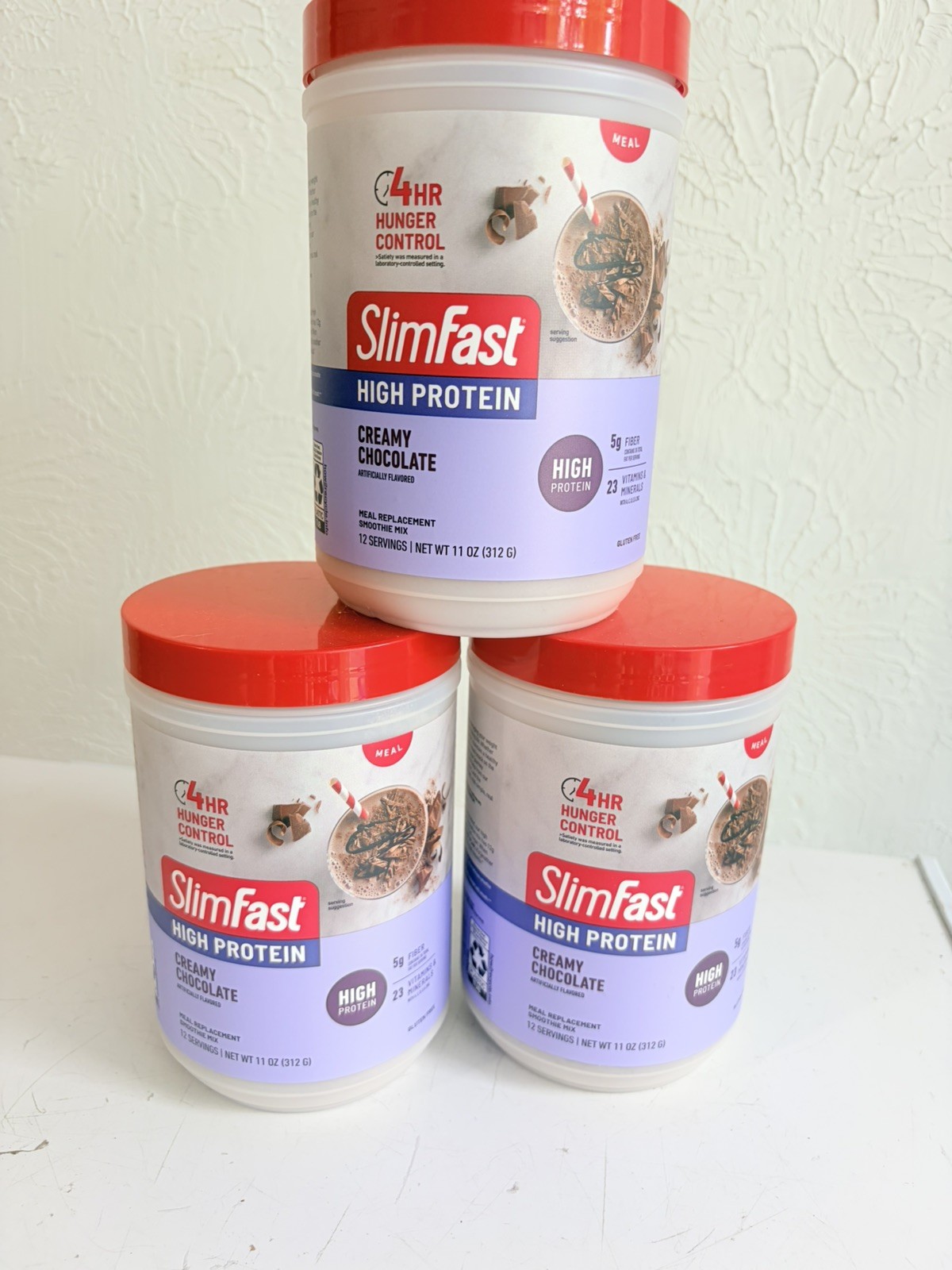 3x SlimFast High Protein Meal Replacement Shake Powder – 11 oz Slim Fast$39.99View on eBay
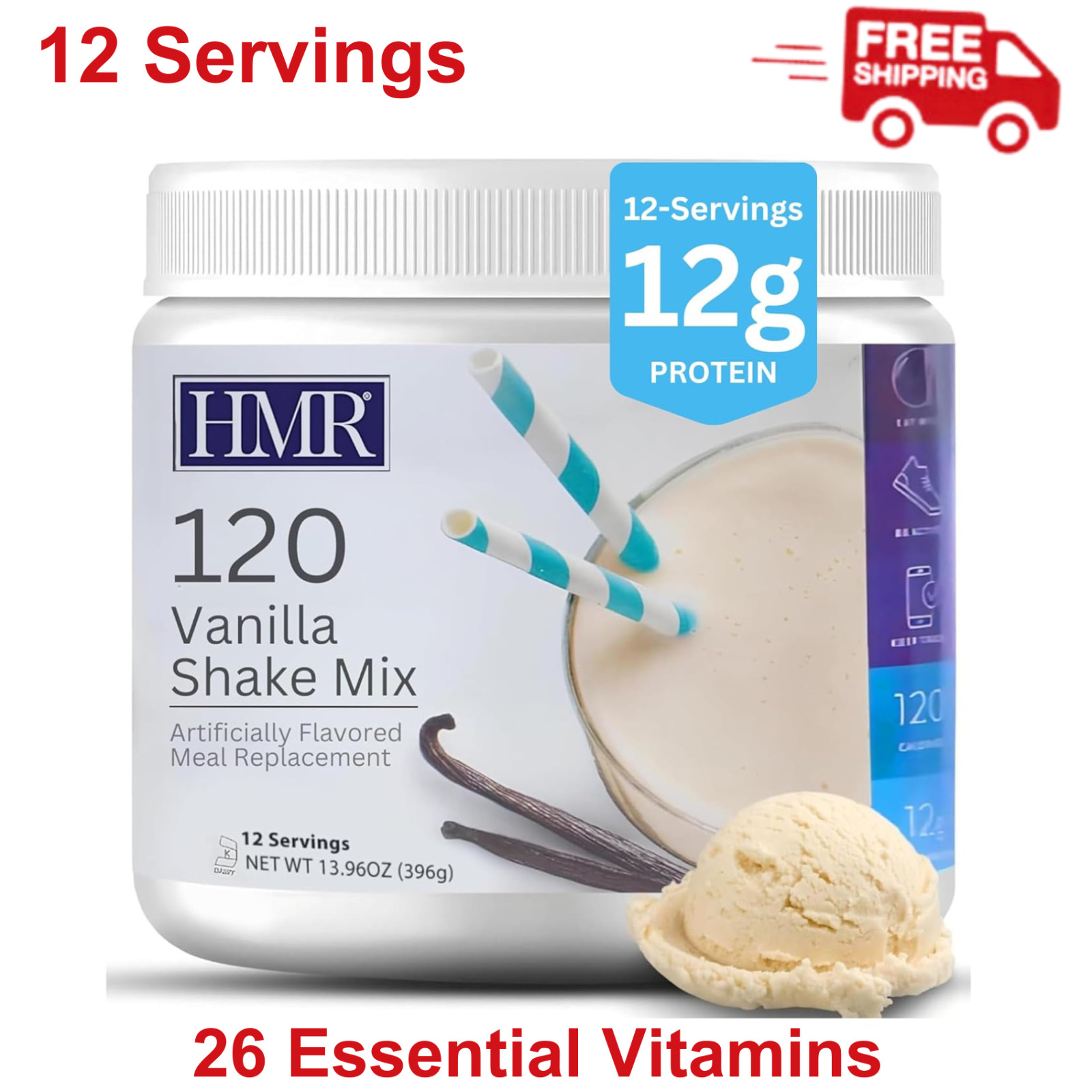 HMR 120 Vanilla Shake Powder, Meal Replacement, 12g Protein,12Serv, 120 Calories$48.05Last checked Nov 22, 2026View on eBay
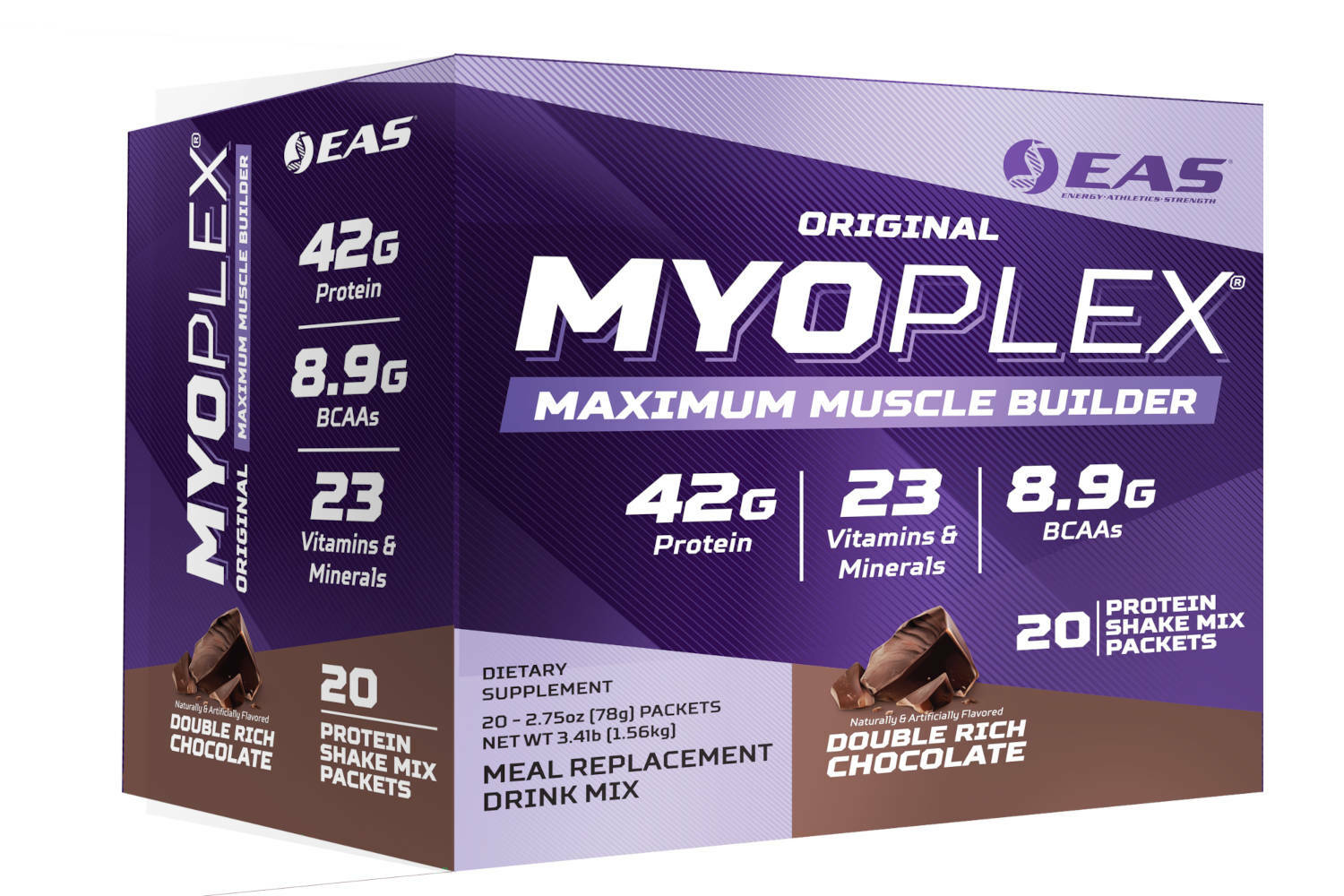 EAS MYOPLEX Original Meal Replacement Powder Protein Shake Vitamins BCAAs 20 Pk$58.45Last checked Nov 21, 2026View on eBay
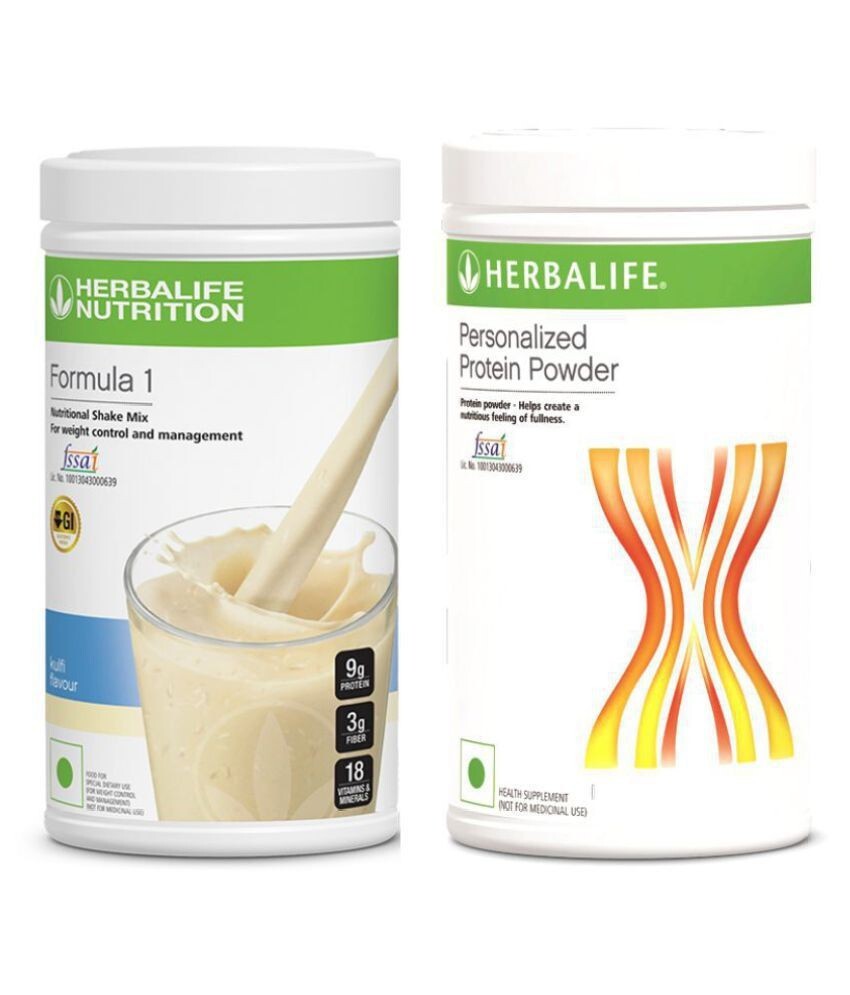 FORMULA 1 HEALTHY MEAL REPLACEMENT SHAKE 500gm KULFI FLAVOR PROTEIN POWDER 400GM$62.69View on eBay
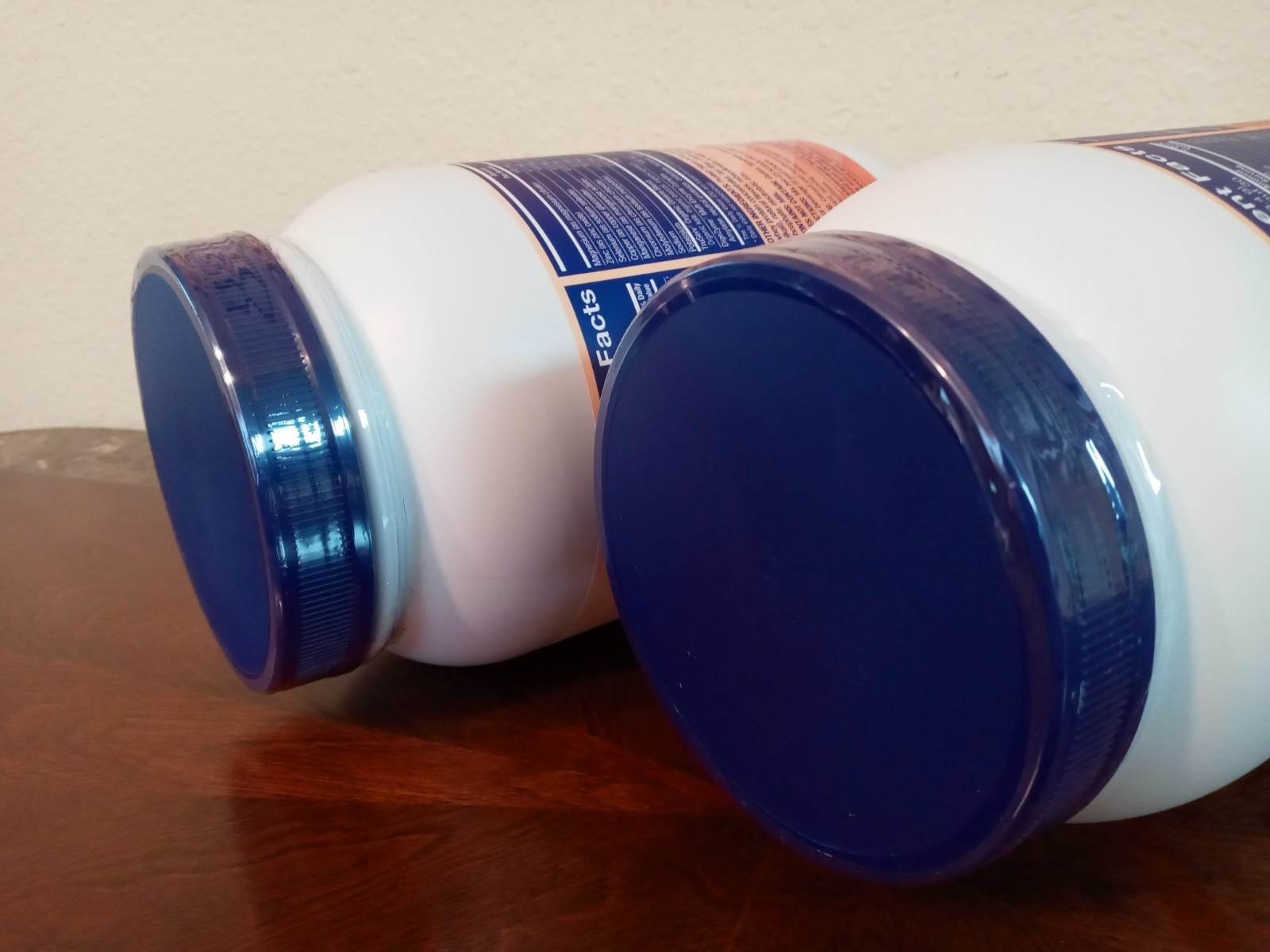 Whole Health Rx Meal Replacement Protein Powder x2/To Fill The Nutritional Gaps$69.95View on eBay
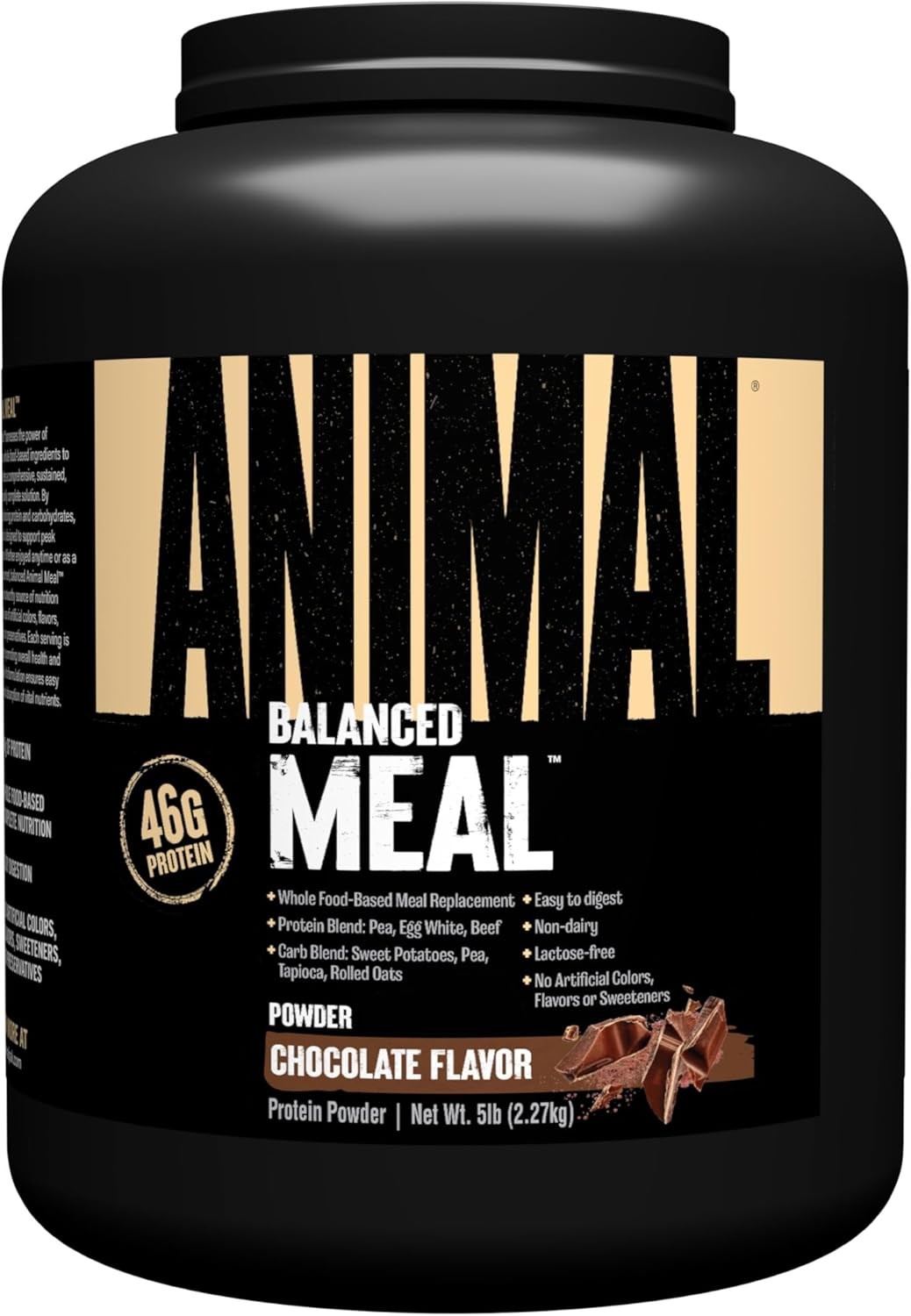 Animal Meal Balanced Whole Food Meal Replacement Protein Powder Egg Beef 5 Lb$75.84View on eBay
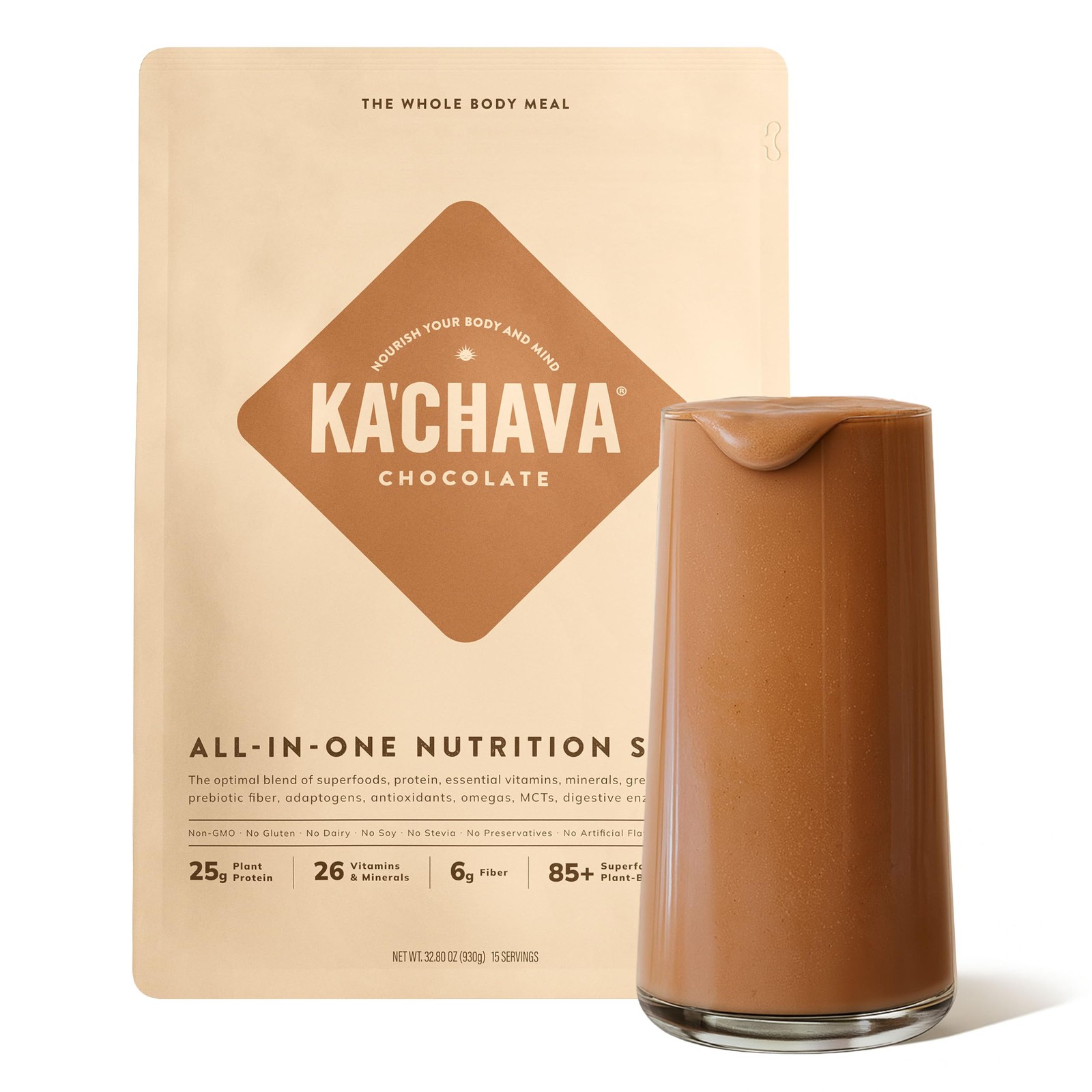 Vegan Meal Replacement Shake – Chocolate Protein Powder with 85+ Superfoods$84.21Last checked Nov 22, 2026View on eBay
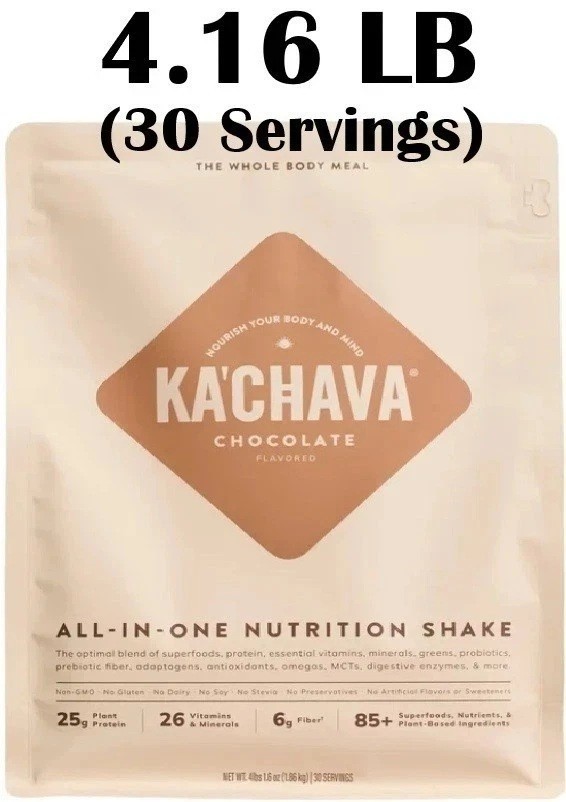 KaChava Meal Replacement Powder Protein Shake, Chocolate, 30 Servings, 4.16 LB$108.99View on eBay
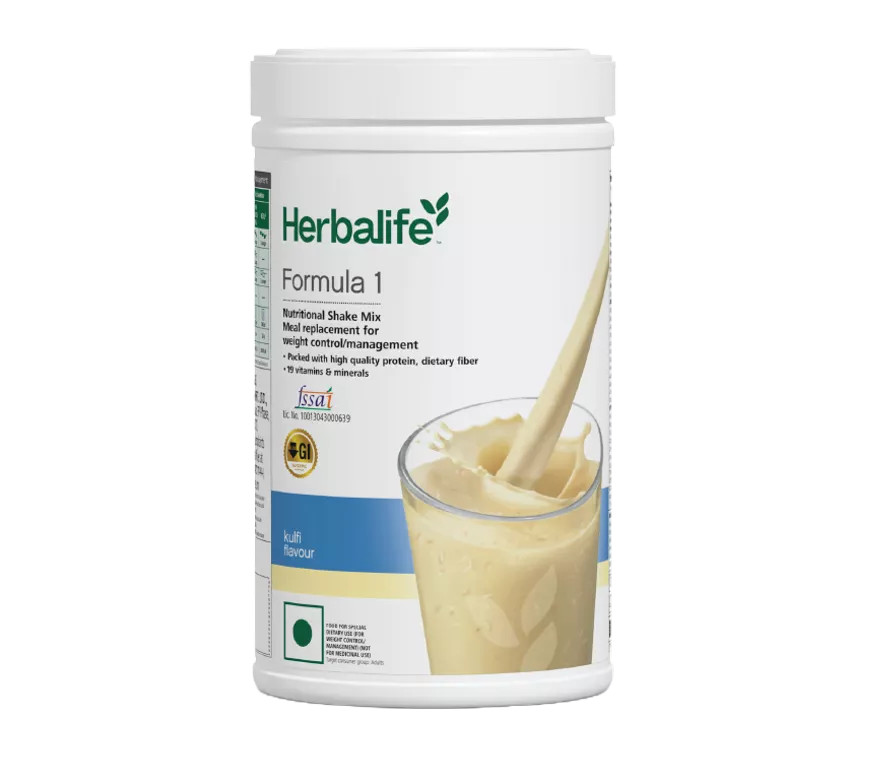 Herbalife Formula 1 Nutritional Shake Mix Kulfi Meal Replacement Protein | 750G$113.49Last checked Nov 24, 2026View on eBay
Highlights
- Protein dose per serving separates true meal replacements (20–30 g complete protein) from snack shakes (10–15 g), directly affecting satiety and muscle retention.
- Whey isolate and casein blends mix smooth and digest fast; pea-rice blends require 1:1 ratio to close the lysine–methionine gap and often need lecithin for texture.
- Added sugar above 5 g per serving and sugar-alcohol sweeteners (maltitol, sorbitol) cause GI distress and blood-sugar spikes in sensitive users.
- Third-party seals (NSF Certified for Sport, Informed Choice) verify label accuracy and low heavy-metal content—critical for daily-use powders, especially plant-based.
Best use cases
- Best fit: busy professionals replacing 1–2 meals daily—choose a 24–30 g whey or plant blend with ≤3 g sugar and 5+ g fiber to sustain energy for 3–4 hours.
- Best fit: post-workout meal omission—pick a fast-digesting whey isolate (20–25 g protein, low fat) within 60 minutes of training instead of a full meal.
- Wrong fit: dieters seeking very-low-calorie fasting products—protein meal replacements at 200–400 kcal per serving are not fasting aids; choose a dedicated fasting electrolyte instead.
- Wrong fit: dairy-allergic or strict vegan shoppers buying ‘plant-based’ without checking for milk-derived caseinate or whey cross-contamination on the allergen line.
Buying tips
- Match protein dose to meal context: 20–25 g for a 300–400 kcal breakfast replacement, 25–30 g for post-workout or lunch replacement to preserve lean mass.
- Choose whey isolate over concentrate if lactose-sensitive—isolate is ≥90% protein with <2 g lactose per serving; concentrate carries 4–8 g lactose.
- For plant blends, confirm a pea-rice or soy-based complete protein; single-source pea or rice alone falls short on methionine or lysine respectively.
- Check fiber at 5–8 g per serving for satiety; products under 3 g fiber behave like protein shakes and leave you hungry within two hours.
Specs
| Protein Source | Whey isolate / casein / pea-rice / soy |
|---|---|
| Protein Per Serving | 20-30 g complete protein |
| Added Sugar | ≤5 g per serving |
| Fiber Content | 5-8 g per serving |
Related searches
What to check before buying
- Measure your daily protein target: sedentary adults need 0.8 g/kg body weight, active adults 1.2–1.6 g/kg—ensure the replacement covers 25–30% of that per serving.
- Confirm mixer compatibility: most powders dissolve in 8–12 oz water or milk in a shaker bottle; check for clumping warnings if using a blenderless shaker.
- Verify allergen line if dairy- or soy-sensitive: ‘manufactured in a facility’ warnings indicate cross-contact risk for severe allergies.
- Check scoop size and servings per container: a 26-serving tub at one scoop daily lasts under a month; two-scoop dosing halves that and changes cost-per-meal math.
FAQ
Data sources: eBay / Amazon listings and product attribute feeds. Updated Nov 27, 2026.
Some links on this page are affiliate links. If you buy after clicking one, we may earn a commission at no extra cost to you. This does not change which products appear here or their order. Affiliate disclosure.