
Photos from current listings. Actual item, color, and included accessories may vary.
Protein Powder Buying Guide
Protein powder spans clear functional tiers: fast-absorbing whey isolates and concentrates for post-workout and smoothie use, multi-source vegan blends for plant-based diets, and meal-replacement formulations that add fiber, vitamins and thickeners. The core trade-off is protein density and absorption speed versus digestive comfort, allergen profile, and how well the powder dissolves in water or milk. Choose an isolate or blend at 20–30 g protein per scoop for lean muscle and smoothies, and a fortified meal-replacement powder only when you need a full calorie- and micronutrient-controlled meal.
Median $58.45
Key takeaways
- Whey isolate delivers 90%+ protein by weight with under 1 g lactose per serving, while whey concentrate runs 70–80% protein and carries more lactose and fat.
- Vegan blends combine pea and rice protein to close the amino acid gap, since pea is low in methionine and rice is low in lysine; soy alone is a complete protein.
- Meal-replacement powders add 3–10 g fiber, 20–30% daily vitamins and minerals, and thickeners like maltodextrin or gums, raising calories to 200–400 per serving.
At a glance
- Category
- Meal Replacement Management
- Last updated
- Nov 27, 2026
Current offers
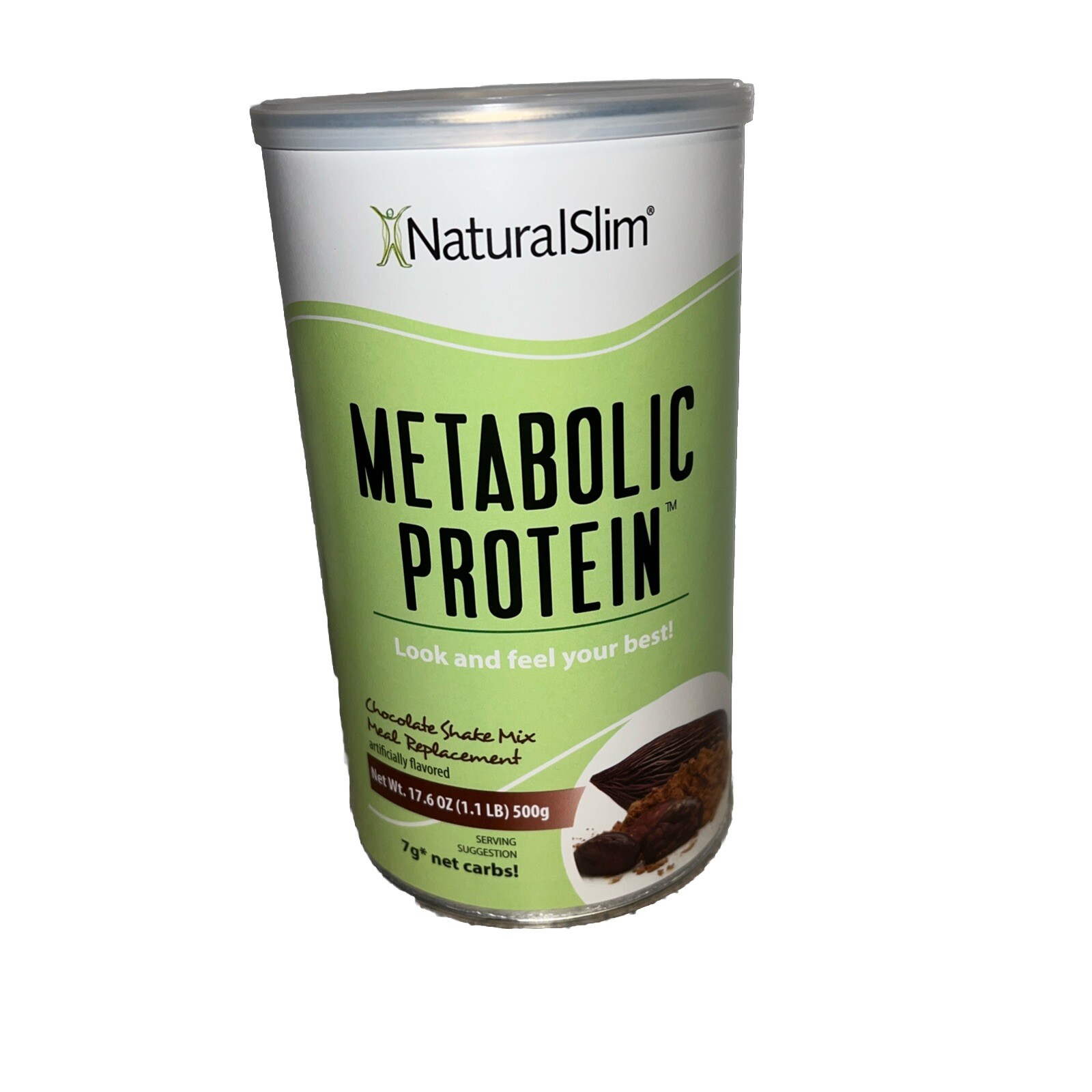 NaturalSlim Metabolic Whey Protein Powder - Chocolate Meal Replacement Shake$29.99Last checked Nov 23, 2026View on eBay
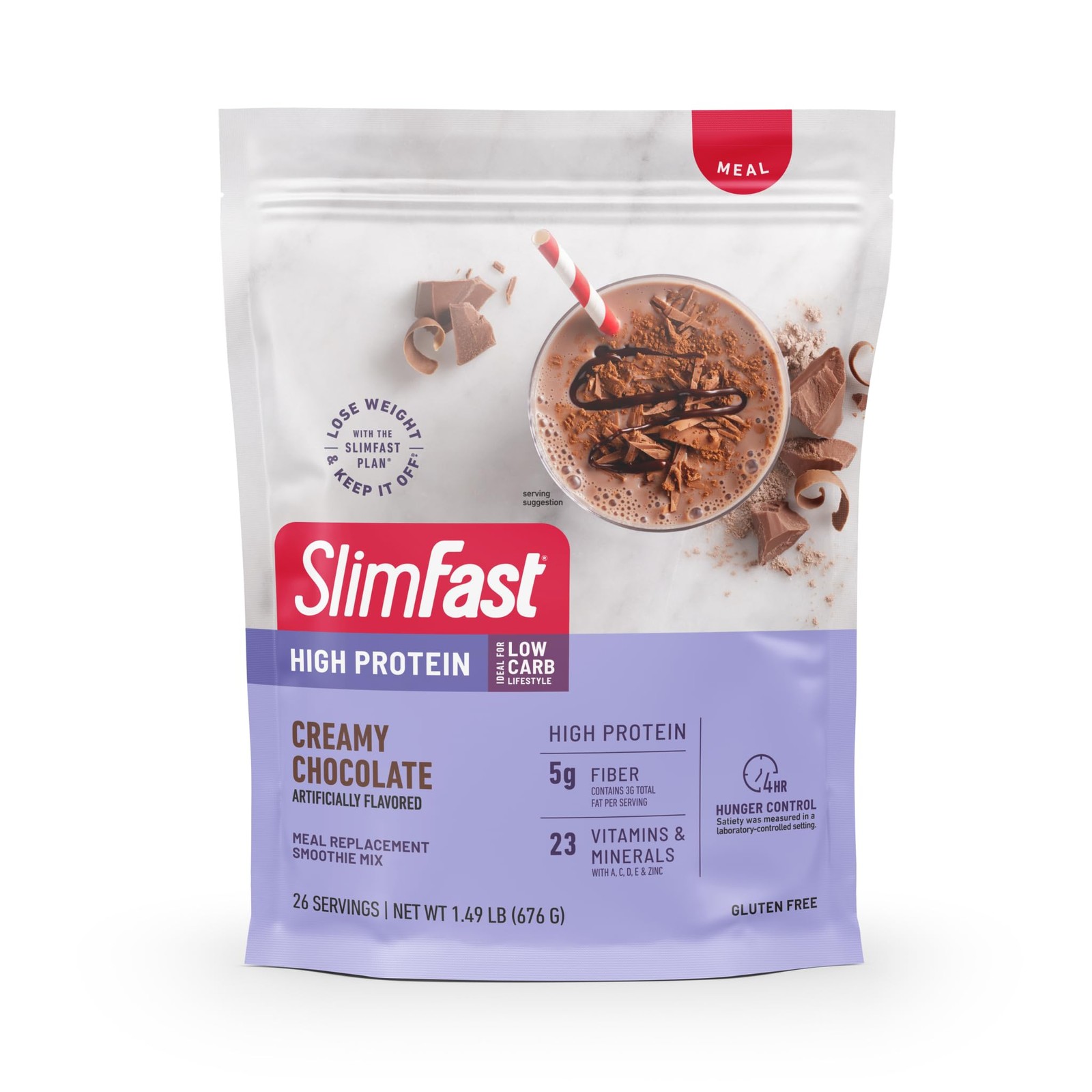 SlimFast High Protein Meal Replacement Powder, Advanced Nutrition 26 Servings$34.74Last checked Nov 22, 2026View on eBay
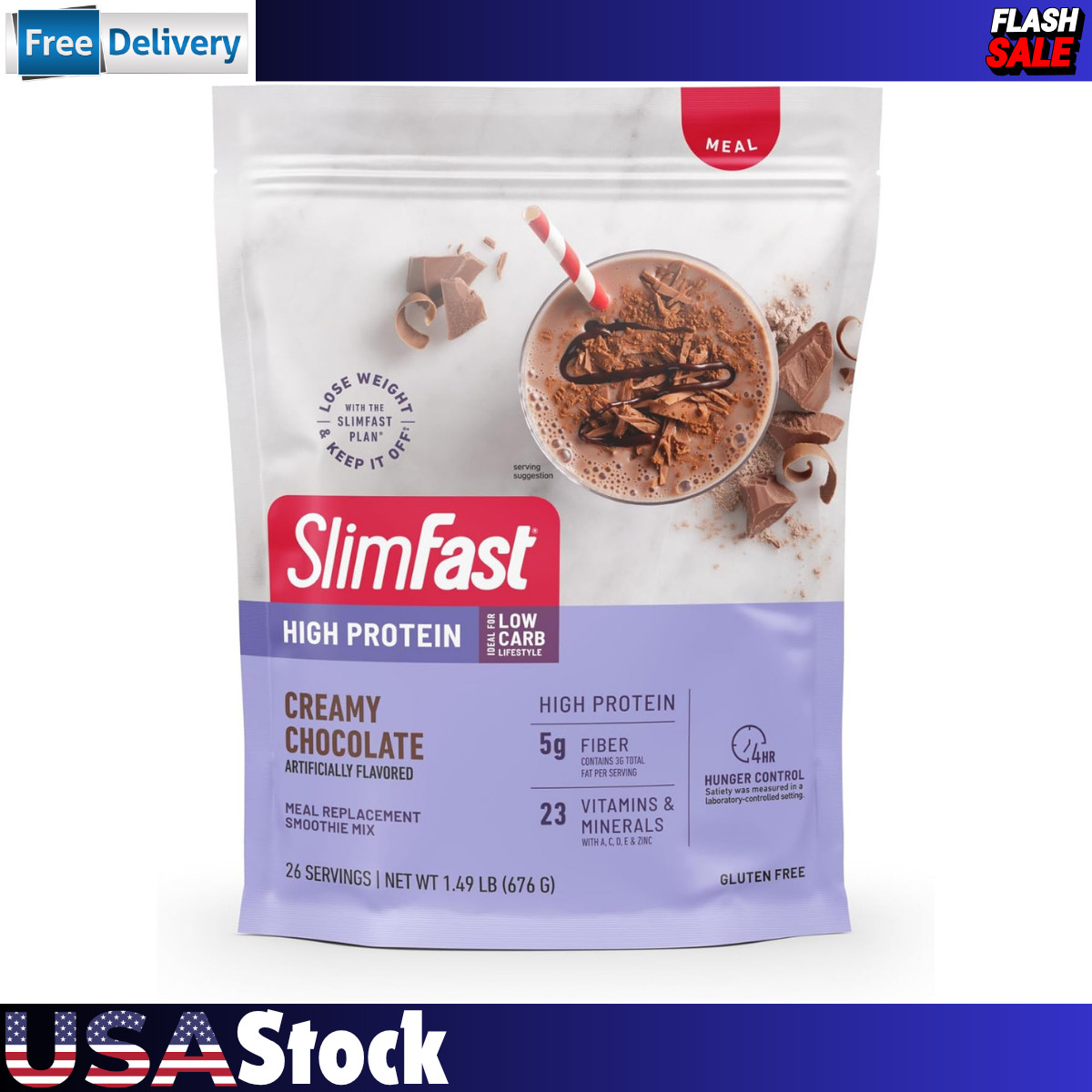 Slimfast High Protein Meal Replacement Powder, Creamy Milk Chocolate, 26 Serving$35.99Last checked Nov 19, 2026View on eBay
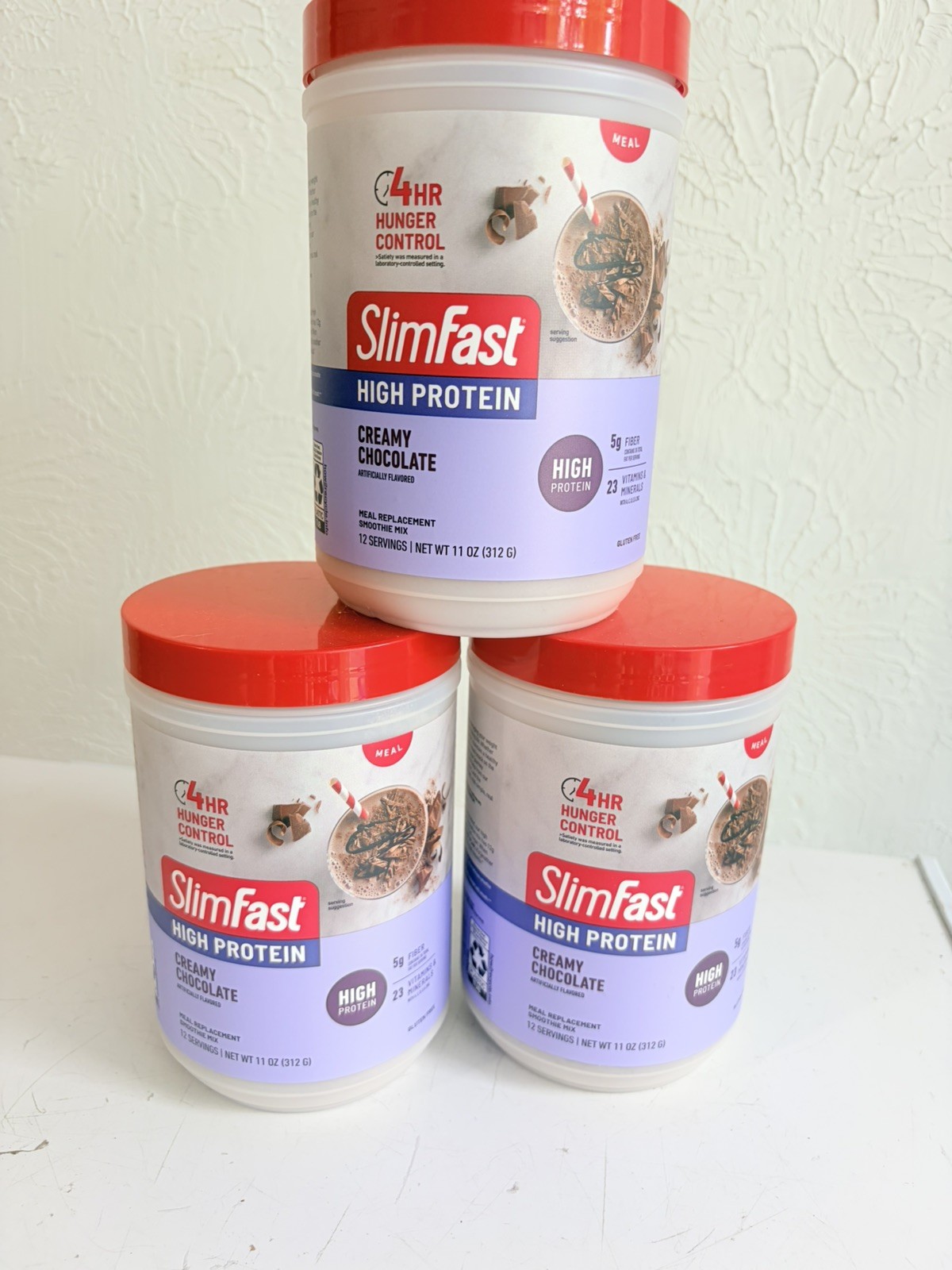 3x SlimFast High Protein Meal Replacement Shake Powder – 11 oz Slim Fast$39.99View on eBay
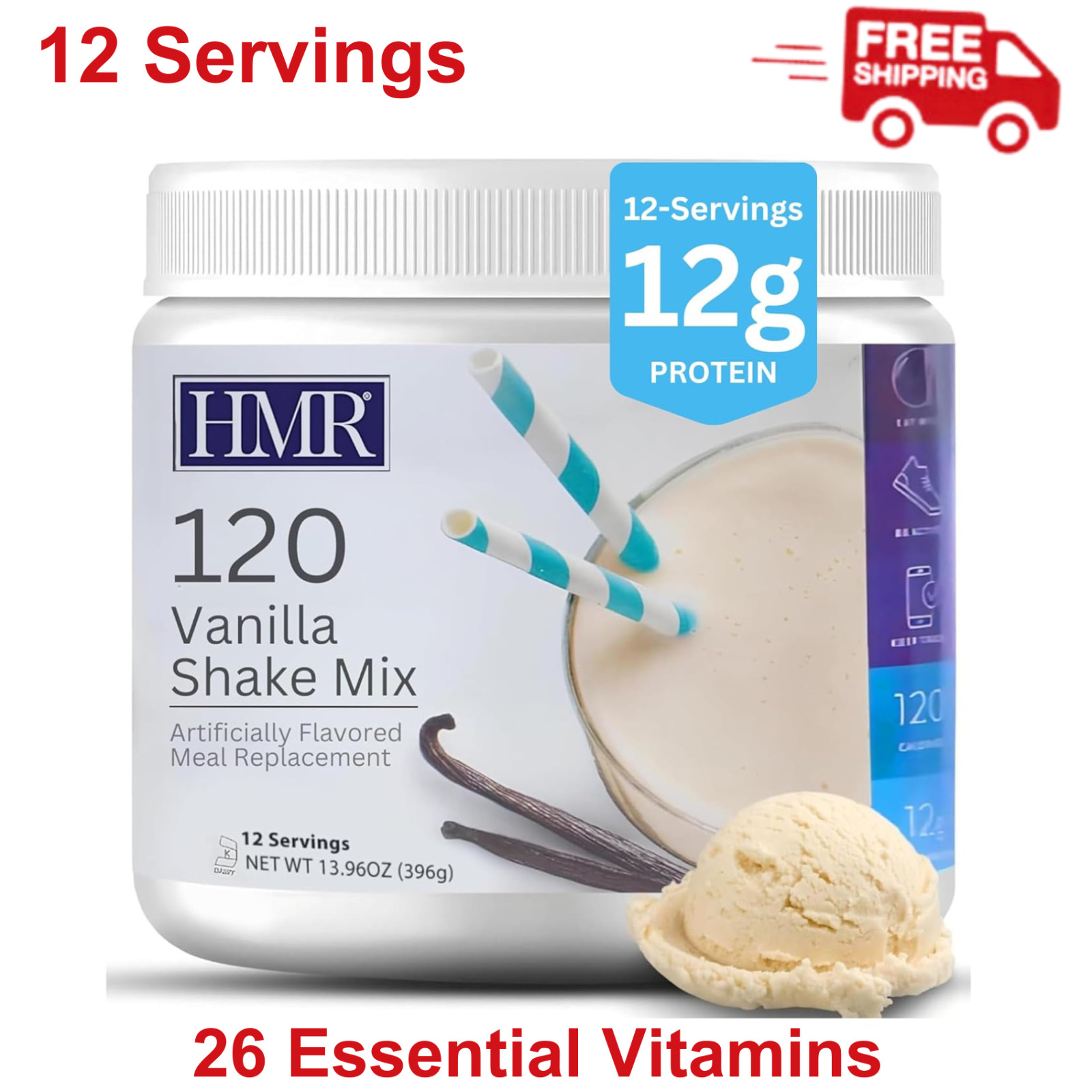 HMR 120 Vanilla Shake Powder, Meal Replacement, 12g Protein,12Serv, 120 Calories$48.05Last checked Nov 22, 2026View on eBay
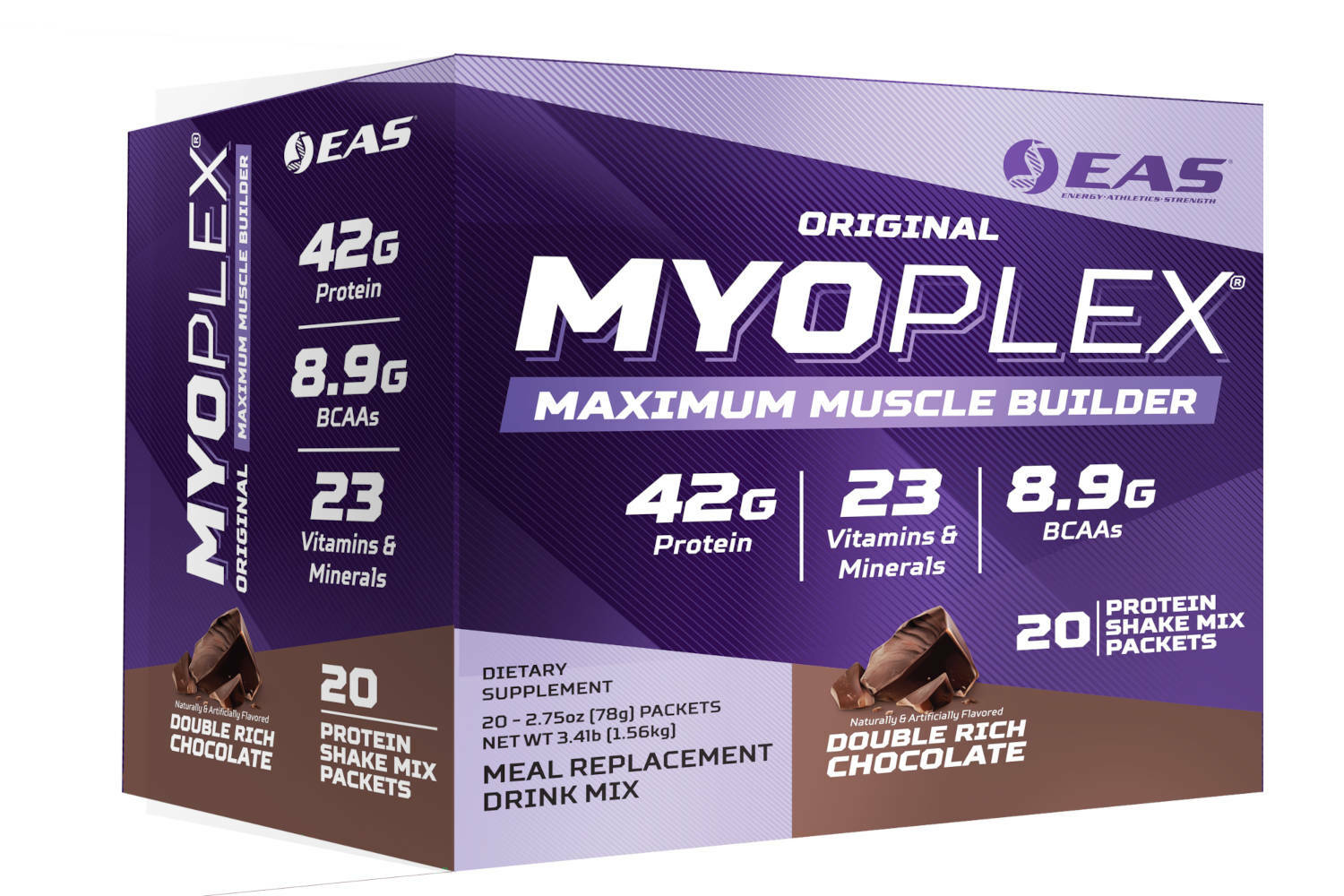 EAS MYOPLEX Original Meal Replacement Powder Protein Shake Vitamins BCAAs 20 Pk$58.45Last checked Nov 21, 2026View on eBay
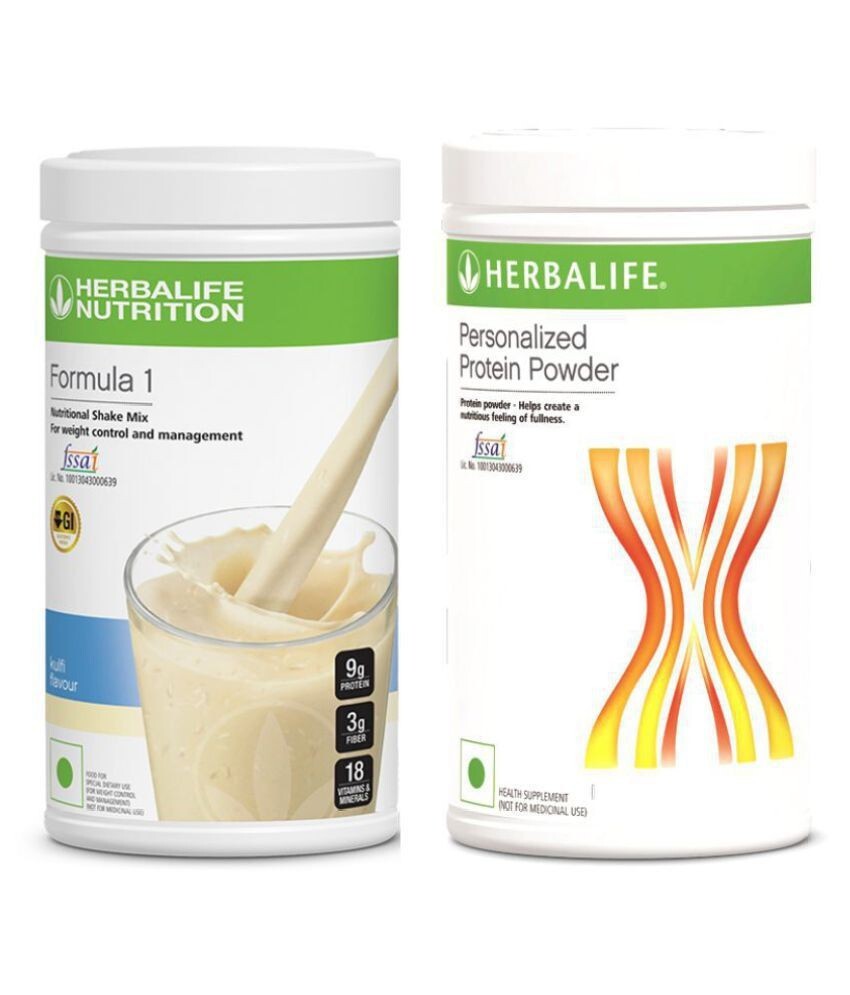 FORMULA 1 HEALTHY MEAL REPLACEMENT SHAKE 500gm KULFI FLAVOR PROTEIN POWDER 400GM$62.69View on eBay
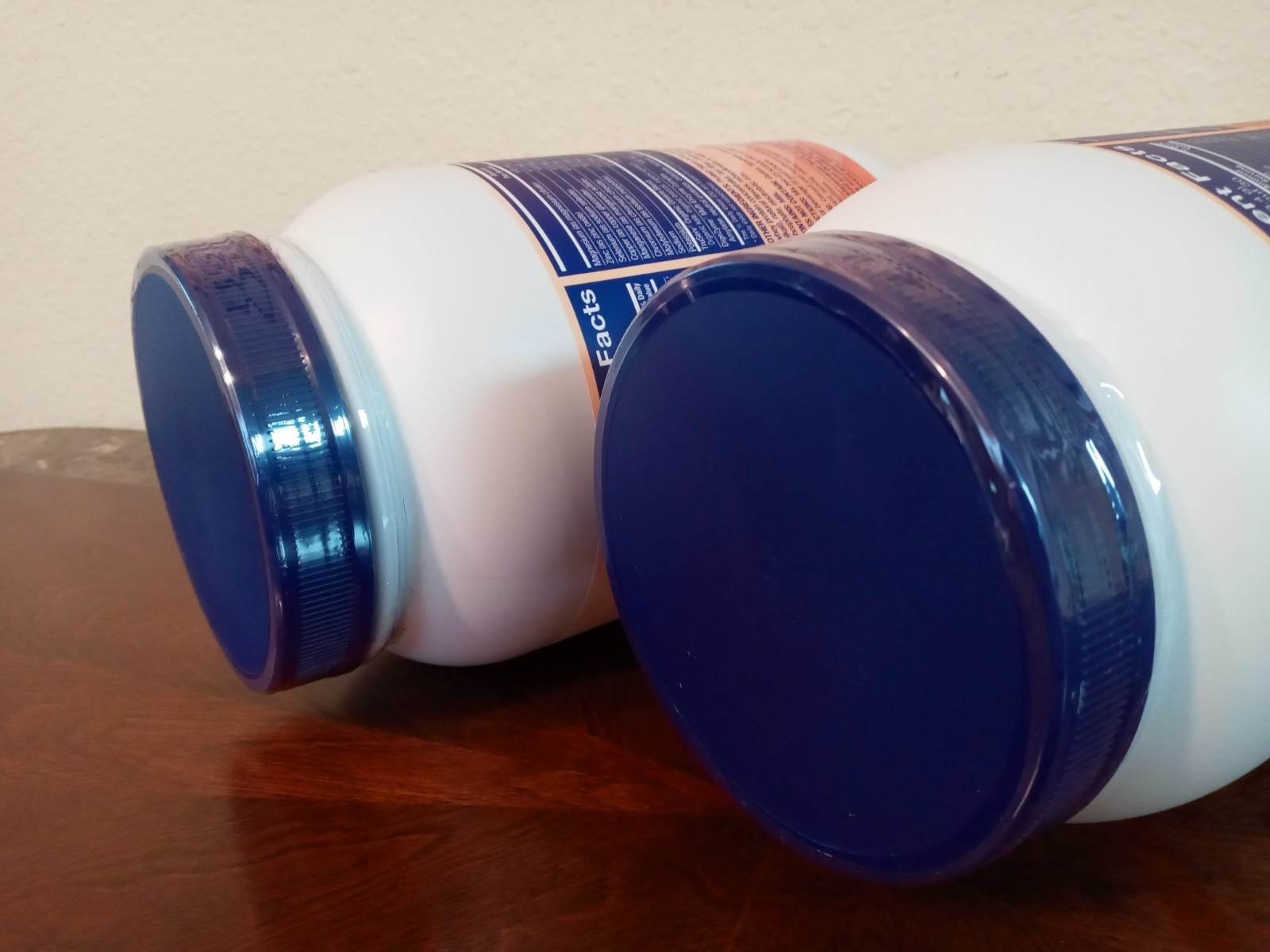 Whole Health Rx Meal Replacement Protein Powder x2/To Fill The Nutritional Gaps$69.95View on eBay
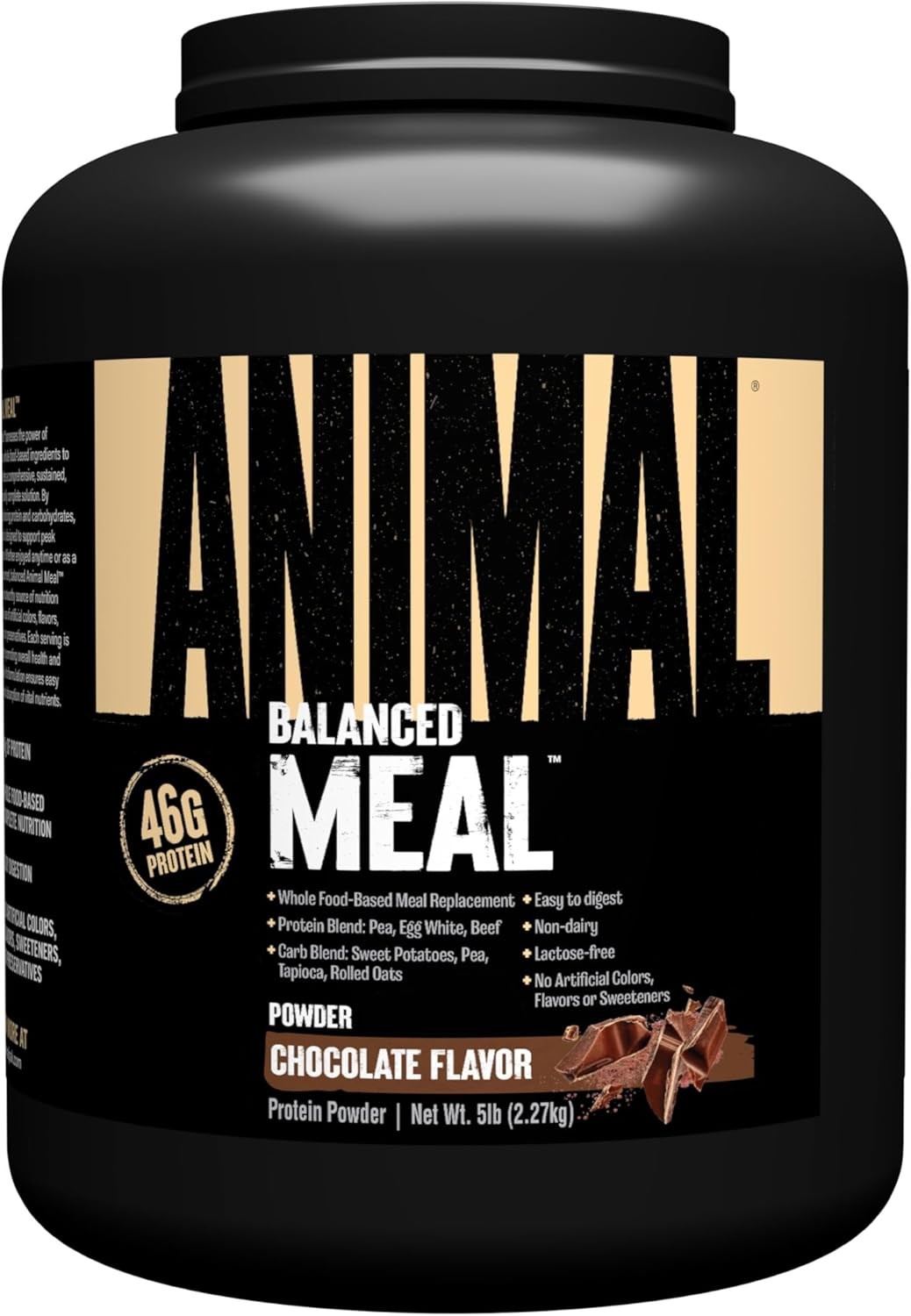 Animal Meal Balanced Whole Food Meal Replacement Protein Powder Egg Beef 5 Lb$75.84View on eBay
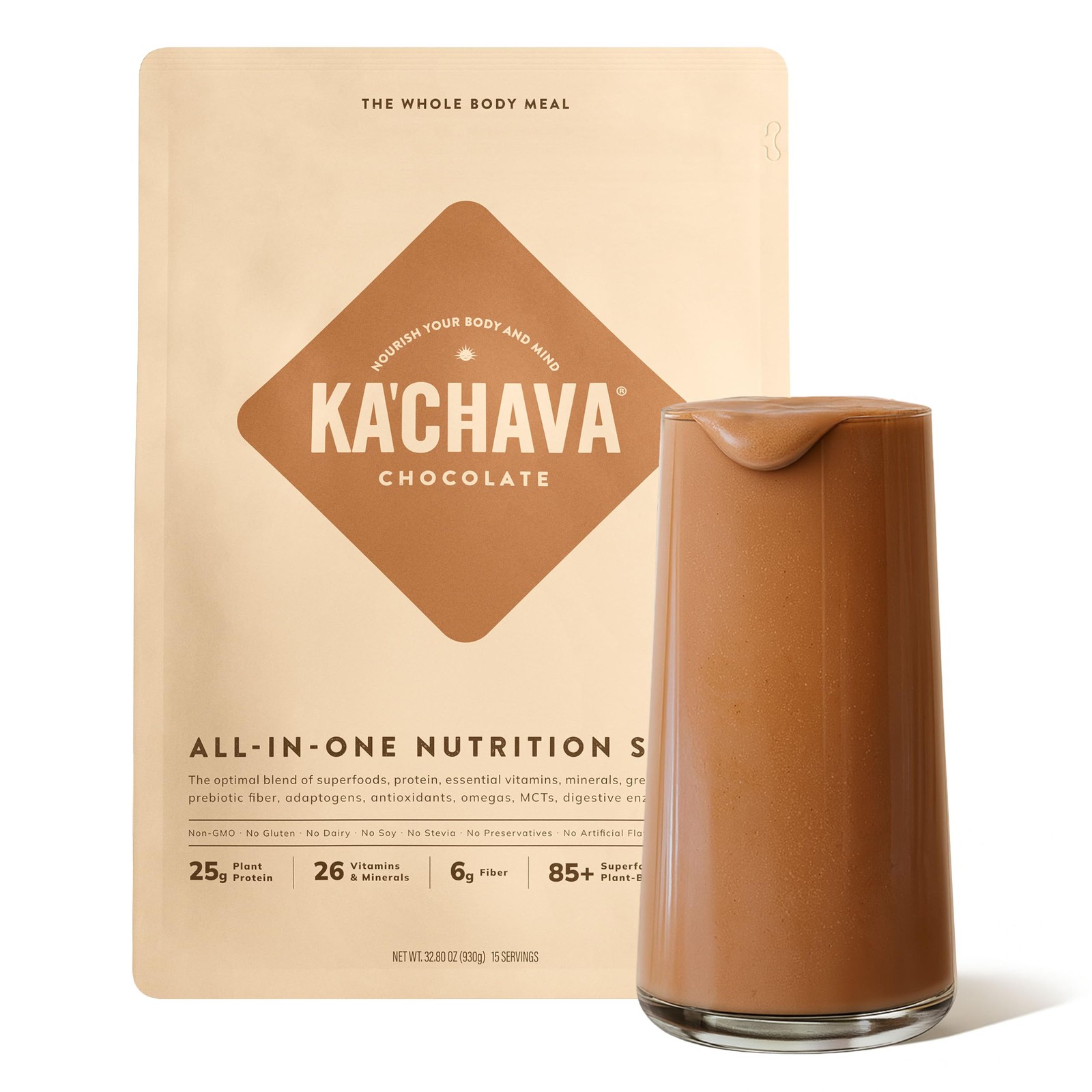 Vegan Meal Replacement Shake – Chocolate Protein Powder with 85+ Superfoods$84.21Last checked Nov 22, 2026View on eBay
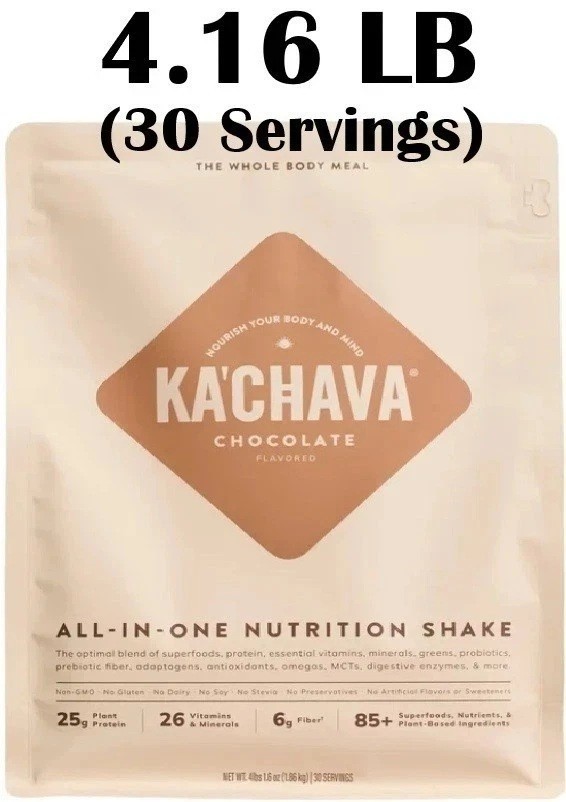 KaChava Meal Replacement Powder Protein Shake, Chocolate, 30 Servings, 4.16 LB$108.99View on eBay
Highlights
- Whey isolate delivers 90%+ protein by weight with under 1 g lactose per serving, while whey concentrate runs 70–80% protein and carries more lactose and fat.
- Vegan blends combine pea and rice protein to close the amino acid gap, since pea is low in methionine and rice is low in lysine; soy alone is a complete protein.
- Meal-replacement powders add 3–10 g fiber, 20–30% daily vitamins and minerals, and thickeners like maltodextrin or gums, raising calories to 200–400 per serving.
- Hydrolyzed whey and isolate powders mix clear in water with 1–2 shakes; concentrate and casein-rich blends stay thick and require a blender for smooth texture.
Best use cases
- Best for smoothies: pick a whey isolate or pea-rice blend at 24–30 g protein per scoop—it dissolves without clumping and keeps fruit smoothies under 200 calories.
- Best for weight loss: choose a meal-replacement powder with 20–30 g protein, 3–5 g fiber and under 250 calories per serving to replace one meal; skip plain isolates that lack satiety fiber.
- Best for lactose intolerance: use a whey isolate (under 1 g lactose) or a pea-rice vegan blend; avoid whey concentrate and milk-protein blends that trigger bloating.
- Wrong fit: buying a mass-gainer or high-maltodextrin 'meal replacement' for weight loss—those push 500+ calories per serving and undermine a deficit.
Buying tips
- Target 20–30 g protein per scoop for general use and 25–30 g for meal replacement; below 15 g per scoop means you are paying mostly for filler and flavoring.
- Check the first three ingredients: whey isolate, pea protein or soy protein isolate signal quality; maltodextrin, sugar or oil first means a low-protein, high-calorie blend.
- Match scoop size to your shaker: a 30 g scoop fits a standard 20 oz shaker with 8–12 oz water; 50 g+ scoops need a 28 oz blender bottle or they overflow.
- For vegan diets, confirm the blend lists both pea and rice (or soy) protein; single-source pea protein is low in methionine and limits muscle synthesis.
Specs
| Protein Type | Whey isolate / concentrate / vegan blend |
|---|---|
| Protein Per Scoop | 20-30 g (meal replacement 25-30 g) |
| Calories Per Serving | 100-150 (isolate); 200-400 (meal replacement) |
| Mixability | Isolate: shaker; concentrate/casein: blender |
Related searches
What to check before buying
- Measure your shaker or blender volume first—most powders need 8–12 oz liquid per scoop, and oversized scoops overflow a 20 oz bottle.
- Check allergen line: whey and casein are dairy; pea and rice are legume/grain; soy blends matter if you avoid soy or have a legume allergy.
- Confirm servings per container against your use rate: one scoop daily for 30 days needs 30 servings; meal replacement twice daily needs 60.
- Verify scoop-to-water ratio and mixability before buying a large tub—concentrate and casein blends need a blender, isolates shake clean in a bottle.
FAQ
Data sources: eBay / Amazon listings and product attribute feeds. Updated Nov 27, 2026.
Some links on this page are affiliate links. If you buy after clicking one, we may earn a commission at no extra cost to you. This does not change which products appear here or their order. Affiliate disclosure.