
Photos from current listings. Actual item, color, and included accessories may vary.
Shake Buying Guide
Meal replacement shakes are powdered or ready-to-drink (RTD) beverages engineered to deliver a controlled matrix of protein, carbohydrates, fats, fiber, vitamins, and minerals per serving. The primary trade-off is between whole-food-derived macronutrient density (higher satiety, lower glycemic impact, clean-label ingredients) and highly processed fast-absorbing formulas (higher protein per calorie, longer shelf life, lower cost per serving). Choose RTD shakes only for convenience-critical scenarios like travel or post-workout; choose powder for cost efficiency and adjustable dosing; skip any product that lists maltodextrin or corn syrup solids as the first or second ingredient if your goal is satiety or blood sugar management.
Median $59.99
Key takeaways
- RTD shakes typically deliver 20–30g protein per 11–12 fl oz bottle, while powdered servings range from 15–25g protein per scoop and require portion control to match caloric targets.
- Protein source determines amino acid profile and digestibility: whey isolate (>90% protein by weight, low lactose) absorbs faster than casein (slow-release, better satiety) and plant blends (pea + rice) require complementary amino acids for a complete profile.
- Fiber content of 5g or more per serving (from inulin, chicory root, or psyllium) significantly slows gastric emptying and extends satiety versus shakes with under 2g fiber.
At a glance
- Category
- Meal Replacement Management
- Last updated
- Nov 27, 2026
Current offers
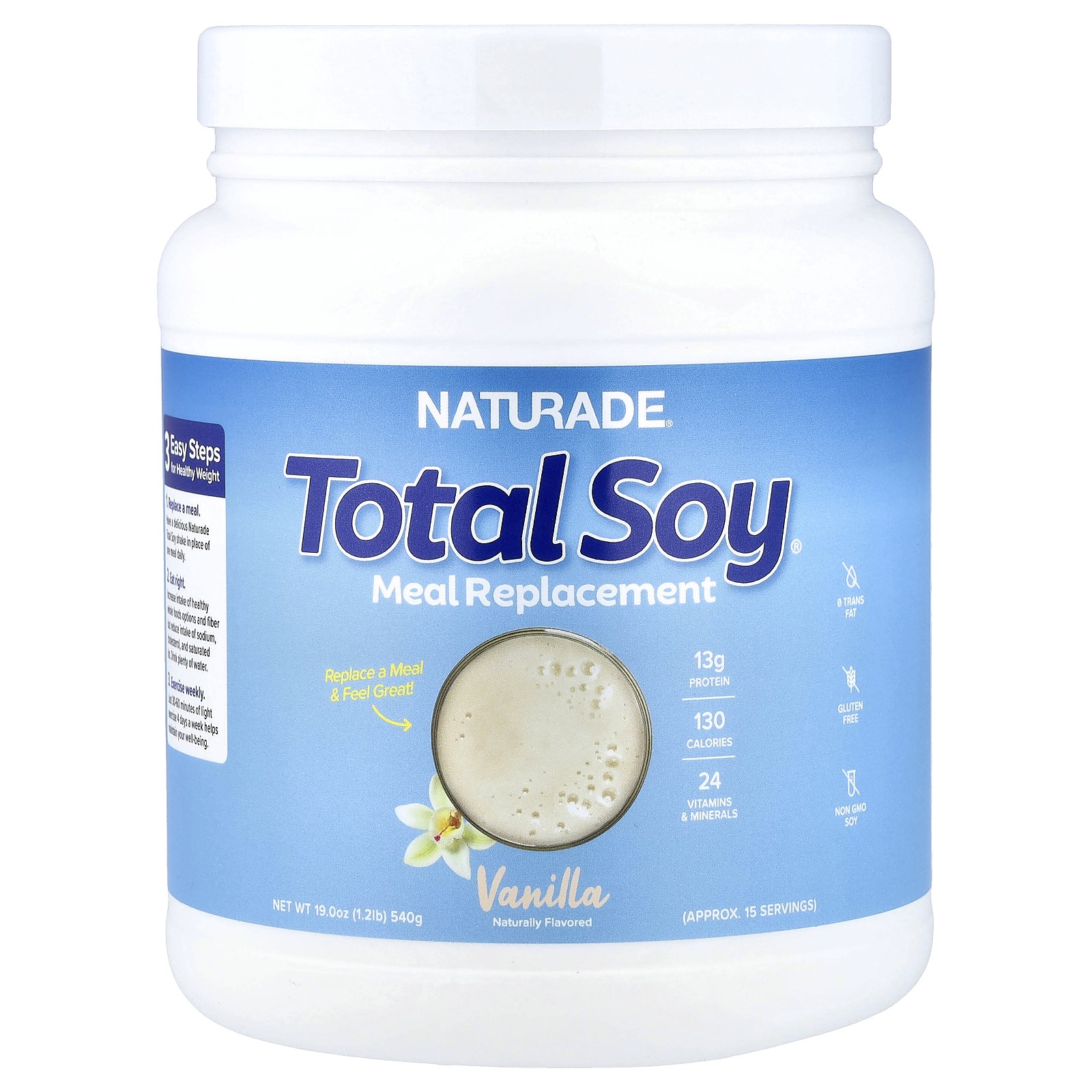 Naturade Total Soy Weight Loss Shake Vanilla 19 1 oz 540 g Egg-Free,$25.72Last checked Nov 22, 2026View on eBay
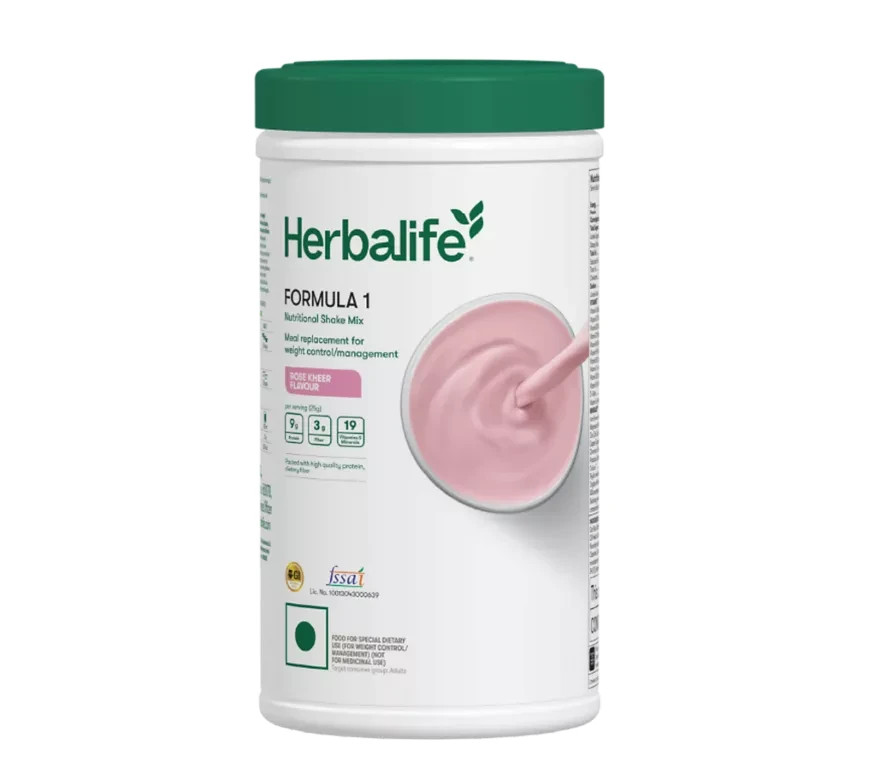 Nutrition Formula 1 Nutritional Shake Mix 500g Rose Kheer Flavor Shake, Exp 2028$42.99Last checked Nov 26, 2026View on eBay
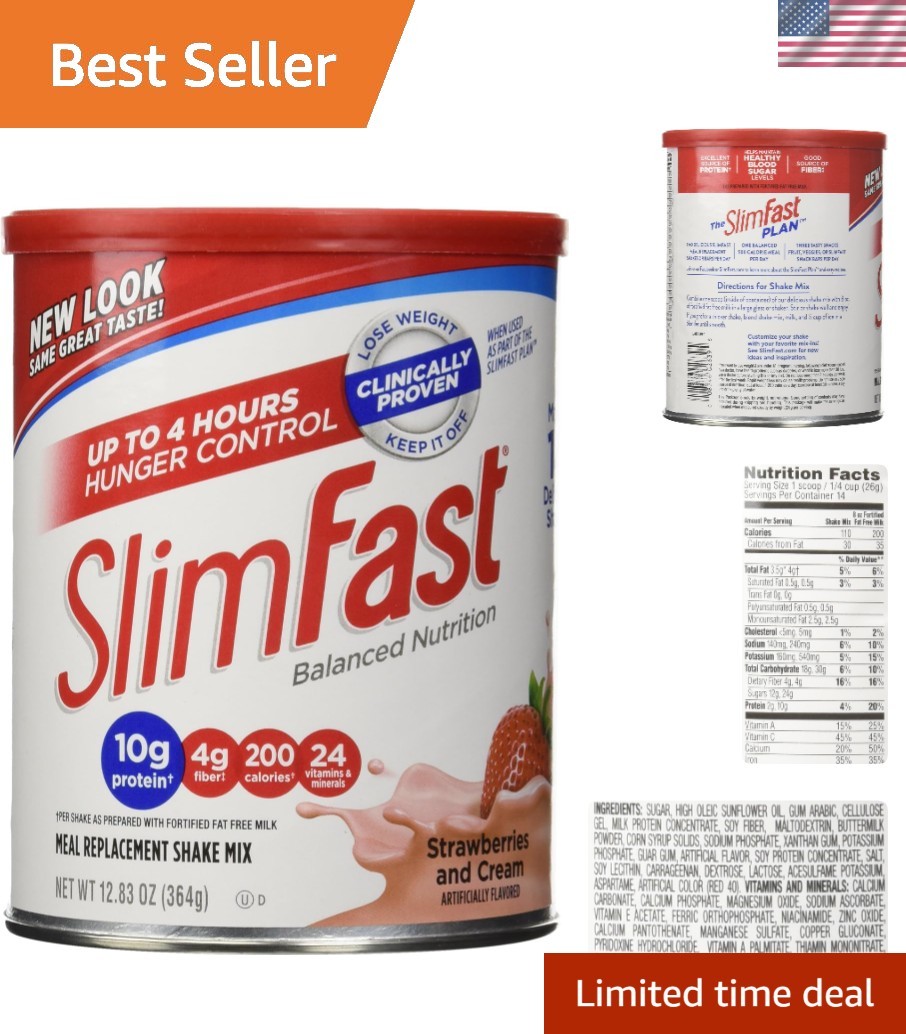 Strawberries & Cream Protein Shake - Meal Replacement for Weight Management$44.99View on eBay
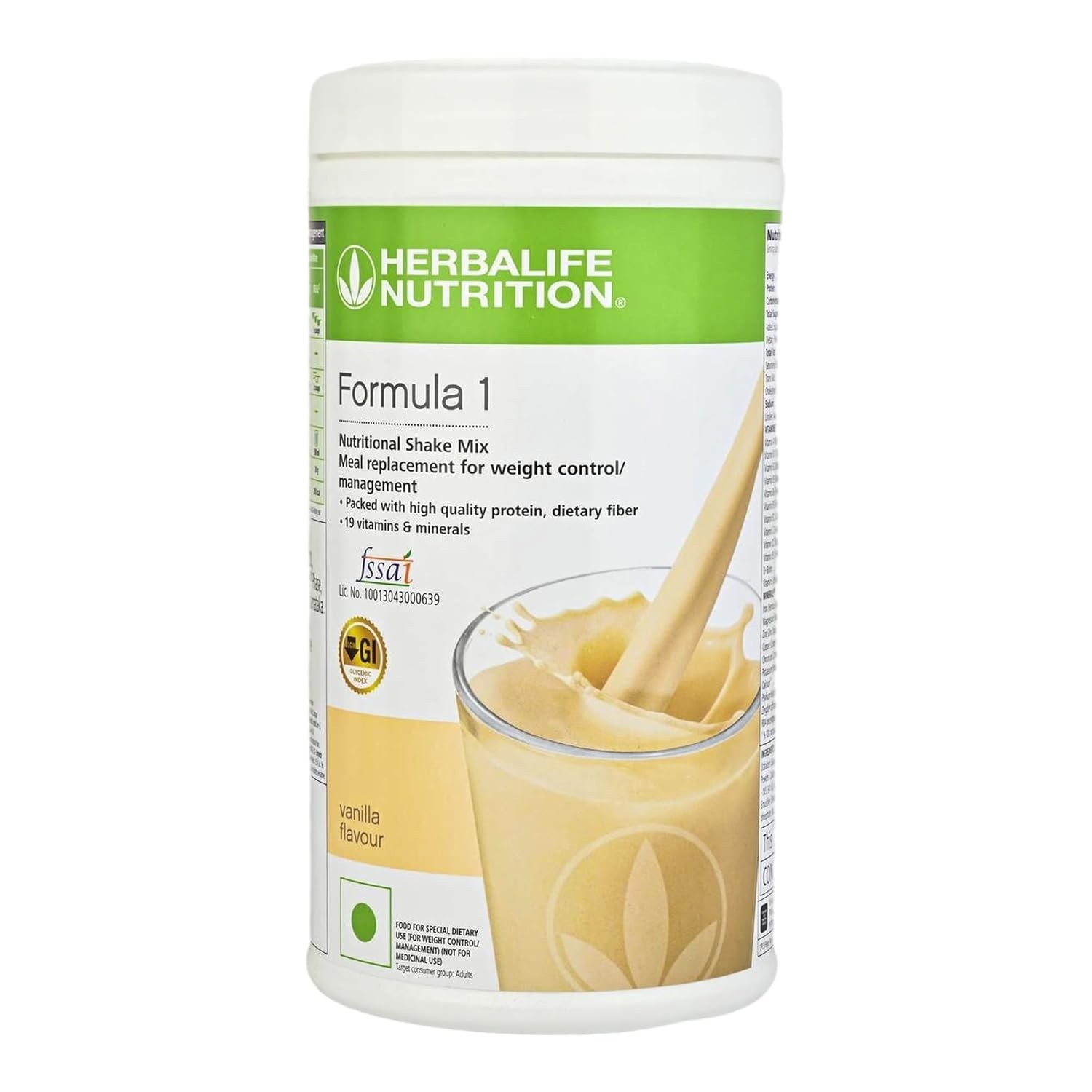 Herbalife Formula 1 Shake Vanilla Flavor 500g | Meal Replacement | Free Shipping$46.56Last checked Nov 23, 2026View on eBay
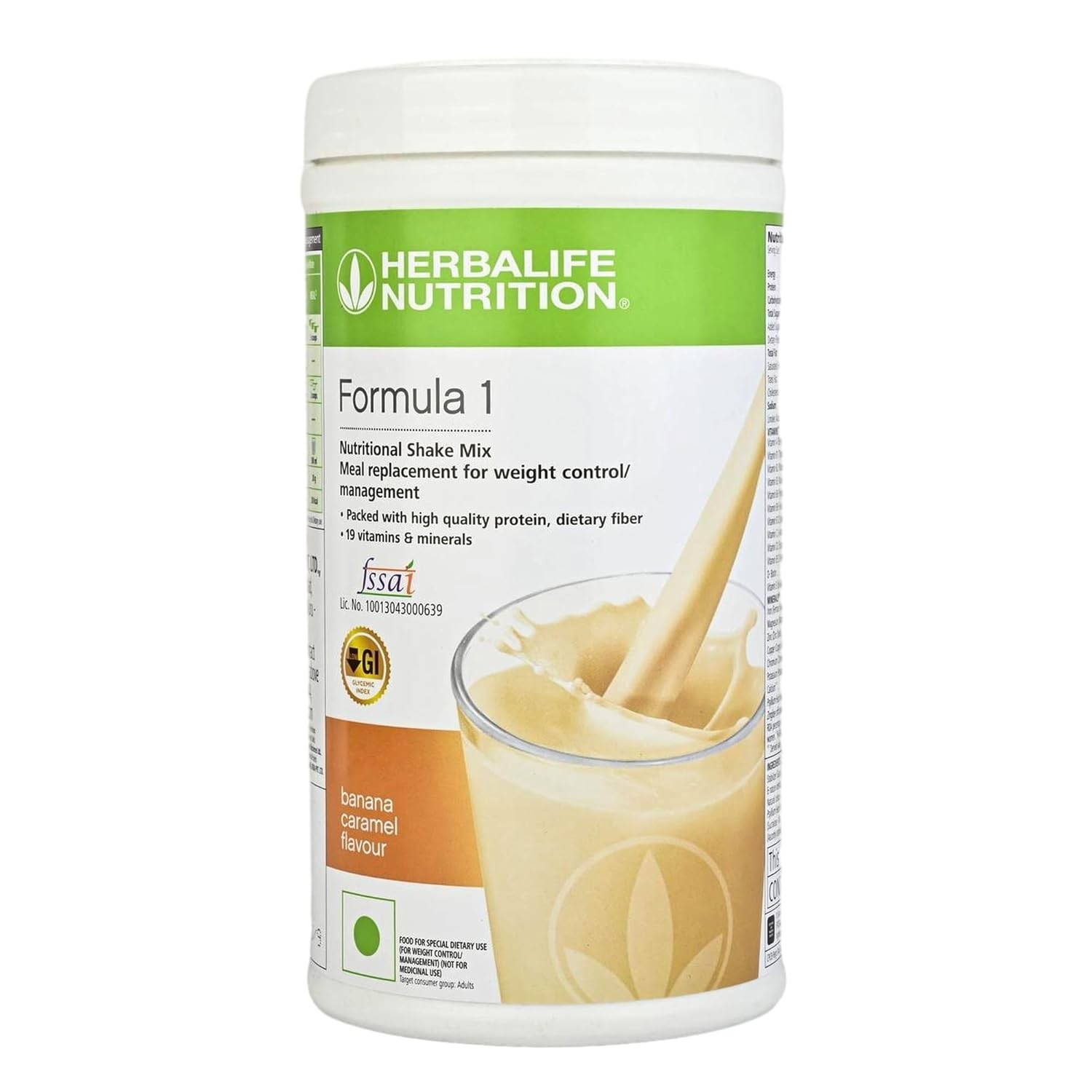 Herbalife Formula 1 Shake Banana Caramel 500g | Meal Replacement | Free Shipping$46.56Last checked Nov 22, 2026View on eBay
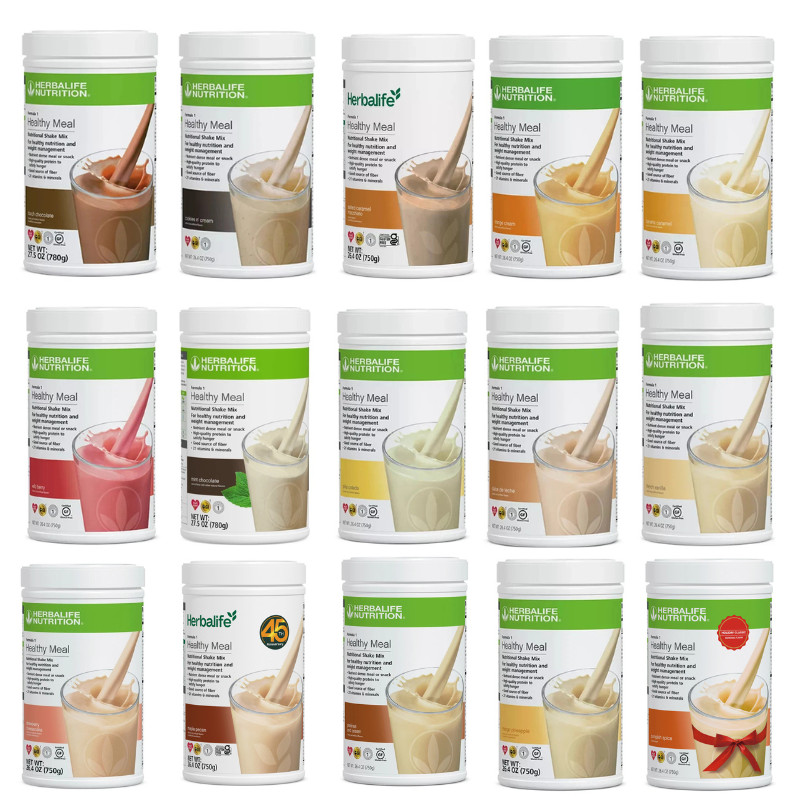 HERBALIFE FORMULA 1 Healthy Meal Nutritional Shake Mix 750g All Flavors-From USA$59.95Last checked Nov 27, 2026View on eBay
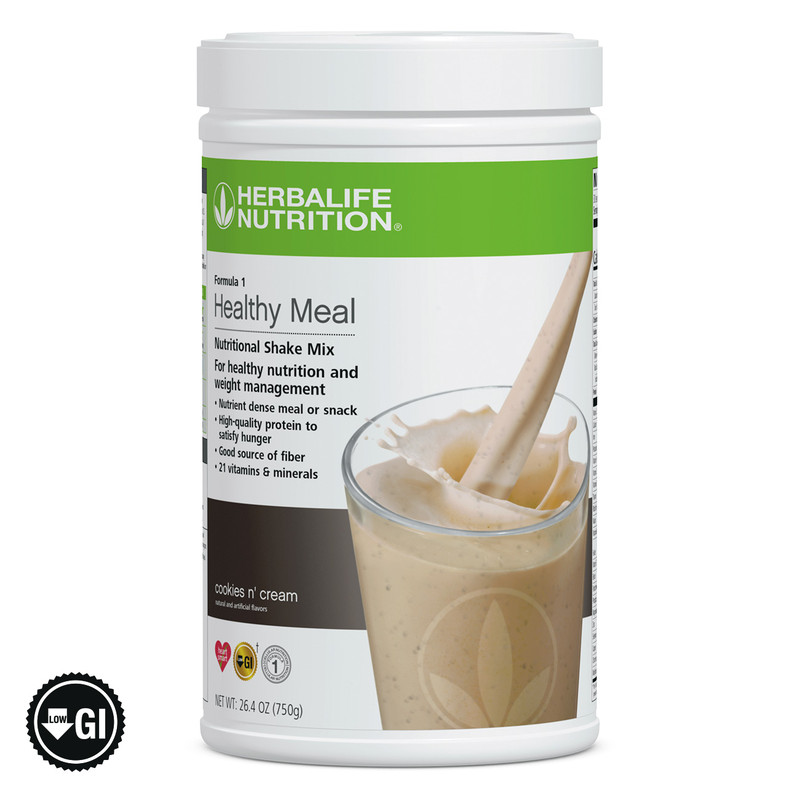 Formula 1 Healthy Meal Nutritional Shake Mix: Cookies 'n Cream 750 g$59.99View on eBay
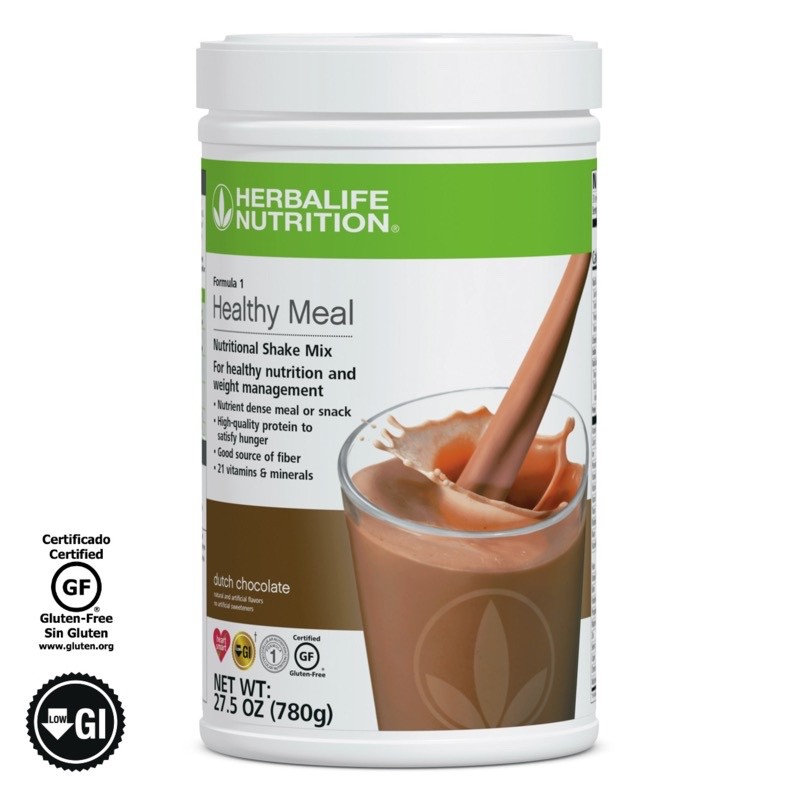 Formula 1 Healthy Meal Nutritional Shake Mix: Dutch Chocolate 780 g$59.99View on eBay
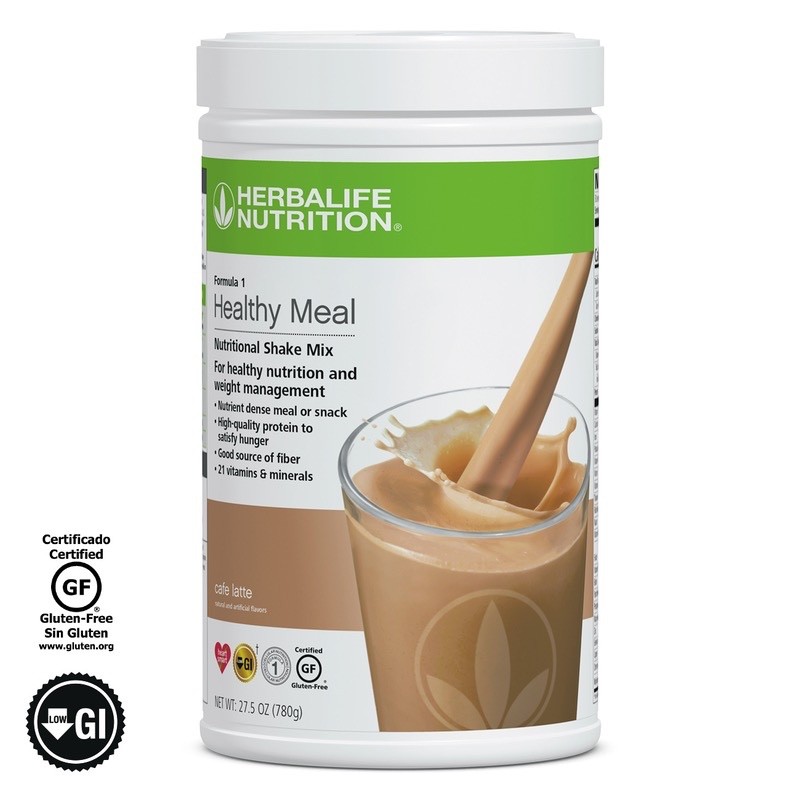 Formula 1 Healthy Meal Nutritional Shake Mix: Café Latte 780 g$59.99View on eBay
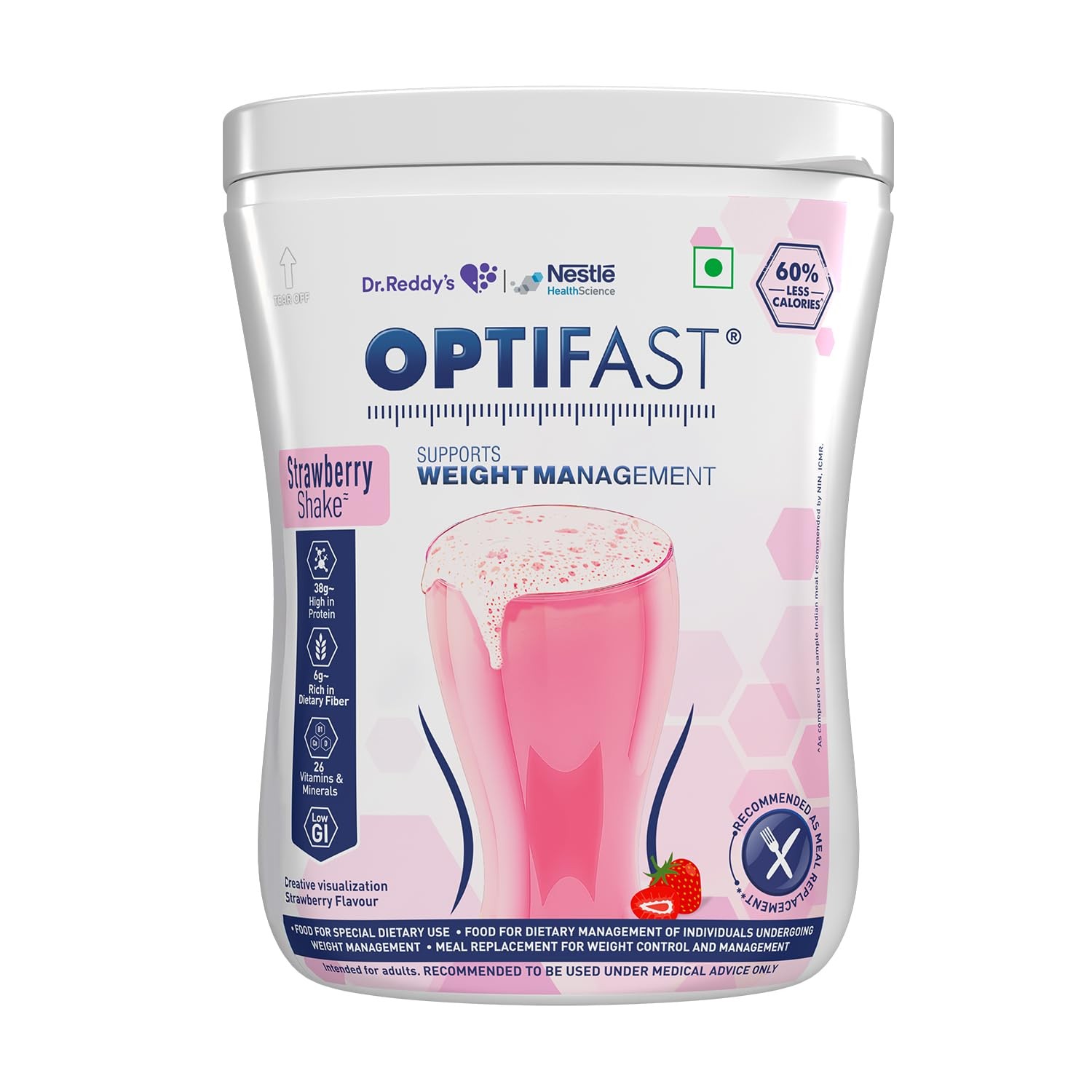 Optifast Weight Management Shake 400g Strawberry | Meal Replacement Diet$63.00Last checked Nov 19, 2026View on eBay
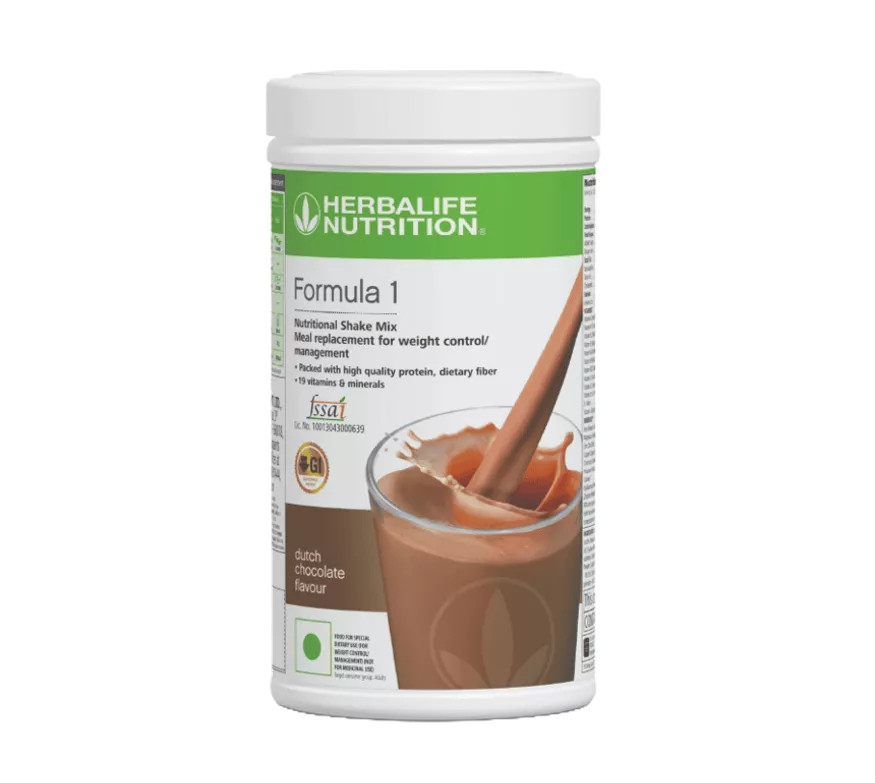 Herbalife Formula 1 Dutch Chocolate Nutritional Protein Shake Mix Formula | 500G$73.84Last checked Nov 24, 2026View on eBay
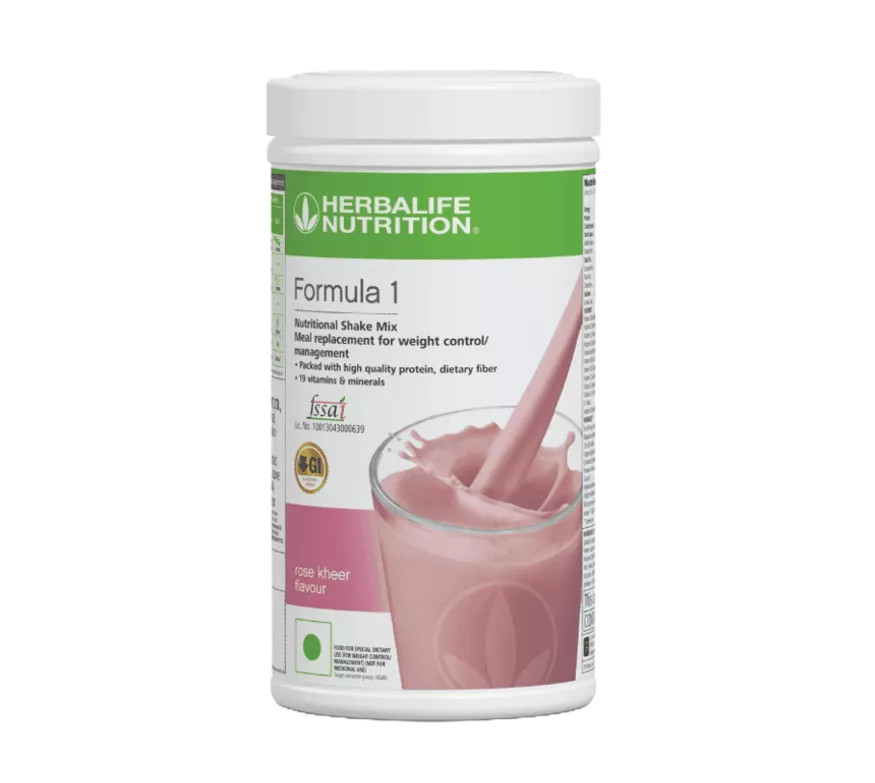 Herbalife Formula 1 Strawberry Nutritional Shake Weight Management Formula| 500g$73.84Last checked Nov 24, 2026View on eBay
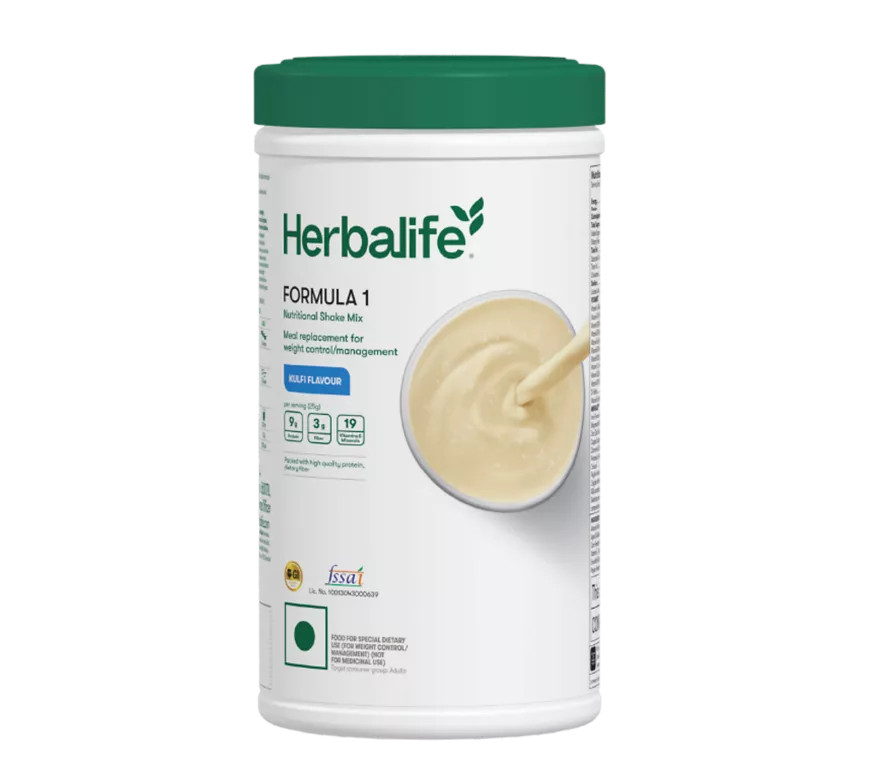 Herbalife Formula 1 Kulfi Nutritional Shake Weight Management Mix Formula | 50OG$73.84Last checked Nov 24, 2026View on eBay
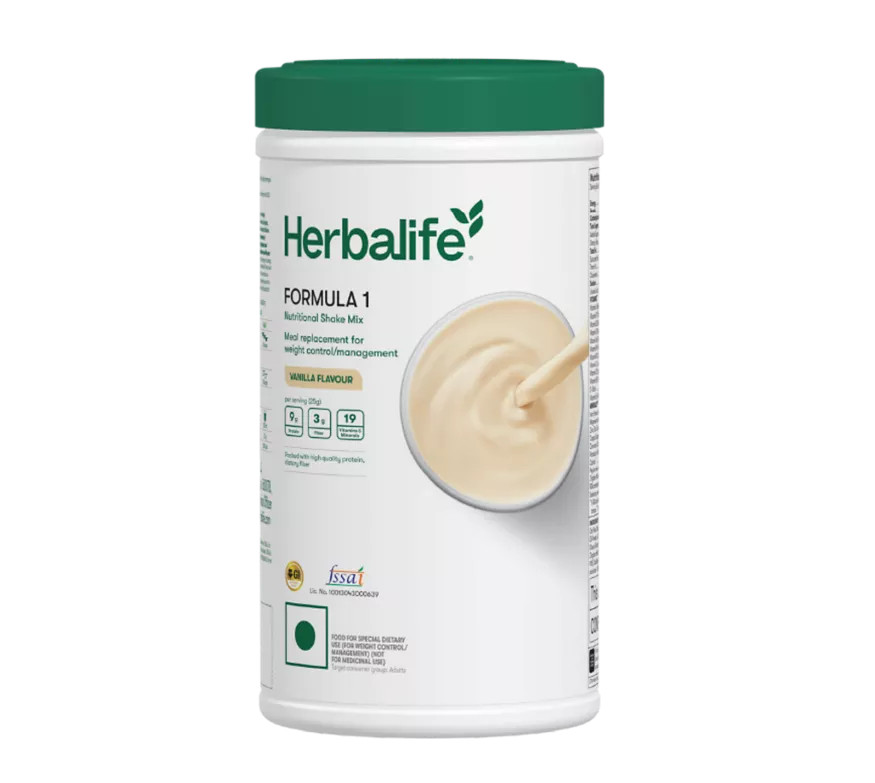 Herbalife Formula 1 Nutritional Shake Mix Vanilla Weight Management Drink | 750G$87.84Last checked Nov 24, 2026View on eBay
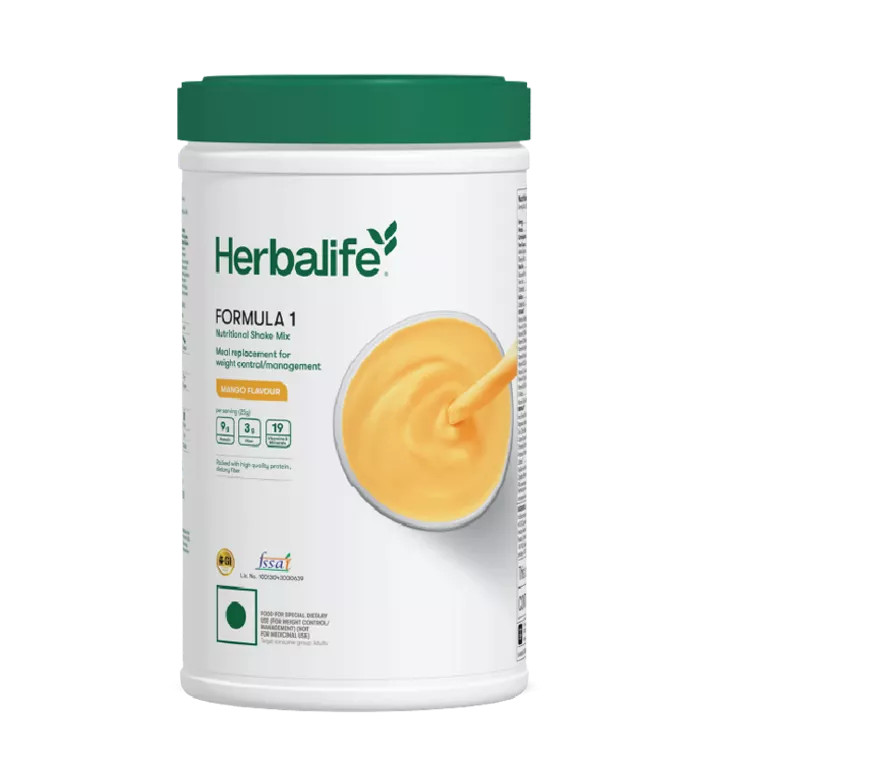 Herbalife Formula 1 Nutritional Shake Mix Mango Weight Management Drink | 750G$149.33Last checked Nov 24, 2026View on eBay
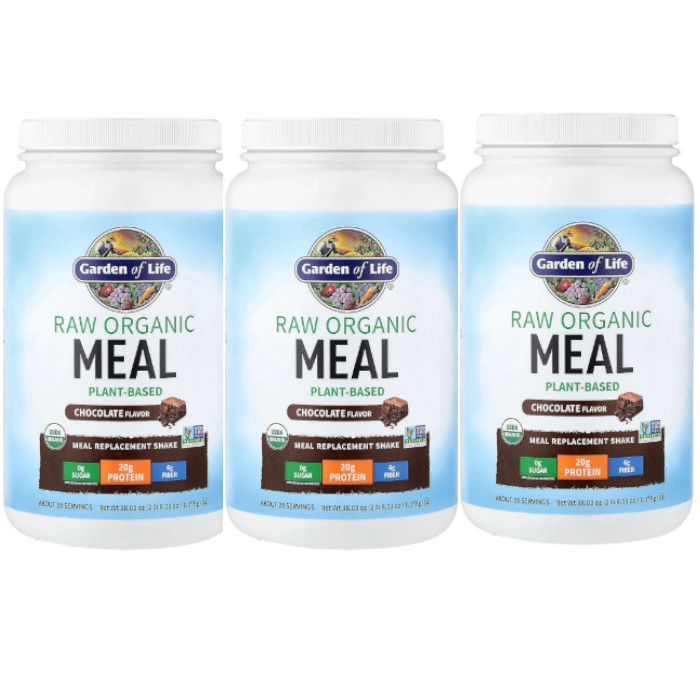 Raw Meal Organic Shake, Meal Replacement Chocolate 1078 g/2.24 lb Each (3 Pack)$159.10Last checked Nov 19, 2026View on eBay
Highlights
- RTD shakes typically deliver 20–30g protein per 11–12 fl oz bottle, while powdered servings range from 15–25g protein per scoop and require portion control to match caloric targets.
- Protein source determines amino acid profile and digestibility: whey isolate (>90% protein by weight, low lactose) absorbs faster than casein (slow-release, better satiety) and plant blends (pea + rice) require complementary amino acids for a complete profile.
- Fiber content of 5g or more per serving (from inulin, chicory root, or psyllium) significantly slows gastric emptying and extends satiety versus shakes with under 2g fiber.
- Sugar alcohols (erythritol, maltitol) and artificial sweeteners (sucralose, acesulfame potassium) are common in low-calorie shakes but can cause GI distress above 10–15g per serving; whole-food sweeteners like monk fruit or stevia are better tolerated.
Best use cases
- Best fit: busy professionals replacing breakfast or lunch—choose an RTD with 20–25g protein, at least 4g fiber, and under 5g added sugar; skip 30g+ protein RTDs unless you are also strength training.
- Best fit: weight-loss plateau—use a powdered shake with 15–20g protein and 5g+ fiber per scoop to control calories and cost per serving; avoid RTD shakes with more than 15g total sugars per bottle.
- Best fit: post-workout recovery within 30 minutes—select a whey isolate RTD or powder with 25–30g protein and fast-digesting carbs (maltodextrin or dextrose) if you train fasted; skip high-fiber shakes immediately post-exercise as they slow absorption.
- Wrong fit: anyone with dairy allergy or lactose intolerance—avoid whey and casein entirely; choose plant-based RTD or powder with pea and rice protein isolates and verify the label states 'dairy-free' rather than just 'non-dairy'.
Buying tips
- Calculate cost per gram of protein: divide the total container price by (protein grams per serving × number of servings); powdered shakes typically land 30–50% below RTD on this metric.
- For meal replacement (not just protein supplementation), verify the label provides at least 200–250 calories, 10–15g protein, 5g+ fiber, and 20–30% daily value for at least 10 micronutrients per serving.
- Check the sweetener system: shakes listing maltitol or sorbitol above 10g per serving are more likely to cause bloating; erythritol and stevia blends are lower-risk for daily use.
- Choose RTD bottles with at least 11 fl oz volume for a true meal replacement; 8 fl oz bottles (like Ensure Original) are snack-tier and deliver only 9g protein and 220 calories, requiring two bottles to match a single meal.
Specs
| Form Factor | RTD bottle vs powder tub |
|---|---|
| Protein Per Serving | 15–30 g (RTD 20–30 g / powder 15–25 g) |
| Fiber Per Serving | 0–8 g (target 5 g+ for satiety) |
| Sweetener Type | Sugar alcohol / stevia / monk fruit / sugar |
Related searches
What to check before buying
- Measure your daily calorie target: if you need 400–500 calories per meal, a single 11–12 fl oz RTD at 150–250 calories will underdeliver—plan to add a piece of fruit or nut butter, or choose a higher-calorie powder serving.
- Confirm storage: RTD shakes require refrigeration only after opening and have 12–18 month shelf life unopened; powdered tubs last 18–24 months but must be kept dry and resealed—pick powder if counter space is limited.
- Check allergen statement: whey and casein are milk-derived; soy lecithin is common in chocolate flavors; plant blends may contain pea, rice, or flax—match to your dietary restrictions before committing to a multi-pack.
- Verify serving size versus scoop size: some powders list a 2-scoop serving to hit the advertised protein number, effectively halving the container's serving count—compare total servings per container, not just protein per serving.
FAQ
Data sources: eBay / Amazon listings and product attribute feeds. Updated Nov 27, 2026.
Some links on this page are affiliate links. If you buy after clicking one, we may earn a commission at no extra cost to you. This does not change which products appear here or their order. Affiliate disclosure.