
Photos from current listings. Actual item, color, and included accessories may vary.
Vegan Meal Replacement Shake Buying Guide
Vegan meal replacement shakes are powdered drink mixes that replace a meal with plant-based protein, fiber, vitamins, and minerals rather than serving as a simple protein boost. The core trade-off is between whole-food ingredient density (more fiber, phytonutrients, but grittier texture and higher cost) versus isolated-protein smoothness (cleaner mouthfeel but weaker micronutrient profile). Choose a shake only if it delivers at least 15g complete plant protein, 5g fiber, and a full vitamin-mineral panel per serving; skip any product that is just pea protein with a multivitamin sprinkle.
Median $36.47
Key takeaways
- Protein source architecture: pea + brown rice blends create a complete amino acid profile; single-source pea protein is low in methionine and should be avoided as a sole protein.
- Superfood inclusion claims range from 5 to 85+ ingredients; genuine density requires a transparent label listing each ingredient weight, not a proprietary 'blend' with no grams.
- Fiber content separates meal replacements from protein powders: aim for 5-10g per serving from whole sources like flax, chia, or acacia rather than isolated inulin alone.
At a glance
- Category
- Meal Replacement Management
- Last updated
- Nov 27, 2026
Current offers
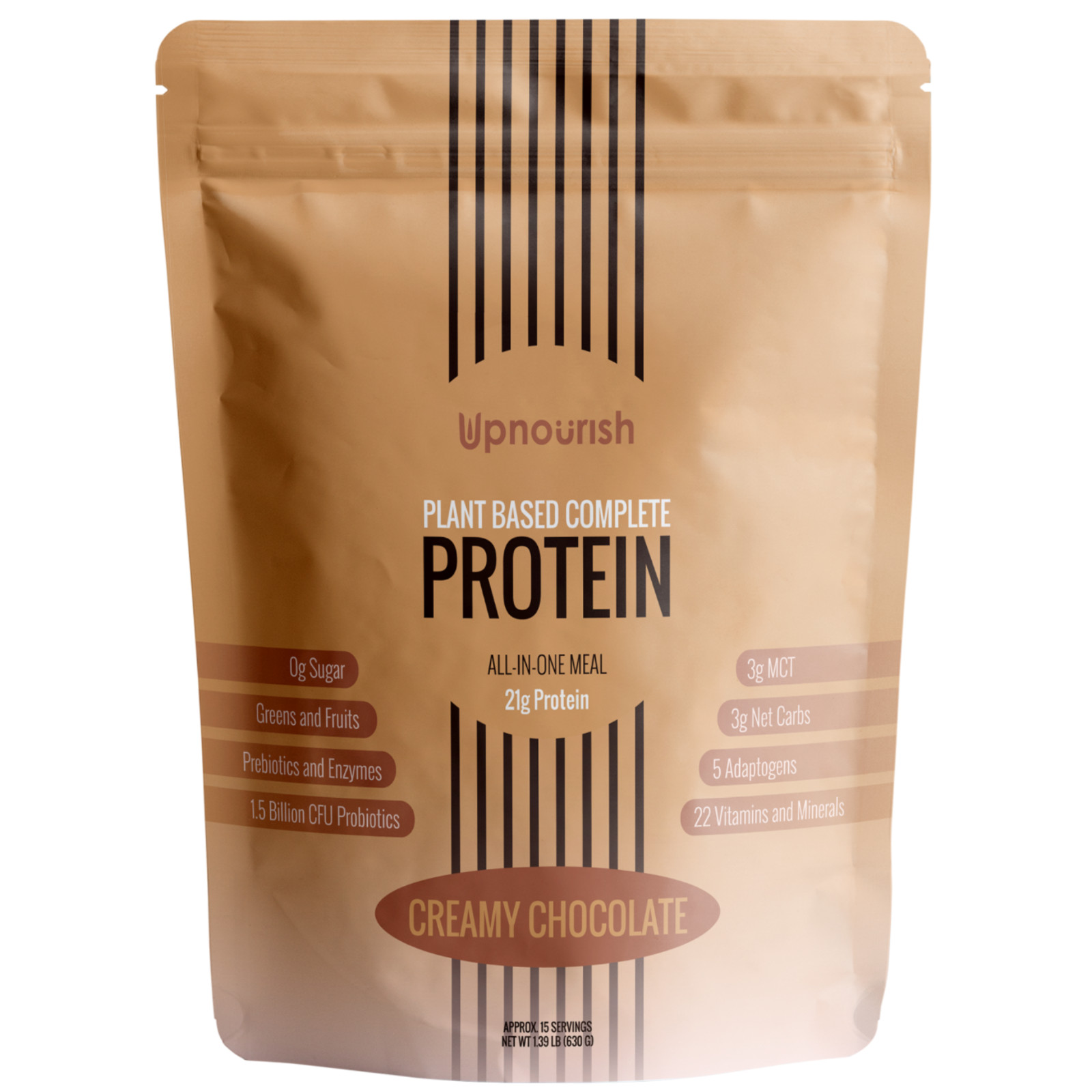 Vegan Plant Based Complete Protein Meal Replacement Shake Chocolate Gluten Free$29.99View on eBay
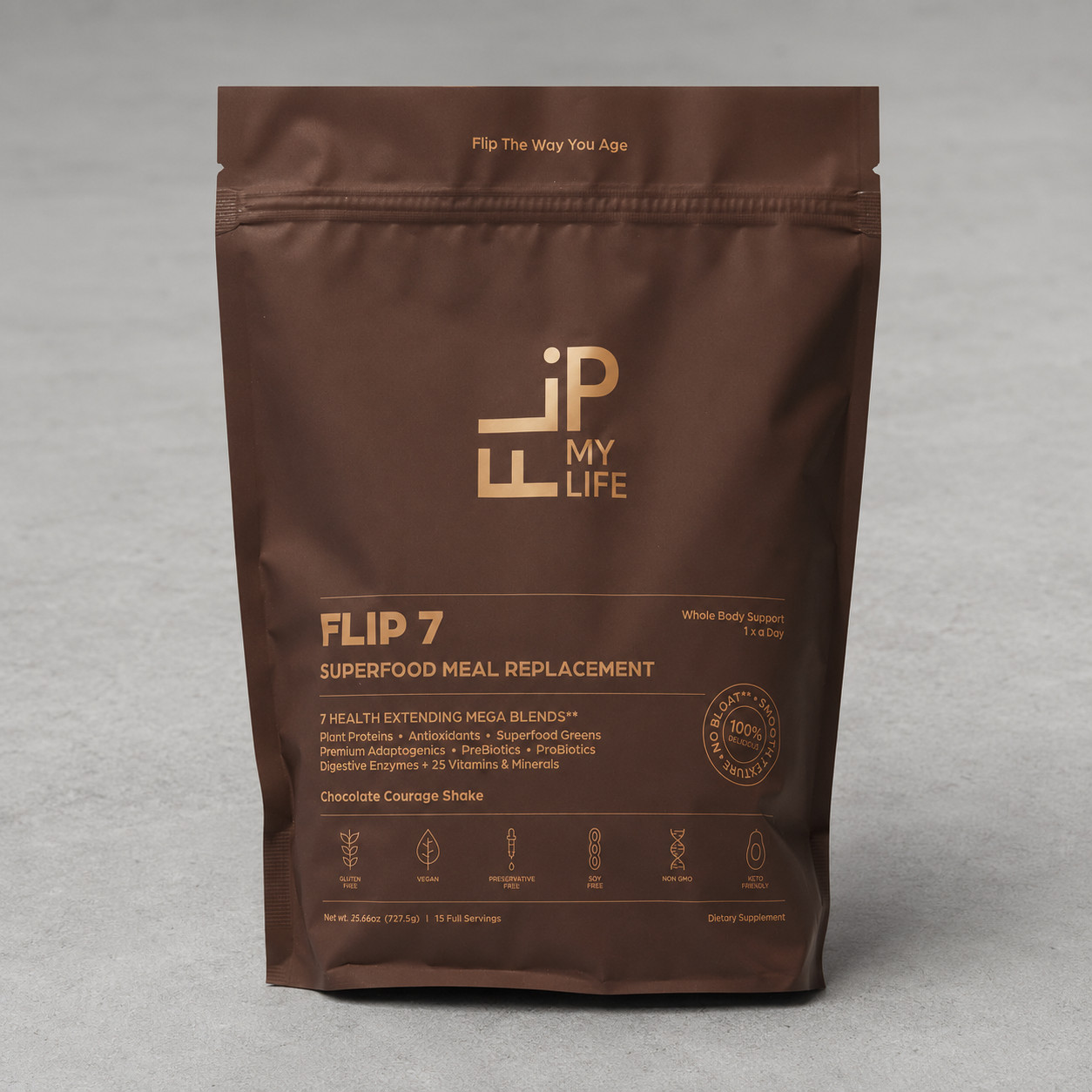 Flip 7 Superfood All-in-One Meal Replacement Shake Chocolate 15 Servings Vegan$36.47View on eBay
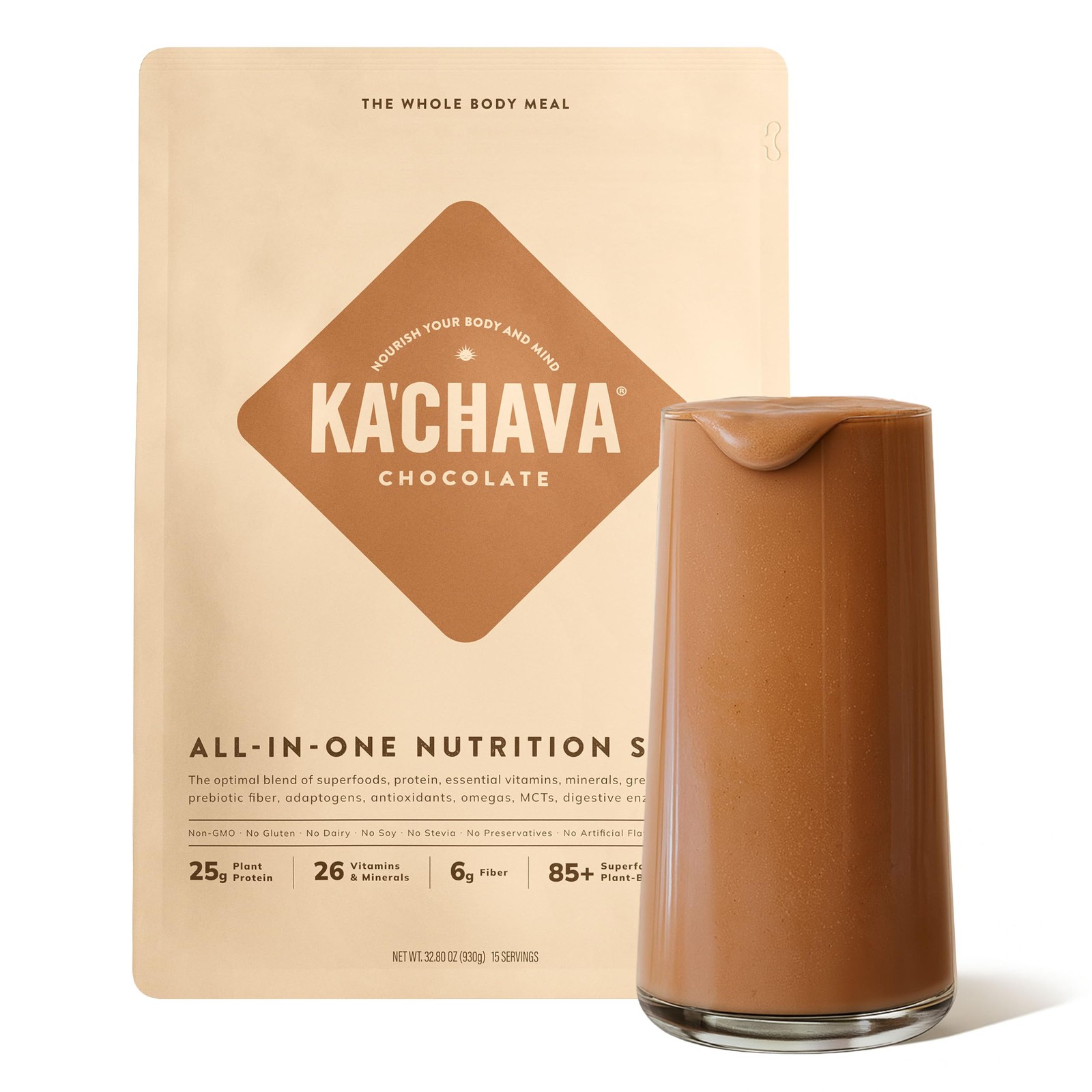 Vegan Meal Replacement Shake – Chocolate Protein Powder with 85+ Superfoods$84.21Last checked Nov 22, 2026View on eBay
Highlights
- Protein source architecture: pea + brown rice blends create a complete amino acid profile; single-source pea protein is low in methionine and should be avoided as a sole protein.
- Superfood inclusion claims range from 5 to 85+ ingredients; genuine density requires a transparent label listing each ingredient weight, not a proprietary 'blend' with no grams.
- Fiber content separates meal replacements from protein powders: aim for 5-10g per serving from whole sources like flax, chia, or acacia rather than isolated inulin alone.
- Sweetener and texture systems differ: monk fruit/stevia formulas avoid sugar alcohols but can taste bitter; maltodextrin or brown rice syrup solids add carbs and glycemic load.
Best use cases
- Best fit for busy breakfast replacement: choose a shake with 15-25g protein, 5g+ fiber, and 200-300 calories per serving; skip 100-calorie 'cleanse' shakes that will leave you hungry by mid-morning.
- Best fit for post-workout meal backup: pick a formula with 20g+ protein and added digestive enzymes; avoid high-fiber (10g+) versions immediately after training if you are prone to GI distress.
- Wrong fit for weight-loss-only goals: a meal replacement is not a diet pill; if you need under 200 calories per meal, use a protein powder with water instead of a full meal-replacement formula.
- Best fit for vegan omnivore-style nutrition: choose a shake with added B12, vitamin D3 from lichen, and algal omega-3s; skip products that rely on synthetic vitamins without these critical vegan nutrients.
Buying tips
- Calculate cost per complete meal, not per scoop: a 15-serving tub at 2 scoops per serving delivers only 7.5 meals; check the serving size line before comparing tubs.
- Verify 'complete protein' by amino acid profile: pea-rice blends at 1:1 to 2:1 ratio hit all essential amino acids; single pea protein falls short on methionine and cysteine.
- Match scoop size to shaker volume: 2-scoop servings often require 12-16 oz water and a 20-24 oz shaker; 1-scoop formulas fit standard 16 oz shakers but may under-deliver calories.
- Check heavy-metal testing: third-party certificates (NSF, Clean Label Project) matter more for plant proteins because rice and cocoa powders can carry cadmium and lead; choose brands publishing batch COAs.
Specs
| Protein Source | Pea + rice blend vs single pea |
|---|---|
| Protein per Serving | 15-25g complete plant protein |
| Fiber per Serving | 5-10g from whole-food sources |
| Calories per Meal | 200-300 kcal (meal) vs 100-150 (snack) |
Related searches
What to check before buying
- Measure your daily meal calorie target: if you need 400+ calories per meal, a 200-calorie shake requires added nut butter or oats to avoid nutrient gaps.
- Confirm your shaker or blender capacity: 2-scoop vegan formulas with flax and chia need 16+ oz liquid and a blender for smooth texture, not a shaker bottle.
- Check allergen cross-contact: many plant protein facilities also process soy, wheat, or tree nuts; certified gluten-free and soy-free labels are essential for celiac or soy-allergic buyers.
- Verify vitamin D and B12 forms: vegan D3 must be lichen-derived and B12 must be cyanocobalamin or methylcobalamin at 2.4mcg+ per serving; 'vitamin D2' is inferior for raising blood levels.
FAQ
Data sources: eBay / Amazon listings and product attribute feeds. Updated Nov 27, 2026.
Some links on this page are affiliate links. If you buy after clicking one, we may earn a commission at no extra cost to you. This does not change which products appear here or their order. Affiliate disclosure.