
Photos from current listings. Actual item, color, and included accessories may vary.
Protein Shake Buying Guide
Protein shakes are ready-to-drink (RTD) beverages or powders delivering 15–30 g high-quality protein per serving for weight management, diabetes-friendly nutrition, or teen supplementation. The core trade-off is protein source and added sugar: whey/casein blends digest fast and cheaply, while plant isolates (pea/rice) suit dairy-free diets but often need fiber and B12 fortification. Choose RTD shakes with ≤5 g sugar and ≥20 g protein for weight loss; choose low-glycemic, fiber-fortified shakes for diabetes; choose 15–20 g protein with minimal caffeine for teens.
Median $28.22
Key takeaways
- RTD shakes range 8–12 fl oz and 15–30 g protein; 30 g protein per 11–12 fl oz is the high-protein tier, while 8 oz diabetic formulas typically carry 10–15 g protein plus fiber.
- Sugar content separates weight-loss from gainer shakes: weight-loss RTDs target ≤5 g total sugar and 150–200 kcal; meal-replacement RTDs run 200–350 kcal with 20+ vitamins/minerals.
- Protein source dictates digestion: whey isolate absorbs fastest (ideal post-workout), casein slower (satiety), pea/rice blends require complementary amino acids for a complete profile.
At a glance
- Category
- Protein Nutrition
- Last updated
- Nov 27, 2026
Current offers
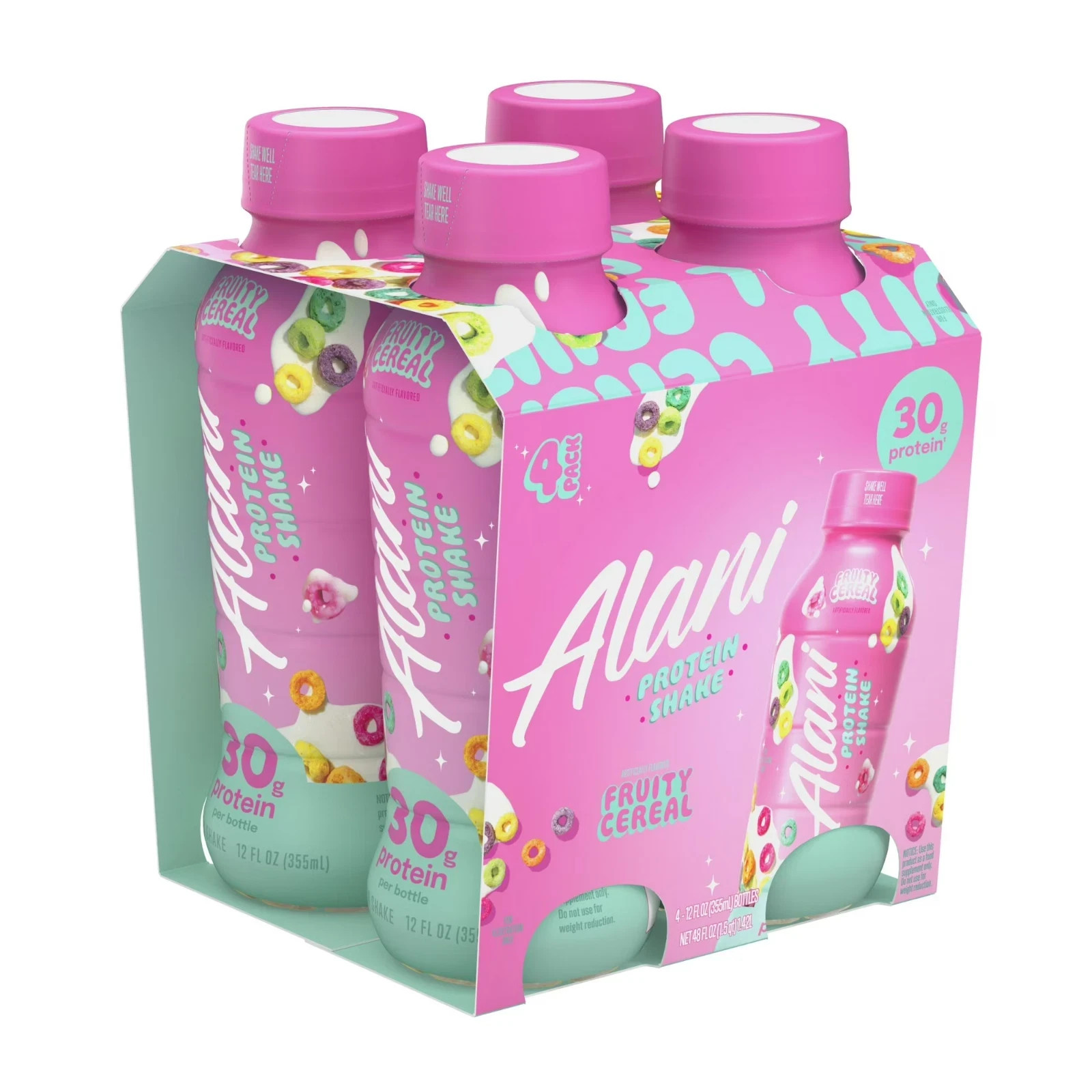 Alani Nu Protein shake Fruity cereal 12 fl oz 4 pack Bottles.....$3.98View on eBay
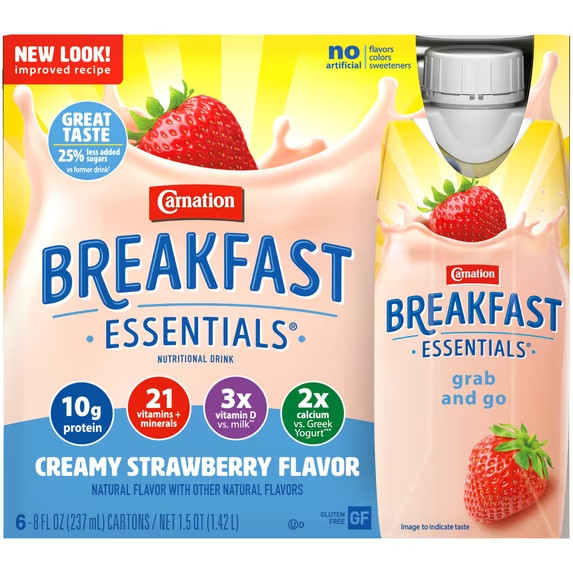 Carnation Breakfast Nutritional Protein-Packed Drink Shakes8 fl oz, 6 Pack$5.22View on eBay
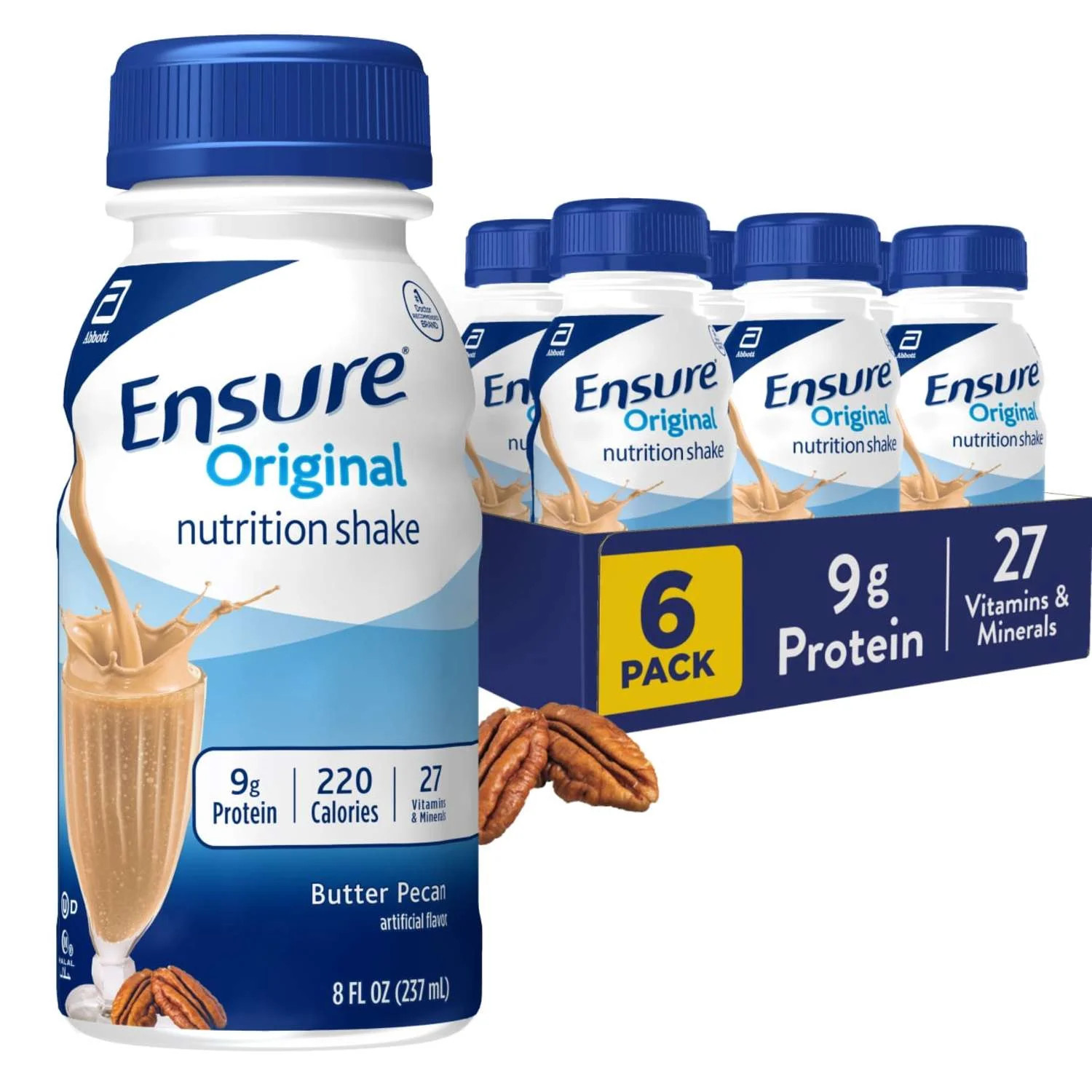 Original Nutrition Shake, 9G Protein, Butter Pecan, 8 Fl Oz - 6 Pack$5.99View on eBay
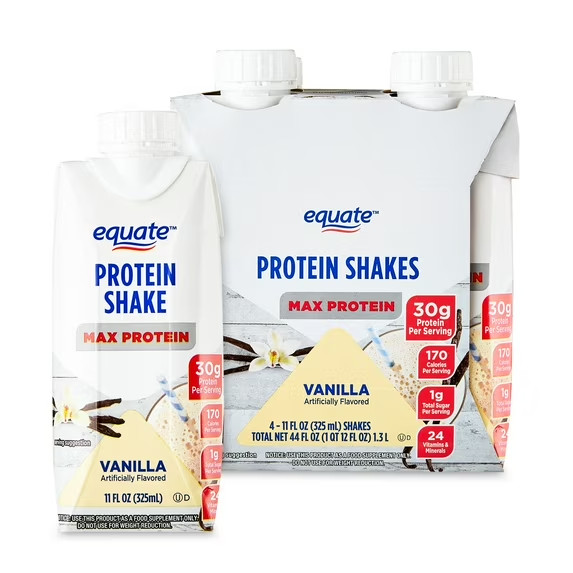 Equate Max Protein Nutrition Shake, Vanilla Flavored, 11 fl oz, 4 Count$5.99View on eBay
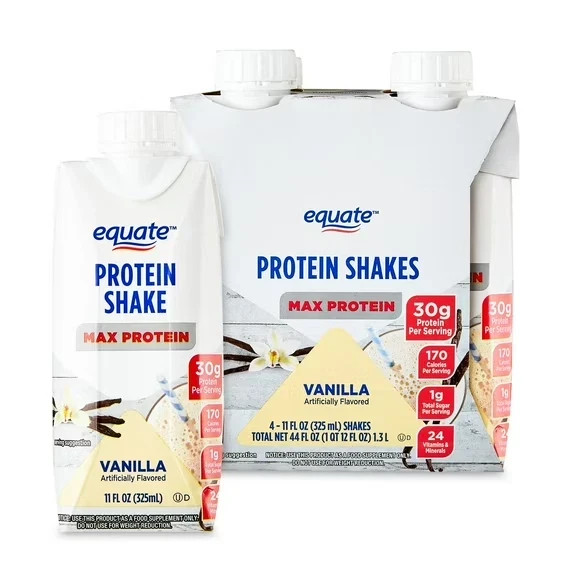 Equate Max Protein Nutrition Shake, Vanilla Flavored, 11 fl oz, 4 Count$5.99View on eBay
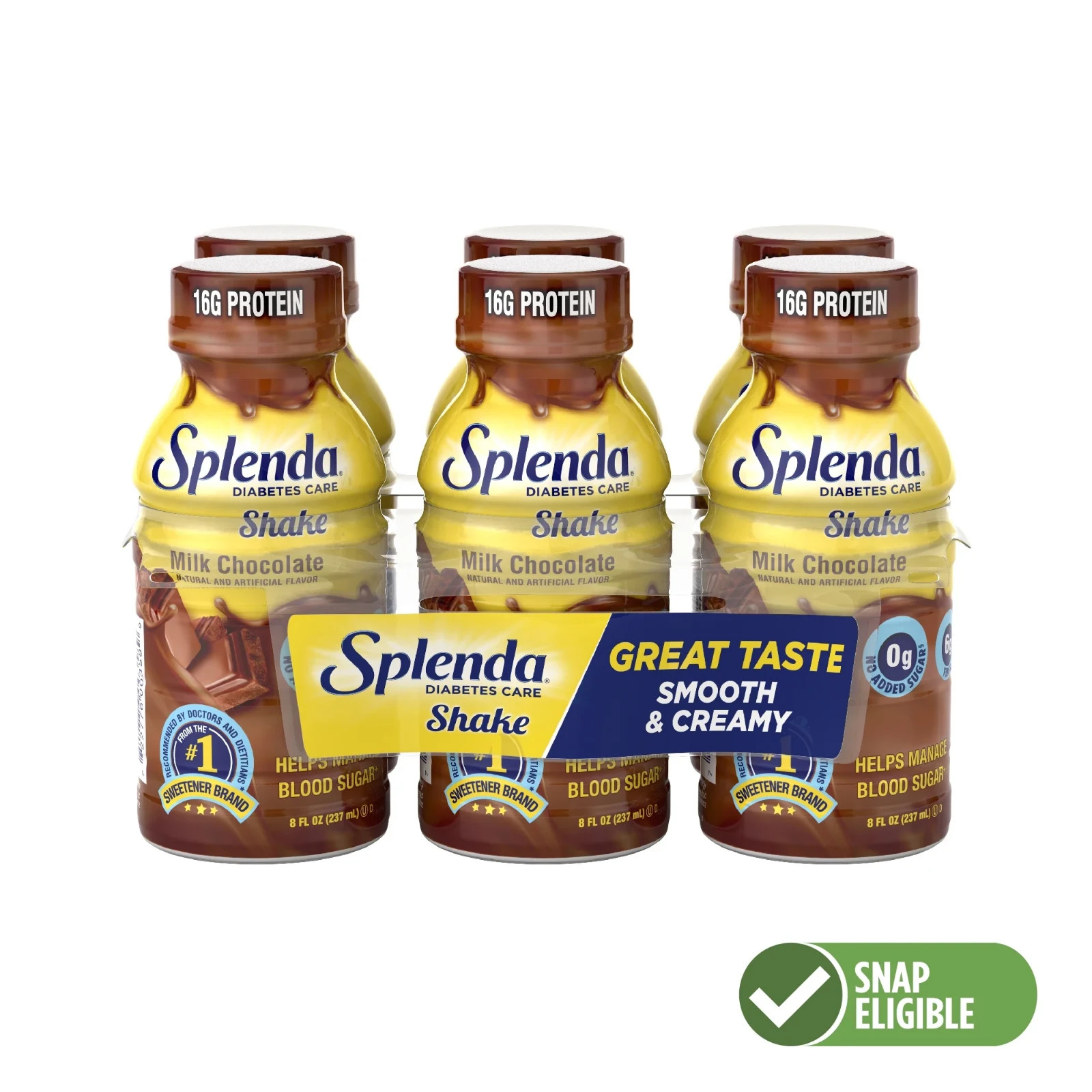 Diabetic Protein Shakes to Help Manage Blood Sugar 8 oz Milk Chocolate 6 count$7.49View on eBay
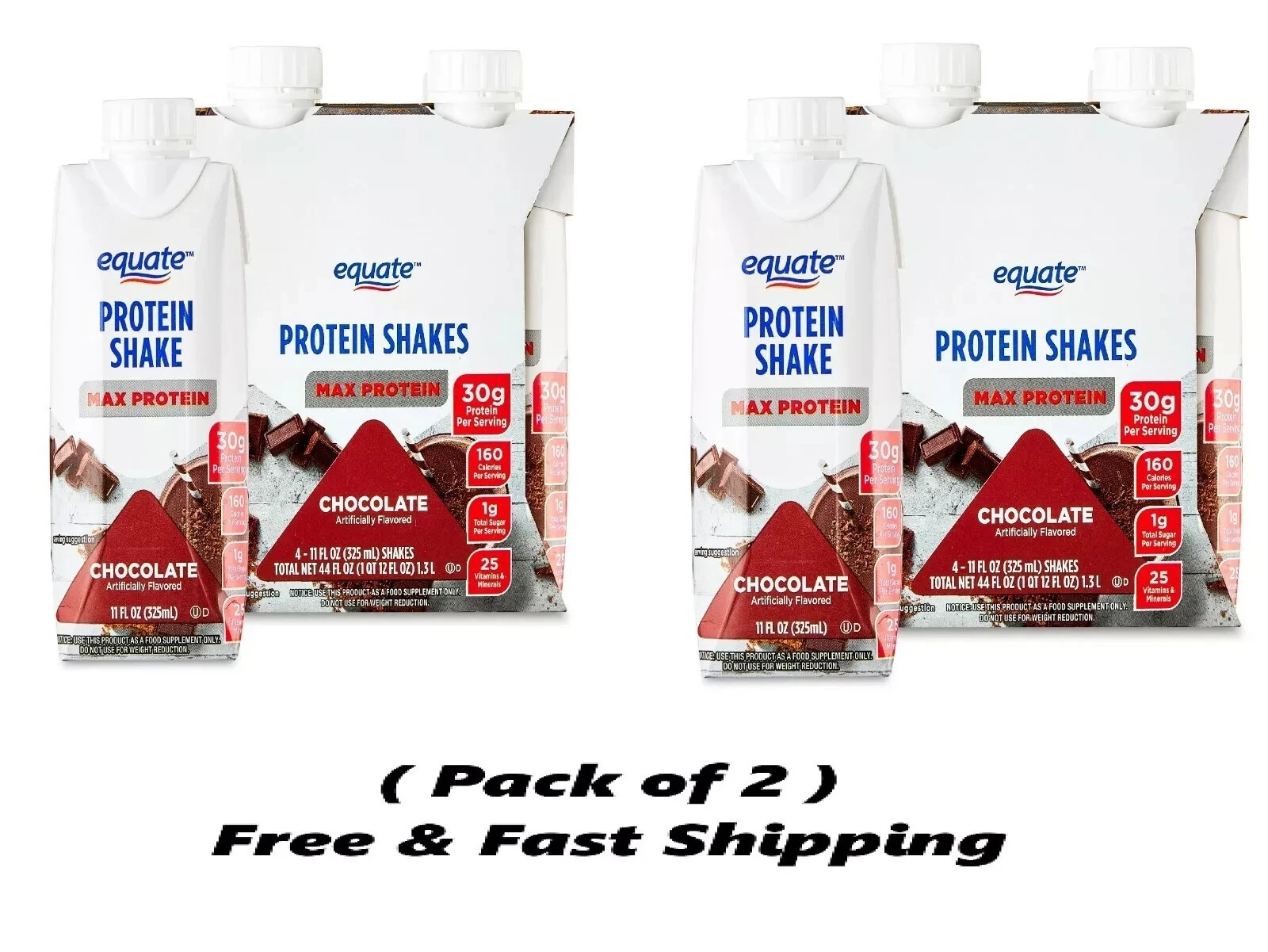 Equate Max Protein Nutrition Shake, Chocolate Flavored, Liquid, 11 fl oz 8 Count$11.19View on eBay
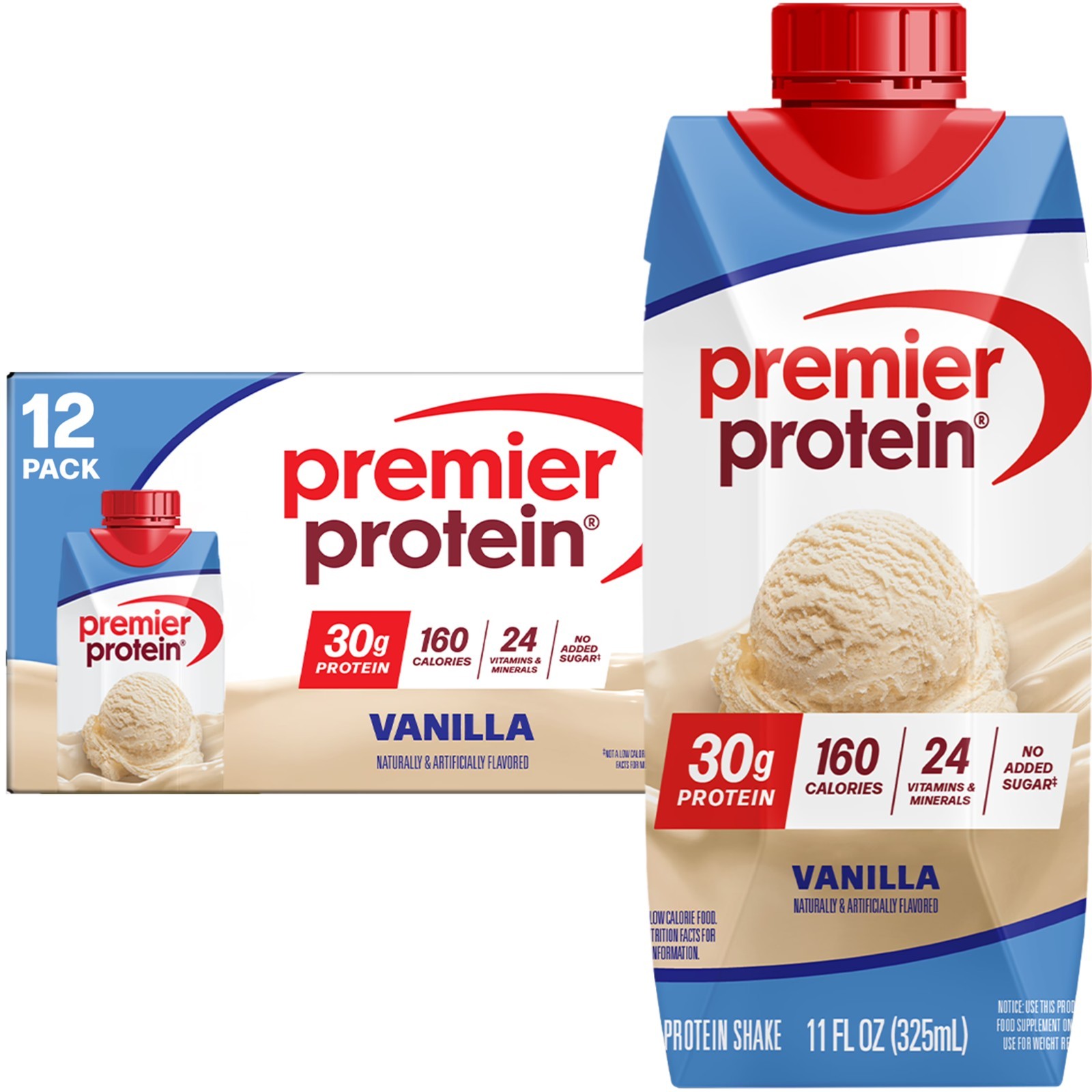 Vanilla Protein Shake 30g Protein Ready to Drink 11 fl oz 12 Ct$15.17View on eBay
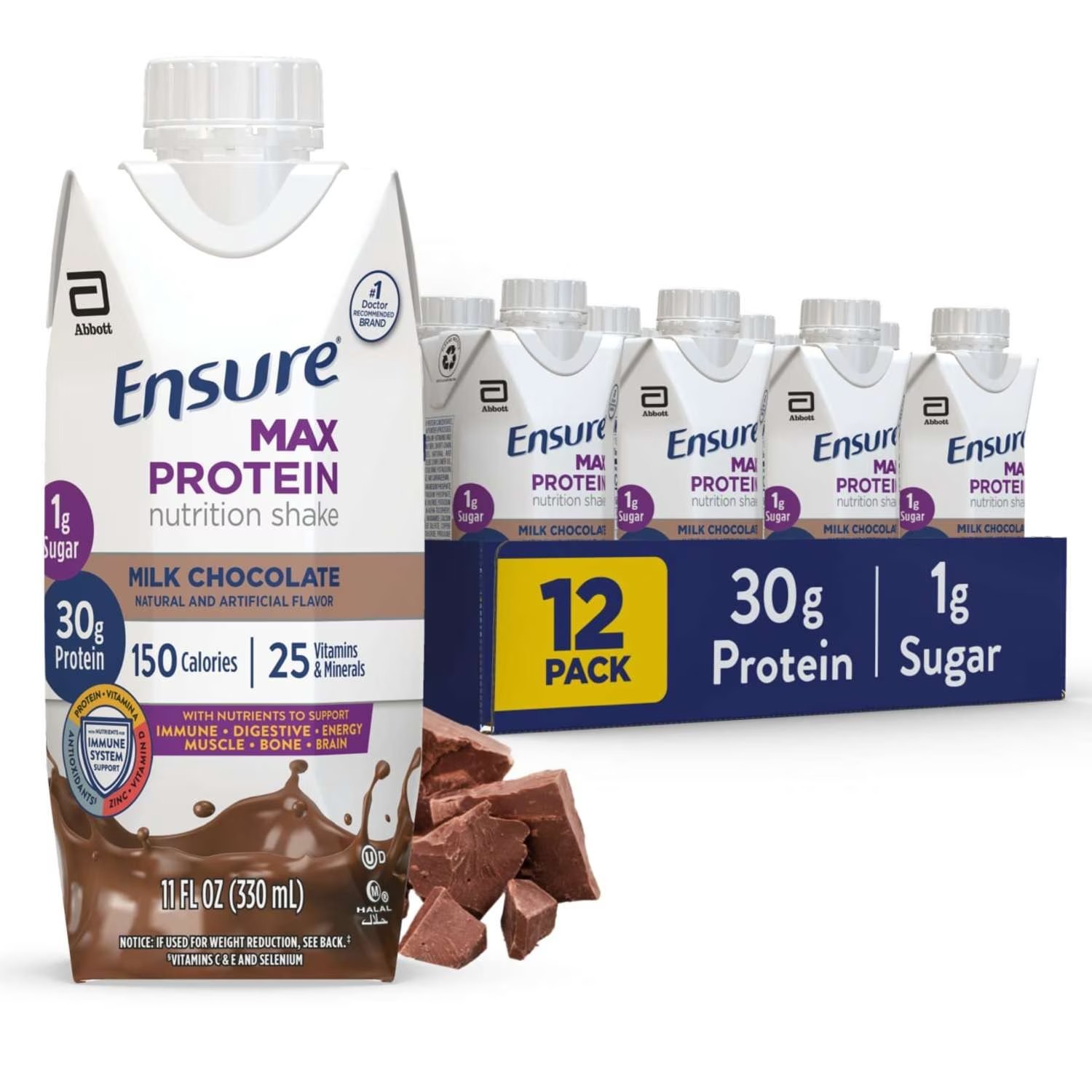 Ensure Max Protein Shake Milk Chocolate 30g Protein 11 fl oz 12 Pack$18.97View on eBay
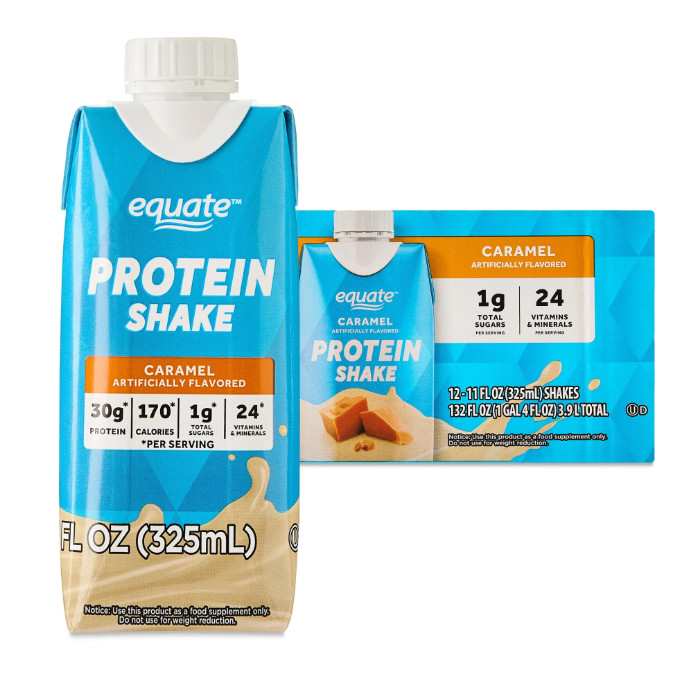 Equate Protein Nutrition Shake, Caramel, 11 fl oz, 12 Count$20.99View on eBay
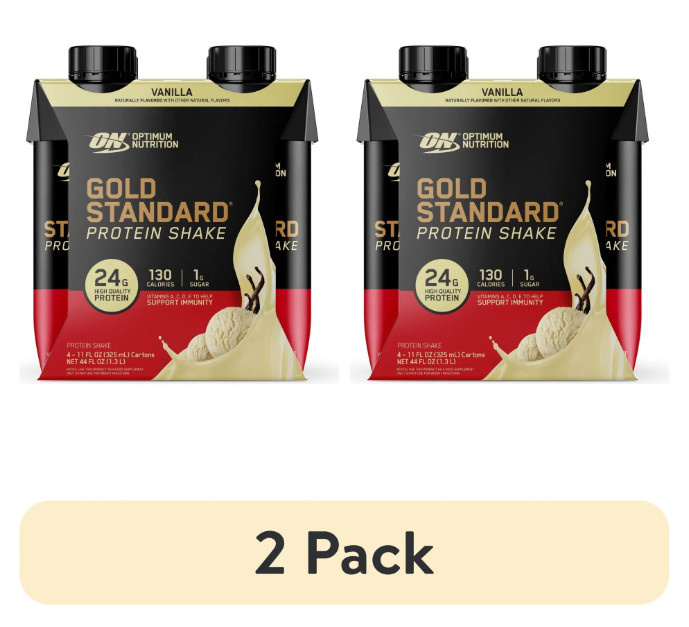 Optimum Nutrition Gold Standard Protein Shake, Vanilla, 24g Protein, 8-Pack$20.99View on eBay
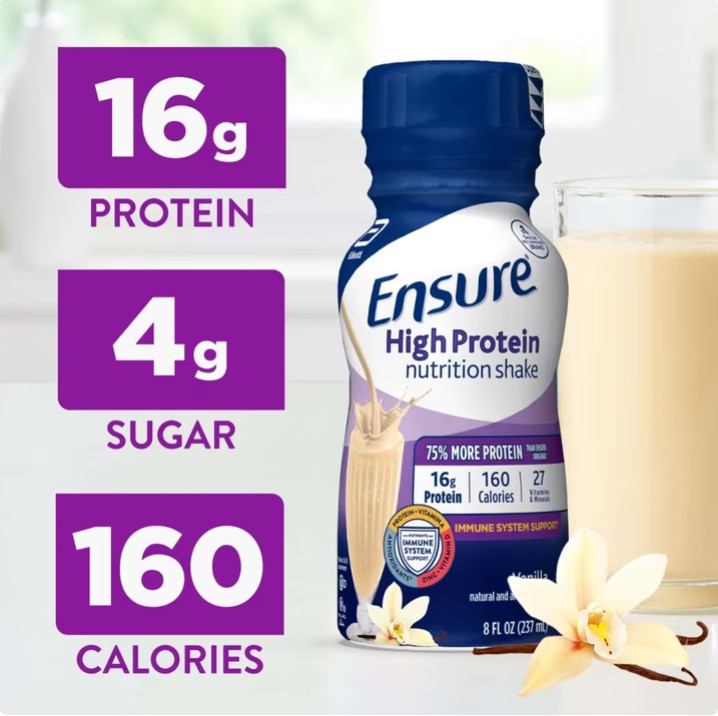 Ensure High Protein Nutrition Shake, Strawberry, 8 fl oz, 24 Count$27.51View on eBay
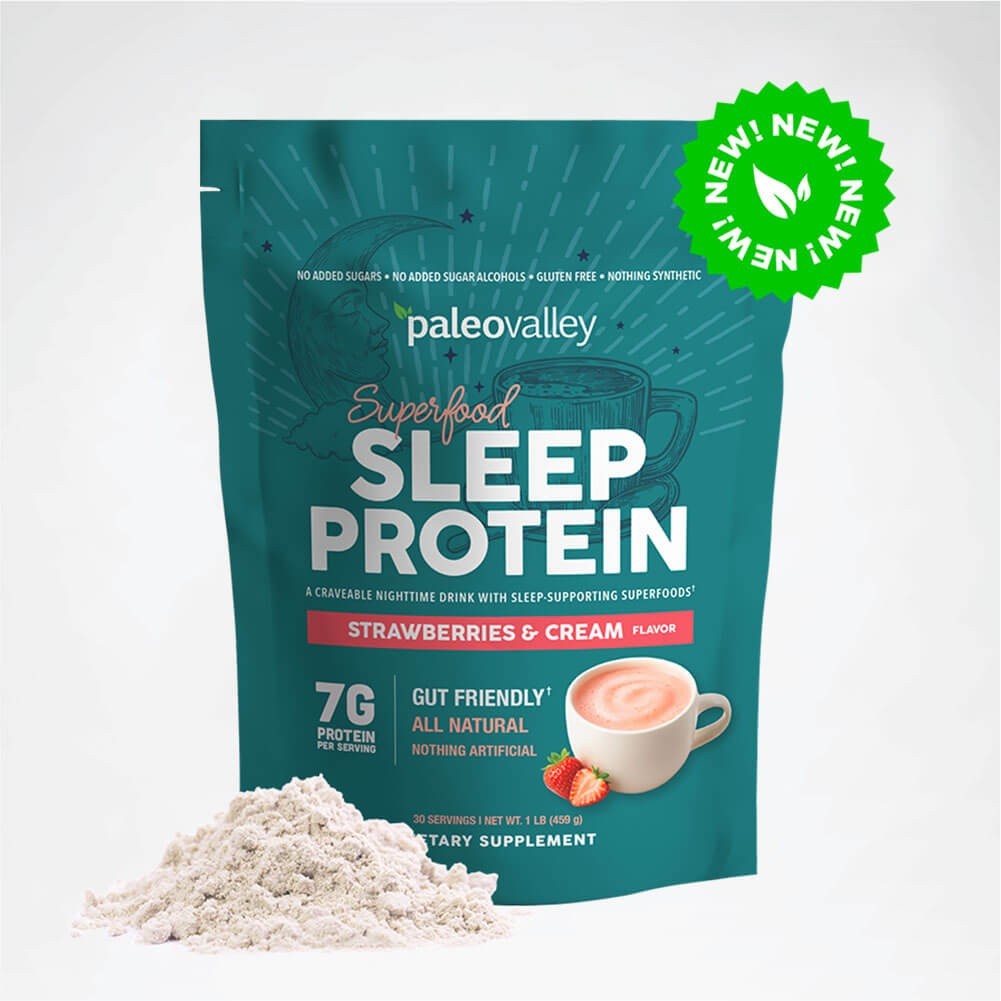 Sleep Protein Powder Strawberry Cream Nighttime Recovery Drink 7g Protein$27.99View on eBay
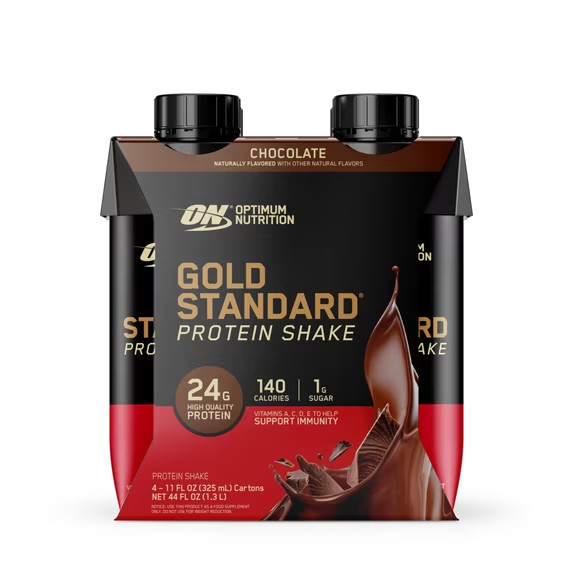 Optimum Nutrition Gold Standard Protein Shake, Chocolate, 24g$28.45View on eBay
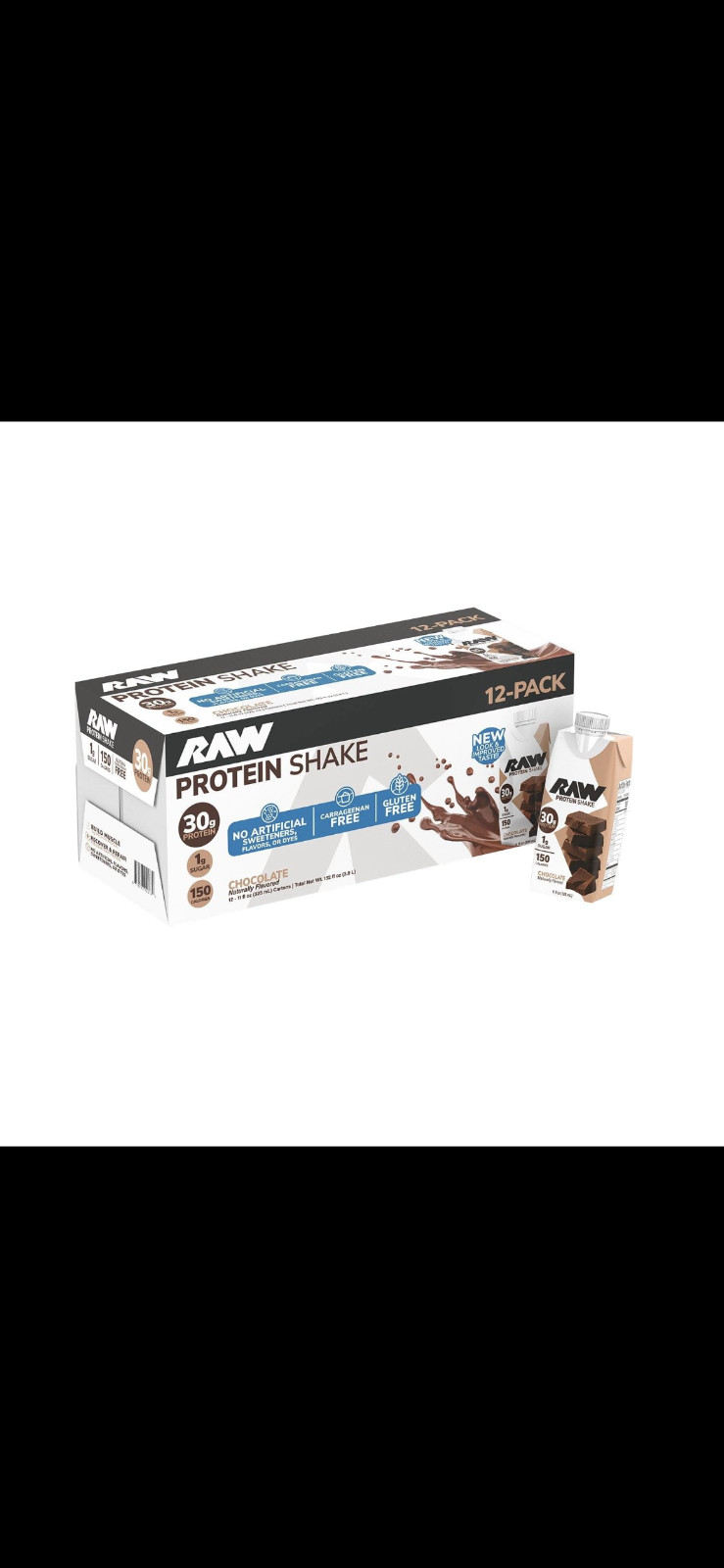 RAW Nutrition 30g Protein Shake, Chocolate, 11 fl. oz., 12 pk.$30.99Last checked Nov 26, 2026View on eBay
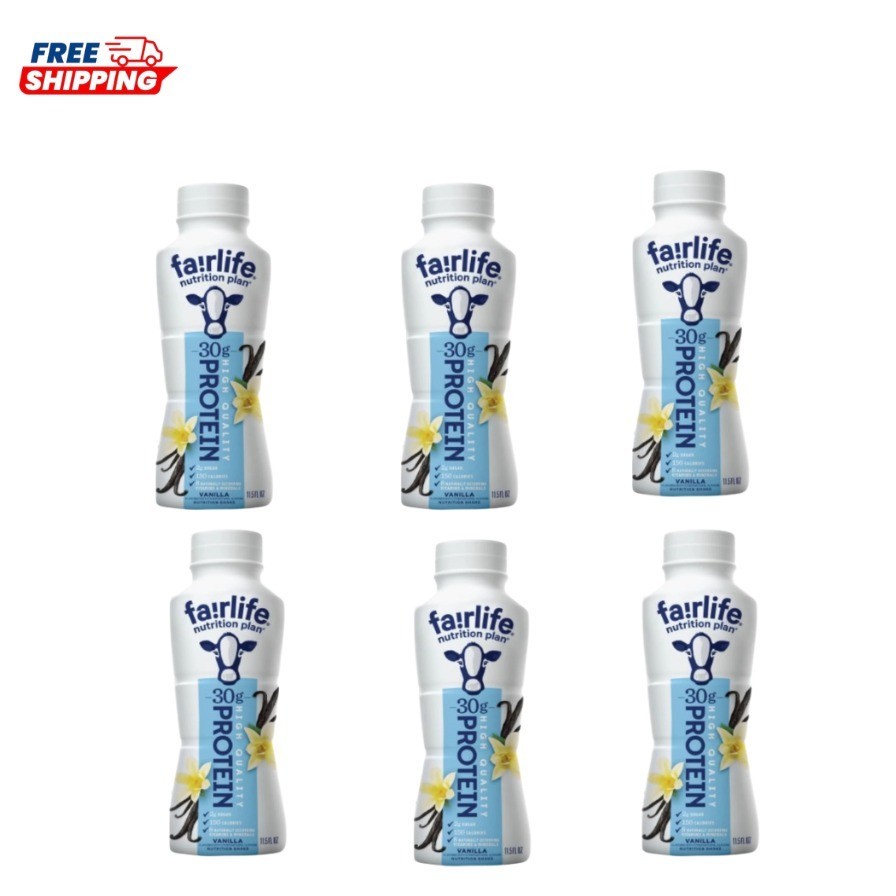 Fairlife Nutrition Plan 30g Protein Shake – Vanilla (6 Pack)$34.99Last checked Nov 21, 2026View on eBay
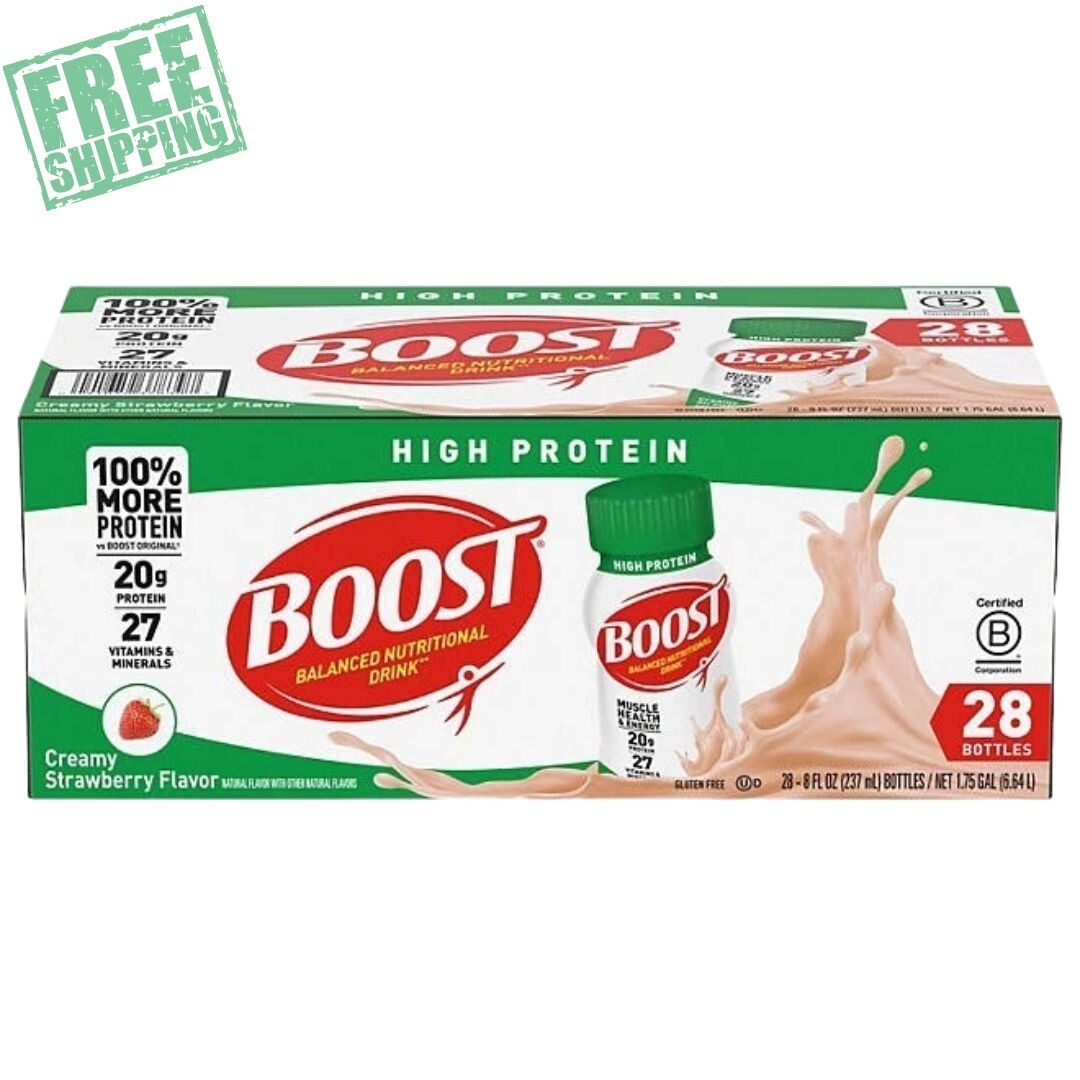 BOOST 20g High Protein Nutritional Drink, Strawberry (8 fl. oz., 28 ct.)$38.50Last checked Nov 24, 2026View on eBay
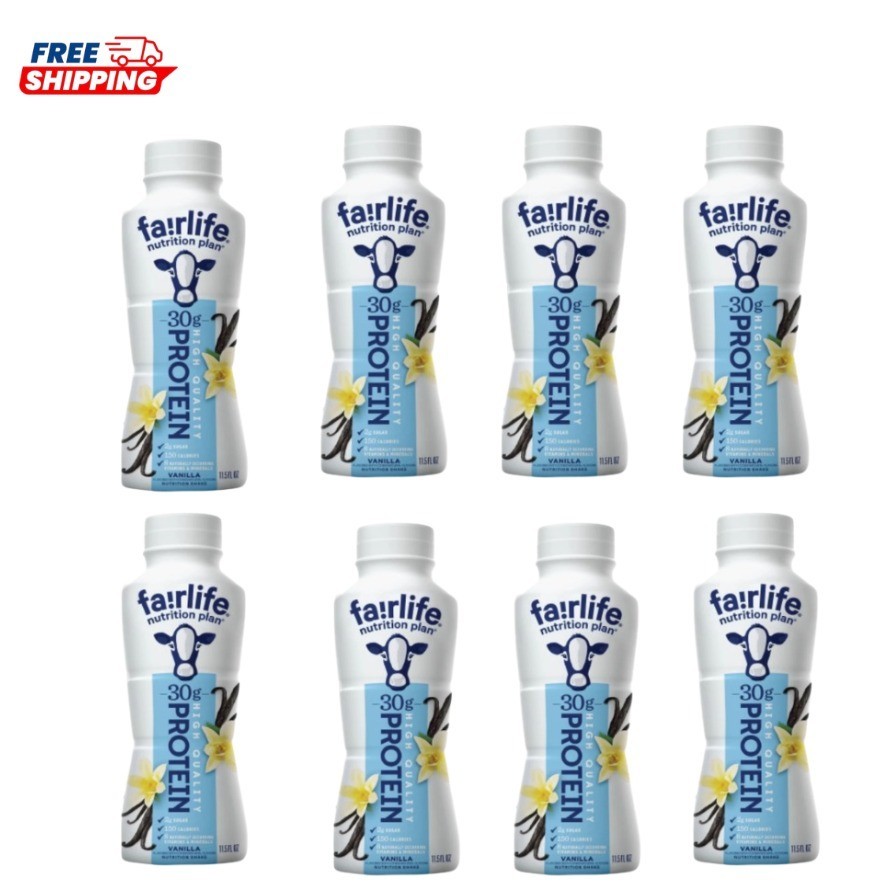 Fairlife Nutrition Plan 30g Protein Shake – Vanilla (8 Pack)$39.99Last checked Nov 21, 2026View on eBay
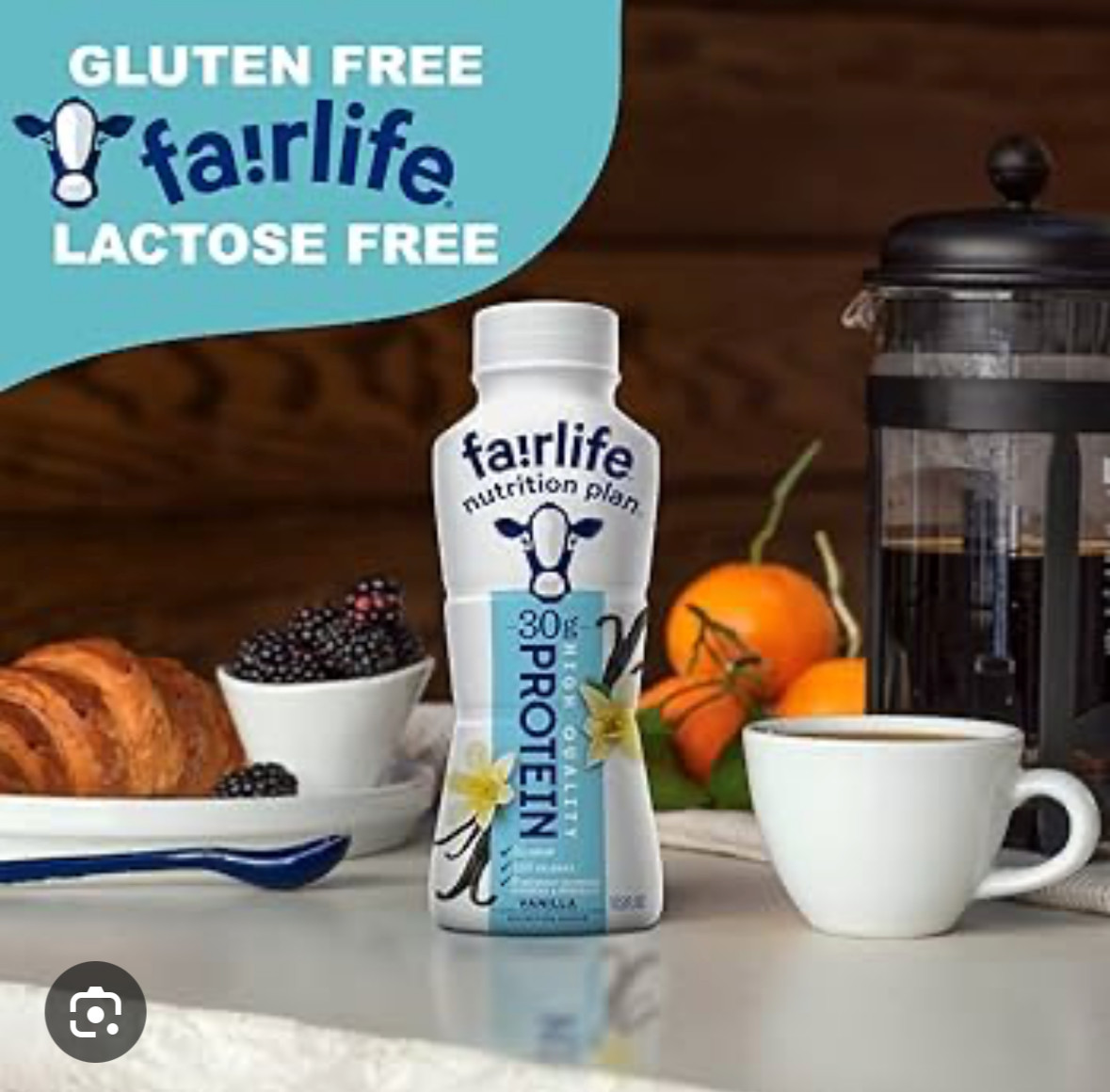 Fairlife Nutrition Plan Vanilla Protein Shakes – 11.5 oz Bottles (18-Pack)$44.99Last checked Nov 19, 2026View on eBay
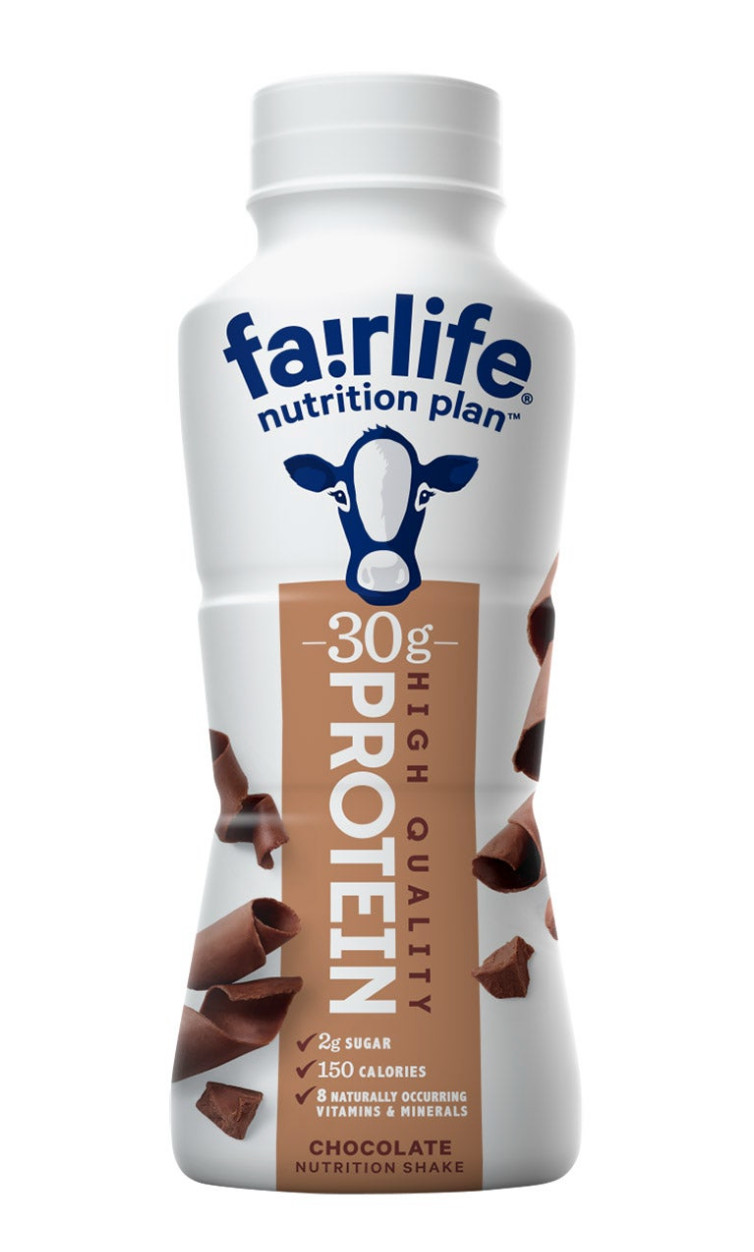 Fairlife Nutrition Plan Chocolate Protein Shakes – 11.5 oz Bottles (18-Pack)$44.99Last checked Nov 19, 2026View on eBay
Highlights
- RTD shakes range 8–12 fl oz and 15–30 g protein; 30 g protein per 11–12 fl oz is the high-protein tier, while 8 oz diabetic formulas typically carry 10–15 g protein plus fiber.
- Sugar content separates weight-loss from gainer shakes: weight-loss RTDs target ≤5 g total sugar and 150–200 kcal; meal-replacement RTDs run 200–350 kcal with 20+ vitamins/minerals.
- Protein source dictates digestion: whey isolate absorbs fastest (ideal post-workout), casein slower (satiety), pea/rice blends require complementary amino acids for a complete profile.
- Diabetic-friendly shakes use low-glycemic sweeteners (sucralose, stevia, monk fruit) and 3–8 g fiber per serving to blunt blood-glucose response versus 20+ g sugar in standard chocolate RTDs.
Best use cases
- Weight loss: pick RTD shakes with 20–30 g protein, ≤5 g sugar, and ≤200 kcal per bottle; skip 350-kcal meal-replacement shakes and 20+ g sugar chocolate RTDs.
- Diabetes management: choose 8 oz shakes labeled low-glycemic with 3–8 g fiber and ≤6 g total sugar; skip fruit-juice-sweetened or 20+ g carbohydrate shakes unless counting them as a meal exchange.
- Teens (13–18): select 15–20 g protein shakes with ≤5 g added sugar and no caffeine; skip pre-workout or energy-shake hybrids and 30 g protein mass-gainer formats.
- Post-workout or meal replacement: use 24–30 g whey-isolate RTDs within 60 minutes of training; use 200–350 kcal fortified shakes only as an actual meal substitute, not a snack.
Buying tips
- Match protein grams to body weight: 0.5–0.7 g protein per pound of body weight daily; a 20–30 g RTD covers one-third to one-half of a 150 lb adult's target.
- Read the sugar-to-protein ratio: aim for at least 4 g protein per 1 g sugar; a 30 g protein shake with 6 g sugar passes, a 20 g protein shake with 20 g sugar fails.
- For diabetes, compare total carbohydrates minus fiber (net carbs) per bottle; under 10 g net carbs per serving is the practical low-glycemic threshold for a shake.
- Powder vs RTD: powder delivers 20–25 g protein per scoop at lower cost per serving and lets you control sugar; RTD wins on convenience and precise dosing but adds packaging and cost.
Specs
| Protein Per Serving | 15-30 g RTD; 20-25 g powder scoop |
|---|---|
| Sugar Threshold | Weight loss ≤5 g; diabetic ≤6 g |
| Protein Source | Whey isolate / casein / pea-rice |
| Format | RTD 8-12 fl oz vs powder tub |
Related searches
What to check before buying
- Refrigeration: RTD shakes are shelf-stable until opened but require chilling after opening; confirm fridge space for multi-packs or choose shelf-stable singles for travel.
- Allergen audit: check for milk, soy, and gluten on whey-based shakes; choose certified dairy-free pea/rice isolates if lactose intolerance or milk allergy applies.
- Dietary certification: verify NSF Certified for Sport or Informed Sport for tested athletes; verify USDA Organic or Non-GMO Project for clean-label priorities.
- Serving size math: 8 oz diabetic shakes suit glucose-controlled portions; 11–12 fl oz 30 g protein bottles suit meal replacement—buy the size matching your calorie target, not the pack discount.
FAQ
Data sources: eBay / Amazon listings and product attribute feeds. Updated Nov 27, 2026.
Some links on this page are affiliate links. If you buy after clicking one, we may earn a commission at no extra cost to you. This does not change which products appear here or their order. Affiliate disclosure.