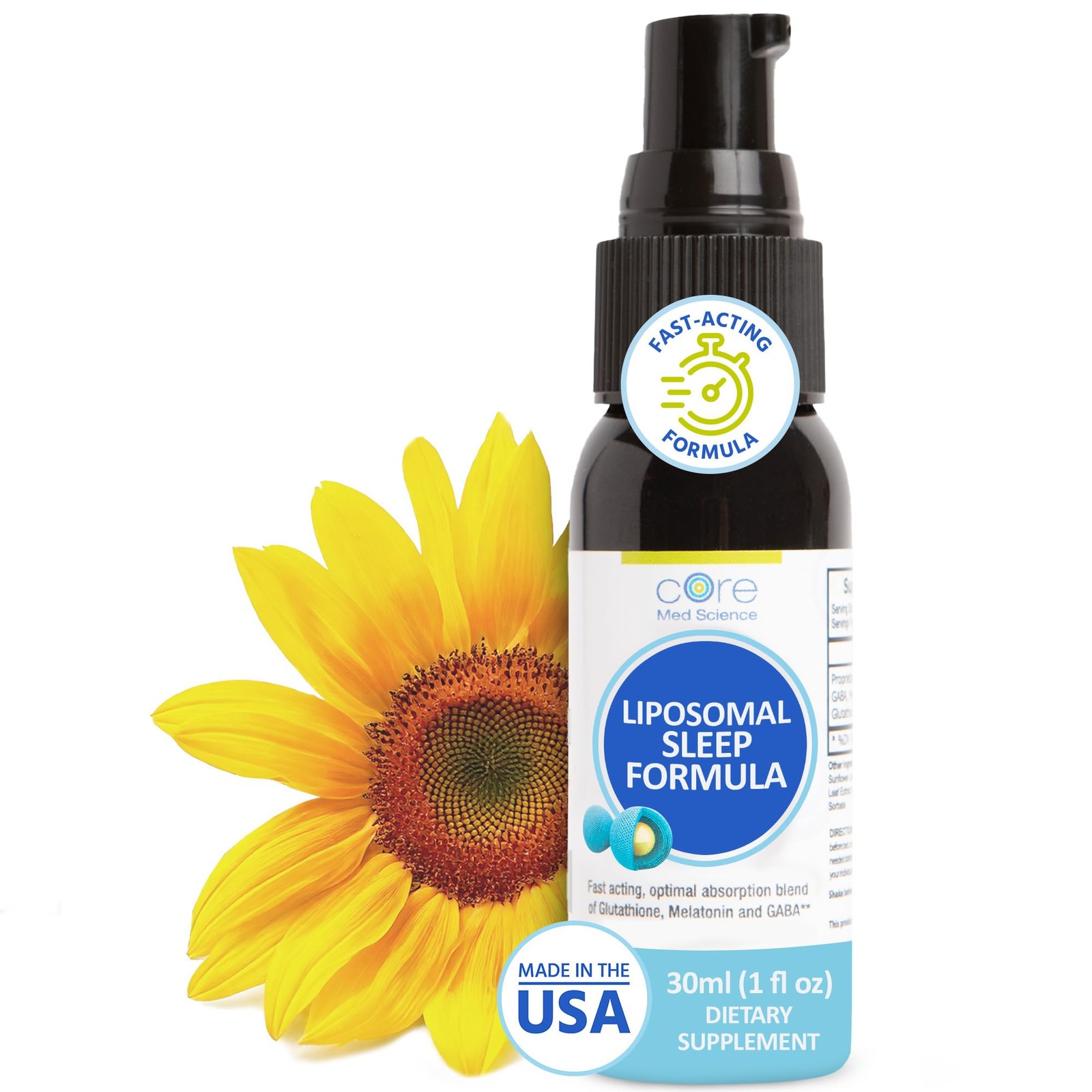

Photos from current listings. Actual item, color, and included accessories may vary.
Gaba Buying Guide
GABA (gamma-aminobutyric acid) is a non-protein amino acid sold as a sleep and stress supplement, primarily as a standalone capsule, powder, or as an ingredient in multi-ingredient sleep blends. The core buyer trade-off is between isolated GABA (cheap, but with poor blood-brain barrier penetration at standard doses) and liposomal or sublingual delivery formats that aim to improve absorption. Choose a product that states its delivery format and dose clearly; skip vague proprietary blends that hide GABA content behind a "sleep matrix".
Key takeaways
- GABA capsules typically dose 100–750 mg per serving; clinical sleep studies have used 100–300 mg, so capsules above 750 mg are unnecessary for most buyers.
- Liposomal and sublingual/oral spray formats are marketed for better absorption because plain GABA crosses the blood-brain barrier poorly; these cost more but are the only formats where delivery claims are structurally plausible.
- Multi-ingredient sleep products stack GABA with melatonin (commonly 1–10 mg), valerian, chamomile, or L-theanine; check the melatonin dose because it dominates the sedative effect more than GABA does.
At a glance
- Category
- Sleep & Stress Supplements
- Last updated
- Nov 28, 2026
Current offers
Highlights
- GABA capsules typically dose 100–750 mg per serving; clinical sleep studies have used 100–300 mg, so capsules above 750 mg are unnecessary for most buyers.
- Liposomal and sublingual/oral spray formats are marketed for better absorption because plain GABA crosses the blood-brain barrier poorly; these cost more but are the only formats where delivery claims are structurally plausible.
- Multi-ingredient sleep products stack GABA with melatonin (commonly 1–10 mg), valerian, chamomile, or L-theanine; check the melatonin dose because it dominates the sedative effect more than GABA does.
- GABA is not a scheduled drug and is sold OTC in the US, but the FDA does not permit it in conventional foods; products labeled as dietary supplements are the compliant format.
Best use cases
- Best fit: a buyer who wants a single-ingredient, clearly dosed GABA capsule (100–300 mg) for occasional stress-related sleeplessness — pick this and skip complex blends.
- Best fit: a buyer who has tried plain GABA capsules without effect — choose a liposomal liquid or sublingual spray, which are the formats designed to bypass first-pass metabolism.
- Wrong fit: a buyer seeking guaranteed sedation — GABA is not a hypnotic; choose a melatonin-dominant product instead, or a blend where melatonin is dosed at 1–5 mg and GABA is secondary.
- Skip: proprietary "sleep matrix" blends that list GABA without a per-ingredient dose; you cannot judge whether the GABA content is meaningful.
Buying tips
- Match the format to the goal: capsules for daily convenience at 100–300 mg GABA; liquid liposomal or spray if you want to test absorption-enhanced delivery; powder only if you will measure doses yourself.
- Read the Supplement Facts for GABA's exact milligram dose — not the blend weight. A 1,000 mg "sleep blend" may contain only 50 mg of GABA.
- If melatonin is included, keep total melatonin at 1–5 mg; higher doses (10 mg) increase next-day grogginess risk and are not needed for sleep onset.
- Check for third-party testing marks (NSF, USP, Informed Sport) on capsule products; liquids and sprays rarely carry these, so prefer brands that publish a certificate of analysis.
Specs
| Delivery Format | Capsule / powder / liposomal / spray |
|---|---|
| GABA Dose Range | 100–750 mg per serving |
| Common Stack | Melatonin 1–5 mg + L-theanine |
| Testing Standard | NSF / USP / CoA published |
Related searches
What to check before buying
- Confirm the label states GABA in milligrams per serving, not just as part of a proprietary blend total.
- For liquid or spray formats, check the bottle size and dose per spray/serving so you can calculate a real cost-per-dose comparison against capsules.
- If you take prescription sleep medication, sedatives, or blood pressure drugs, clear GABA with a pharmacist — it can potentiate sedation.
- Verify the product is labeled as a dietary supplement (not a food or beverage), which is the only compliant US retail format for GABA.
FAQ
Data sources: eBay / Amazon listings and product attribute feeds. Updated Nov 28, 2026.
Some links on this page are affiliate links. If you buy after clicking one, we may earn a commission at no extra cost to you. This does not change which products appear here or their order. Affiliate disclosure.