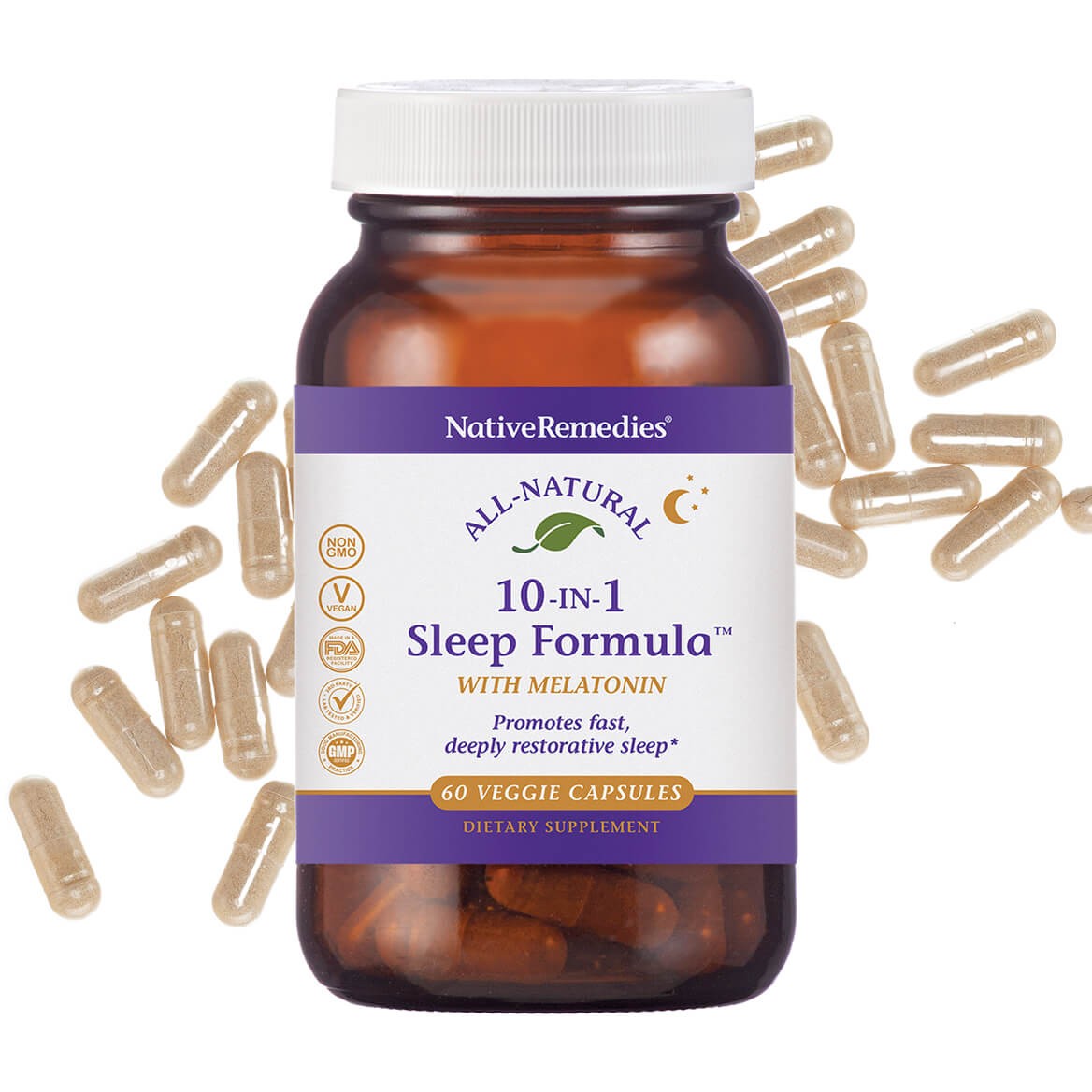

Photos from current listings. Actual item, color, and included accessories may vary.
Natural Sleep Aid Buying Guide
Natural sleep aids are non-prescription formulations—herbal extracts, amino acids, and minerals—designed to shorten sleep latency and improve sleep quality without the dependency risks of prescription sedatives. The primary trade-off is between single-ingredient clinical doses (standardized to a specific active compound) and multi-ingredient 'proprietary blends' that often underdose each component. The decision rule: choose products that disclose exact per-ingredient milligram amounts and standardization markers; skip any formula that hides doses inside a blend or lists more than 8 ingredients without clinical justification.
Median $49.63
Key takeaways
- Standardized extracts (e.g., valerian at 0.8% valerenic acid, ashwagandha at 5% withanolides) deliver predictable potency; raw herb powders vary 10-fold in active compounds.
- L-theanine clinical trials use 200–400 mg; apigenin trials use 50 mg; melatonin physiological dose is 0.3–0.5 mg—higher doses are not more effective and can disrupt sleep architecture.
- Magnesium glycinate and magnesium citrate are the absorbable sleep-relevant forms; magnesium oxide is poorly absorbed (≈4%) and mainly acts as a laxative.
At a glance
- Category
- Sleep & Stress Supplements
- Last updated
- Nov 26, 2026
Current offers
Highlights
- Standardized extracts (e.g., valerian at 0.8% valerenic acid, ashwagandha at 5% withanolides) deliver predictable potency; raw herb powders vary 10-fold in active compounds.
- L-theanine clinical trials use 200–400 mg; apigenin trials use 50 mg; melatonin physiological dose is 0.3–0.5 mg—higher doses are not more effective and can disrupt sleep architecture.
- Magnesium glycinate and magnesium citrate are the absorbable sleep-relevant forms; magnesium oxide is poorly absorbed (≈4%) and mainly acts as a laxative.
- Two-piece gelatin or vegan cellulose capsules dissolve faster than pressed tablets; tablets often use binders that slow release and reduce bioavailability.
Best use cases
- Best for occasional jet lag or shift-work sleep timing: pick a low-dose melatonin (0.3–0.5 mg) product with no added herbs—skip multi-herb blends that obscure dosing.
- Best for chronic mild insomnia with racing thoughts: choose L-theanine 200 mg plus apigenin 50 mg in separate disclosed doses, or valerian standardized to 0.8% valerenic acid—skip products listing 'proprietary blend' without milligram totals.
- Best for stress-related poor sleep: select ashwagandha root extract standardized to 5% withanolides at 300–600 mg—skip leaf-only ashwagandha, which lacks the sleep-relevant withanolide profile.
- Wrong fit: anyone taking benzodiazepines, sedative antidepressants, or blood thinners should skip herbal sleep aids entirely—valerian and ashwagandha have documented interaction risks.
Buying tips
- Check the Supplement Facts panel for exact milligram amounts per ingredient; a 'proprietary blend' line with one total weight is a red flag for underdosing.
- Prefer capsules over tablets: capsules typically use fewer excipients and dissolve within 15 minutes, while tablets may take 30–60 minutes and contain binders.
- Match the dose to clinical evidence: L-theanine 200 mg, apigenin 50 mg, valerian 300–600 mg standardized extract, ashwagandha 300–600 mg root extract—not megadoses.
- Choose products with third-party testing seals (USP, NSF, Informed Choice) to avoid heavy-metal contamination common in raw herbal powders.
Specs
| Form Factor | Capsule / Tablet / Powder |
|---|---|
| Standardization | Extract % vs raw herb powder |
| Dose Disclosure | Exact mg per ingredient vs blend |
| Count Per Bottle | 30–120 capsules / tablets |
Related searches
What to check before buying
- Confirm the product is a capsule or tablet—not a powder or liquid—if you need precise dosing; powders require a scale and are easy to over- or under-dose.
- Check the label for allergens: many herbal blends use gelatin capsules (bovine/porcine) or contain gluten from binders; choose cellulose capsules and gluten-free labels if needed.
- Verify the ingredient list against your medications: valerian, ashwagandha, and melatonin interact with sedatives, thyroid meds, and immunosuppressants—consult a pharmacist before combining.
- Store below 25°C (77°F) and away from humidity; herbal extracts degrade faster than synthetic compounds, so choose opaque bottles with desiccant packs.
FAQ
Data sources: eBay / Amazon listings and product attribute feeds. Updated Nov 26, 2026.
Some links on this page are affiliate links. If you buy after clicking one, we may earn a commission at no extra cost to you. This does not change which products appear here or their order. Affiliate disclosure.