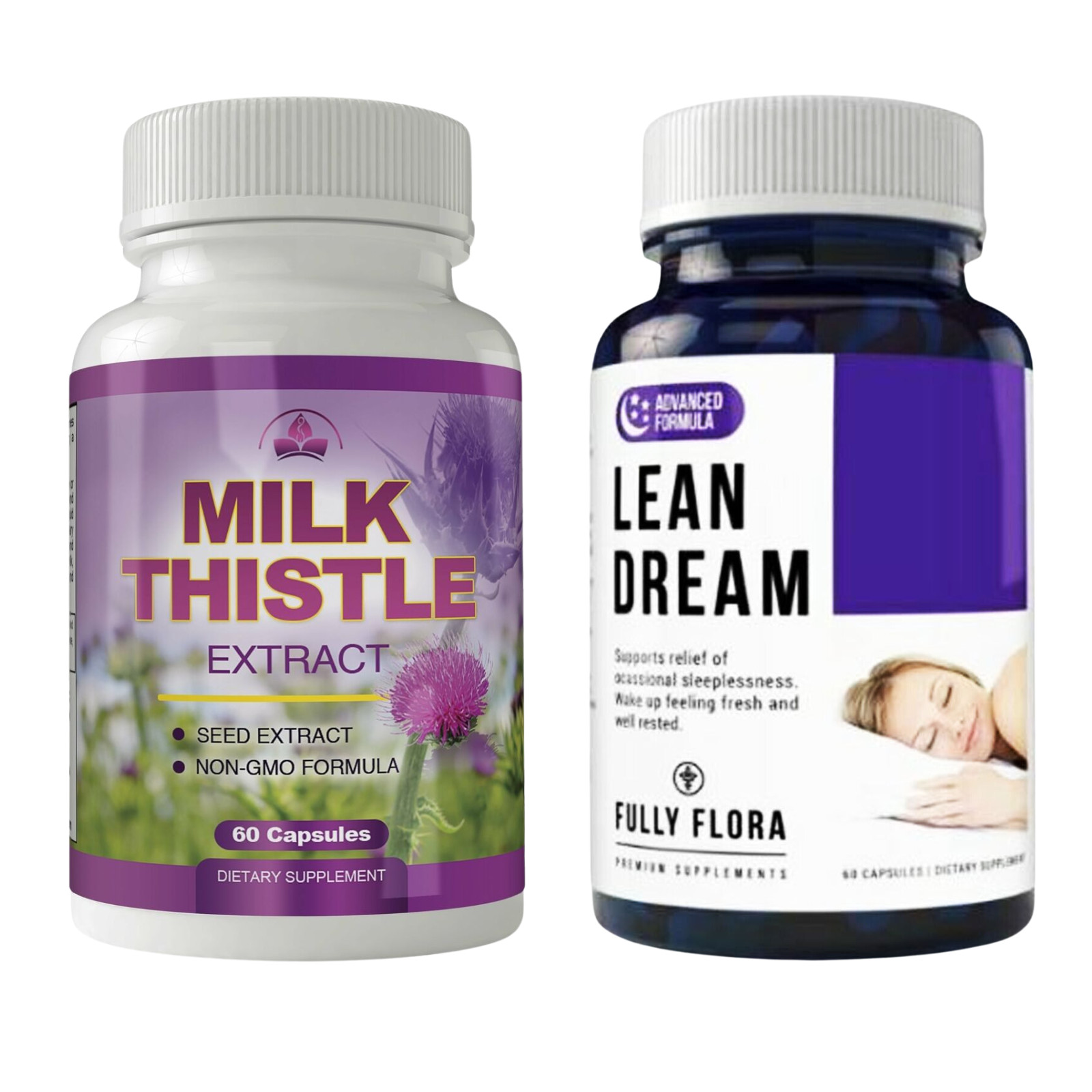

Photos from current listings. Actual item, color, and included accessories may vary.
Sleeping Pill Buying Guide
Sleeping pills are over-the-counter or prescription oral aids intended to shorten sleep latency or maintain sleep, and buyers must choose between antihistamine-based sedatives (diphenhydramine, doxylamine) and hormone/melatonin or botanical formulations. The core trade-off is onset speed versus next-day residual sedation and dependency risk; durable, evidence-backed options use standardized doses of known actives, while compromise products rely on proprietary blends that hide ingredient amounts.
Key takeaways
- First-generation antihistamines (diphenhydramine 25-50 mg, doxylamine 12.5-25 mg) are the only FDA-recognized OTC sleep-aid actives and cause measurable next-day drowsiness and anticholinergic effects.
- Melatonin is a hormone dosed at 0.5-5 mg for circadian phase shifting; doses above 5 mg add side effects without added sleep benefit in most adults.
- Valerian, chamomile, and other botanicals have weak or inconsistent trial evidence and no standardized potency across brands, so label standardization matters more than plant choice.
At a glance
- Category
- Sleep & Stress Supplements
- Last updated
- Nov 28, 2026
Current offers
Highlights
- First-generation antihistamines (diphenhydramine 25-50 mg, doxylamine 12.5-25 mg) are the only FDA-recognized OTC sleep-aid actives and cause measurable next-day drowsiness and anticholinergic effects.
- Melatonin is a hormone dosed at 0.5-5 mg for circadian phase shifting; doses above 5 mg add side effects without added sleep benefit in most adults.
- Valerian, chamomile, and other botanicals have weak or inconsistent trial evidence and no standardized potency across brands, so label standardization matters more than plant choice.
- Combination 'PM' products stack antihistamines with analgesics (acetaminophen, NSAIDs) or botanicals, raising the risk of duplicate dosing and liver stress from hidden acetaminophen.
Best use cases
- Pick diphenhydramine or doxylamine 25 mg for occasional trouble falling asleep when you have at least 8 hours before driving; skip it for nightly use or if you operate machinery the next morning.
- Pick low-dose melatonin (1-3 mg) 30-60 minutes before target bedtime for jet lag or shift-work phase shifting; skip high-dose gummies marketed as 'extra strength' because they add grogginess without efficacy.
- Pick a single-ingredient product if you take prescription drugs or alcohol; skip multi-ingredient 'PM' formulas that hide acetaminophen or duplicate antihistamines, and skip botanical blends with unspecified extract ratios.
- Pick a prescription or clinician-guided option (e.g., doxepin, ramelteon, dual orexin inhibitors) for chronic insomnia lasting over 4 weeks; skip OTC antihistamines for chronic use due to tolerance and cognitive side effects.
Buying tips
- Match dose to active, not brand: diphenhydramine 25 mg is half the standard 50 mg capsule, so check the milligram number, not the pill count.
- Choose products with a Drug Facts panel and a single active ingredient; avoid 'proprietary blend' labels where individual herb or extract doses are undisclosed.
- For melatonin, prefer 1-3 mg per dose and verify the label states USP Verified or NSF Certified to reduce risk of overdosed or contaminated product.
- Avoid 'PM' combination drugs if you already take acetaminophen or an antihistamine; the total daily dose can exceed safe limits when stacked with daytime cold or allergy products.
Specs
| Active Ingredient | Diphenhydramine / Doxylamine / Melatonin |
|---|---|
| Standard Dose | 25-50 mg antihistamine; 1-5 mg melatonin |
| Onset Window | 30-60 min before target bedtime |
| Label Standard | Drug Facts panel (OTC) vs Supplement Facts |
Related searches
What to check before buying
- Confirm you have at least 7-8 hours between dosing and driving or operating machinery; antihistamine sedation lasts longer than the label's 6-8 hour claim in many adults.
- Check your current medications for duplicate antihistamines (diphenhydramine, doxylamine) or acetaminophen before adding any 'PM' product.
- Verify the package has a Drug Facts panel (OTC drug) rather than a Supplement Facts panel (dietary supplement); only the former is regulated for sleep-aid claims.
- Confirm the product is stored below 25°C/77°F and check expiry, since antihistamine potency and melatonin degradation are temperature-sensitive.
FAQ
Data sources: eBay / Amazon listings and product attribute feeds. Updated Nov 28, 2026.
Some links on this page are affiliate links. If you buy after clicking one, we may earn a commission at no extra cost to you. This does not change which products appear here or their order. Affiliate disclosure.