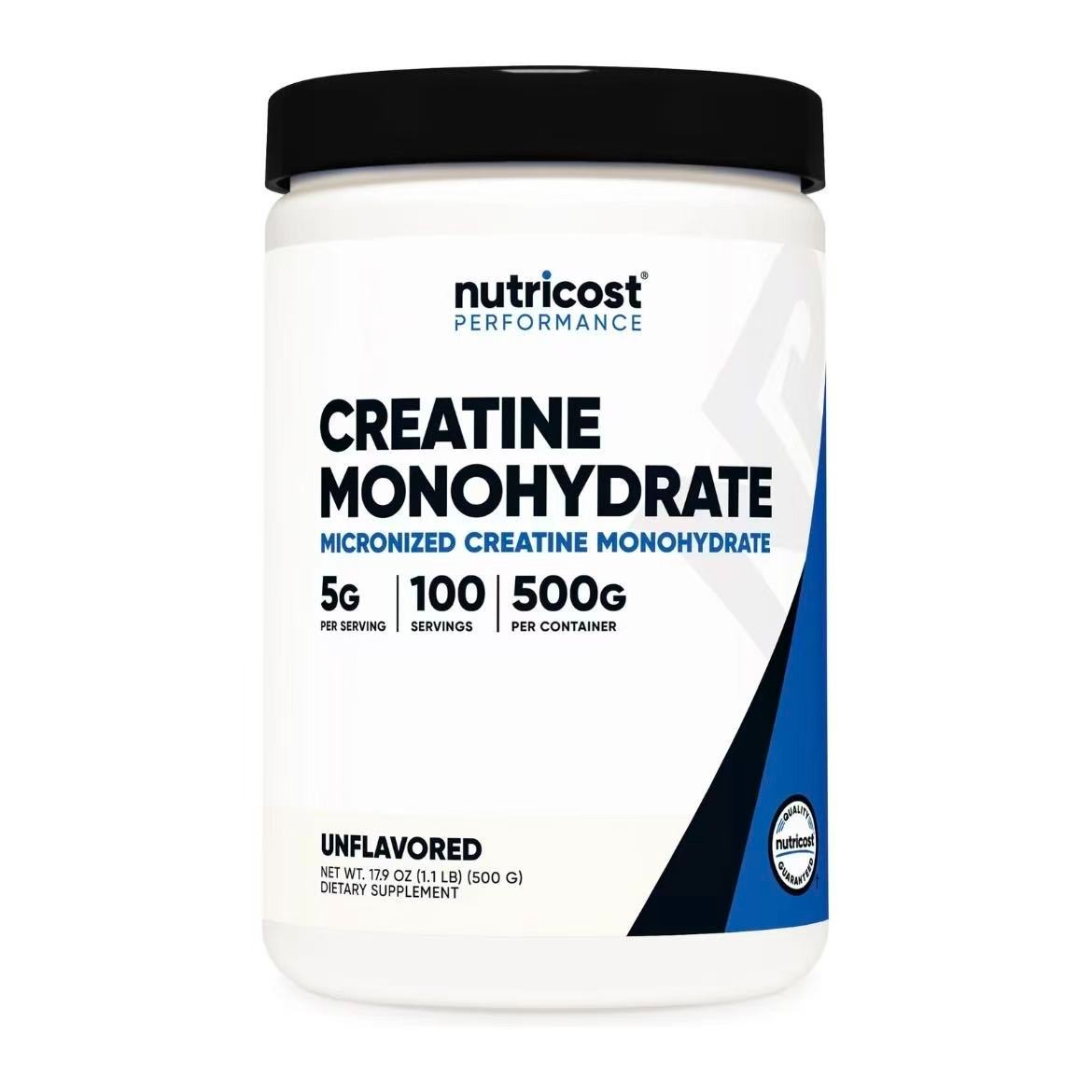

Photos from current listings. Actual item, color, and included accessories may vary.
5 Creatine Powder Buying Guide
Creatine monohydrate is the most research-backed sports supplement for strength, power, and lean mass, and the powder segment is defined almost entirely by raw material grade, particle size, and third-party purity testing. The primary trade-off is micronized vs standard mesh: finer powder dissolves better and reduces GI distress but costs more, while unmicronized creatine can be gritty and clump. Buy only Creapure or NSF Certified for Sport products with a single ingredient—creatine monohydrate—and skip proprietary blends, liquid creatine, and HCl formulations that lack equivalent evidence.
Median $20.99
Key takeaways
- Micronized monohydrate (200 mesh or finer) dissolves faster and causes less bloating than standard 80-mesh powder, but both deliver identical muscle saturation at 5 g/day.
- Creapure is the German-made brand of monohydrate tested to >99.9% purity with low dicyandiamide and creatinine; NSF Certified for Sport adds batch-level banned-substance screening for tested athletes.
- Creatine HCl requires a lower dose (~1.5–2 g) due to higher solubility claims, but costs 3–5x more per serving and has far less long-term clinical data than monohydrate.
At a glance
- Category
- Sports Performance
- Last updated
- Nov 27, 2026
Current offers
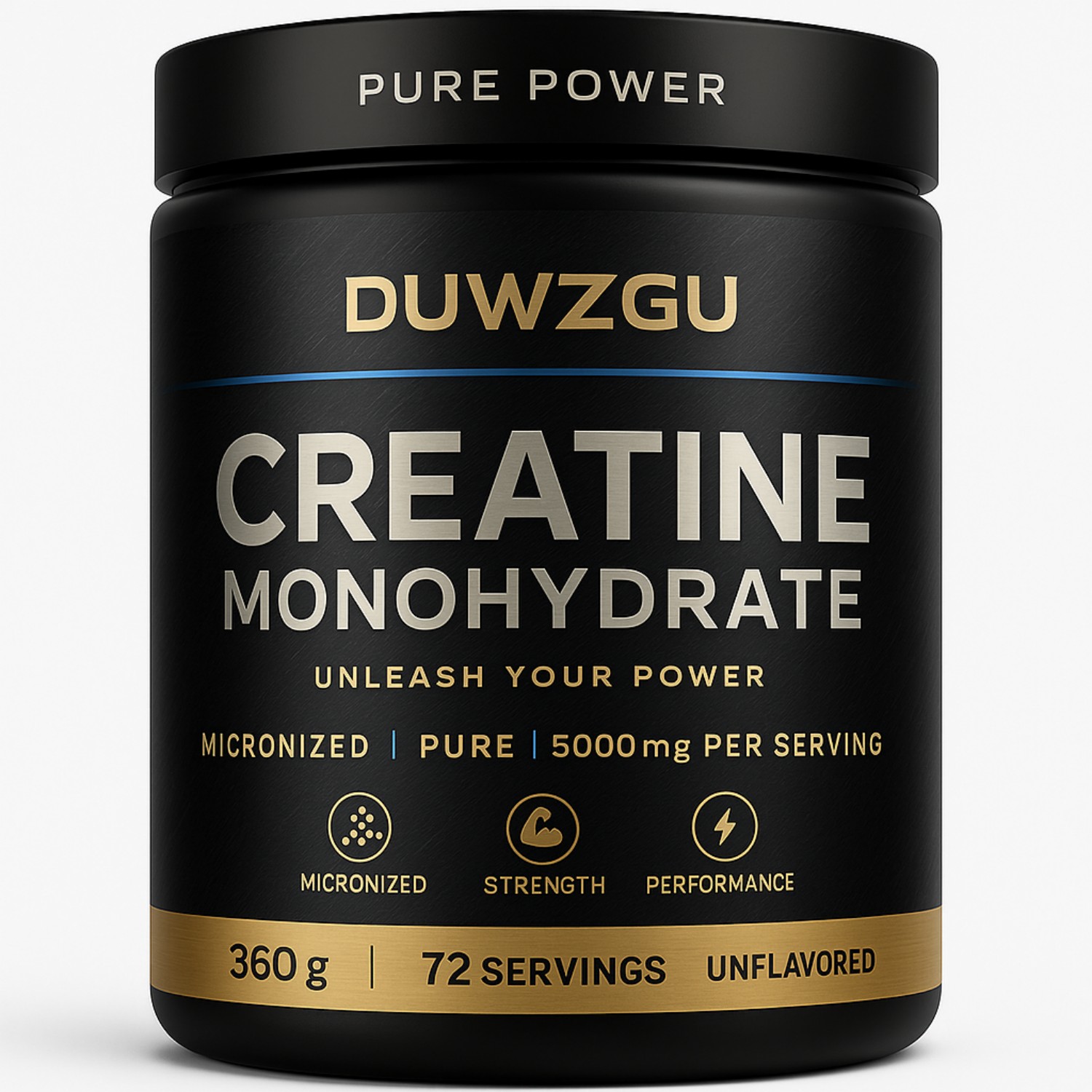
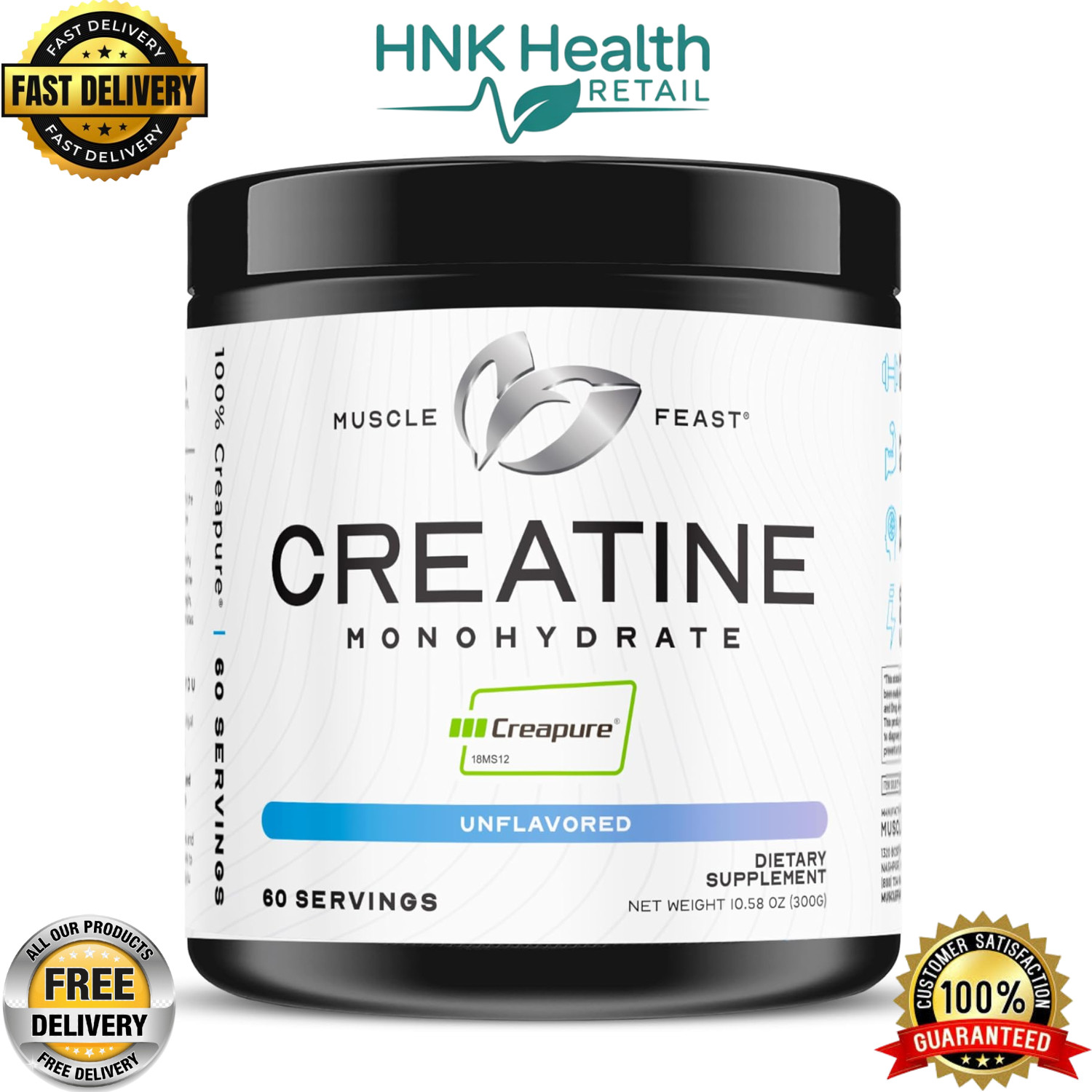
Highlights
- Micronized monohydrate (200 mesh or finer) dissolves faster and causes less bloating than standard 80-mesh powder, but both deliver identical muscle saturation at 5 g/day.
- Creapure is the German-made brand of monohydrate tested to >99.9% purity with low dicyandiamide and creatinine; NSF Certified for Sport adds batch-level banned-substance screening for tested athletes.
- Creatine HCl requires a lower dose (~1.5–2 g) due to higher solubility claims, but costs 3–5x more per serving and has far less long-term clinical data than monohydrate.
- Unflavored monohydrate is the safest buy: flavored tubs add 1–3 g of sugar or artificial sweeteners per scoop and can clump faster in humid climates.
Best use cases
- Best fit: strength and power athletes (sprint, lift, jump) should buy unflavored micronized monohydrate in a 500 g–1 kg tub and dose 5 g daily—skip HCl and creatine blends.
- Best fit: tested/competitive athletes should pick NSF Certified for Sport or Creapure-labeled monohydrate to avoid banned-substance risk—skip bulk bins and unlabeled white-label powders.
- Wrong fit: anyone seeking 'loading phase' shortcuts or 'liquid creatine' should skip—liquid creatine degrades to creatinine in solution and loading is optional, not required.
- Best fit: vegan and kosher/halal shoppers should confirm Creapure status and capsule-free powder—skip gelatin-capsule products and flavored tubs with animal-derived carriers.
Buying tips
- Buy 500 g–1 kg unflavored micronized monohydrate for a 100–200 day supply at 5 g/day; a 1 kg tub yields ~200 servings and is the best value tier.
- Check the label for 'Creapure' or 'NSF Certified for Sport' logo—these are the only two third-party marks that reliably confirm >99.9% purity and banned-substance screening.
- Choose 200-mesh micronized powder if you mix in cold water or have GI sensitivity; standard 80-mesh is fine if you blend into smoothies or warm liquids.
- Avoid creatine HCl (creatine hydrochloride) and 'buffered' creatine (Kre-Alkalyn) unless you have a specific GI reason—they cost more and lack equivalent long-term evidence.
Specs
| Creatine Form | Monohydrate / HCl / Buffered |
|---|---|
| Purity Standard | Creapure or NSF Certified for Sport |
| Particle Size | Micronized 200 mesh vs standard 80 mesh |
| Serving Size | 3–5 g monohydrate per scoop |
Related searches
What to check before buying
- Confirm your daily dose target: 3–5 g monohydrate for maintenance; a 500 g tub lasts 100–166 days, so size the tub to your usage before buying.
- Check container format: powder tubs should have a tight-seal lid and desiccant pack—creatine absorbs moisture and clumps in humid kitchens.
- Verify scoop size: most monohydrate scoops are 5 g, but some are 3 g or 10 g—match scoop to your target dose to avoid over- or under-dosing.
- For travel or gym-bag use, pick single-serve stick packs or a small 150–300 g tub—bulk 1 kg tubs are not portable and risk moisture exposure.
FAQ
Data sources: eBay / Amazon listings and product attribute feeds. Updated Nov 27, 2026.
Some links on this page are affiliate links. If you buy after clicking one, we may earn a commission at no extra cost to you. This does not change which products appear here or their order. Affiliate disclosure.