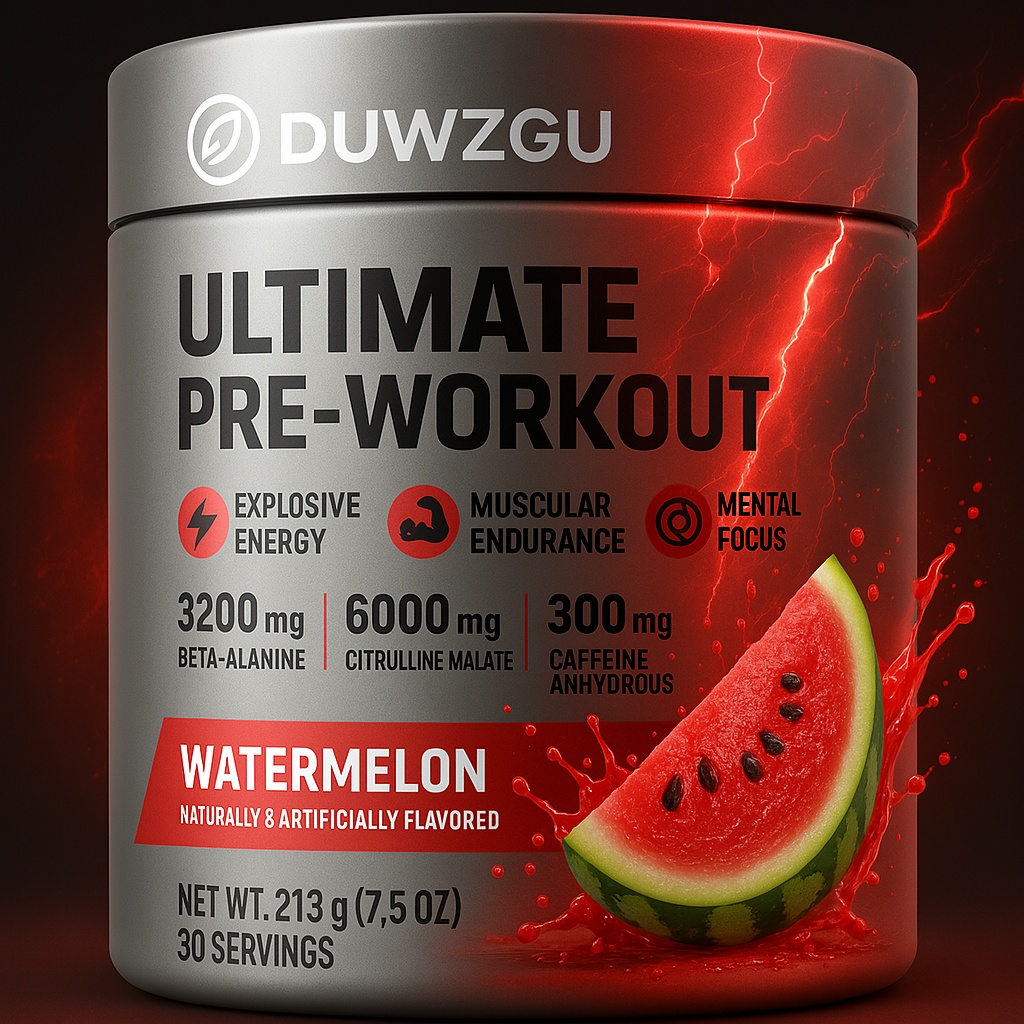

Photos from current listings. Actual item, color, and included accessories may vary.
Caffeine Pill Buying Guide
Caffeine pills are anhydrous caffeine in tablet or capsule form, used for pre-workout energy, focus, and endurance. The primary trade-off is dose precision and release speed versus added fillers or extended-release coatings that alter onset and duration. The decision rule: choose single-ingredient 100–200 mg tablets with a clear USP or NSF seal for predictable dosing, and avoid proprietary blends or overly high per-pill doses that prevent flexible titration.
Key takeaways
- Anhydrous caffeine content is standardized at 100 mg, 200 mg, or 300 mg per pill; 200 mg is the most flexible for stacking or splitting.
- Instant-release tablets peak in plasma at 30–60 minutes; extended-release capsules delay peak to 4–6 hours for sustained focus without a crash.
- Third-party seals (NSF Certified for Sport, USP Verified) confirm label accuracy and absence of banned stimulants or heavy metals.
At a glance
- Category
- Sports Performance
- Last updated
- Nov 29, 2026
Current offers
Highlights
- Anhydrous caffeine content is standardized at 100 mg, 200 mg, or 300 mg per pill; 200 mg is the most flexible for stacking or splitting.
- Instant-release tablets peak in plasma at 30–60 minutes; extended-release capsules delay peak to 4–6 hours for sustained focus without a crash.
- Third-party seals (NSF Certified for Sport, USP Verified) confirm label accuracy and absence of banned stimulants or heavy metals.
- Tablet binders (microcrystalline cellulose, magnesium stearate) and capsule gelatin/HPMC shells affect dissolution speed but not caffeine potency.
Best use cases
- Best fit: pre-workout energy and endurance—pick 200 mg instant-release tablets taken 45 minutes before training; skip extended-release, which peaks too late for a session.
- Best fit: all-day focus or night-shift alertness—choose 100 mg extended-release capsules dosed every 4–6 hours; skip 300 mg pills that force an all-or-nothing dose.
- Wrong fit: sensitive sleepers or late-day users—avoid any pill after 2 PM; caffeine's 5-hour half-life means a 200 mg dose still leaves 100 mg active at 10 PM.
Buying tips
- Target 3–6 mg caffeine per kg body weight for performance; a 70 kg athlete needs 210–420 mg total, so 200 mg tablets allow precise stacking without exceeding 400 mg/day.
- Choose tablets scored for splitting only if the score line is deep and even; uneven split tablets dose unpredictably—prefer separate 100 mg and 200 mg SKUs instead.
- Extended-release formulas use polymer coatings (Eudragit, cellulose acetate) that must survive stomach acid; instant-release tablets dissolve in under 15 minutes and suit acute pre-workout timing.
- Check the seal: NSF Certified for Sport or USP Verified pills guarantee ±5% label accuracy; unsealed budget pills can vary 10–20% and may contain unlisted stimulants.
Specs
| Dose Per Pill | 100 / 200 / 300 mg |
|---|---|
| Release Type | Instant tablet / Extended capsule |
| Third-Party Seal | NSF Certified for Sport / USP |
| Daily Ceiling | 400 mg healthy adults |
Related searches
What to check before buying
- Confirm your total daily caffeine ceiling (400 mg for healthy adults) minus coffee, tea, and pre-workout scoops before choosing a per-pill dose.
- Check pill dimensions against your comfort: 200 mg tablets run 8–10 mm; capsules 18–22 mm—both swallow whole, never crush extended-release.
- Verify storage: caffeine pills degrade with moisture and heat; keep below 30°C in a sealed container away from bathroom humidity.
- Match timing to your schedule: instant-release for training within 1 hour; extended-release only if you need 6+ hours of coverage and can dose before noon.
FAQ
Data sources: eBay / Amazon listings and product attribute feeds. Updated Nov 29, 2026.
Some links on this page are affiliate links. If you buy after clicking one, we may earn a commission at no extra cost to you. This does not change which products appear here or their order. Affiliate disclosure.