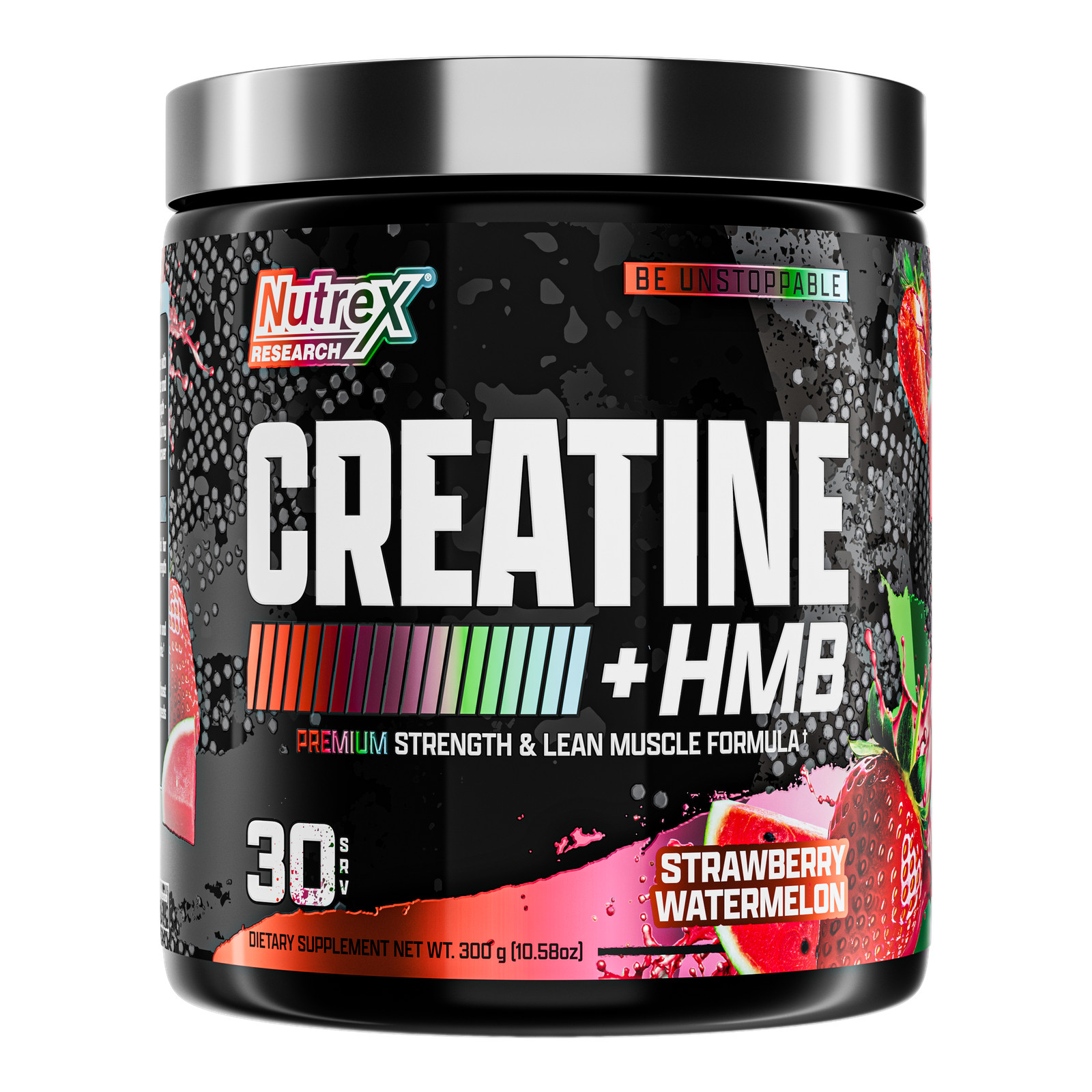

Photos from current listings. Actual item, color, and included accessories may vary.
Creatine Hmb Supplement Buying Guide
Creatine + HMB blends combine the most evidence-backed strength supplement (creatine monohydrate) with an anti-catabolic metabolite (HMB) to support recovery and lean mass. The critical trade-off is whether the formula uses proven creatine monohydrate and efficacious HMB doses versus proprietary blends and underdosed filler. Choose products that disclose exact grams per serving of both actives; skip any label that hides doses or relies on creatine HCl or ethyl ester as the primary creatine source.
Key takeaways
- Creatine monohydrate at 3–5 g daily is the only form with decades of strength and power evidence; HCl and ethyl ester lack comparable trials.
- HMB is effective at 1.5–3 g daily (calcium HMB or free-acid HMB); free-acid forms require roughly half the gram dose of calcium HMB.
- Proprietary blends that list 'creatine blend' or 'HMB matrix' without per-ingredient grams cannot be verified for efficacy.
At a glance
- Category
- Sports Performance
- Last updated
- Nov 29, 2026
Current offers
Highlights
- Creatine monohydrate at 3–5 g daily is the only form with decades of strength and power evidence; HCl and ethyl ester lack comparable trials.
- HMB is effective at 1.5–3 g daily (calcium HMB or free-acid HMB); free-acid forms require roughly half the gram dose of calcium HMB.
- Proprietary blends that list 'creatine blend' or 'HMB matrix' without per-ingredient grams cannot be verified for efficacy.
- Third-party testing (NSF Certified for Sport or Informed Sport) matters more than flavor or marketing claims for banned-substance safety.
Best use cases
- Best fit: resistance trainees in a caloric deficit or high-volume training block — choose a 5 g creatine monohydrate + 1.5–3 g HMB per-serving product to support recovery.
- Best fit: older lifters or detrained beginners starting a program — a plain monohydrate + calcium HMB capsule or powder keeps dosing simple and measurable.
- Wrong fit: endurance-only athletes or casual walkers — creatine + HMB offers little benefit without structured resistance training; skip and prioritize protein.
- Skip: any flavored blend where creatine and HMB are buried in a proprietary matrix or total actives fall below 5 g combined per serving.
Buying tips
- Target 3–5 g creatine monohydrate and 1.5–3 g HMB per serving; if the label shows less than 5 g total actives, it is underdosed.
- Micronized monohydrate (200 mesh or finer) dissolves better and reduces GI bloating versus standard 80-mesh powder.
- Calcium HMB is the most studied HMB form; free-acid HMB (often labeled 'HMB-FA') is more potent per gram but costs more.
- Choose unflavored powder or capsules if you stack with whey; flavored tubs often add sugar or artificial sweeteners that dilute actives per scoop.
Specs
| Creatine Form | Monohydrate (micronized) vs HCl |
|---|---|
| HMB Form | Calcium HMB vs Free-Acid HMB |
| Actives Per Serving | 5–8 g total (3–5 g creatine) |
| Third-Party Testing | NSF Certified for Sport / Informed |
Related searches
What to check before buying
- Confirm the tub states exact grams of creatine monohydrate and HMB per scoop, not just total blend weight.
- Check servings per container against your daily dose: a 30-serving tub at 5 g creatine lasts one month only if taken once daily.
- Verify the HMB form (calcium HMB vs free acid) and adjust dose: free acid needs about half the grams of calcium HMB.
- Look for NSF Certified for Sport or Informed Sport seal if you are drug-tested or compete in sanctioned sport.
FAQ
Data sources: eBay / Amazon listings and product attribute feeds. Updated Nov 29, 2026.
Some links on this page are affiliate links. If you buy after clicking one, we may earn a commission at no extra cost to you. This does not change which products appear here or their order. Affiliate disclosure.