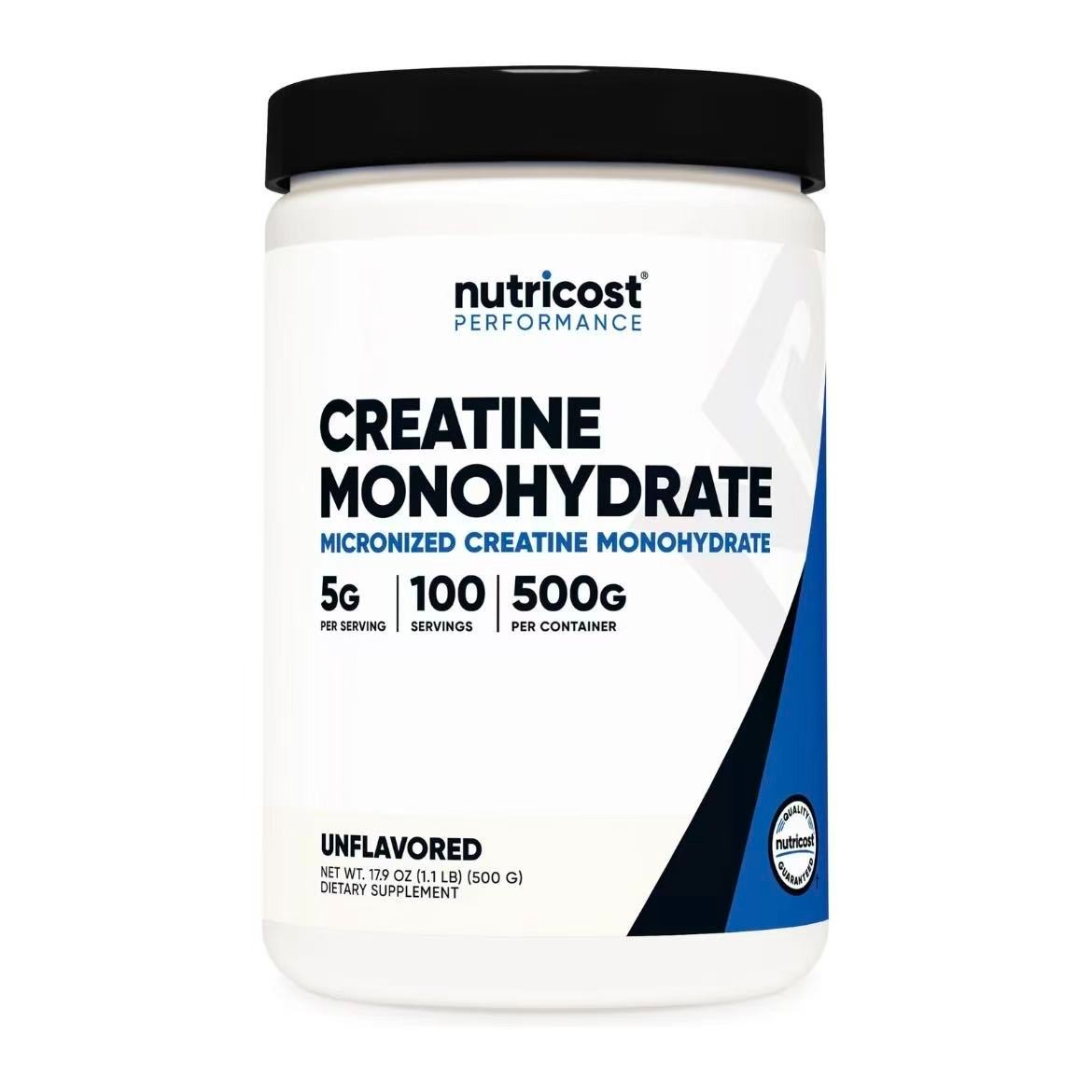

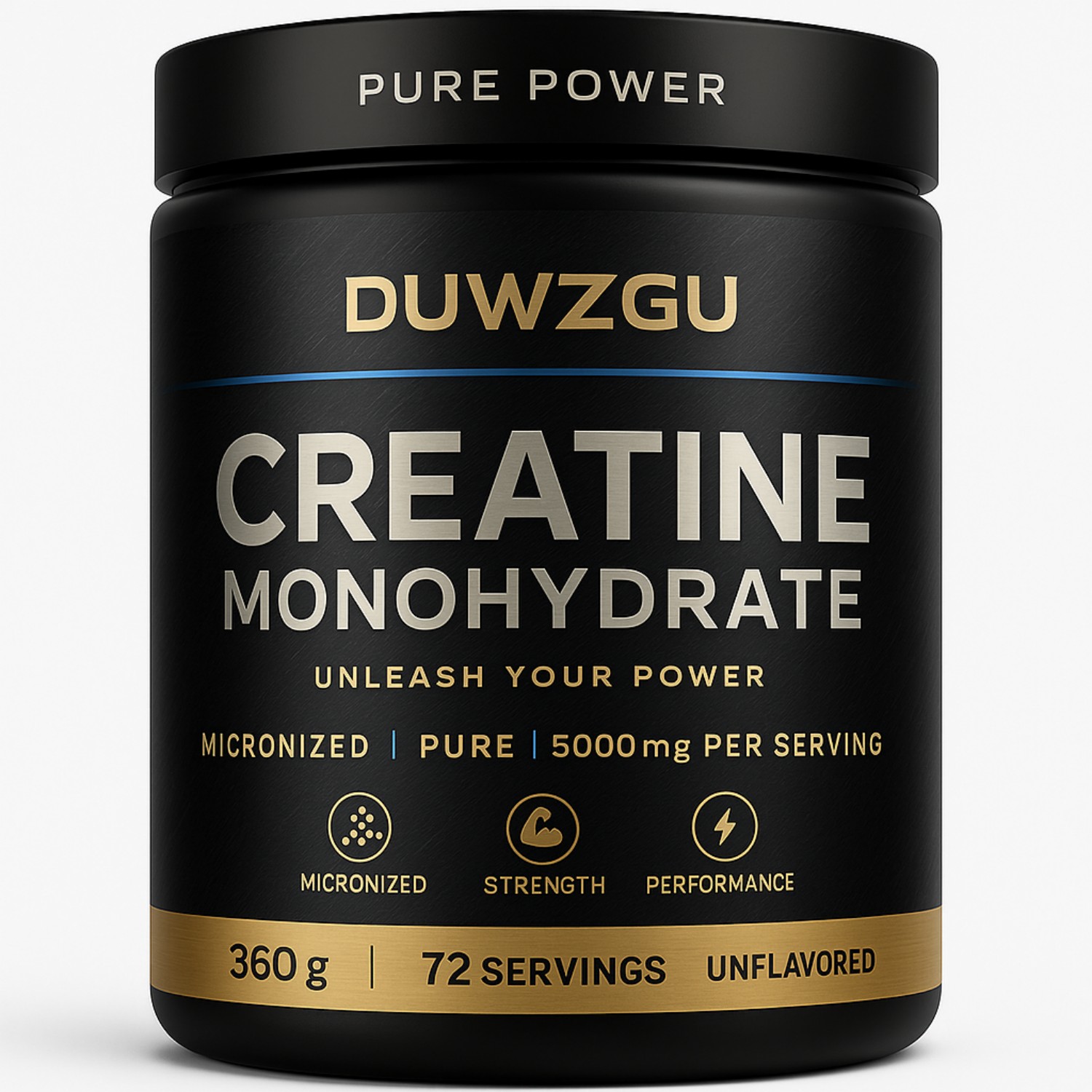
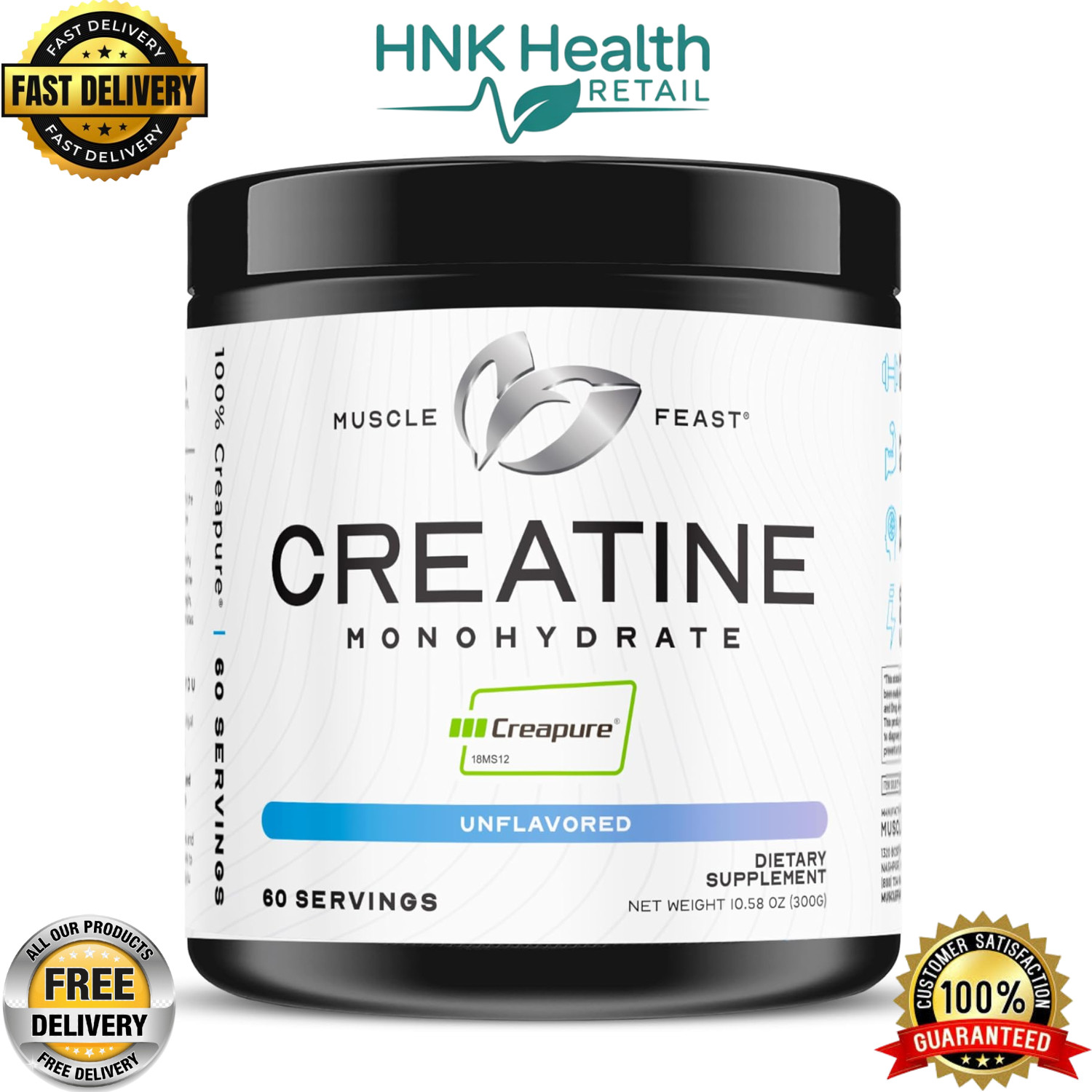
Photos from current listings. Actual item, color, and included accessories may vary.
Creatine Powder Buying Guide
Creatine powder is a sports-performance supplement where the primary trade-off is monohydrate purity and particle size versus added flavors, blends, and proprietary forms that raise cost without proven superiority. Buy plain micronized creatine monohydrate with a third-party purity test and 5 g dosing; skip candy, proprietary blends, and low-dose capsules marketed as powder equivalents.
Median $20.99
Key takeaways
- Creatine monohydrate remains the only form with decades of efficacy data; HCl, ethyl ester, and buffered variants cost more with no proven absorption advantage.
- Micronized monohydrate (200-300 mesh) dissolves better and reduces GI upset versus standard 80-mesh powder, at nearly identical cost.
- Third-party testing (Informed Sport, NSF Certified for Sport, or Creapure brand) verifies purity and screens for heavy metals and contaminants.
At a glance
- Category
- Sports Performance
- Last updated
- Nov 27, 2026
Current offers
Highlights
- Creatine monohydrate remains the only form with decades of efficacy data; HCl, ethyl ester, and buffered variants cost more with no proven absorption advantage.
- Micronized monohydrate (200-300 mesh) dissolves better and reduces GI upset versus standard 80-mesh powder, at nearly identical cost.
- Third-party testing (Informed Sport, NSF Certified for Sport, or Creapure brand) verifies purity and screens for heavy metals and contaminants.
- Effective dose is 3-5 g daily; tubs listing 1 g per serving (e.g., 1000 mg capsules or low-dose blends) require multiple scoops to reach maintenance.
Best use cases
- Best fit: strength and power athletes choosing plain micronized monohydrate in 300 g-1 kg tubs with 5 g scoops; wrong fit: flavored candy or gummy blends with under 3 g creatine per serving.
- Best fit: women seeking unflavored powder to mix into any beverage without bloating; wrong fit: 'women's complex' blends that dilute creatine with stimulants or herbal fillers.
- Best fit: budget-conscious daily users buying Creapure or NSF-certified bulk monohydrate; wrong fit: single-serving stick packs or proprietary HCl at several times the per-gram cost.
- Best fit: athletes in drug-tested sport choosing NSF Certified for Sport; wrong fit: unverified white-label tubs with no batch test or lot number.
Buying tips
- Choose 5 g creatine monohydrate per serving; a 300 g tub gives 60 servings, a 1 kg tub gives 200 servings — calculate cost per 5 g dose.
- Prefer Creapure (German-made) or NSF/Informed Sport certified products; these verify ≥99.9% purity and low dicyandiamide/creatinine levels.
- Pick micronized powder over standard mesh if you experience bloating or mixing issues; dissolution improves without changing efficacy.
- Skip creatine HCl, nitrate, or ethyl ester unless a specific certified product matches monohydrate's per-gram cost — monohydrate remains the reference standard.
Specs
| Creatine Form | Monohydrate / HCl / Blend |
|---|---|
| Purity Standard | Creapure or ≥99.9% tested |
| Dose Per Serving | 3-5 g monohydrate |
| Particle Size | Micronized 200-300 mesh |
Related searches
What to check before buying
- Confirm scoop size delivers 5 g monohydrate; some flavored tubs use larger scoops that include flavoring mass and underdose creatine.
- Check tub seal, lot number, and expiration date; unsealed or undated bulk powder risks moisture ingress and degradation.
- Verify the label states creatine monohydrate (not 'creatine complex') and lists a third-party certification logo or Creapure trademark.
- For travel or gym-locker use, choose a resealable 300-500 g tub over multi-pound bulk; powder absorbs humidity and clumps after opening.
FAQ
Data sources: eBay / Amazon listings and product attribute feeds. Updated Nov 27, 2026.
Some links on this page are affiliate links. If you buy after clicking one, we may earn a commission at no extra cost to you. This does not change which products appear here or their order. Affiliate disclosure.