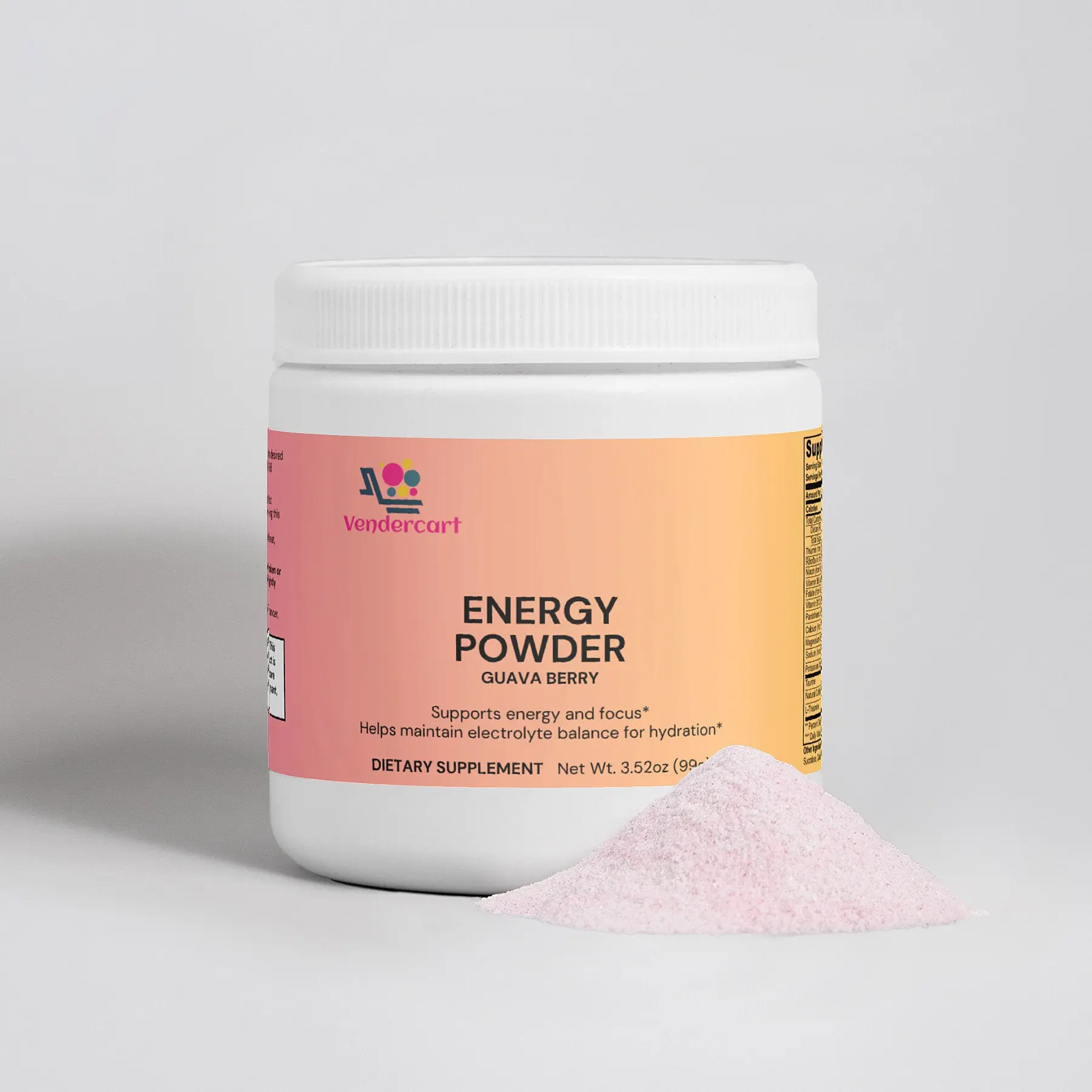

Photos from current listings. Actual item, color, and included accessories may vary.
Energy Powder Buying Guide
Energy powders are concentrated drink mixes built around either stimulant-driven performance (caffeine, taurine, B-vitamins) or electrolyte-driven rehydration (sodium, potassium, magnesium), and the core trade-off is stimulant payload versus hydrating electrolyte balance. Durable, effective formulas disclose exact caffeine dose and electrolyte milligram content per serving; compromise products hide behind proprietary blends, sugar-heavy 'energy' labeling, or extreme stimulant loads with no hydration minerals. The decision rule: match the product's primary active system to your use case—pre-workout intensity, endurance hydration, or daily low-dose lift—and skip anything that blurs those categories.
Key takeaways
- Caffeine content divides the segment: pre-workout energy powders typically deliver 150–300 mg per scoop, while electrolyte/rehydration mixes sit at 0–100 mg; the 200 mg line marks the EU-style moderate-dose threshold.
- Electrolyte mixes are defined by sodium (300–1,000 mg), potassium (200–500 mg) and magnesium (50–100 mg) per serving; hydration efficacy scales with sodium concentration, not with 'energy' branding.
- Sugar-free vs. carbohydrate-fueled splits performance: 0–2 g sugar suits daily stimulant use, while 20–40 g carbohydrate per serving is the endurance-fuel architecture for sessions beyond 60–90 minutes.
At a glance
- Category
- Sports Performance
- Last updated
- Nov 29, 2026
Current offers
Highlights
- Caffeine content divides the segment: pre-workout energy powders typically deliver 150–300 mg per scoop, while electrolyte/rehydration mixes sit at 0–100 mg; the 200 mg line marks the EU-style moderate-dose threshold.
- Electrolyte mixes are defined by sodium (300–1,000 mg), potassium (200–500 mg) and magnesium (50–100 mg) per serving; hydration efficacy scales with sodium concentration, not with 'energy' branding.
- Sugar-free vs. carbohydrate-fueled splits performance: 0–2 g sugar suits daily stimulant use, while 20–40 g carbohydrate per serving is the endurance-fuel architecture for sessions beyond 60–90 minutes.
- L-carnitine, taurine and B-complex are secondary actives; L-carnitine doses below 1–2 g per serving have negligible metabolic effect, so granule or capsule formats are more dose-accurate than micro-dosed drink mixes.
Best use cases
- Pick a 150–200 mg caffeine pre-workout powder for lifting or HIIT under 60 minutes; skip high-stimulant tubs if you train in the evening or are caffeine-sensitive.
- Pick a sodium-forward electrolyte mix (600–1,000 mg sodium) for hot-weather endurance, long hikes, or post-session rehydration; skip caffeine-loaded pre-workouts for pure hydration.
- Pick single-serve stick packs or 14–30 serving tubs for travel and gym-bag use; skip bulk 60+ serving tubs if you rotate flavors or use fewer than three servings weekly.
- Pick zero-sugar formulas for daily cognitive or training lift without calorie load; choose carbohydrate-fueled mixes only for sustained endurance where glycogen replacement matters.
Buying tips
- Read caffeine per serving, not per scoop: a 300 mg blend in a two-scoop serving is 150 mg per scoop—dose the scoop, not the label headline.
- For hydration, target 500–1,000 mg sodium per serving; drinks below 300 mg sodium function as flavored water, not electrolyte replacement.
- Check serving count against scoop size: a 30-serving tub at one scoop daily lasts a month; if the label suggests two scoops, halve the effective servings.
- Prefer formulas listing exact milligram doses over proprietary blends; disclosed actives let you compare caffeine, taurine and electrolyte tiers across products.
Specs
| Caffeine Tier | 0-100 mg hydrating / 150-300 mg pre-workout |
|---|---|
| Sodium Per Serving | 300-1,000 mg (hydration threshold 500+) |
| Sugar / Carb Load | 0-2 g sugar-free vs 20-40 g carb-fueled |
| Serving Format | Tub 20-30 servings / 14-30 stick packs |
Related searches
What to check before buying
- Confirm your caffeine ceiling: total daily intake from coffee plus powder should stay under 400 mg for healthy adults; choose a per-serving dose that leaves room.
- Match the format to your routine: stick packs for travel and single sessions, tubs for home gyms, granule or capsule formats when you need precise L-carnitine dosing.
- Verify mixability and container: fine powders clump in cold water, so pick shaker-friendly formulas and check whether a scoop is included.
- Check electrolyte profile against climate: hot, sweaty conditions demand higher sodium (600 mg+); indoor or cool-weather training tolerates lower-sodium, stimulant-focused mixes.
FAQ
Data sources: eBay / Amazon listings and product attribute feeds. Updated Nov 29, 2026.
Some links on this page are affiliate links. If you buy after clicking one, we may earn a commission at no extra cost to you. This does not change which products appear here or their order. Affiliate disclosure.