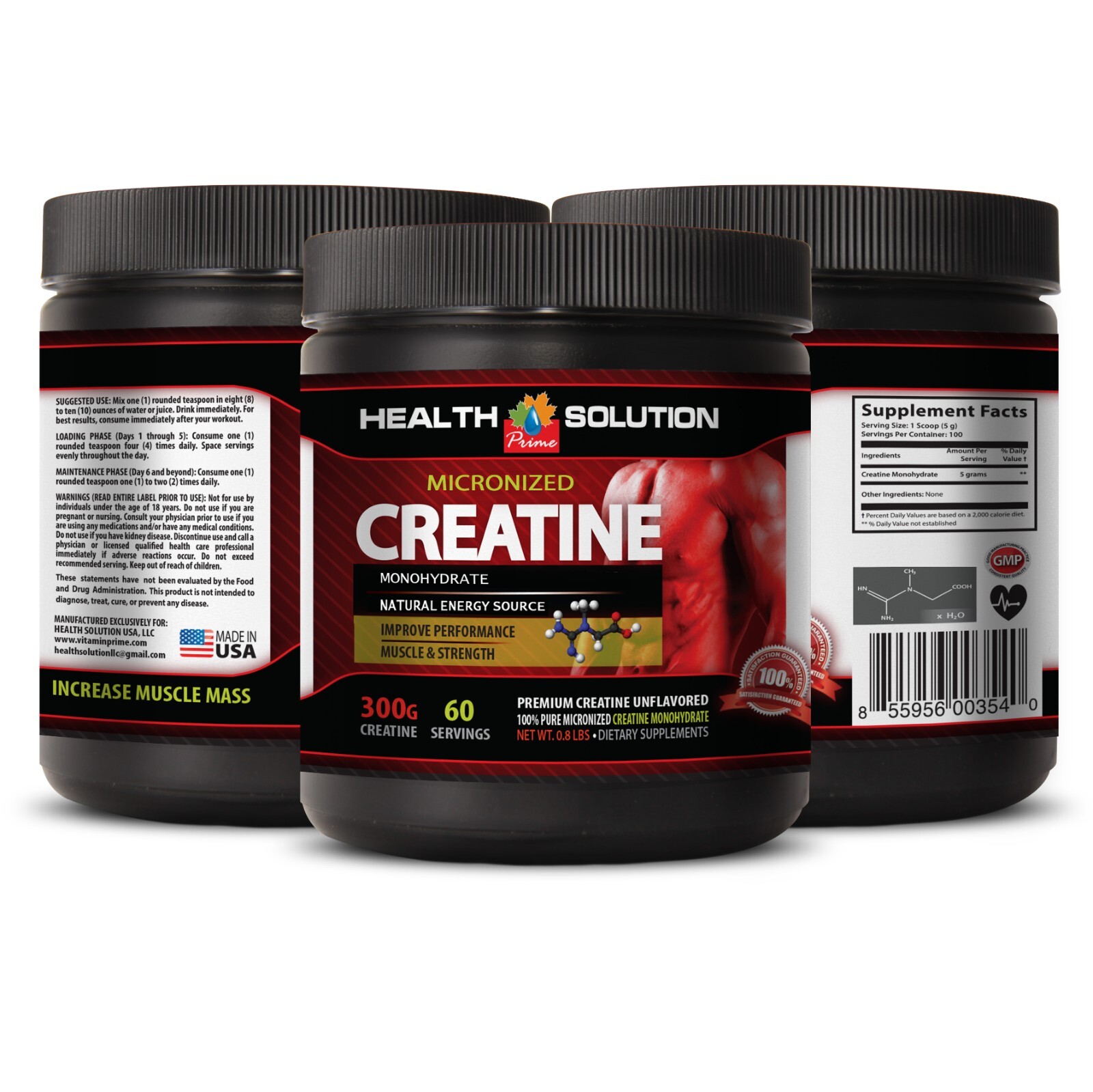

Photos from current listings. Actual item, color, and included accessories may vary.
German Creatine Buying Guide
German creatine refers to creatine monohydrate manufactured or branded in Germany, where strict pharmaceutical and food-grade purity standards (such as the German Pharmacopoeia, DAB) drive the market. The core trade-off is between verified micronized monohydrate with third-party purity certificates and inexpensive generic powder with undisclosed sourcing or fillers. The decision rule: buy only Creapure-branded or DAB-compliant micronized monohydrate with a batch COA; skip any product that lists 'nitro protein' or proprietary blends instead of stating creatine monohydrate content per serving.
Key takeaways
- Creapure is the dominant German-made creatine monohydrate brand, produced by AlzChem in Trostberg and tested to >99.9% purity with low dicyandiamide and creatinine byproducts.
- Micronized monohydrate (typically 200-mesh particle size) dissolves more readily and reduces gastrointestinal bloat versus standard 80-mesh powder, without changing absorption or efficacy.
- German pharmaceutical-grade creatine follows DAB monographs requiring heavy-metal limits and microbial testing; food-grade German powder follows EU novel-food and contaminant regulations instead.
At a glance
- Category
- Sports Performance
- Last updated
- Nov 29, 2026
Current offers
Highlights
- Creapure is the dominant German-made creatine monohydrate brand, produced by AlzChem in Trostberg and tested to >99.9% purity with low dicyandiamide and creatinine byproducts.
- Micronized monohydrate (typically 200-mesh particle size) dissolves more readily and reduces gastrointestinal bloat versus standard 80-mesh powder, without changing absorption or efficacy.
- German pharmaceutical-grade creatine follows DAB monographs requiring heavy-metal limits and microbial testing; food-grade German powder follows EU novel-food and contaminant regulations instead.
- Creatine monohydrate remains the only form with decades of clinical evidence; hydrochloride, nitrate, and buffered variants lack equivalent long-term trial data despite premium pricing.
Best use cases
- Best fit: strength and power athletes (sprinters, lifters, CrossFit) should choose 3–5 g daily micronized Creapure monohydrate with a batch COA; skip 'nitro protein' creatine blends that obscure actual creatine dose.
- Best fit: daily long-term users (vegetarians, older adults for muscle preservation) should pick a large tub of unflavored German monohydrate for cost efficiency; skip single-serve sachets or flavored RTD formats that cost far more per gram.
- Best fit: sensitive-stomach users should select micronized or Creapure powder and split dosing into 2 x 2.5 g; skip loading protocols of 20 g/day that trigger bloating and diarrhea in many people.
- Wrong fit: anyone expecting creatine to act as a stimulant or fat burner should skip it entirely—creatine supports phosphocreatine resynthesis for short-burst power, not alertness or weight loss.
Buying tips
- Verify the label states 'Creapure' or 'creatine monohydrate' with a per-serving dose of 3–5 g; reject products listing 'nitro protein' or proprietary blends as the primary ingredient.
- Check for a batch-specific certificate of analysis (COA) showing >99.5% purity and low dicyandiamide (<1 ppm); reputable German brands publish these online by lot number.
- Choose micronized powder (200-mesh) over standard powder if you mix into cold water or experience bloating; both are equally effective once dissolved.
- Calculate cost per gram of creatine, not per tub: a 500 g tub of monohydrate yields roughly 100–166 servings at 3–5 g, so compare against that baseline before buying flavored or blended formats.
Specs
| Form | Monohydrate vs HCl / nitrate / blend |
|---|---|
| Purity Grade | Creapure >99.9% / DAB pharma-grade |
| Particle Size | Micronized 200-mesh vs standard 80-mesh |
| Serving Dose | 3–5 g daily (20 g optional load) |
Related searches
What to check before buying
- Confirm the product explicitly names creatine monohydrate (or Creapure) as the sole active ingredient—not 'nitro protein' or a blend—and states grams per serving.
- Check the tub size against your dosing plan: 3–5 g daily means a 500 g tub lasts 100–166 days; buy smaller if you want to test tolerance first.
- Verify the seller provides a lot-numbered COA or third-party purity test; German-made Creapure should carry the AlzChem brand mark on the label.
- For international orders, confirm the powder ships as a food supplement compliant with your country's import rules and that the label lists allergens and excipients.
FAQ
Data sources: eBay / Amazon listings and product attribute feeds. Updated Nov 29, 2026.
Some links on this page are affiliate links. If you buy after clicking one, we may earn a commission at no extra cost to you. This does not change which products appear here or their order. Affiliate disclosure.