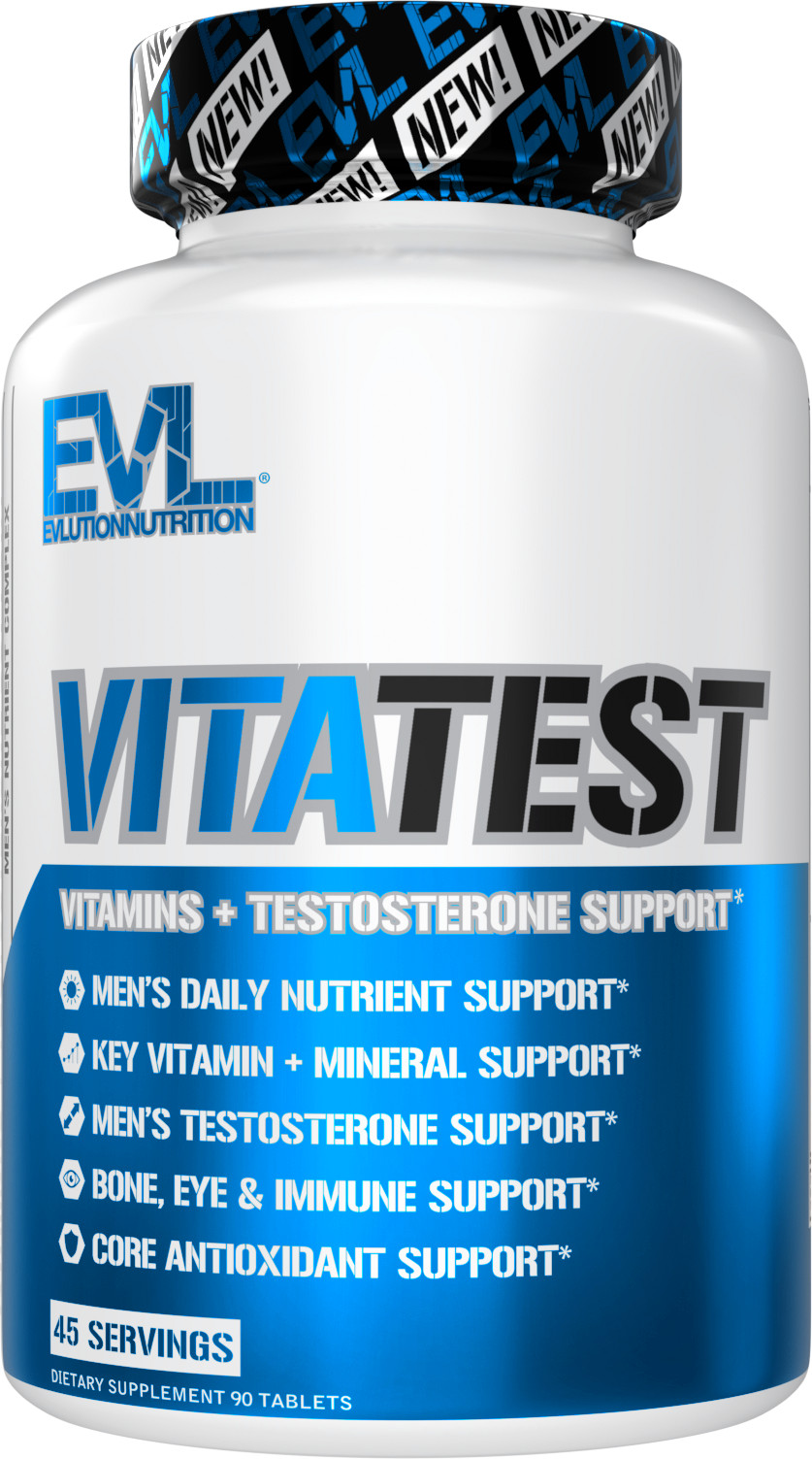

Photos from current listings. Actual item, color, and included accessories may vary.
Natural Vitamin Buying Guide
Natural vitamins for sports performance are whole-food or plant-derived micronutrient supplements formulated to fill dietary gaps that impair energy, recovery, and testosterone support. The core trade-off is between whole-food synergy (better absorption, lower potency per capsule) and synthetic isolates (high dose, cheap, but poor cofactor balance). A durable choice names the exact active form and dose per serving, not a proprietary blend.
Key takeaways
- Whole-food vs isolate: methylated B12 (methylcobalamin) and chelated minerals (glycinate, citrate) absorb better than cyanocobalamin and oxide salts.
- Testosterone-support formulas rely on zinc, magnesium, and vitamin D3; doses below 15 mg zinc or 2000 IU D3 are subclinical for athletic needs.
- Capsule count per serving matters: 45 servings at 2–4 capsules daily means a 15–22 day supply, not a full month.
At a glance
- Category
- Sports Performance
- Last updated
- Nov 29, 2026
Current offers
Highlights
- Whole-food vs isolate: methylated B12 (methylcobalamin) and chelated minerals (glycinate, citrate) absorb better than cyanocobalamin and oxide salts.
- Testosterone-support formulas rely on zinc, magnesium, and vitamin D3; doses below 15 mg zinc or 2000 IU D3 are subclinical for athletic needs.
- Capsule count per serving matters: 45 servings at 2–4 capsules daily means a 15–22 day supply, not a full month.
- Third-party testing seals (NSF Certified for Sport, Informed Sport) are the only reliable screen against banned-substance contamination.
Best use cases
- Pick a methylated B-complex plus chelated magnesium if you train fasted or eat low-meat diets and feel flat on hard sessions.
- Skip proprietary 'test booster' blends with unnamed herbal extracts; choose a formula that lists zinc, D3, and magnesium with exact mg/IU per capsule.
- Choose NSF Certified for Sport whole-food multivitamins if you compete under drug-testing rules; skip any product without a batch-level certificate.
- Pick a 2-capsule daily whole-food formula for general athletic support; skip 6-capsule 'loading' protocols unless a clinician directs them.
Buying tips
- Match serving size to capsule count: a '45 serving' bottle at 3 capsules/day is only 15 days — buy two bottles for a true 30-day cycle.
- Require vitamin D3 at 2000–5000 IU and zinc at 15–30 mg per daily serving for testosterone-support formulas; lower doses won't move the needle.
- Choose chelated minerals (glycinate, citrate, malate) over oxide/carbonate salts; oxide zinc absorbs at roughly half the rate of chelated forms.
- Prefer products listing every ingredient with exact mg/IU; reject proprietary blends that hide doses behind a total milligram number.
Specs
| Vitamin Form | Whole-food / Methylated / Isolate |
|---|---|
| Key Actives | Zinc 15–30mg, D3 2000–5000 IU |
| Mineral Chelation | Glycinate/Citrate vs Oxide |
| Certification | NSF Certified for Sport / Informed Sport |
Related searches
What to check before buying
- Confirm your diet already covers the base: a whole-food vitamin is a gap-filler, not a replacement for protein, calories, and sleep.
- Check for stimulant or herbal overlap if you already take pre-workout, testosterone boosters, or adaptogens to avoid double-dosing.
- Verify the certification seal matches your sport's testing body (NSF Certified for Sport for NCAA/Olympic-adjacent programs).
- Store in a cool, dry place below 25°C / 77°F; heat and humidity degrade B vitamins and probiotics in capsule form.
FAQ
Data sources: eBay / Amazon listings and product attribute feeds. Updated Nov 29, 2026.
Some links on this page are affiliate links. If you buy after clicking one, we may earn a commission at no extra cost to you. This does not change which products appear here or their order. Affiliate disclosure.