Health Stack Guide

Health Stack Guide

Nutrition & Supplements Reviews & Buying Guides

Compare nutrition & supplements by use case, features, trade-offs, price, returns, and seller terms before you buy.

Buying guides

Buying guide image
Protein Nutrition

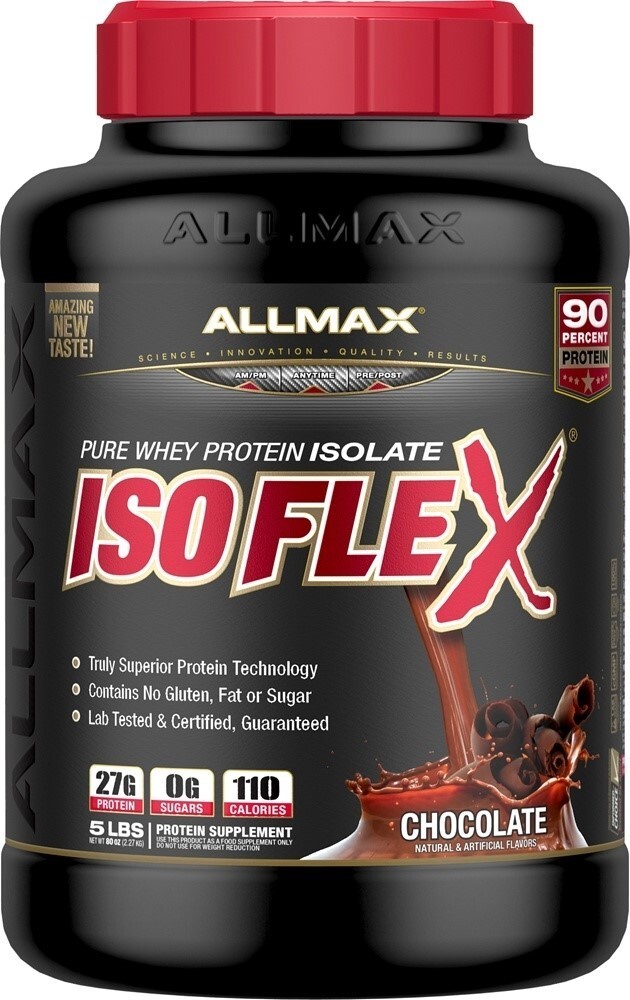
ALLMAX NUTRITION Isoflex Whey Protein Isolate

ALLMAX Isoflex is a whey protein isolate (WPI) engineered for fast absorption and low lactose, using cross-flow microfiltered and ion-exchange filtered protein rather than a concentrate blend. The core trade-off versus cheaper whey blends is cost per serving against a higher protein fraction, lower fat/carb load, and digestive ease. Choose Isoflex when you want a lean isolate for post-workout or lactose-sensitive use; skip it if you want a mass-gainer blend with added carbs and calories.
Buying guide image
Protein Nutrition

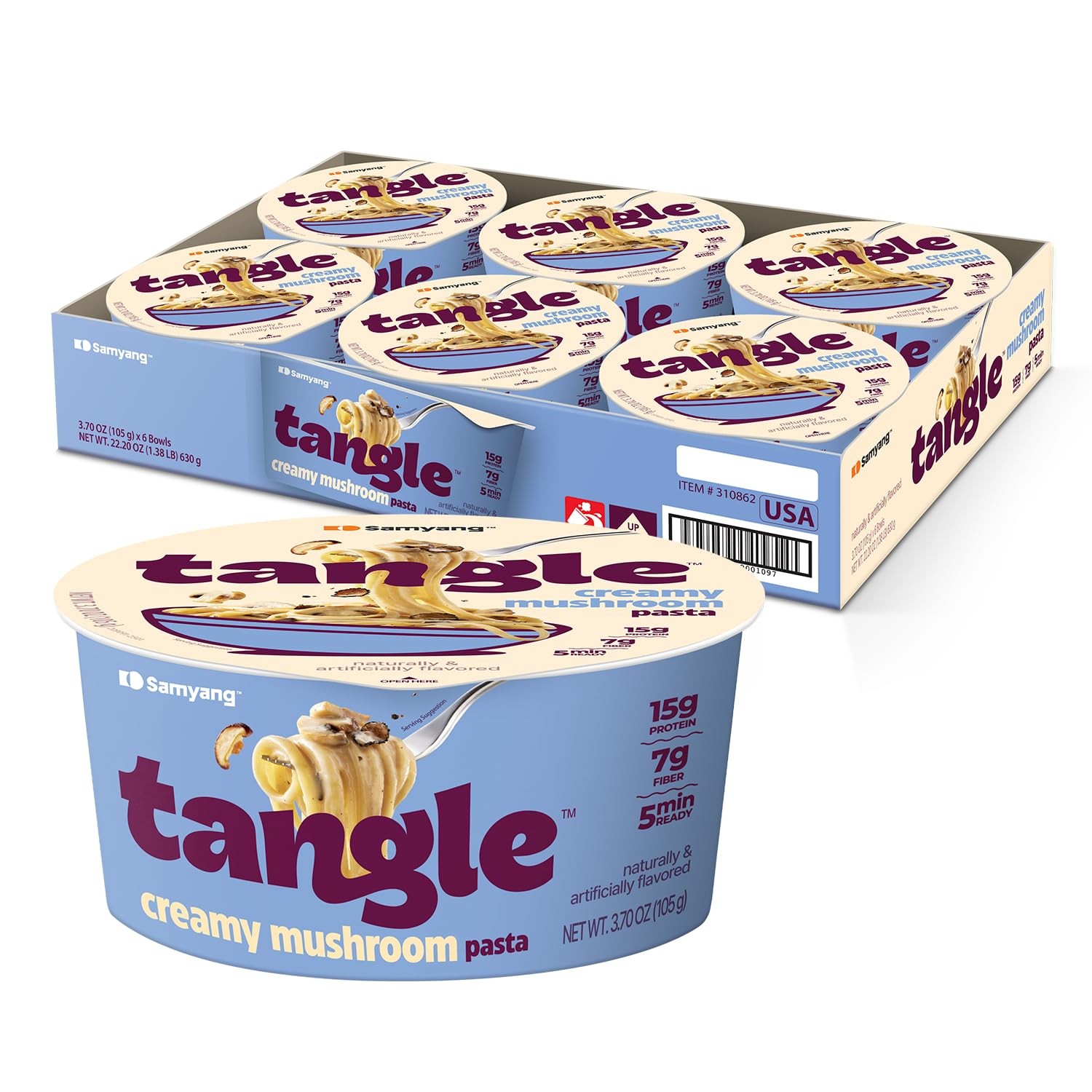
SAMYANG Creamy Mushroom Pasta

SAMYANG Creamy Mushroom Pasta is a shelf-stable instant bowl meal from the Korean ramyun maker, built around a microwave-and-water prep format rather than a stovetop boil. The core trade-off is convenience versus texture: bowl-format noodles rely on a 5-minute microwave hydration that softens faster but never develops the chew of fresh or refrigerated pasta. Buy it as a fast pantry lunch for office or dorm microwaves; skip it if you want restaurant-grade al dente bite or stovetop control.

Sleep & Stress Supplements

Otc Sleep Aid

OTC sleep aids span three distinct active-ingredient classes — antihistamine sedatives (diphenhydramine, doxylamine), melatonin and magnesium-based natural products, and low-dose doxylamine/pain blends — and the primary trade-off is immediate sleep onset versus next-day grogginess and dependency risk. The decision rule: pick single-ingredient antihistamines or low-dose melatonin (1-3 mg) for occasional onset insomnia; skip combination 'PM' pain blends and high-dose melatonin (5-10 mg) unless you have an established tolerance.

Protein Nutrition

Boost Protein Shake

Boost Protein Shake refers to ready-to-drink nutritional shakes and powdered drink mixes sold under the Boost brand and similar meal-replacement formats, where the core trade-off is protein dose and sugar content versus convenience and shelf stability. Durable, useful options deliver at least 15–20 g complete protein per serving with controlled added sugar, while compromised picks hide behind 'energy' or 'meal' labels with low protein and high maltodextrin. Choose ready-to-drink 8 fl oz bottles for grab-and-go dosing; choose powder tubs only when you will measure and mix consistently.

Sports Performance

Whey Protein Powder

Whey protein powder is a fast-absorbing dairy protein supplement used to hit daily protein targets for muscle gain, recovery, and body composition. The core trade-off is protein purity and absorption speed versus digestive comfort and cost: concentrate delivers 70-80% protein with lactose and fat, while isolate and hydrolysate push 85-90%+ protein with lower lactose at higher cost. The decision rule is simple: choose a third-party-tested whey concentrate with at least 24g protein and under 2g sugar per scoop for general use, step up to isolate if you are lactose-sensitive or cutting calories, and reject any product that hides protein yield behind proprietary blends or lacks a verification seal.

Vitamins & Minerals

Multivitamin Women Over 50

A multivitamin for women over 50 is a daily supplement formulated to fill nutrient gaps common after menopause—bone-density support, B12 absorption, and lower iron needs. The core trade-off is between one-a-day convenience with higher-dose compressed tablets versus split-dose systems with better absorption and tolerability. Choose a product with third-party testing (USP, NSF, or Informed Choice), age-appropriate iron levels, and clinically meaningful doses of D3, K2, calcium, and B12; skip any label that hides behind 'proprietary blends' or exceeds tolerable upper limits for fat-soluble vitamins.

Sports Performance

Protein Powder

Protein powder is a filtered, dried protein concentrate used to hit daily protein targets when whole foods fall short. The core trade-off is protein yield and absorption speed versus digestive comfort and additive load: isolates and hydrolysates deliver 90%+ protein with minimal lactose, while concentrates and plant blends sit at 70–80% with more fiber and carbs. The decision rule is simple—pick a transparent, third-party-tested isolate or blend that meets your per-scoop protein target and fits your dietary restrictions, and skip any tub that hides protein percentage behind proprietary blends or amino spiking.

Sleep & Stress Supplements

Over The Counter Sleep Aid

Over-the-counter sleep aids are non-prescription formulations built on antihistamines, melatonin, or herbal sedatives, and the core trade-off is fast sedation versus next-day grogginess and dependency risk. Doxylamine and diphenhydramine knock you out but impair morning alertness and build tolerance quickly, while melatonin and low-dose herbal blends support sleep onset with far milder residual effects. The decision rule: pick antihistamine-based products only for short-term, occasional insomnia, and choose melatonin or valerian-based formulas for recurring use, shift-work schedules, or anyone who must drive early.

Probiotics & Digestion

Probiotic Kid

Probiotic supplements for children are live-microbe products formulated for developing digestive and immune systems, typically sold as powders, chewables, or capsules with strain-specific CFU counts. The core trade-off is between clinically studied, identity-verified strains at a meaningful dose and cheap blends that list species only, use low or unproven CFU counts, and rely on fillers. The decision rule: buy only products that state full strain designations (genus, species, and strain code) plus a guaranteed CFU at expiry, and skip any label that lists only "probiotic blend" or "Lactobacillus" without strain-level identity.

Sleep & Stress Supplements

Non Prescription Sleep Aid

Non-prescription sleep aids span four distinct mechanisms—antihistamines (diphenhydramine, doxylamine), melatonin and melatonin-receptor agonists, herbal sedatives (valerian, passionflower, L-theanine), and glycine-based aids—each with different onset times, half-lives, and next-day impairment profiles. The decisive trade-off is between fast, potent sedation (antihistamines) and cleaner, lower-hangover physiological regulation (melatonin, glycine, L-theanine). Buy antihistamine-based aids only for occasional use; choose melatonin or glycine for recurring sleep-onset problems where next-day grogginess is unacceptable.

Sleep & Stress Supplements

Otc Sleep Med

OTC sleep medications span two distinct regulatory classes: single-ingredient sedating antihistamines (diphenhydramine, doxylamine) that act on H1 receptors, and melatonin-receptor agonists or natural supplements with milder, circadian-aligned action. The core trade-off is onset speed and sedation depth versus next-day grogginess, tolerance, and anticholinergic burden. Choose an antihistamine only for occasional sleeplessness and a melatonin-based product for circadian phase shifting or long-term low-risk use; avoid nightly antihistamine dosing entirely.

Sleep & Stress Supplements

Otc Sleep Medication

OTC sleep medications span three distinct active-ingredient classes: sedating antihistamines (diphenhydramine, doxylamine), melatonin receptor agonists, and combination 'PM' analgesics. The core trade-off is onset speed and sedation depth versus next-day grogginess, tolerance, and anticholinergic burden — antihistamines hit hard but impair cognition and driving; melatonin is gentle but chronobiological, not a knockout. The decision rule: match the molecule to the problem — transient insomnia gets short-course antihistamine or melatonin; chronic or shift-related sleep issues require a melatonin/extended-release strategy or a clinician, never nightly antihistamine stacking.

Sleep & Stress Supplements

Over The Counter Sleep Med

Over-the-counter sleep medications split into two active-ingredient families: sedating antihistamines (diphenhydramine, doxylamine) and the hormone melatonin. The core trade-off is fast, strong sedation that builds tolerance and morning grogginess versus gentler, non-habit-forming support with weaker acute knockout power. Choose an antihistamine for occasional short-term sleepless nights and melatonin for schedule shifts or a lower-dependence daily routine.

Sleep & Stress Supplements

Over The Counter Sleep Medicine

Over-the-counter sleep medicine spans two distinct drug classes: sedating antihistamines (diphenhydramine, doxylamine) that blunt wakefulness via H1 blockade, and the hormone melatonin, which shifts circadian timing rather than forcing sedation. The primary trade-off is onset speed versus next-day residual grogginess and dependency risk; the decision rule is to match the active ingredient to the sleep problem—transient insomnia favors short-course antihistamines, while circadian misalignment favors low-dose melatonin.

Vitamins & Minerals

Male Vitamin

Male multivitamins are daily supplements formulated around men's higher needs for zinc, magnesium, B vitamins, and sometimes lycopene or saw palmetto, with the core trade-off being third-party-tested potency versus underdosed proprietary blends. The decision rule: choose products with disclosed elemental mineral doses and a USP, NSF, or Informed Choice seal, and reject any label hiding amounts behind a 'blend' or exceeding tolerable upper limits for iron, vitamin E, or selenium.

Vitamins & Minerals

One A Day Prenatal

One A Day Prenatal is a branded line of multivitamin/mineral supplements formulated for pre-conception, pregnancy, and lactation, differentiated mainly by format (tablet vs. gummy), iron content, and added DHA/choline. The core trade-off is nutrient completeness and iron dose versus GI tolerability and swallowability, since prenatal iron needs are high but often cause nausea. The decision rule: choose a tablet with 27 mg iron and folate/DHA if you can tolerate it, and only downgrade to a gummy or low-iron option if a clinician directs it or you have confirmed iron intolerance.

Vitamins & Minerals

Ritual Prenatal Vitamin

Ritual Prenatal is a subscription-based prenatal multivitamin line built around delayed-release capsules, chelated minerals, and a transparent 'Made Traceable' ingredient philosophy. The core trade-off is between clean-label, bioavailable forms (methylfolate, chelated iron, algae-derived DHA) and the higher per-serving cost and capsule burden versus mass-market prenatal tablets. The decision rule: choose Ritual if you prioritize third-party-tested, gentler-on-stomach forms and are willing to commit to a subscription; skip it if you need a single-tablet prenatal, require higher iron dosing for diagnosed anemia, or want an all-in-one with calcium and choline at clinical doses.

Vitamins & Minerals

Vitamin B12 Tablet

Vitamin B12 tablets deliver cobalamin in oral form, with the key trade-off being absorption efficiency: cyanocobalamin is stable and cheap but requires intrinsic factor, while methylcobalamin and sublingual forms bypass gastric breakdown for higher bioavailability. The decision rule is simple: choose a methylcobalamin or sublingual tablet at 1000–5000 mcg if you have absorption issues, are vegan, or are over 50; choose standard cyanocobalamin 500–1000 mcg only if you have confirmed normal absorption and just need a maintenance dose.

Protein Nutrition

Healthiest Protein Powder

Healthiest protein powder means a clean, third-party tested protein with minimal additives, an effective dose per scoop, and a digestible source that fits your diet. The core trade-off is protein purity and digestibility versus added sugars, artificial sweeteners, fillers, and heavy-metal risk. Choose a product with a transparent amino acid profile, third-party certification, and at least 20 g protein per scoop; skip anything with proprietary blends or unlisted fillers.

Protein Nutrition

Quest Protein Shake

Quest Protein Shake is a ready-to-drink (RTD) protein beverage line built around a high-protein, low-sugar formulation. The key trade-off is protein concentration versus drinkability and ingredient quality—typically 30–45g protein per bottle with thickeners and sweeteners that affect texture. The clear decision rule: choose a shake that discloses complete protein source and grams per bottle, avoids added sugar above 2g, and matches your protein target without relying on proprietary blends.

You may also like

Finding more guides for you…