
Photos from current listings. Actual item, color, and included accessories may vary.
100 Whey Protein Buying Guide
100% whey protein is a powdered supplement made from whey, a complete dairy protein with all essential amino acids, and the '100%' label signals whey as the sole protein source rather than a blend with casein, soy, or fillers. The core trade-off is filtration purity versus cost: whey protein isolate (WPI) delivers 90%+ protein by weight with minimal lactose and fat, while whey protein concentrate (WPC) at 70–80% protein costs less and retains more immunoglobulins and lactose. Buy isolate or a WPI-dominant blend if you are lactose-sensitive, cutting calories, or per-serving protein density matters; choose concentrate if you tolerate dairy and prioritize value per gram of protein.
Median $55.30
Key takeaways
- Protein source tiers: 100% whey isolate (WPI) tests 90%+ protein by dry weight; concentrate (WPC) at 70–80% protein contains more lactose and fat per scoop.
- Per-scoop protein density ranges from 20–25 g for standard 30 g scoops of concentrate to 25–27 g for isolate, so check grams of protein per 100 g of powder, not scoop size.
- Hydrolyzed whey (WPH) pre-digests peptides for faster absorption and lower allergenicity; it costs more and tastes more bitter than isolate or concentrate.
At a glance
- Category
- Protein Nutrition
- Last updated
- Nov 27, 2026
Current offers
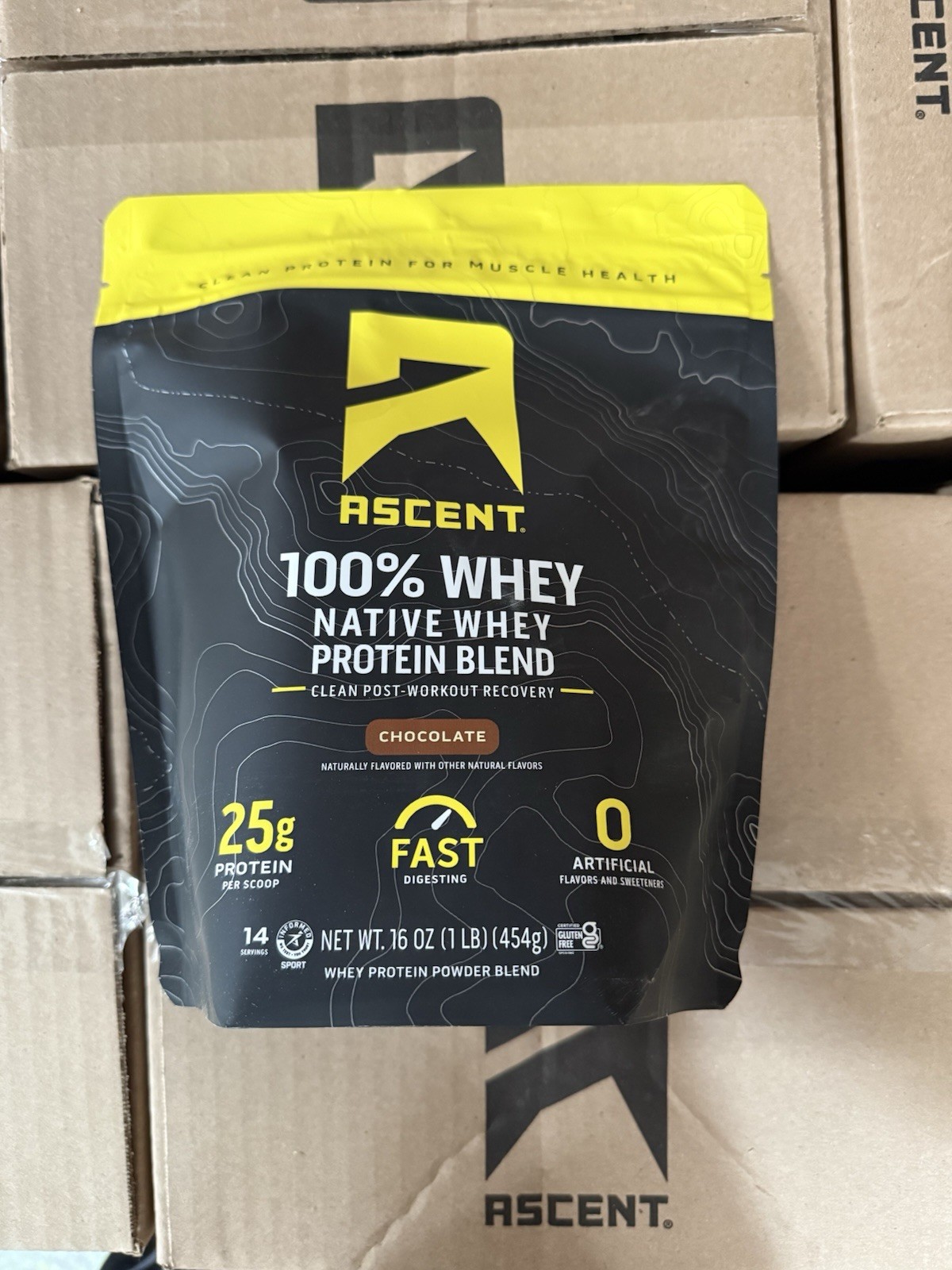 Ascent Whey Protein Blend Chocolate 1 Lb Clean Post Workout Recovery$11.99View on eBay
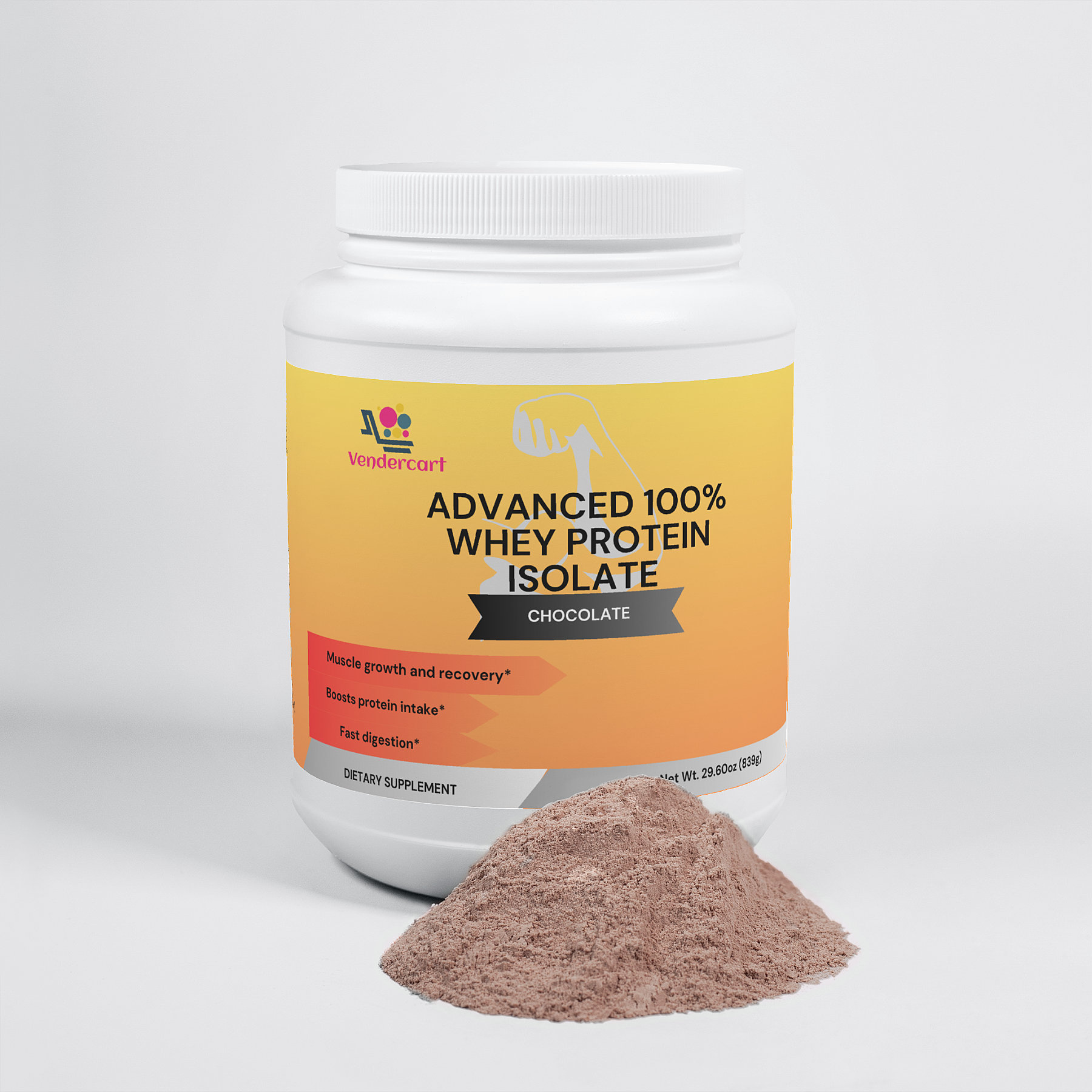 Advanced Whey Protein Isolate 29.6 OZ$76.99View on Mallflare
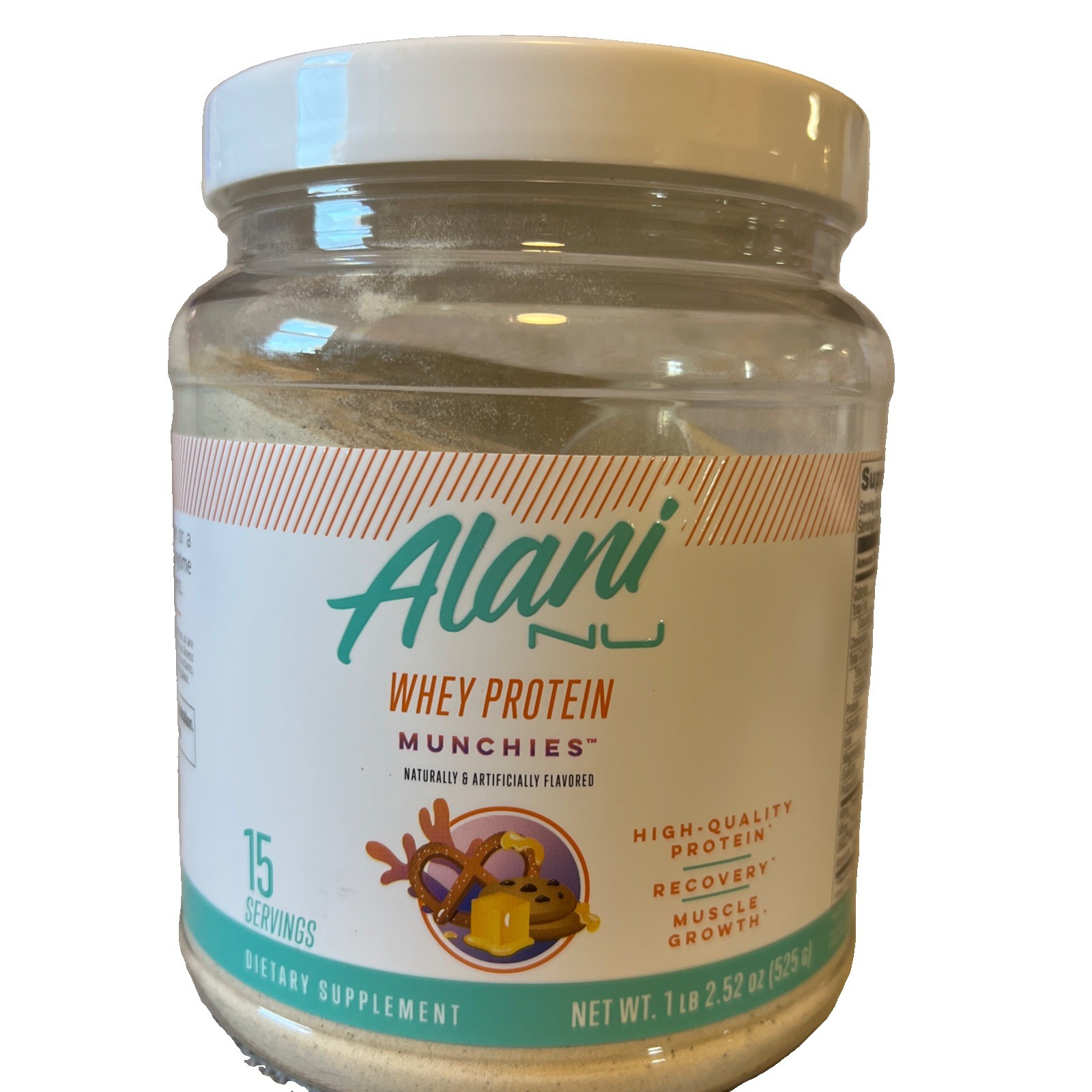 Alain NU Whey Protein Munchies flavored Recovery Muscle Growth Sport exp. 12/26$16.99View on eBay
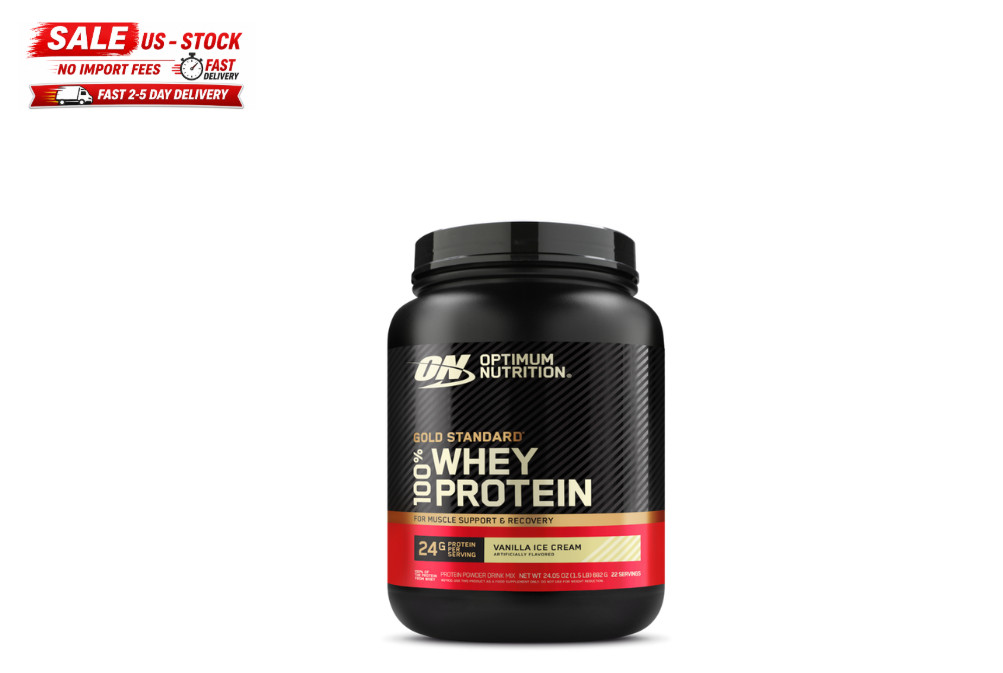 Optimum Nutrition Gold Standard 100% Whey Protein Vanilla Ice Cream, 24 OZ$19.90View on eBay
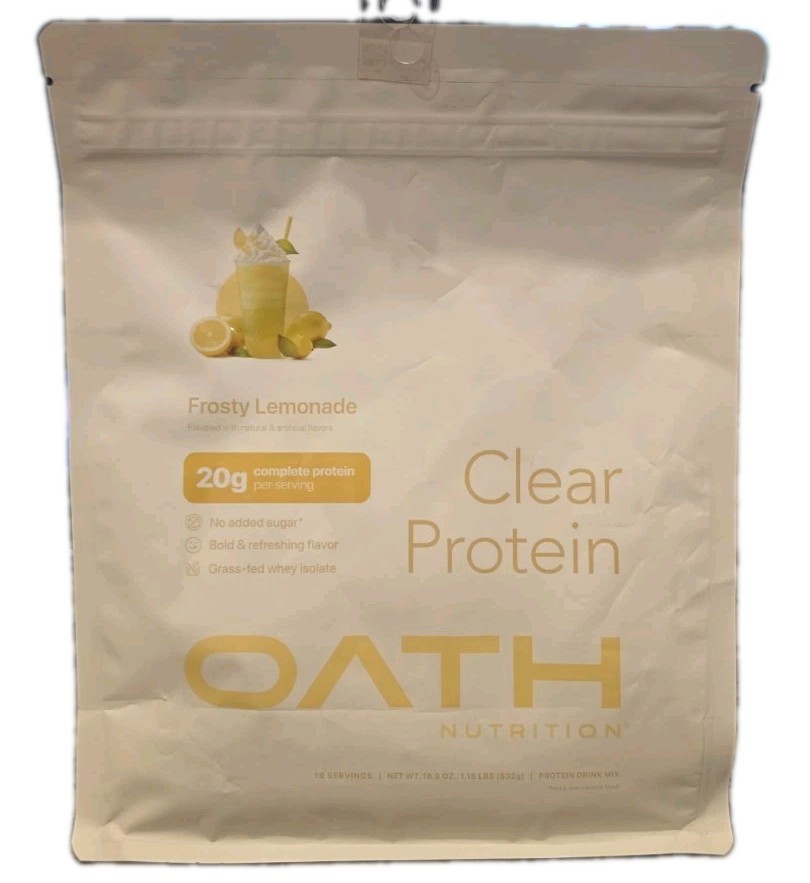 Oath Clear Whey Protein Frosty Lemonade 18 Servings – Exp 08/2027$29.99Last checked Nov 26, 2026View on eBay
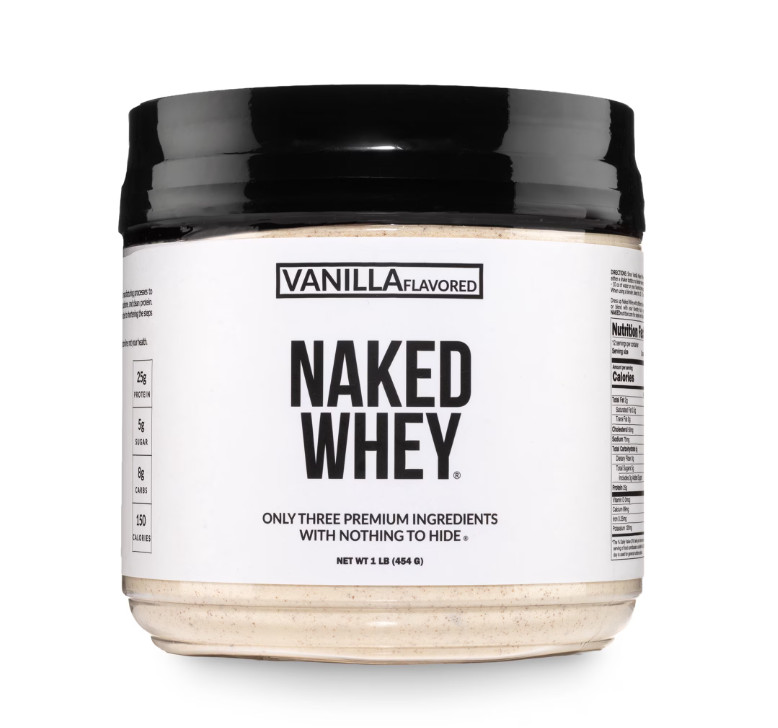 NAKED Nutrition Vanilla Whey Protein 1Lb, Only 3 Ingredients, All Natural Grass$39.99View on eBay
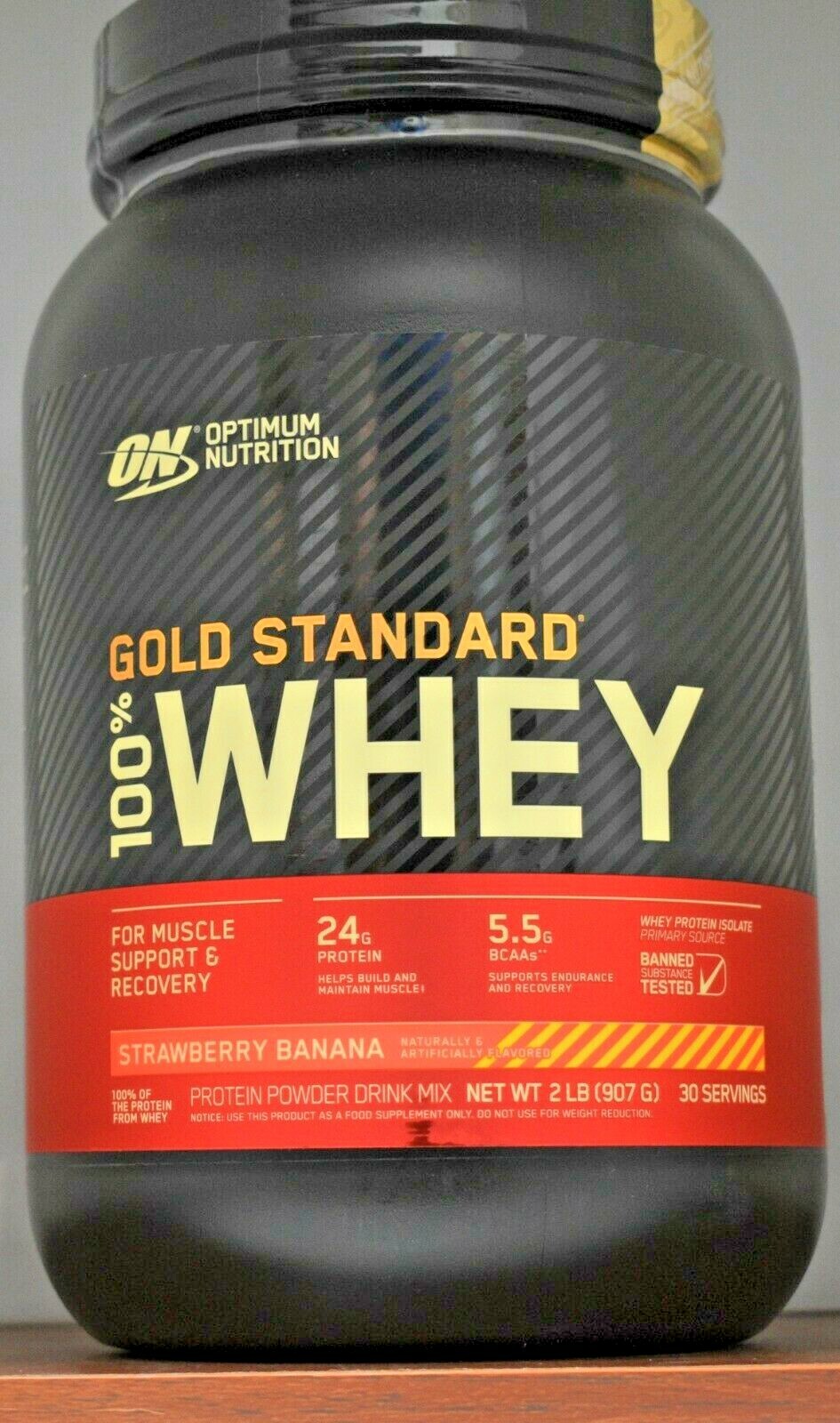 Gold Standard Whey 100% Protein 2 lb Optimum Nutrition ON Isolate Choose Flavor$44.98Last checked Nov 20, 2026View on eBay
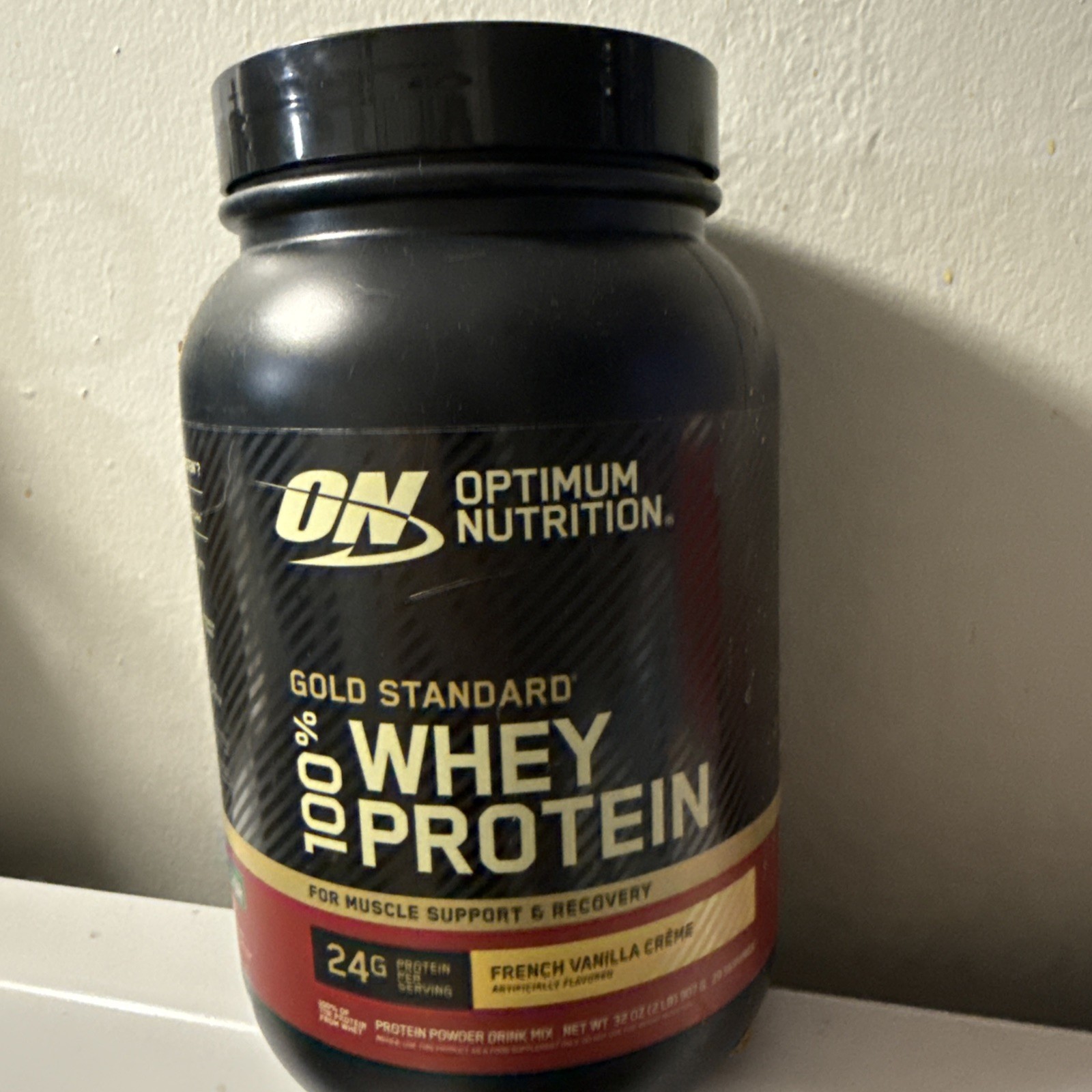 Optimum Nutrition Gold Standard Whey Protein French Vanilla Crème 2 lb$45.00View on eBay
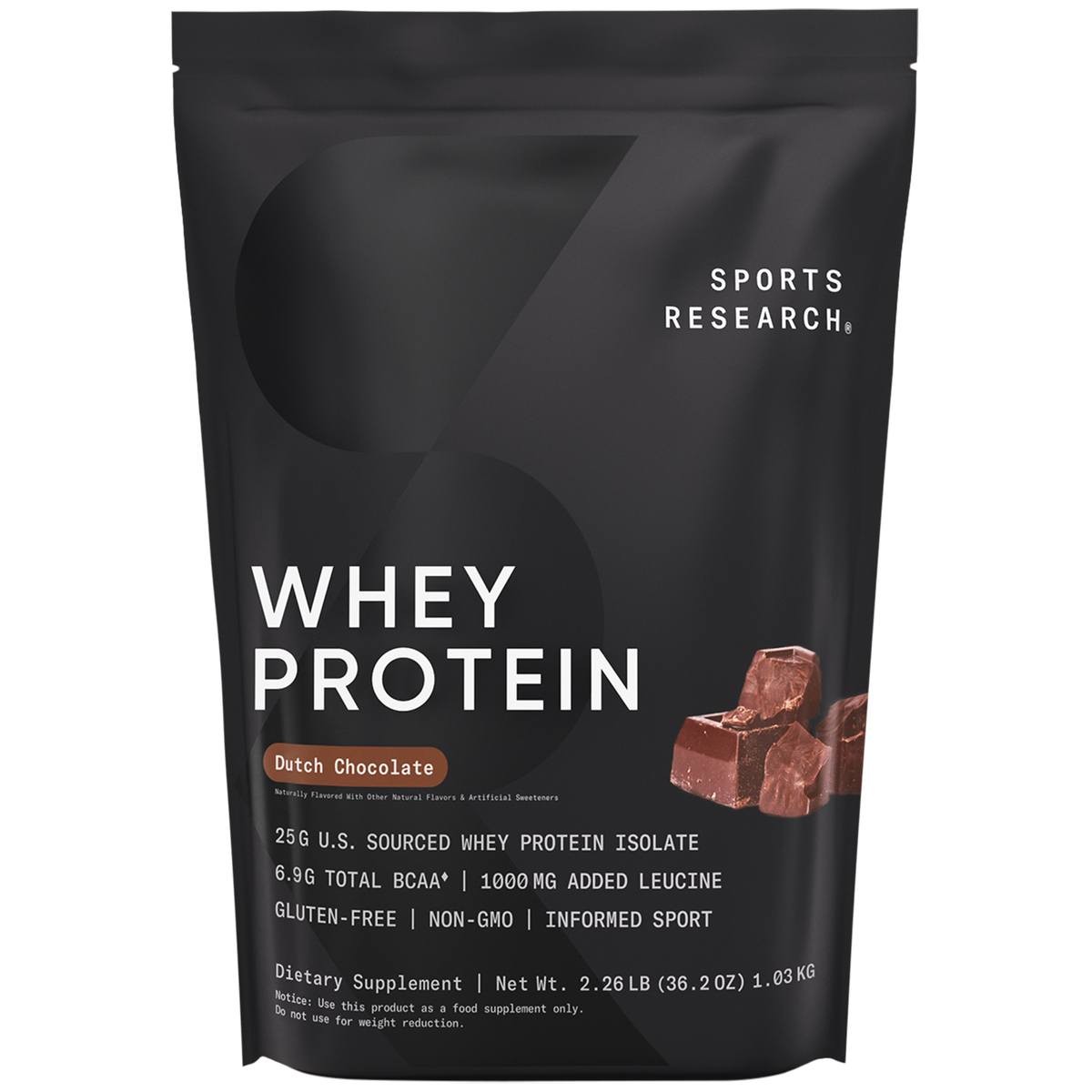 Whey Protein Isolate Sports Nutrition 2lb Bag Dutch Chocolate Powder 25 Servings$49.95Last checked Nov 25, 2026View on eBay
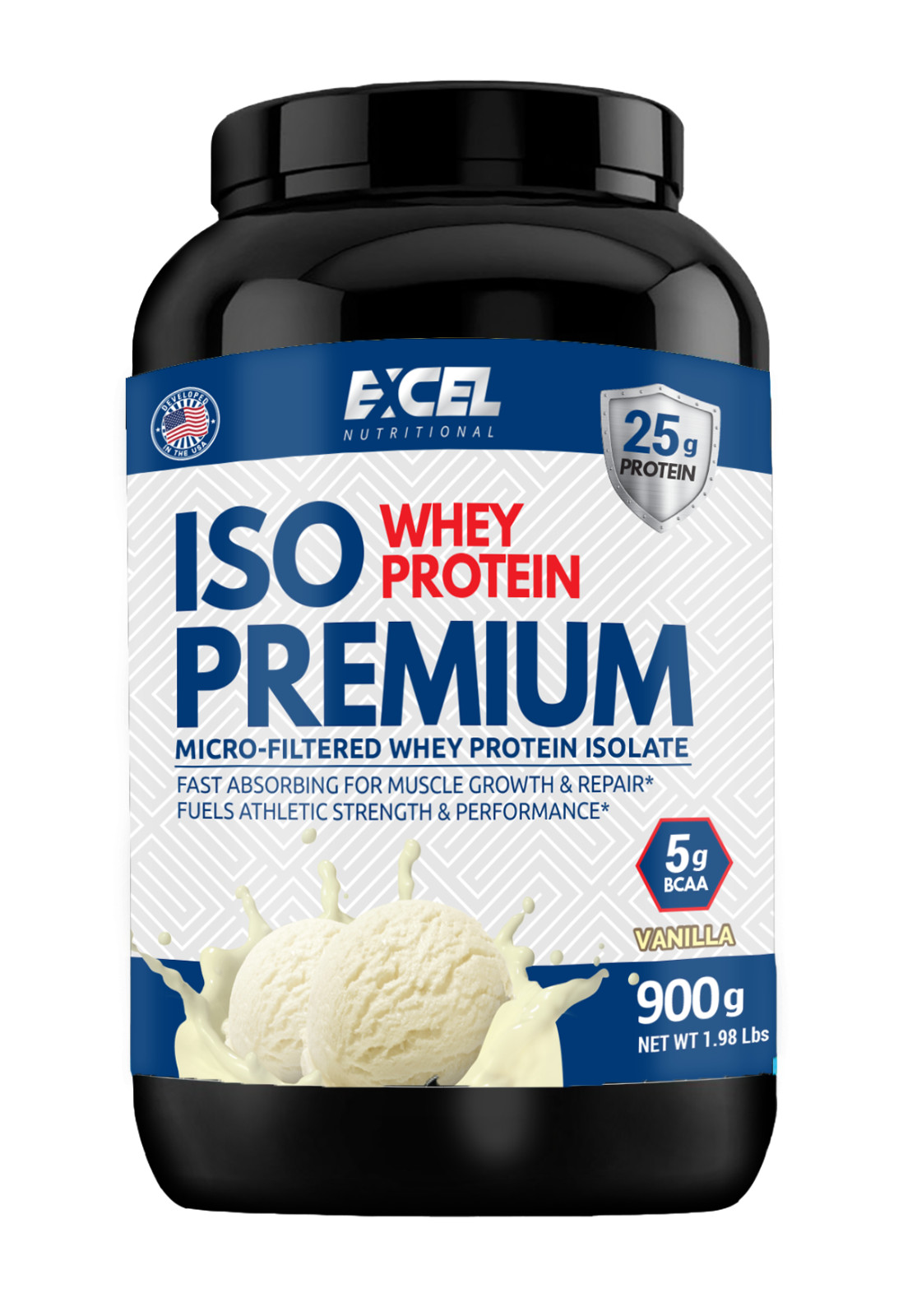 Excel Protein Powder 94% Isolate Whey per serving, 400mg BCAA 2:1:1 Ratio$49.98Last checked Nov 24, 2026View on eBay
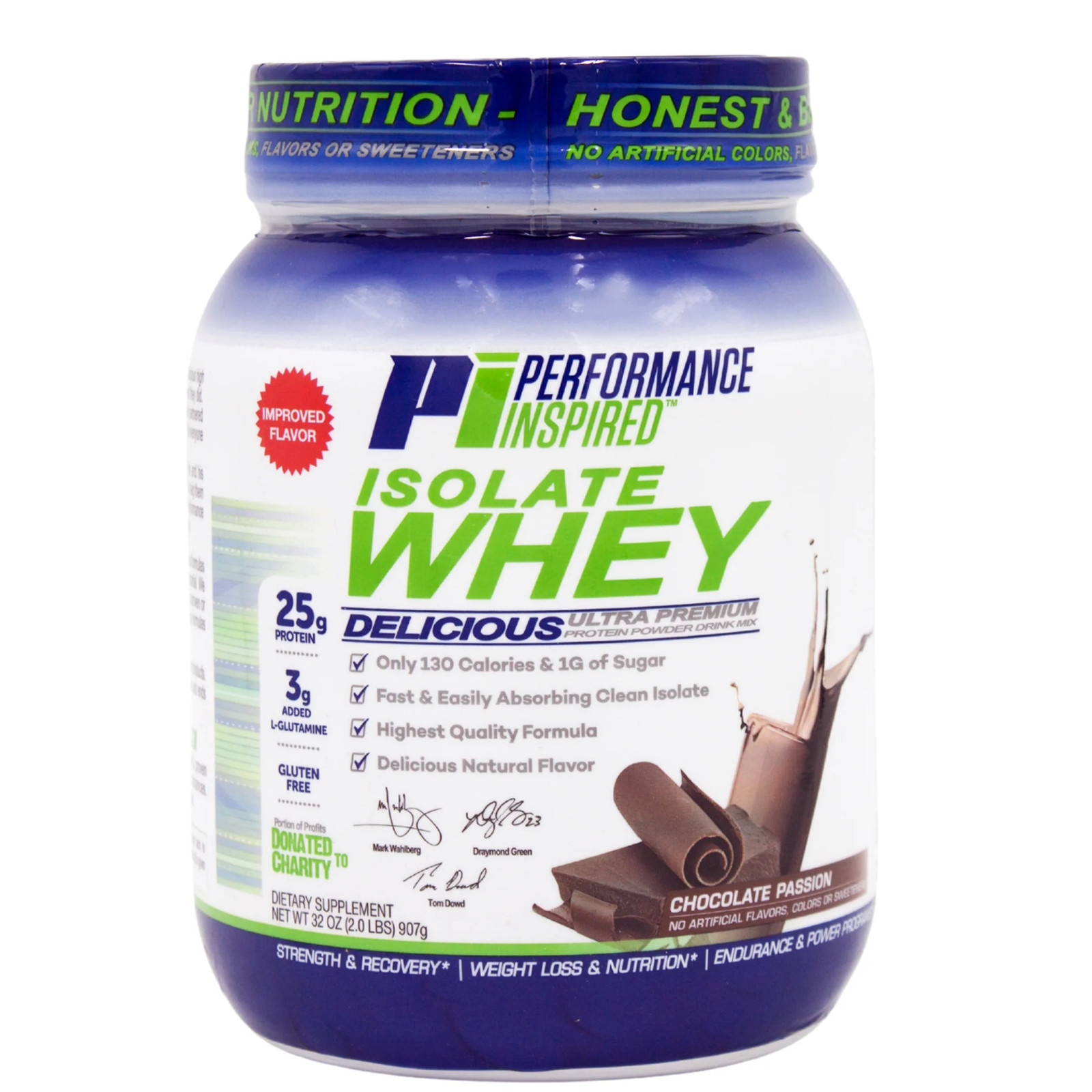 Nutrition - Isolate Whey Protein Powder - All Natural - 25G - L-Glutamine - Cont$52.52Last checked Nov 20, 2026View on eBay
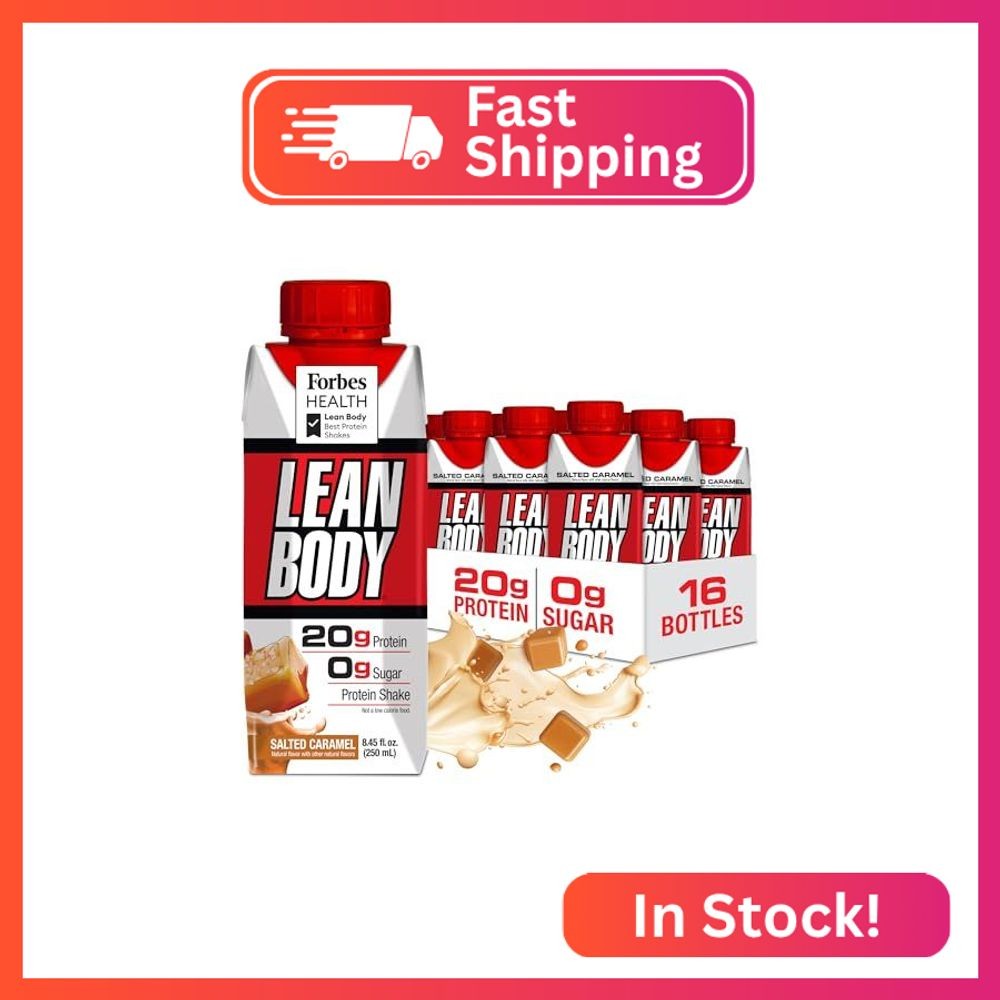 LABRADA NUTRITION - Lean Body RTD Whey Protein Shake, Convenient On-The-Go Meal$58.07View on eBay
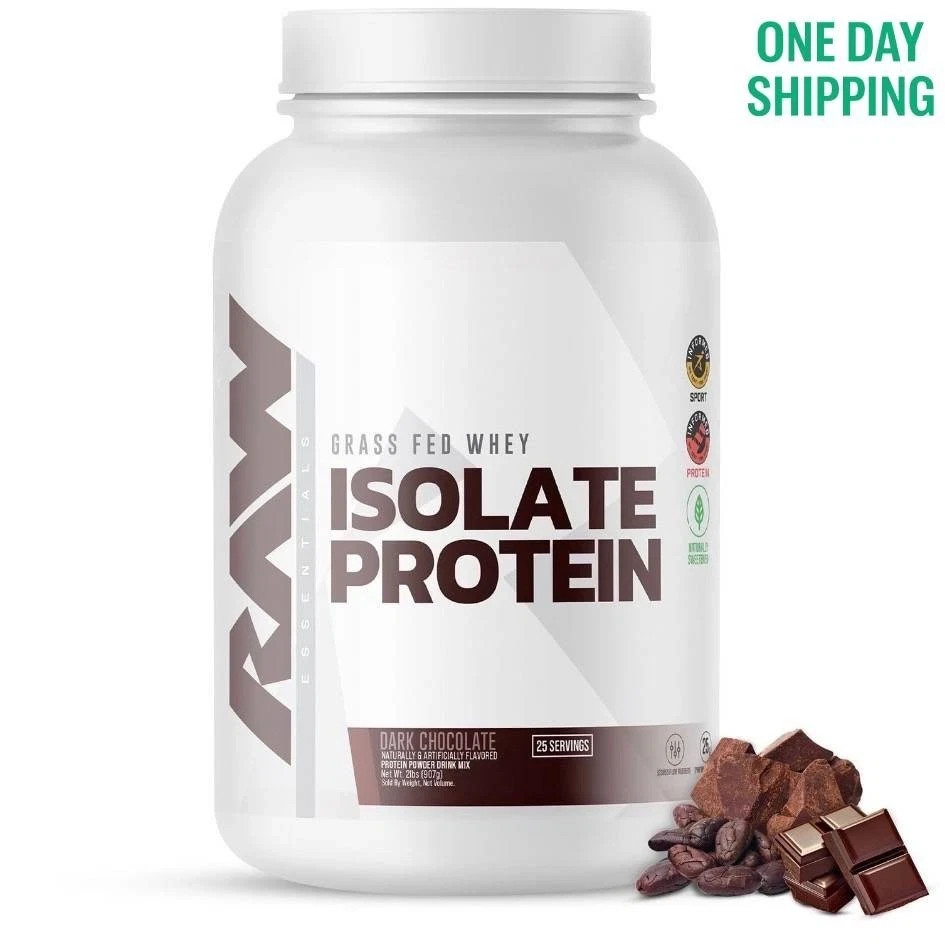 RAW Nutrition Grass Fed Whey Isolate Protein Dark Chocolate 25 Serv NEW SEALED$58.99Last checked Nov 25, 2026View on eBay
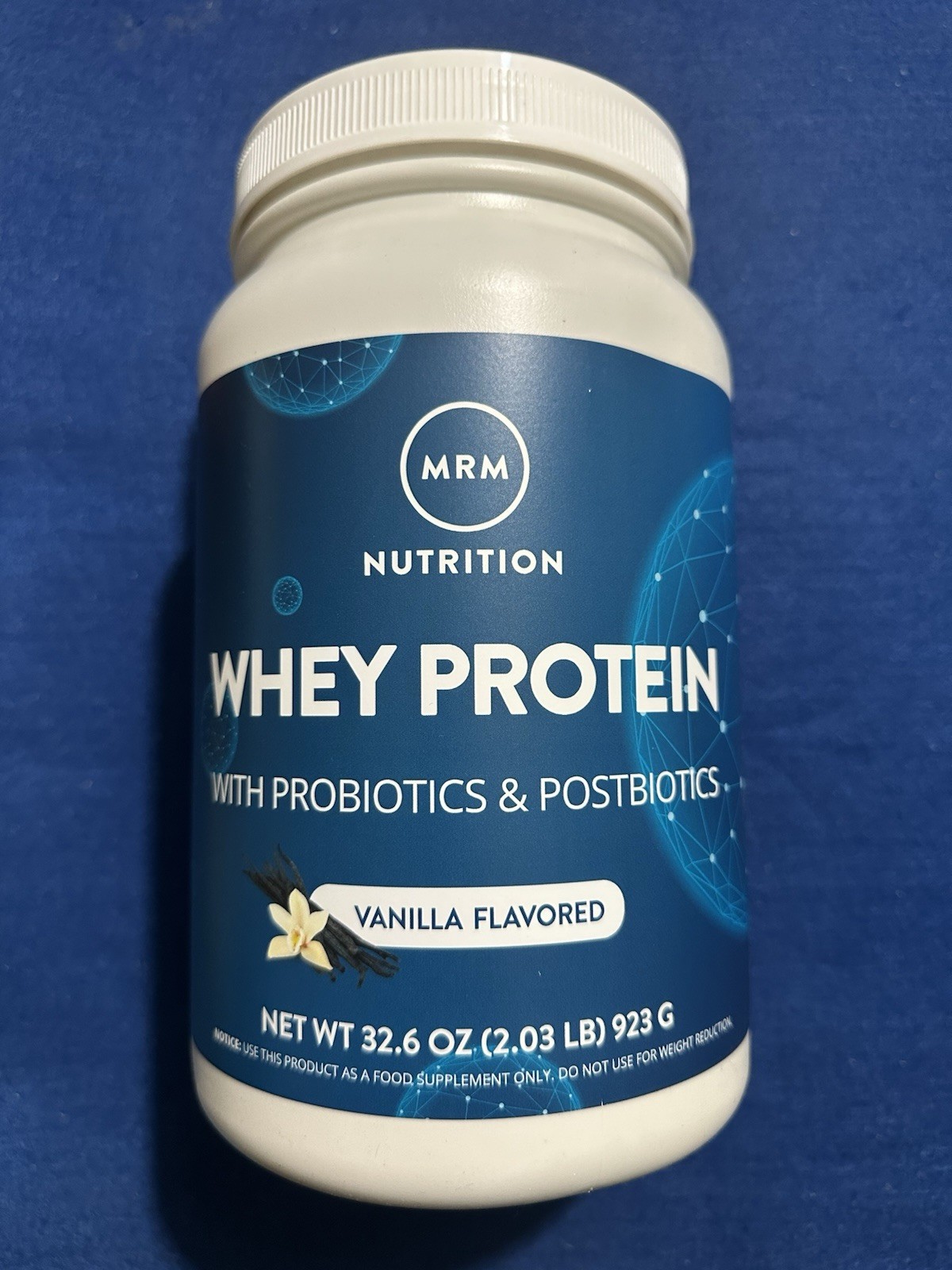 MRM Nutrition Whey Protein Vanilla PROBIOTICS & POSTBIOTICS 32.6 oz Exp 7/26$59.99View on eBay
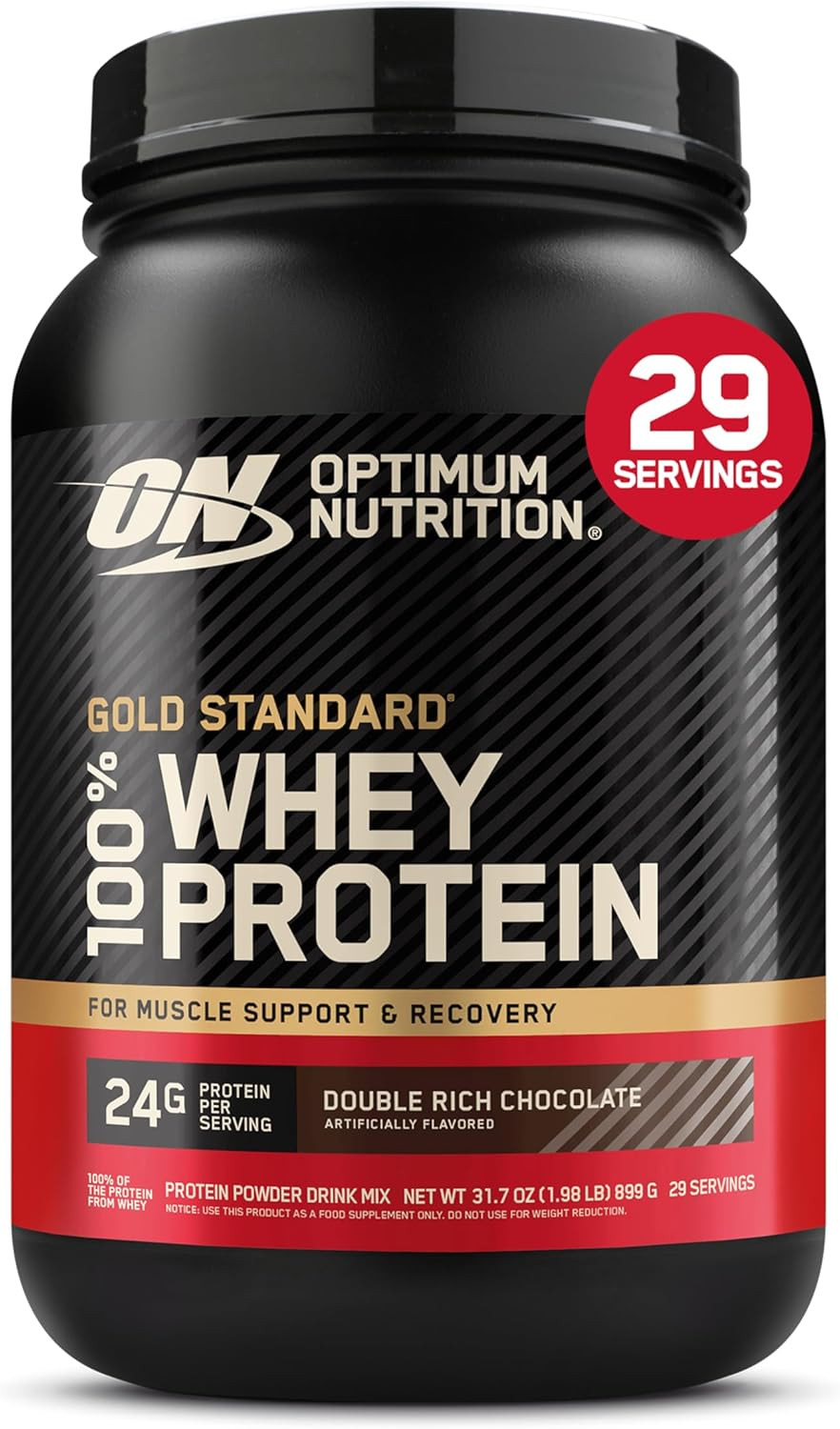 Gold Standard Whey Protein, Double Rich Chocolate, 1.98 lb$67.97Last checked Nov 19, 2026View on eBay
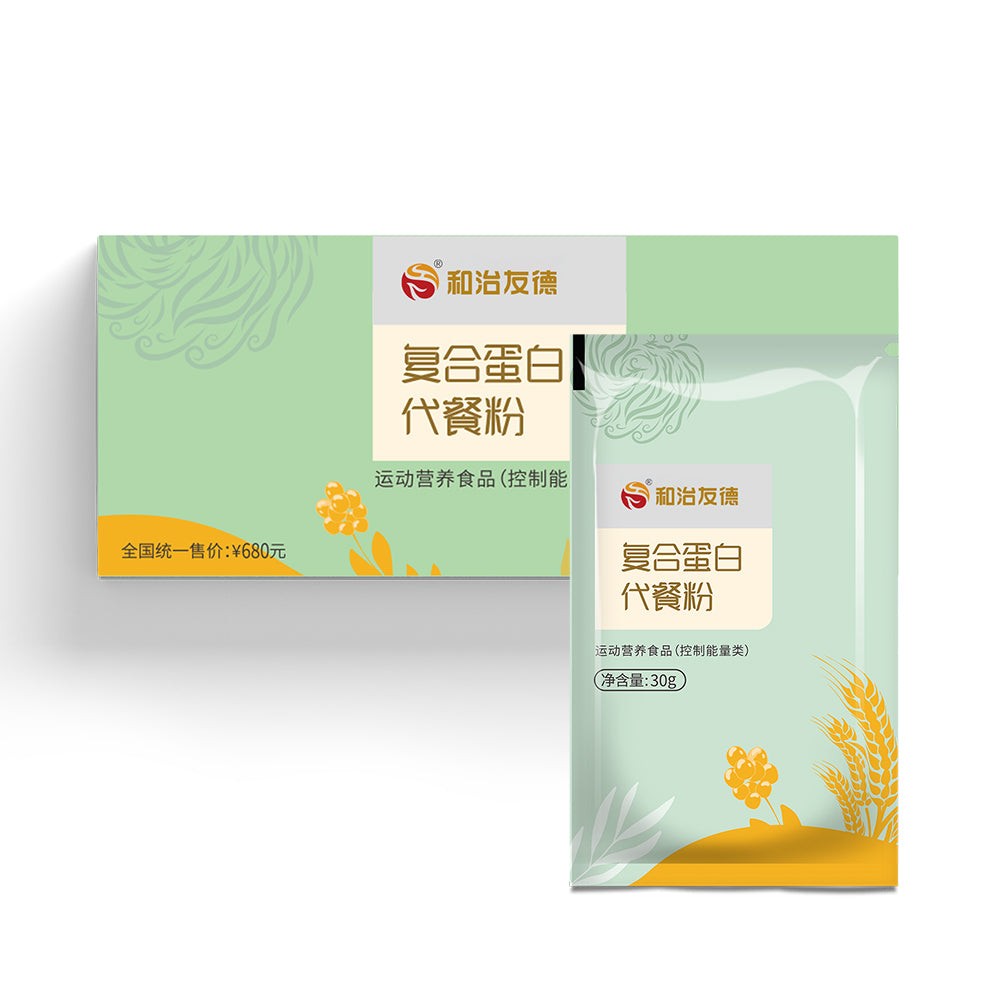 Foherb Compound Protein Powder 300g Whey & Soy Blend Muscle Nutrition Drink$97.99Last checked Nov 20, 2026View on eBay
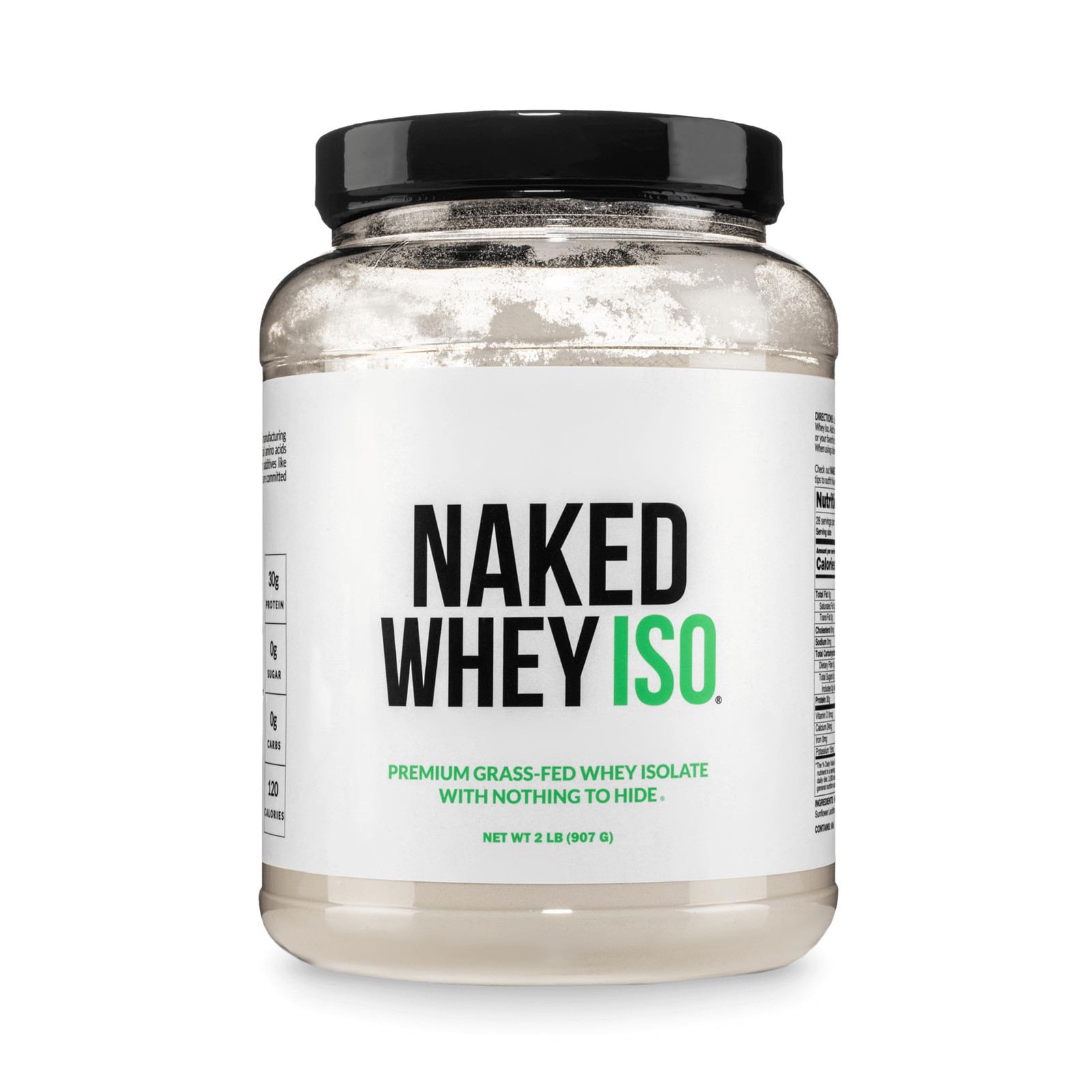 NAKED Whey Isolate Protein - Only 2 Ingredients, 30g 2 Pound (Pack of 1)$116.09Last checked Nov 25, 2026View on eBay
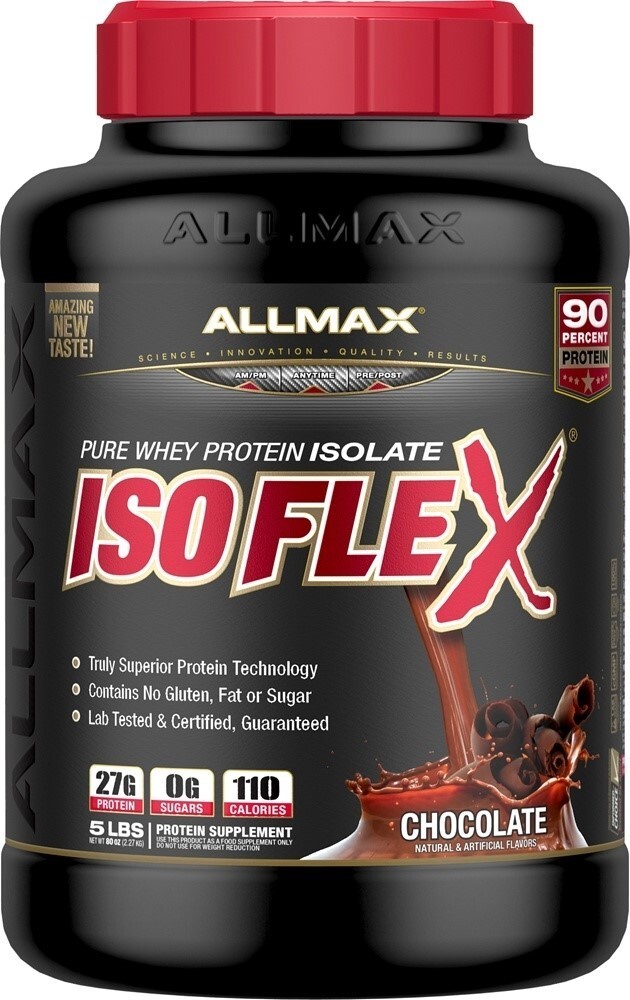 ALLMAX Nutrition Isoflex Whey Protein Isolate, 5 lb chocolate$118.99View on eBay
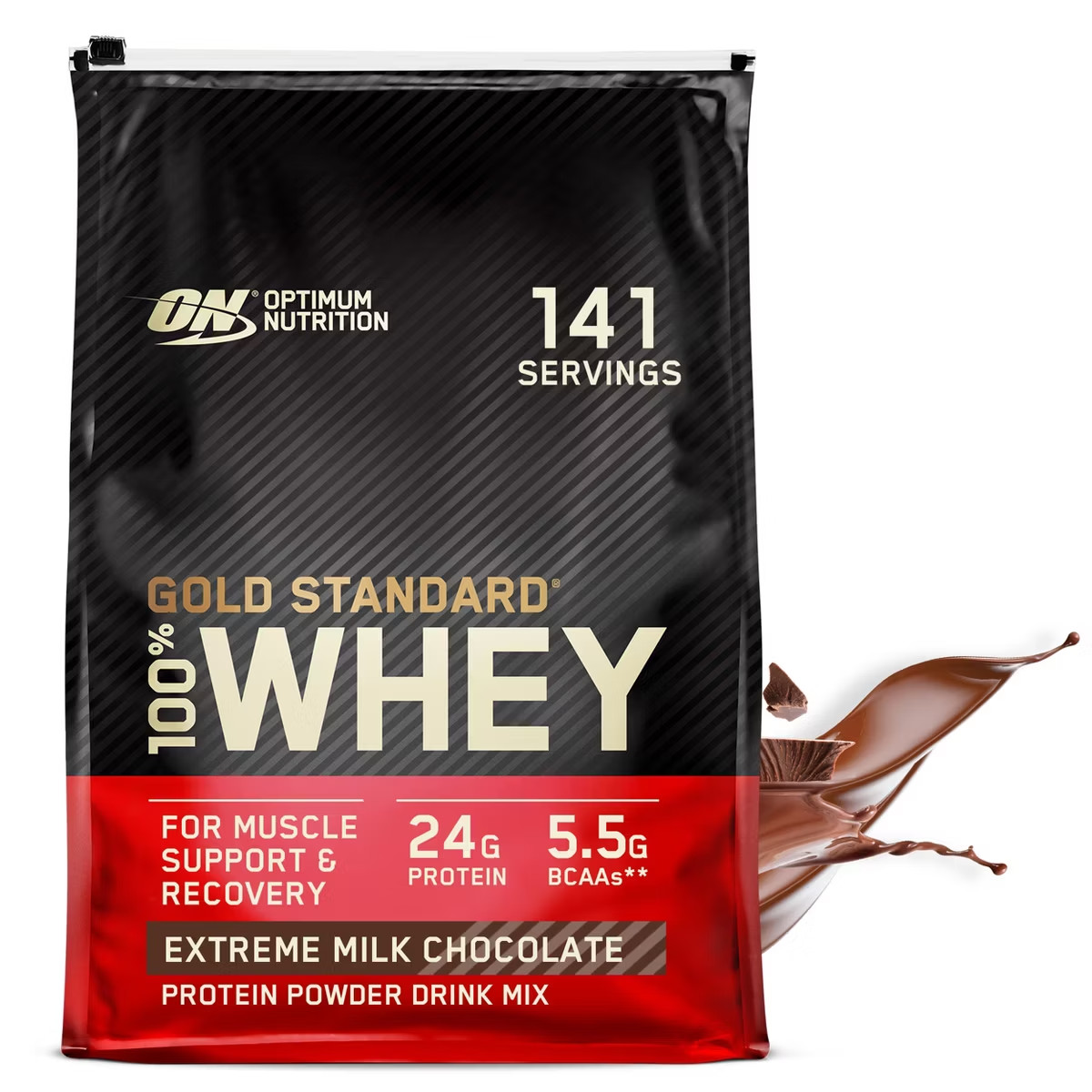 Optimum Nutrition Gold Standard 100% Whey Protein Extreme Chocolate 5.64lb 80SV$119.99Last checked Nov 25, 2026View on eBay
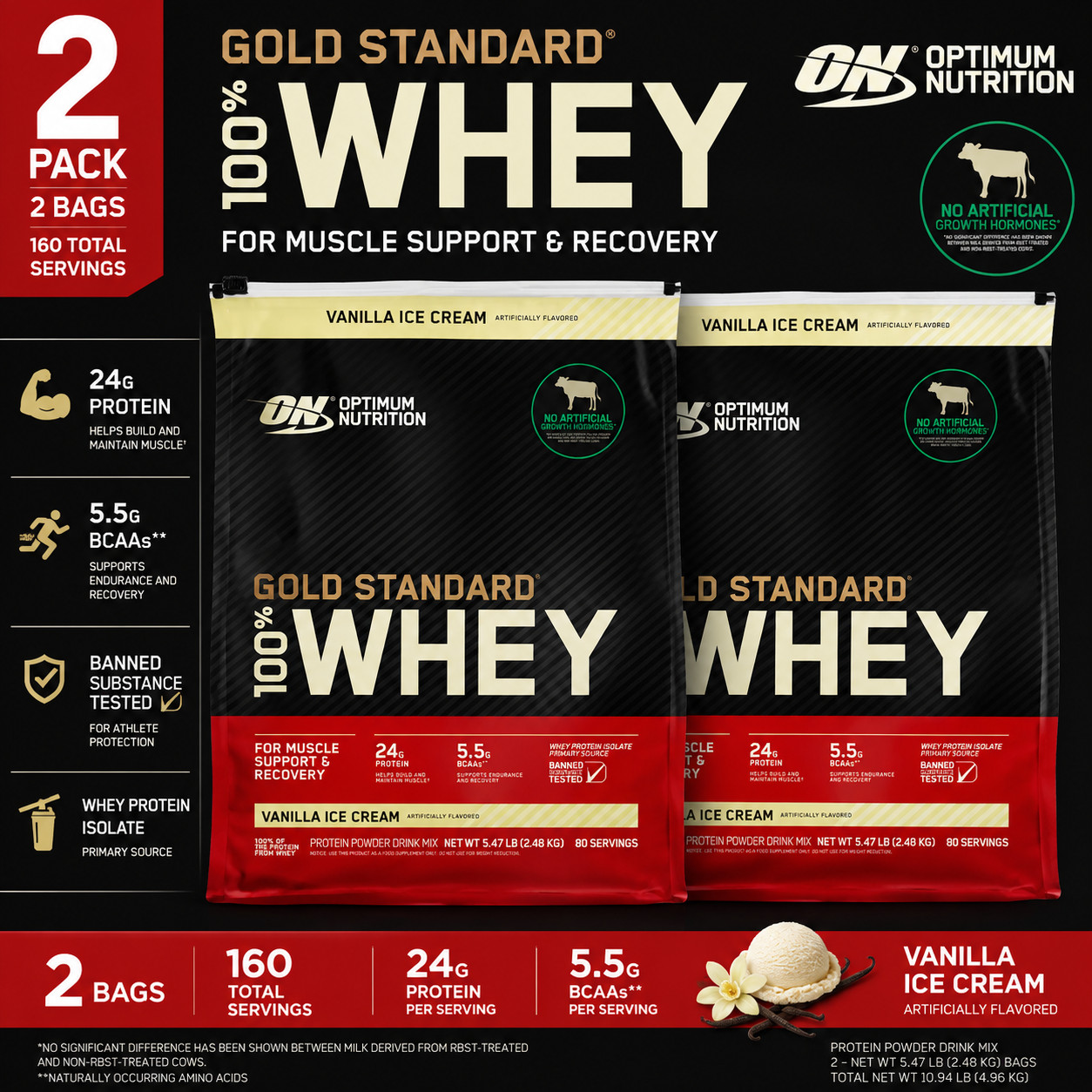 2-Pack Optimum Nutrition Gold Stnd 100% Whey Protein Powder Vanilla Ice Cream$212.48Last checked Nov 25, 2026View on eBay
Highlights
- Protein source tiers: 100% whey isolate (WPI) tests 90%+ protein by dry weight; concentrate (WPC) at 70–80% protein contains more lactose and fat per scoop.
- Per-scoop protein density ranges from 20–25 g for standard 30 g scoops of concentrate to 25–27 g for isolate, so check grams of protein per 100 g of powder, not scoop size.
- Hydrolyzed whey (WPH) pre-digests peptides for faster absorption and lower allergenicity; it costs more and tastes more bitter than isolate or concentrate.
- Mixing quality is driven by lecithin (soy or sunflower) and instantized agglomeration; unflavored, non-instantized powders clump and require a shaker ball or blender.
Best use cases
- Best fit: post-workout or daily protein target shortfall — pick a 100% whey isolate with 25 g+ protein and under 2 g carbs per scoop if you are cutting or lactose-sensitive; skip concentrate blends if you bloat.
- Best fit: budget bulk protein for a lactose-tolerant athlete — choose a 5 lb+ whey concentrate or WPI/WPC blend at 24 g protein per scoop; skip hydrolyzed whey, which costs substantially more for marginal real-world gain.
- Best fit: cooking, baking, or unflavored recipes — select unflavored isolate or concentrate that dissolves in batter; skip flavored, artificially sweetened powders that distort taste and add carbs.
- Wrong fit: vegans and dairy-allergic shoppers — 100% whey is dairy-derived; choose pea, rice, or soy protein isolate instead, not whey isolate, which still contains milk allergens.
Buying tips
- Compare protein per 100 g of powder, not per scoop: isolate should be 80–90 g protein per 100 g; concentrate 70–80 g; a 30 g scoop should yield 24–27 g protein for isolate.
- Match filtration to your gut: if you are lactose-intolerant, choose whey isolate or hydrolyzed whey (under 1 g lactose per serving) over concentrate, which can carry 2–4 g lactose per scoop.
- Check the amino acid profile for at least 5 g BCAA and 2.5 g leucine per serving to support muscle protein synthesis; blends cut with glycine or taurine lower the leucine share.
- Buy sealed, dated containers from authorized sellers: whey powder is hygroscopic and degrades with heat and moisture; avoid bulk bins, opened tubs, and expiring stock for food-safety and label-integrity reasons.
Specs
| Protein Type | Whey isolate / concentrate / hydrolyzed |
|---|---|
| Protein Per 100g | Isolate 80–90g; concentrate 70–80g |
| Protein Per Scoop | Isolate 24–27g; concentrate 20–24g |
| Lactose Level | Isolate <1g; concentrate 2–4g per scoop |
Related searches
What to check before buying
- Confirm your daily protein target and how many scoops you will use: a 2 lb tub at 24 g per scoop yields roughly 30 servings; size the tub to your usage window before powder clumps or expires.
- Check the allergen statement: 100% whey contains milk; isolate reduces but does not eliminate milk protein, so dairy-allergic buyers must choose non-dairy protein.
- Verify scoop-to-water ratio and mix method: most powders need 6–8 oz liquid per 30 g scoop; unflavored or non-instantized powders need a shaker ball or blender.
- Store in a cool, dry place in the sealed tub: heat and humidity above room temperature degrade whey and cause clumping; do not refrigerate opened powder, which invites condensation.
FAQ
Data sources: eBay / Amazon listings and product attribute feeds. Updated Nov 27, 2026.
Some links on this page are affiliate links. If you buy after clicking one, we may earn a commission at no extra cost to you. This does not change which products appear here or their order. Affiliate disclosure.