
Photos from current listings. Actual item, color, and included accessories may vary.
5 Protein Powder Buying Guide
Protein powder is a concentrated protein supplement used to meet daily protein targets, with the primary trade-off being protein source and processing level versus cost per serving and digestive tolerance. Whey isolate and hydrolysate deliver higher protein by weight with less lactose, while whey concentrate and collagen offer lower cost or specific amino acid profiles. The clear decision rule: buy a product that states protein grams per serving and scoop size on the label, and treat any powder without a transparent amino acid or protein-per-100g figure as a compromise.
Median $53.21
Key takeaways
- Whey protein concentrate typically contains 70-80% protein by weight, while whey isolate reaches 85-90% protein with most lactose and fat removed.
- Collagen peptides are not a complete protein: they lack tryptophan and are low in leucine, so they support skin and joint goals but not muscle protein synthesis.
- Grass-fed and rBGH-free claims refer to dairy sourcing, not protein quality; the amino acid profile of whey is determined by the filtration process, not the pasture claim.
At a glance
- Category
- Protein Nutrition
- Last updated
- Nov 27, 2026
Current offers
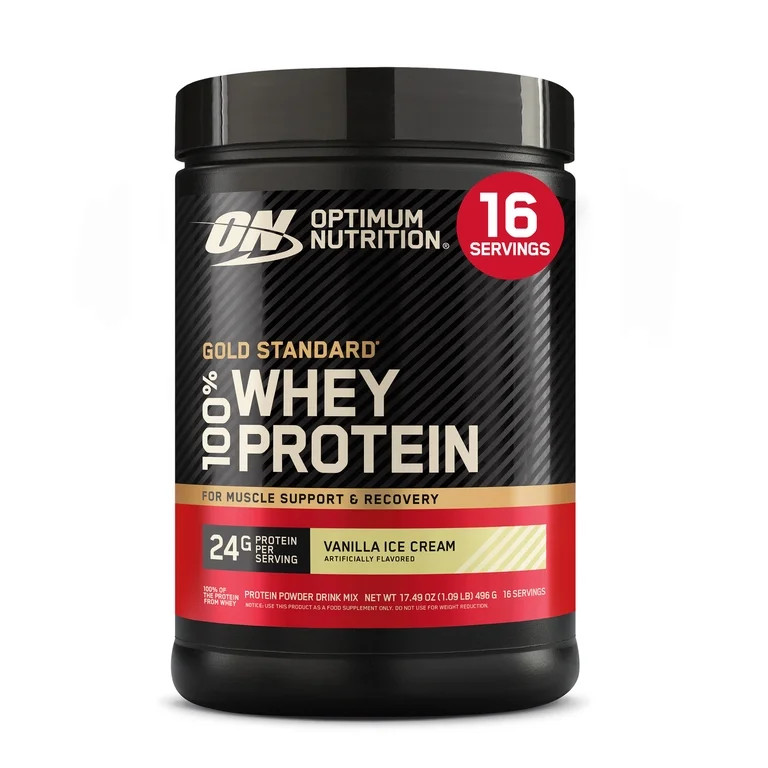 Optimum Nutrition Gold Standard 100% Whey Protein Powder, Vanilla Ice Cream, 16$23.95View on eBay
 Whey Protein Powder$44.99View on Mallflare
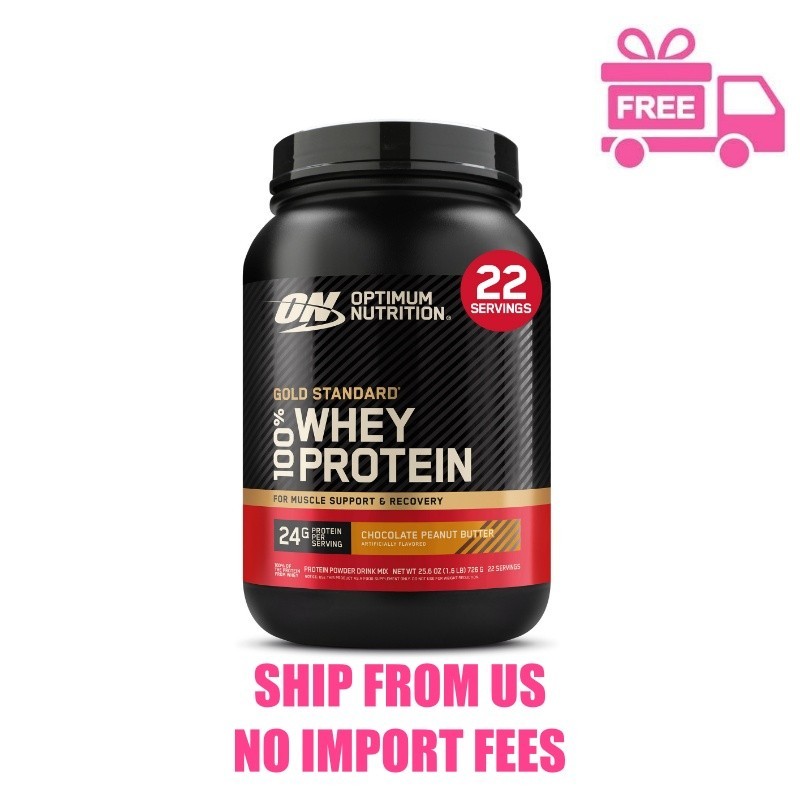 Optimum Nutrition Gold Standard 100% Whey Protein Powder, Chocolate Peanut Butte$27.17View on eBay
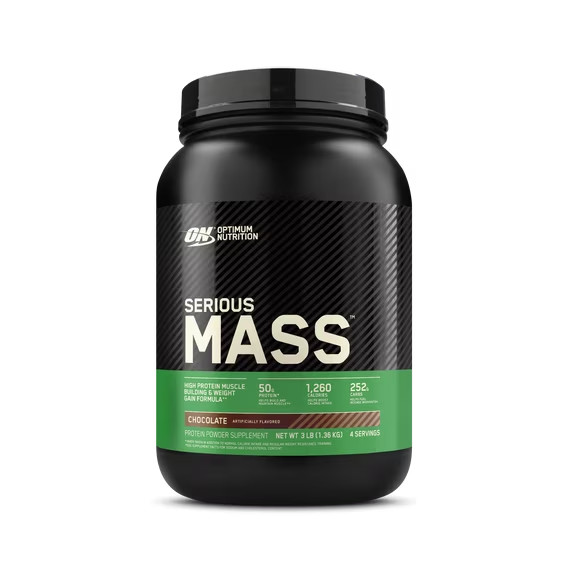 Optimum Nutrition Serious Mass Chocolate Weight Gainer Protein Powder 3 lb$31.19View on eBay
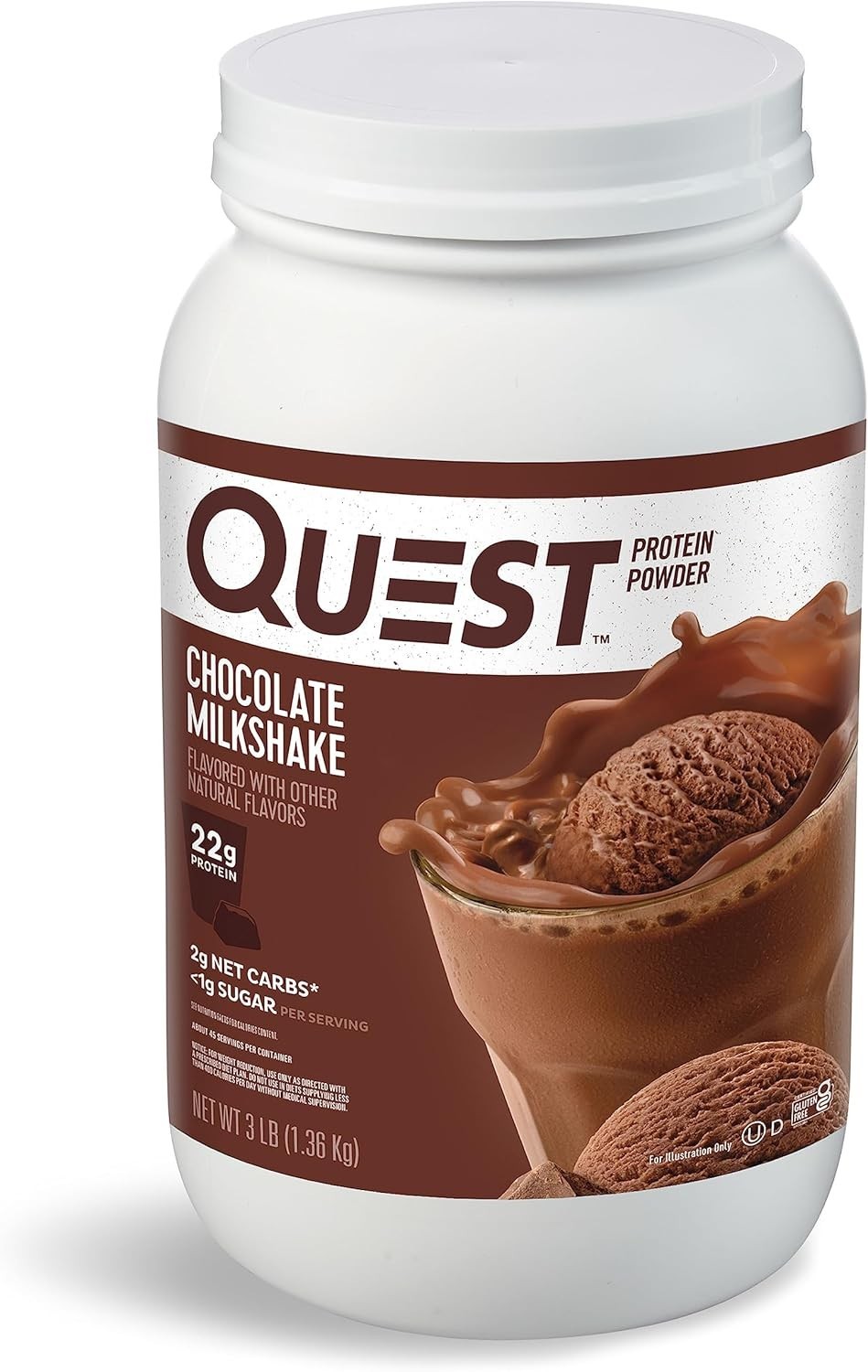 Quest Nutrition Chocolate Milkshake Protein Powder, 3 Pound, 43 Servings$33.99View on eBay
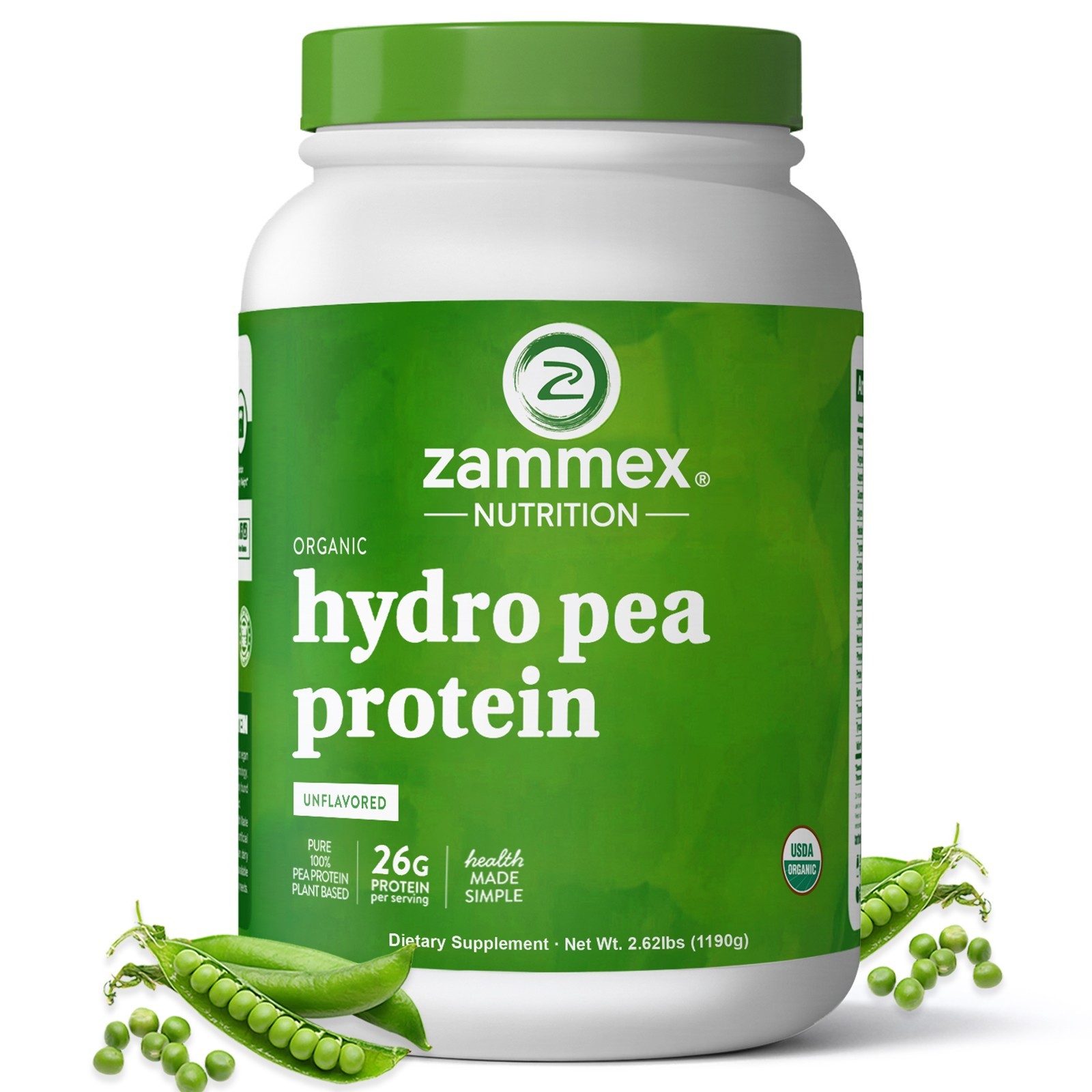 Zammex Organic Pea Protein Powder, 2.62LB, Unflavored Non-GMO, Plant Based$34.94View on eBay
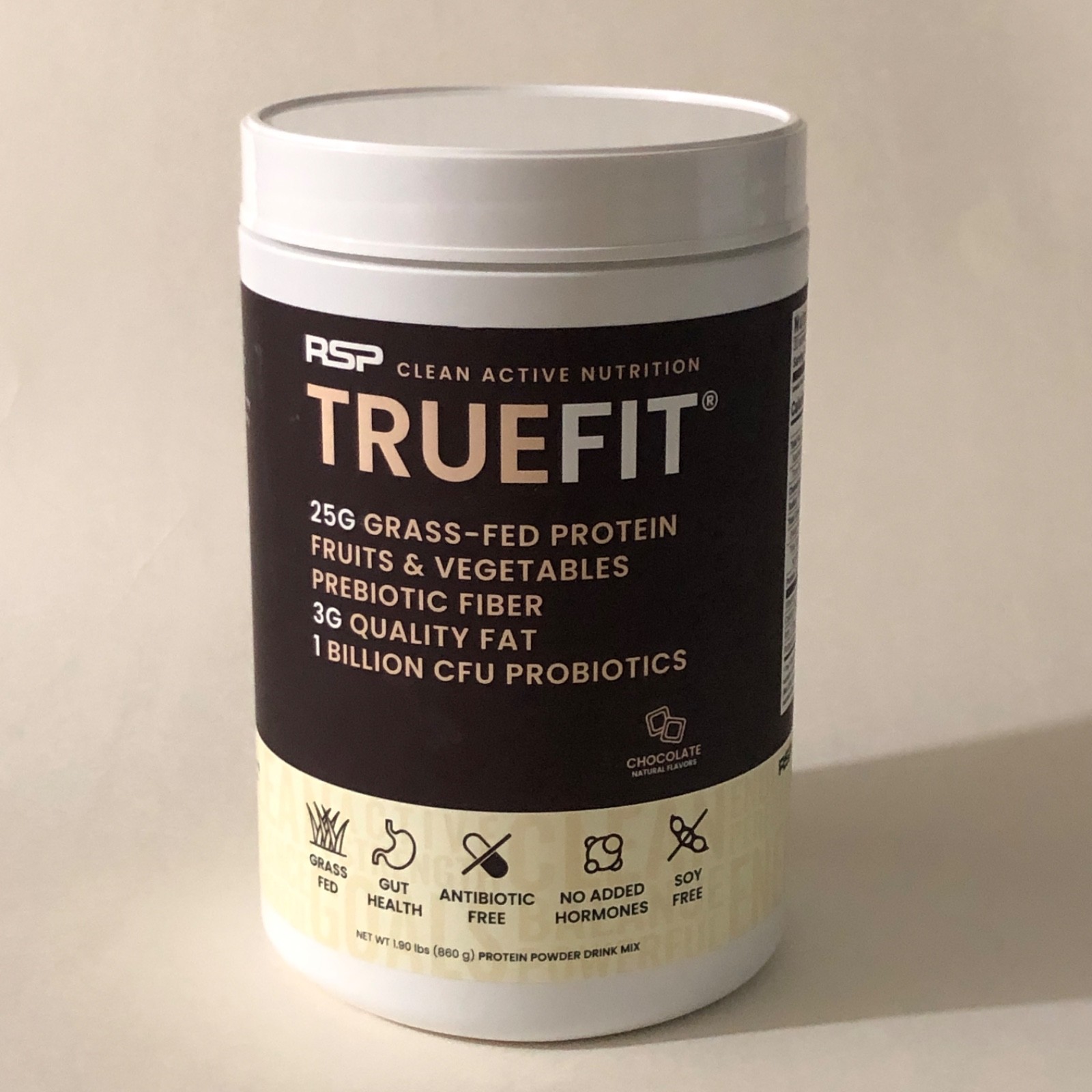 RSP Nutrition TrueFit High Fiber Protein Powder — Chocolate Flavor, 20 Servings$48.29Last checked Nov 23, 2026View on eBay
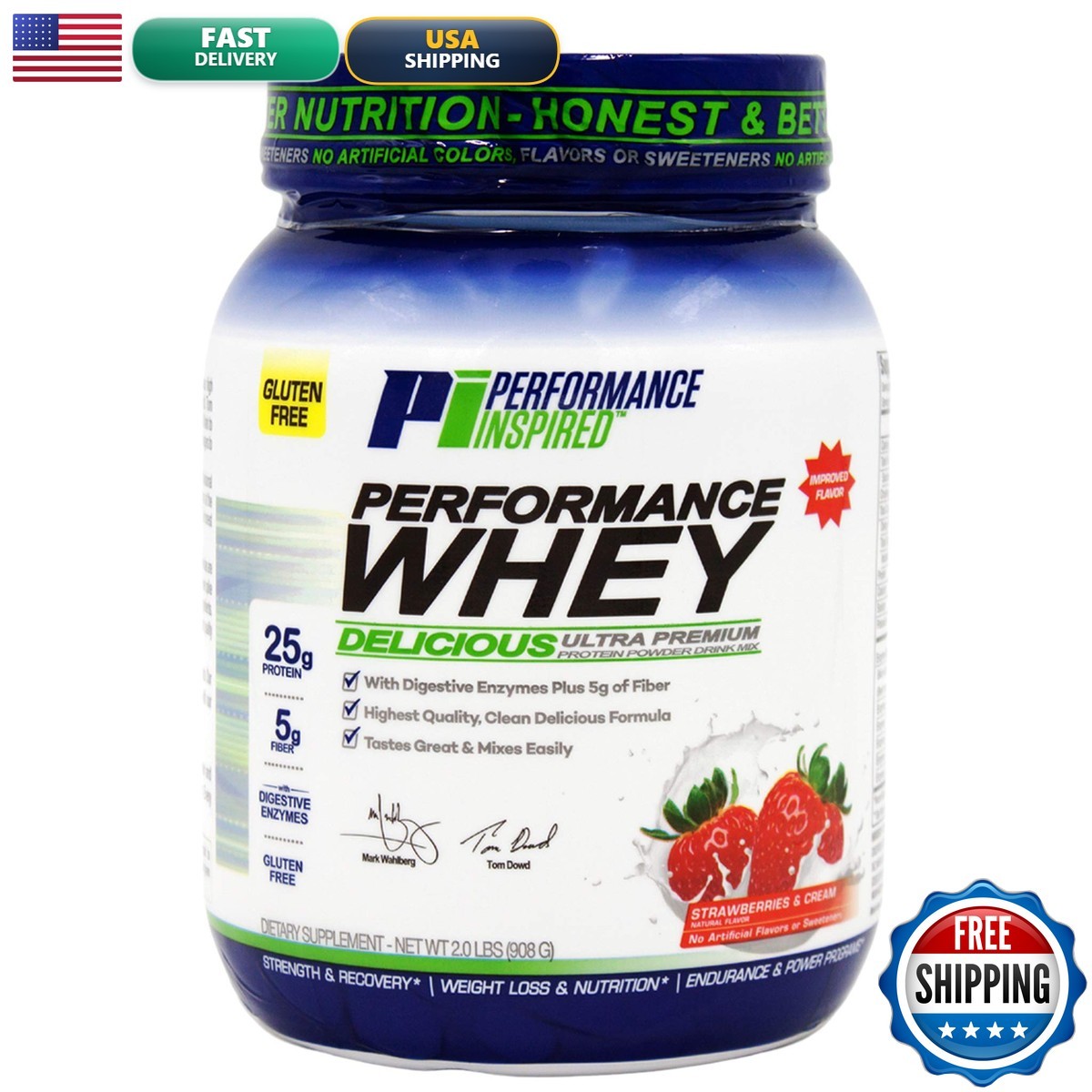 Performance Inspired Nutrition WHEY Protein Powder - All Natural - 2lb PWSTR$58.12View on eBay
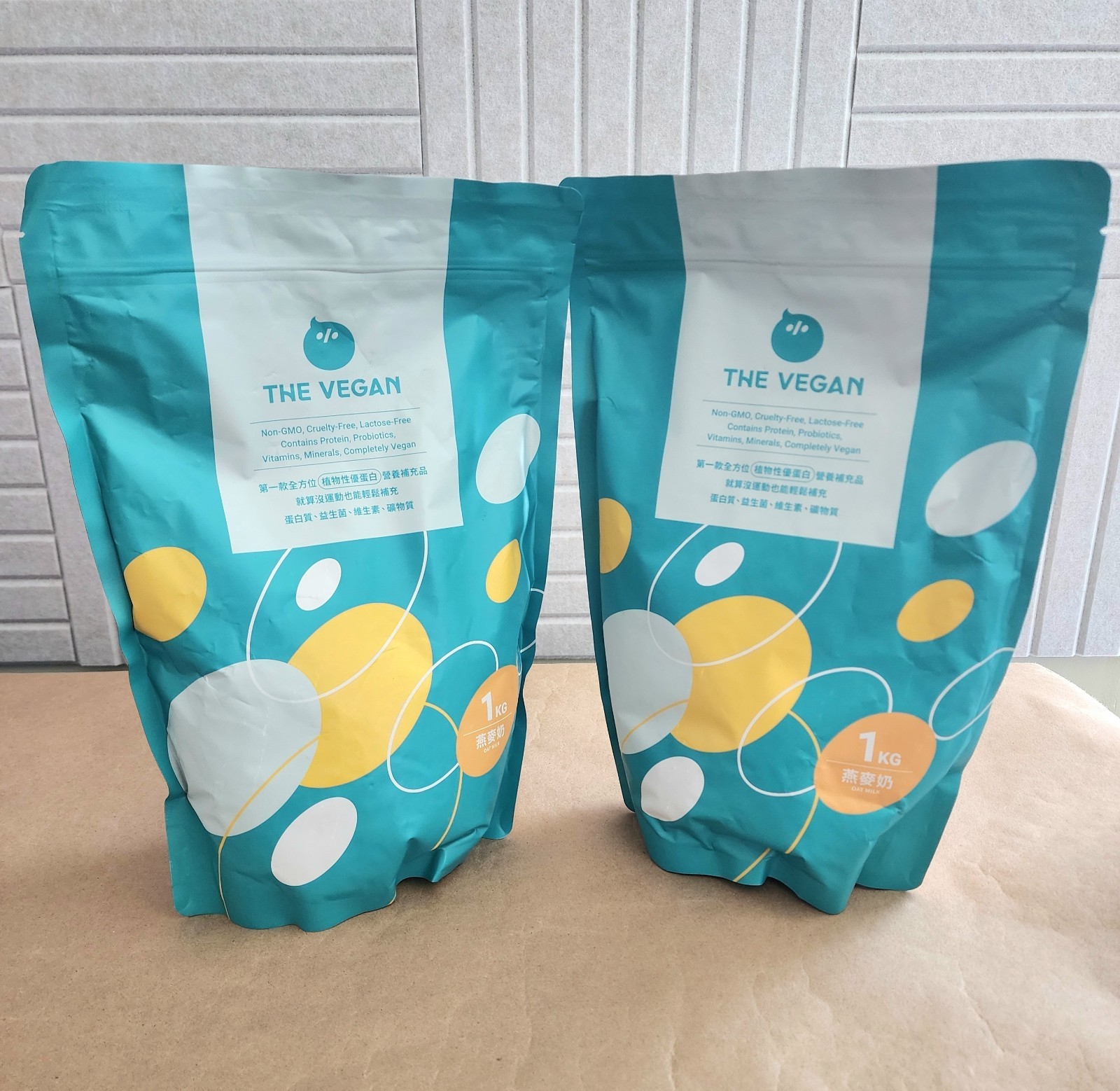 2X THE VEGAN Plant-Based Protein Powder, Oat Milk, Vegan, 1kg Exp 2027-08-26$59.99View on eBay
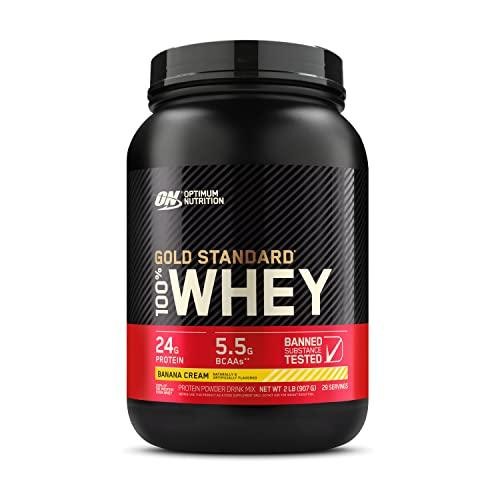 Optimum Nutrition Gold Standard 100% Protein Powder$63.24View on eBay
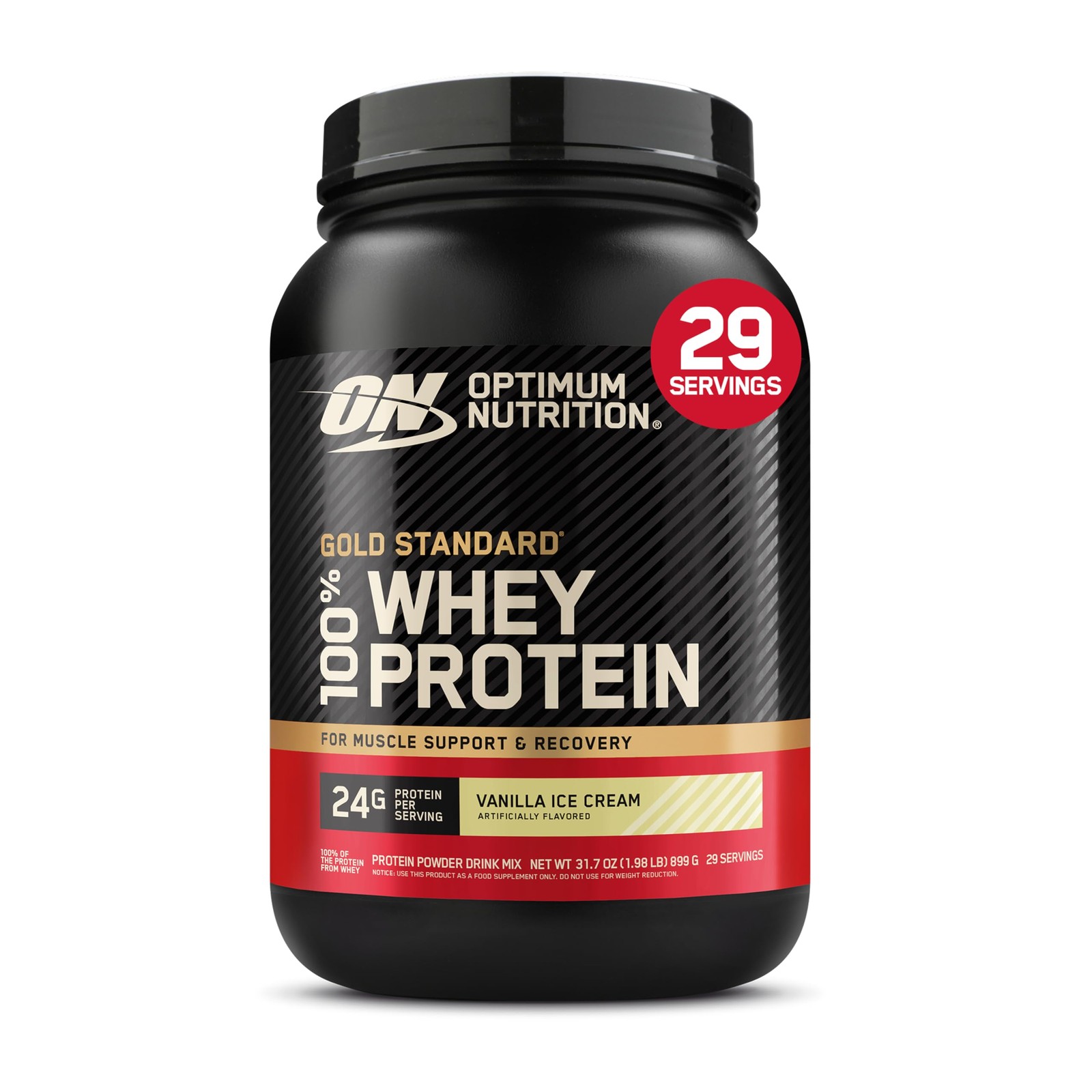 Optimum Nutrition Gold Standard 100% Whey Protein Powder, Vanilla Ice Cream, ...$64.72View on eBay
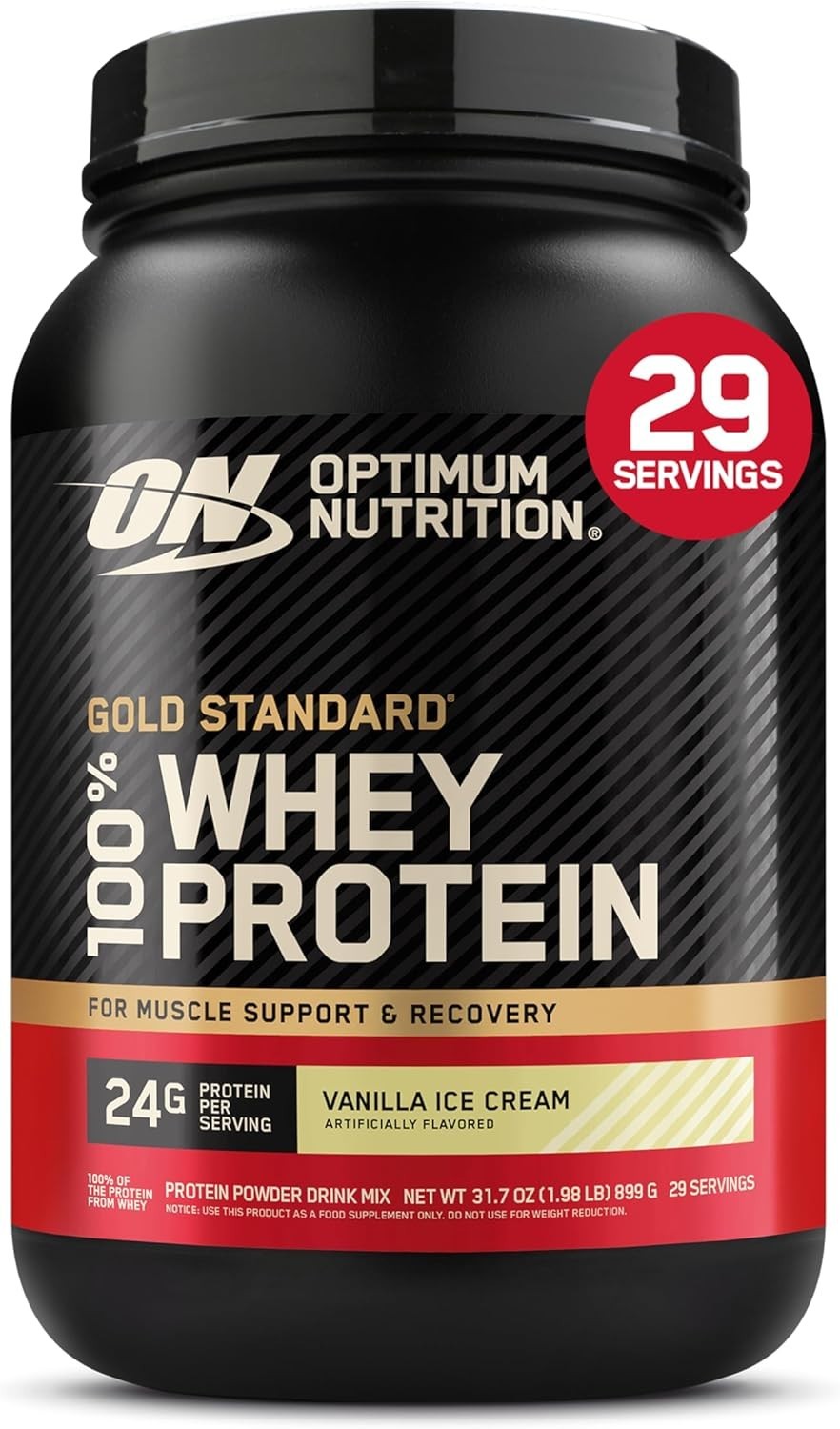 Optimum Nutrition Gold Standard 100% Whey Protein Powder, Vanilla Ice Cream, 2 P$75.00View on eBay
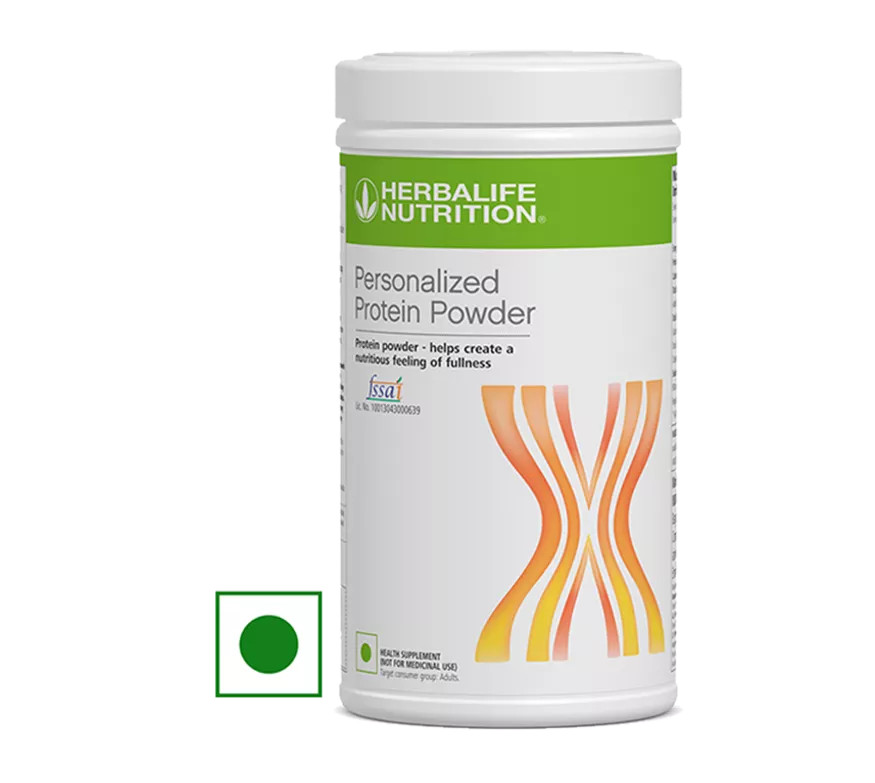 Herbalife Personalized Protein Powder | High Protein Nutritional Supplement Mix$115.83Last checked Nov 24, 2026View on eBay
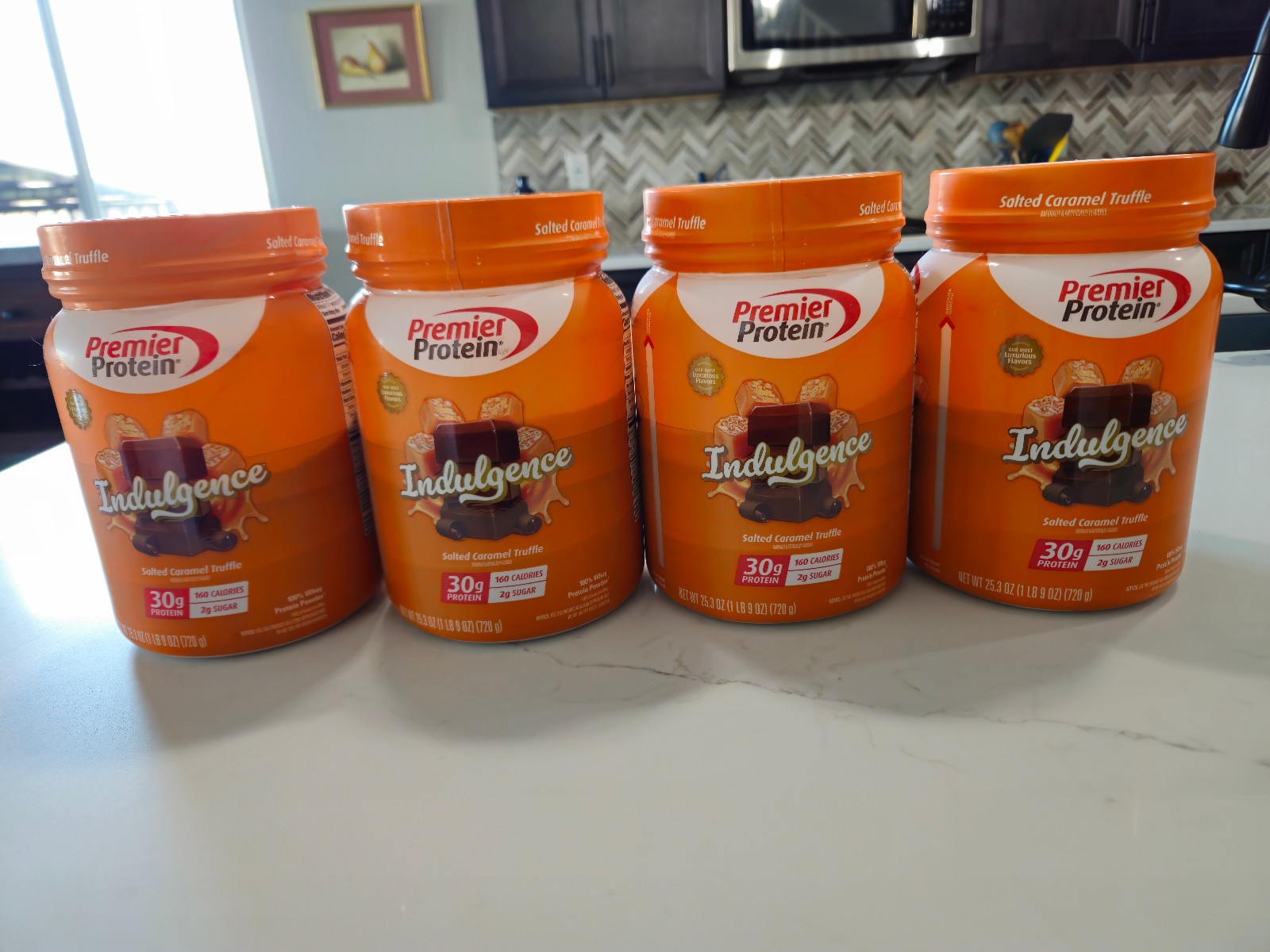 Premier Protein Protein Powder, 30G Protein, 4 Salted Caramel Truffle- FREE SHIP$120.00View on eBay
Highlights
- Whey protein concentrate typically contains 70-80% protein by weight, while whey isolate reaches 85-90% protein with most lactose and fat removed.
- Collagen peptides are not a complete protein: they lack tryptophan and are low in leucine, so they support skin and joint goals but not muscle protein synthesis.
- Grass-fed and rBGH-free claims refer to dairy sourcing, not protein quality; the amino acid profile of whey is determined by the filtration process, not the pasture claim.
- Scoop size varies widely between brands (typically 28-32 g for whey concentrate, 30-34 g for isolate), so compare cost and protein per actual gram, not per scoop.
Best use cases
- Best fit: post-workout muscle repair — choose a whey isolate or hydrolysate with at least 24 g protein and 5 g or more BCAAs per serving; skip collagen, which lacks the leucine needed to trigger muscle protein synthesis.
- Best fit: daily protein top-up for lactose-sensitive users — pick whey isolate or a plant blend with pea and rice protein; skip whey concentrate, which retains lactose and can cause bloating.
- Best fit: skin, hair, and joint support — collagen peptides at 10-20 g daily are appropriate; do not count collagen toward your total daily protein target for muscle.
Buying tips
- Compare protein per 100 g of powder, not per scoop: a 30 g scoop delivering 20 g protein (67%) is a concentrate, while 30 g delivering 26 g (87%) is an isolate.
- For muscle gain, target 1.6-2.2 g protein per kg body weight daily from all sources; a powder with 24 g per serving covers roughly one meal's protein contribution.
- Choose unflavored or naturally flavored powders if you want to avoid sucralose and acesulfame potassium; flavored varieties typically add 1-3 g carbs per serving from sweeteners and flavoring.
- Buy the smallest tub that matches your consumption rate: opened powder absorbs moisture and clumps within 2-3 months, so a 5 lb tub suits daily users while a 1.5-2 lb tub suits 2-3 servings per week.
Specs
| Protein Source | Whey concentrate / isolate / collagen |
|---|---|
| Protein Per Serving | 20-26 g (whey) / 9-20 g (collagen) |
| Processing Type | Concentrate 70-80% / Isolate 85-90% |
| Tub Size | 1.5-2 lb / 5 lb |
Related searches
What to check before buying
- Confirm your daily protein gap: if you already eat 1.2 g/kg or more from food, a single 24 g serving covers the remainder without overshooting calories.
- Check for lactose intolerance or dairy allergy: isolate contains under 1 g lactose per serving, while concentrate can contain 2-4 g; dairy allergy requires a plant or egg white powder.
- Verify scoop and serving count on the label: a 2 lb tub typically yields 25-30 servings at 30 g per scoop, so match tub size to your monthly usage.
- Store in a cool, dry place below 25°C with the lid sealed; powders are hygroscopic and clump permanently once moisture enters the tub.
FAQ
Data sources: eBay / Amazon listings and product attribute feeds. Updated Nov 27, 2026.
Some links on this page are affiliate links. If you buy after clicking one, we may earn a commission at no extra cost to you. This does not change which products appear here or their order. Affiliate disclosure.