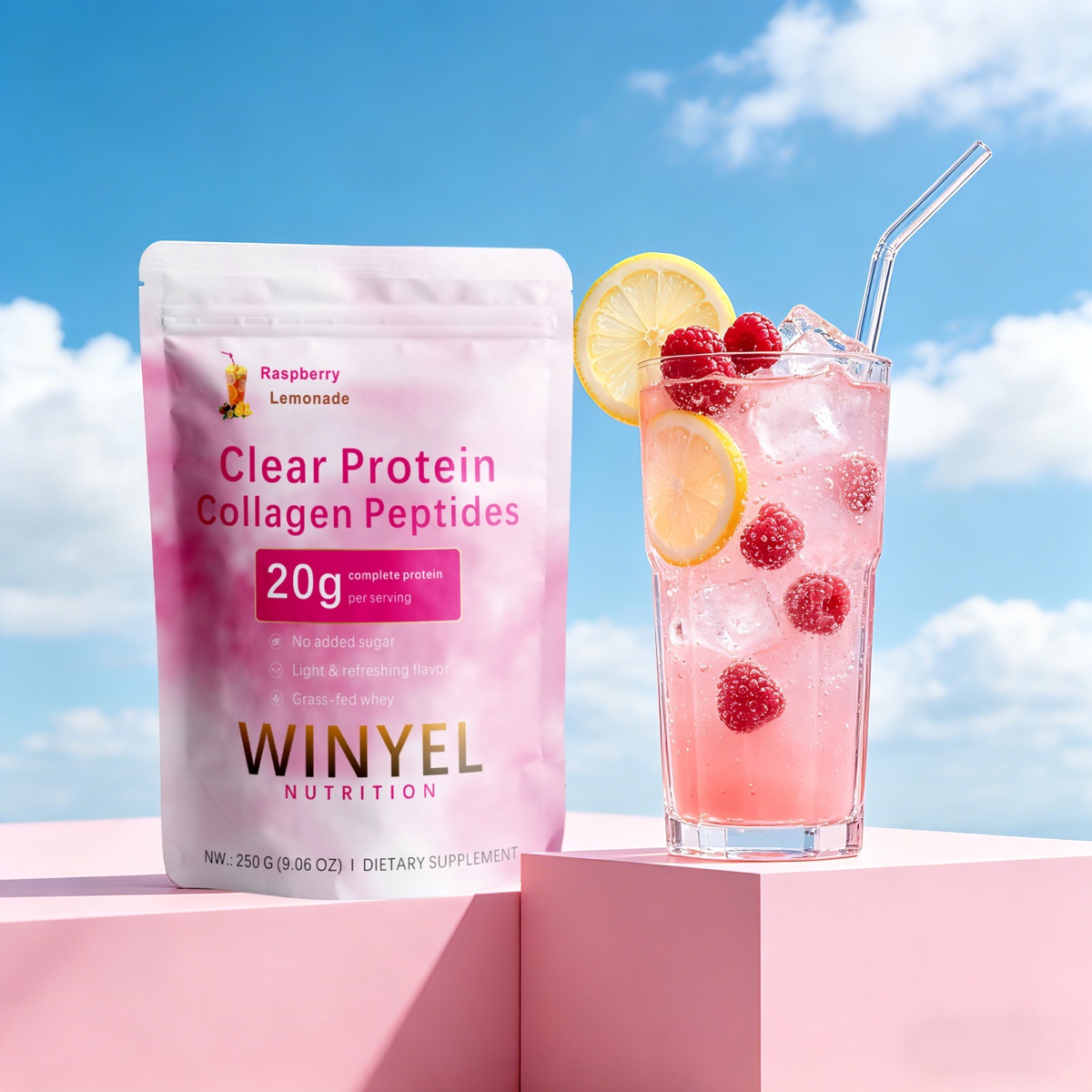

Photos from current listings. Actual item, color, and included accessories may vary.
Grass Fed Whey Protein Buying Guide
Grass-fed whey protein is a dairy supplement where cattle graze on pasture, yielding milk with a different fatty acid profile and often stricter sourcing standards; the main trade-off is between isolate (higher protein by weight, lower lactose, higher cost) and concentrate (more carbs/fat, lower cost). The clear decision rule: choose an isolate if you are lactose-sensitive or cutting calories, choose a concentrate if you want a creamier texture and lower cost per serving, and always confirm third-party testing for heavy metals.
Median $51.99
Key takeaways
- Isolate vs concentrate: isolate is typically 90% protein by weight with <1g lactose per serving, while concentrate is 70-80% protein with 2-4g lactose and more fat/carbs.
- Grass-fed certification: look for American Grassfed Association (AGA) or PCO 100% Grassfed seals, which mandate continuous pasture access; 'grass-fed' alone is unregulated.
- Processing method: cold-processed or cross-flow microfiltration preserves immunoglobulins and avoids denaturing, unlike ion-exchange which can reduce bioactive fractions.
At a glance
- Category
- Protein Nutrition
- Last updated
- Nov 27, 2026
Current offers
Highlights
- Isolate vs concentrate: isolate is typically 90% protein by weight with <1g lactose per serving, while concentrate is 70-80% protein with 2-4g lactose and more fat/carbs.
- Grass-fed certification: look for American Grassfed Association (AGA) or PCO 100% Grassfed seals, which mandate continuous pasture access; 'grass-fed' alone is unregulated.
- Processing method: cold-processed or cross-flow microfiltration preserves immunoglobulins and avoids denaturing, unlike ion-exchange which can reduce bioactive fractions.
- A2/A2 beta-casein: some grass-fed whey is sourced from A2/A2 herds, which may be easier to digest for people with A1 beta-casein sensitivity.
Best use cases
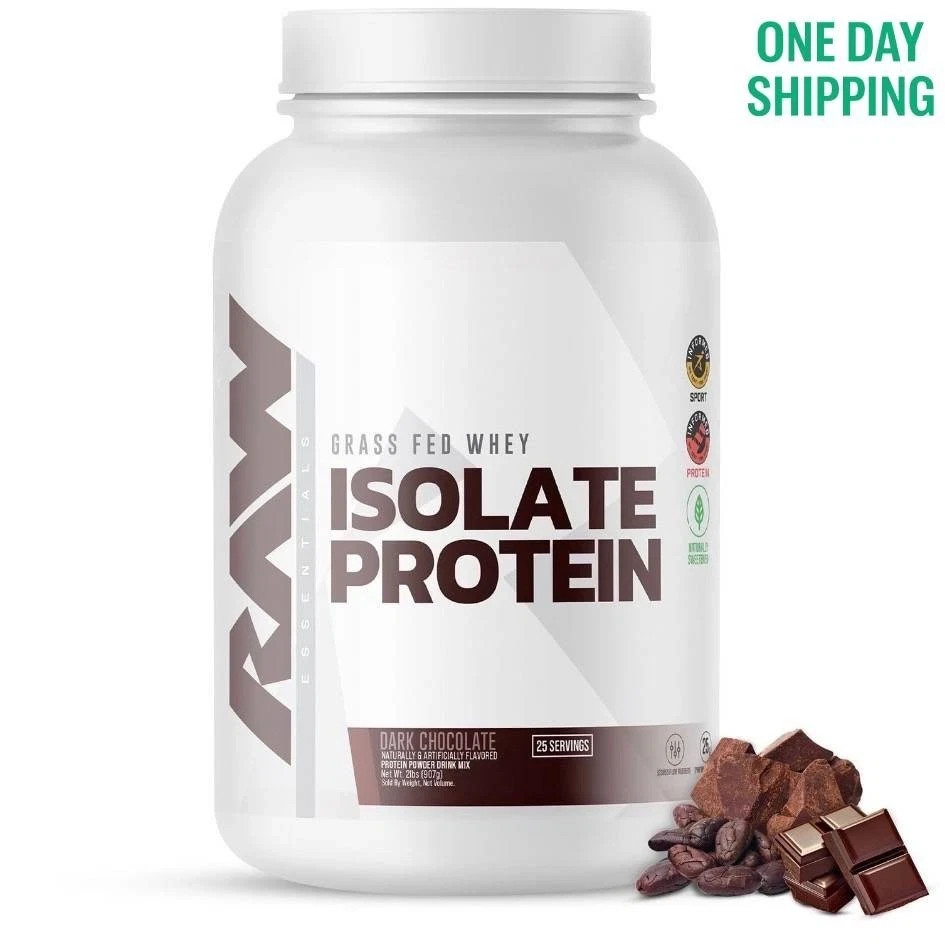
- Best fit for lactose-sensitive daily users: pick a grass-fed whey isolate (e.g., Nutricost or RAW Nutrition) with <1g lactose and 25g+ protein per scoop; skip concentrates.
- Best fit for post-workout recovery on a budget: choose a grass-fed whey concentrate with 20-24g protein and 2-4g carbs per scoop; skip clear whey isolates if you want a creamy shake.
- Wrong fit for strict dairy-free or vegan diets: grass-fed whey is still dairy; choose pea/rice protein blends instead. Also skip clear whey if you need a thick smoothie texture.
Buying tips
- Calculate protein per dollar: divide total grams of protein per container by the container price; isolate typically delivers 30-40g more protein per pound than concentrate.
- Check the label for 'grass-fed' plus a third-party seal (NSF Certified for Sport or Informed Sport) to verify heavy-metal and banned-substance testing.
- For clear whey isolates, confirm the protein source is whey protein isolate hydrolysate, which stays clear in water; regular isolate will be cloudy.
- Match scoop size to your protein target: a 30g scoop of isolate yields ~25g protein; a 35g scoop of concentrate yields ~20g protein—adjust servings accordingly.
Specs
| Protein Type | Isolate (90%) vs Concentrate (70-80%) |
|---|---|
| Lactose Content | Isolate <1g / Concentrate 2-4g per serving |
| Certification | AGA, PCO 100% Grassfed, NSF Certified |
| Beta-Casein | A1/A2 or A2/A2 (easier digestion) |
Related searches
What to check before buying
- Verify your lactose tolerance: if you experience bloating with regular whey, choose an isolate with <1g lactose per serving.
- Confirm the container size and serving count: 2 lb (907g) of isolate typically provides 30-33 servings at 30g scoop; check total servings, not just weight.
- Check for added sugars or artificial sweeteners: unflavored versions have zero additives; flavored versions often use stevia or monk fruit—pick based on your preference.
- Ensure your shaker or blender can handle the mix: isolates dissolve easily in water; concentrates may need a blender for smooth texture.
FAQ
Data sources: eBay / Amazon listings and product attribute feeds. Updated Nov 27, 2026.
Some links on this page are affiliate links. If you buy after clicking one, we may earn a commission at no extra cost to you. This does not change which products appear here or their order. Affiliate disclosure.