
Photos from current listings. Actual item, color, and included accessories may vary.
High Protein Shake Buying Guide
High protein shakes are ready-to-drink or powder-based nutrition beverages delivering 15–30g+ protein per serving for weight management, muscle support, and meal replacement. The core trade-off is protein density versus added sugar, artificial sweeteners, and calorie load—most mainstream RTD shakes anchor at 20g protein per 8oz while clinical/weight-loss formulas push 30g in 11oz. The decision rule: prioritize protein-to-calorie ratio (≥10g protein per 100 calories) and fiber content; anything below 15g protein per serving or above 12g sugar is a snack, not a protein shake.
Median $27.51
Key takeaways
- RTD protein shakes split into two architectures: 8oz/20g mainstream (Ensure, Boost, Equate) and 11oz/30g high-density clinical formats—the latter delivers 50% more protein per bottle but often at 150–250% higher unit cost.
- Protein source determines digestibility: whey/milk-based RTD shakes (Ensure, Boost) hit 20–30g with complete amino profiles; plant-based versions typically run 15–20g and need 20–30% more volume for equivalent leucine.
- Sugar content is the hidden differentiator—mainstream 'high protein' shakes range 4–9g sugar per 8oz, while weight-loss targeted formulas use sucralose/stevia to hit ≤2g sugar; exceeding 12g sugar per serving negates the protein advantage.
At a glance
- Category
- Protein Nutrition
- Last updated
- Nov 27, 2026
Current offers
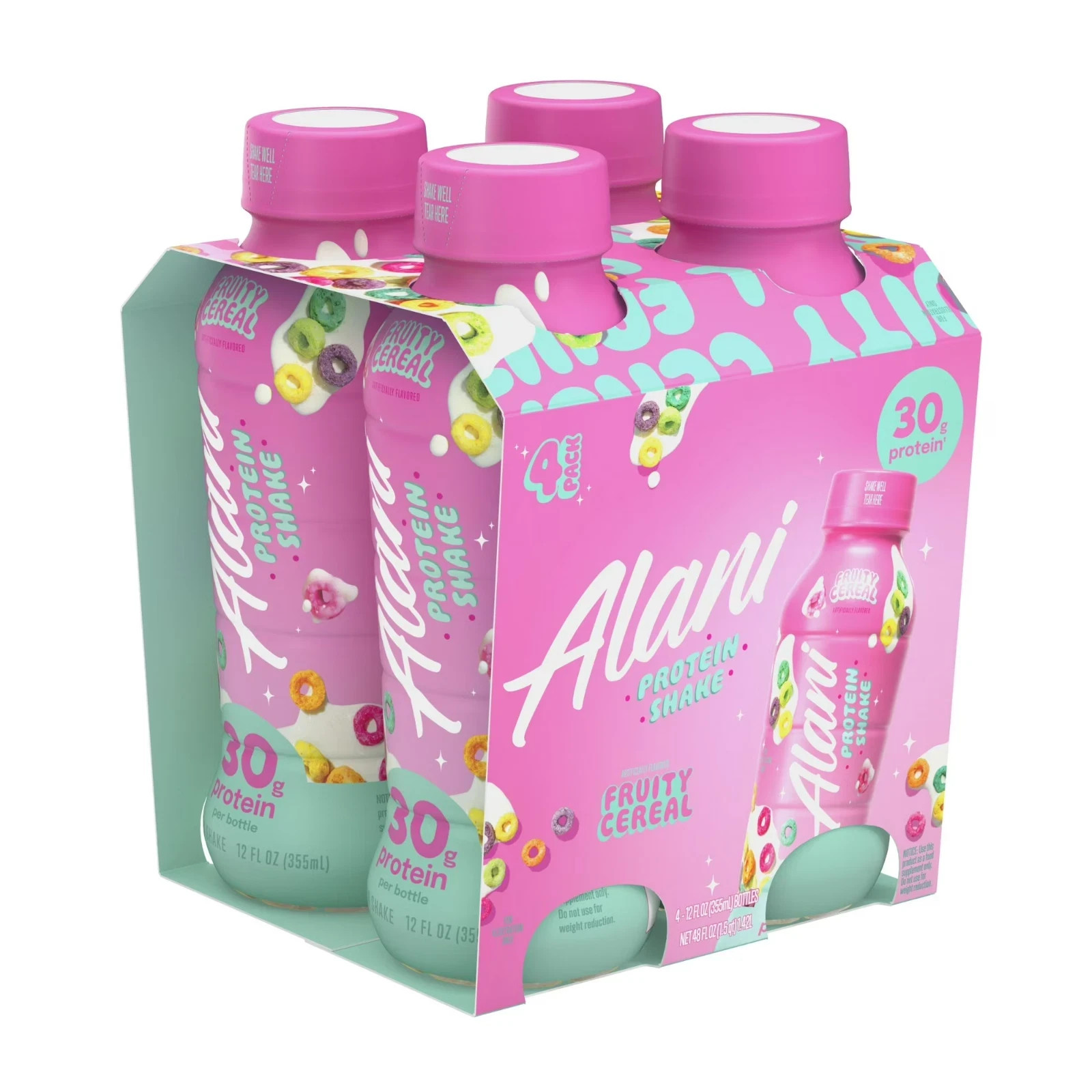 Alani Nu Protein shake Fruity cereal 12 fl oz 4 pack Bottles.....$3.98View on eBay
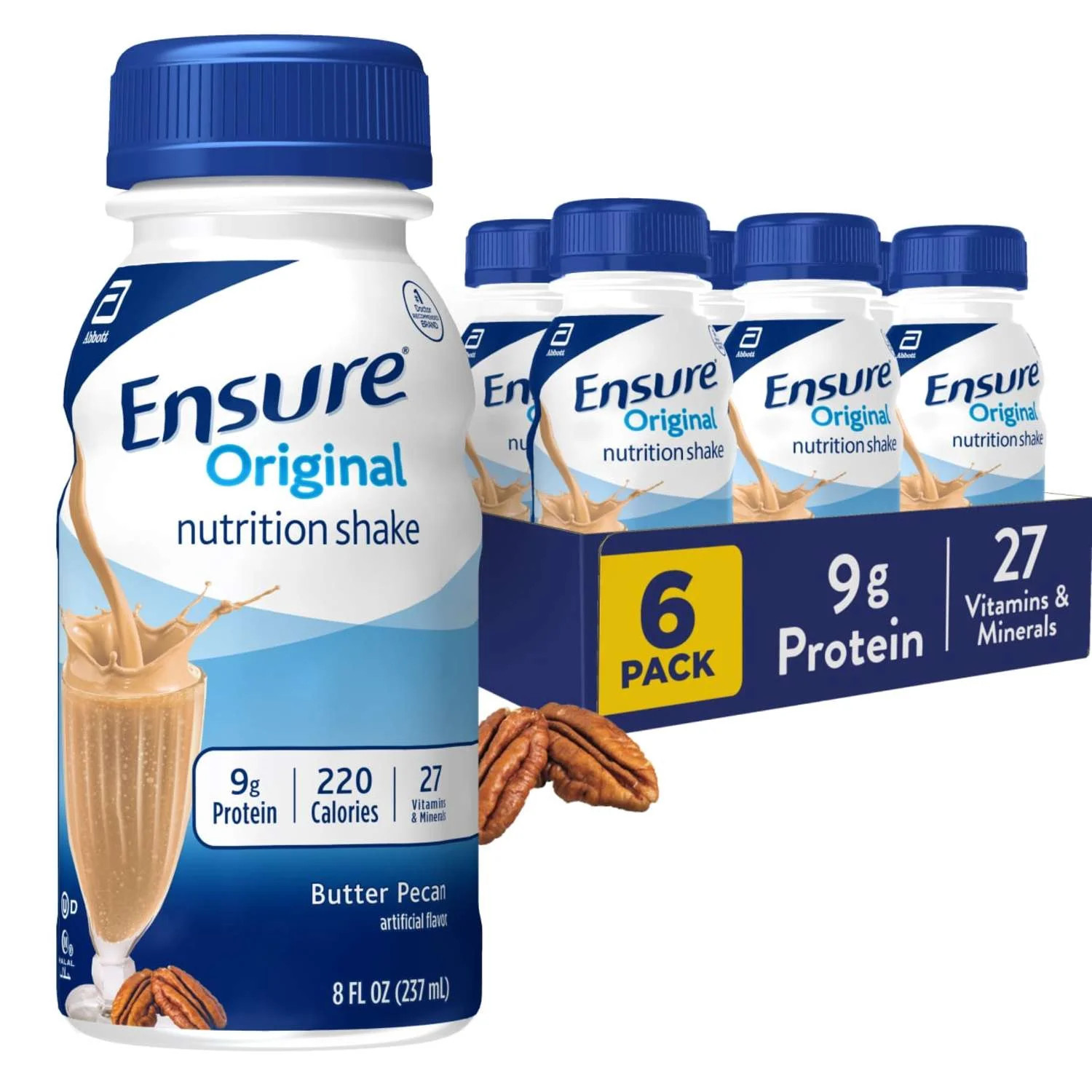 Original Nutrition Shake, 9G Protein, Butter Pecan, 8 Fl Oz - 6 Pack$5.99View on eBay
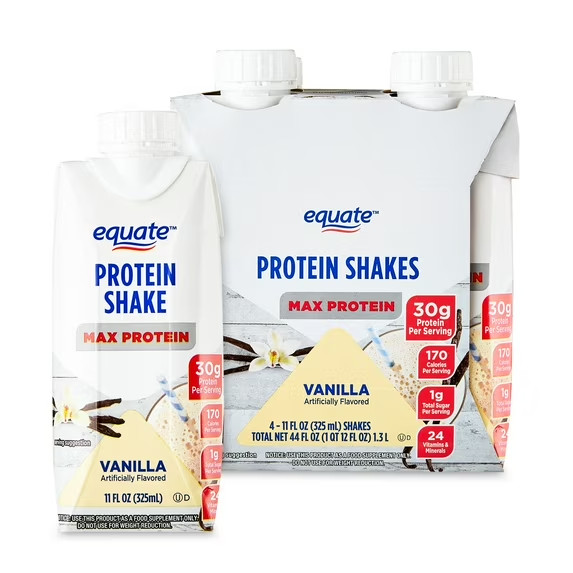 Equate Max Protein Nutrition Shake, Vanilla Flavored, 11 fl oz, 4 Count$5.99View on eBay
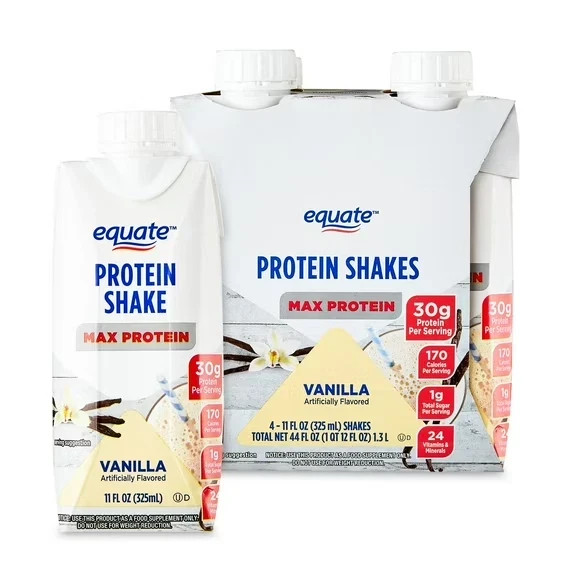 Equate Max Protein Nutrition Shake, Vanilla Flavored, 11 fl oz, 4 Count$5.99View on eBay
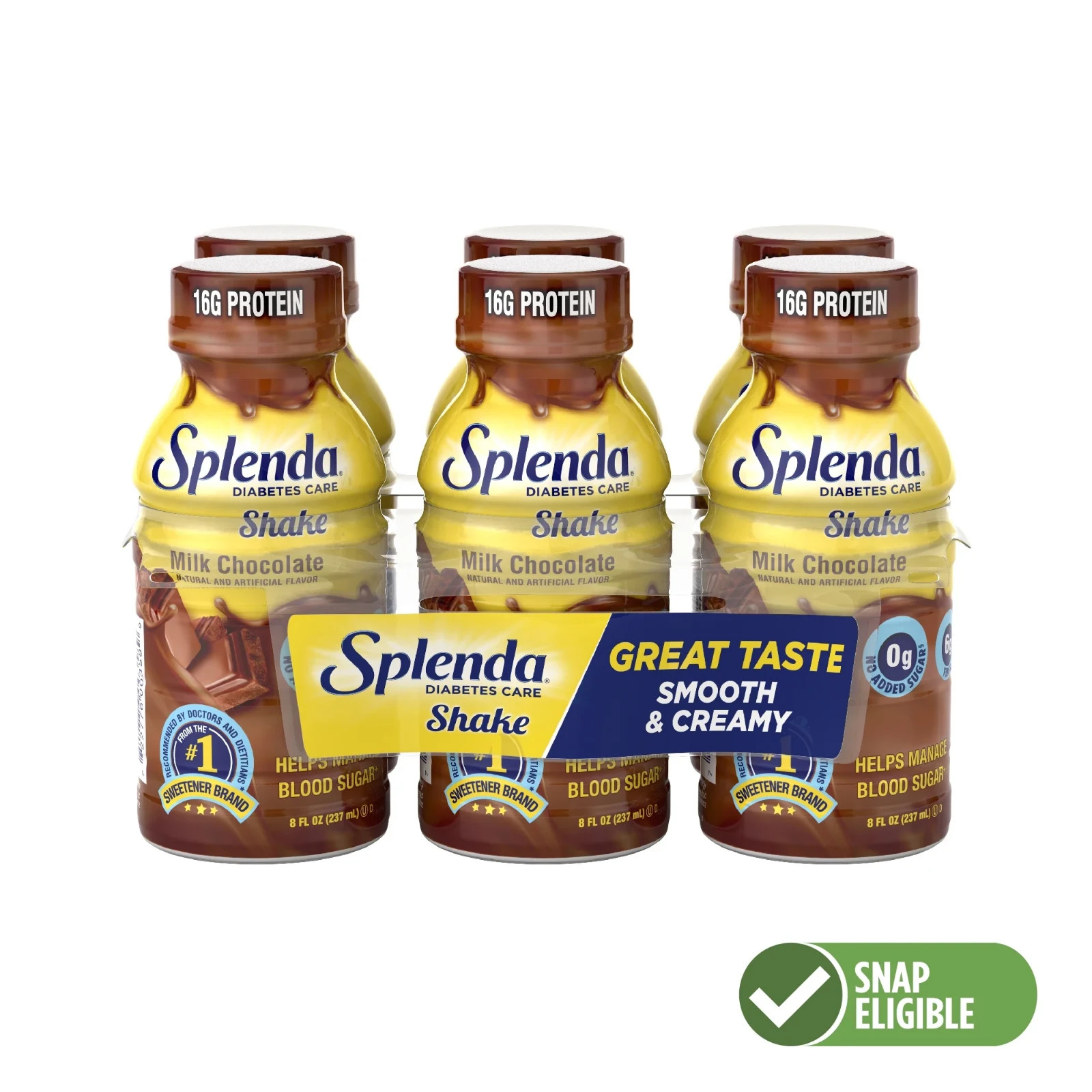 Diabetic Protein Shakes to Help Manage Blood Sugar 8 oz Milk Chocolate 6 count$7.49View on eBay
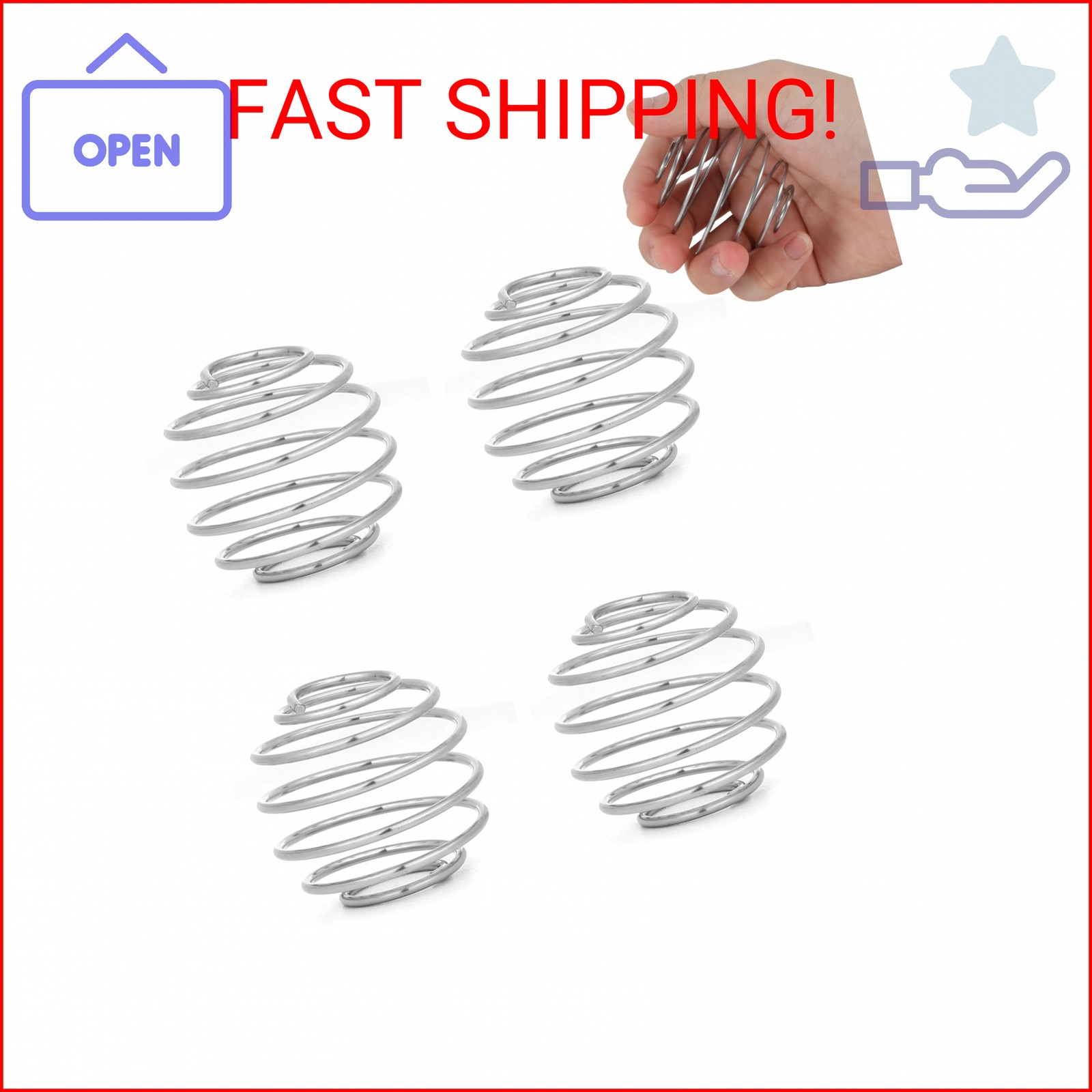 BooMetCheer 4 Pcs 2.1-Inch Large Size Shaker Balls for Protein Shakes,Milkshake$7.99View on eBay
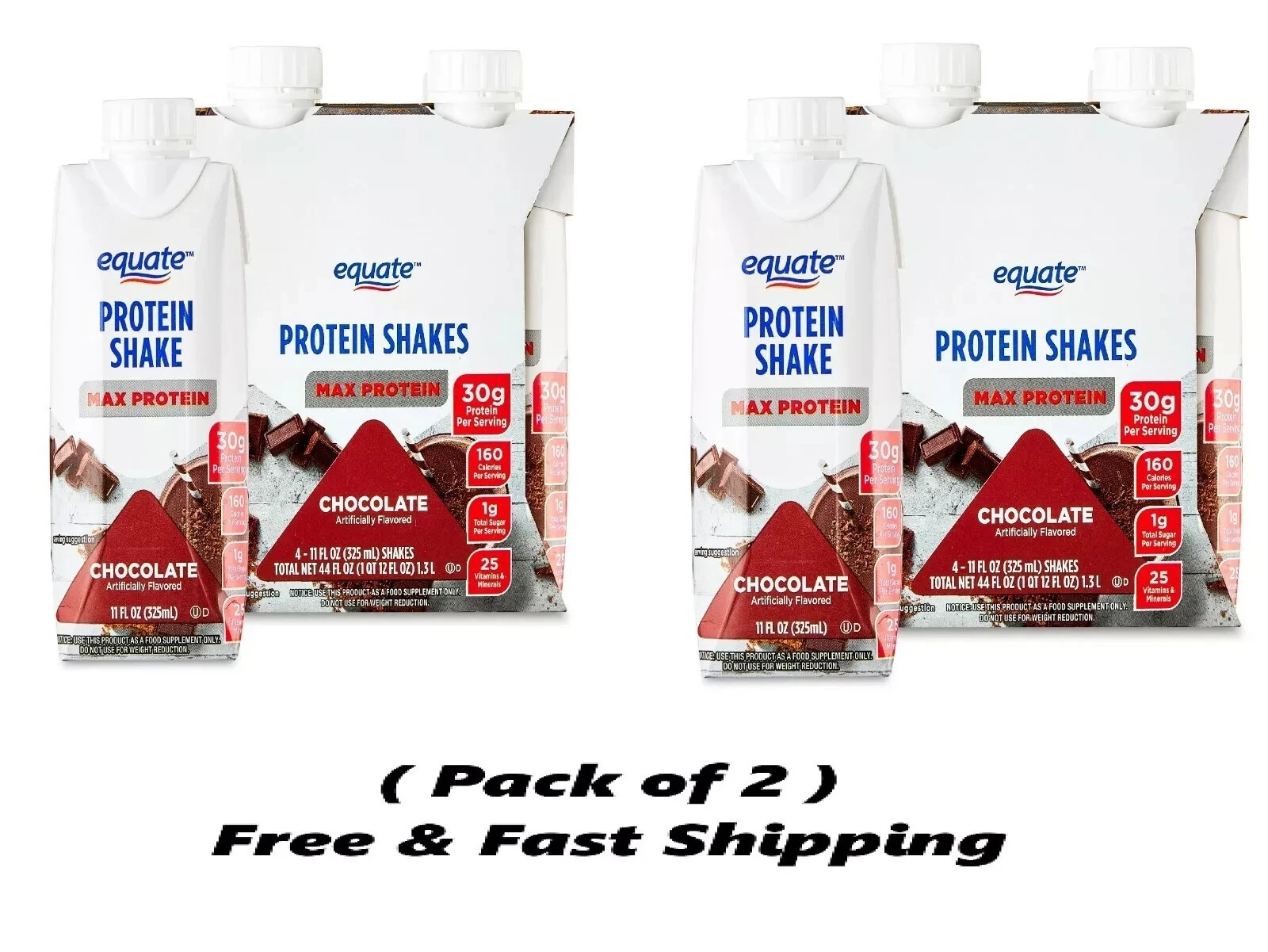 Equate Max Protein Nutrition Shake, Chocolate Flavored, Liquid, 11 fl oz 8 Count$11.19View on eBay
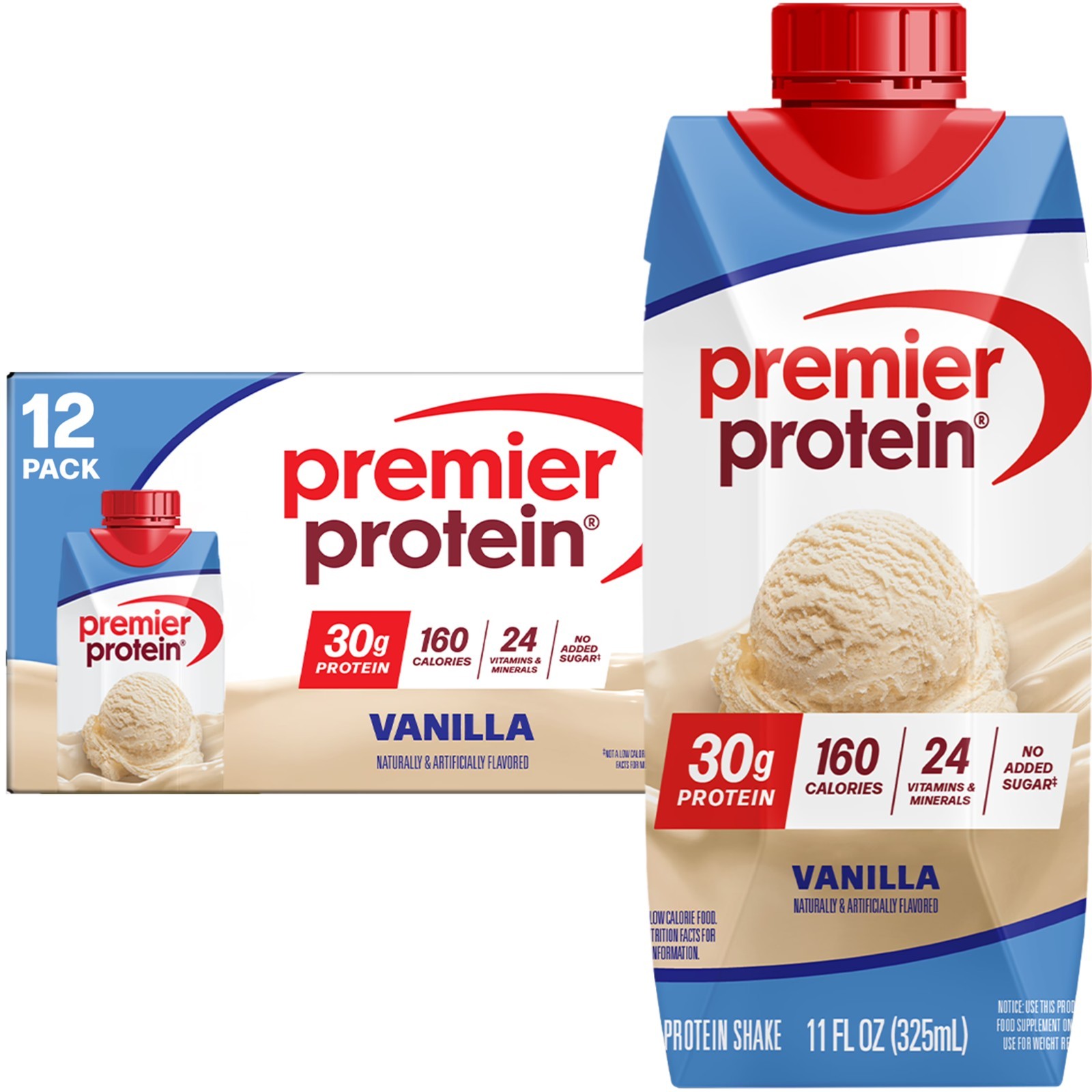 Vanilla Protein Shake 30g Protein Ready to Drink 11 fl oz 12 Ct$15.17View on eBay
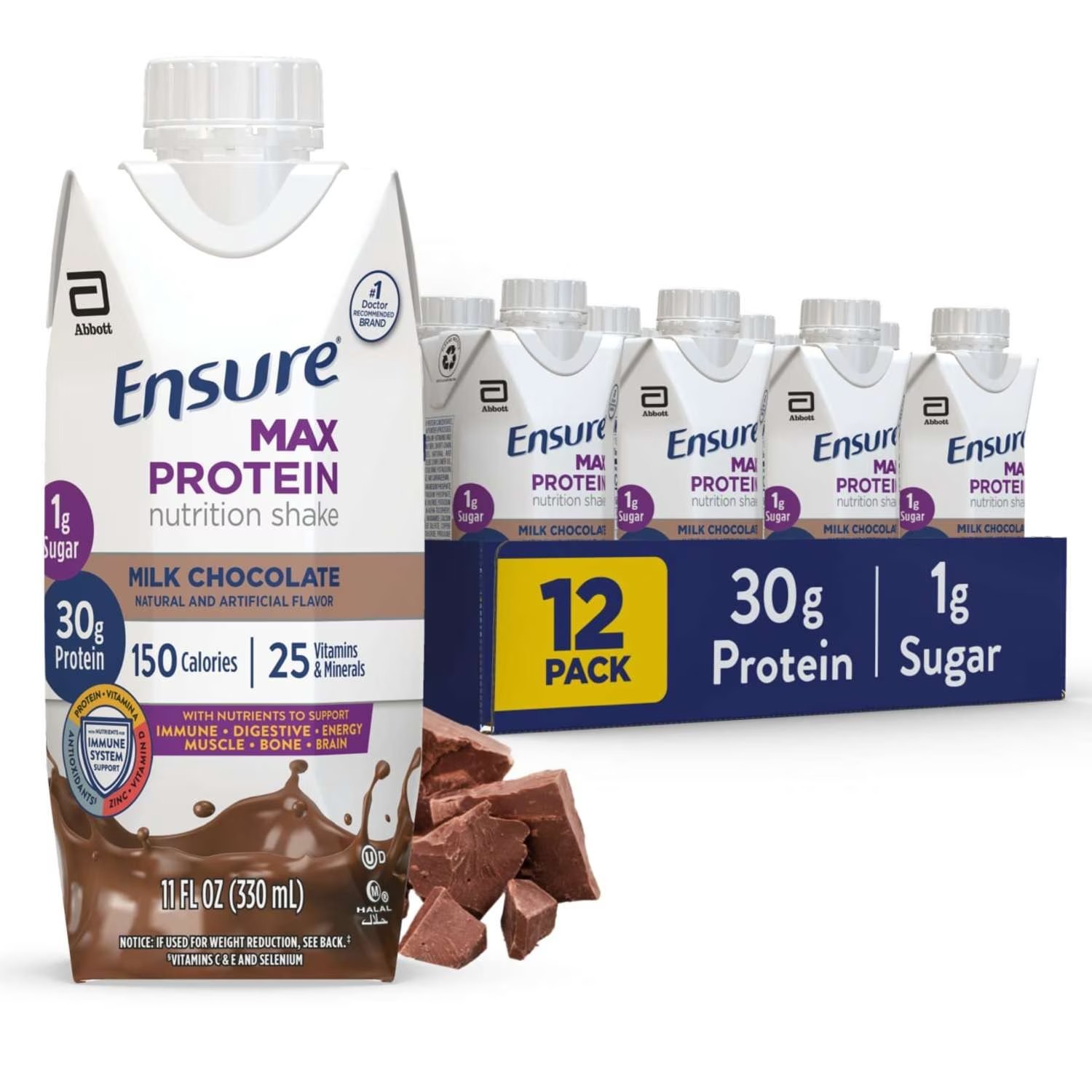 Ensure Max Protein Shake Milk Chocolate 30g Protein 11 fl oz 12 Pack$18.97View on eBay
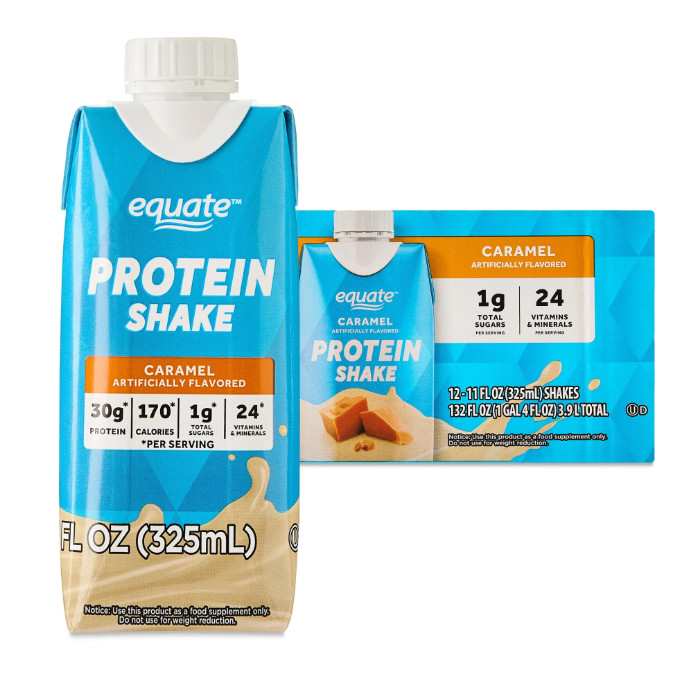 Equate Protein Nutrition Shake, Caramel, 11 fl oz, 12 Count$20.99View on eBay
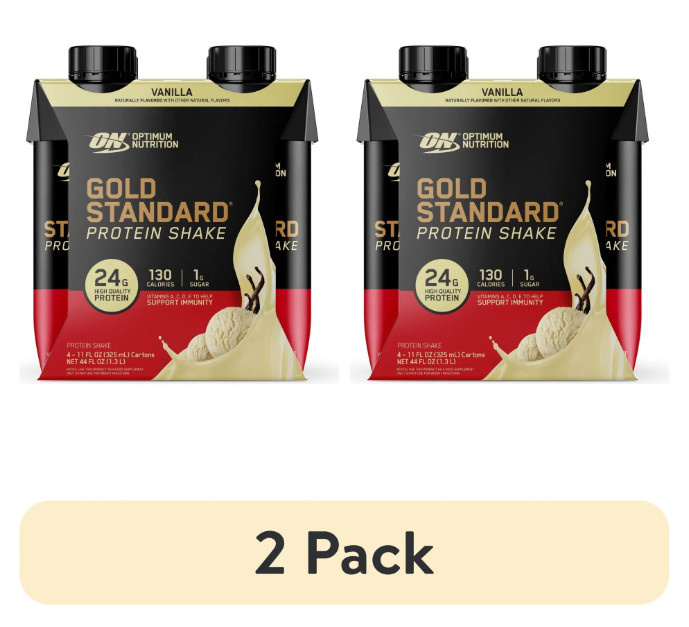 Optimum Nutrition Gold Standard Protein Shake, Vanilla, 24g Protein, 8-Pack$20.99View on eBay
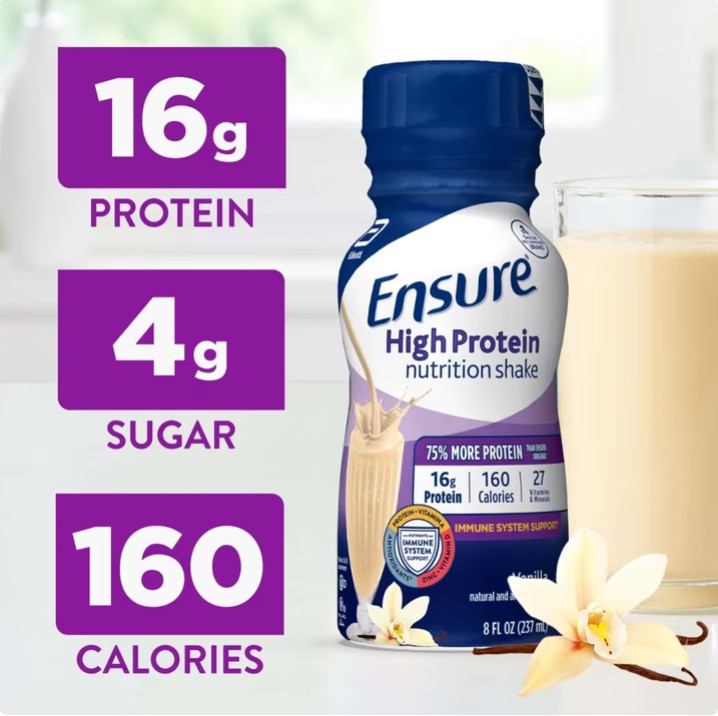 Ensure High Protein Nutrition Shake, Strawberry, 8 fl oz, 24 Count$27.51View on eBay
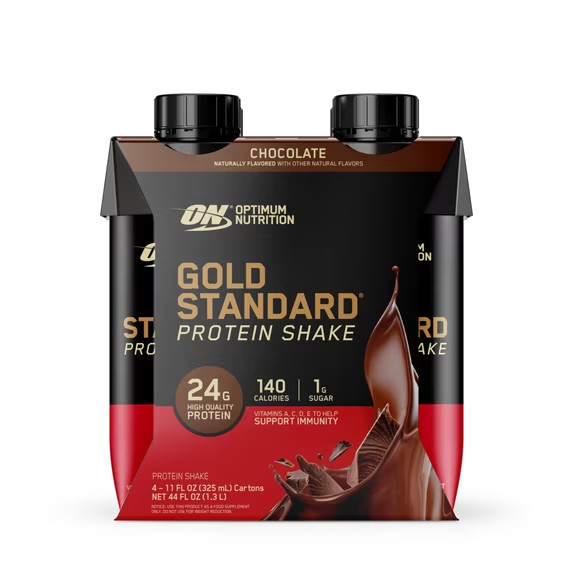 Optimum Nutrition Gold Standard Protein Shake, Chocolate, 24g$28.45View on eBay
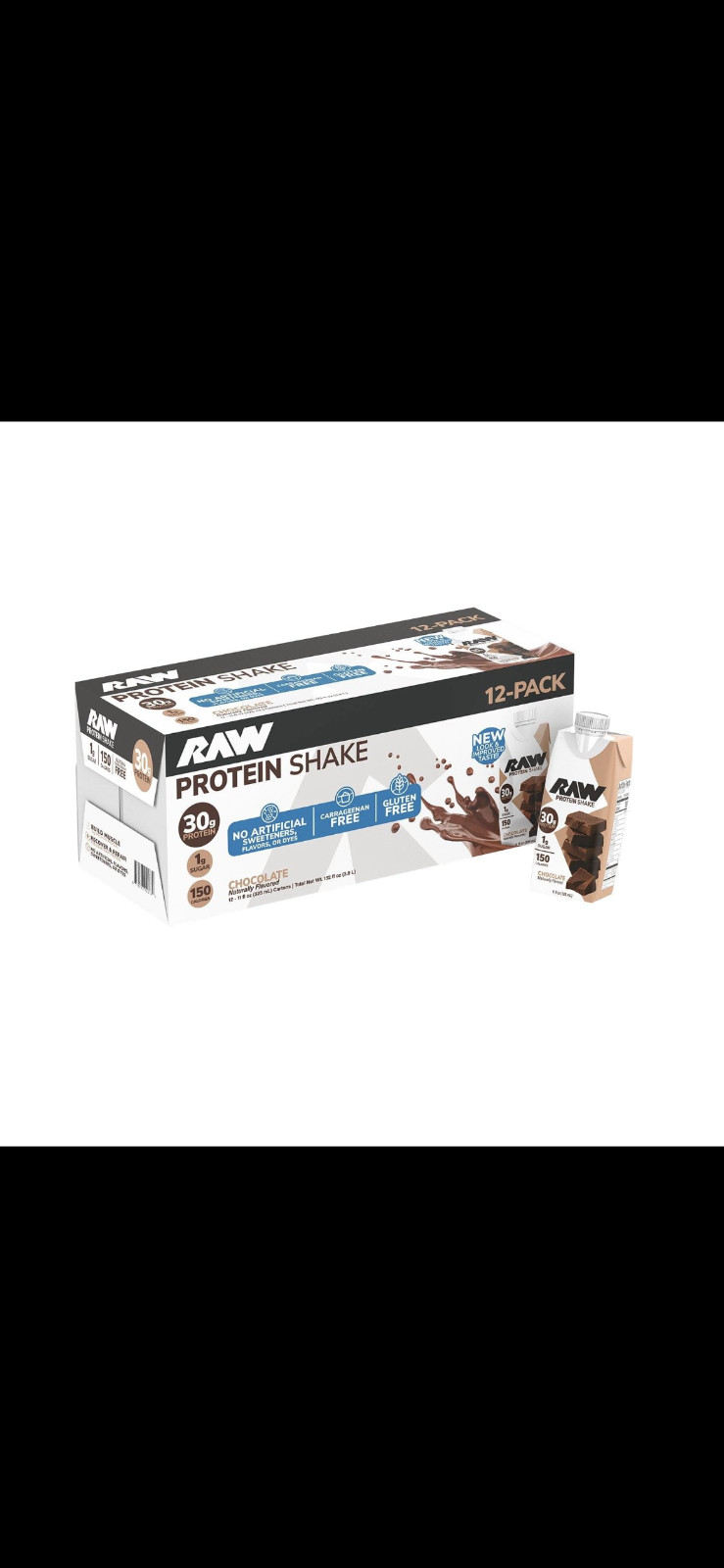 RAW Nutrition 30g Protein Shake, Chocolate, 11 fl. oz., 12 pk.$30.99Last checked Nov 26, 2026View on eBay
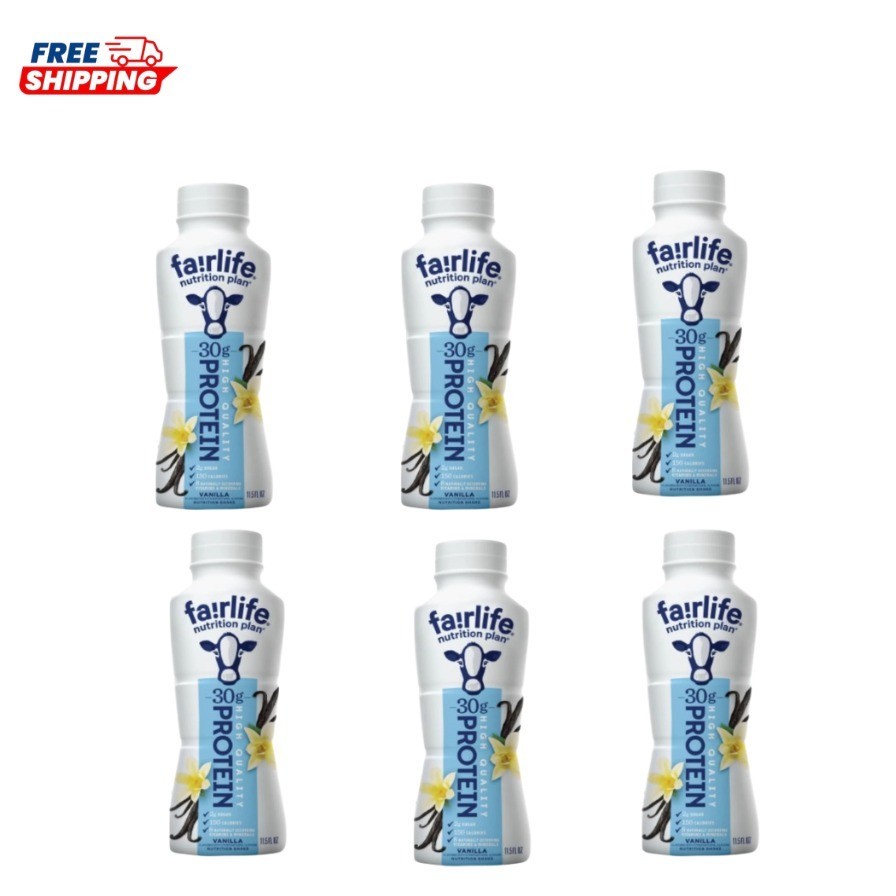 Fairlife Nutrition Plan 30g Protein Shake – Vanilla (6 Pack)$34.99Last checked Nov 21, 2026View on eBay
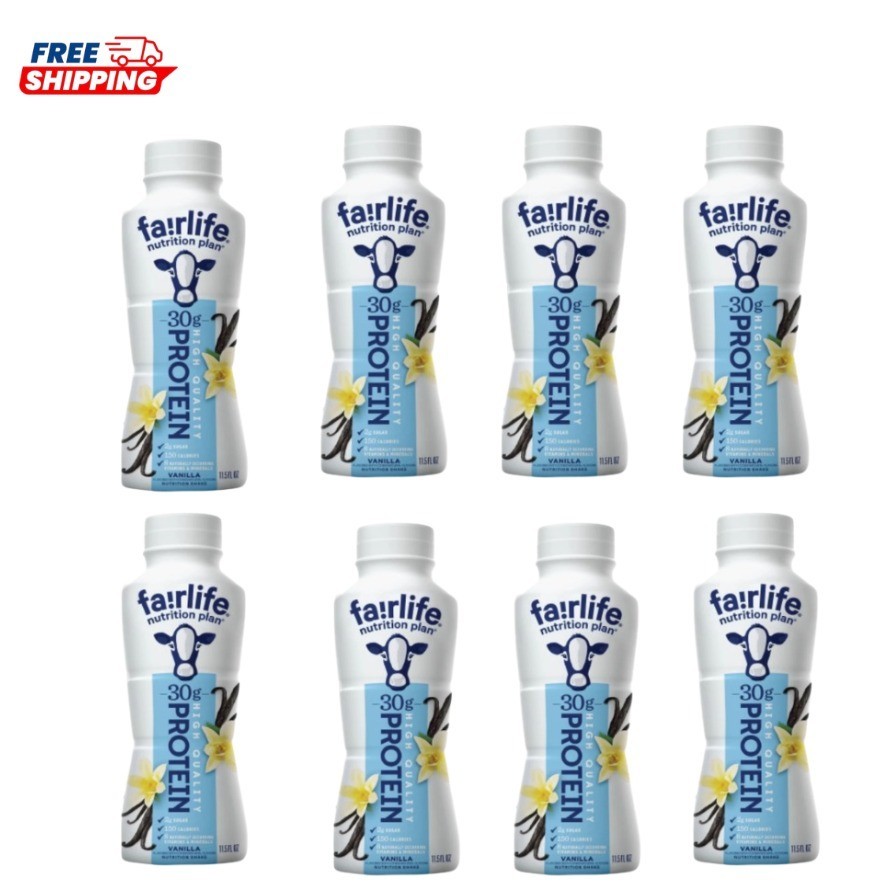 Fairlife Nutrition Plan 30g Protein Shake – Vanilla (8 Pack)$39.99Last checked Nov 21, 2026View on eBay
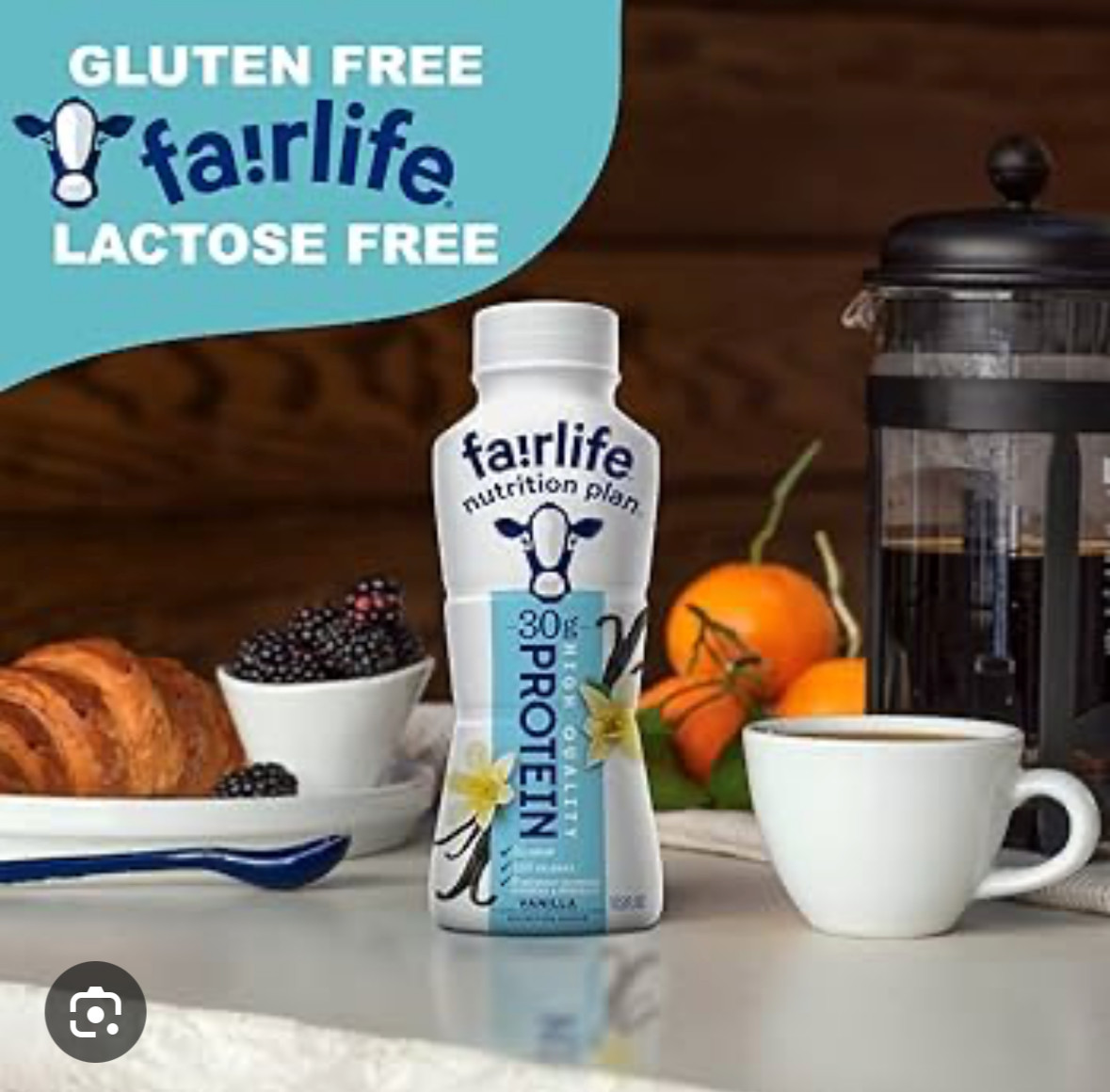 Fairlife Nutrition Plan Vanilla Protein Shakes – 11.5 oz Bottles (18-Pack)$44.99Last checked Nov 19, 2026View on eBay
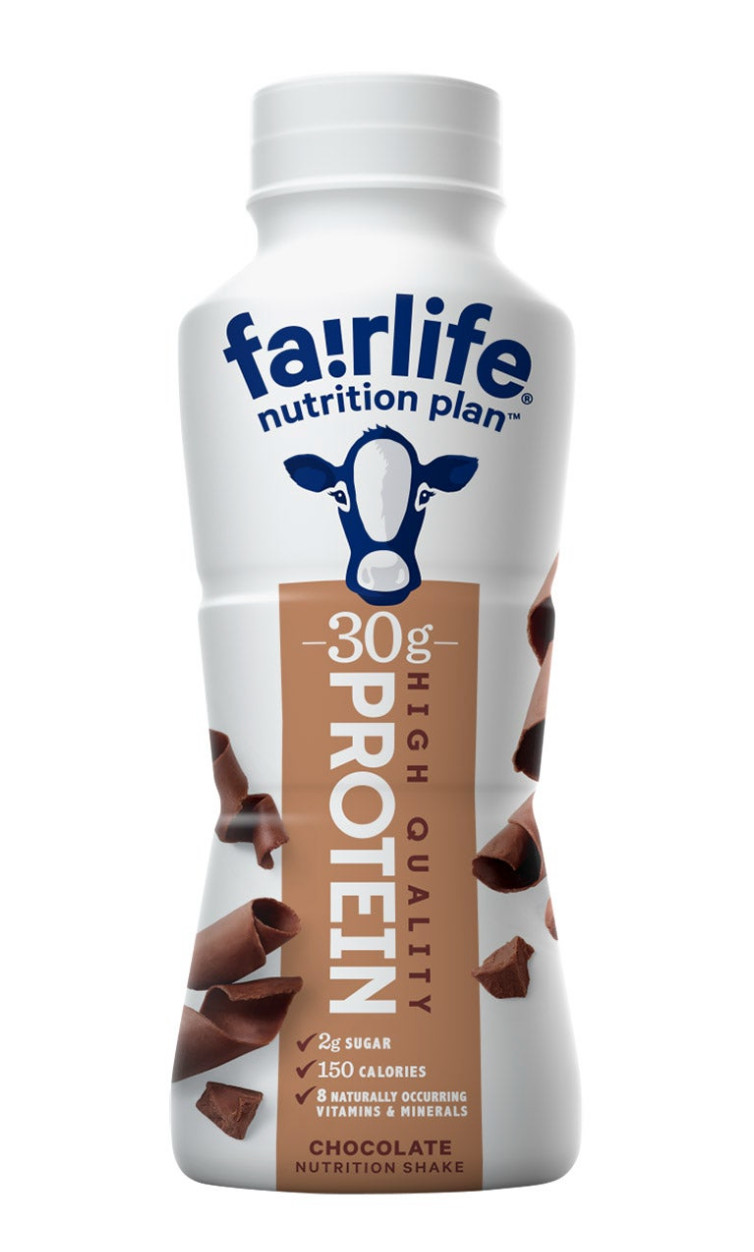 Fairlife Nutrition Plan Chocolate Protein Shakes – 11.5 oz Bottles (18-Pack)$44.99Last checked Nov 19, 2026View on eBay
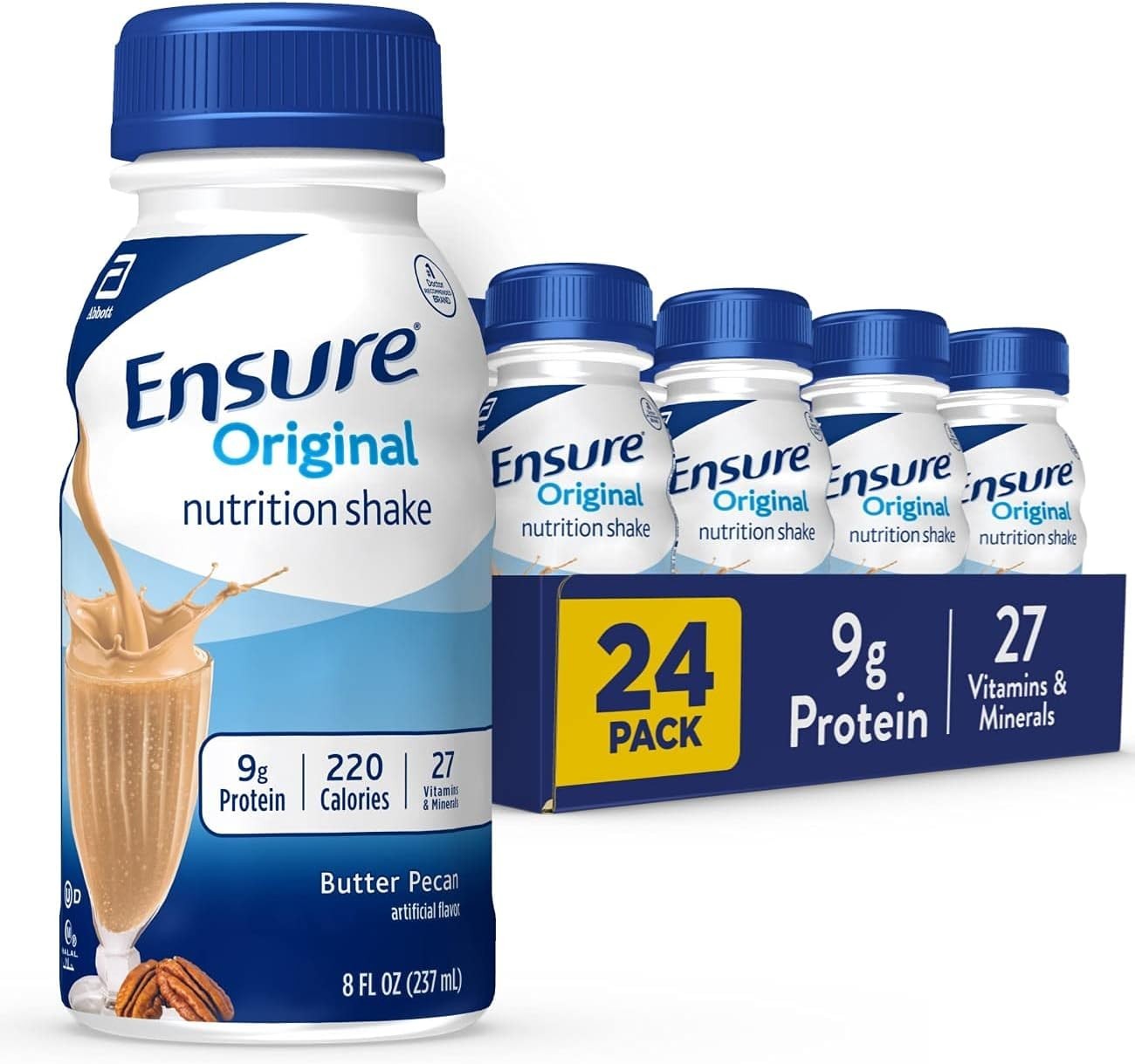 Original Protein Drinks 8 Fl Oz Pack of 24 Balanced Nutrition shakes$52.68View on eBay
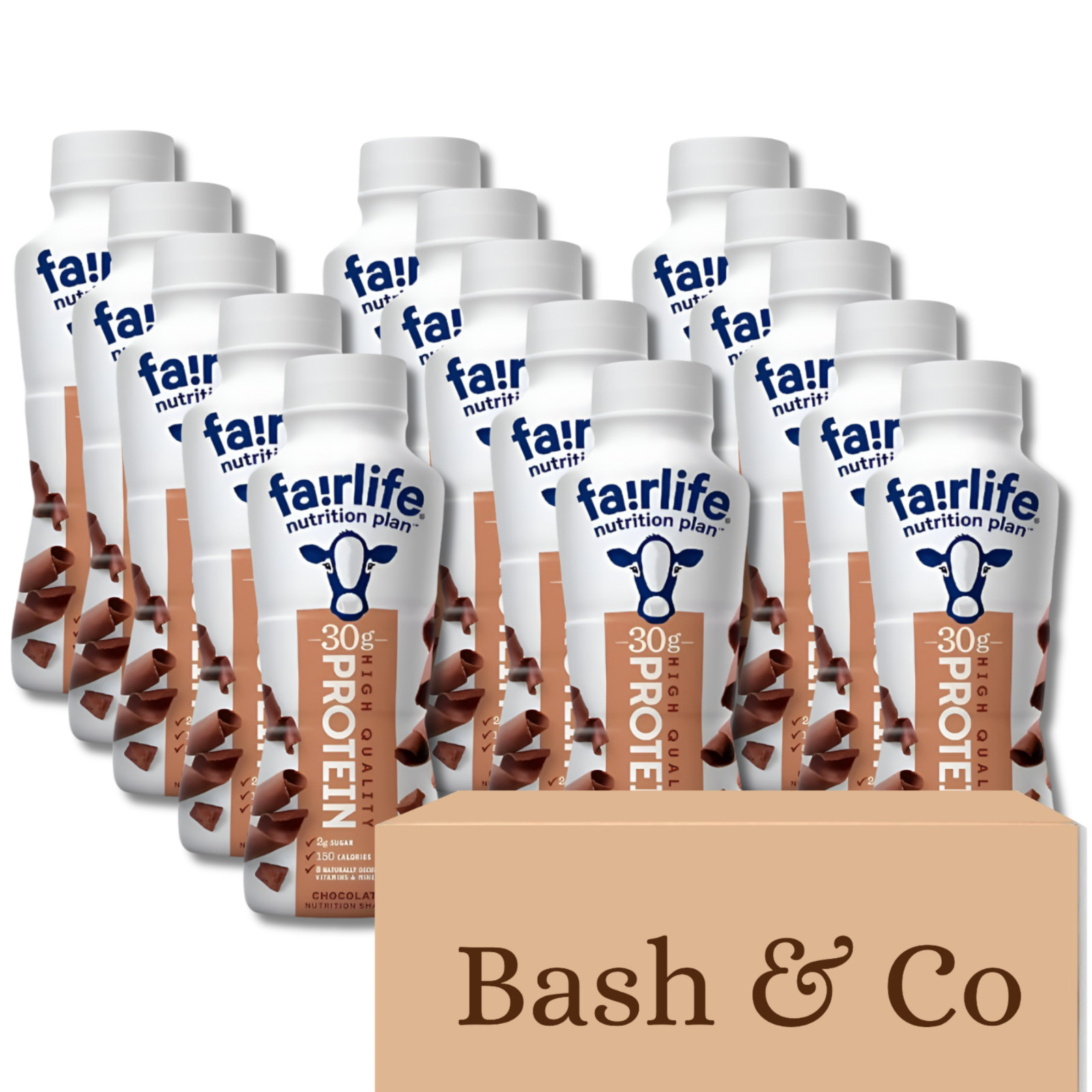 Fairlife Nutrition Plan 30g Protein Shake Chocolate 11.5oz 15 Pack by Bash & Co$54.99Last checked Nov 21, 2026View on eBay
Highlights
- RTD protein shakes split into two architectures: 8oz/20g mainstream (Ensure, Boost, Equate) and 11oz/30g high-density clinical formats—the latter delivers 50% more protein per bottle but often at 150–250% higher unit cost.
- Protein source determines digestibility: whey/milk-based RTD shakes (Ensure, Boost) hit 20–30g with complete amino profiles; plant-based versions typically run 15–20g and need 20–30% more volume for equivalent leucine.
- Sugar content is the hidden differentiator—mainstream 'high protein' shakes range 4–9g sugar per 8oz, while weight-loss targeted formulas use sucralose/stevia to hit ≤2g sugar; exceeding 12g sugar per serving negates the protein advantage.
- Powder shakes offer 2–3× cost efficiency per gram of protein versus RTD, but require portion control and a shaker—RTD's premium buys shelf-stable convenience and precise dosing, not superior nutrition.
Best use cases
- Best fit: post-bariatric or medically supervised weight loss—choose 11oz/30g RTD with ≤2g sugar and ≥5g fiber per bottle; skip 8oz/20g mainstream shakes that require two bottles for the same protein target.
- Best fit: grab-and-go breakfast replacement—pick 8oz/20g RTD in multi-packs with ≤6g sugar; skip 18oz/24-pack bulk formats that cost more per ounce and expire faster than you can drink them.
- Wrong fit: daily gym recovery on a budget—RTD at 20g protein per 8oz costs 2–3× more per gram than whey powder; use powder for training and reserve RTD for travel, office, or emergency meals.
Buying tips
- Calculate protein density: divide grams of protein by total calories and multiply by 100. Aim for ≥10g protein per 100 calories—a 20g protein/160-calorie shake (12.5) beats a 20g/250-calorie shake (8).
- Match bottle size to protein target: 8oz bottles deliver 20g, 11oz deliver 30g. For a 30g post-workout dose, buy one 11oz bottle or two 8oz bottles—not one 8oz and a protein bar.
- Check sugar-to-protein ratio: keep added sugar ≤5g per 20g protein. Chocolate and vanilla flavors typically carry 2–4g more sugar than strawberry or unflavored—scan the label, not the front.
- Prefer multipacks with ≥15 bottles for household use and 4–6 count for trial; 24-count cases of 8oz shakes are the sweet spot for monthly consumption at 1 bottle/day.
Specs
| Protein Per Serving | 20g (8oz) / 30g (11oz) |
|---|---|
| Sugar Content | ≤5g (weight-loss) / 4–9g (mainstream) |
| Protein Source | Whey/milk vs plant-based |
| Format | RTD bottle vs powder tub |
Related searches
What to check before buying
- Verify bottle size and protein count align with your daily target—8oz/20g for light meal support, 11oz/30g for clinical or post-workout replacement.
- Confirm storage: RTD shakes are shelf-stable until opening; once opened, refrigerate and consume within 24 hours—buy multipacks sized to your fridge space.
- Check allergen profile: milk/whey-based shakes contain dairy; lactose-intolerant buyers need lactose-free or plant-based formulas, which cap at 15–20g protein per bottle.
- Match flavor format to use: chocolate/vanilla mask protein aftertaste for sipping; strawberry and coffee flavors work better chilled—avoid bulk-buying unfamiliar flavors in 24-count cases.
FAQ
Data sources: eBay / Amazon listings and product attribute feeds. Updated Nov 27, 2026.
Some links on this page are affiliate links. If you buy after clicking one, we may earn a commission at no extra cost to you. This does not change which products appear here or their order. Affiliate disclosure.