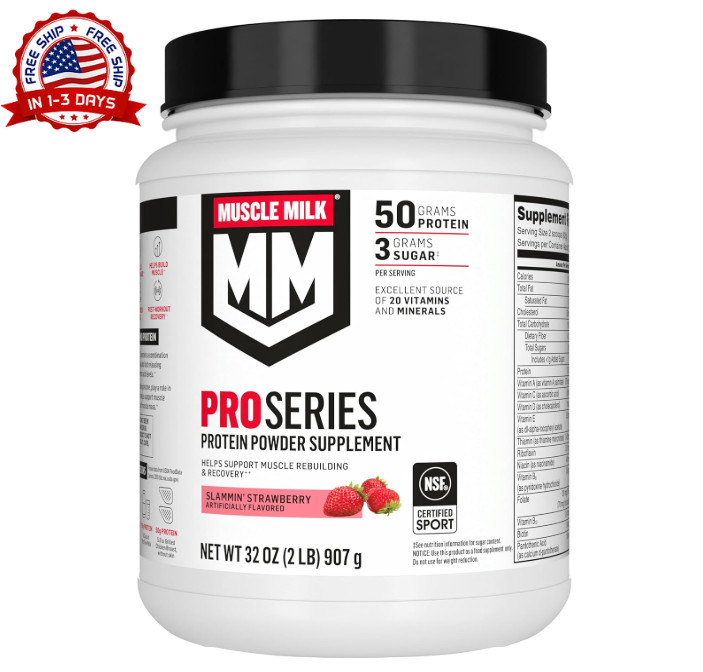

Photos from current listings. Actual item, color, and included accessories may vary.
High Protein Supplement Buying Guide
High-protein supplements are concentrated protein sources—whey, casein, soy, pea, or blends—used to close daily protein gaps when whole food is impractical. The core trade-off is protein density and absorption speed versus added sugars, fillers, and digestive load: isolate and hydrolysate tiers deliver 90%+ protein by weight with minimal lactose, while concentrates and 'meal replacement' blends dilute protein with maltodextrin and fat. The decision rule is simple: buy a product that lists protein grams per scoop and the protein source first on the label; skip any 'high protein' mix where protein is not the lead ingredient by weight.
Key takeaways
- Protein density tiers: isolate/hydrolysate powders hit 90-95% protein by weight (typically 25-30 g per 30-33 g scoop), while concentrates sit at 70-80% and gainers/meal blends drop to 40-60% with maltodextrin as the first ingredient.
- Whey isolate vs concentrate: isolate is filtered to under 1% lactose and under 1 g fat/carb per serving, making it the pick for lactose-sensitive users; concentrate retains 4-8% lactose and is cheaper per protein gram.
- Plant protein blends need complementary sources—pea alone is low in methionine, rice alone low in lysine—so a 70:30 pea-rice blend matches whey's amino acid profile; single-source pea or hemp isolates fall short on leucine (~2-2.5 g vs 2.5-3 g per serving).
At a glance
- Category
- Protein Nutrition
- Last updated
- Nov 27, 2026
Current offers
Highlights
- Protein density tiers: isolate/hydrolysate powders hit 90-95% protein by weight (typically 25-30 g per 30-33 g scoop), while concentrates sit at 70-80% and gainers/meal blends drop to 40-60% with maltodextrin as the first ingredient.
- Whey isolate vs concentrate: isolate is filtered to under 1% lactose and under 1 g fat/carb per serving, making it the pick for lactose-sensitive users; concentrate retains 4-8% lactose and is cheaper per protein gram.
- Plant protein blends need complementary sources—pea alone is low in methionine, rice alone low in lysine—so a 70:30 pea-rice blend matches whey's amino acid profile; single-source pea or hemp isolates fall short on leucine (~2-2.5 g vs 2.5-3 g per serving).
- Third-party testing seals (NSF Certified for Sport, Informed Sport) verify label accuracy and absence of banned substances; unsealed powders routinely test 10-20% below stated protein in independent assays.
Best use cases
- Best fit: post-workout or daily protein gap-filling—choose a whey isolate or pea-rice blend at 25 g+ protein per scoop with under 3 g sugar and under 2 g fat; skip gainers and 'mass' blends unless you are deliberately adding 500+ kcal.
- Best fit: lactose-intolerant or dairy-free shoppers—pick whey isolate (under 1% lactose) or a pea-rice blend; skip whey concentrate and casein, which carry 4-8% lactose and can trigger bloating.
- Best fit: meal replacement or breakfast substitute—use a blend with 20-30 g protein plus fiber and 200-300 kcal per serving; skip pure isolates here because they lack carbs, fat, and micronutrients for satiety.
- Wrong fit: anyone expecting a supplement to replace whole-food protein—powders are convenience tools; if you already hit 1.6 g protein per kg body weight from food, adding a scoop only adds surplus calories.
Buying tips
- Compute cost per protein gram, not cost per tub: divide the tub price by (grams per scoop × servings). Isolate at 25 g × 30 servings = 750 g protein; a cheaper concentrate at 20 g × 30 = 600 g is only a better buy if its per-gram cost is lower.
- Match protein source to digestion: whey isolate and hydrolysate absorb fastest (30-60 min), casein gels and releases over 6-7 h for overnight satiety, and pea-rice blends sit between; pick casein for bedtime, isolate for post-workout.
- Check the ingredient order and sugar load: protein source must be first, and total sugars should stay under 3-5 g per serving; maltodextrin, dextrose, or cane sugar in the top three ingredients signals a carb-heavy gainer, not a protein supplement.
- Prioritize third-party seals over label claims: NSF Certified for Sport or Informed Sport means every batch is tested for protein content and contaminants; 'proprietary blend' listings that hide per-ingredient doses are not verifiable.
Specs
| Protein Source | Whey isolate / concentrate / casein / plant |
|---|---|
| Protein Per Scoop | 20-30 g (isolate 25-30 g) |
| Sugar Per Serving | Under 3-5 g for lean formulas |
| Third-Party Testing | NSF Certified for Sport / Informed Sport |
Related searches
What to check before buying
- Scoop and serving math: confirm grams of protein per scoop and servings per container so you can compare true protein yield across tubs of different sizes.
- Dietary constraints: check for lactose (concentrate/casein), soy lecithin (common in whey), gluten, and whether the protein source is animal or plant before committing to a large tub.
- Mixability and container: shaker-bottle compatibility matters—isolates disperse in 200-300 ml water; casein and blends thicken and need 300-400 ml and a blender ball.
- Allergen and certification fit: verify the seal (NSF Certified for Sport, Informed Sport, or a labeled allergen statement) matches your competition or dietary requirements.
FAQ
Data sources: eBay / Amazon listings and product attribute feeds. Updated Nov 27, 2026.
Some links on this page are affiliate links. If you buy after clicking one, we may earn a commission at no extra cost to you. This does not change which products appear here or their order. Affiliate disclosure.