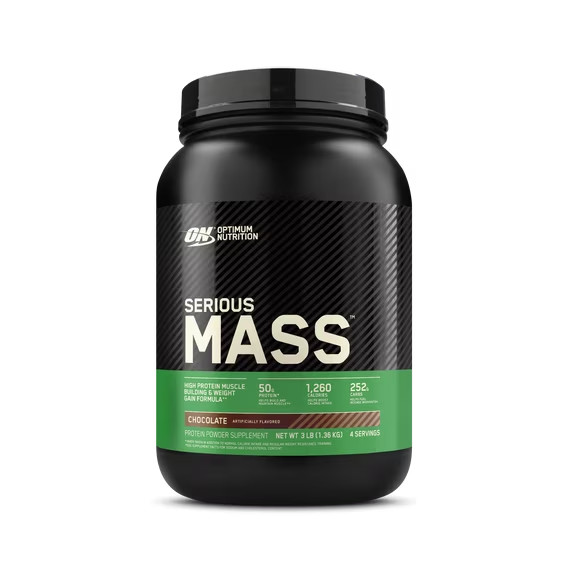

Photos from current listings. Actual item, color, and included accessories may vary.
Mass Protein Powder Buying Guide
Mass protein powders, also called weight gainers, are high-calorie protein blends designed to support rapid weight and muscle gain through a combination of protein, carbohydrates, and fats. The primary decision is between a protein-dense gainer (higher protein per serving, lower sugar) and a carbohydrate-heavy gainer (more total calories, often with added maltodextrin). Choose a protein-dense formula if you want lean mass with minimal fat gain; choose a carb-heavy gainer only if you struggle to consume enough total calories from whole foods.
Key takeaways
- Protein per serving ranges from 25g (lower-calorie gainers) to 50g+ (high-protein gainers like Dymatize Super Mass Gainer at 52g).
- Carbohydrate sources differ: maltodextrin (fast-digesting, cheap) vs. oat flour or cluster dextrin (slower, more expensive and better tolerated).
- Serving size determines calorie load: 2-scoop servings often exceed 1,000 calories, while 1-scoop servings are 500–650 calories.
At a glance
- Category
- Protein Nutrition
- Last updated
- Nov 27, 2026
Current offers
Highlights
- Protein per serving ranges from 25g (lower-calorie gainers) to 50g+ (high-protein gainers like Dymatize Super Mass Gainer at 52g).
- Carbohydrate sources differ: maltodextrin (fast-digesting, cheap) vs. oat flour or cluster dextrin (slower, more expensive and better tolerated).
- Serving size determines calorie load: 2-scoop servings often exceed 1,000 calories, while 1-scoop servings are 500–650 calories.
- Mixability and digestion depend on protein type: whey concentrate (cheaper, some lactose) vs. whey isolate (lower lactose, faster absorption, higher cost).
Best use cases
- Best fit: hardgainers or athletes in a calorie surplus who need 500+ extra calories daily—pick a gainer with at least 50g protein and 250g carbs per serving.
- Wrong fit: anyone within 5 lbs of their goal weight or trying to lose fat—a mass gainer's 1,000+ calorie servings will overshoot maintenance; choose a plain whey isolate instead.
- Best fit: post-workout or between meals when whole-food calories are impractical—use a shaker bottle and 12–16 oz water or milk per scoop.
- Wrong fit: lactose-intolerant buyers—most mass gainers use whey concentrate; select a gainer explicitly labeled 'lactose-free' or plant-based with pea/rice protein.
Buying tips
- Calculate your daily calorie surplus first: aim for 300–500 extra calories from the gainer, so a 1,000-calorie serving means you may need only half a serving.
- Check the protein-to-calorie ratio: a quality gainer delivers at least 20% of calories from protein (e.g., 50g protein in 1,250 calories is 16%, which is carb-heavy).
- Inspect the ingredient list for added sugars (sucrose, corn syrup solids) above 10g per serving—these add empty calories and can spike insulin.
- Prefer gainers with digestive enzymes (protease, lactase) or fiber (inulin, oat bran) if you have a sensitive stomach; maltodextrin-heavy formulas often cause bloating.
Specs
| Protein Per Serving | 25–52g (whey concentrate/isolate blend) |
|---|---|
| Calories Per Serving | 500–1,500 kcal (1–2 scoops) |
| Carb Source | Maltodextrin / oat flour / cluster dextrin |
| Protein Source | Whey concentrate / isolate / plant blend |
Related searches
What to check before buying
- Measure your daily protein target: most gainers provide 25–50g per serving, so adjust scoops to hit 1.6–2.2g protein per kg bodyweight.
- Confirm scoop size and servings per container: a 3 lb tub typically yields 8–12 servings at 2 scoops each; larger 6–12 lb tubs offer better value per serving.
- Check mixability: gainers with high carb content may clump in a shaker—look for 'instantized' whey or use a blender for smooth texture.
- Verify allergen labeling: mass gainers often contain milk, soy, or gluten; choose a certified gluten-free or dairy-free option if needed.
FAQ
Data sources: eBay / Amazon listings and product attribute feeds. Updated Nov 27, 2026.
Some links on this page are affiliate links. If you buy after clicking one, we may earn a commission at no extra cost to you. This does not change which products appear here or their order. Affiliate disclosure.