
Photos from current listings. Actual item, color, and included accessories may vary.
Nutrition Protein Powder Buying Guide
Nutrition protein powder is a concentrated protein source—whey, casein, plant, or collagen—used to hit daily protein targets and support muscle repair, satiety, or joint/skin health. The core trade-off is protein purity and absorption speed versus digestive comfort and cost per gram; isolate and hydrolysate tiers filter more lactose and carbs, while concentrates and plant blends trade purity for fiber and lower cost. The decision rule: pick a protein type matched to your goal (fast whey isolate for post-workout, slow casein for overnight, plant blend for dairy-free, collagen for connective tissue)—skip any product that hides protein percentage or uses proprietary blends without gram-level disclosure.
Median $48.29
Key takeaways
- Whey processing tiers: concentrate is 70-80% protein with lactose and fat; isolate is 90%+ protein with most lactose removed; hydrolysate is pre-digested for fastest absorption.
- Casein forms a slow-digesting gel in the stomach, delivering amino acids over 6-8 hours—ideal before bed, distinct from fast whey taken post-workout.
- Plant proteins (pea, rice, soy) need blending to cover essential amino acids; pea-rice combos reach a complete profile, while single-source pea is low in methionine.
At a glance
- Category
- Protein Nutrition
- Last updated
- Nov 27, 2026
Current offers
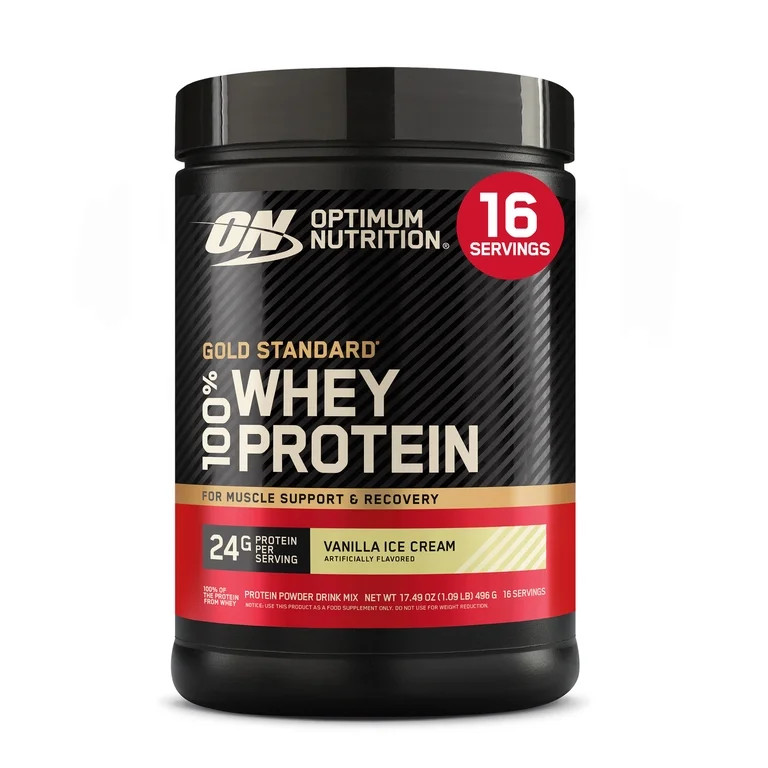 Optimum Nutrition Gold Standard 100% Whey Protein Powder, Vanilla Ice Cream, 16$23.95View on eBay
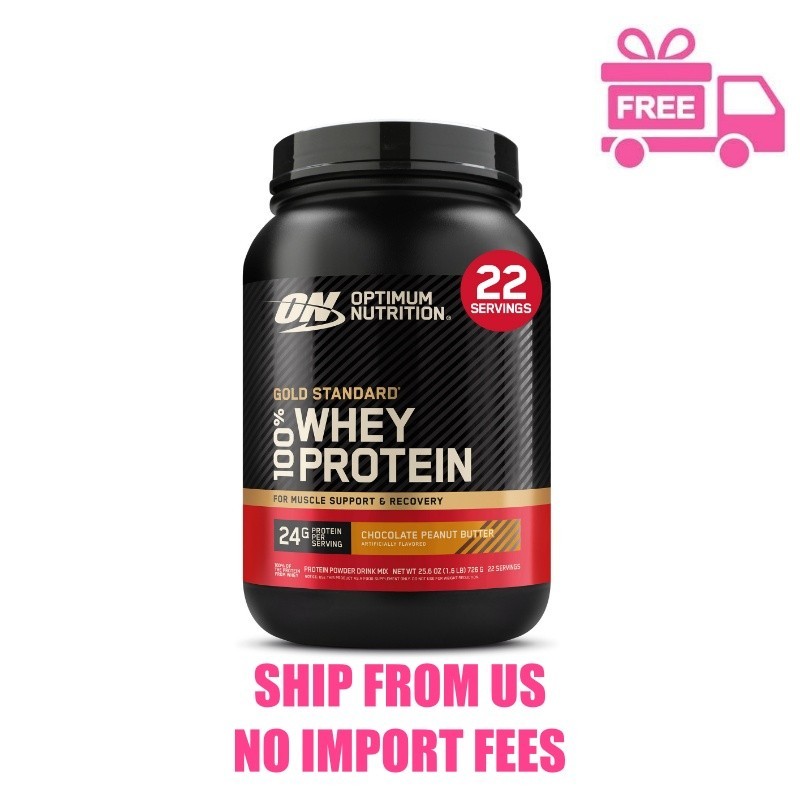 Optimum Nutrition Gold Standard 100% Whey Protein Powder, Chocolate Peanut Butte$27.17View on eBay
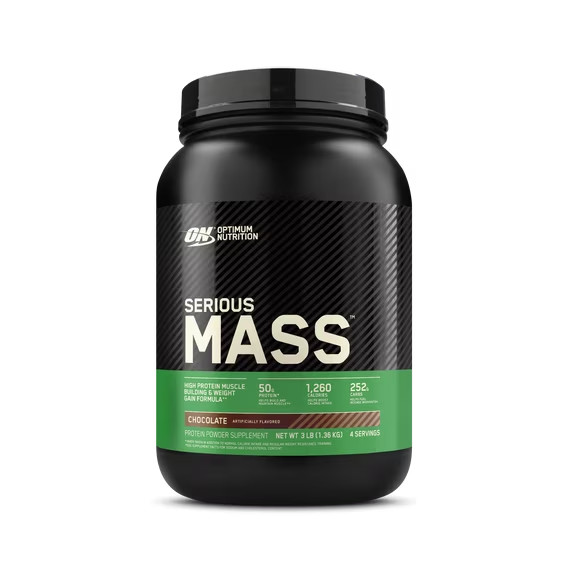 Optimum Nutrition Serious Mass Chocolate Weight Gainer Protein Powder 3 lb$31.19View on eBay
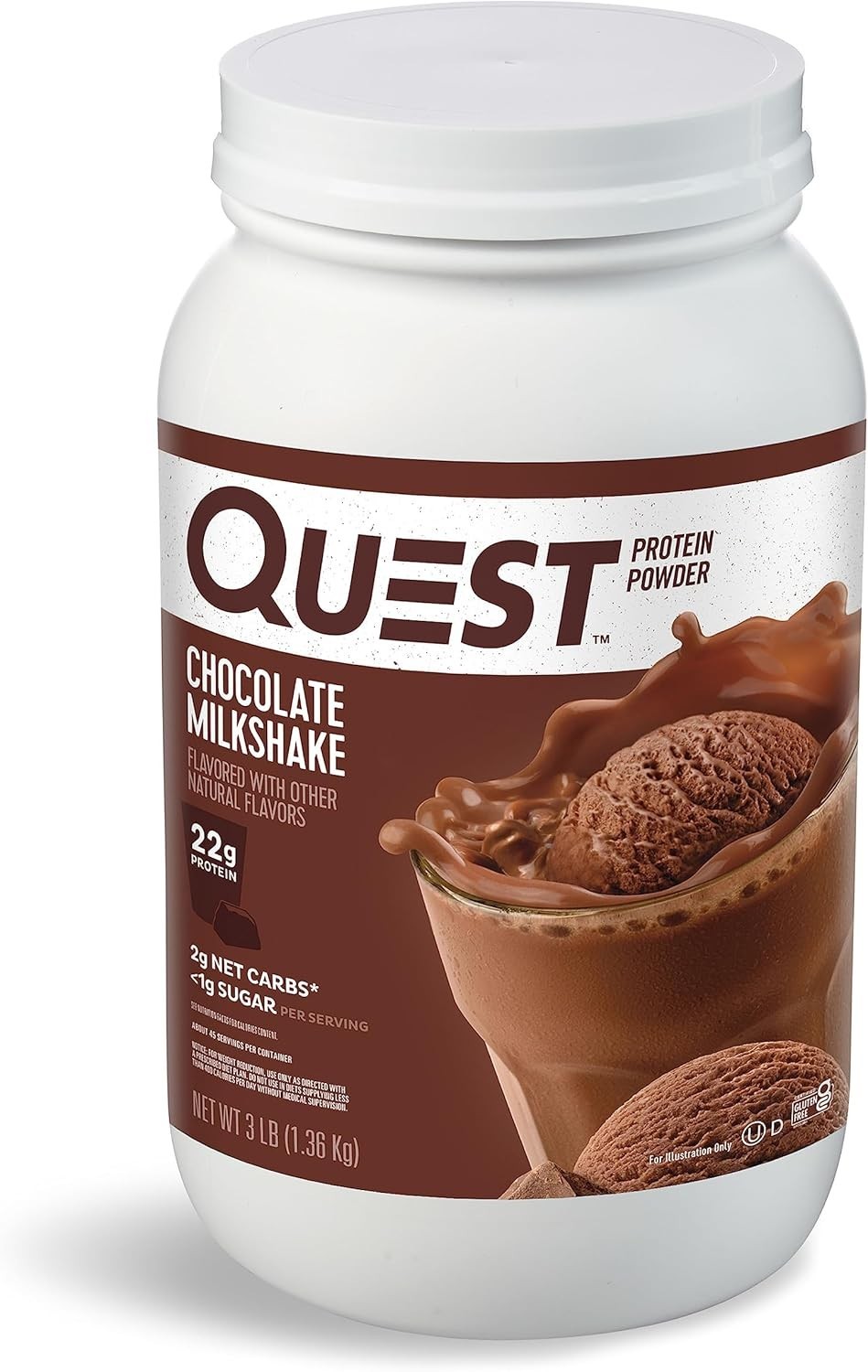 Quest Nutrition Chocolate Milkshake Protein Powder, 3 Pound, 43 Servings$33.99View on eBay
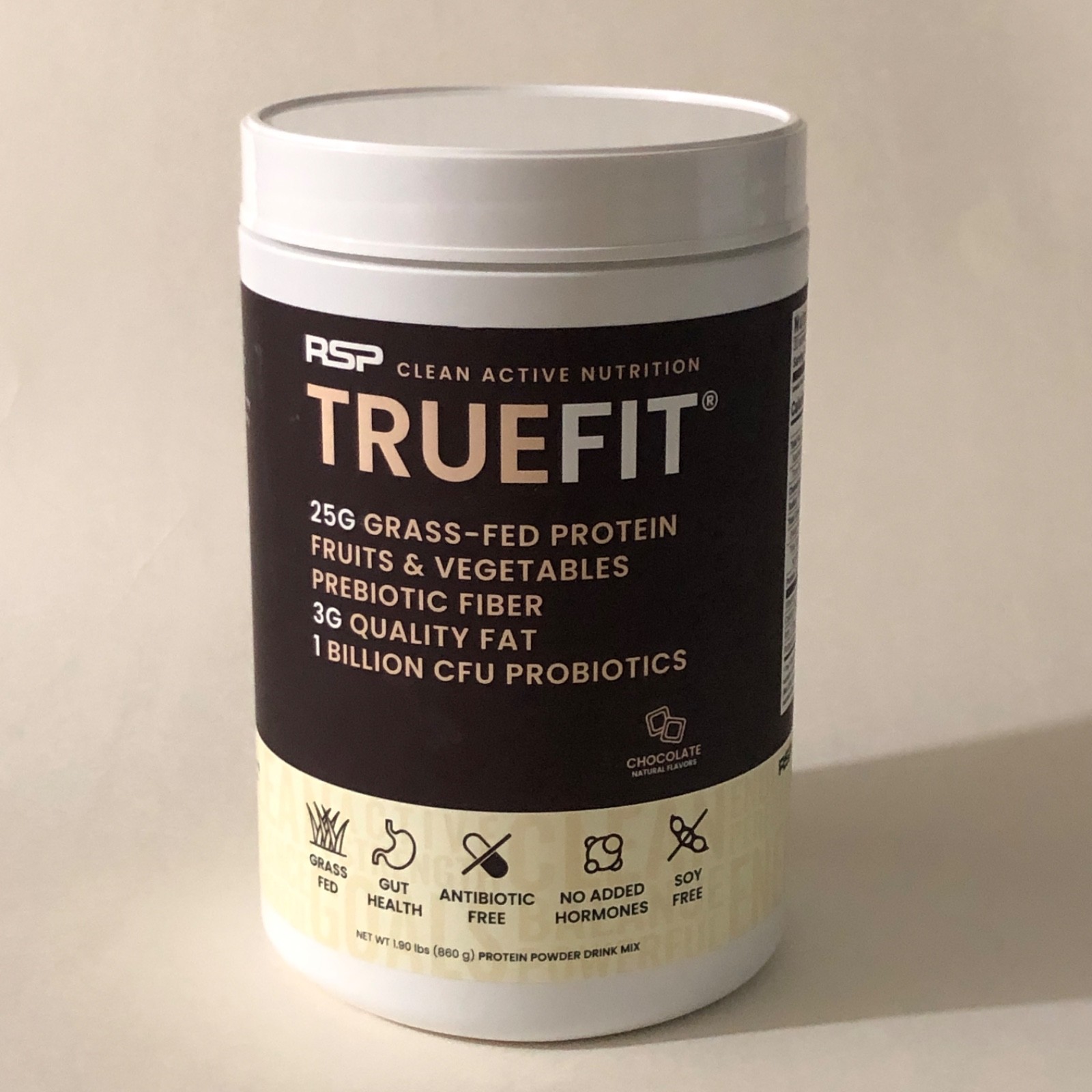 RSP Nutrition TrueFit High Fiber Protein Powder — Chocolate Flavor, 20 Servings$48.29Last checked Nov 23, 2026View on eBay
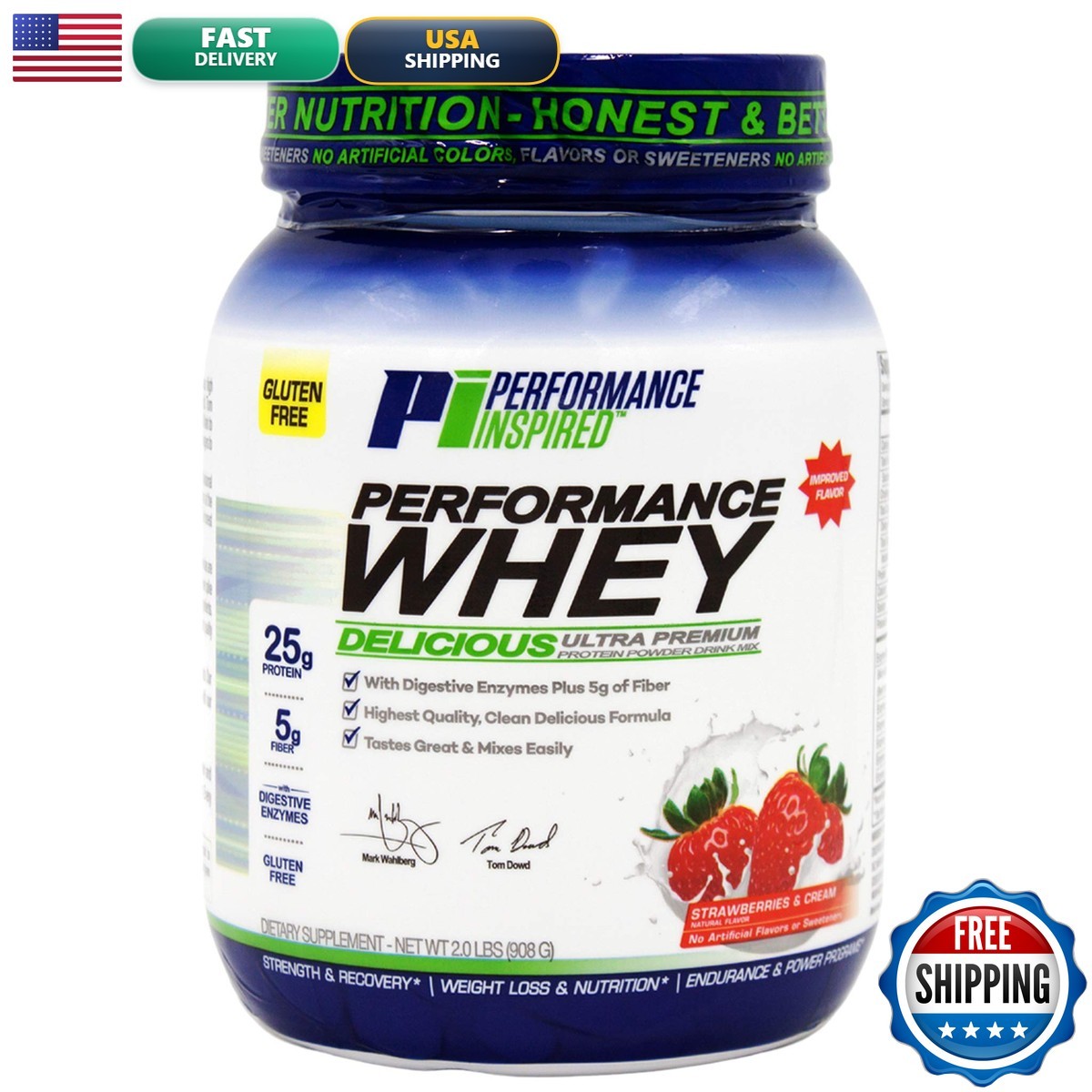 Performance Inspired Nutrition WHEY Protein Powder - All Natural - 2lb PWSTR$58.12View on eBay
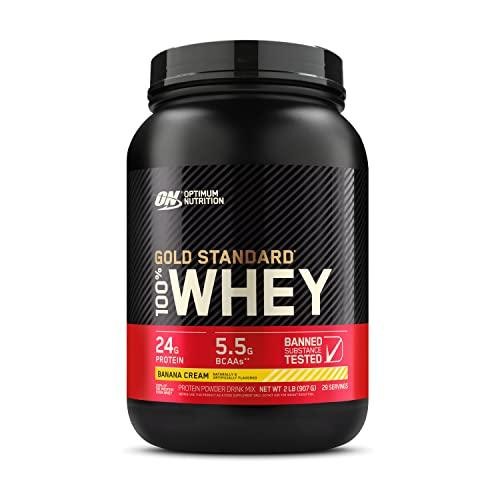 Optimum Nutrition Gold Standard 100% Protein Powder$63.24View on eBay
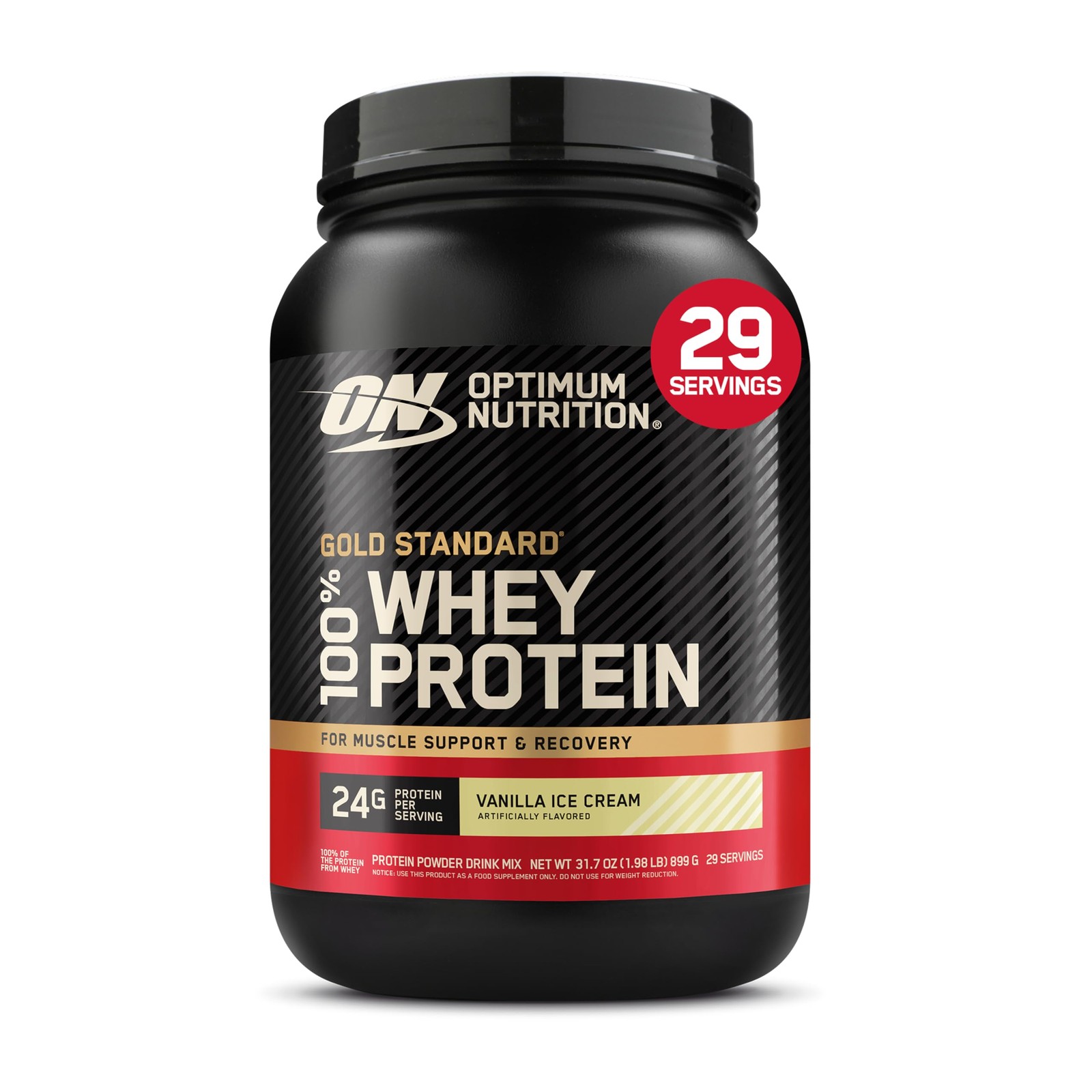 Optimum Nutrition Gold Standard 100% Whey Protein Powder, Vanilla Ice Cream, ...$64.72View on eBay
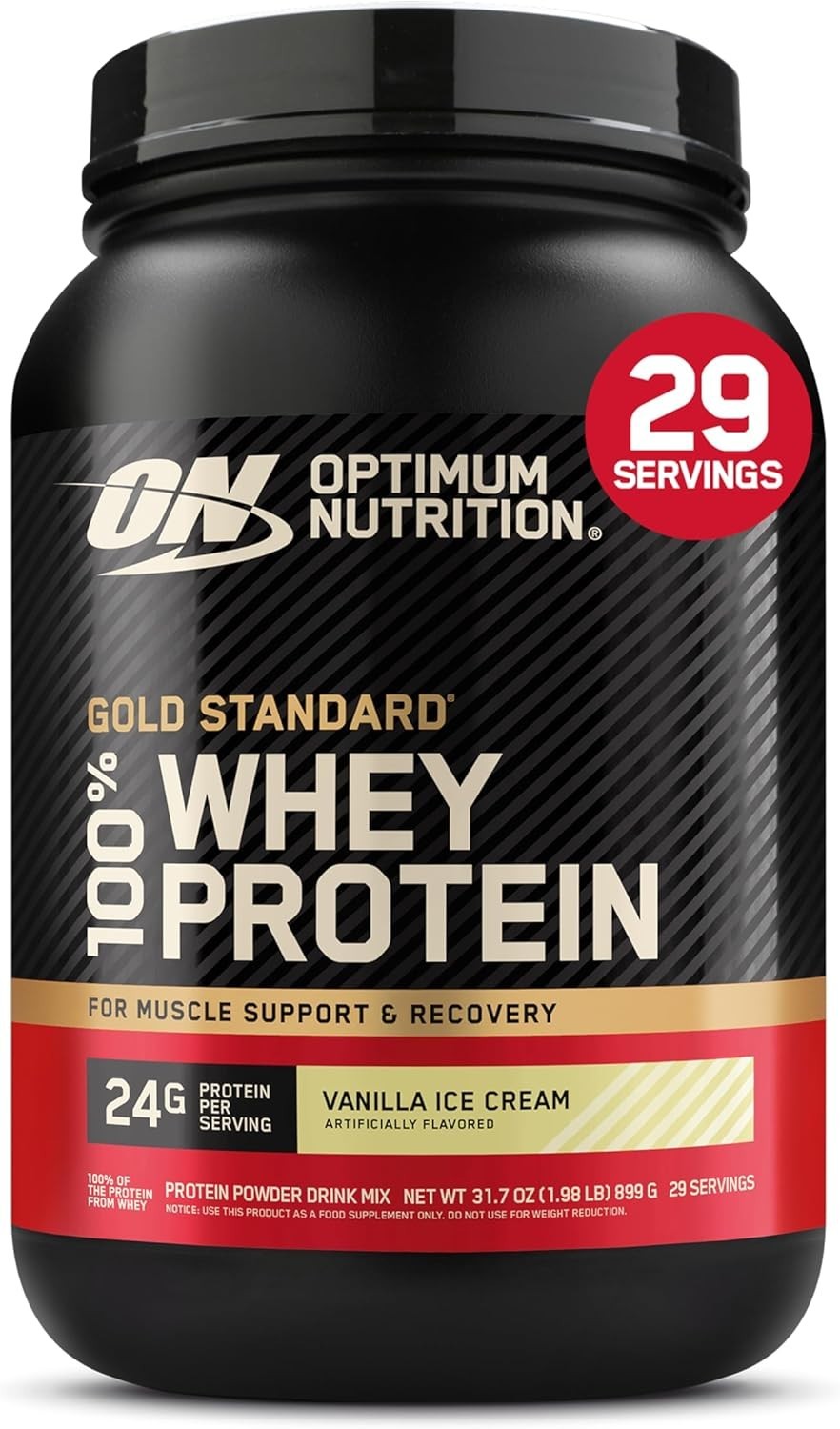 Optimum Nutrition Gold Standard 100% Whey Protein Powder, Vanilla Ice Cream, 2 P$75.00View on eBay
Highlights
- Whey processing tiers: concentrate is 70-80% protein with lactose and fat; isolate is 90%+ protein with most lactose removed; hydrolysate is pre-digested for fastest absorption.
- Casein forms a slow-digesting gel in the stomach, delivering amino acids over 6-8 hours—ideal before bed, distinct from fast whey taken post-workout.
- Plant proteins (pea, rice, soy) need blending to cover essential amino acids; pea-rice combos reach a complete profile, while single-source pea is low in methionine.
- Collagen peptides are not a complete protein—they lack tryptophan and are low in leucine—so they support skin/joint matrix, not muscle protein synthesis.
Best use cases
- Post-workout muscle repair: choose whey isolate or hydrolysate (25-30g protein, low carb/fat) for fast absorption—skip collagen and casein here.
- Dairy-free or vegan diets: pick a pea-rice blend or soy isolate delivering 20-25g complete protein per scoop—skip whey concentrate if lactose-sensitive.
- Overnight recovery or appetite control: use micellar casein (20-30g) before bed—skip fast whey, which clears too quickly for sustained amino release.
- Skin, joint, and connective-tissue support: select multi-collagen peptides (10-20g) with vitamin C—skip collagen if your goal is muscle gain.
Buying tips
- Calculate cost per gram of protein: divide container price by (servings × protein grams per serving); isolate and plant blends run higher, concentrate lower.
- Match scoop size to your daily gap: a 24g-protein scoop needs about 4 scoops to close a 100g gap—buy 5 lb tubs only if you dose daily.
- Check protein percentage on the label: isolate should show 90%+ protein by weight; a 30g scoop yielding under 20g protein signals a concentrate-heavy blend.
- For lactose sensitivity, choose whey isolate or hydrolysate (under 1-2g lactose per serving) rather than concentrate (3-5g lactose).
Specs
| Protein Type | Whey / Casein / Plant / Collagen |
|---|---|
| Protein Per Serving | 20-30 g typical scoop |
| Processing Tier | Concentrate / Isolate / Hydrolysate |
| Container Size | 1-5 lb tubs / single-serve packets |
Related searches
What to check before buying
- Confirm your daily protein target (1.6-2.2g per kg bodyweight for training) and subtract food intake to size the scoop dose.
- Verify the container's serving count and scoop size against your monthly usage so tub size matches consumption rate.
- Check allergen declarations: whey and casein are dairy; pea and rice are legume/grain—match to your dietary restrictions.
- Ensure you have a shaker or blender; unflavored isolates and pea powders clump without mechanical mixing.
FAQ
Data sources: eBay / Amazon listings and product attribute feeds. Updated Nov 27, 2026.
Some links on this page are affiliate links. If you buy after clicking one, we may earn a commission at no extra cost to you. This does not change which products appear here or their order. Affiliate disclosure.