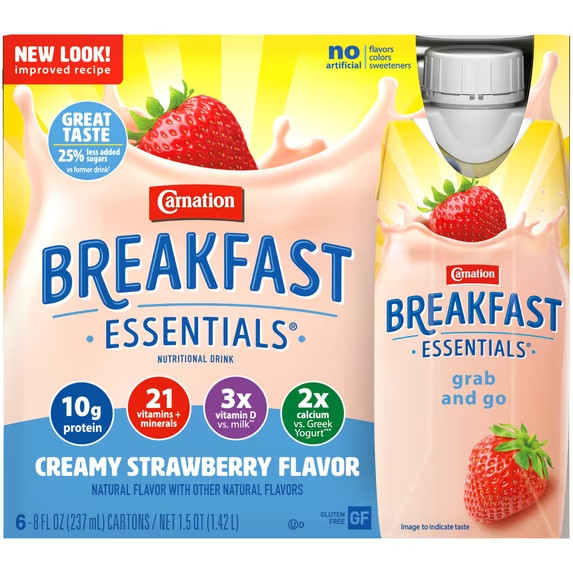

Photos from current listings. Actual item, color, and included accessories may vary.
Nutritional Drink Senior Buying Guide
Senior nutritional drinks are meal-replacement or supplement beverages formulated with higher protein, added vitamins, and minerals to address age-related nutrient gaps and muscle loss. The key trade-off is protein density versus glycemic load and volume: high-protein (20g per 8 oz) options support muscle maintenance but may contain added sugars, while lower-protein or organic shakes suit lighter supplementation. Choose based on your daily protein target, sugar tolerance, and whether the drink is a snack or meal replacement.
Median $21.86
Key takeaways
- Protein density ranges from 16g to 20g per 8 fl oz bottle; 20g is the clinical threshold for muscle synthesis support in older adults.
- Ready-to-drink shakes are sterilized via retort or aseptic processing, giving 9-12 months shelf life without refrigeration until opening.
- Added vitamin D (400-500 IU) and calcium (300-500 mg) per serving are standard in senior formulas to support bone density.
At a glance
- Category
- Protein Nutrition
- Last updated
- Nov 27, 2026
Current offers
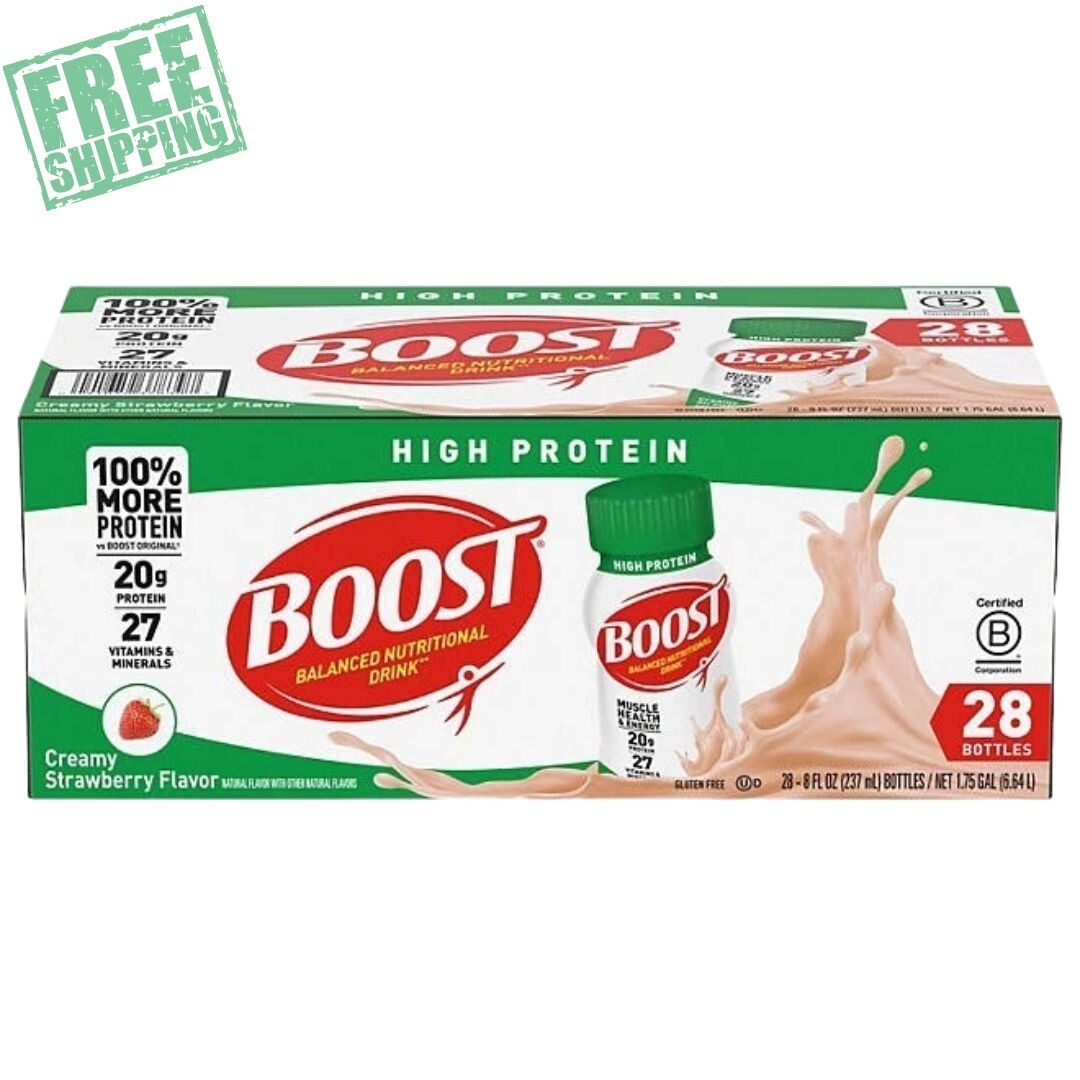
Highlights
- Protein density ranges from 16g to 20g per 8 fl oz bottle; 20g is the clinical threshold for muscle synthesis support in older adults.
- Ready-to-drink shakes are sterilized via retort or aseptic processing, giving 9-12 months shelf life without refrigeration until opening.
- Added vitamin D (400-500 IU) and calcium (300-500 mg) per serving are standard in senior formulas to support bone density.
- Sugar content varies widely: 5-7g in 'high protein' lines versus 10-15g in original meal-replacement versions.
Best use cases
- Best fit: post-illness or low-appetite seniors needing 20g protein in a small 8 oz volume — pick BOOST High Protein or equivalent.
- Best fit: daily breakfast replacement with balanced macros — choose Carnation Breakfast or a 16g organic shake like Orgain.
- Wrong fit: diabetics should skip original high-sugar versions and select low-sugar (≤7g) high-protein lines instead.
- Wrong fit: seniors with dairy allergy or lactose intolerance should avoid whey-based shakes and choose plant-protein (pea/rice) options.
Buying tips
- Match protein to body weight: aim for 1.0-1.2 g/kg daily; one 20g shake covers roughly 25-30% for a 70 kg senior.
- Prioritize 8 fl oz bottles over 11 oz for easier swallowing and lower per-sitting volume; 11 oz suits meal replacement only.
- Check the first ingredient: 'water, milk protein concentrate' indicates a dairy-based shake; 'water, pea protein' signals plant-based.
- Select multipacks of 15-24 bottles for cost efficiency and steady supply; single 6-packs suit trial only.
Specs
| Protein per 8 oz | 16g-20g (20g for muscle support) |
|---|---|
| Sugar per Bottle | 5g-15g (≤7g for low-sugar) |
| Volume | 8 fl oz snack / 11 fl oz meal |
| Protein Source | Dairy (whey/casein) vs Plant (pea/rice) |
Related searches
What to check before buying
- Confirm daily protein target with a clinician (typically 60-90g/day for seniors) and count how many shakes fit.
- Verify refrigeration space for unopened multipacks if buying 24-count cases; shelf-stable until opening.
- Check for lactose or dairy allergy before choosing whey/casein-based BOOST or Carnation; switch to Orgain plant-based.
- Measure counter or pantry shelf height: 8 fl oz bottles are ~5.5 in tall, 11 oz ~6.5 in; 24-count cases are bulky.
FAQ
Data sources: eBay / Amazon listings and product attribute feeds. Updated Nov 27, 2026.
Some links on this page are affiliate links. If you buy after clicking one, we may earn a commission at no extra cost to you. This does not change which products appear here or their order. Affiliate disclosure.