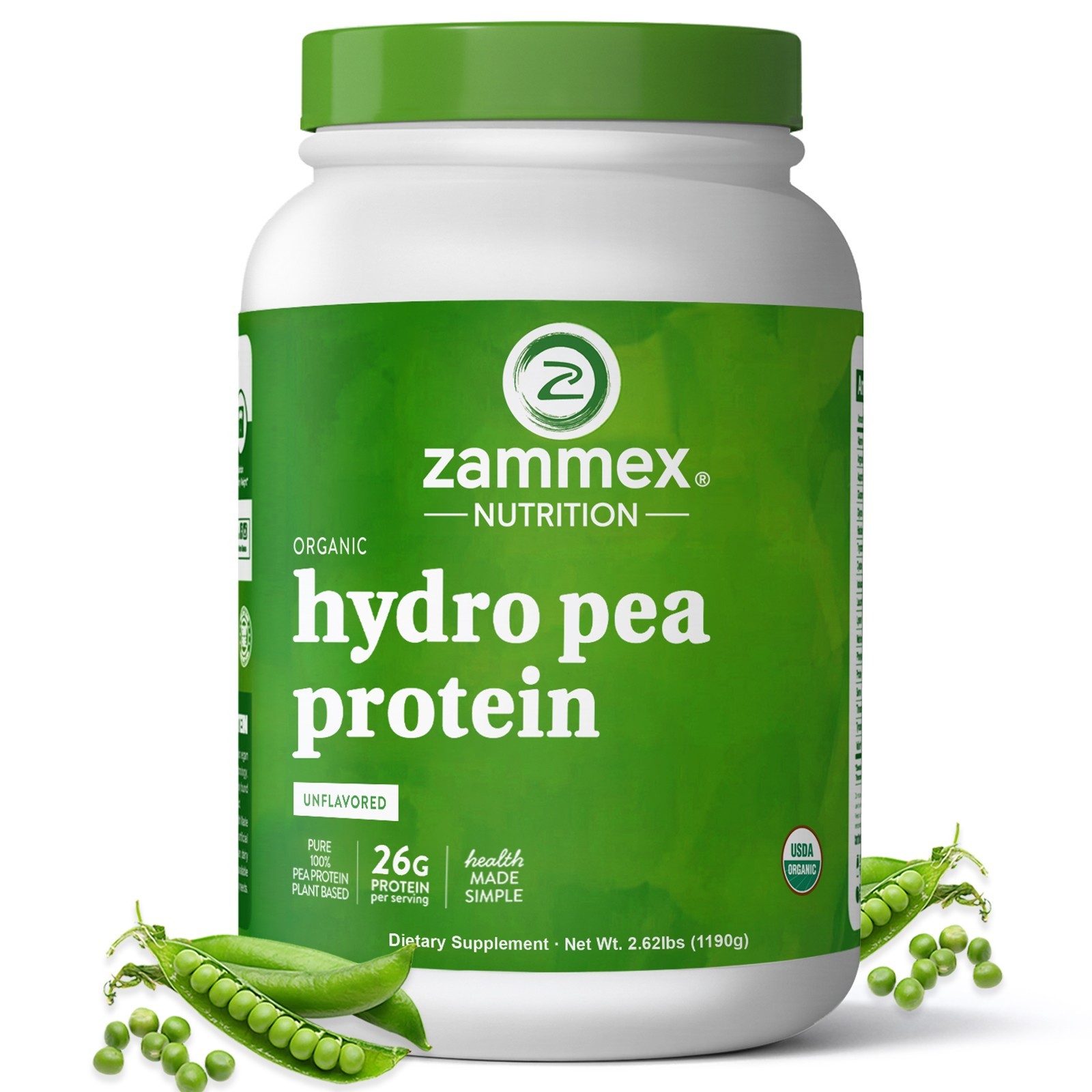

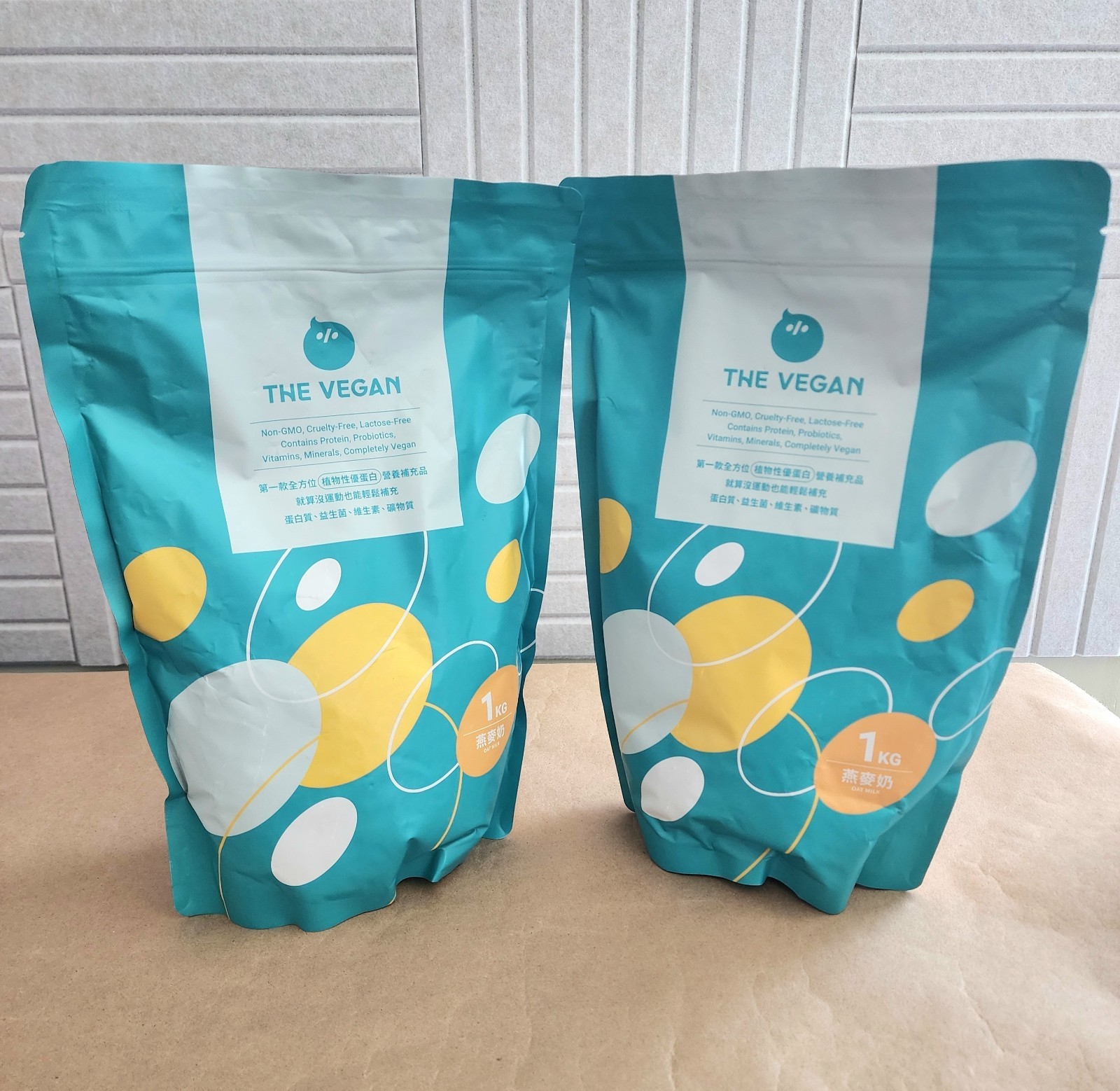
Photos from current listings. Actual item, color, and included accessories may vary.
Plant Based Protein Powder Buying Guide
Plant-based protein powder delivers amino acids from pea, rice, soy, or blends instead of dairy, but the primary trade-off is protein density and amino-acid completeness versus digestibility and additive load. Durable, effective options isolate or blend complementary sources to hit 20–30g protein per scoop with full essential amino acids, while compromises rely on a single low-purity grain and hide fillers or heavy metals.
Median $47.47
Key takeaways
- Protein source determines amino-acid profile: pea is rich in lysine but low in methionine; rice is the inverse, so a pea-rice blend or added methionine delivers a complete profile equivalent to whey.
- Isolate vs concentrate: isolates (pea, soy) reach 80–90% protein by weight with minimal carbs and fiber; concentrates sit at 50–70% and carry more starch, fiber, and GI load.
- Dosing tiers split clearly: 20g per scoop suits maintenance and smoothie use; 30g per scoop suits post-training recovery and higher-protein diets (1.6–2.2g/kg bodyweight).
At a glance
- Category
- Protein Nutrition
- Last updated
- Nov 27, 2026
Current offers
Highlights
- Protein source determines amino-acid profile: pea is rich in lysine but low in methionine; rice is the inverse, so a pea-rice blend or added methionine delivers a complete profile equivalent to whey.
- Isolate vs concentrate: isolates (pea, soy) reach 80–90% protein by weight with minimal carbs and fiber; concentrates sit at 50–70% and carry more starch, fiber, and GI load.
- Dosing tiers split clearly: 20g per scoop suits maintenance and smoothie use; 30g per scoop suits post-training recovery and higher-protein diets (1.6–2.2g/kg bodyweight).
- Third-party testing (NSF Certified for Sport, Informed Choice) and heavy-metal screening (Clean Label Project) separate clean products from untested commodity powders.
Best use cases
- Best fit for daily maintenance or smoothies: a 20g pea-rice blend or organic concentrate with 5g or less added sugar per scoop; skip 30g isolates that cost more per serving for non-athletes.
- Best fit for post-workout recovery: a 30g isolate or blend with added BCAAs or methionine (e.g., Vega Sport tier); skip single-source rice or hemp powders that fall short on lysine for muscle repair.
- Best fit for kids 2–13: a pediatric-formulated plant shake (e.g., ELSE Nutrition) with age-appropriate protein and micronutrients; skip adult 30g athlete powders and unflavored isolates for children.
- Best fit for unflavored cooking or baking: a single-ingredient organic pea protein isolate (2.6 lb class) with no sweeteners; skip flavored blends that add sugar and gums incompatible with recipes.
Buying tips
- Match protein per scoop to your daily target: if you need 120g/day from food plus powder, two 30g scoops close the gap faster than three 20g scoops with fewer additives.
- Read the amino-acid profile: choose a pea-rice blend or a product adding methionine; a lone pea or rice powder is incomplete for strict daily sole-source use.
- Prefer isolates when cutting carbs or managing digestion: 80–90% protein isolates carry less fiber and starch than 50–70% concentrates, reducing bloating risk.
- Check the sweetener and gum system: 1–2g sugar per scoop and no more than 1–2 gums (acacia, xanthan) signals a cleaner formula; 5g+ sugar or long additive lists signal a dessert powder.
Specs
| Protein Source | Pea / Rice / Soy / Hemp / Blend |
|---|---|
| Protein Per Scoop | 20g maintenance / 30g recovery |
| Purity Tier | Isolate 80–90% vs Concentrate 50–70% |
| Certification | NSF Sport / Informed Choice / Organic |
Related searches
What to check before buying
- Confirm your daily protein gap before choosing a tier: 20g scoops suit 1–2 servings/day; 30g scoops suit 2+ servings or heavy training.
- Check allergen and digestive profile: pea and rice are generally low-FODMAP, while soy isolate suits soy-tolerant buyers but not soy allergies.
- Verify the scoop size and servings per container math: a 1kg tub at 30g scoops yields about 33 servings; at 20g scoops about 50 — size the tub to your use rate.
- For kids, confirm the label states an age range (e.g., 2–13) and protein per serving at or below 15g; adult athlete powders are not formulated for children.
FAQ
Data sources: eBay / Amazon listings and product attribute feeds. Updated Nov 27, 2026.
Some links on this page are affiliate links. If you buy after clicking one, we may earn a commission at no extra cost to you. This does not change which products appear here or their order. Affiliate disclosure.