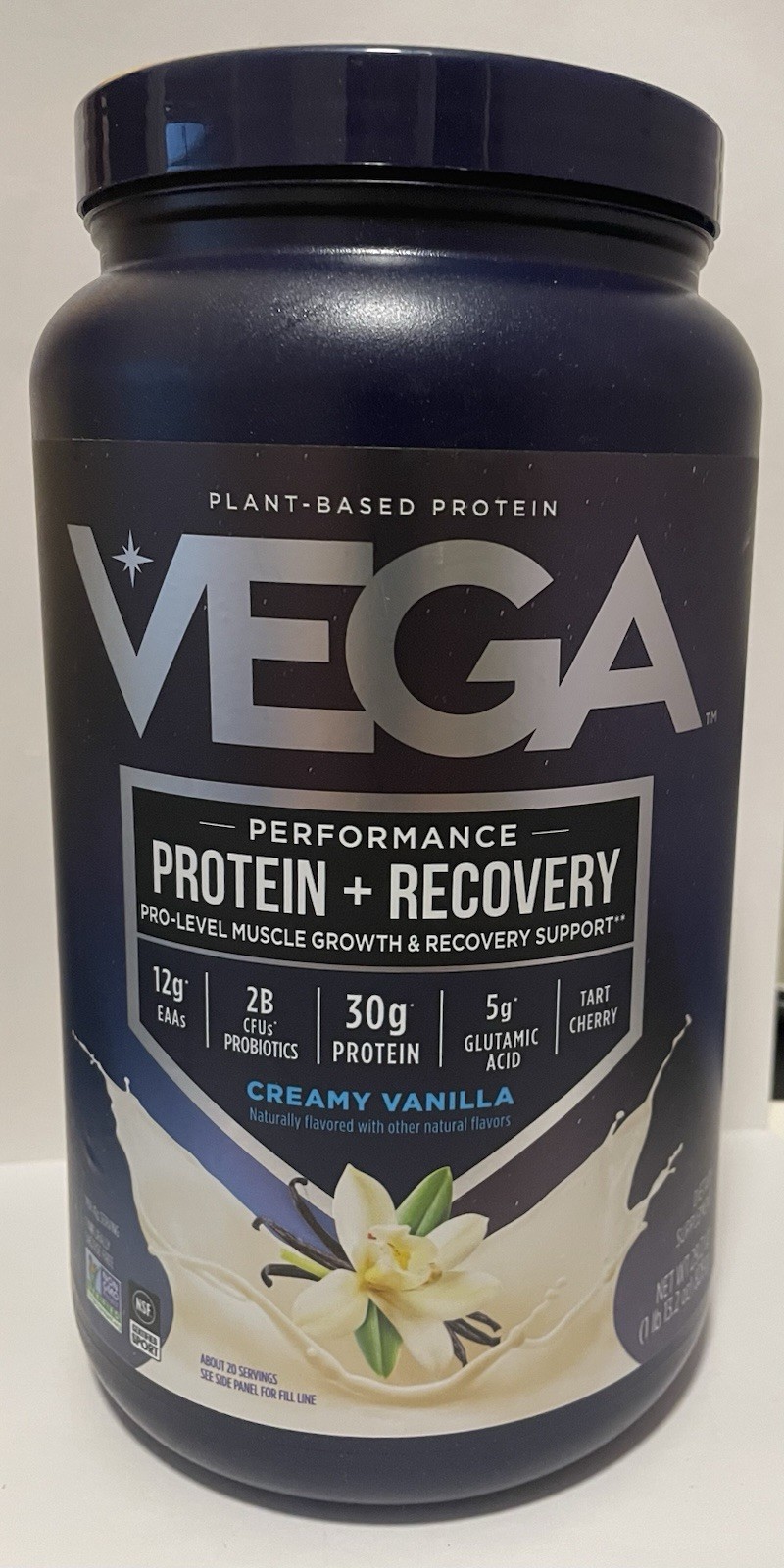

Photos from current listings. Actual item, color, and included accessories may vary.
Plant Protein Buying Guide
Plant protein powders and bars deliver protein from pea, soy, rice, hemp, or blends, with the main trade-off being protein density and amino-acid completeness versus digestibility and additive load. Durable, effective options useisolated or fermented proteins with complete essential amino acid profiles and minimal fillers, while compromises rely on low-protein blends, added sugars, or poorly digestible protein sources. The clear decision rule: pick a product with at least 20 g protein per serving from a complete or blended source, third-party testing, and no more than 2–3 g added sugar; skip anything below 15 g protein or with sugar as the first ingredient.
Median $35.99
Key takeaways
- Protein source isolation matters: pea and soy isolates reach 80–90% protein by weight, while brown rice and hemp concentrates sit at 50–70% and require blending for complete amino acid profiles.
- Complete protein requires all nine essential amino acids; pea is low in methionine, rice is low in lysine, so blends (pea+rice) or soy alone deliver complete profiles without animal inputs.
- Digestibility is governed by processing: fermented or hydrolyzed plant proteins reduce antinutrients (phytates, trypsin inhibitors) and improve absorption versus raw flours.
At a glance
- Category
- Protein Nutrition
- Last updated
- Nov 27, 2026
Current offers
Highlights
- Protein source isolation matters: pea and soy isolates reach 80–90% protein by weight, while brown rice and hemp concentrates sit at 50–70% and require blending for complete amino acid profiles.
- Complete protein requires all nine essential amino acids; pea is low in methionine, rice is low in lysine, so blends (pea+rice) or soy alone deliver complete profiles without animal inputs.
- Digestibility is governed by processing: fermented or hydrolyzed plant proteins reduce antinutrients (phytates, trypsin inhibitors) and improve absorption versus raw flours.
- Added sugar and fillers dilute protein density; a 20 g protein serving should come from a scoop of 25–35 g total powder, not from a 50 g scoop with 10 g sugar.
Best use cases
- Best fit: post-workout recovery with 20–25 g protein per serving from a pea-rice blend or soy isolate — choose a product with 0–3 g sugar and third-party testing.
- Best fit: daily meal supplement or vegan diet base — pick a 2 lb tub of organic plant protein with 20 g protein and added B12 or iron if the rest of the diet lacks them.
- Wrong fit: expecting muscle gain from a bar with 10 g protein and 15 g sugar — bars are snacks, not protein supplements; use powder for serious protein targets.
- Wrong fit: soy allergies or thyroid concerns — skip soy protein and choose pea-hemp blends, but verify the product is not processed on shared soy equipment if allergy is severe.
Buying tips
- Aim for at least 20 g protein per scoop and check the scoop size: if the scoop is over 40 g and protein is under 20 g, the product is mostly filler or carbs.
- For complete amino acids, pick soy isolate alone or a pea+rice blend; single pea or single rice proteins are incomplete and should not be your sole protein source.
- Sugar threshold: keep added sugar under 3 g per serving; products with 5 g or more added sugar are dessert powders, not protein supplements.
- Look for third-party testing seals (NSF Certified for Sport, Informed Choice) on plant proteins because heavy-metal contamination varies by source and batch.
Specs
| Protein Source | Pea, soy, rice, hemp, or blend |
|---|---|
| Protein Per Serving | 15–25 g (20 g+ preferred) |
| Added Sugar | 0–5 g (under 3 g ideal) |
| Form | Powder tub or bar |
Related searches
What to check before buying
- Measure your daily protein target (typically 0.7–1 g per pound of body weight for active adults) and confirm the product's protein per serving fits within 1–2 scoops.
- Check for allergens: many plant proteins are processed in facilities with soy, wheat, or tree nuts; if you have allergies, confirm the label states 'certified gluten-free' and 'soy-free'.
- Verify the container size and serving count: a 1 lb tub typically gives 12–15 servings, while a 2 lb tub gives 25–30; match to your usage frequency.
- Confirm the protein source matches your diet: soy protein is not compatible with soy-free vegan diets, and hemp protein is lower in protein density, so you may need larger scoops.
FAQ
Data sources: eBay / Amazon listings and product attribute feeds. Updated Nov 27, 2026.
Some links on this page are affiliate links. If you buy after clicking one, we may earn a commission at no extra cost to you. This does not change which products appear here or their order. Affiliate disclosure.