
Photos from current listings. Actual item, color, and included accessories may vary.
Protein Drink Diabetic Buying Guide
Protein drinks for diabetics are ready-to-drink shakes or powders formulated to deliver protein with minimal impact on blood glucose, using either low-glycemic sweeteners or controlled carbohydrate content. The core trade-off is between high protein dose (20-30g) and added sugars or sugar alcohols that can spike or upset digestion; low-carb, high-protein formulas with fiber and minimal sugar are the durable choice. Choose a drink with under 5g net carbs and 15g+ protein per serving, avoiding maltodextrin or sucrose-heavy blends.
Median $33.25
Key takeaways
- Protein source matters: whey isolate and casein digest slowly and have low insulin response; plant blends (pea/rice) need added fiber to blunt glycemic load.
- Sugar alcohols like maltitol have a high glycemic index; erythritol and stevia are near-zero, making them safer for daily diabetic use.
- RTD shakes typically range 11-14 fl oz with 20-30g protein; powder scoops are 25-30g protein but require portion control and a shaker.
At a glance
- Category
- Protein Nutrition
- Last updated
- Nov 27, 2026
Current offers
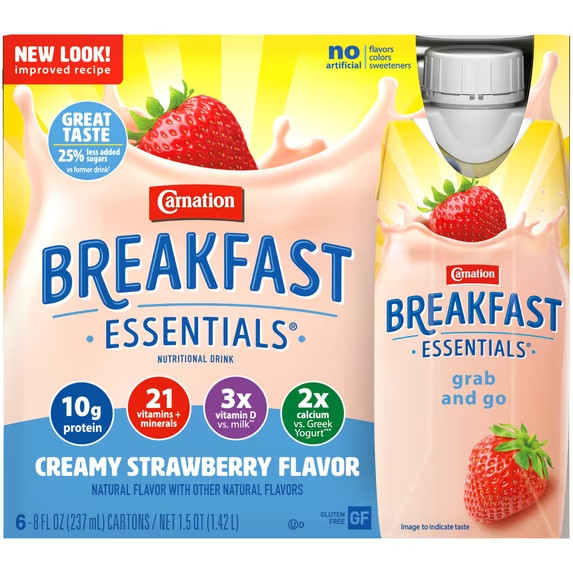 Carnation Breakfast Nutritional Protein-Packed Drink Shakes8 fl oz, 6 Pack$5.22View on eBay
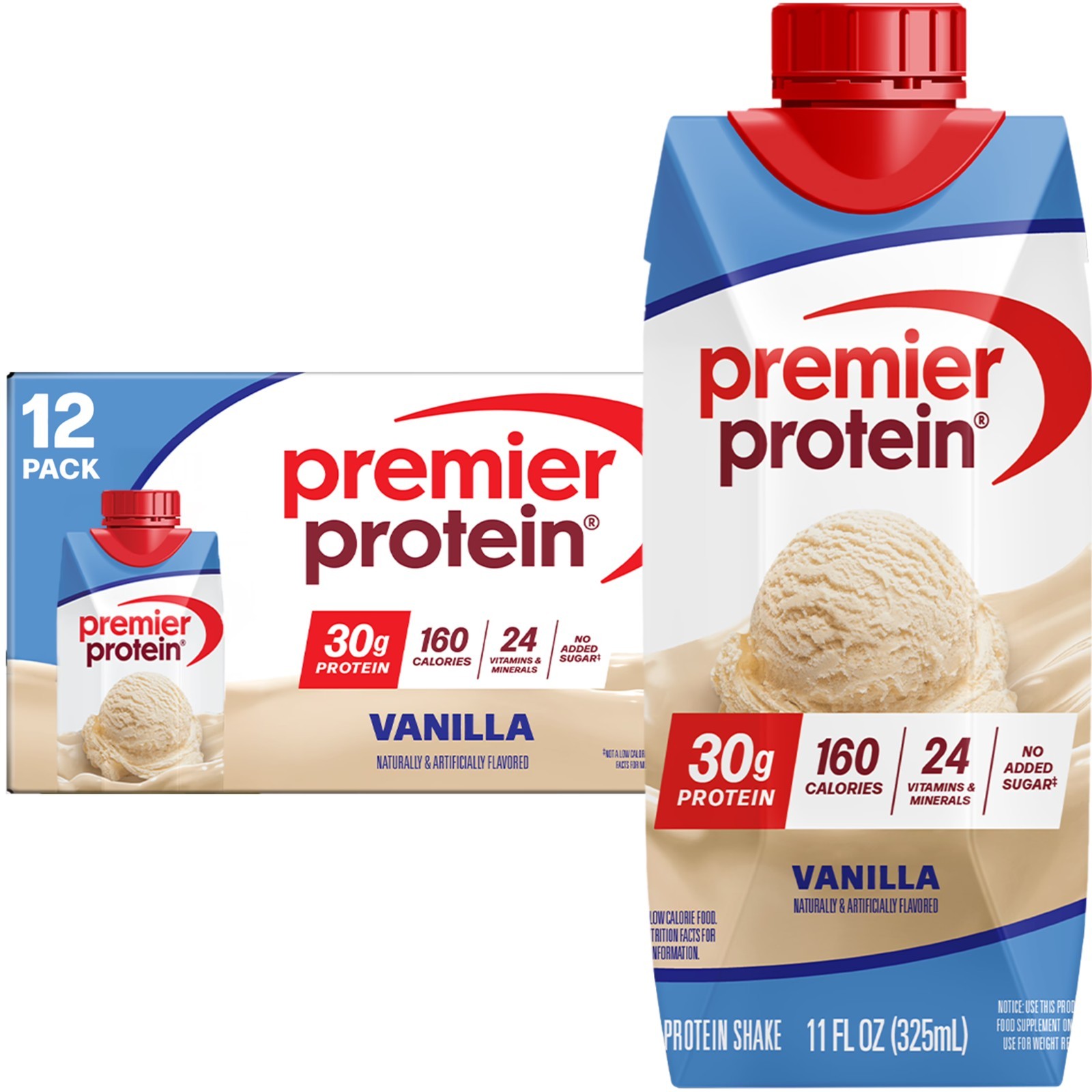 Vanilla Protein Shake 30g Protein Ready to Drink 11 fl oz 12 Ct$15.17View on eBay
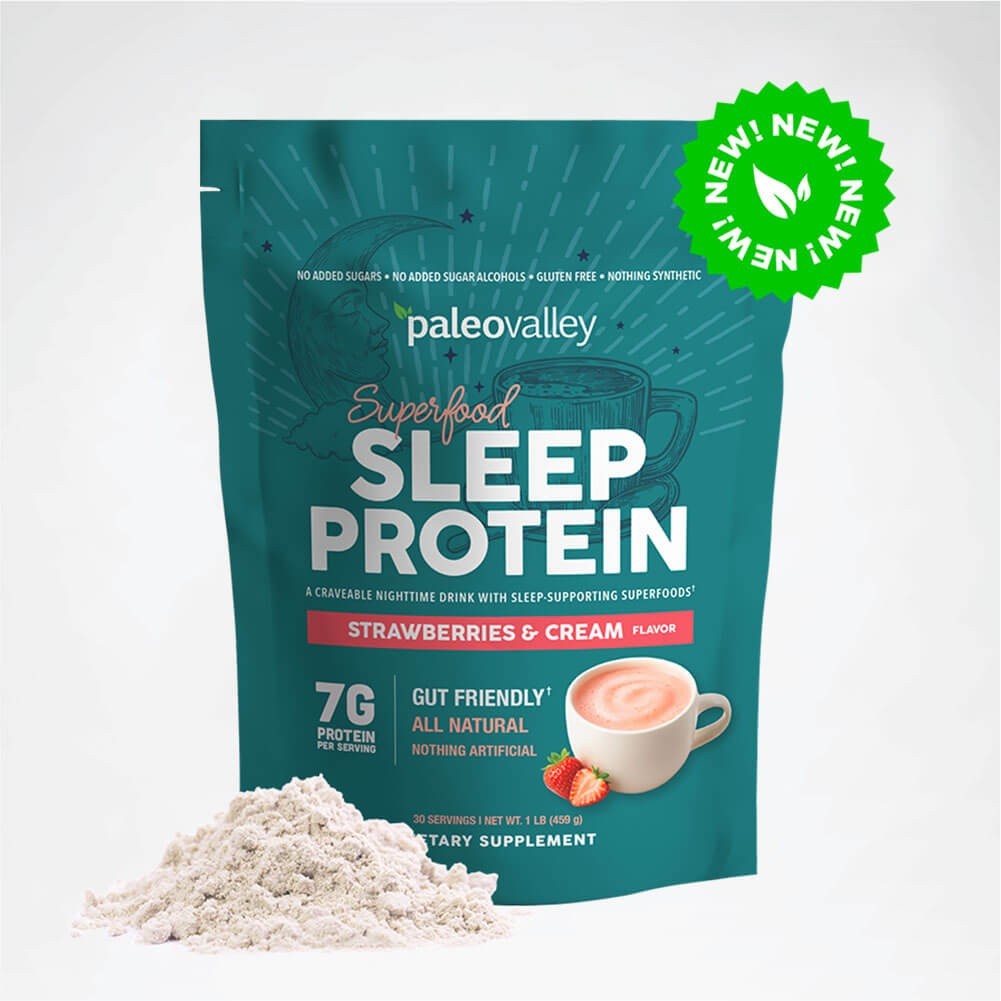 Sleep Protein Powder Strawberry Cream Nighttime Recovery Drink 7g Protein$27.99View on eBay
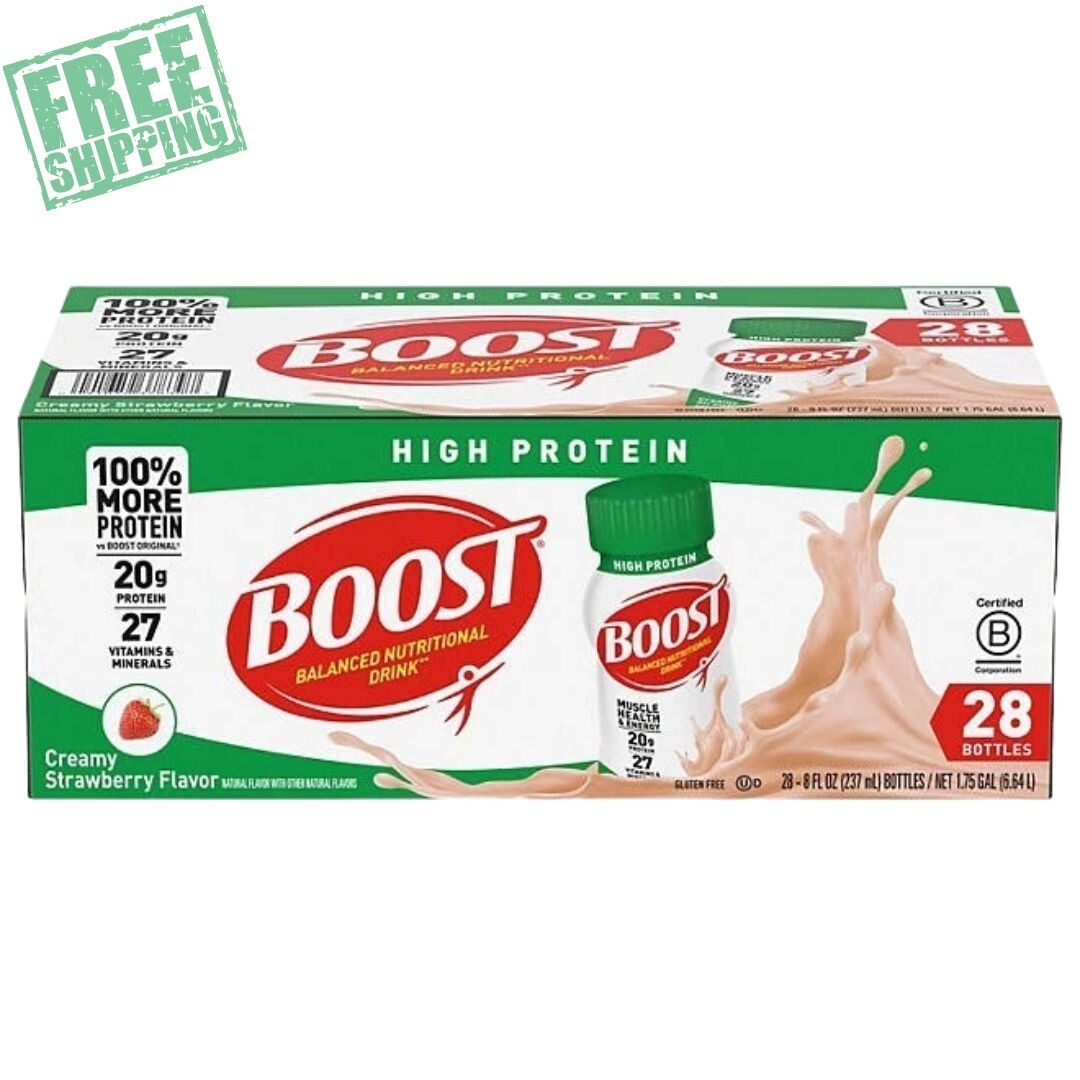 BOOST 20g High Protein Nutritional Drink, Strawberry (8 fl. oz., 28 ct.)$38.50Last checked Nov 24, 2026View on eBay
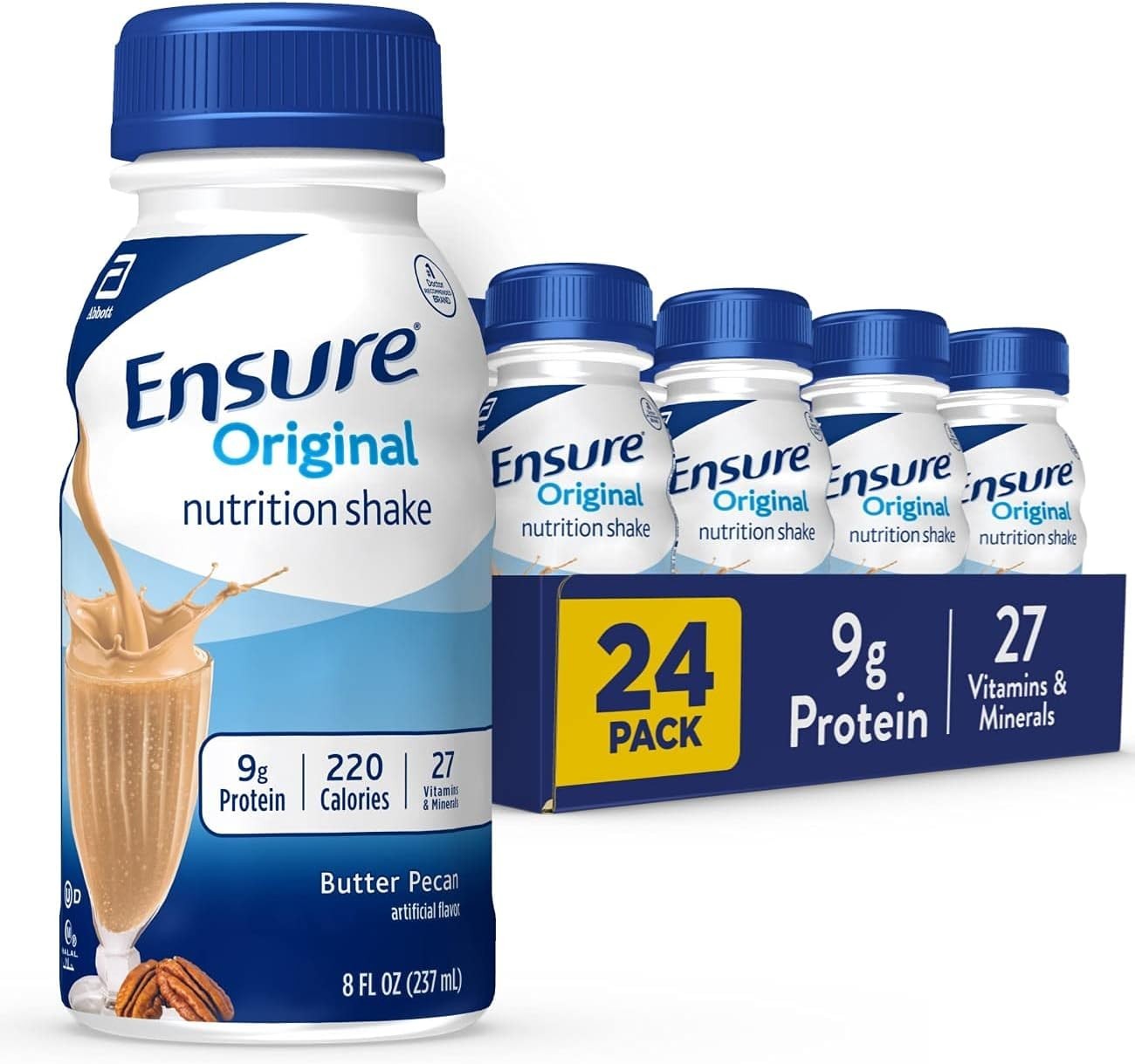 Original Protein Drinks 8 Fl Oz Pack of 24 Balanced Nutrition shakes$52.68View on eBay
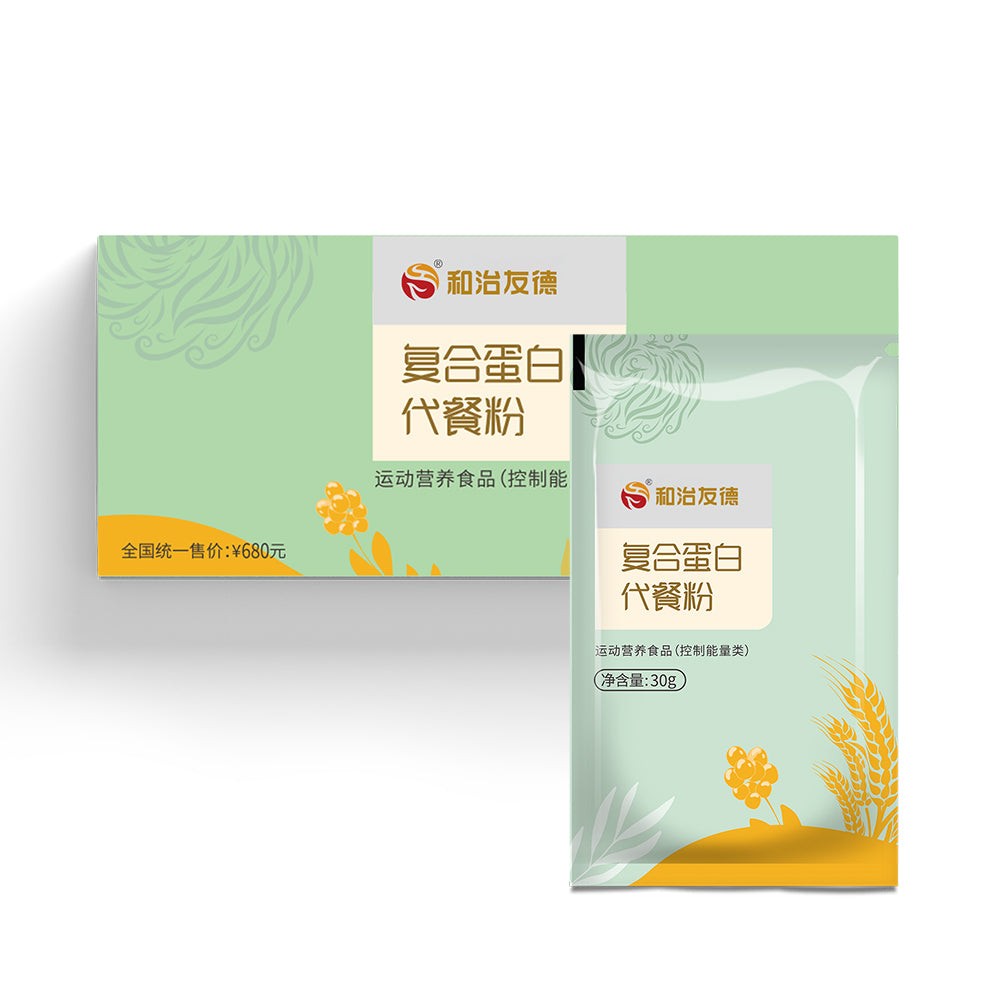 Foherb Compound Protein Powder 300g Whey & Soy Blend Muscle Nutrition Drink$97.99Last checked Nov 20, 2026View on eBay
Highlights
- Protein source matters: whey isolate and casein digest slowly and have low insulin response; plant blends (pea/rice) need added fiber to blunt glycemic load.
- Sugar alcohols like maltitol have a high glycemic index; erythritol and stevia are near-zero, making them safer for daily diabetic use.
- RTD shakes typically range 11-14 fl oz with 20-30g protein; powder scoops are 25-30g protein but require portion control and a shaker.
- Fiber content of 3-5g per serving slows glucose absorption; products with added inulin or soluble corn fiber are preferable to those with none.
Best use cases
- Best for meal replacement or post-workout: choose a 30g protein RTD with under 4g net carbs and no maltitol; skip sugary breakfast shakes with 15g+ added sugar.
- Best for overnight glucose stability: pick a slow-digesting casein blend or a shake with 5g fiber and 20g protein; avoid fast-absorbing whey-only drinks taken before bed.
- Best for weight management with diabetes: select an 11-14 fl oz RTD at 150-180 calories with 20g protein; skip 300+ calorie meal shakes unless under medical supervision.
- Wrong fit: anyone with advanced kidney disease should not use high-protein drinks without nephrologist approval; standard 20-30g doses may be unsafe.
Buying tips
- Check net carbs: total carbs minus fiber minus sugar alcohols should be ≤5g per serving for diabetic-friendly use.
- Avoid maltodextrin, dextrose, and sucrose as first sweeteners; look for sucralose, stevia, erythritol, or monk fruit instead.
- For RTD shakes, verify protein per 11-14 fl oz is at least 20g; for powders, 25-30g per scoop is standard for a meal-replacement dose.
- Prioritize whey isolate over whey concentrate if lactose sensitivity exists; isolate has less lactose and a lower insulinemic response.
Specs
| Protein per Serve | 20-30g (RTD) / 25-30g (powder) |
|---|---|
| Net Carbs | ≤5g diabetic-friendly |
| Sweetener Type | Erythritol/stevia vs maltitol |
| Protein Source | Whey isolate / casein / plant blend |
Related searches
What to check before buying
- Measure your typical meal carb budget: a drink with 5g net carbs fits a 30-45g per meal plan; 10g+ net carbs may require insulin adjustment.
- Confirm storage: RTD shakes need refrigeration after opening; powder tubs must stay dry and sealed to avoid clumping.
- Check protein source against allergies: whey and casein are dairy; pea and rice are legume/grain; soy is a common allergen.
- Verify scoop size and servings per container for powders; a 2 lb tub yields about 28-30 servings at 30g protein, affecting cost per serving.
FAQ
Data sources: eBay / Amazon listings and product attribute feeds. Updated Nov 27, 2026.
Some links on this page are affiliate links. If you buy after clicking one, we may earn a commission at no extra cost to you. This does not change which products appear here or their order. Affiliate disclosure.