
Photos from current listings. Actual item, color, and included accessories may vary.
Protein Shake Weight Loss Buying Guide
Protein shakes for weight loss are ready-to-drink (RTD) beverages or powders formulated to deliver high protein with controlled calories, used as meal replacements or satiety-boosting snacks. The key trade-off is protein dose versus sugar and calorie load: many RTDs pack 20–30g protein but vary widely in added sugar (0–15g) and total calories (100–250), while powders let you control dose but require mixing. The decision rule: choose RTDs with ≥20g protein, ≤5g added sugar, and ≤200 calories per bottle for weight-loss use; skip anything with >8g added sugar or protein <15g, which behave more like sugary snacks than satiety tools.
Median $27.98
Key takeaways
- RTD protein shakes typically range 8–12 fl oz with 15–30g protein; weight-loss formulas cluster at 20–30g protein and 150–200 kcal per bottle.
- Added sugar is the decisive label metric: 0–5g per serving supports low-calorie diets, while 10–15g adds 40–60 empty calories that undermine a deficit.
- Protein source tiers: whey/casein (fast/slow dairy) vs plant blends (pea+rice) — dairy delivers higher leucine for muscle retention; plant suits lactose intolerance.
At a glance
- Category
- Protein Nutrition
- Last updated
- Nov 27, 2026
Current offers
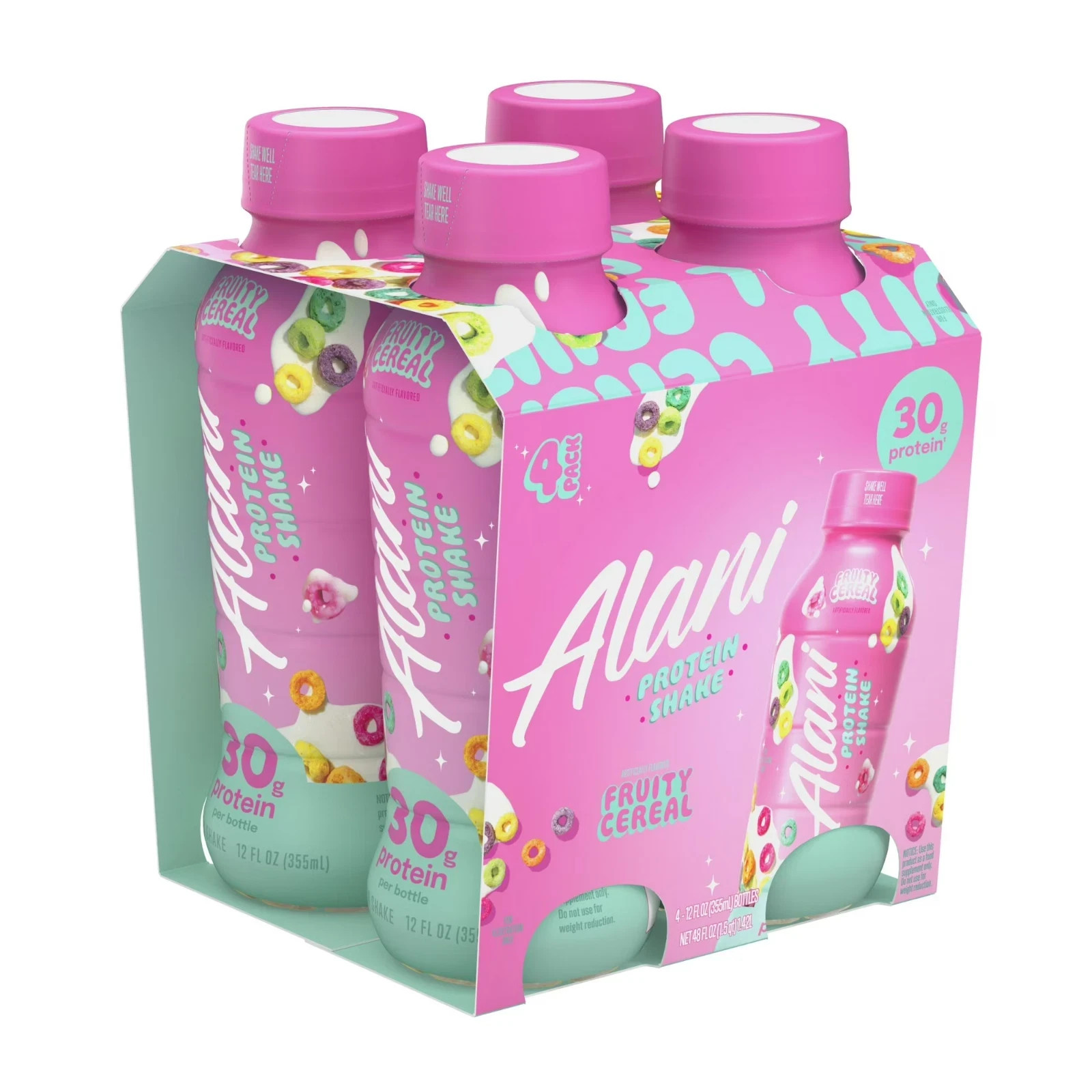 Alani Nu Protein shake Fruity cereal 12 fl oz 4 pack Bottles.....$3.98View on eBay
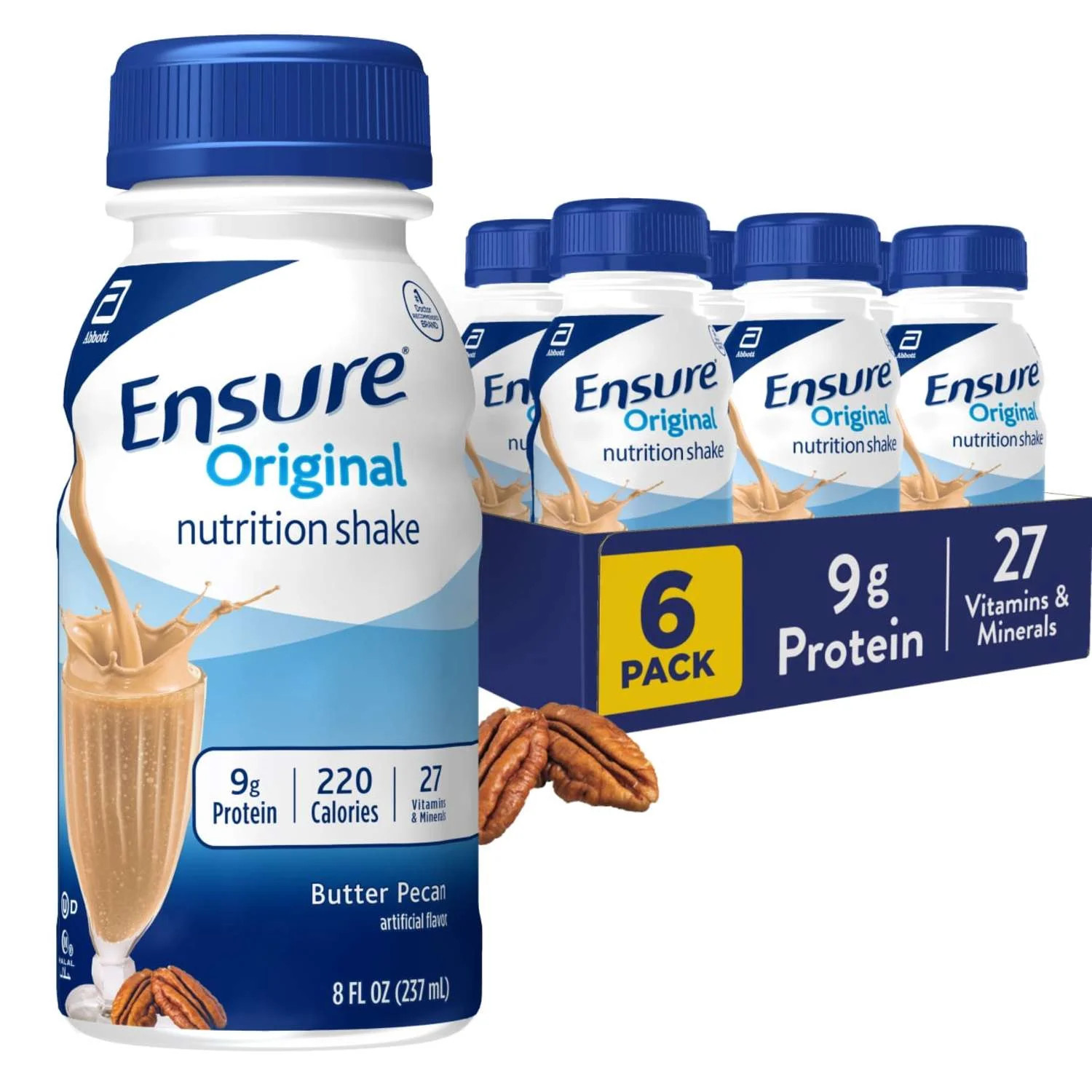 Original Nutrition Shake, 9G Protein, Butter Pecan, 8 Fl Oz - 6 Pack$5.99View on eBay
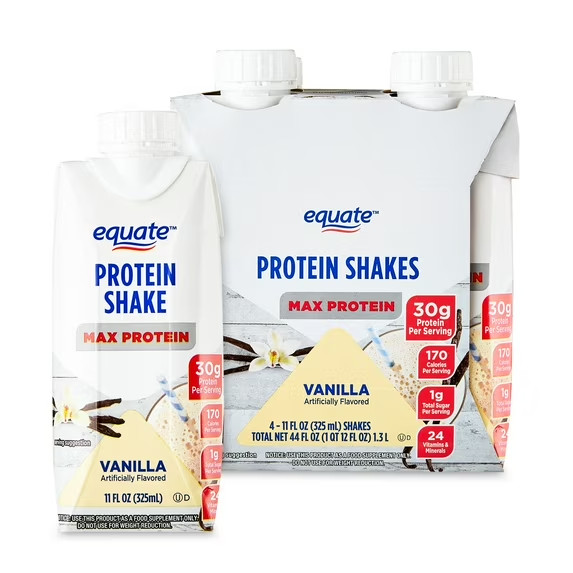 Equate Max Protein Nutrition Shake, Vanilla Flavored, 11 fl oz, 4 Count$5.99View on eBay
 Equate Max Protein Nutrition Shake, Vanilla Flavored, 11 fl oz, 4 Count$5.99View on eBay
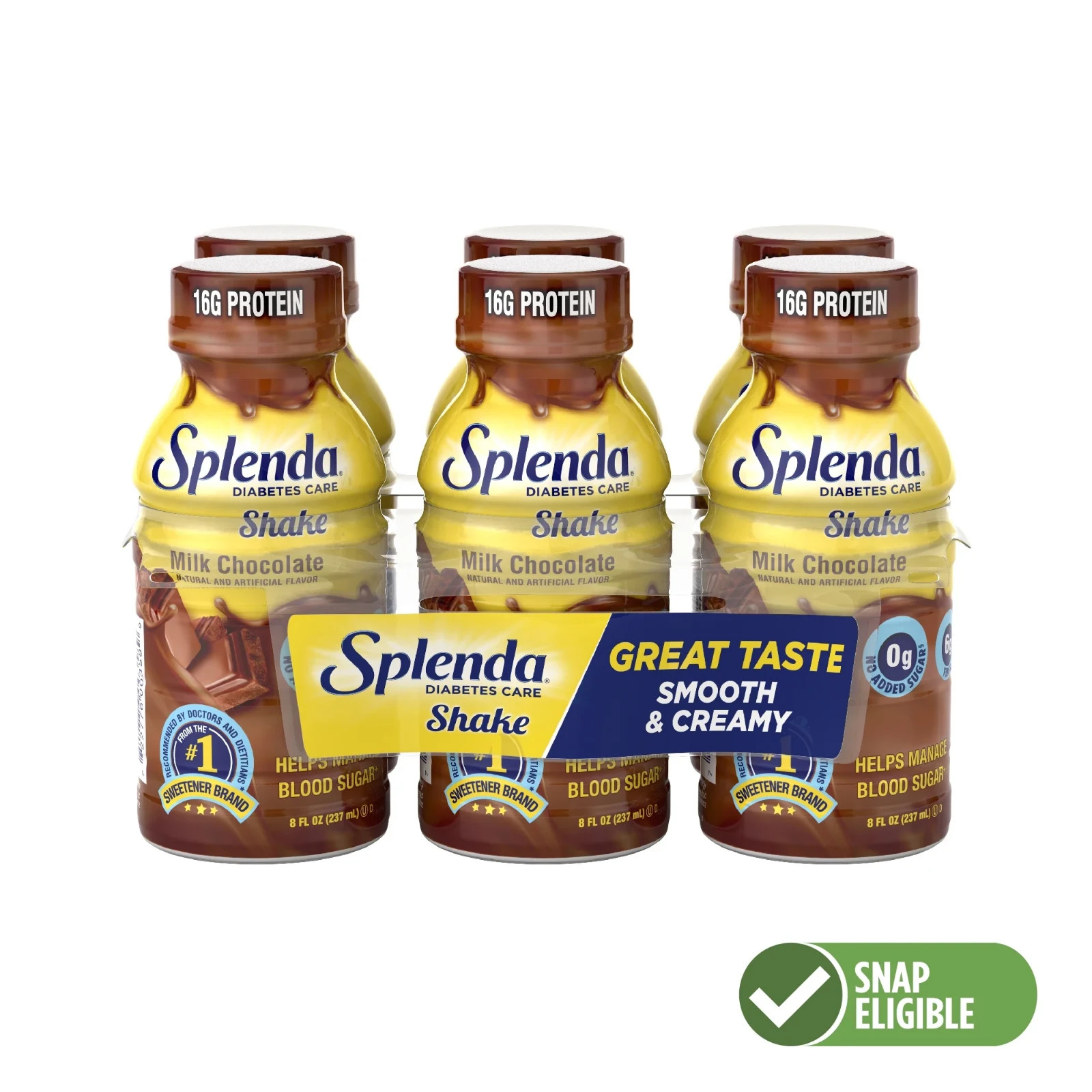 Diabetic Protein Shakes to Help Manage Blood Sugar 8 oz Milk Chocolate 6 count$7.49View on eBay
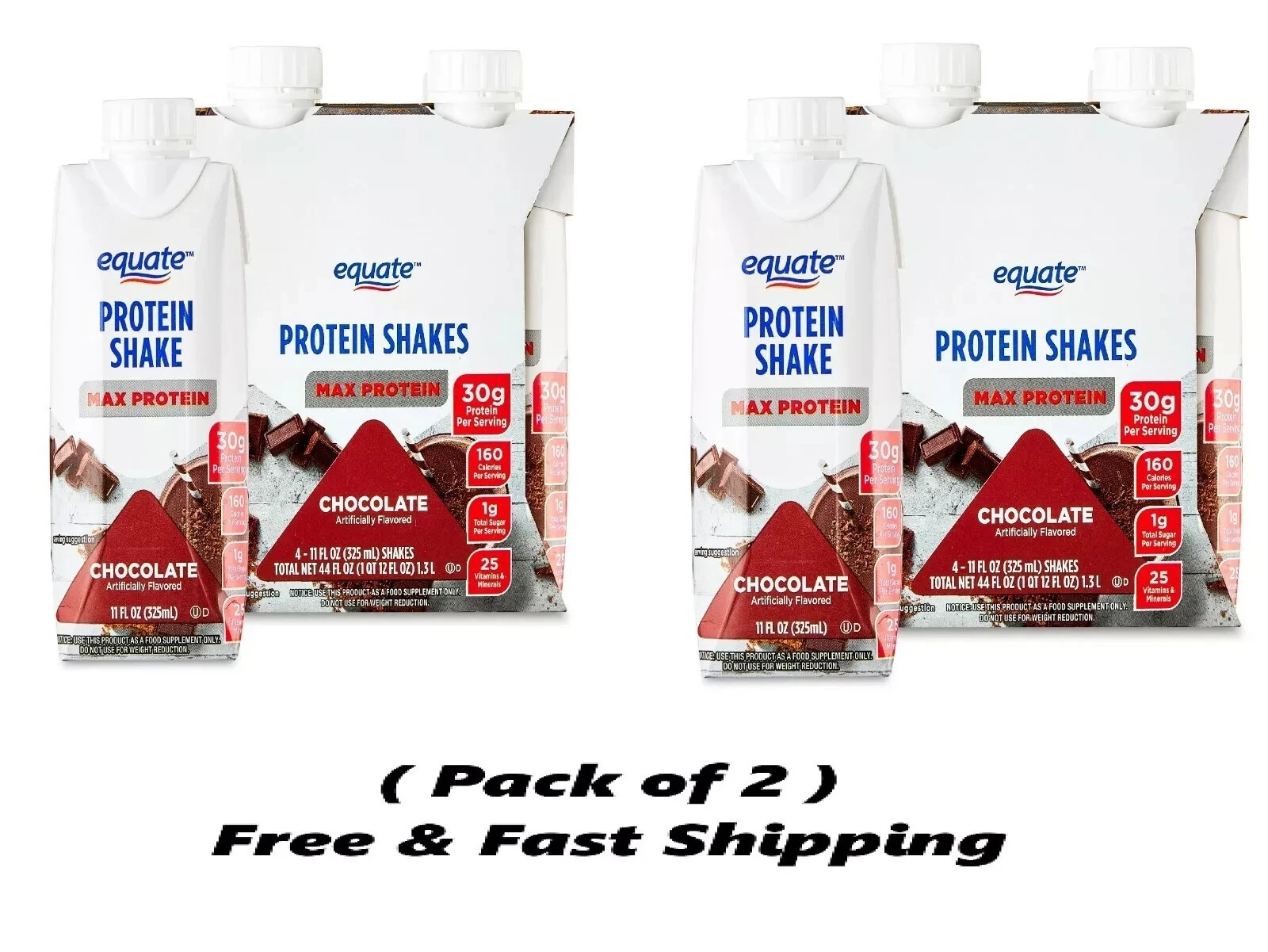 Equate Max Protein Nutrition Shake, Chocolate Flavored, Liquid, 11 fl oz 8 Count$11.19View on eBay
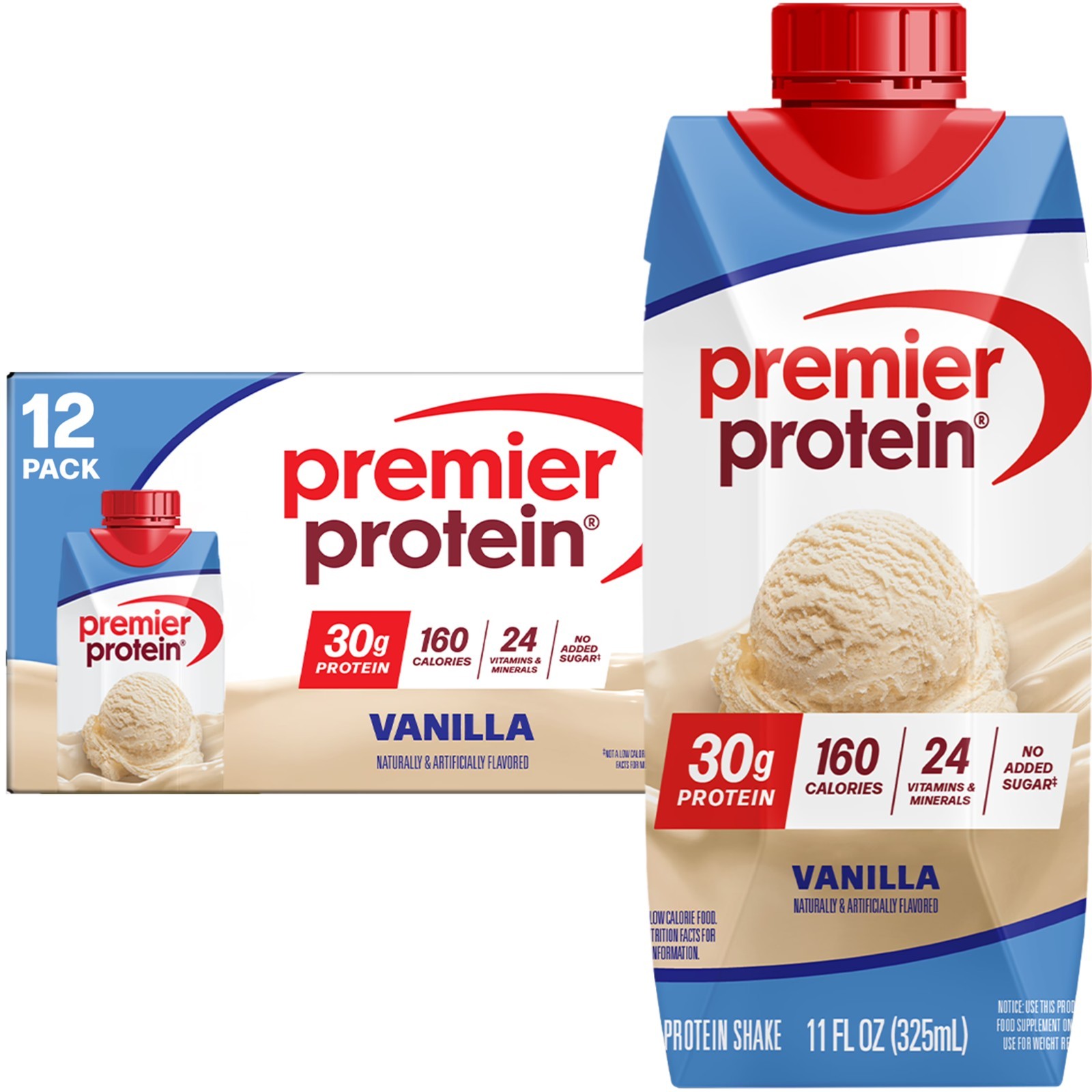 Vanilla Protein Shake 30g Protein Ready to Drink 11 fl oz 12 Ct$15.17View on eBay
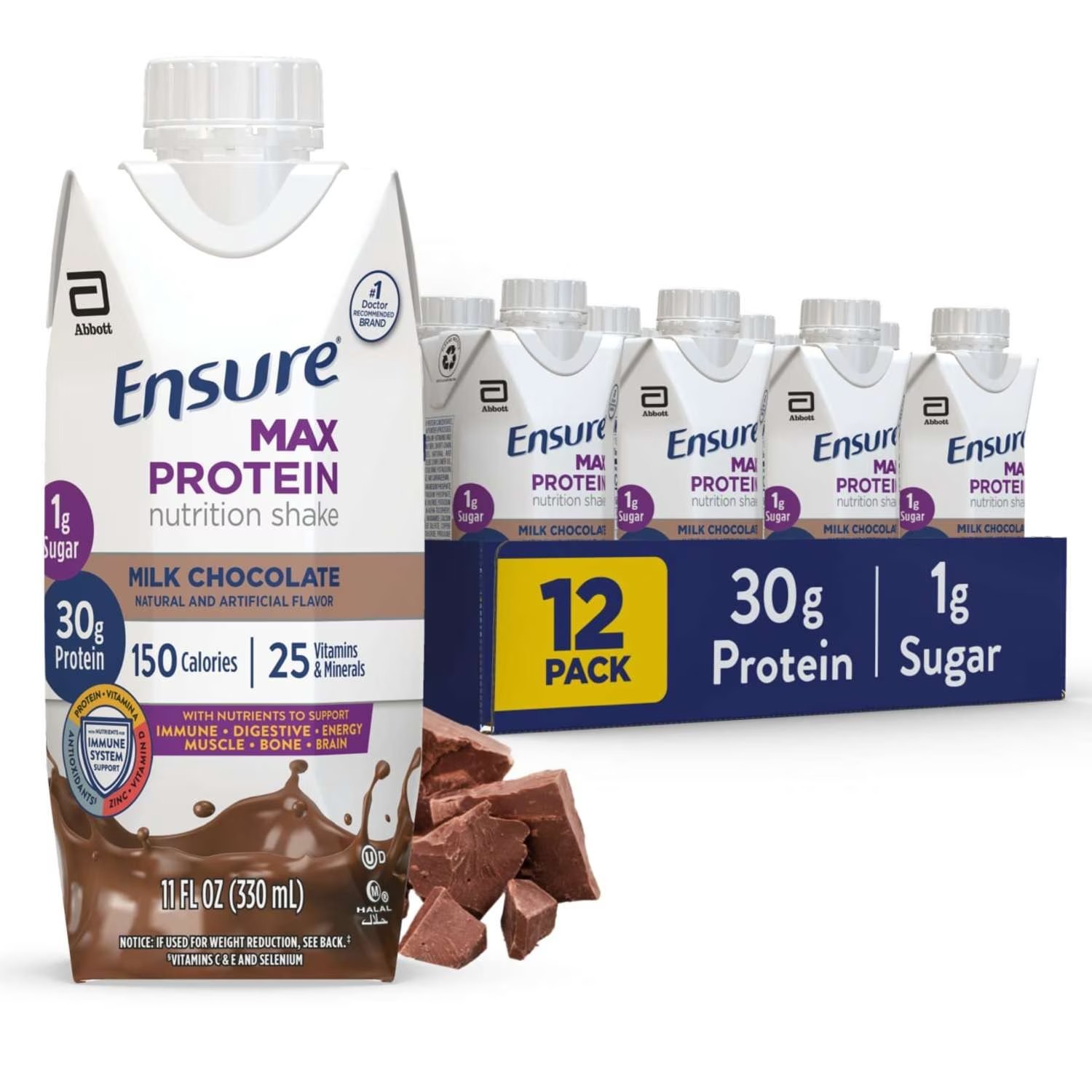 Ensure Max Protein Shake Milk Chocolate 30g Protein 11 fl oz 12 Pack$18.97View on eBay
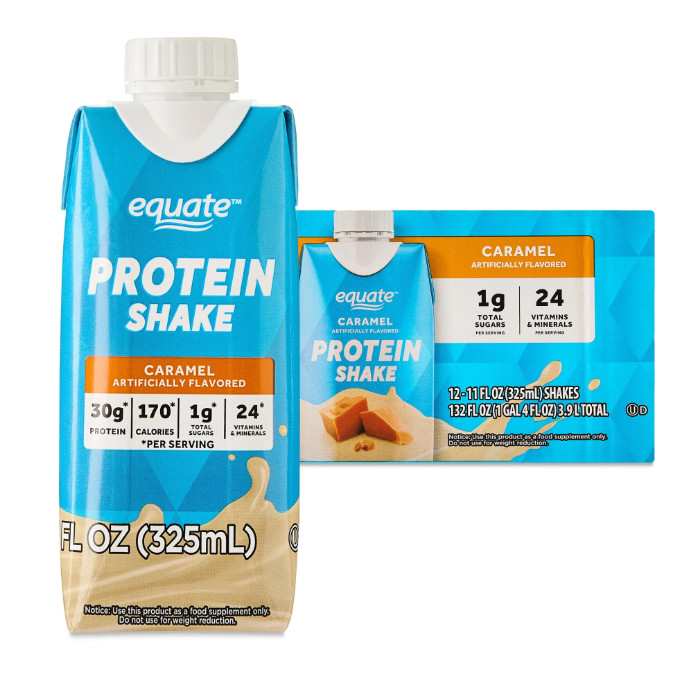 Equate Protein Nutrition Shake, Caramel, 11 fl oz, 12 Count$20.99View on eBay
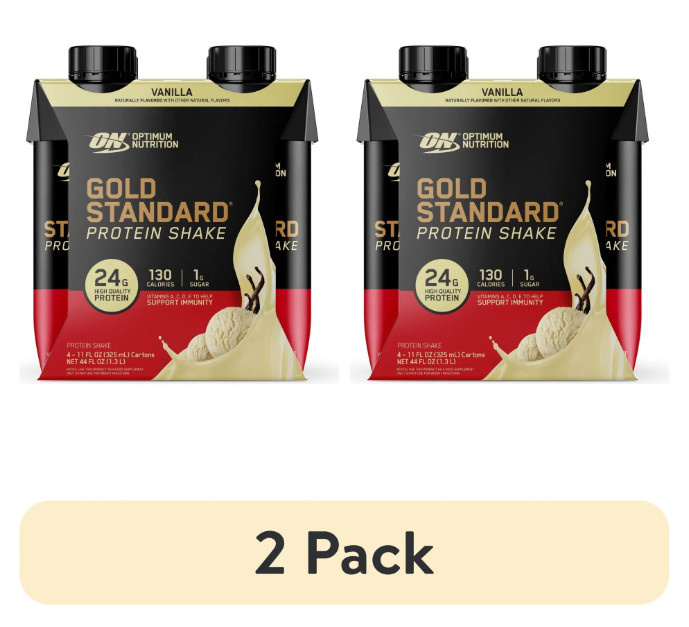 Optimum Nutrition Gold Standard Protein Shake, Vanilla, 24g Protein, 8-Pack$20.99View on eBay
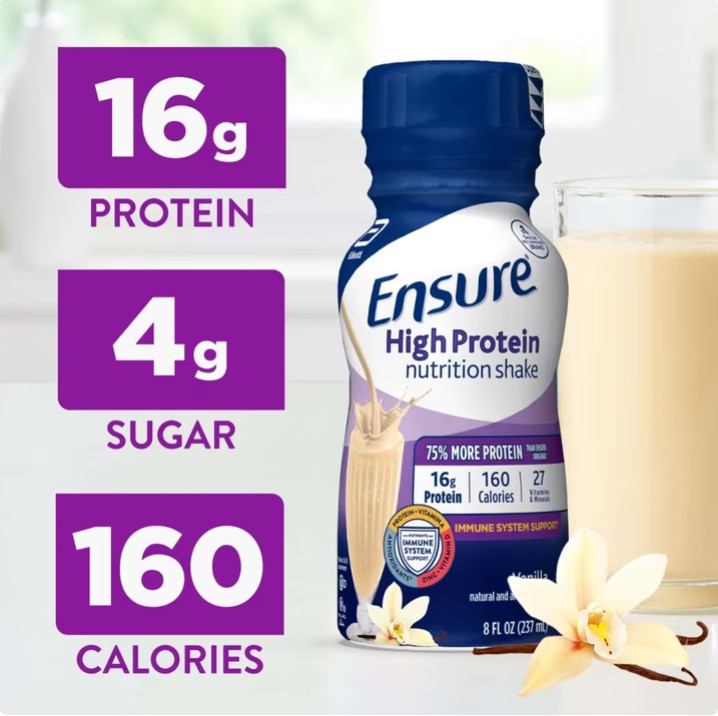 Ensure High Protein Nutrition Shake, Strawberry, 8 fl oz, 24 Count$27.51View on eBay
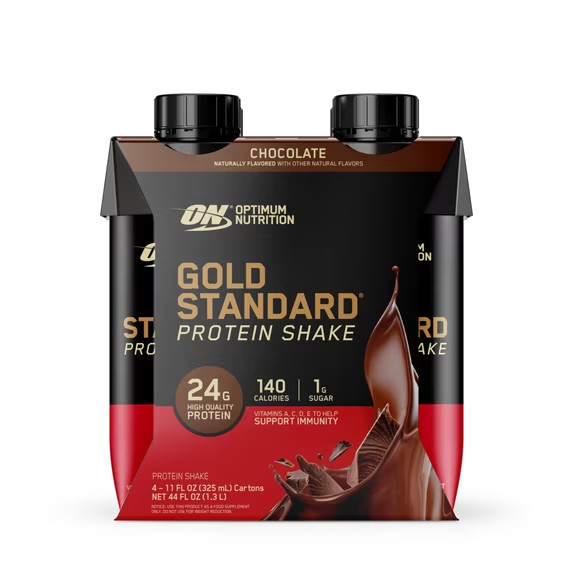 Optimum Nutrition Gold Standard Protein Shake, Chocolate, 24g$28.45View on eBay
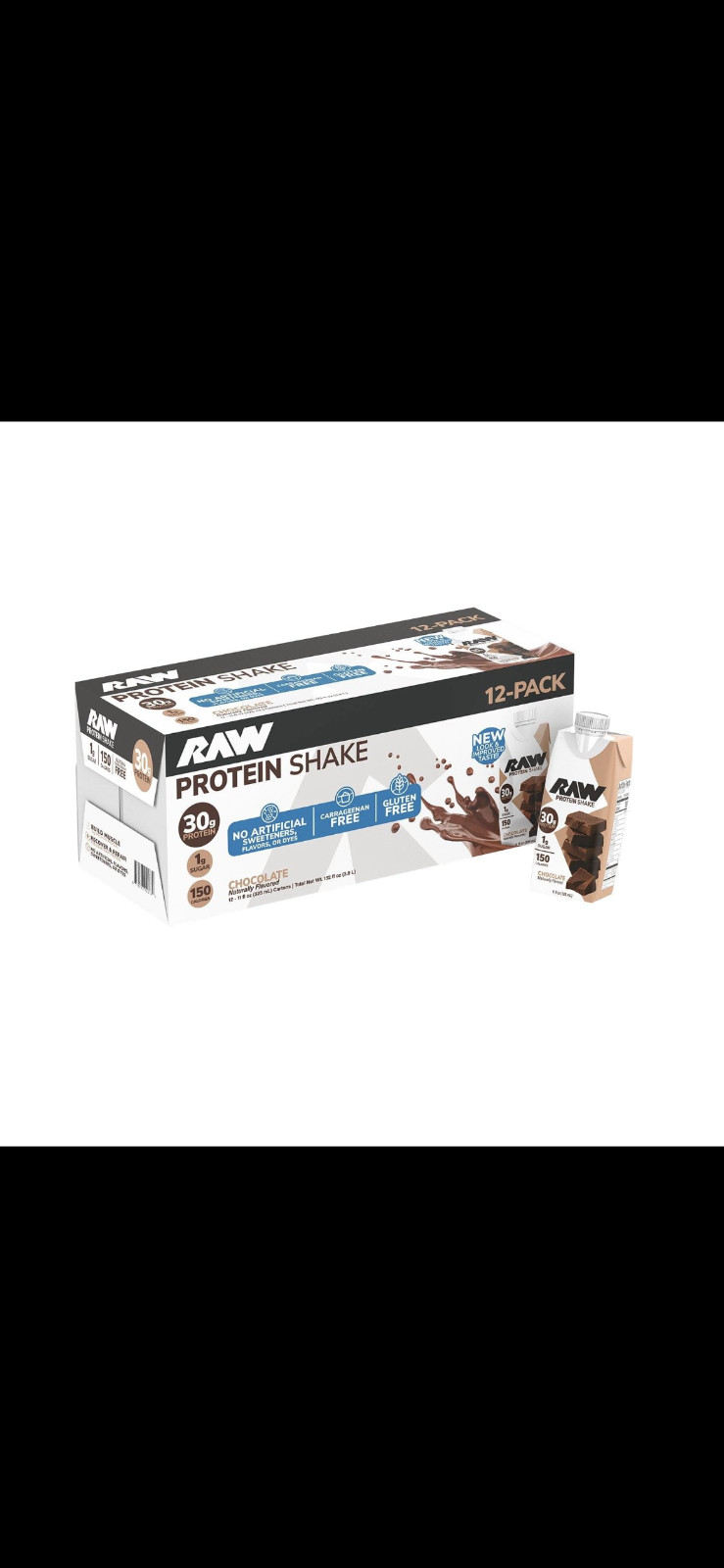 RAW Nutrition 30g Protein Shake, Chocolate, 11 fl. oz., 12 pk.$30.99Last checked Nov 26, 2026View on eBay
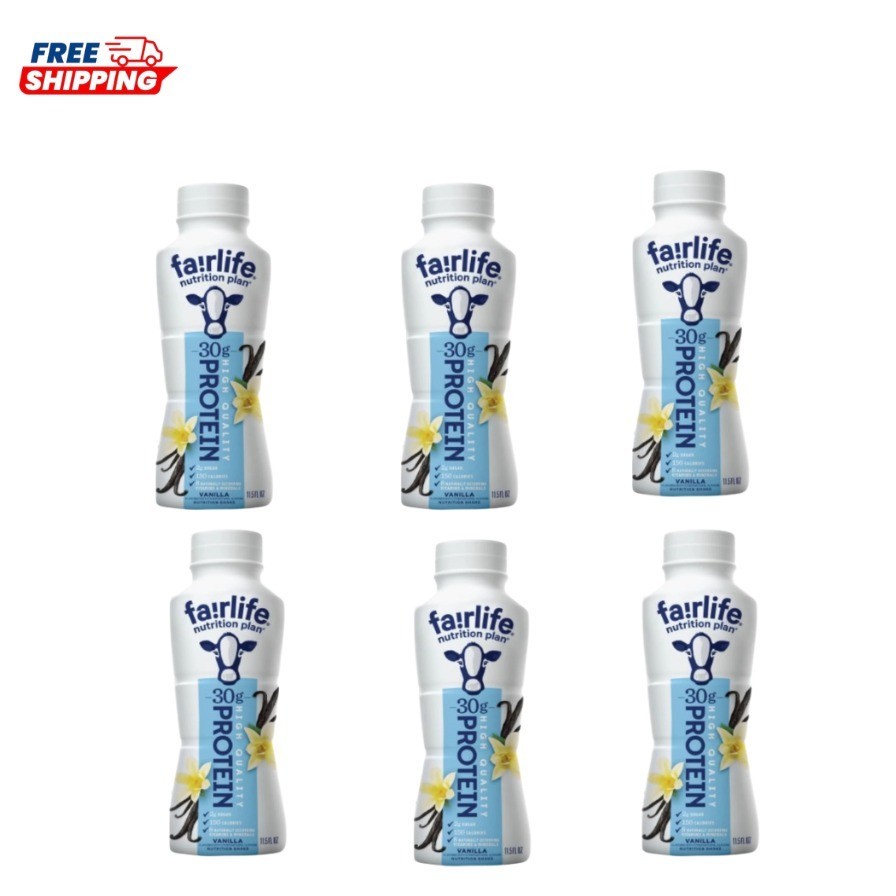 Fairlife Nutrition Plan 30g Protein Shake – Vanilla (6 Pack)$34.99Last checked Nov 21, 2026View on eBay
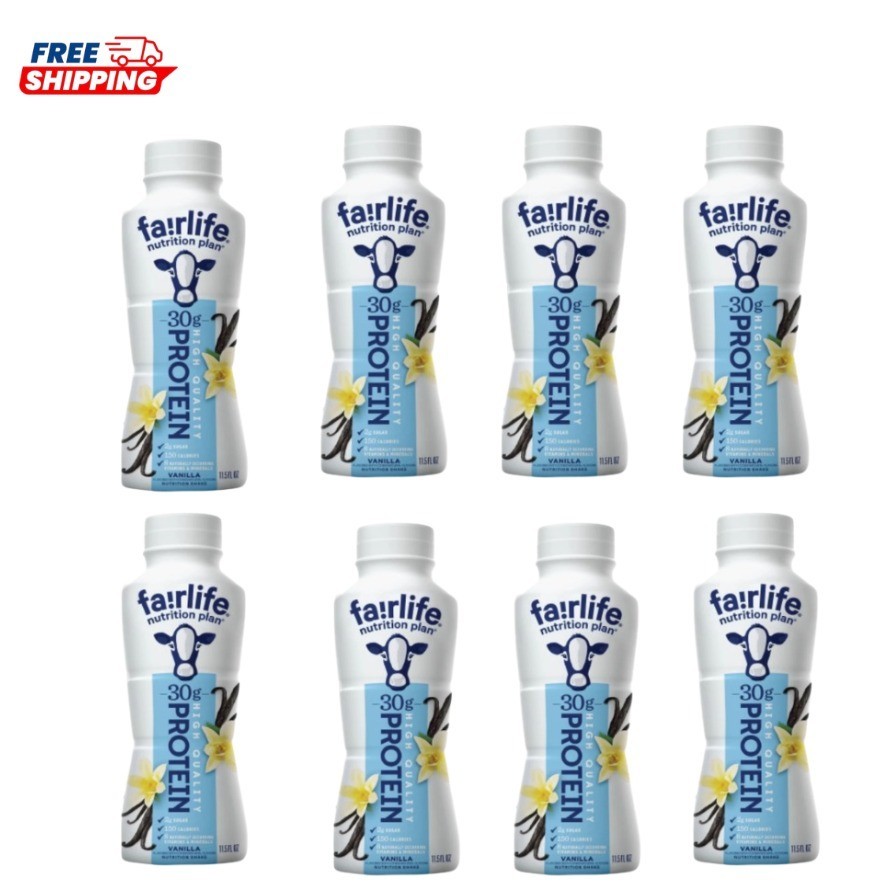 Fairlife Nutrition Plan 30g Protein Shake – Vanilla (8 Pack)$39.99Last checked Nov 21, 2026View on eBay
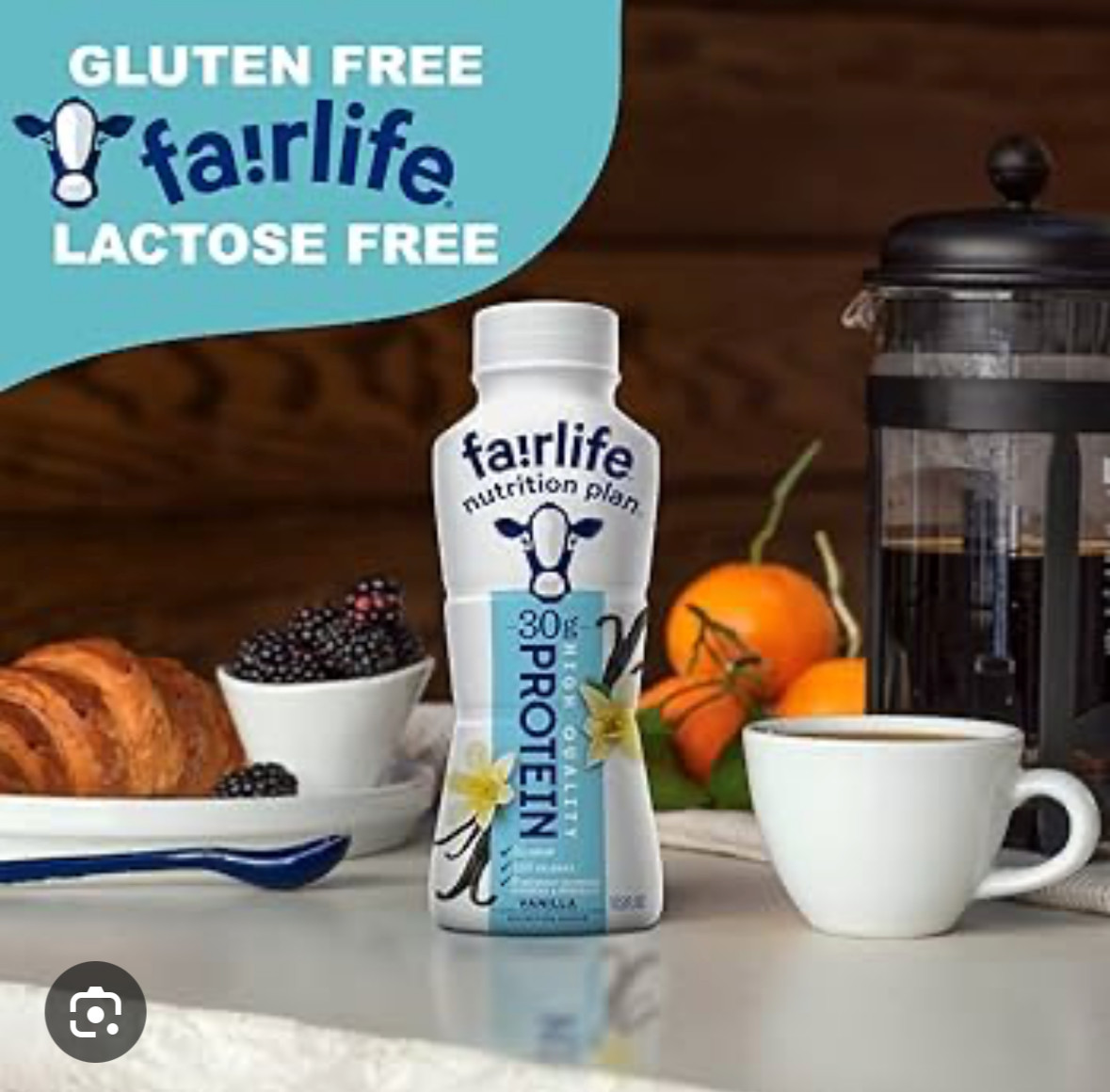 Fairlife Nutrition Plan Vanilla Protein Shakes – 11.5 oz Bottles (18-Pack)$44.99Last checked Nov 19, 2026View on eBay
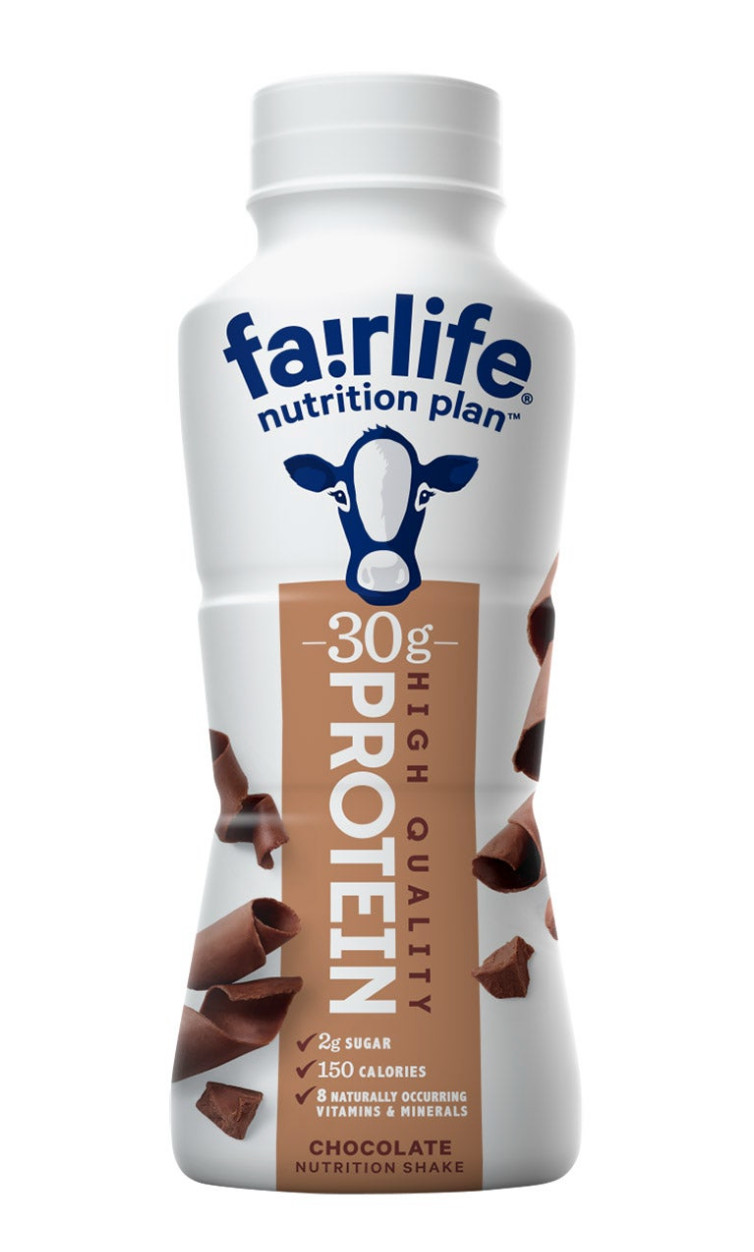 Fairlife Nutrition Plan Chocolate Protein Shakes – 11.5 oz Bottles (18-Pack)$44.99Last checked Nov 19, 2026View on eBay
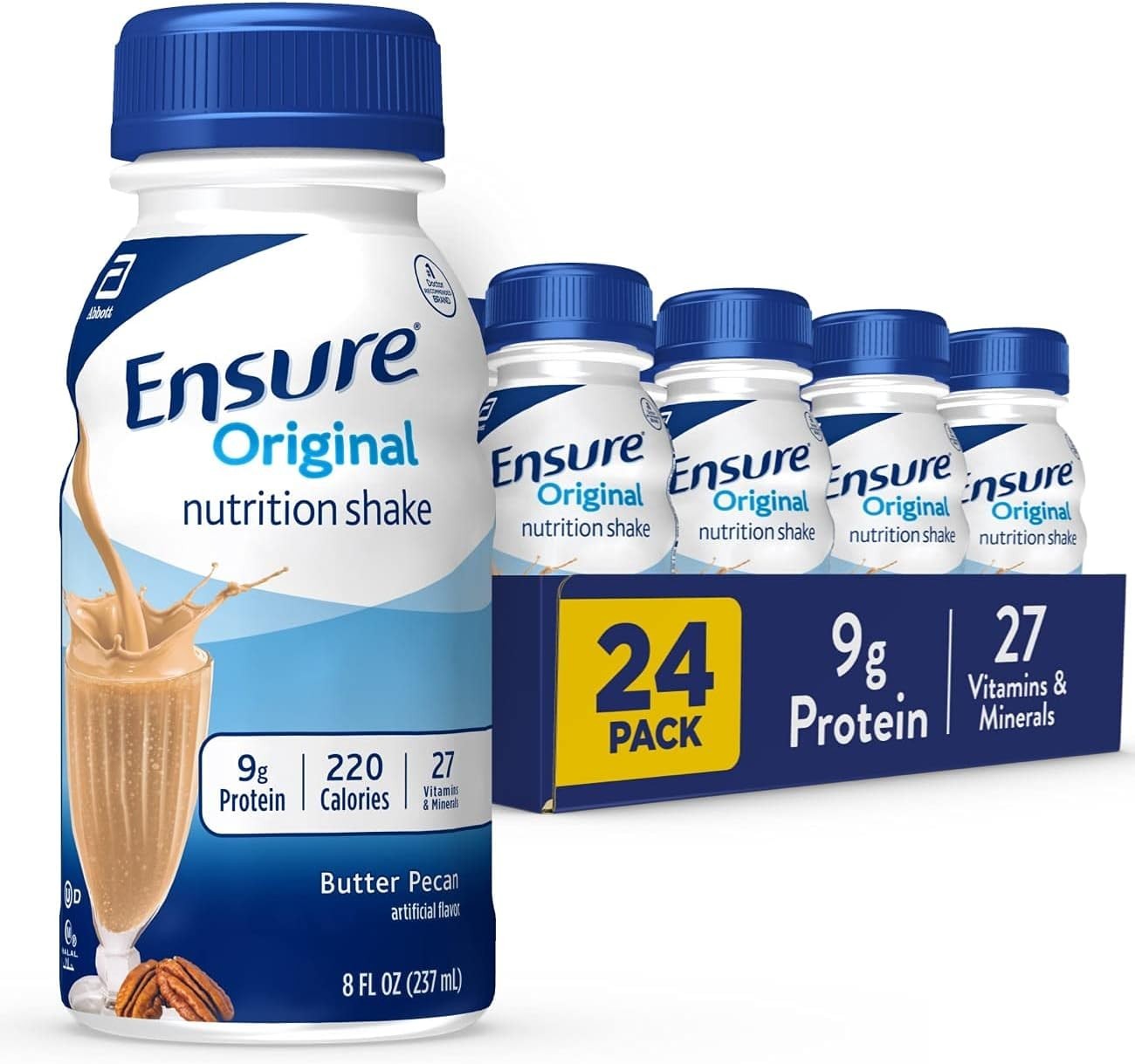 Original Protein Drinks 8 Fl Oz Pack of 24 Balanced Nutrition shakes$52.68View on eBay
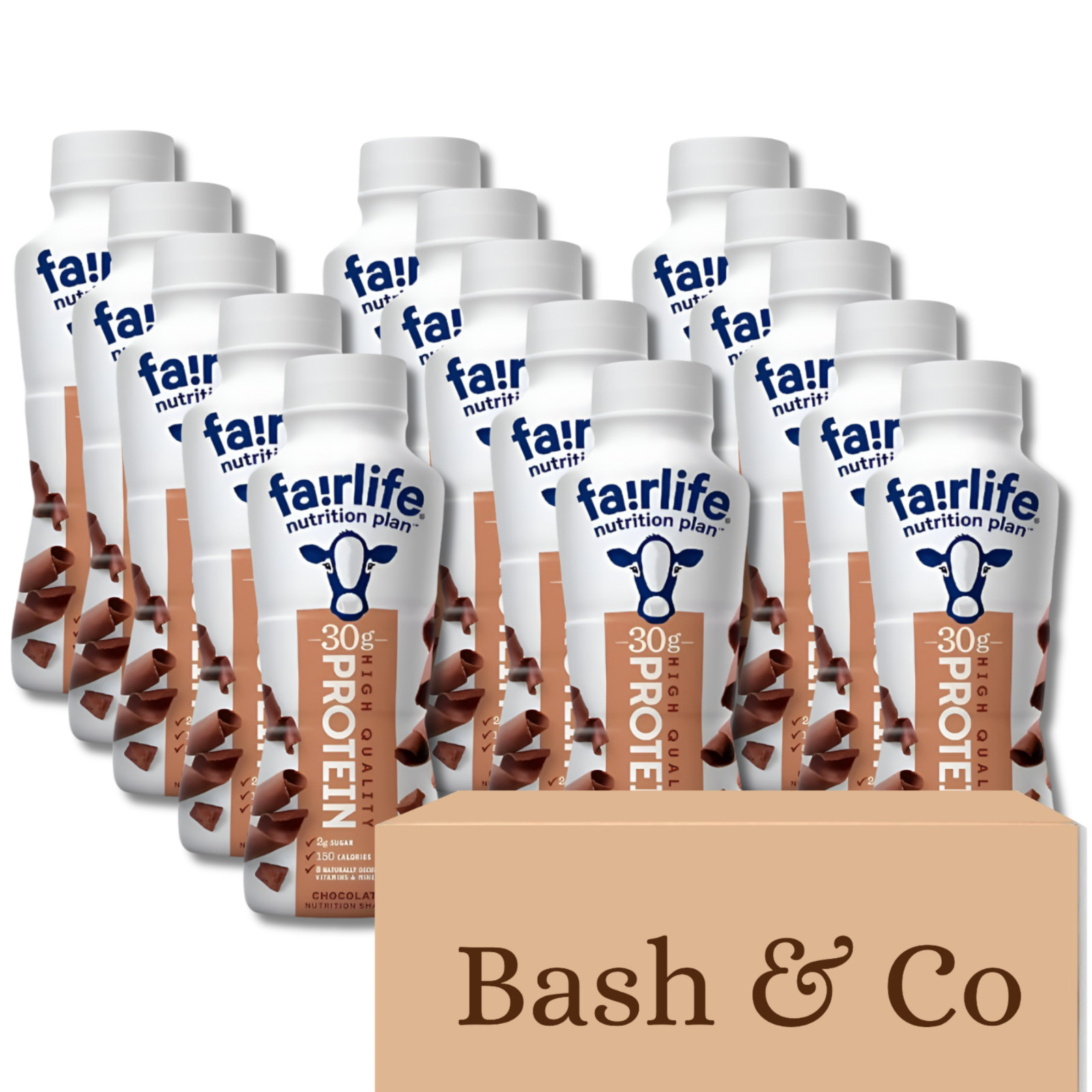 Fairlife Nutrition Plan 30g Protein Shake Chocolate 11.5oz 15 Pack by Bash & Co$54.99Last checked Nov 21, 2026View on eBay
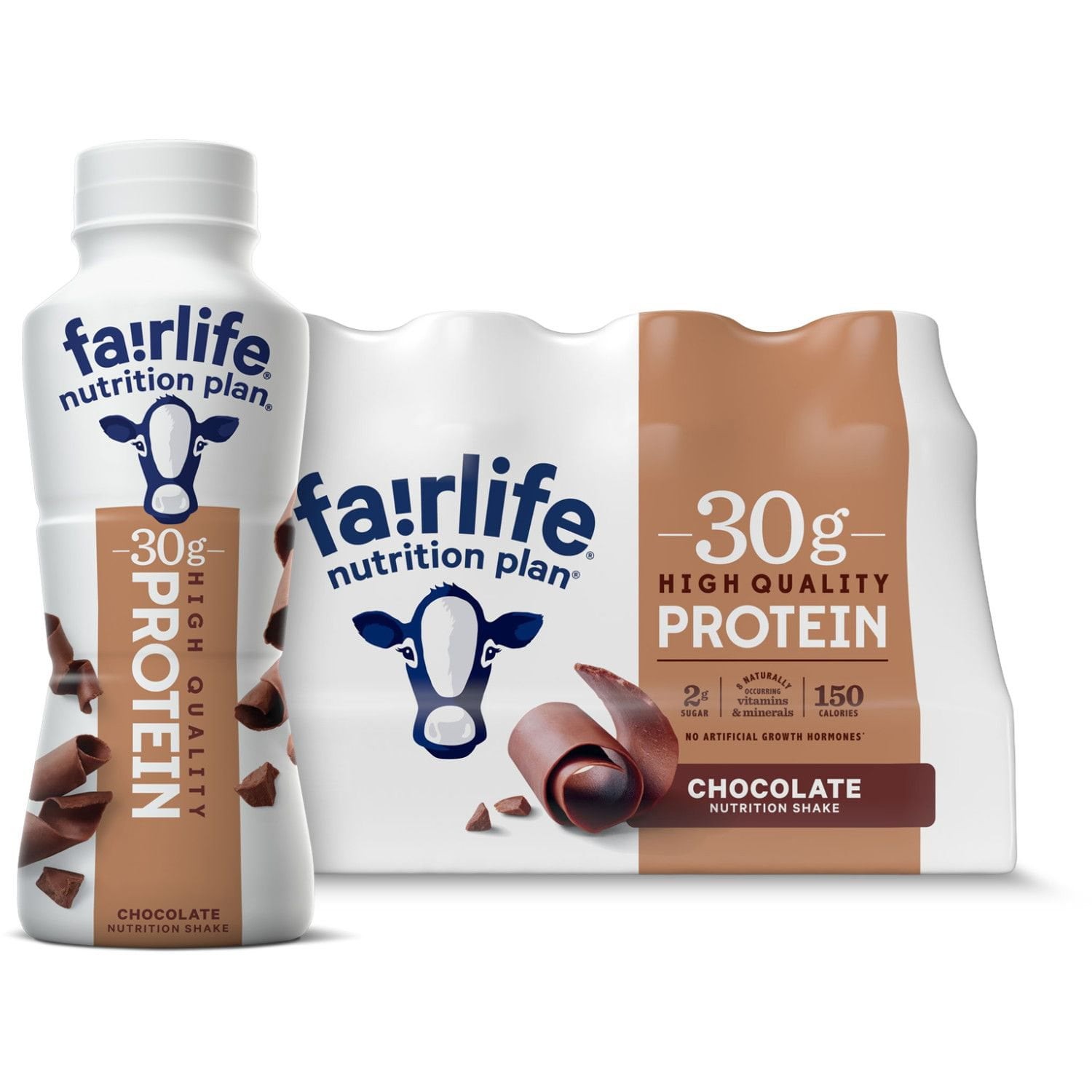 Fairlife Nutrition Plan 30g Protein Shake, Chocolate, 11.5 fl. oz., 12 pk.$56.49Last checked Nov 26, 2026View on eBay
Highlights
- RTD protein shakes typically range 8–12 fl oz with 15–30g protein; weight-loss formulas cluster at 20–30g protein and 150–200 kcal per bottle.
- Added sugar is the decisive label metric: 0–5g per serving supports low-calorie diets, while 10–15g adds 40–60 empty calories that undermine a deficit.
- Protein source tiers: whey/casein (fast/slow dairy) vs plant blends (pea+rice) — dairy delivers higher leucine for muscle retention; plant suits lactose intolerance.
- Powders (whey isolate, ~90% protein by weight) let you hit 25–30g protein for ~100–120 kcal, typically cheaper per gram than RTDs but need a shaker and liquid.
Best use cases
- Best fit: busy dieters replacing breakfast or lunch — pick RTDs with 20–30g protein, ≤5g added sugar, and ≤200 kcal; skip 8 oz 'nutrition' shakes with 9–10g protein as they won't suppress hunger.
- Best fit: post-workout or between-meal satiety — choose whey isolate powder (25–30g protein, ~110 kcal) for cost efficiency; skip RTDs if you need >2 servings/day.
- Best fit: lactose-sensitive or vegan buyers — select pea/rice blend powders or plant RTDs with ≥20g protein; skip dairy-based RTDs and whey concentrates that cause bloating.
- Wrong fit: using protein shakes as sole nutrition without medical supervision — whole-food meals are required for micronutrients; shakes are supplements, not complete diets.
Buying tips
- Prioritize protein-to-calorie ratio: aim for ≥20g protein per ≤200 kcal (≥1g protein per 10 kcal) to support satiety in a deficit.
- Check added sugar, not total sugar: dairy naturally contains lactose (5–8g), but added sugar above 5g per bottle signals a dessert drink, not a diet tool.
- Choose whey isolate (≥90% protein) over concentrate (~80%) if lactose-sensitive; isolate has less lactose and fat per gram of protein.
- For meal replacement, ensure the shake provides ≥20g protein plus fiber (≥3g) and 20–30% daily vitamins/minerals; otherwise use it only as a snack.
Specs
| Protein Dose | 15–30g per serving (RTD/powder) |
|---|---|
| Calorie Load | 100–250 kcal (RTD) / 100–130 kcal (isolate) |
| Added Sugar | 0–5g (weight-loss) vs 10–15g (dessert) |
| Protein Source | Whey isolate / casein / pea-rice blend |
Related searches
What to check before buying
- Confirm your daily protein target: weight-loss diets typically need 1.2–1.6g protein per kg body weight; count shake grams against food intake.
- Measure fridge or pantry space: RTD multipacks need shelf or fridge room; powders need a shaker bottle and 8–12 fl oz liquid per scoop.
- Check dietary restrictions: lactose intolerance → isolate or plant; vegan → pea/rice blend; allergies → verify 'dairy-free' and 'soy-free' labels.
- Verify bottle size and count: 8–11 fl oz singles suit one meal; 4-packs test flavor; larger packs lock you into a flavor — start small if new to the brand.
FAQ
Data sources: eBay / Amazon listings and product attribute feeds. Updated Nov 27, 2026.
Some links on this page are affiliate links. If you buy after clicking one, we may earn a commission at no extra cost to you. This does not change which products appear here or their order. Affiliate disclosure.