
Photos from current listings. Actual item, color, and included accessories may vary.
Quality Protein Powder Buying Guide
Quality protein powder is a concentrated protein supplement judged on protein density per scoop, complete amino acid profile, and absence of unnecessary fillers or heavy-metal risk. The core trade-off is between isolate purity and digestibility versus concentrate cost and mixability, with third-party testing separating safe, label-accurate products from unverified blends. Choose isolate or hydrolyzed whey for lactose sensitivity and fast absorption, concentrate for budget and sustained release, and always prioritize products with transparent amino spiking tests and heavy-metal screening.
Median $53.21
Key takeaways
- Protein density: isolates deliver 85-90% protein by weight (typically 25-30g per 30-33g scoop), while concentrates sit at 70-80% protein with 2-5g carbs and fat per scoop.
- Third-party seals (NSF Certified for Sport, Informed Choice, USP) verify label accuracy, banned-substance absence, and heavy-metal limits that unsealed products rarely disclose.
- Amino spiking detection: quality whey lists leucine at 10-12% of total protein and specifies complete PDCAAS 1.0 or DIAAS >1.0 scores; added glycine or taurine inflates nitrogen readings without usable protein.
At a glance
- Category
- Protein Nutrition
- Last updated
- Nov 27, 2026
Current offers
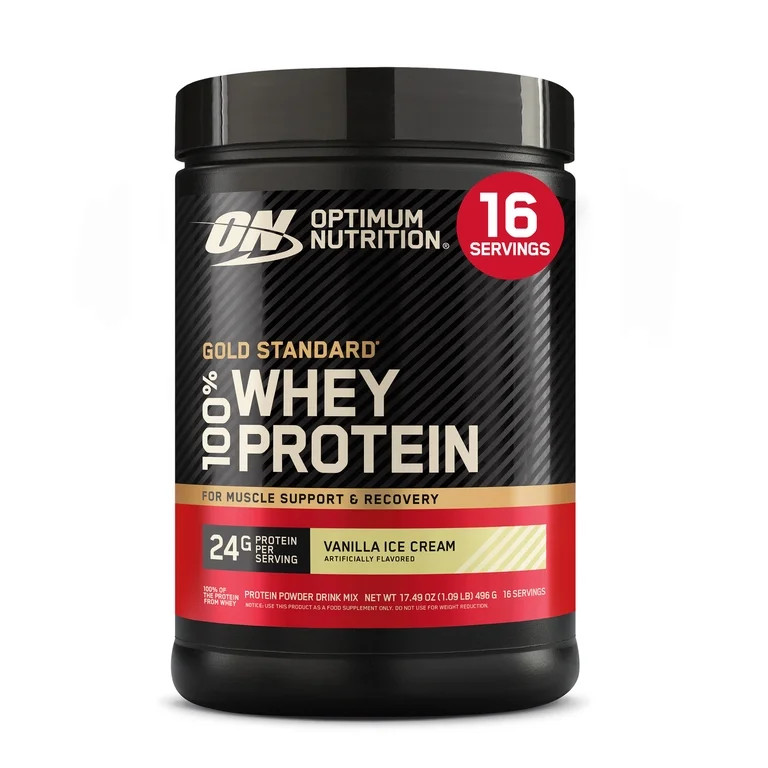 Optimum Nutrition Gold Standard 100% Whey Protein Powder, Vanilla Ice Cream, 16$23.95View on eBay
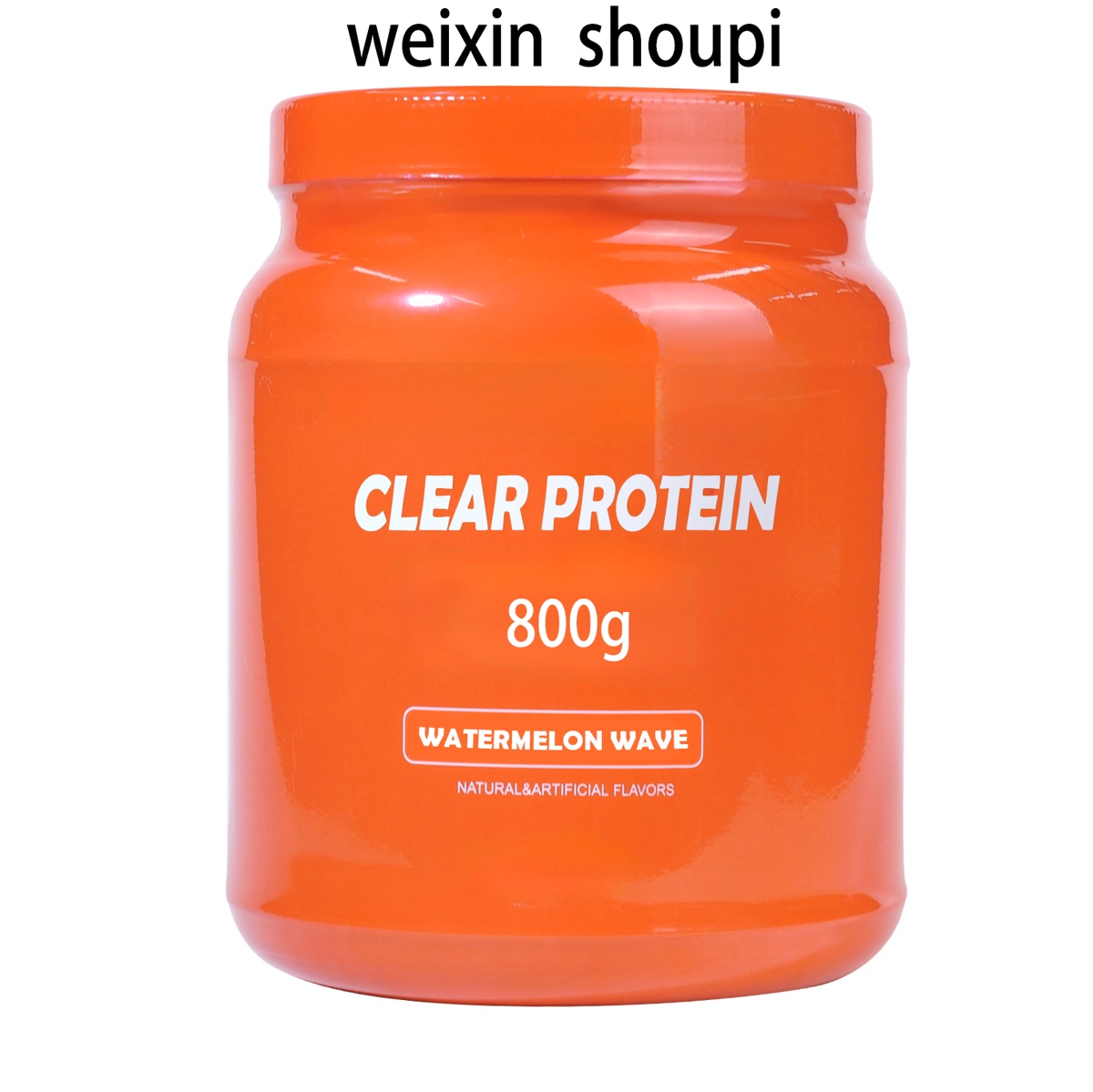 Whey Protein Powder$44.99View on Mallflare
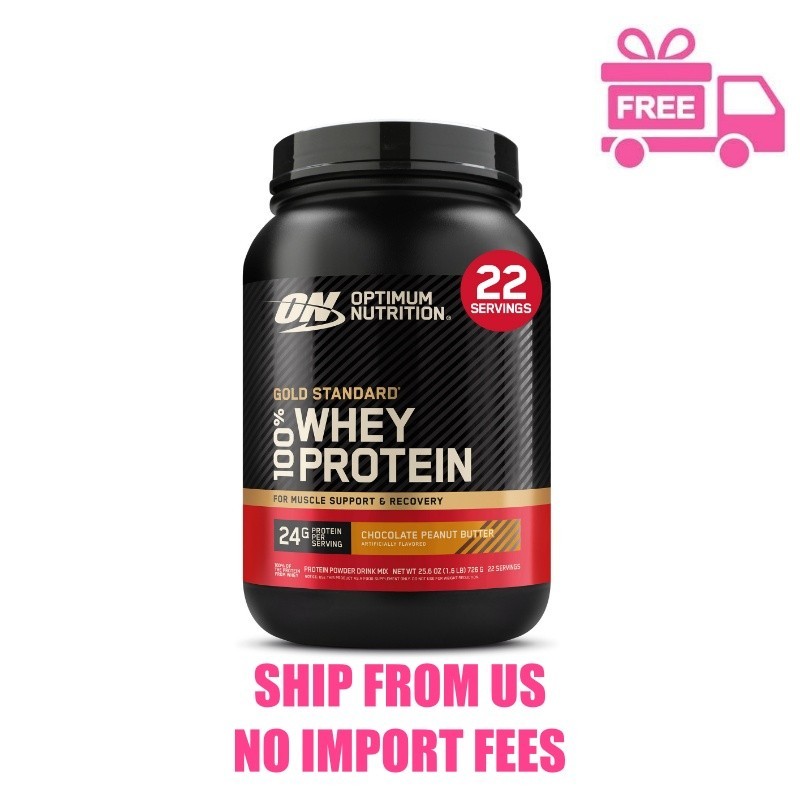 Optimum Nutrition Gold Standard 100% Whey Protein Powder, Chocolate Peanut Butte$27.17View on eBay
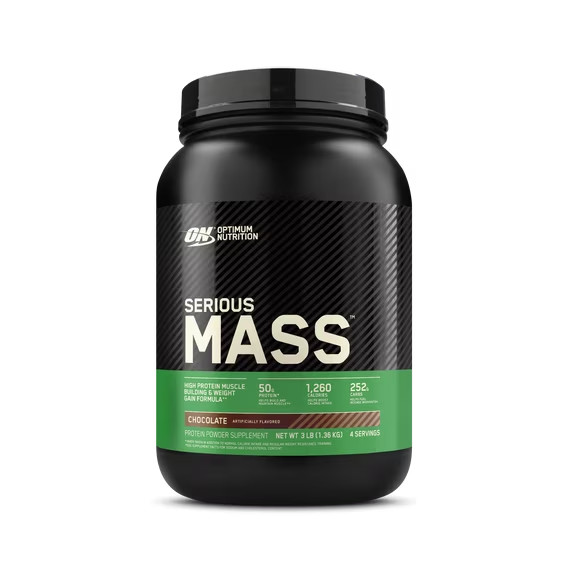 Optimum Nutrition Serious Mass Chocolate Weight Gainer Protein Powder 3 lb$31.19View on eBay
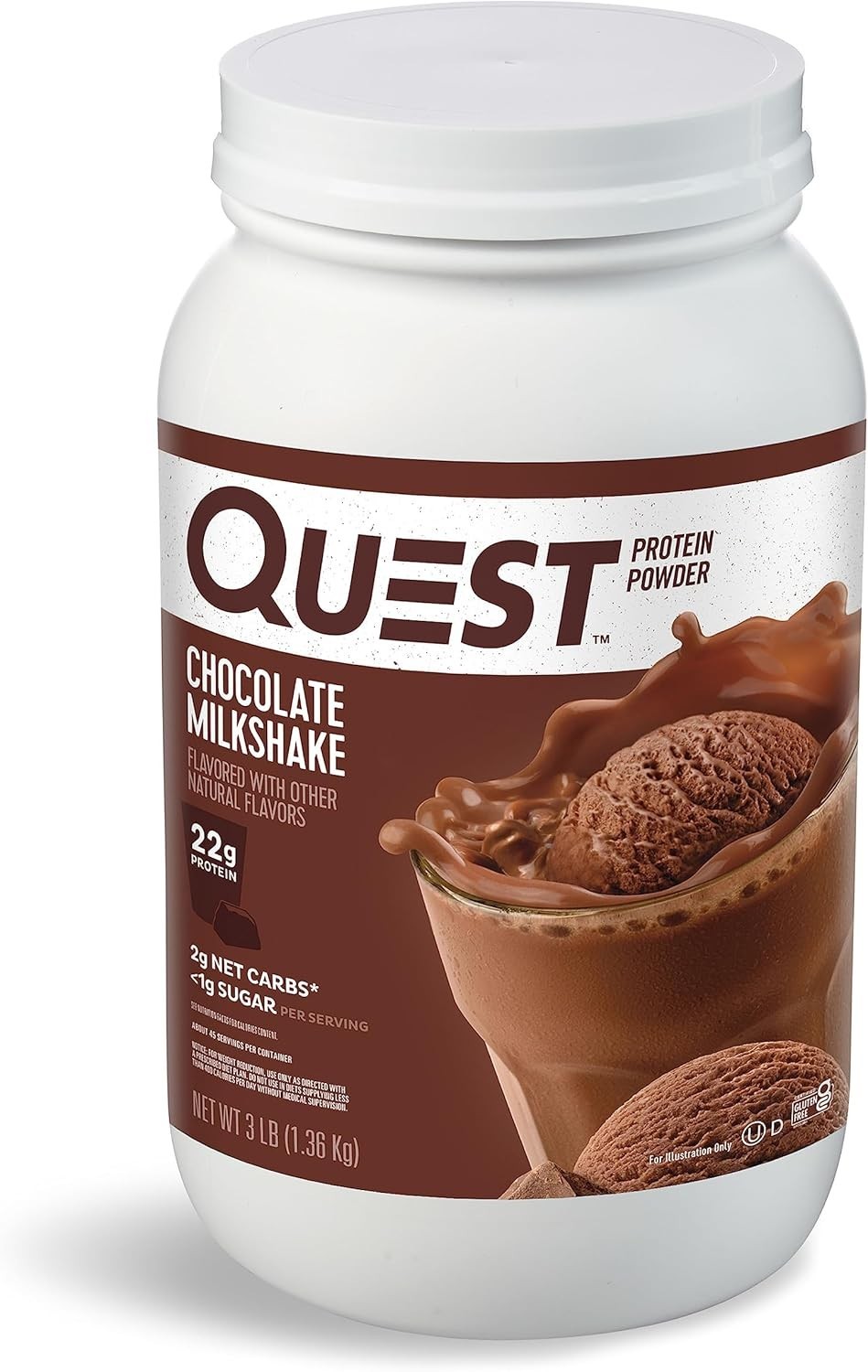 Quest Nutrition Chocolate Milkshake Protein Powder, 3 Pound, 43 Servings$33.99View on eBay
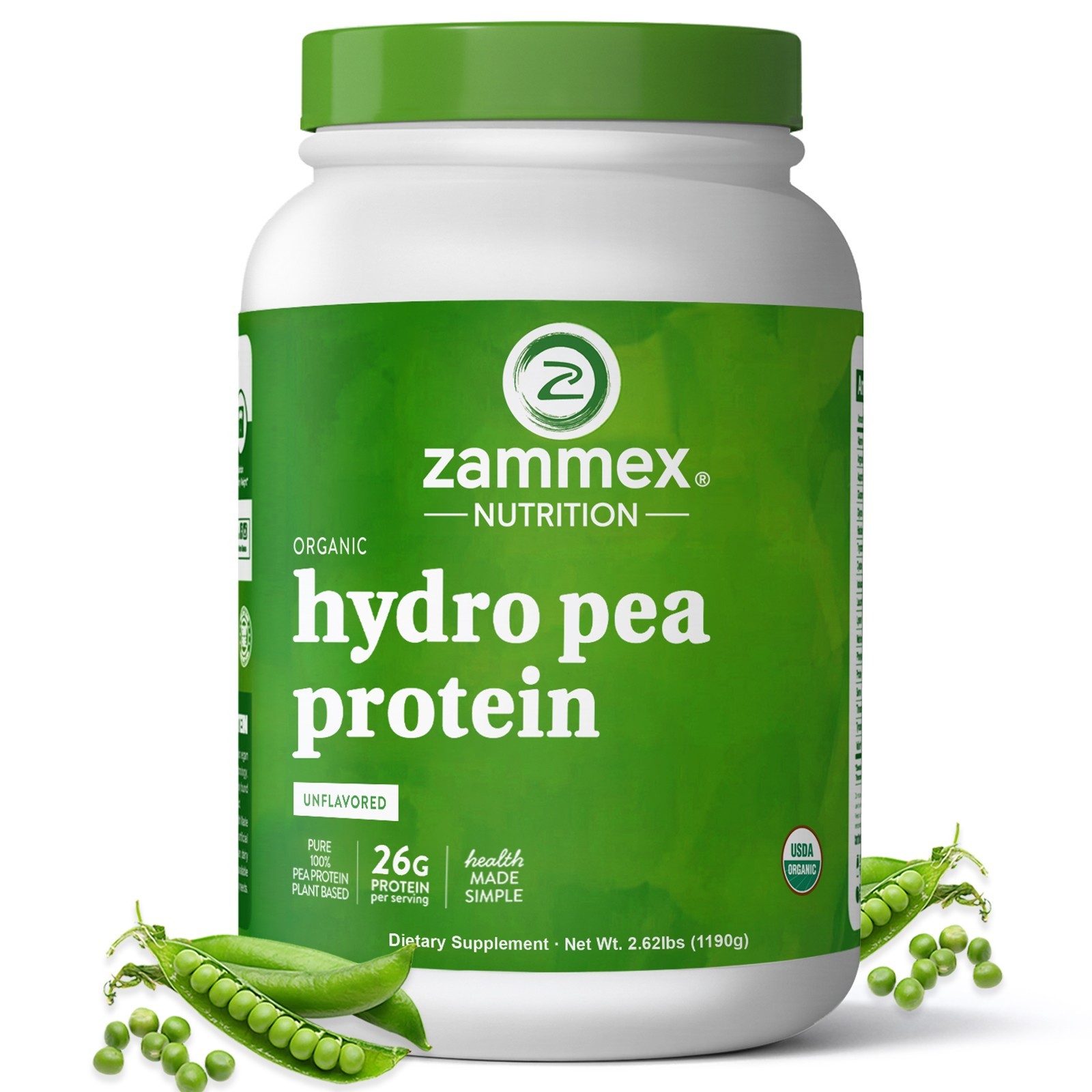 Zammex Organic Pea Protein Powder, 2.62LB, Unflavored Non-GMO, Plant Based$34.94View on eBay
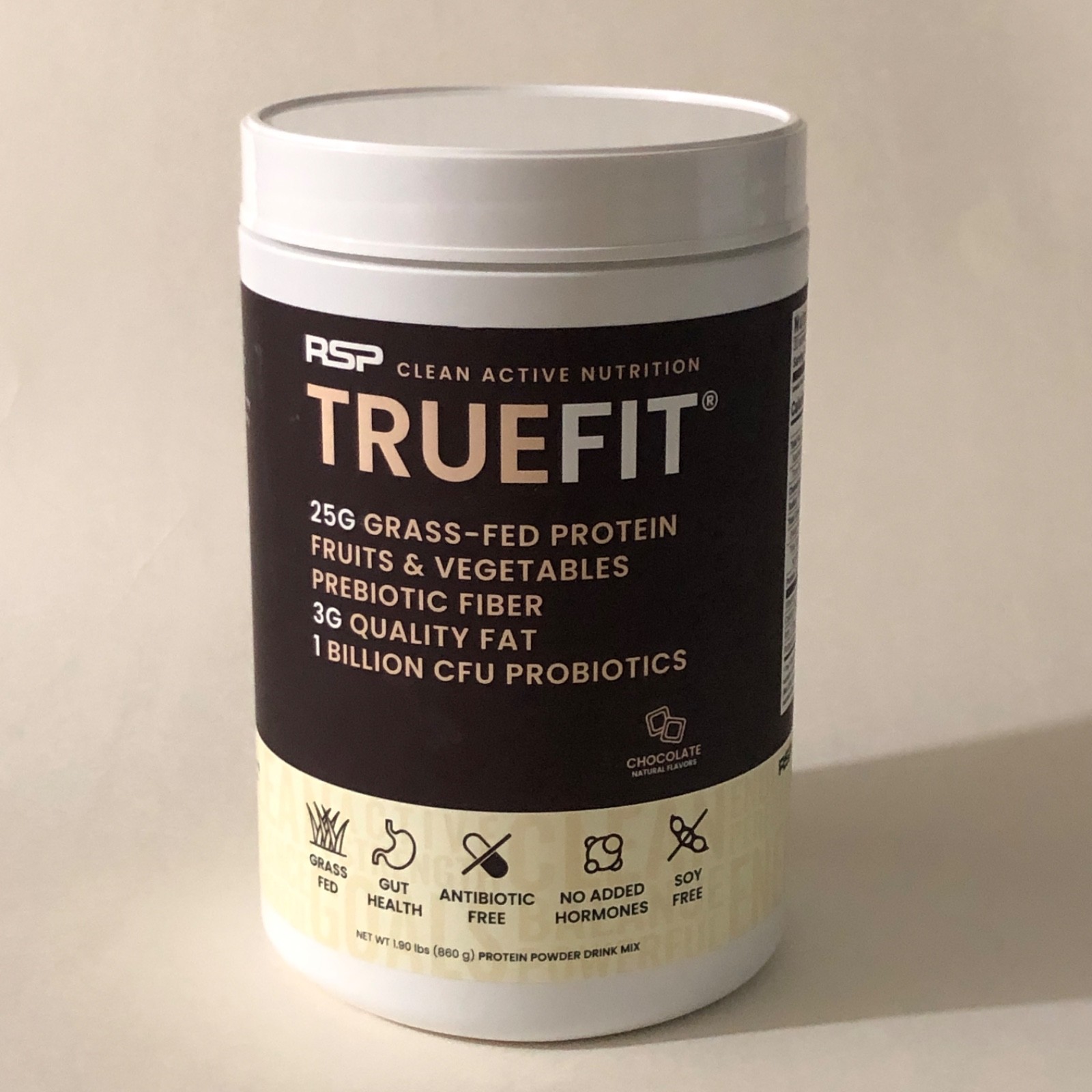 RSP Nutrition TrueFit High Fiber Protein Powder — Chocolate Flavor, 20 Servings$48.29Last checked Nov 23, 2026View on eBay
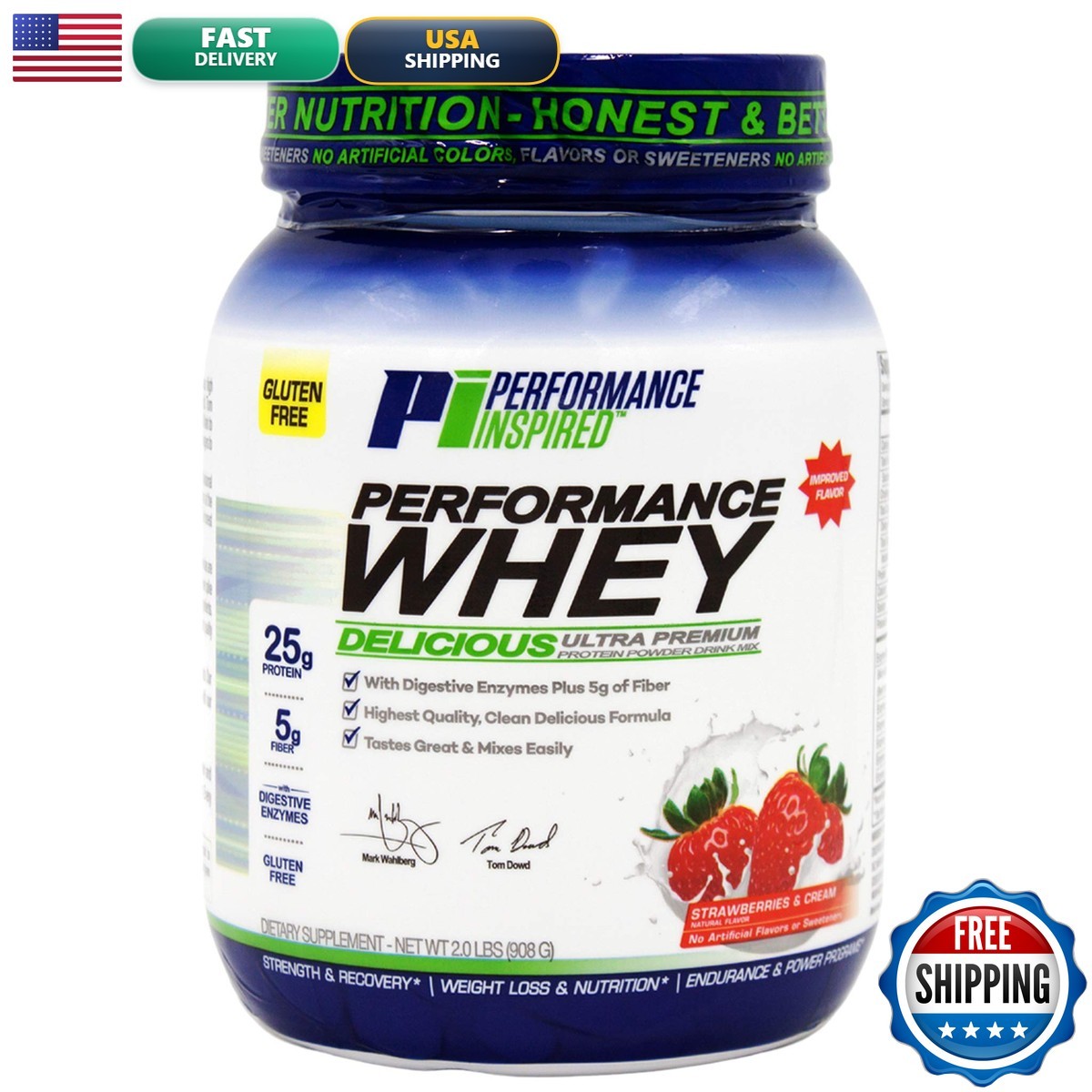 Performance Inspired Nutrition WHEY Protein Powder - All Natural - 2lb PWSTR$58.12View on eBay
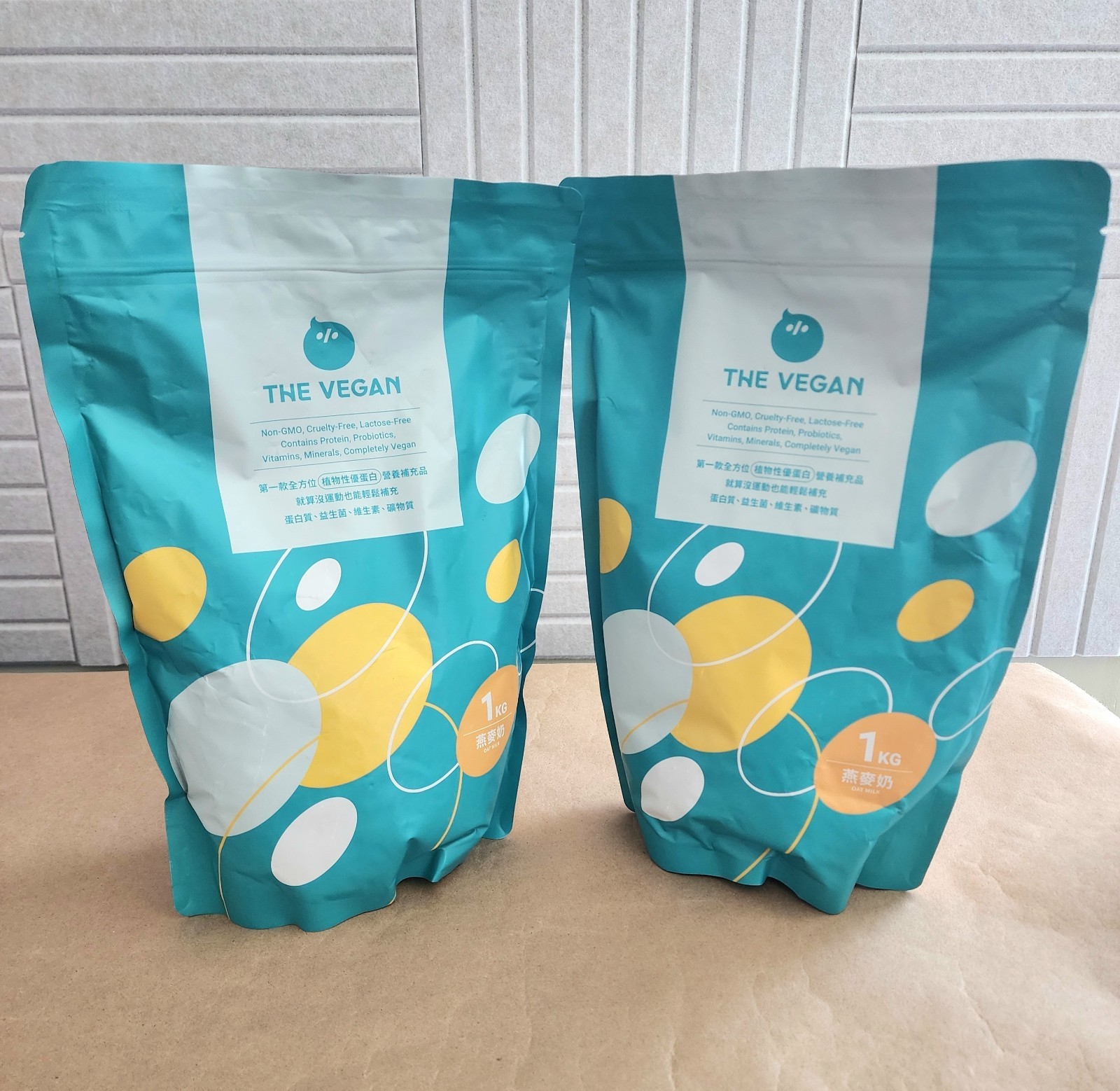 2X THE VEGAN Plant-Based Protein Powder, Oat Milk, Vegan, 1kg Exp 2027-08-26$59.99View on eBay
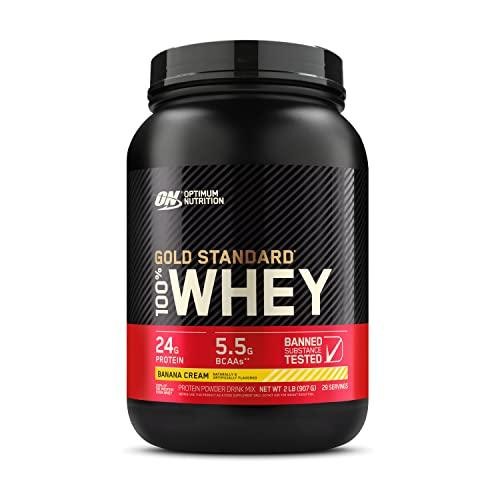 Optimum Nutrition Gold Standard 100% Protein Powder$63.24View on eBay
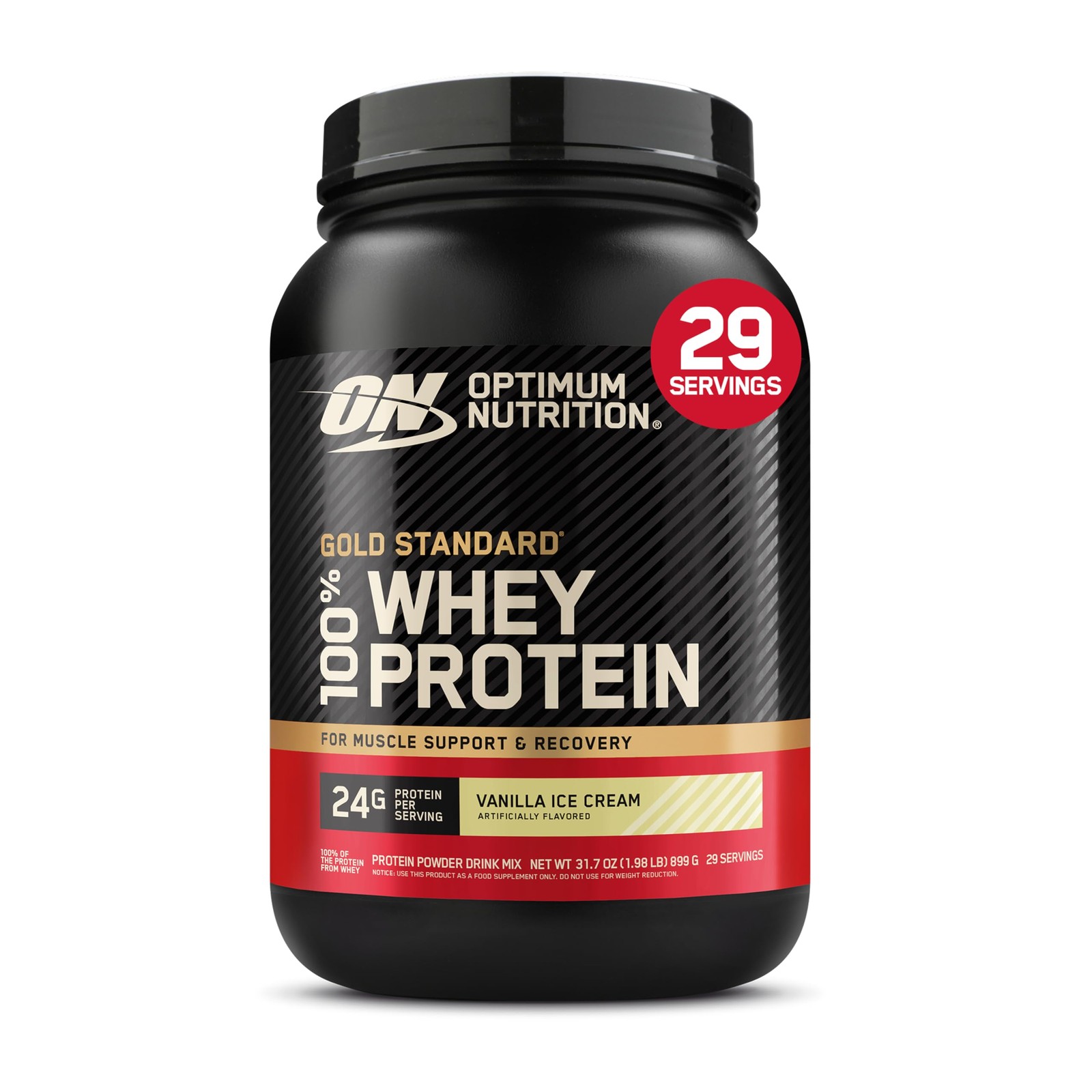 Optimum Nutrition Gold Standard 100% Whey Protein Powder, Vanilla Ice Cream, ...$64.72View on eBay
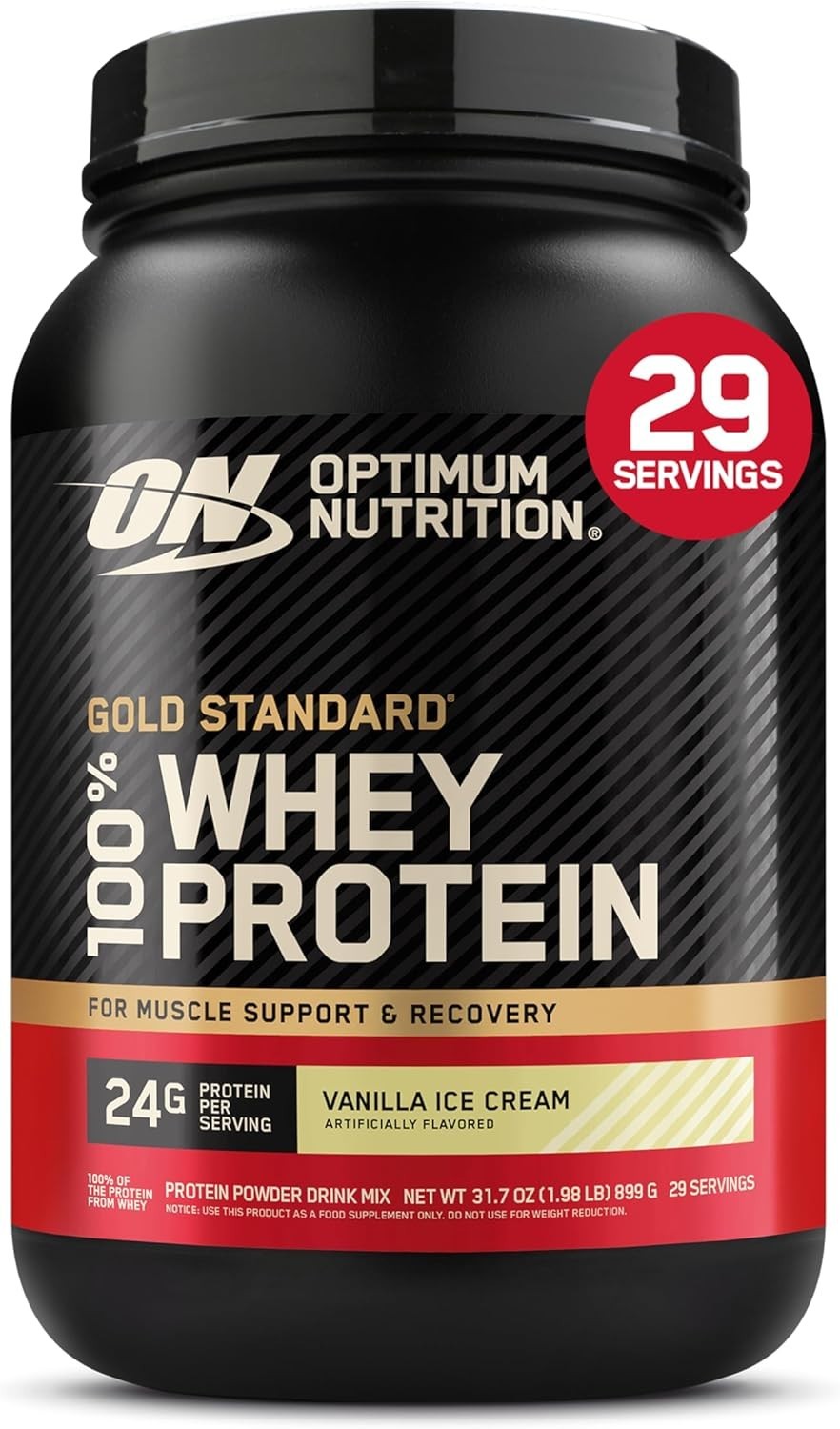 Optimum Nutrition Gold Standard 100% Whey Protein Powder, Vanilla Ice Cream, 2 P$75.00View on eBay
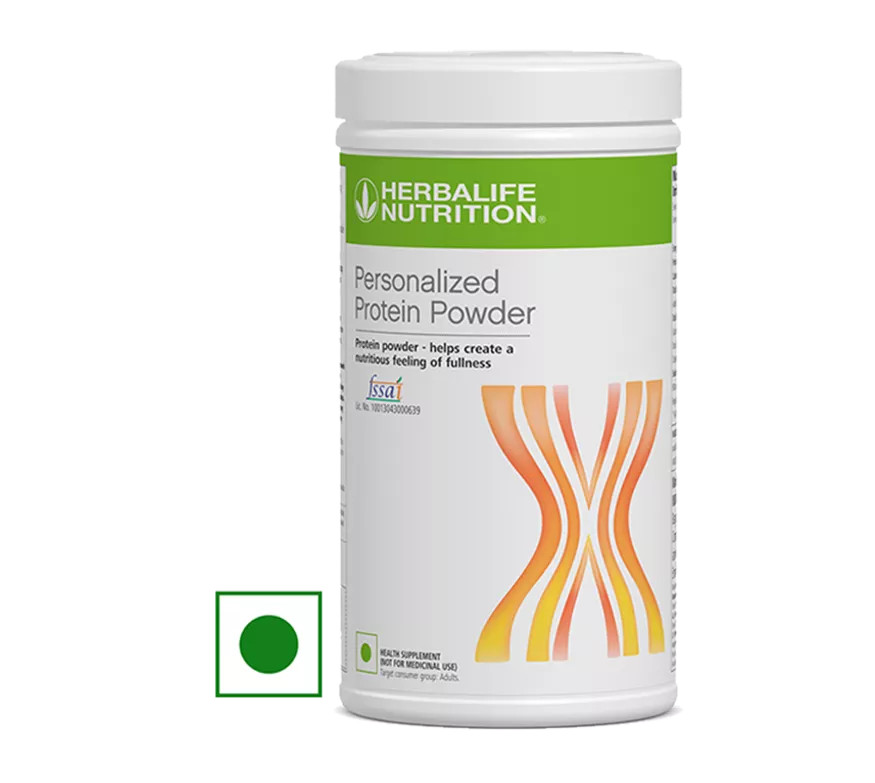 Herbalife Personalized Protein Powder | High Protein Nutritional Supplement Mix$115.83Last checked Nov 24, 2026View on eBay
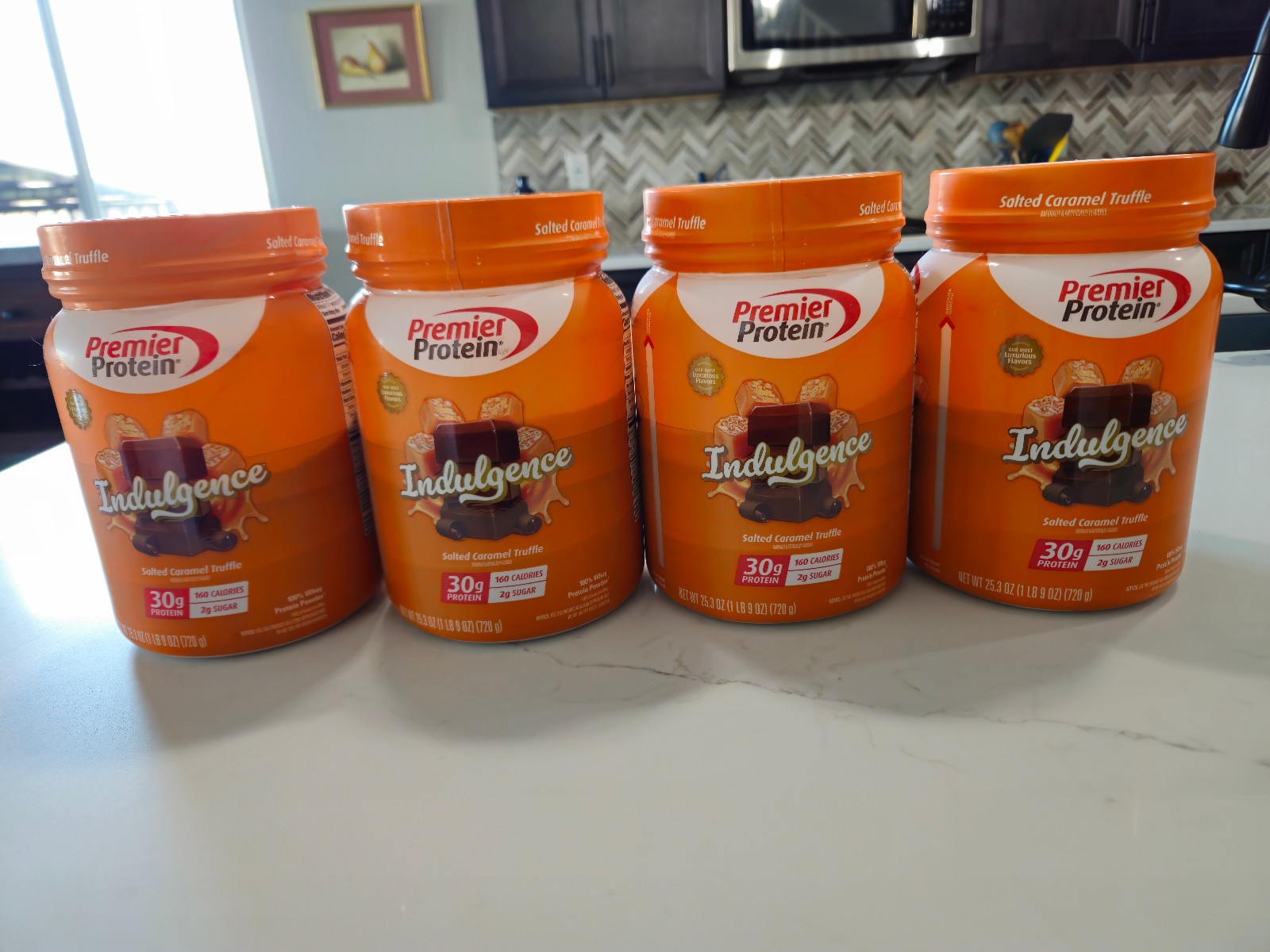 Premier Protein Protein Powder, 30G Protein, 4 Salted Caramel Truffle- FREE SHIP$120.00View on eBay
Highlights
- Protein density: isolates deliver 85-90% protein by weight (typically 25-30g per 30-33g scoop), while concentrates sit at 70-80% protein with 2-5g carbs and fat per scoop.
- Third-party seals (NSF Certified for Sport, Informed Choice, USP) verify label accuracy, banned-substance absence, and heavy-metal limits that unsealed products rarely disclose.
- Amino spiking detection: quality whey lists leucine at 10-12% of total protein and specifies complete PDCAAS 1.0 or DIAAS >1.0 scores; added glycine or taurine inflates nitrogen readings without usable protein.
- Processing tiers: hydrolyzed whey (peptides <10 kDa) absorbs fastest but tastes bitter; cross-flow microfiltration isolate retains immunoglobulins better than ion-exchange isolate, which can denature fragile fractions.
Best use cases
- Best fit for lactose-sensitive daily users: cross-flow microfiltration whey isolate or grass-fed native whey with <1g lactose per scoop; skip concentrate blends that list milk solids or lactose as ingredients.
- Best fit for budget-conscious post-workout recovery: whey concentrate with 24g protein and 4-5g BCAA per scoop; skip 'proprietary blend' powders that hide individual amino acid amounts.
- Best fit for vegan or dairy-free diets: pea-rice blend (2:1 ratio) or soy isolate to reach PDCAAS 1.0; skip single-source brown rice protein unless fortified with leucine to 2.5-3g per serving.
- Wrong fit for keto or low-carb macros: concentrates and mass-gain blends with 8-15g carbs per scoop; choose isolate or hydrolyzed whey with <2g carbs and <1g sugar.
Buying tips
- Calculate true protein per dollar: divide grams of protein per scoop by scoop size in grams — isolate should be ≥85%, concentrate ≥70%; below 70% signals filler or amino spiking.
- Check the leucine threshold: 2.5-3g leucine per serving is required to maximally trigger muscle protein synthesis; blends under 2g leucine need 1.5x serving size to compensate.
- Match filtration to digestion: cross-flow microfiltration (CFM) isolate preserves lactoferrin and immunoglobulins for immune support; ion-exchange isolate is higher purity but denatures these fractions.
- Verify heavy-metal testing: third-party COAs should show lead <0.1 ppm, cadmium <0.05 ppm, and arsenic <0.1 ppm per serving; plant proteins require stricter screening than whey.
Specs
| Protein Source | Whey isolate / concentrate / plant blend |
|---|---|
| Protein Density | 70-90% by weight per scoop |
| Third-Party Testing | NSF Certified for Sport / Informed Choice |
| Leucine Per Serving | 2.5-3g for MPS threshold |
Related searches
What to check before buying
- Measure your daily protein target: 1.6-2.2g per kg bodyweight for muscle gain — a 30g scoop fits 3-4 servings daily without excess carbs or fat.
- Check scoop-to-water ratio: isolates mix clear at 8-10oz water per scoop; concentrates need 10-12oz to avoid clumping and foaming.
- Confirm allergen statement: whey contains milk; pea protein is legume-derived; soy isolate carries soy allergen — match to your dietary restrictions before buying.
- Verify container yield math: tubs list net weight and scoop count — a 5lb tub at 30g scoops yields ~75 servings; a 2lb tub yields ~30; compare cost per serving, not per tub.
FAQ
Data sources: eBay / Amazon listings and product attribute feeds. Updated Nov 27, 2026.
Some links on this page are affiliate links. If you buy after clicking one, we may earn a commission at no extra cost to you. This does not change which products appear here or their order. Affiliate disclosure.