
Photos from current listings. Actual item, color, and included accessories may vary.
Quality Whey Protein Buying Guide
Quality whey protein is defined by protein density per scoop, raw-material grade (isolate vs concentrate vs hydrolysate), and third-party testing for heavy metals and amino spiking. The critical trade-off is cost per gram of protein against lactose content and mixability, not brand prestige. Choose a tested isolate or concentrate with at least 24g protein and under 2g sugar per 30g scoop; skip any product that hides protein sources behind proprietary blends or lacks batch testing.
Median $55.30
Key takeaways
- Whey protein isolate (WPI) delivers 90-95% protein by weight with under 1g lactose per serving, while concentrate (WPC) ranges 70-80% protein and 2-5g lactose — the single biggest quality differentiator.
- Hydrolysate (WPH) is pre-digested for fastest absorption but costs significantly more; it only matters for post-workout timing, not general daily intake.
- Third-party seals (NSF Certified for Sport, Informed Sport, Labdoor) verify label accuracy and screen for heavy metals and banned substances; unsealed products carry amino-spiking risk.
At a glance
- Category
- Protein Nutrition
- Last updated
- Nov 27, 2026
Current offers
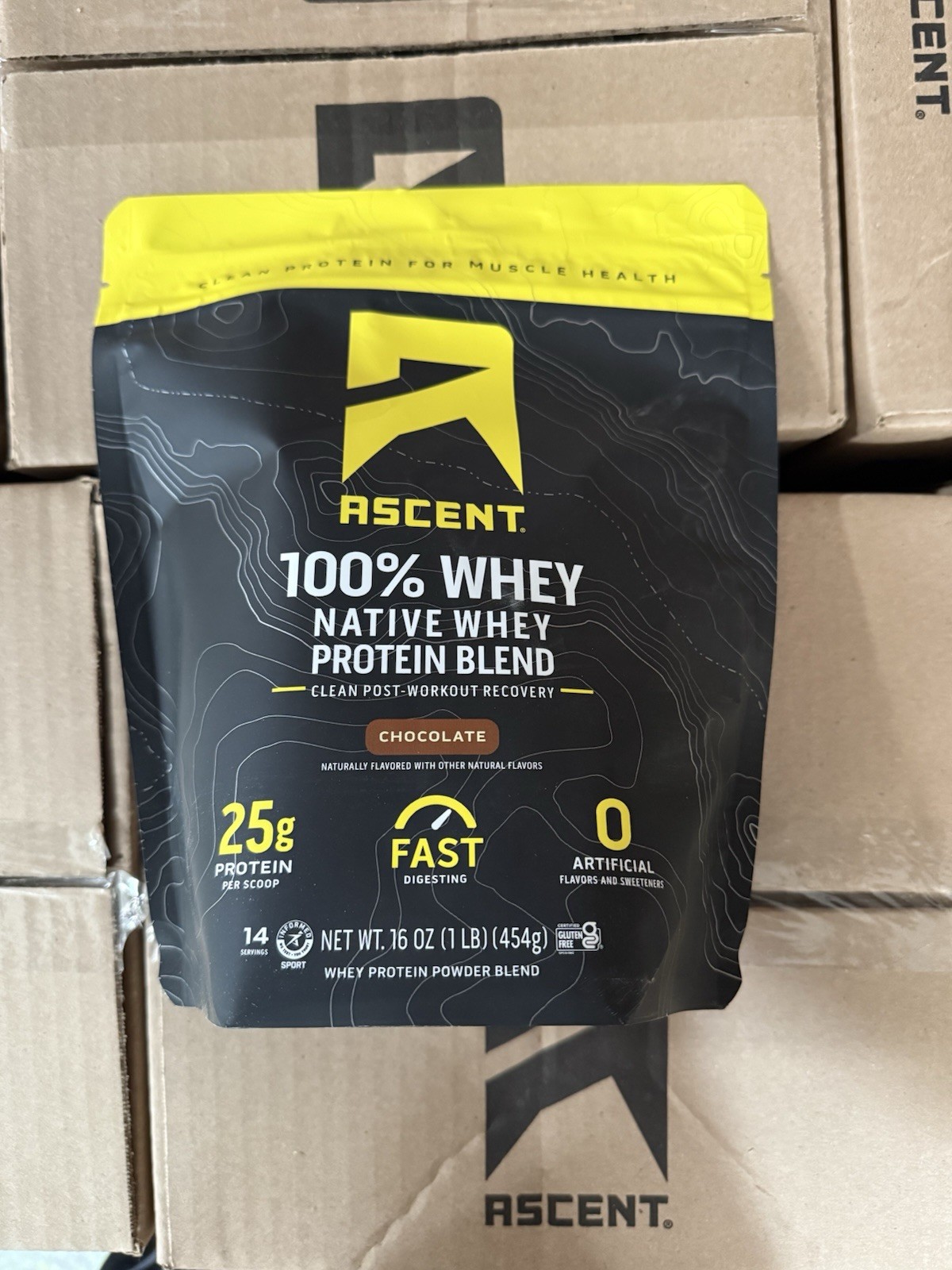 Ascent Whey Protein Blend Chocolate 1 Lb Clean Post Workout Recovery$11.99View on eBay
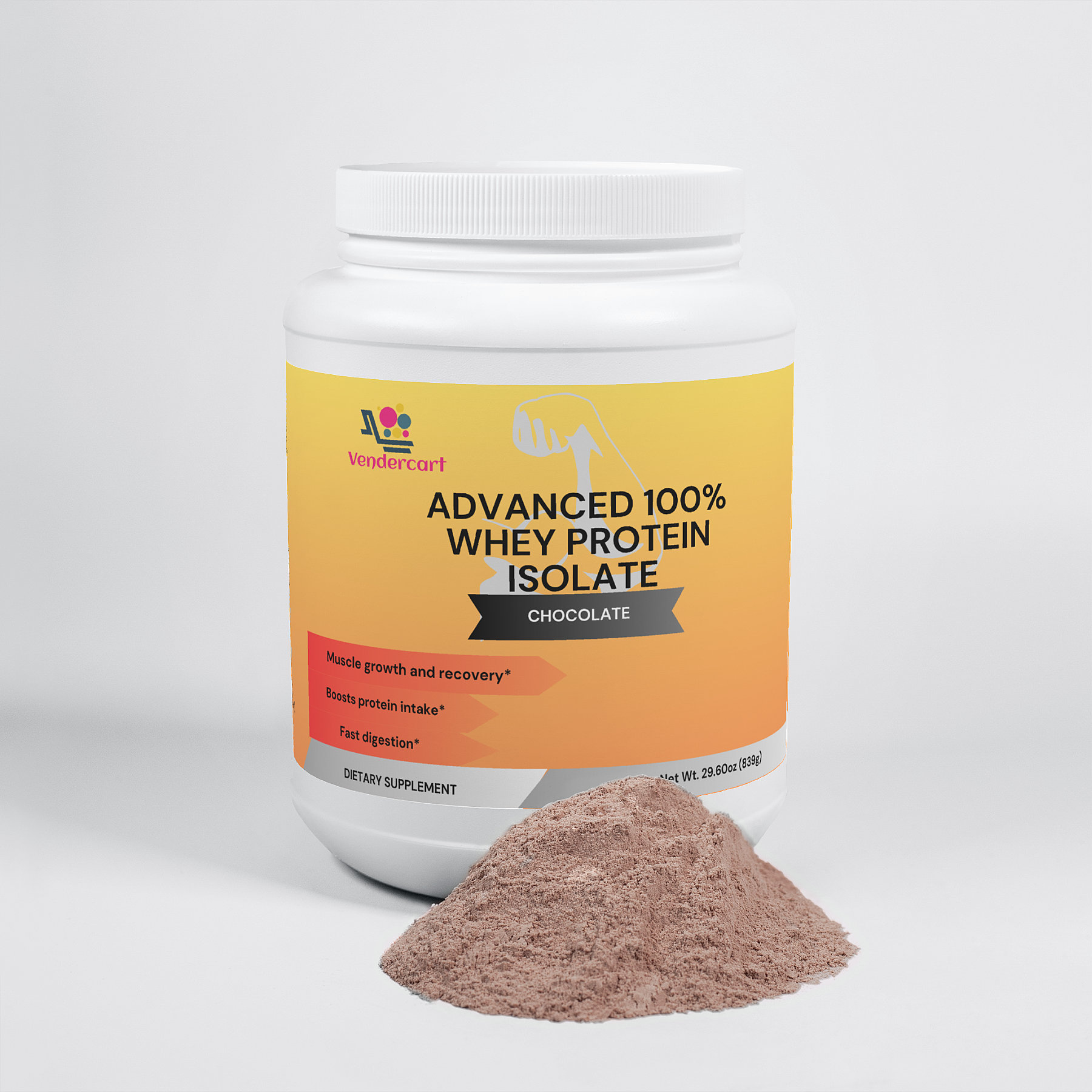 Advanced Whey Protein Isolate 29.6 OZ$76.99View on Mallflare
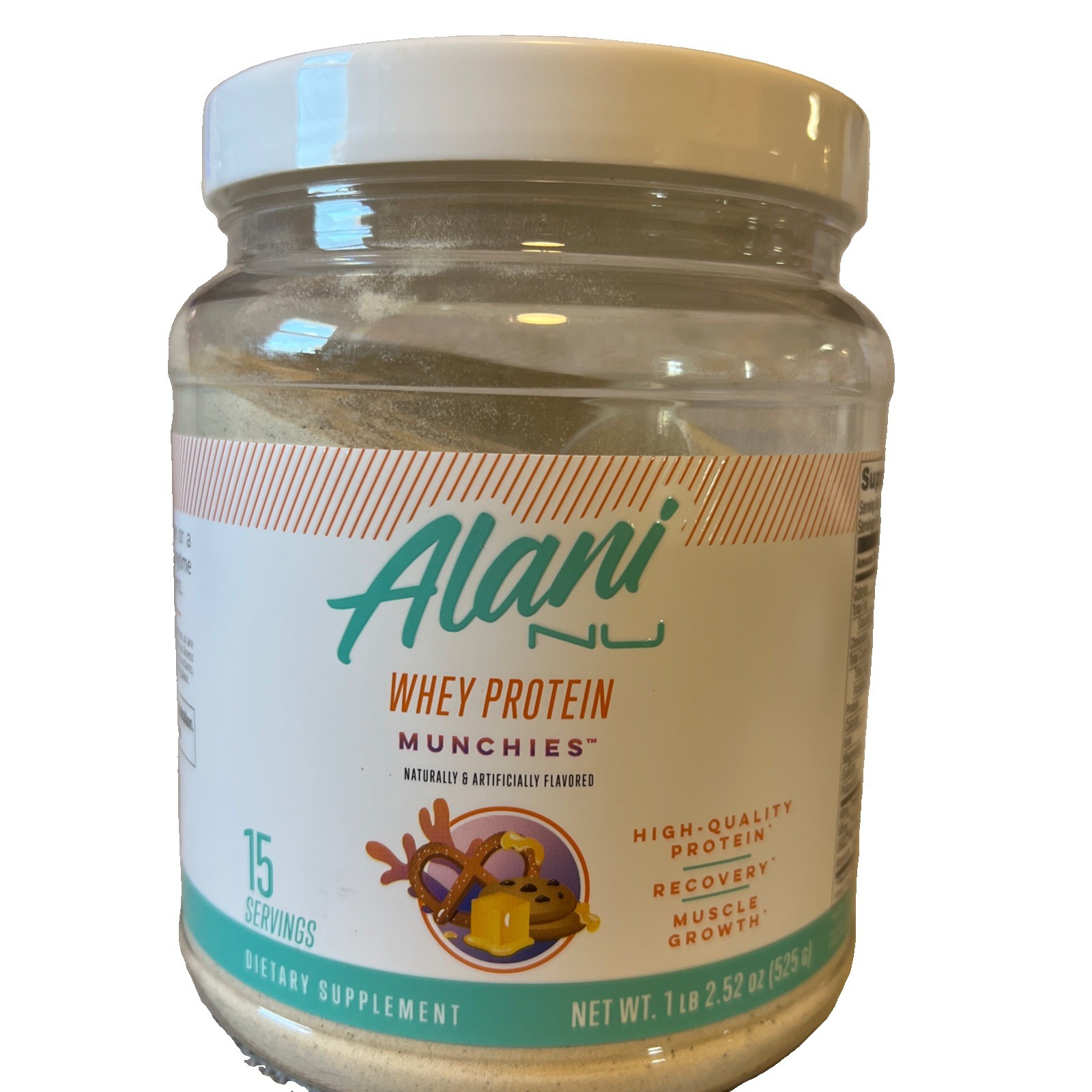 Alain NU Whey Protein Munchies flavored Recovery Muscle Growth Sport exp. 12/26$16.99View on eBay
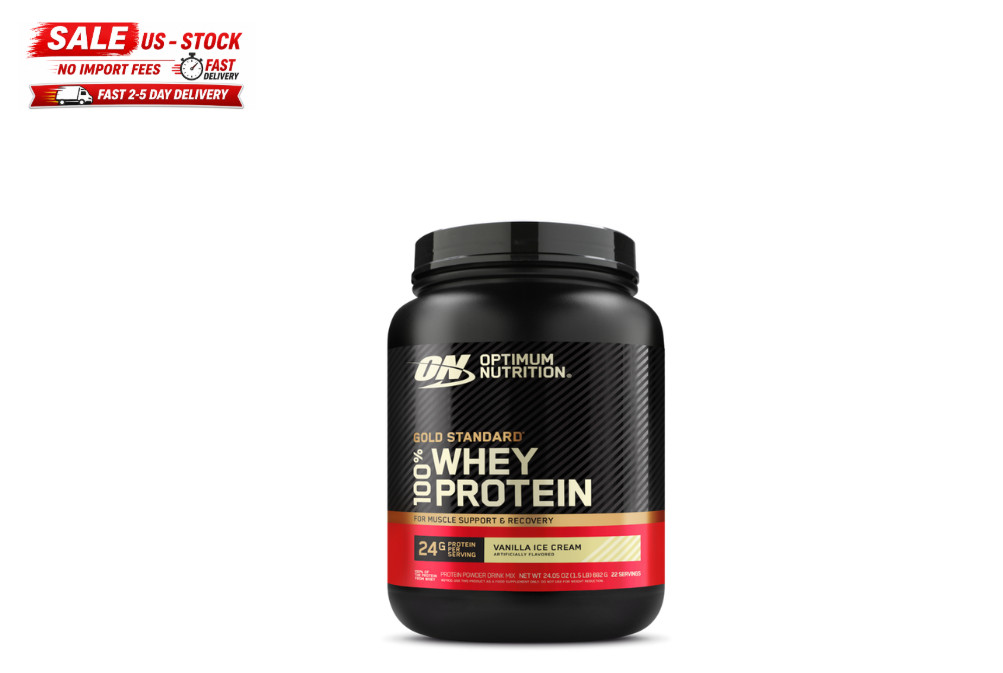 Optimum Nutrition Gold Standard 100% Whey Protein Vanilla Ice Cream, 24 OZ$19.90View on eBay
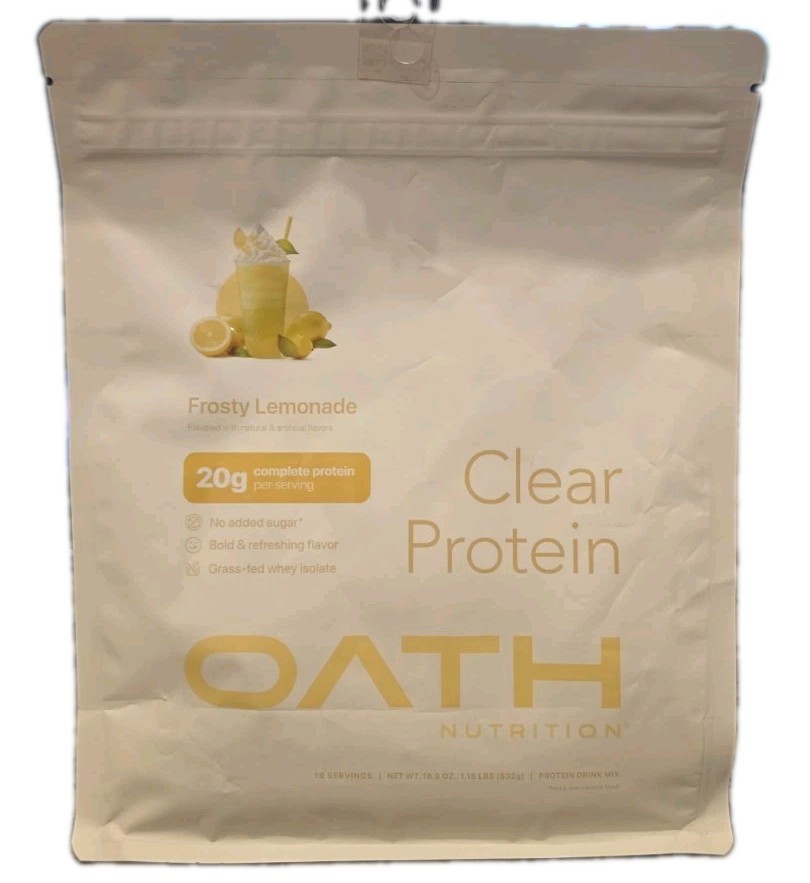 Oath Clear Whey Protein Frosty Lemonade 18 Servings – Exp 08/2027$29.99Last checked Nov 26, 2026View on eBay
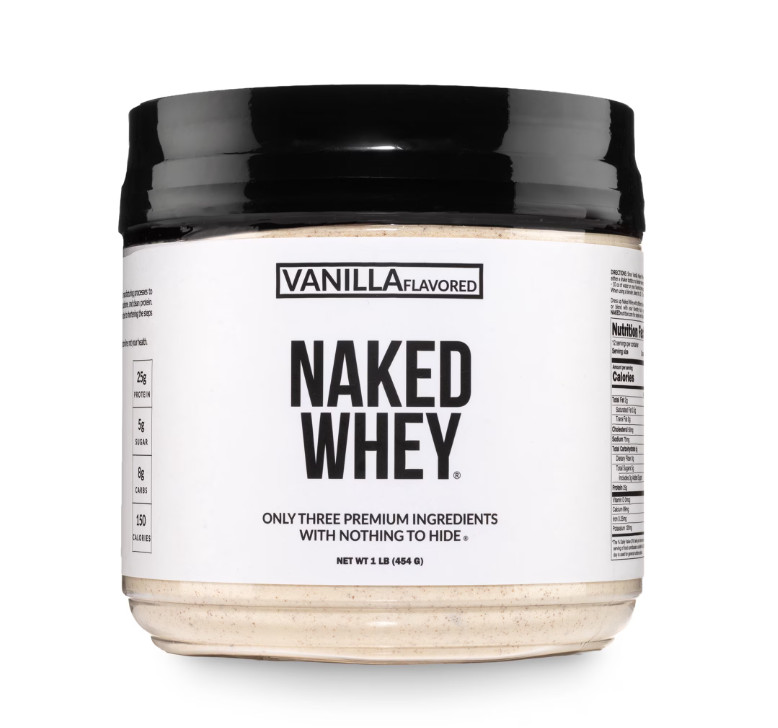 NAKED Nutrition Vanilla Whey Protein 1Lb, Only 3 Ingredients, All Natural Grass$39.99View on eBay
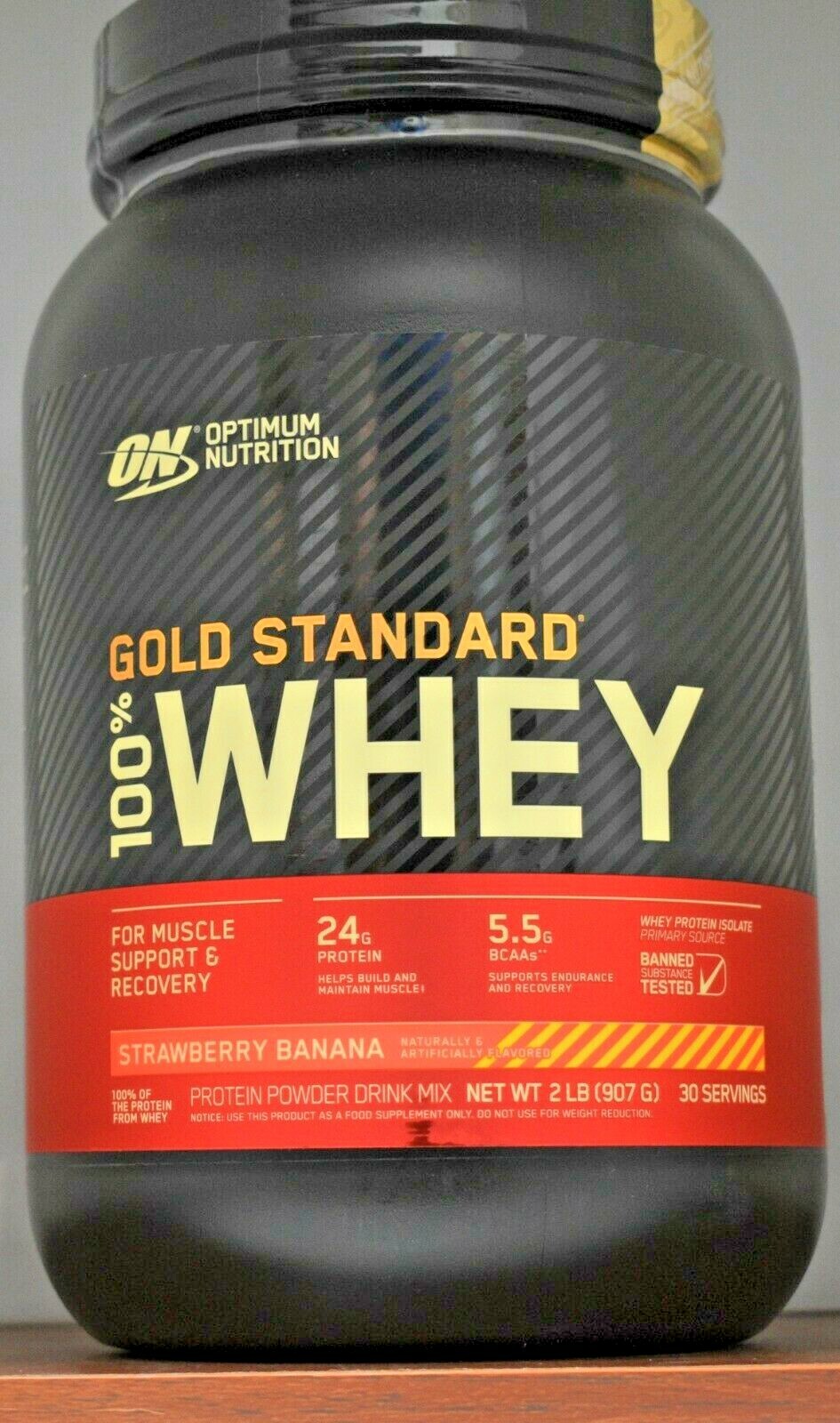 Gold Standard Whey 100% Protein 2 lb Optimum Nutrition ON Isolate Choose Flavor$44.98Last checked Nov 20, 2026View on eBay
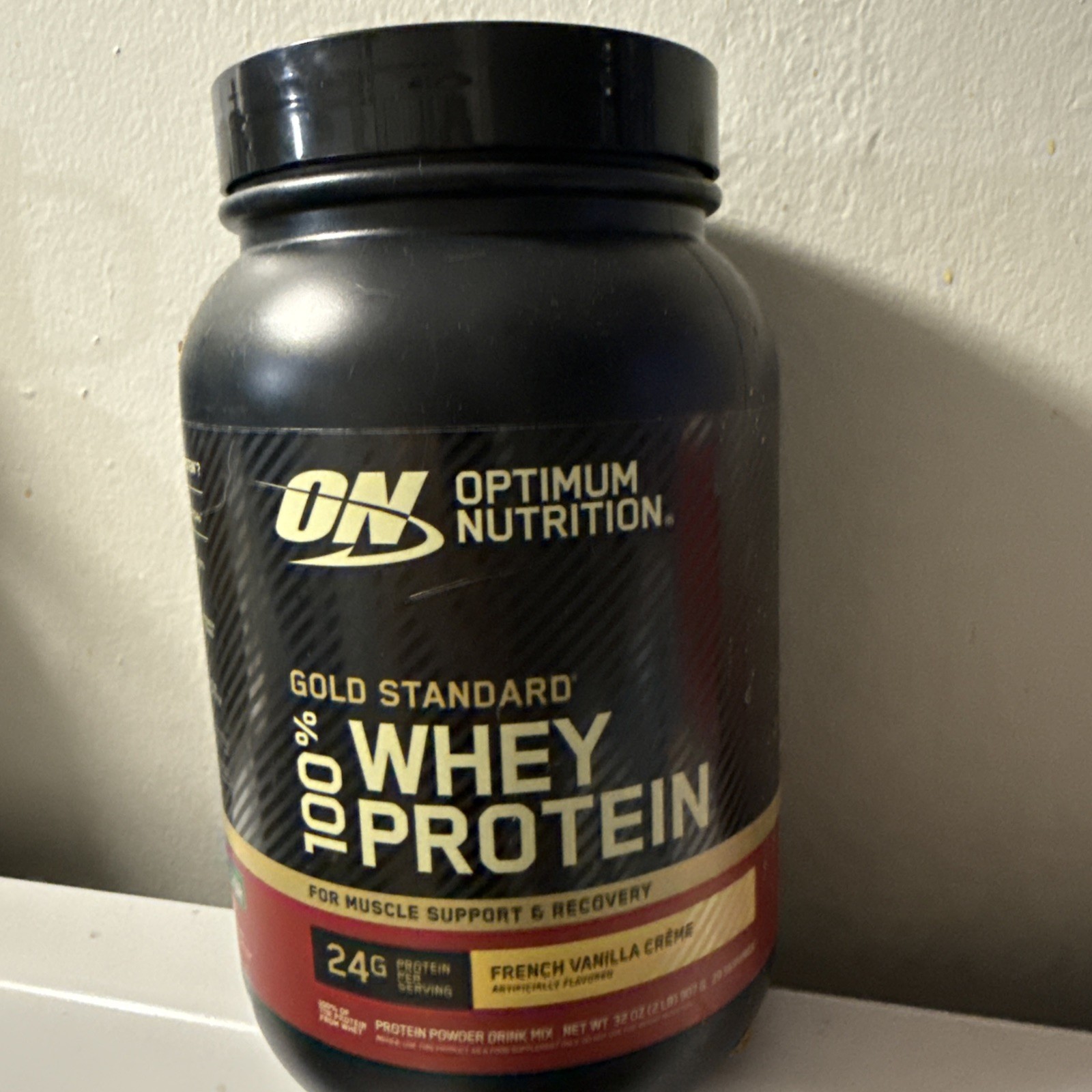 Optimum Nutrition Gold Standard Whey Protein French Vanilla Crème 2 lb$45.00View on eBay
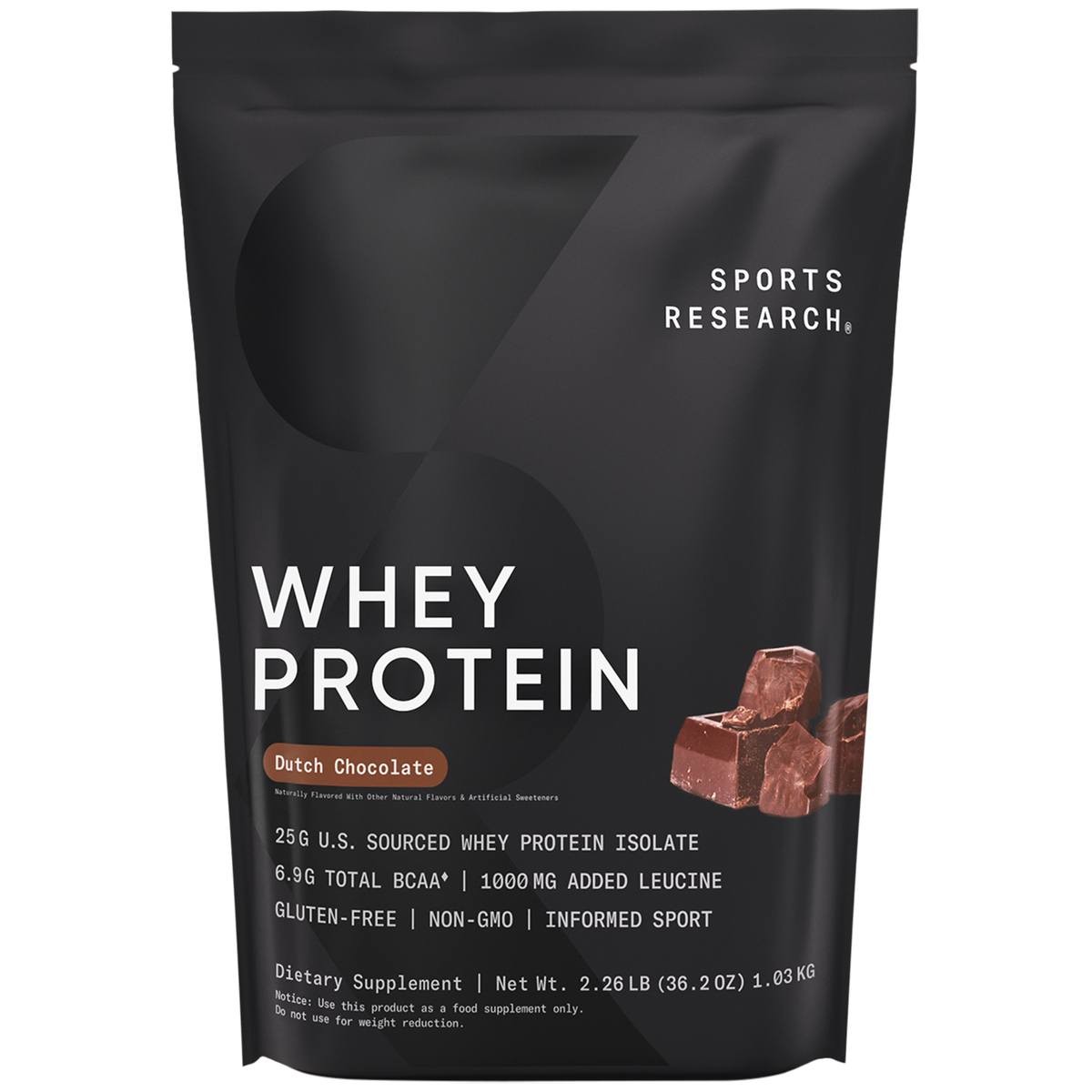 Whey Protein Isolate Sports Nutrition 2lb Bag Dutch Chocolate Powder 25 Servings$49.95Last checked Nov 25, 2026View on eBay
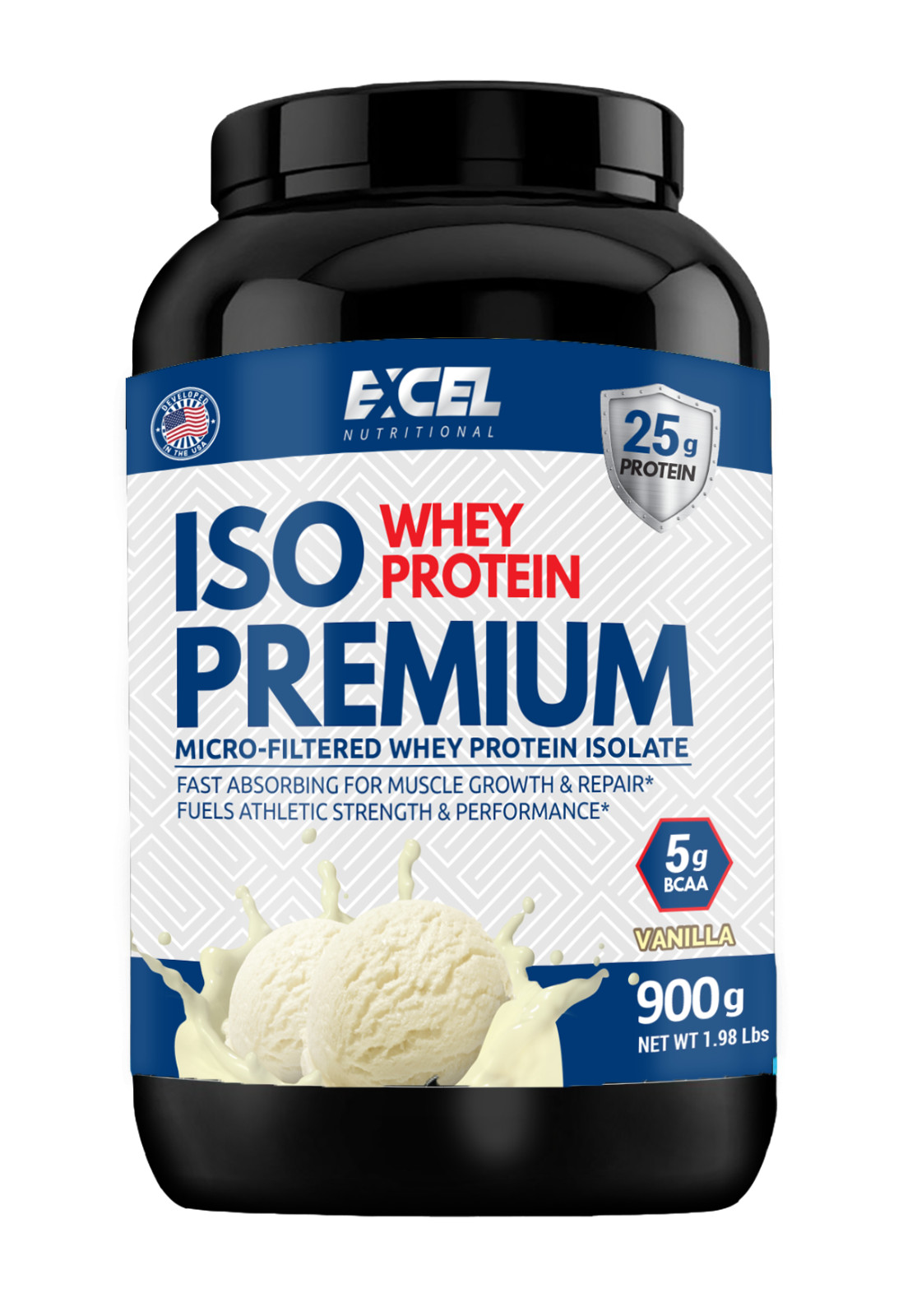 Excel Protein Powder 94% Isolate Whey per serving, 400mg BCAA 2:1:1 Ratio$49.98Last checked Nov 24, 2026View on eBay
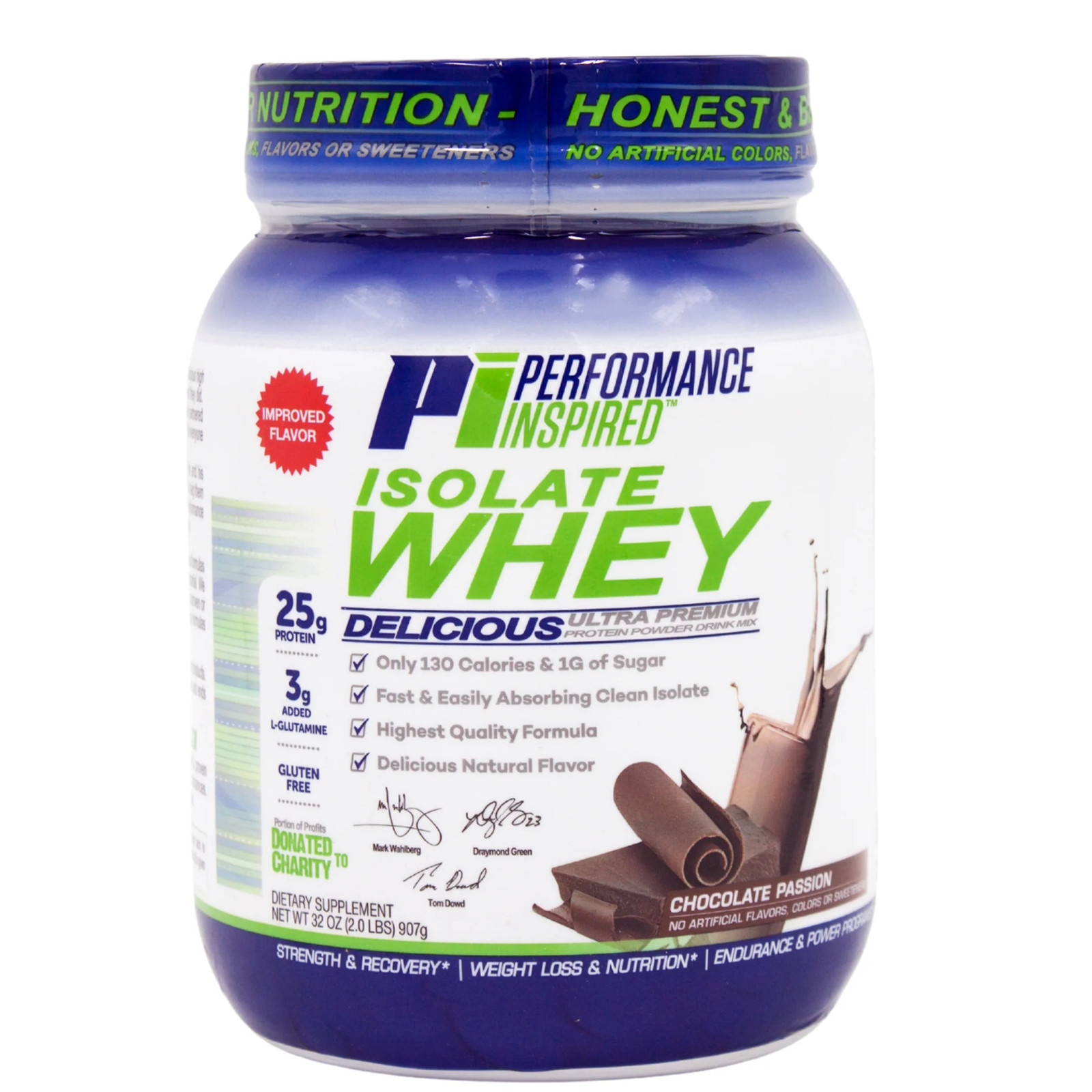 Nutrition - Isolate Whey Protein Powder - All Natural - 25G - L-Glutamine - Cont$52.52Last checked Nov 20, 2026View on eBay
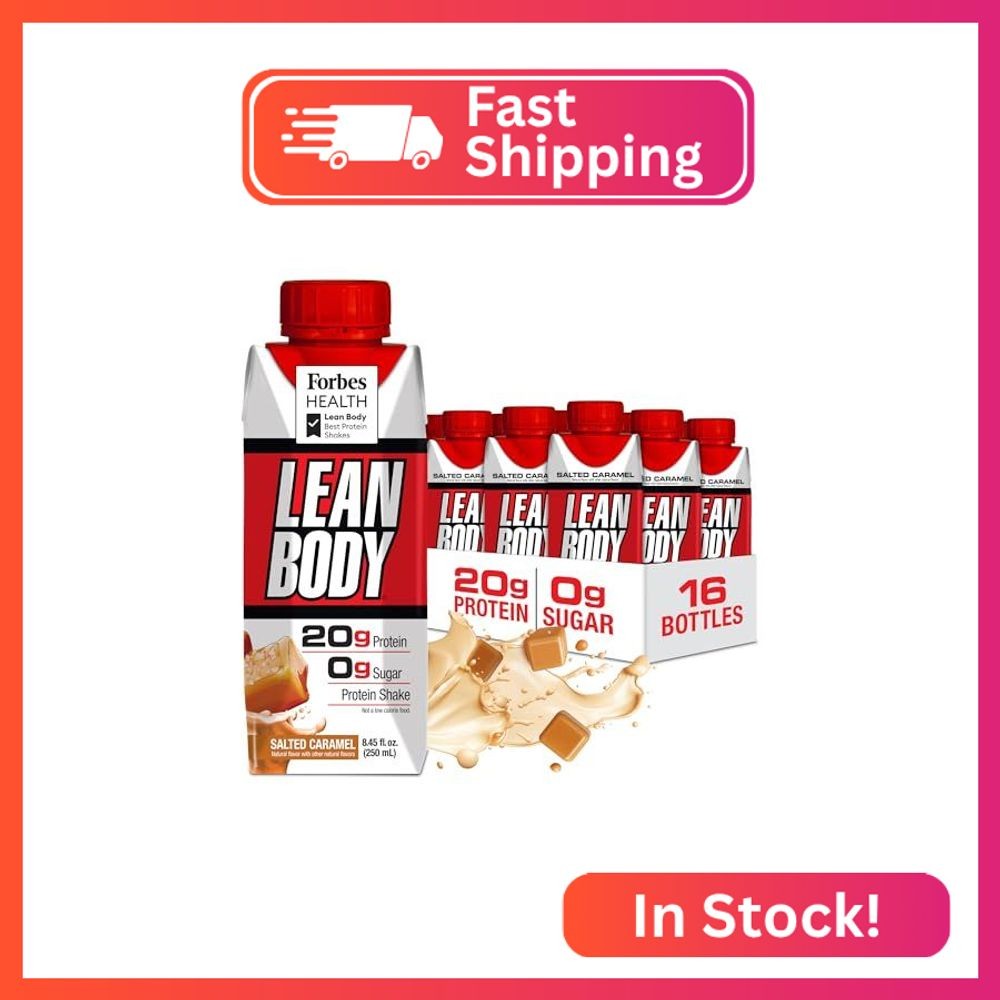 LABRADA NUTRITION - Lean Body RTD Whey Protein Shake, Convenient On-The-Go Meal$58.07View on eBay
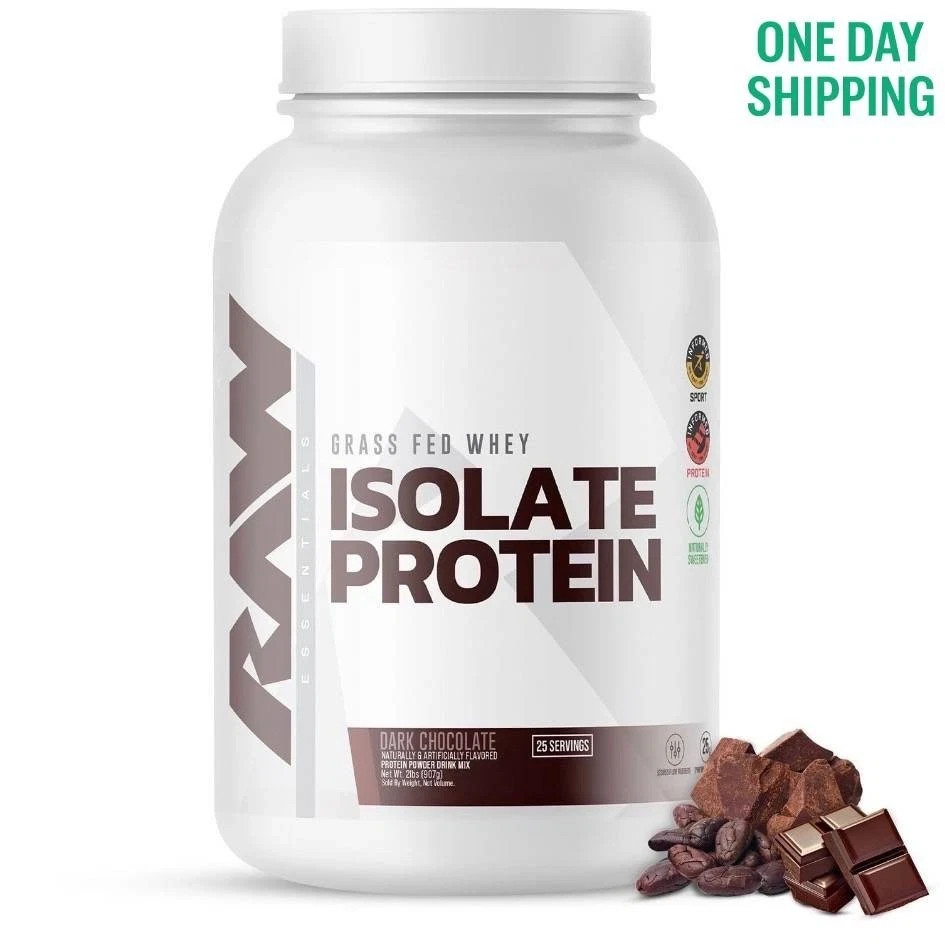 RAW Nutrition Grass Fed Whey Isolate Protein Dark Chocolate 25 Serv NEW SEALED$58.99Last checked Nov 25, 2026View on eBay
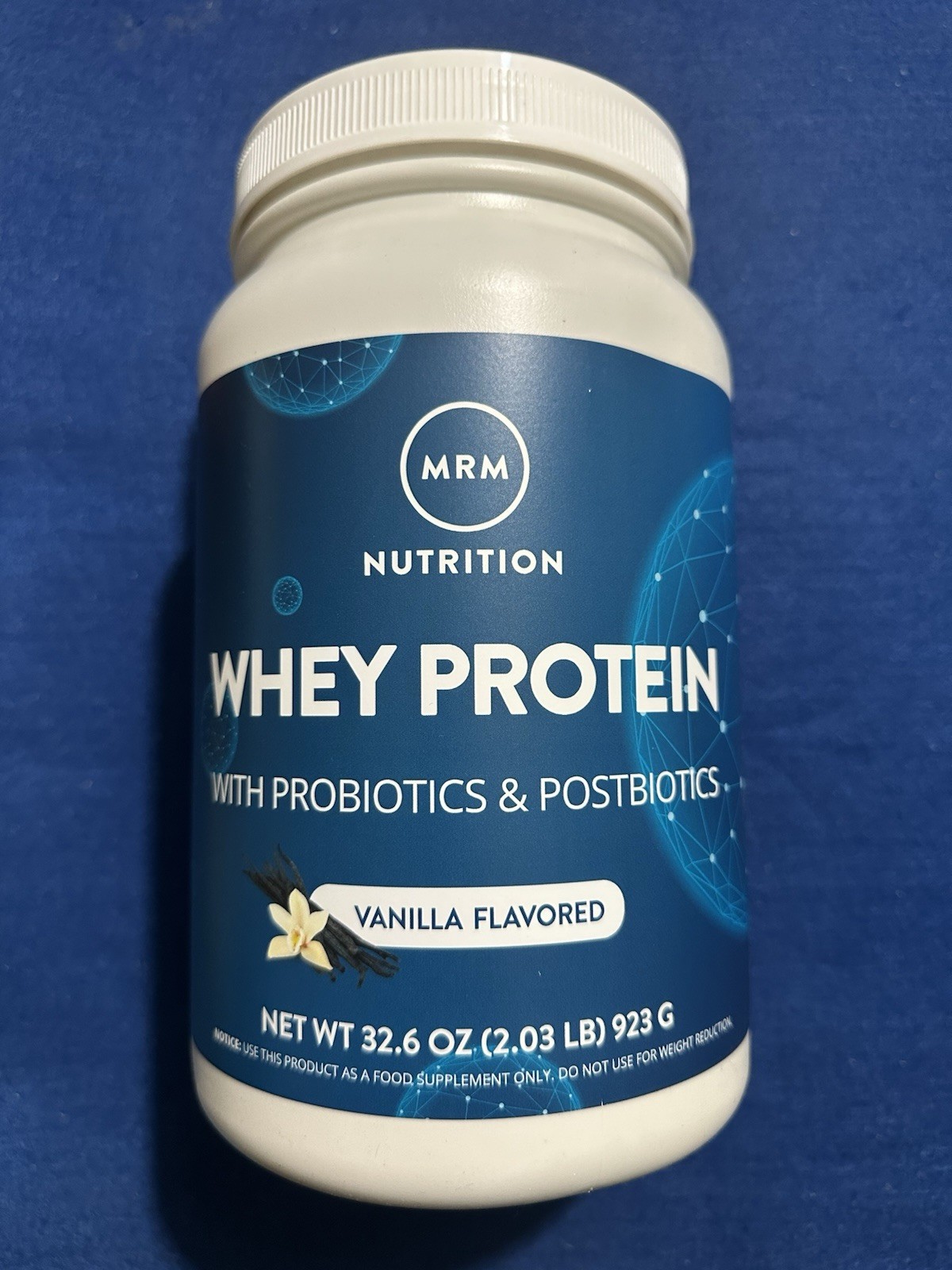 MRM Nutrition Whey Protein Vanilla PROBIOTICS & POSTBIOTICS 32.6 oz Exp 7/26$59.99View on eBay
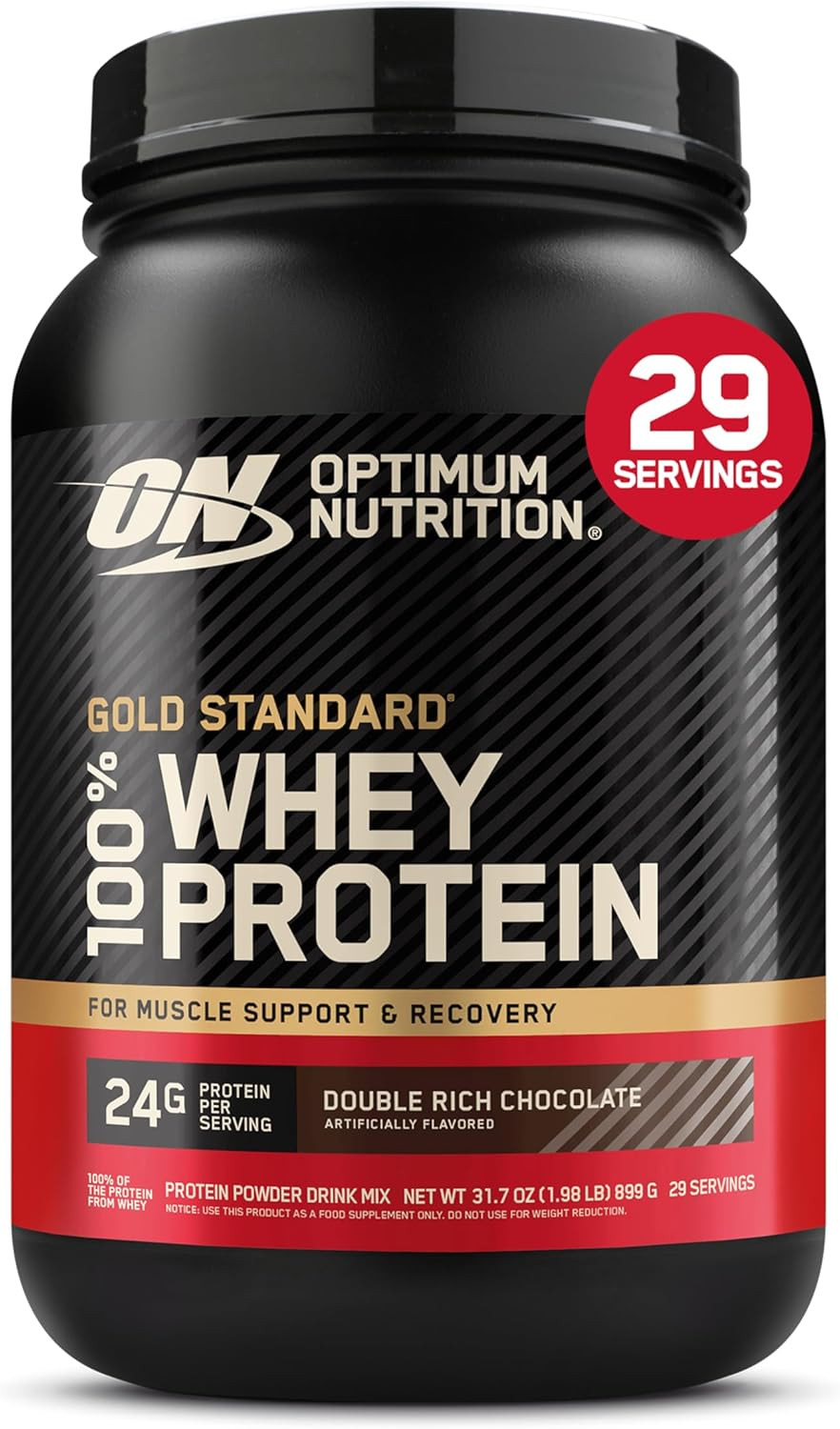 Gold Standard Whey Protein, Double Rich Chocolate, 1.98 lb$67.97Last checked Nov 19, 2026View on eBay
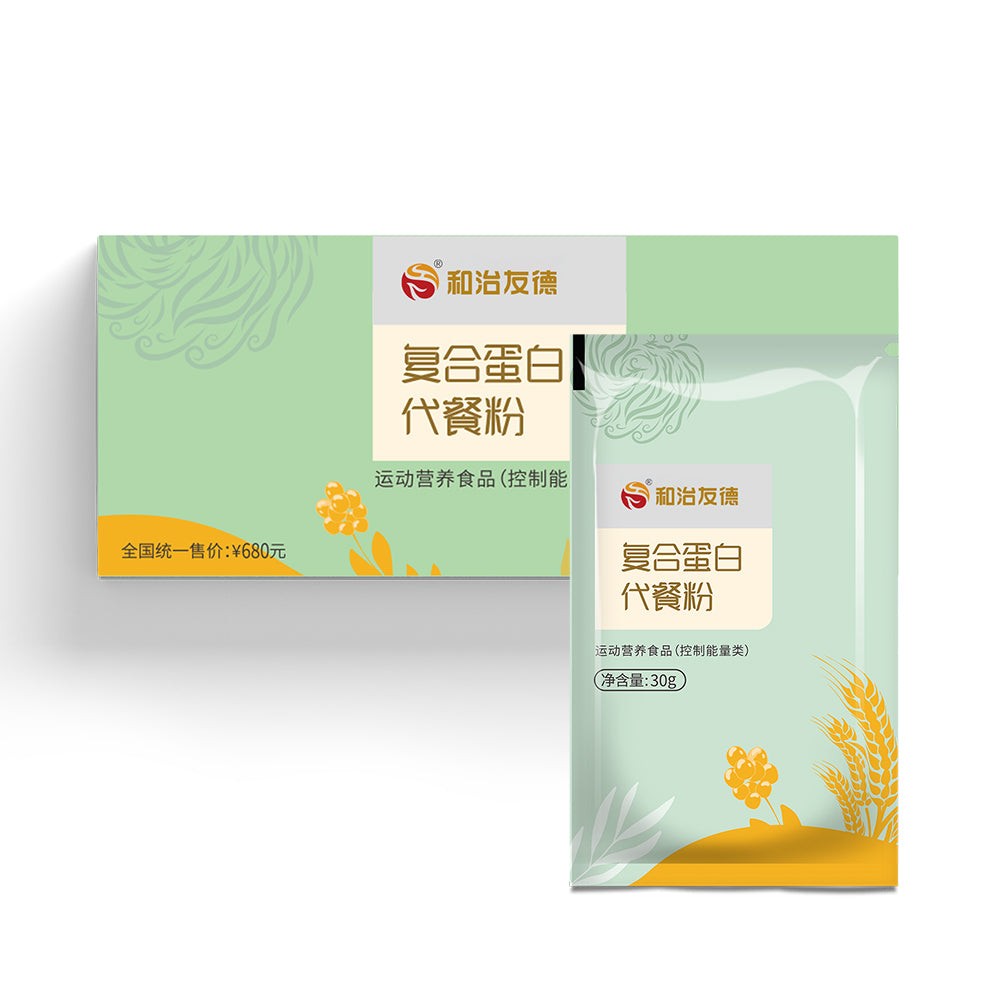 Foherb Compound Protein Powder 300g Whey & Soy Blend Muscle Nutrition Drink$97.99Last checked Nov 20, 2026View on eBay
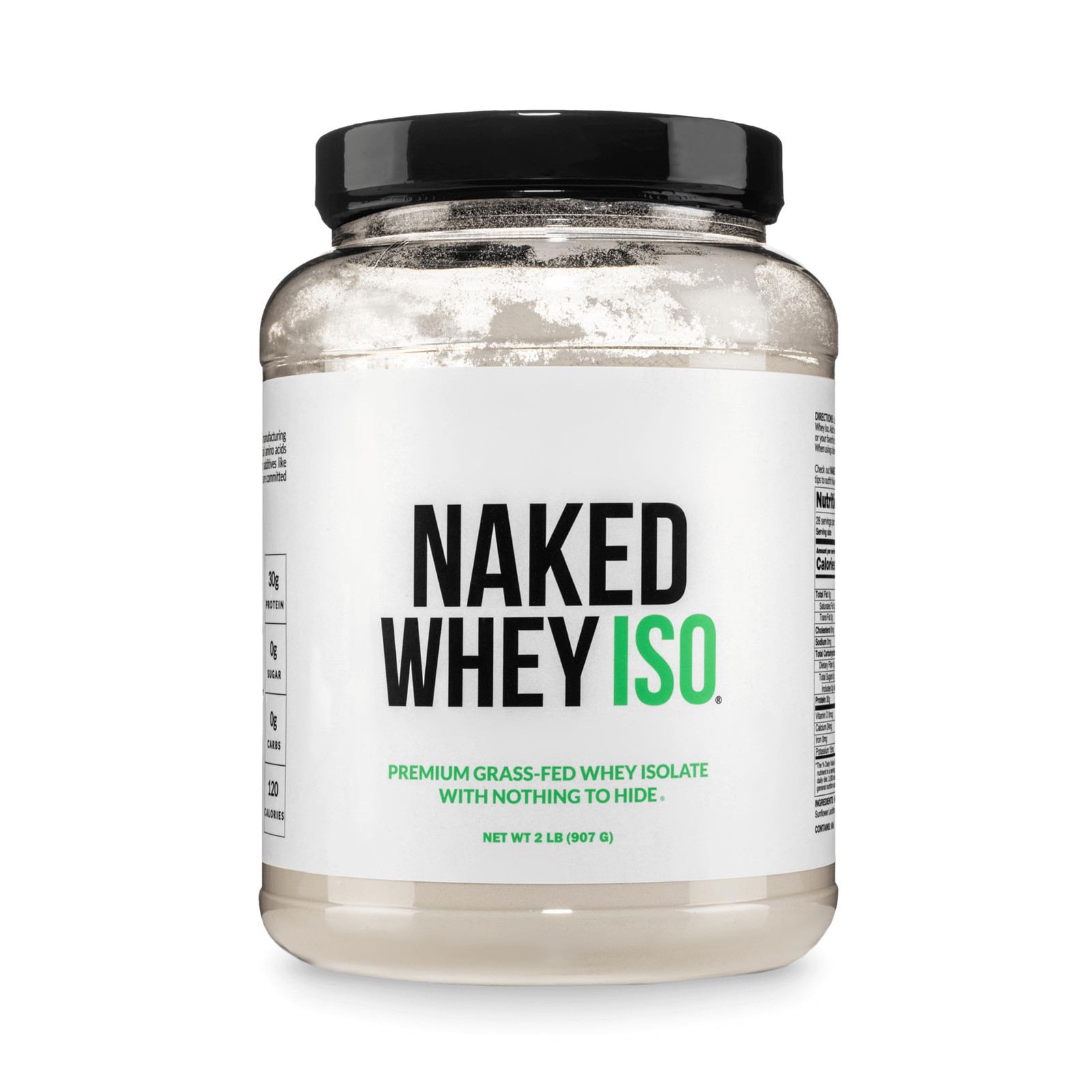 NAKED Whey Isolate Protein - Only 2 Ingredients, 30g 2 Pound (Pack of 1)$116.09Last checked Nov 25, 2026View on eBay
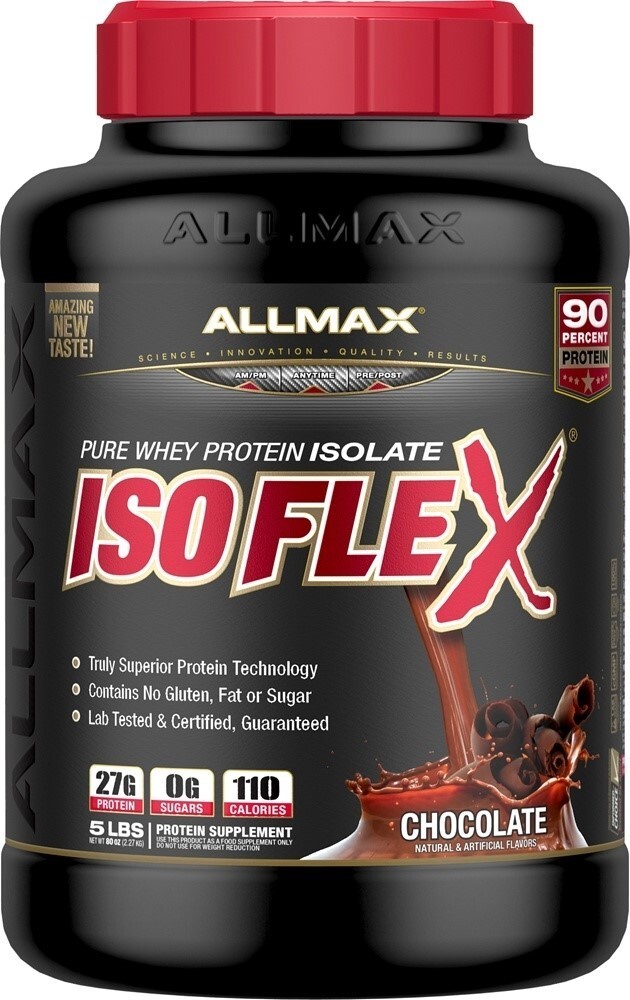 ALLMAX Nutrition Isoflex Whey Protein Isolate, 5 lb chocolate$118.99View on eBay
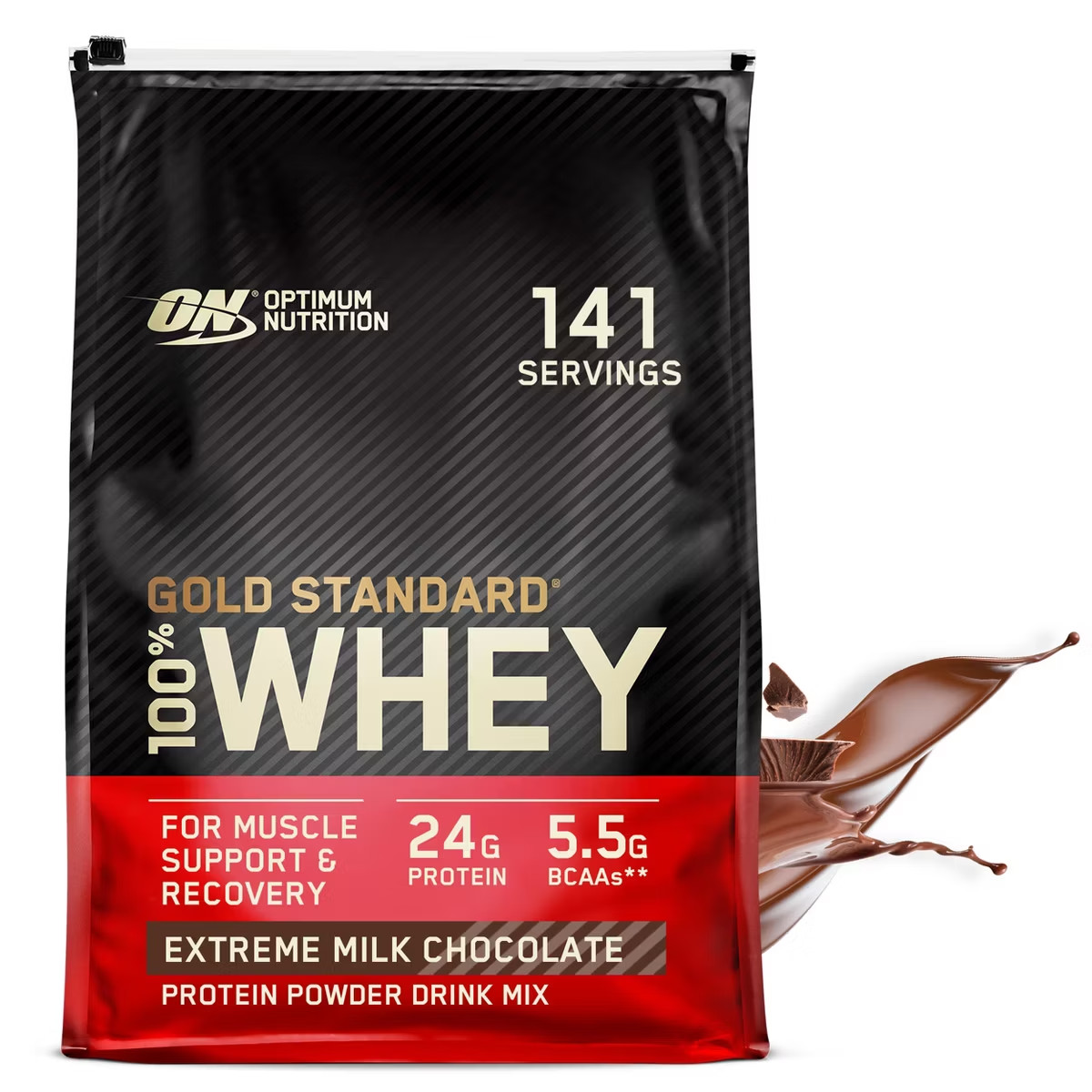 Optimum Nutrition Gold Standard 100% Whey Protein Extreme Chocolate 5.64lb 80SV$119.99Last checked Nov 25, 2026View on eBay
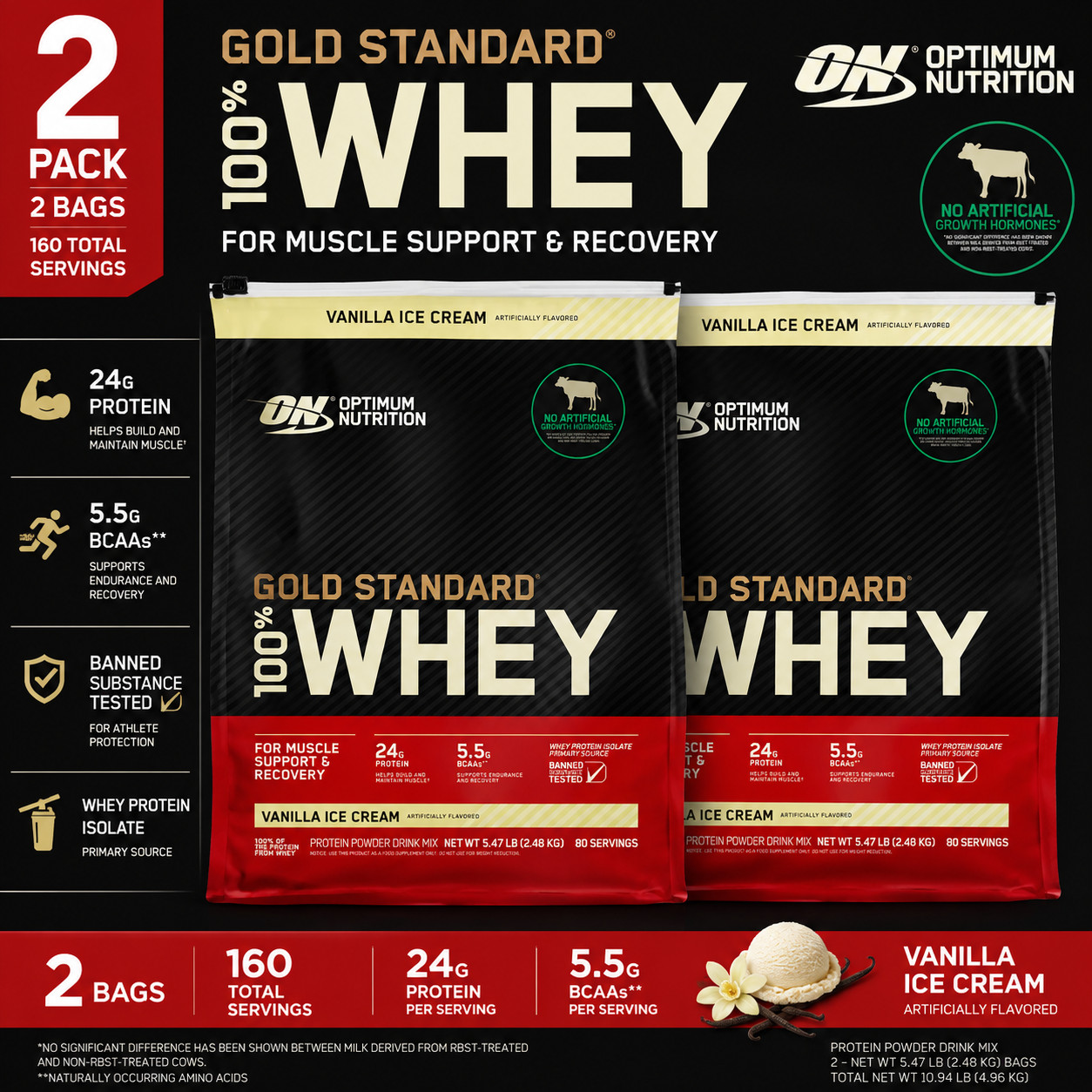 2-Pack Optimum Nutrition Gold Stnd 100% Whey Protein Powder Vanilla Ice Cream$212.48Last checked Nov 25, 2026View on eBay
Highlights
- Whey protein isolate (WPI) delivers 90-95% protein by weight with under 1g lactose per serving, while concentrate (WPC) ranges 70-80% protein and 2-5g lactose — the single biggest quality differentiator.
- Hydrolysate (WPH) is pre-digested for fastest absorption but costs significantly more; it only matters for post-workout timing, not general daily intake.
- Third-party seals (NSF Certified for Sport, Informed Sport, Labdoor) verify label accuracy and screen for heavy metals and banned substances; unsealed products carry amino-spiking risk.
- A 30g scoop should yield 24-25g protein for isolate and 20-24g for concentrate; anything below 20g protein per 30g scoop signals excessive filler or sugar.
Best use cases
- Best fit: lactose-sensitive daily users should pick whey isolate (WPI) at 90%+ protein — skip concentrate blends that list lactose or milk solids as major ingredients.
- Best fit: budget-focused gym-goers doing 1-2 shakes daily can use a tested whey concentrate (WPC80) at 70-80% protein; skip hydrolysate, which costs more without meaningful daily benefit.
- Best fit: competitive athletes subject to drug testing must choose NSF Certified for Sport or Informed Sport sealed products; skip any unsealed ‘grass-fed’ label without a batch certificate.
- Wrong fit: anyone seeking a meal replacement should not buy whey isolate alone — its near-zero carb and fat profile requires added whole foods for satiety.
Buying tips
- Calculate true cost per gram of protein: divide container price by (protein per scoop × number of scoops). Isolate typically wins on protein density even at higher sticker price.
- Match protein type to digestion: choose WPI or WPH if you experience bloating from concentrate; WPC80 is acceptable if you tolerate dairy and want a lower-cost daily option.
- Check the amino profile for at least 5g BCAAs (leucine ~2.5g) per serving — a natural benchmark for whey, but verify it is from intact protein, not added free-form aminos.
- Prefer cold-processed or low-temperature filtered whey (often labeled ‘undenatured’) over heavily heat-processed powders if you care about immunoglobulins and protein structure.
Specs
| Protein Type | Isolate 90%+ / Concentrate 70-80% |
|---|---|
| Protein Per 30g Scoop | Isolate 24-25g / Concentrate 20-24g |
| Lactose Per Serving | Isolate <1g / Concentrate 2-5g |
| Third-Party Seal | NSF Certified for Sport / Informed Sport |
Related searches
What to check before buying
- Measure your daily protein target: most active adults need 1.6-2.2g protein per kg body weight; subtract whole-food intake to size scoops needed per day.
- Confirm scoop size and servings per container: a 30g scoop yielding 24g protein is standard for isolate; a 32g scoop yielding 20g protein indicates concentrate or added carbs.
- Verify the container seal and batch code: third-party seals (NSF, Informed Sport) must appear on the label, and batch codes should be legible for testing verification.
- Check allergen and lactose declaration: WPI should state under 1g lactose per serving; WPC may contain 2-5g — avoid if clinically lactose intolerant.
FAQ
Data sources: eBay / Amazon listings and product attribute feeds. Updated Nov 27, 2026.
Some links on this page are affiliate links. If you buy after clicking one, we may earn a commission at no extra cost to you. This does not change which products appear here or their order. Affiliate disclosure.