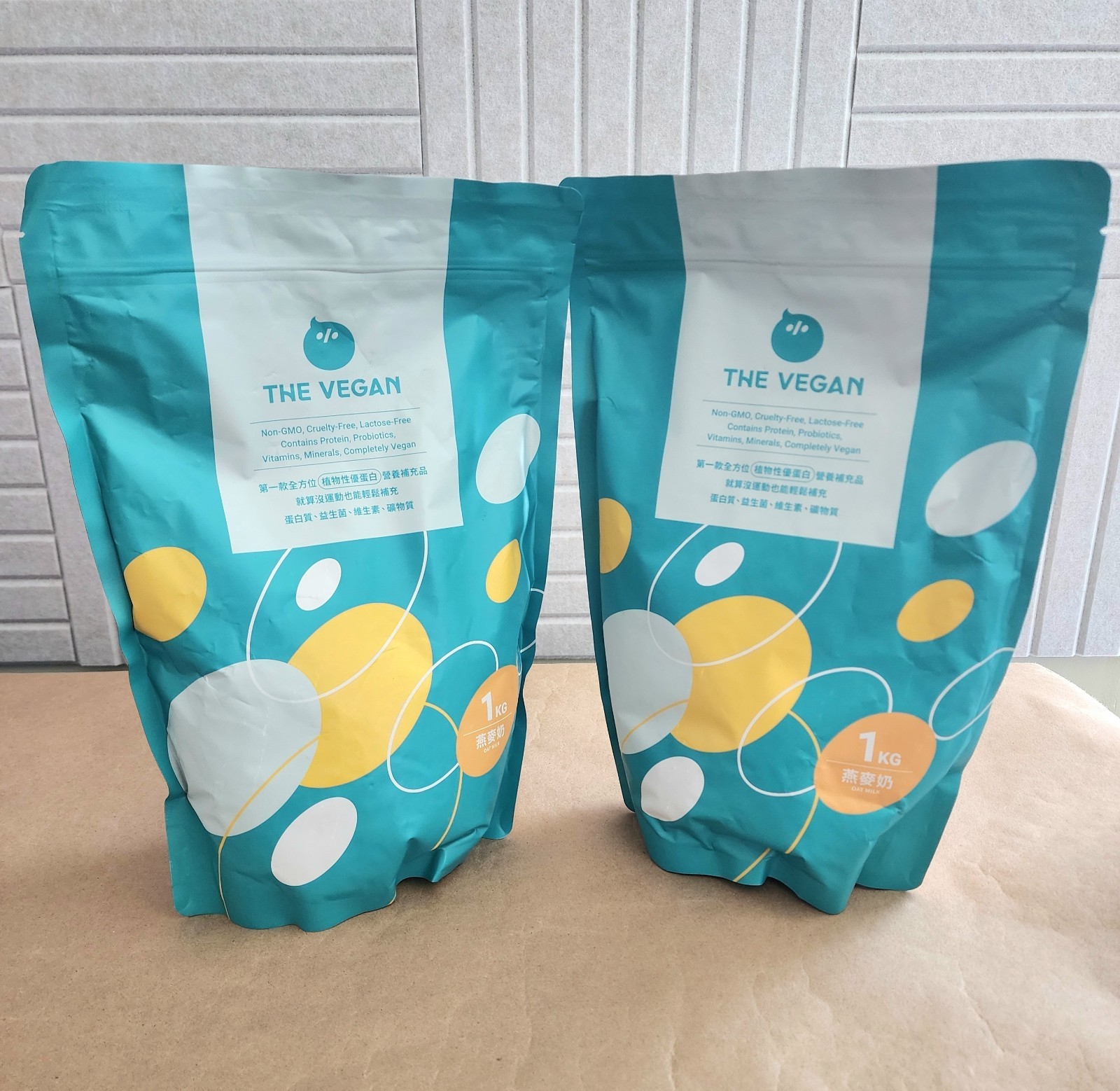

Photos from current listings. Actual item, color, and included accessories may vary.
Vegan Protein Powder Buying Guide
Vegan protein powder is a plant-based supplement delivering 15–30g protein per serving from sources like pea, rice, soy, or blends, with the core trade-off between protein density/amino completeness and digestibility/texture. Durable, well-formulated options use multi-source blends or isolates with full essential amino acid profiles and third-party testing, while compromises rely on single low-quality sources, high fillers, or vague labeling. The decision rule: prioritize protein-per-scoop above 20g, a complete amino profile (or added methionine/lysine), and third-party certification over flavor or superfood marketing.
Key takeaways
- Protein content tiers: standard 15–20g/scoop for meal supplements vs. sport 25–30g/scoop for recovery; 30g formulas like Vega Sport use pea+alfalfa+ pumpkin blends.
- Complete protein requires complementary sources—pea is low in methionine, rice low in lysine—so blends or isolates with added amino acids score higher PDCAAS than single-source powders.
- Third-party certifications (NSF Certified for Sport, Informed Choice) verify label accuracy and low heavy-metal content, which is critical for plant proteins that can concentrate arsenic or lead.
At a glance
- Category
- Protein Nutrition
- Last updated
- Nov 27, 2026
Current offers
Highlights
- Protein content tiers: standard 15–20g/scoop for meal supplements vs. sport 25–30g/scoop for recovery; 30g formulas like Vega Sport use pea+alfalfa+ pumpkin blends.
- Complete protein requires complementary sources—pea is low in methionine, rice low in lysine—so blends or isolates with added amino acids score higher PDCAAS than single-source powders.
- Third-party certifications (NSF Certified for Sport, Informed Choice) verify label accuracy and low heavy-metal content, which is critical for plant proteins that can concentrate arsenic or lead.
- Digestibility varies by processing: isolates (pea/soy) have 85–90% protein by weight and lower fiber, while concentrates retain 60–70% protein plus fiber that can cause bloating.
Best use cases
- Best for daily meal supplement: choose a 20g multi-source blend with 5g+ fiber and 150–200 calories—skip 30g sport isolates that are overkill and higher cost per serving.
- Best for post-workout recovery: pick a 25–30g pea/rice blend with added BCAAs or leucine (like Vega Sport) and fast-digesting isolate—skip bars or low-protein 15g powders that won't meet recovery thresholds.
- Best for digestive sensitivity: use a single-source pea or rice isolate with added enzymes or fermented options—skip concentrates with high FODMAP fiber or added inulin that trigger bloating.
- Wrong fit: buying unflavored 5lb bulk pea protein isolate for taste-sensitive daily use—expect strong earthy flavor and gritty texture; choose flavored blends for palatability.
Buying tips
- Aim for at least 20g protein per serving and 25g+ for sport use; check the scoop size—larger scoops (30–40g) often mean lower protein density and more fillers.
- Select blends combining pea and rice (or soy) for complete essential amino acids; single-source powders need added methionine or lysine to match whey's PDCAAS of 1.0.
- Verify third-party testing seals (NSF Certified for Sport, Informed Choice) for heavy-metal and label-accuracy assurance; avoid products without batch testing on plant proteins.
- Match serving size to your calorie target: 2 lb tubs typically yield 20–30 servings at 20g protein, while 15.7 oz tubs yield 10–15 servings—compare cost per gram of protein, not per tub.
Specs
| Protein Source | Pea / Rice / Soy / Hemp / Blend |
|---|---|
| Protein Per Scoop | 15–30 g (20g daily, 25–30g sport) |
| Certification | NSF Certified for Sport / Informed Choice |
| Tub Size | 15.7 oz–5 lb (10–60 servings) |
Related searches
What to check before buying
- Confirm your daily protein target: 0.7–1g per lb bodyweight for active adults means a 20g scoop covers one-third to one-half of needs; 30g scoops suit heavy training.
- Check the amino acid profile on the label—ensure at least 2g leucine per serving for muscle synthesis or choose a blend with rice and pea for complementary profiles.
- Verify allergen and digestive tolerance: pea and soy are common allergens; rice and hemp are lower-risk—avoid inulin or chicory root if FODMAP-sensitive.
- Inspect tub size and serving count: 2 lb (32 oz) tubs = 20–30 servings; 1 kg (35 oz) bulk = 30–40 servings; 15.7 oz = 10–15 servings—match to your usage frequency.
FAQ
Data sources: eBay / Amazon listings and product attribute feeds. Updated Nov 27, 2026.
Some links on this page are affiliate links. If you buy after clicking one, we may earn a commission at no extra cost to you. This does not change which products appear here or their order. Affiliate disclosure.