
Photos from current listings. Actual item, color, and included accessories may vary.
Bioma Probiotic Buying Guide
Bioma Probiotic is a shelf-stable, multi-strain probiotic supplement marketed for daily digestive and gut-health support, typically sold in 60-capsule bottles with a blend of Lactobacillus and Bifidobacterium plus prebiotic fiber. The core buying trade-off is CFU potency and strain transparency versus delivery format: capsule count, delayed-release vs standard capsules, and whether the label discloses strains at the genus-species-strain level. Buy only formulations that list full strain designations and CFU at expiry, not just 'at time of manufacture,' and treat single-bottle purchases with short expiration dates as trial sizes rather than a durable regimen.
Median $14.39
Key takeaways
- Bioma's formula centers on Bifidobacterium strains plus XOS (xylooligosaccharide) prebiotic and tributyrin, a postbiotic that supports gut-barrier function rather than relying on CFU count alone.
- Standard bottles ship 60 capsules, giving a 30-day supply at the common 2-capsule daily serving; a 3-pack therefore buys roughly a 90-day course, which matters for multi-month gut-rebuilding protocols.
- Capsule viability depends on moisture and heat control, so shelf-stable probiotics use desiccant-lined bottles and blister or induction seals; loose or unsealed caps accelerate CFU die-off before expiry.
At a glance
- Category
- Vitamins & Minerals
- Last updated
- Nov 28, 2026
Current offers
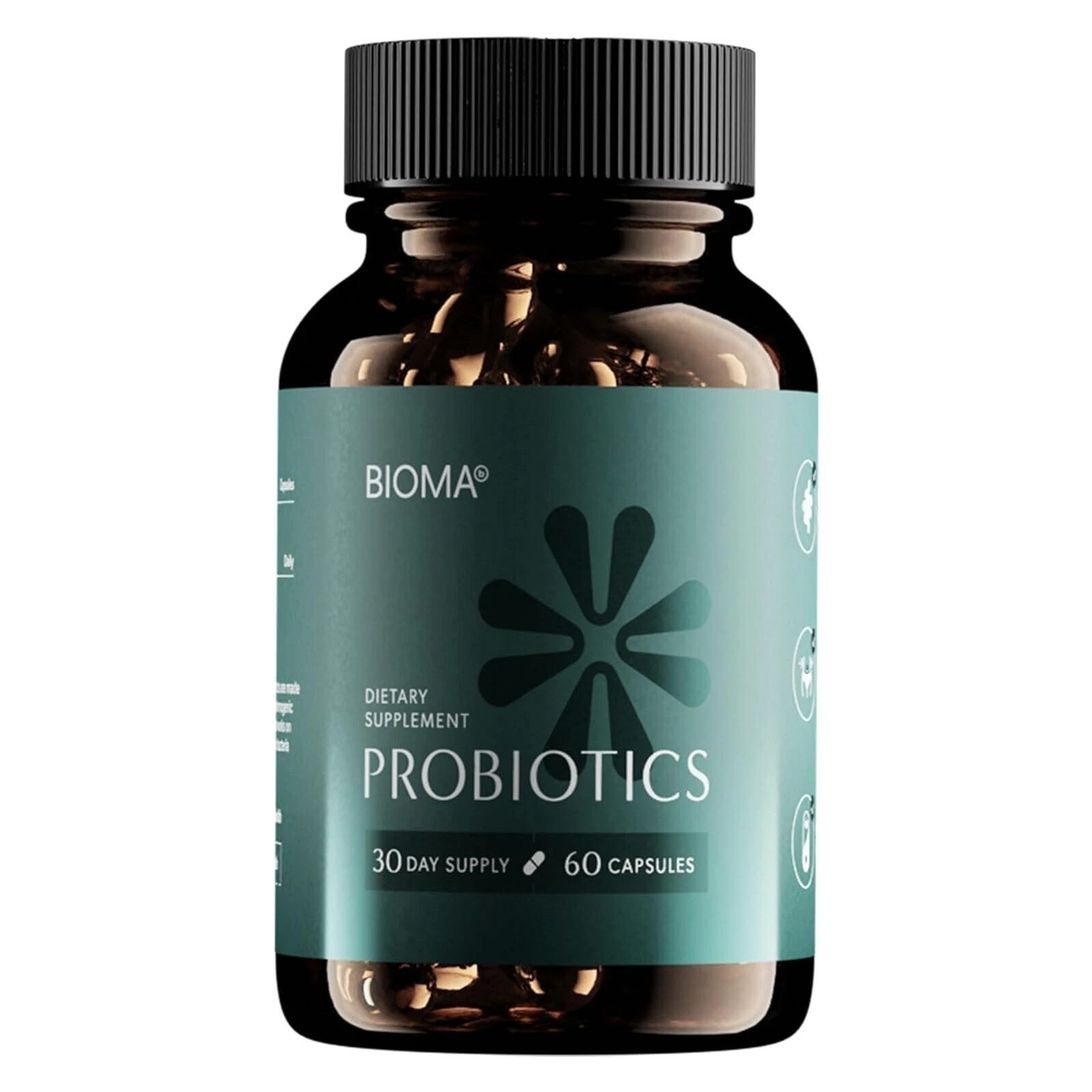 Mens Womens 1-3 Pack BIOMA Probiotics Digestive Health Gut Support 60 Capsules$12.99View on eBay
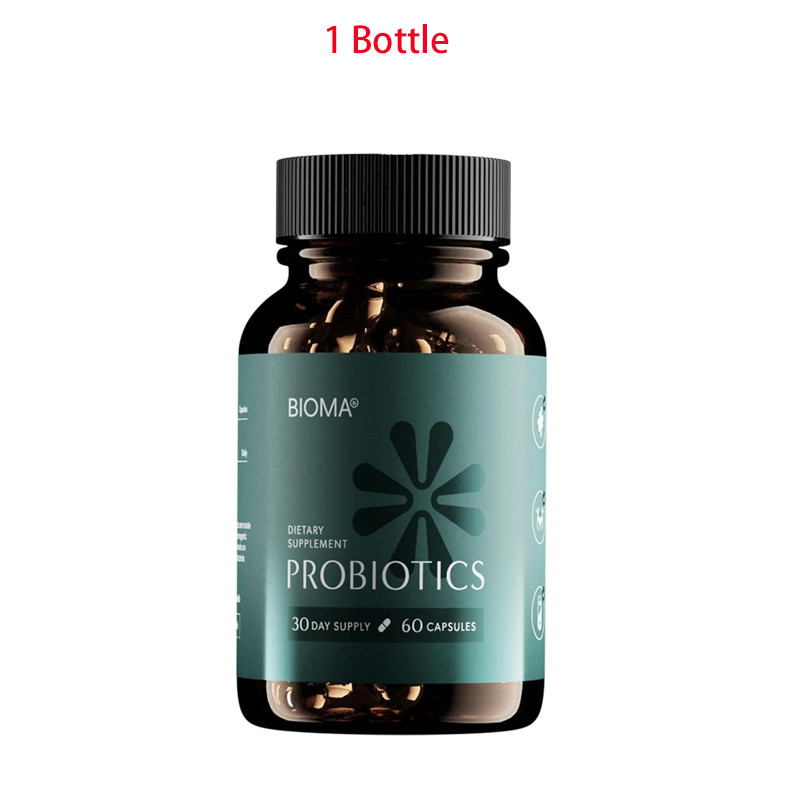 BIOMA Probiotics Digestive Health Gut Support for Men Women 60 Caps EXP:2028$12.99View on eBay
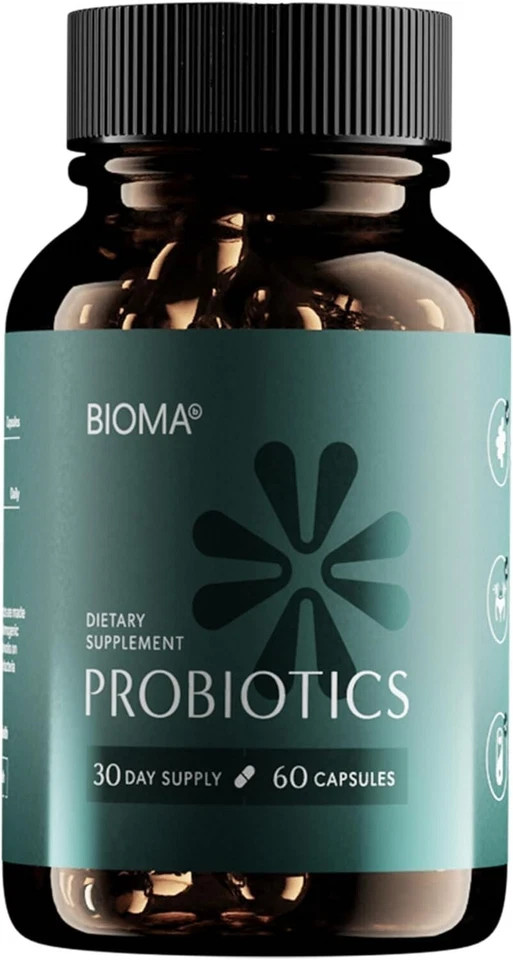 1 Pack BIOMA Probiotics Digestive Health Gut Support for Men & Women 60 Capsules$13.58View on eBay
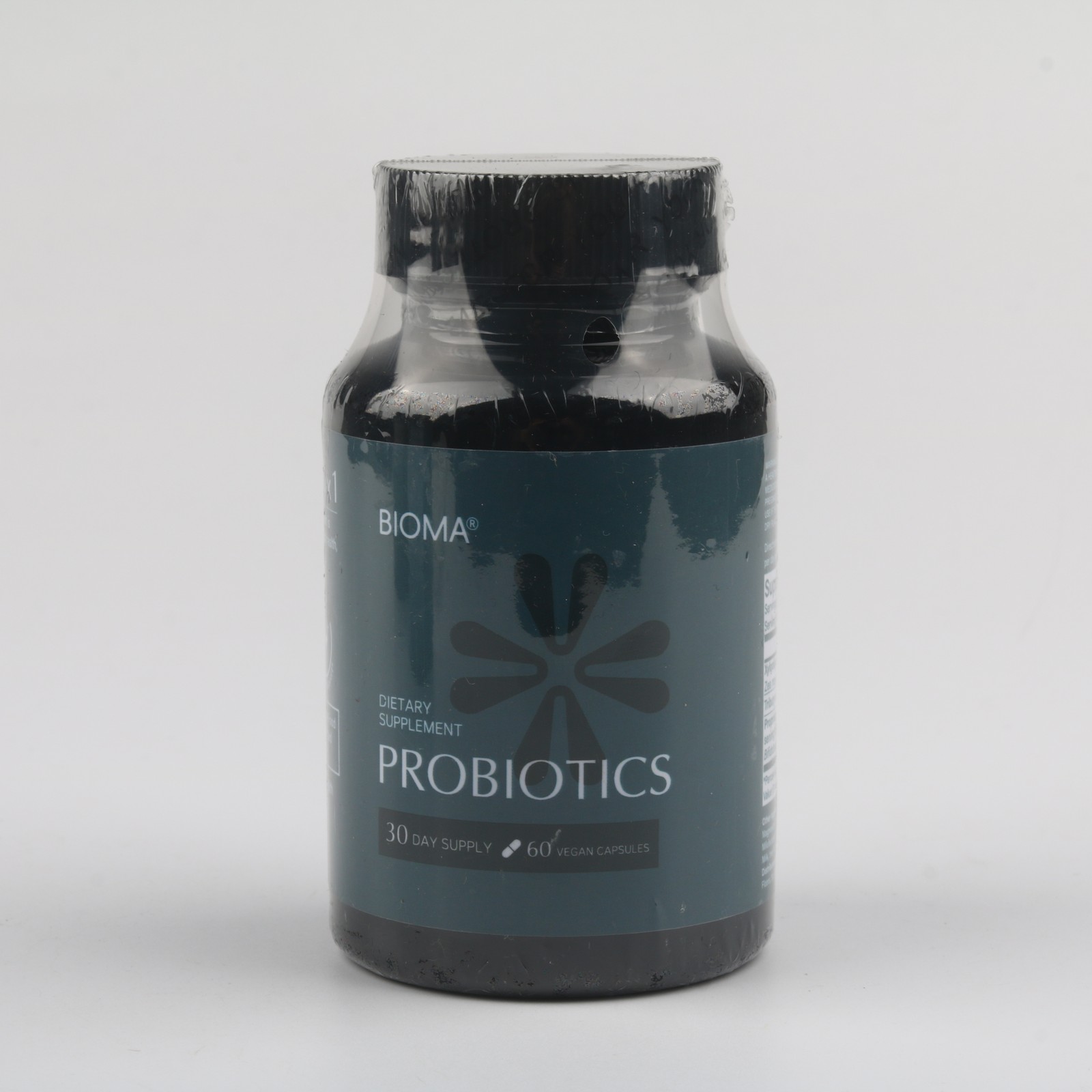 BIOMA Probiotics Digestive Health Gut Support for Men&Women 60 Capsules --US$15.19View on eBay
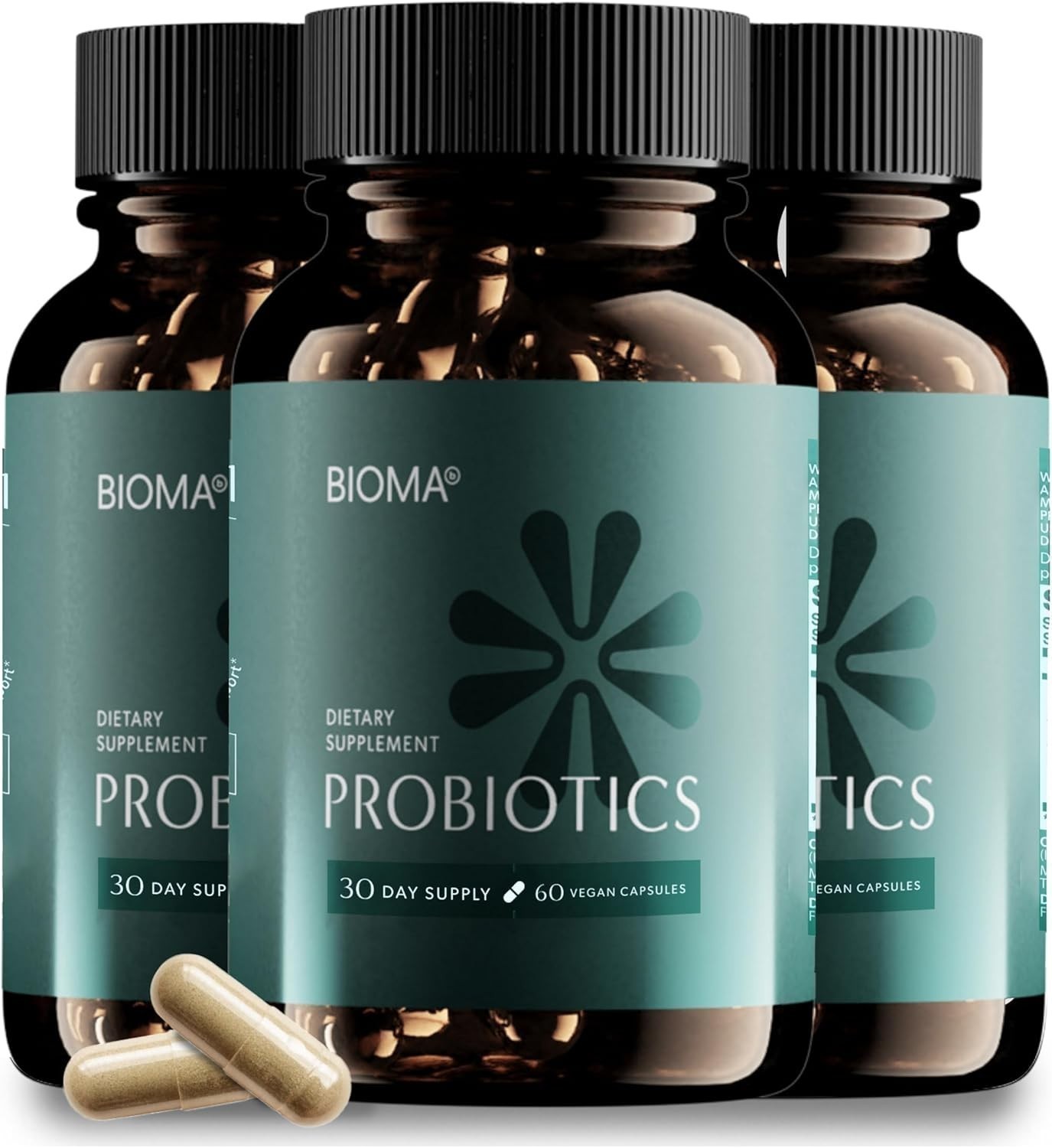 3 Pack BIOMA Probiotics Digestive Health Gut Support for Men & Women 60 Capsules$17.95View on eBay
 3 Pack BIOMA Probiotics Digestive Health Gut Support for Men & Women 60 Capsules$19.39View on eBay
Highlights
- Bioma's formula centers on Bifidobacterium strains plus XOS (xylooligosaccharide) prebiotic and tributyrin, a postbiotic that supports gut-barrier function rather than relying on CFU count alone.
- Standard bottles ship 60 capsules, giving a 30-day supply at the common 2-capsule daily serving; a 3-pack therefore buys roughly a 90-day course, which matters for multi-month gut-rebuilding protocols.
- Capsule viability depends on moisture and heat control, so shelf-stable probiotics use desiccant-lined bottles and blister or induction seals; loose or unsealed caps accelerate CFU die-off before expiry.
- Strain-level labeling (genus + species + strain code) and CFU stated at expiry distinguish clinically grounded formulations from white-label blends that list only genus and species.
Best use cases
- Best fit: daily digestive maintenance and post-antibiotic recovery — choose a 2-capsule serving bottle with full strain disclosure and a long expiry date, not a single-serve sampler.
- Best fit: multi-month gut protocols and household sharing — a 3-pack of 60-capsule bottles keeps cost per serving down and avoids running out mid-course.
- Wrong fit: buyers seeking an immediate probiotic effect for acute GI illness — probiotic supplements are maintenance tools, not treatments, and capsule format is not a substitute for medical care.
- Best fit: travel and on-the-go use — shelf-stable capsules that need no refrigeration suit trips; skip refrigerated-only liquid probiotics if you cannot maintain cold chain.
Buying tips
- Match bottle count to course length: 60 capsules at 2 per day equals 30 days; choose 3-packs for 90-day protocols rather than reordering single bottles late.
- Check CFU stated at expiry, not manufacture; a 10-30 billion CFU expiry guarantee is more meaningful than a 50 billion CFU 'at time of manufacture' claim.
- Prefer delayed-release or acid-resistant capsules for stomach-acid survival; standard gelatin capsules dissolve early and reduce viable strain delivery to the intestine.
- Confirm full strain codes on the label (e.g., Bifidobacterium lactis BL-04); genus-only labeling gives no way to match the formula to published strain research.
Specs
| CFU Potency | 10-30 billion at expiry |
|---|---|
| Capsule Count | 60 caps (30-day supply) |
| Storage | Shelf-stable below 25°C/77°F |
| Strain Disclosure | Genus-species-strain codes |
Related searches
What to check before buying
- Verify the bottle's expiry date before purchase; remaining shelf life of at least 6-12 months ensures viable CFU through your course.
- Check storage instructions: shelf-stable bottles need cool, dry storage below 25°C/77°F — confirm your climate and cabinet conditions suit non-refrigerated storage.
- Confirm capsule count and serving size on the label so the daily dose matches your intended regimen (typically 1-2 capsules).
- If stacking with other supplements or medications, confirm the strain list and prebiotic fiber content to avoid overlapping or conflicting formulas.
FAQ
Data sources: eBay / Amazon listings and product attribute feeds. Updated Nov 28, 2026.
Some links on this page are affiliate links. If you buy after clicking one, we may earn a commission at no extra cost to you. This does not change which products appear here or their order. Affiliate disclosure.