
Photos from current listings. Actual item, color, and included accessories may vary.
Vitamin Buying Guide
Vitamins and minerals are single-nutrient or multivitamin supplements whose clinical value is decided by dose form, nutrient compound, and third-party testing, not by marketing claims. The core trade-off is between cheap oxide/carbonate salts with poor absorption and pricier chelated, methylated, or triglyceride forms that actually raise blood levels. The decision rule: match the compound form to your goal (glycinate for sleep, methylfolate for MTHFR, lutein+zeaxanthin for eyes) and demand a USP, NSF, or ConsumerLab seal before trusting any label.
Median $20.44
Key takeaways
- Mineral absorption tiers: magnesium oxide delivers ~4% elemental absorption while magnesium glycinate reaches 50%+ and avoids the laxative effect; glycinate costs more per mg but is the only form for daily sleep/stress use.
- B-vitamin form matters: cyanocobalamin and folic acid are synthetic and require conversion; methylcobalamin and methylfolate bypass the MTHFR enzyme defect carried by roughly 40% of adults and are the correct pick for energy and brain formulas.
- Eye formulas need the AREDS2 ratio: 10 mg lutein plus 2 mg zeaxanthin daily is the clinically validated dose; products listing 'lutein blend' without disclosed mg per capsule are underdosed and not worth buying.
At a glance
- Category
- Vitamins & Minerals
- Last updated
- Nov 28, 2026
Current offers
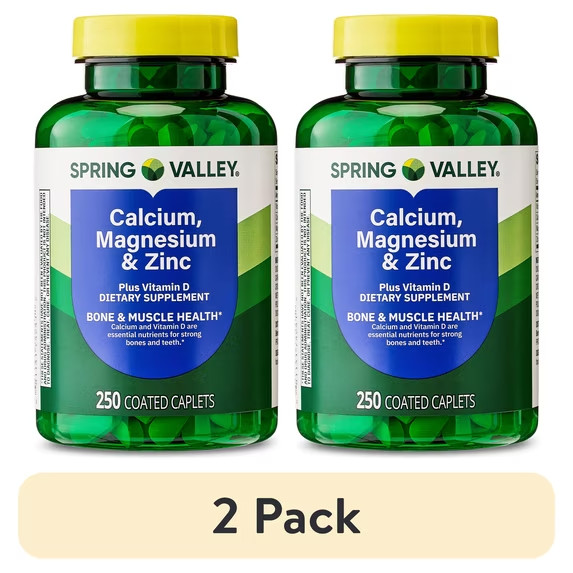 (2 pack) Spring Valley Calcium, Magnesium & Zinc Plus Vitamin D3 Coated 250 Ct$10.79View on eBay
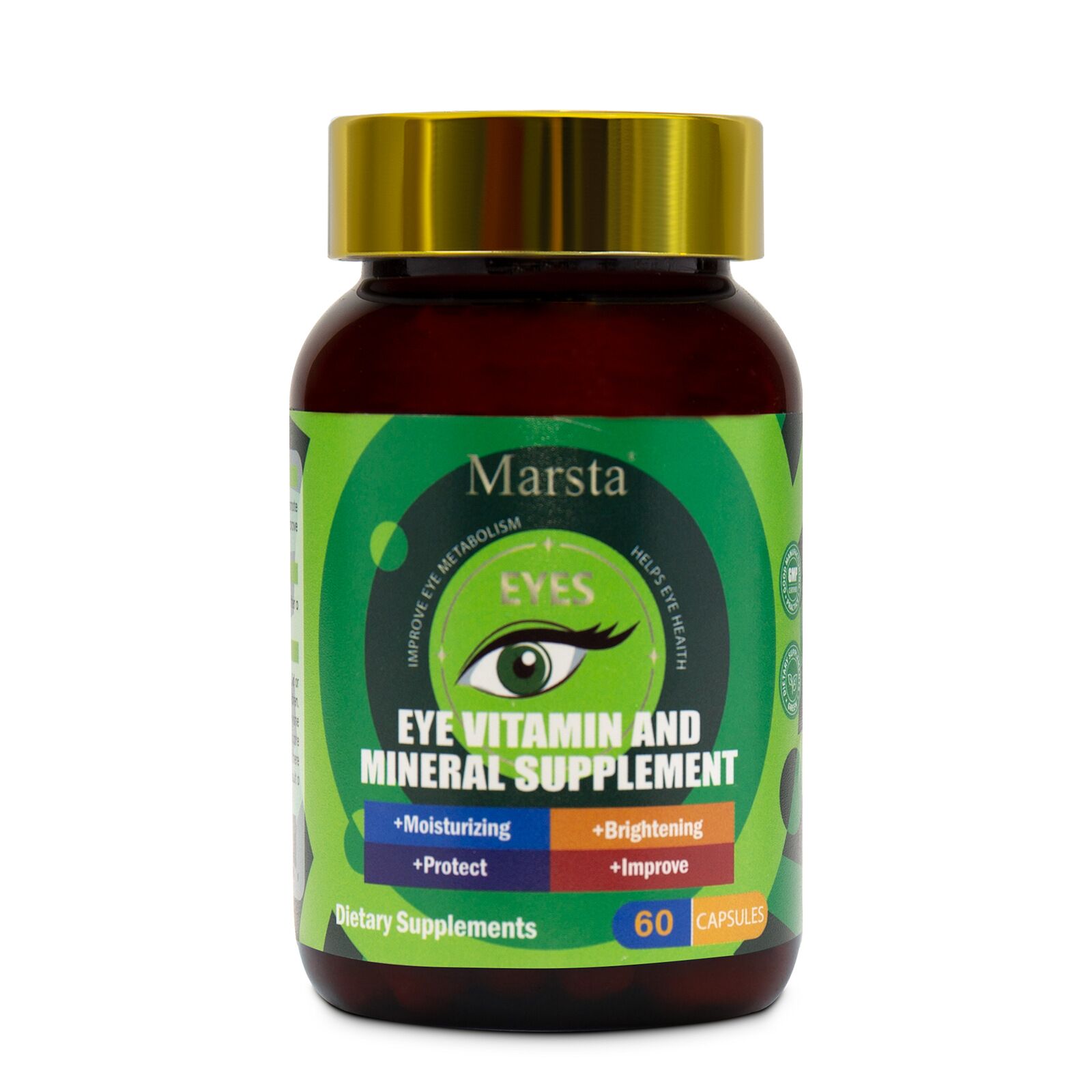 Eye Vitamin And Mineral Supplements, Lutein And Zeaxanthin C&E Support Eye Health 60 Capsules$12.99View on Mallflare
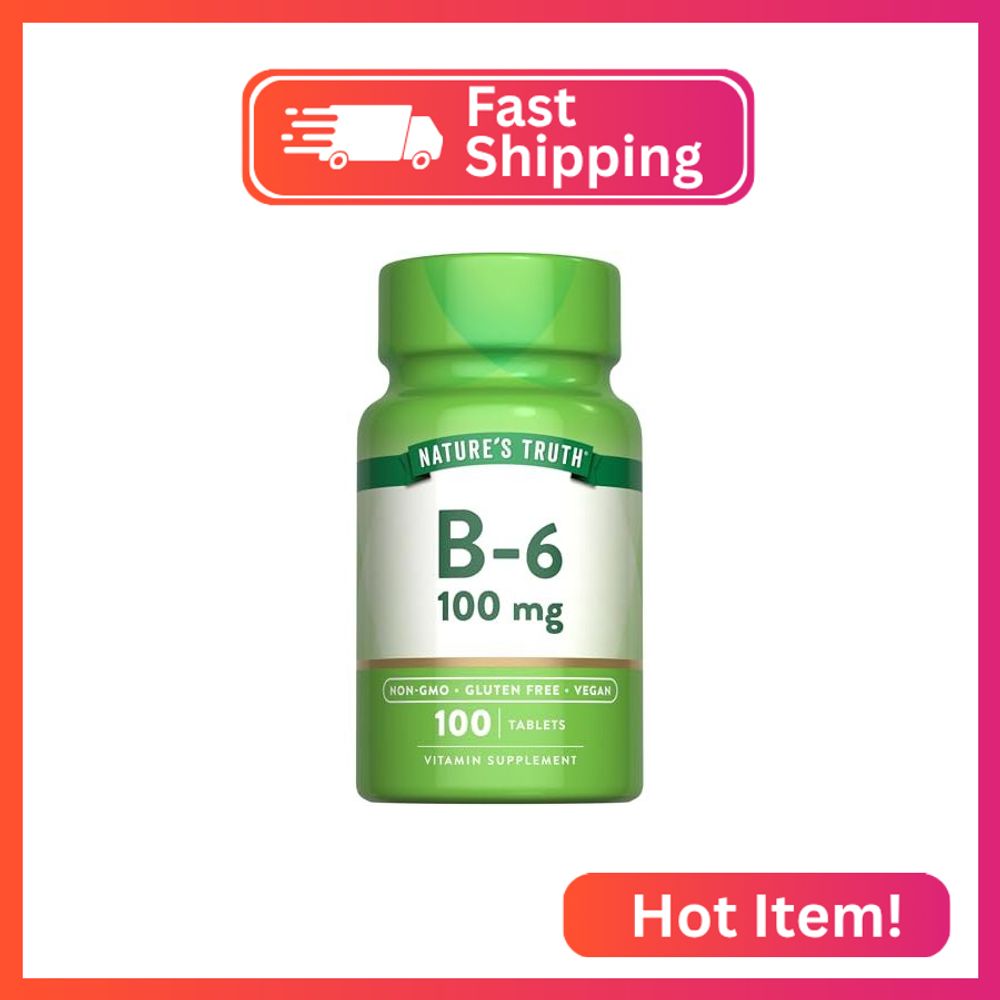 Nature's Truth B6 Vitamin | 100mg | 100 Tablets | Vegan, Non-GMO & Gluten Free S$10.93Last checked Nov 20, 2026View on eBay
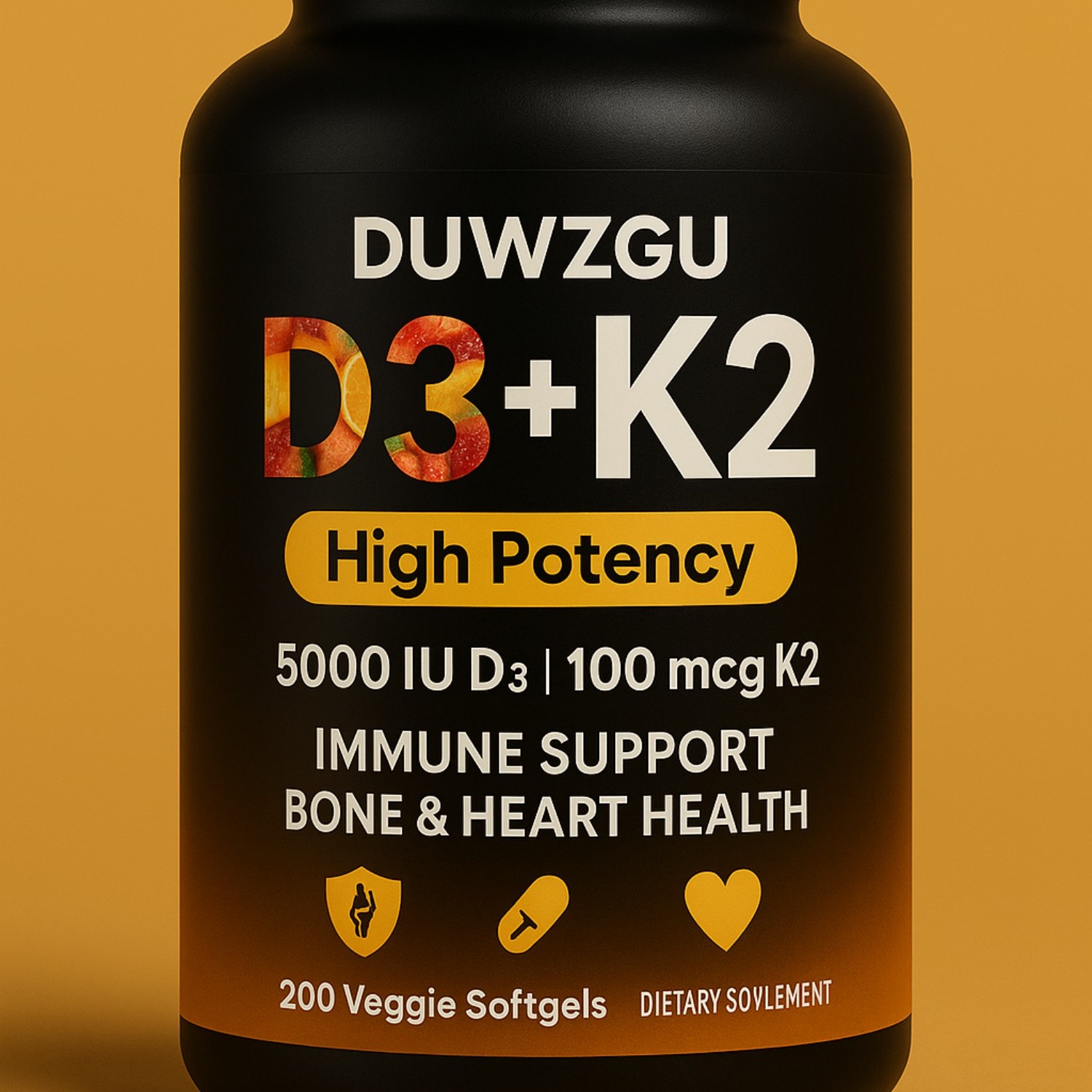 Soft Capsule Vitamin$13.99View on Mallflare
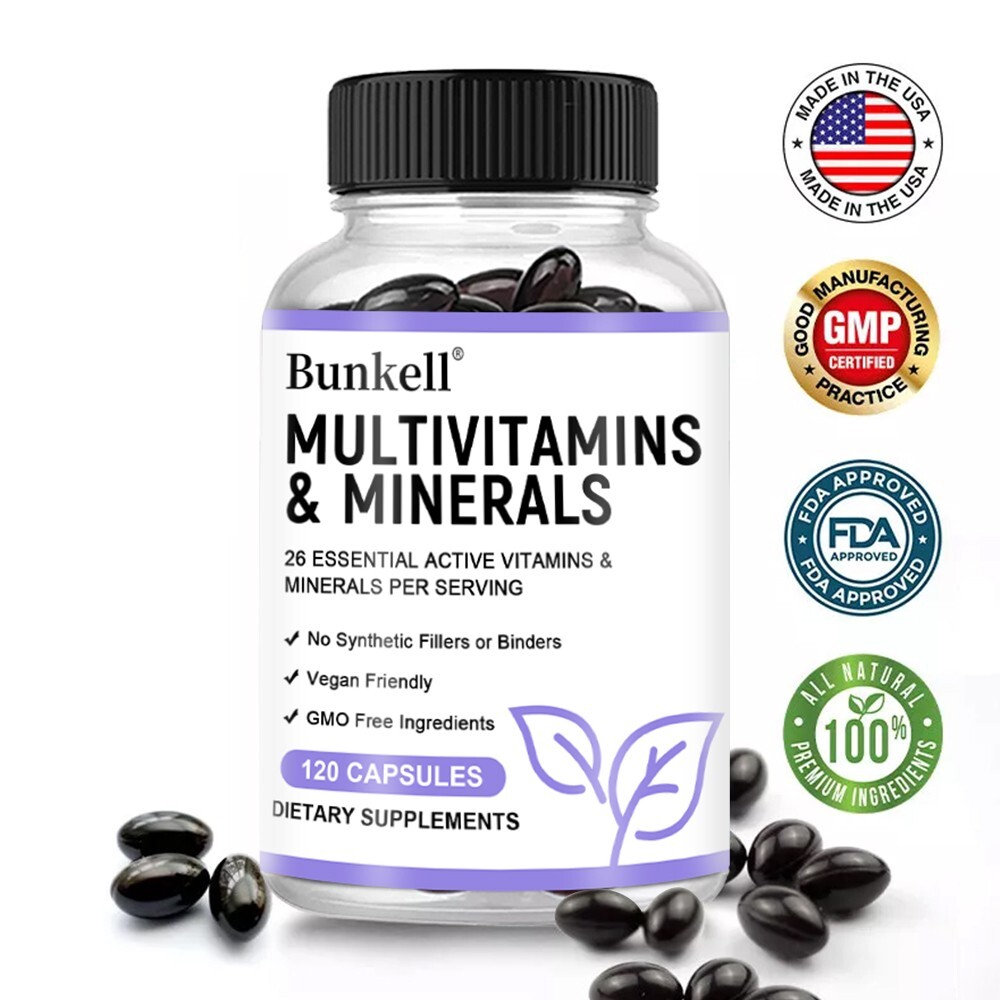 Multiple vitamins and minerals -26 essential vitamins -120 capsules$10.99View on eBay
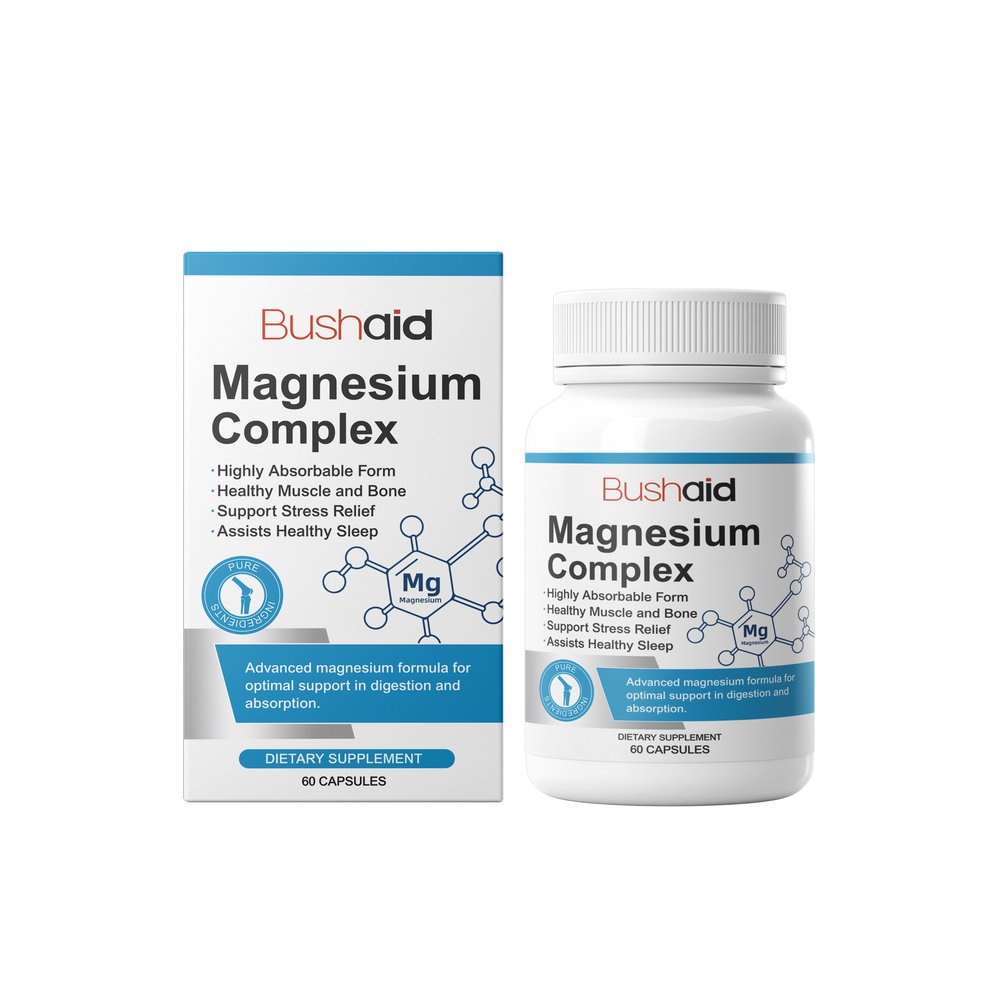 Multi-Vitamin Treatment Capsules Rejuvenate the Body Enhance and Mind Comfort Care$22.99View on Mallflare
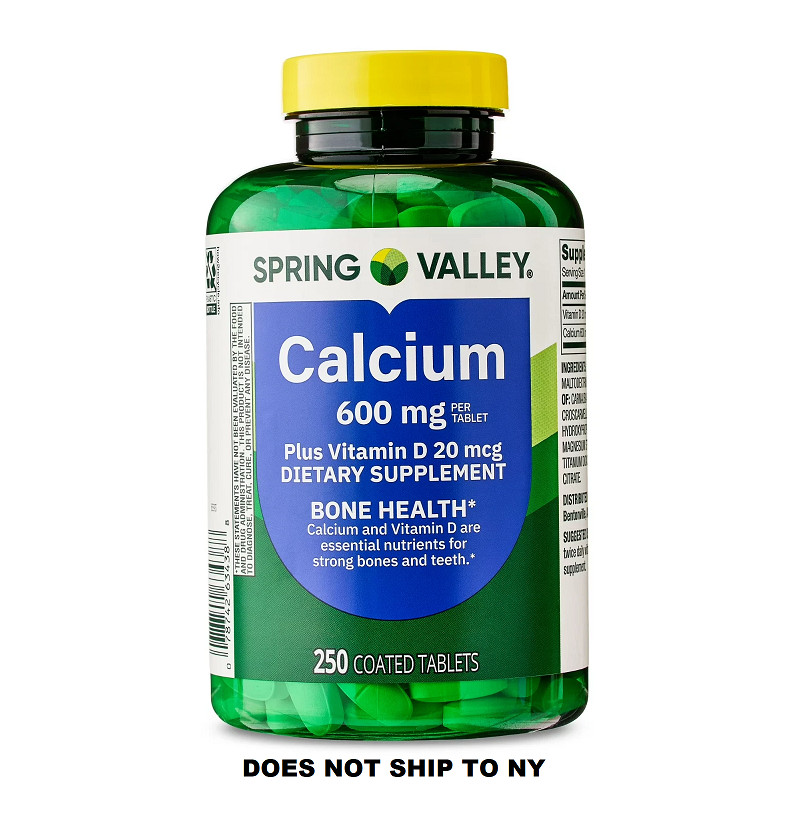 Spring Valley Calcium 600mg + Vitamin D 20mcg, Bone Health Supplement, 250-Count$11.80Last checked Nov 20, 2026View on eBay
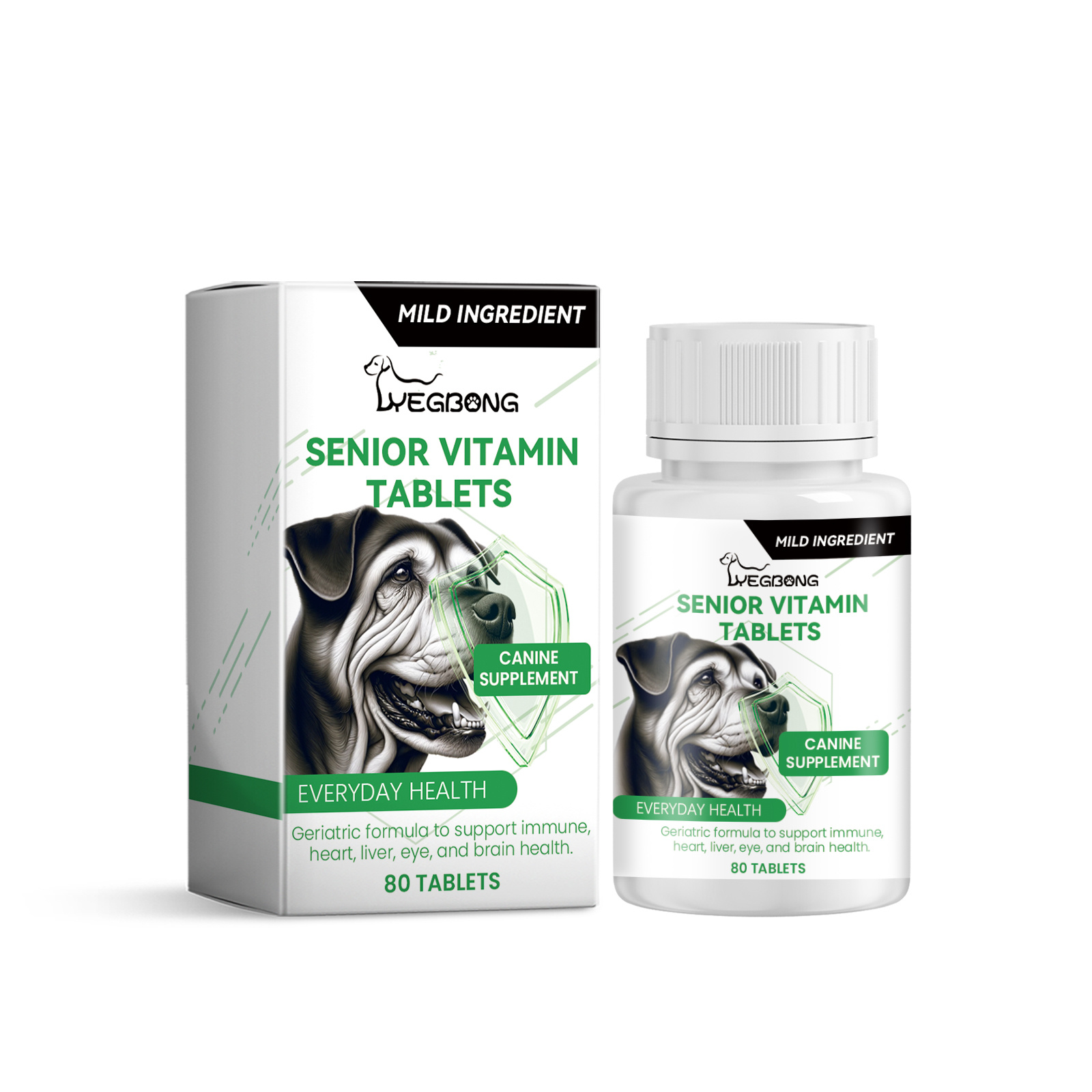 Our Senior Vitamin Tablets Contain Meat and Products, 80pcs, Microbial Fermentation Pro, Dietary Supplement for Daily Wellness$22.99View on Mallflare
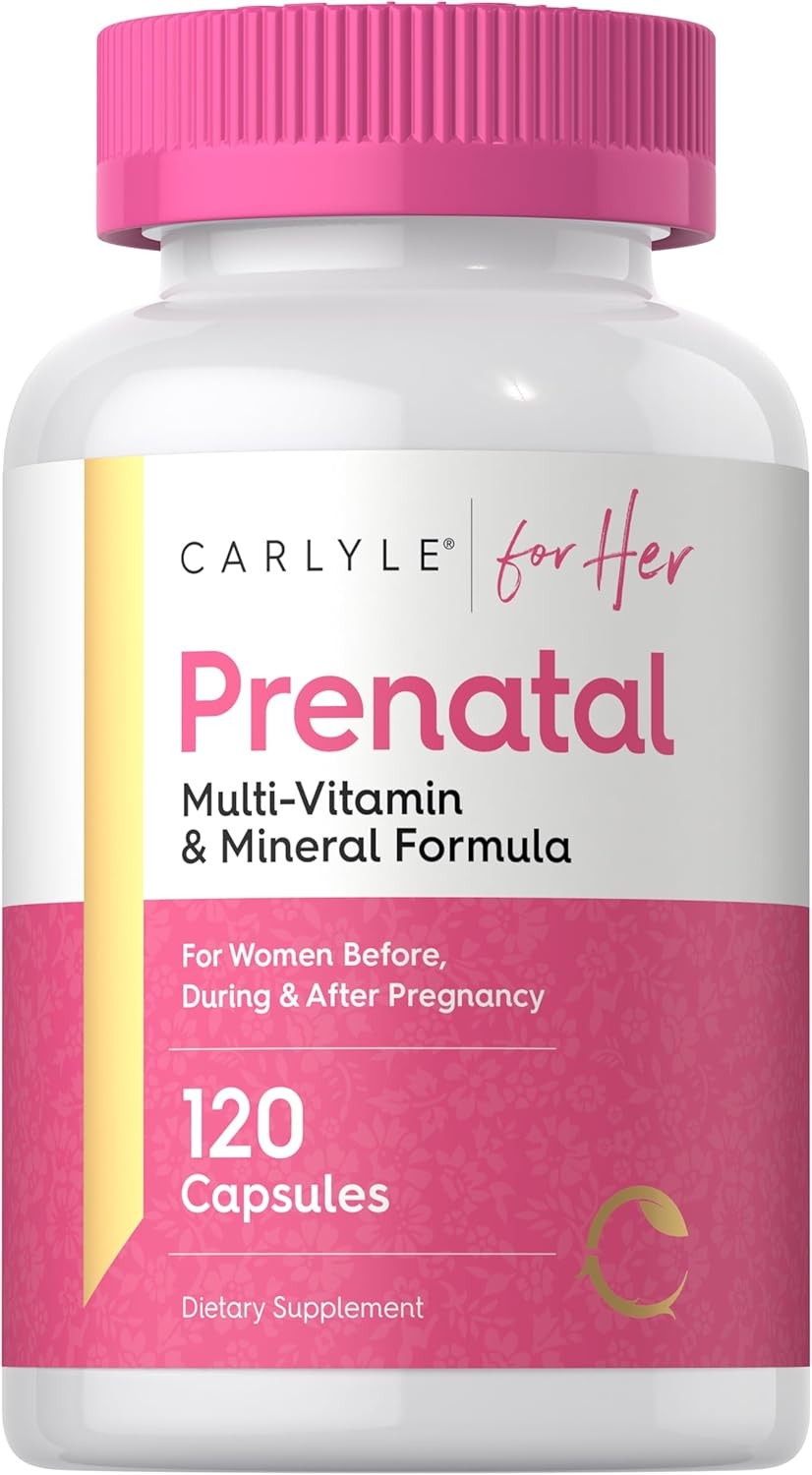 Prenatal Vitamins 120 Capsules | Multivitamins & Minerals | by Carlyle for Her$12.79Last checked Nov 19, 2026View on eBay
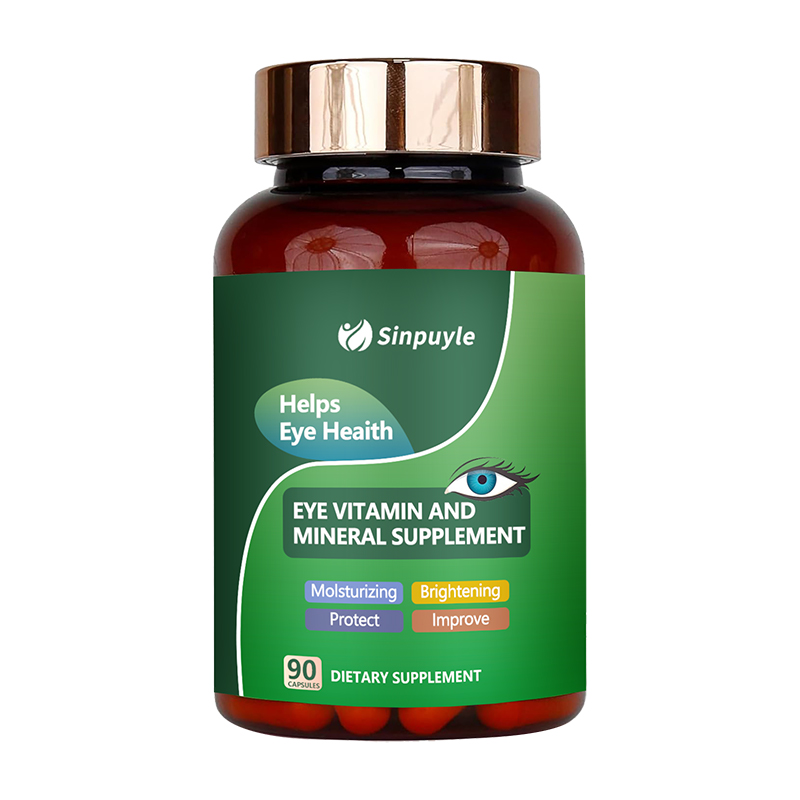 Halal Lutein Eye Health Vision Support Vitamin & Mineral Herbal Extract Supplement Capsules$23.99View on Mallflare
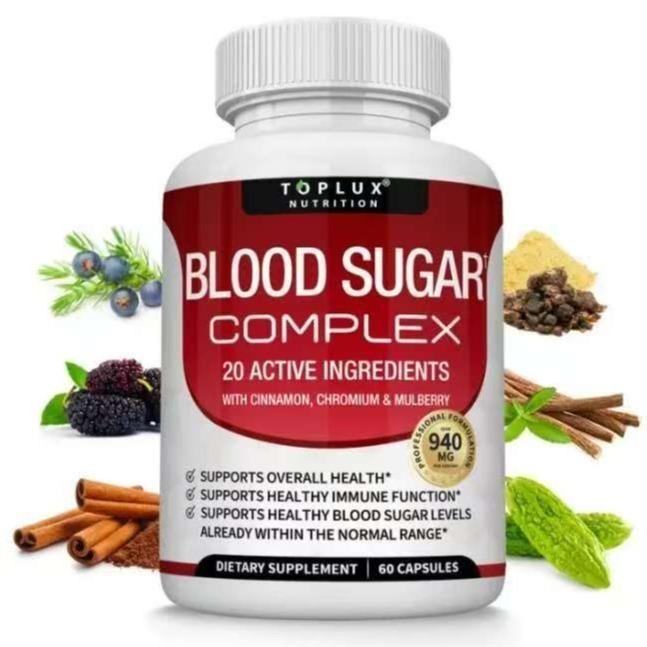 Blood Sugar Complex 20 Vitamins &Minerals for Effective Glucose Management$12.90View on eBay
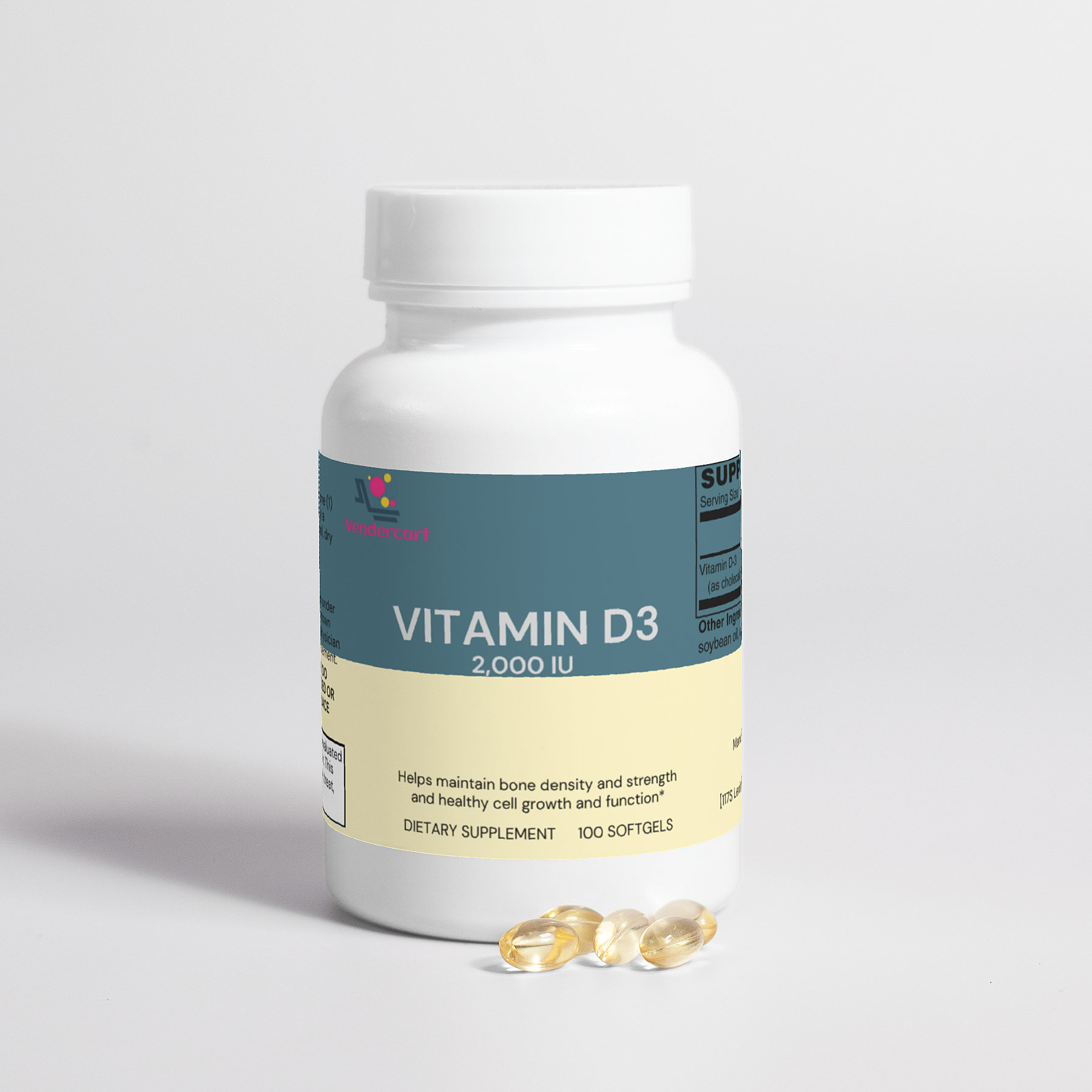 Vitamin D3 2000 IU For Women Bone Strength, Hormonal Balance, And Immune Support$35.99View on Mallflare
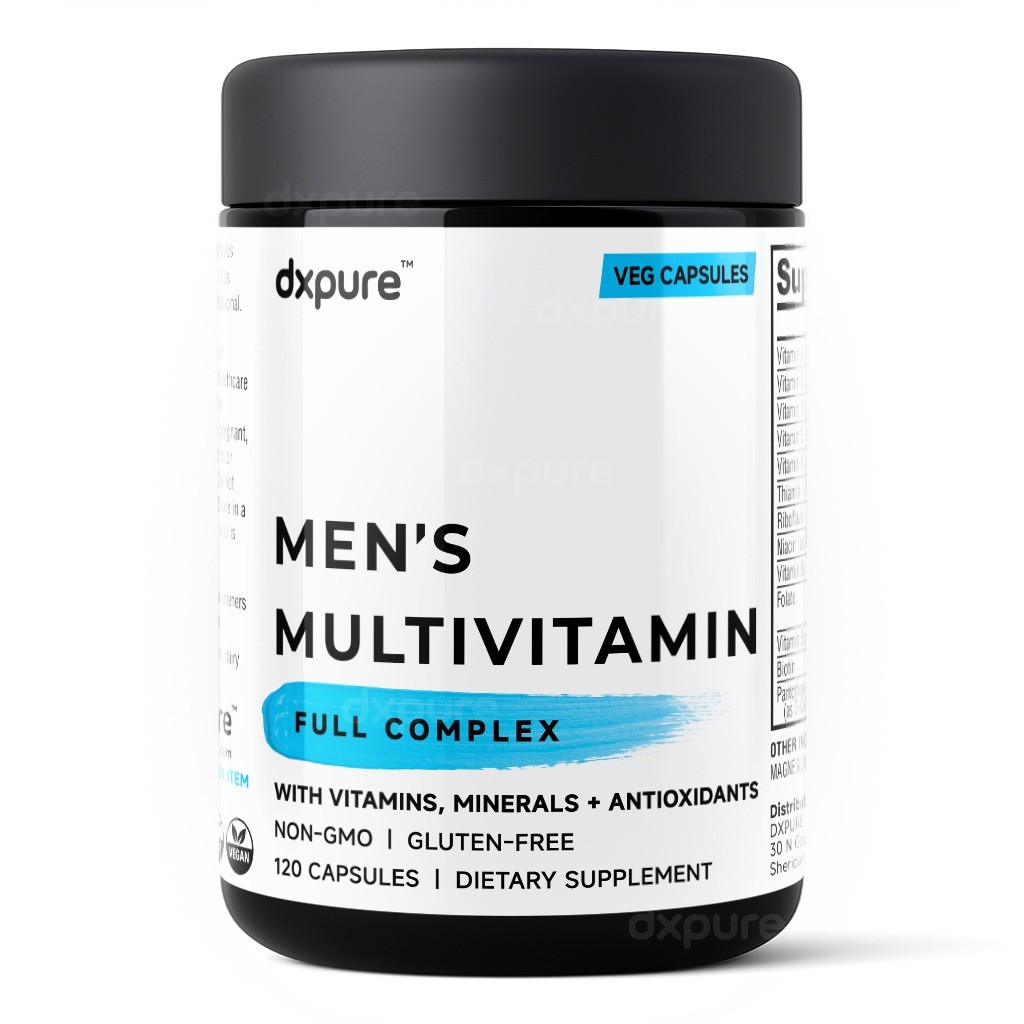 Men's Multivitamin Essential Vitamins and Minerals - 120 Capsules$12.98Last checked Nov 22, 2026View on eBay
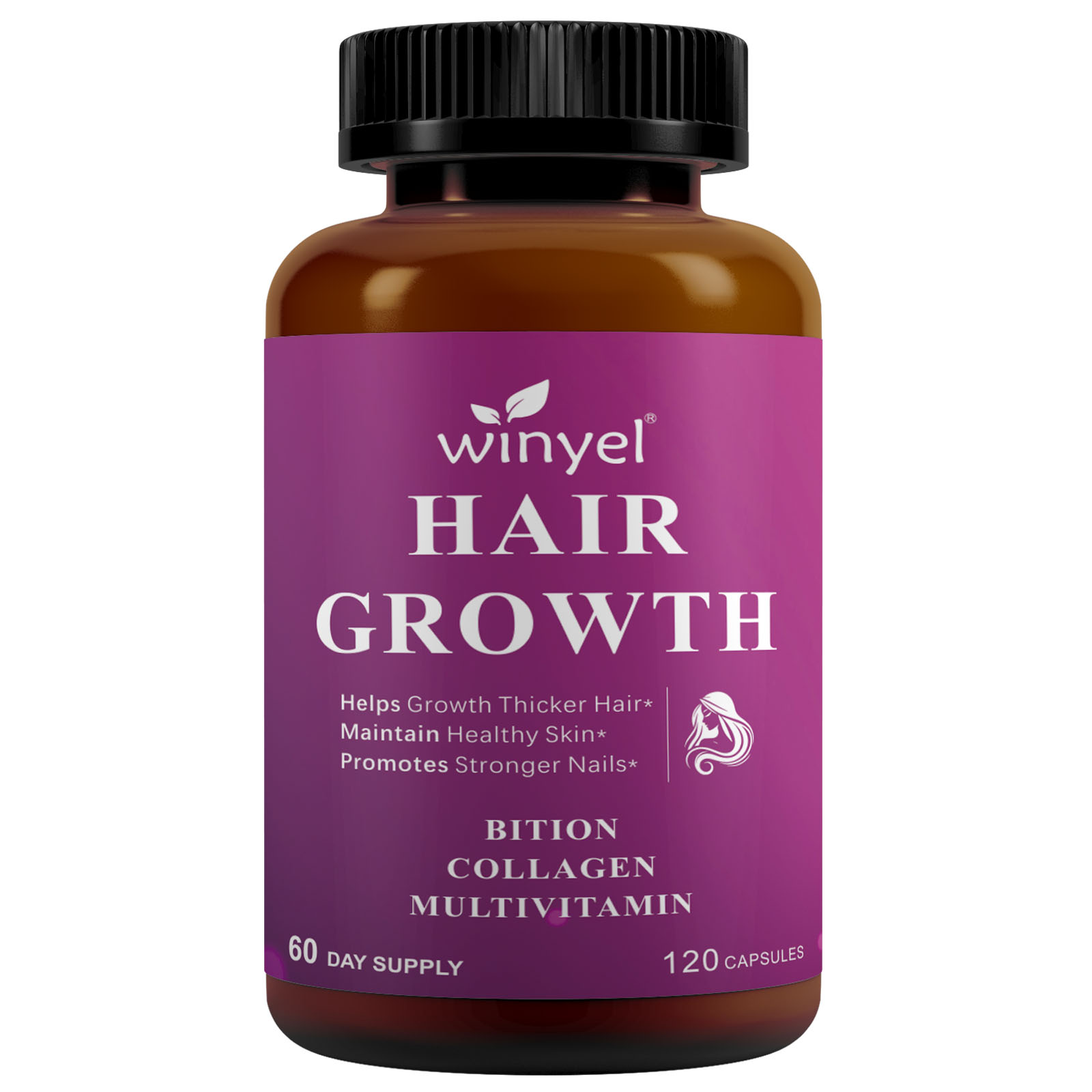 Hair Growth Vitamins Containing 1,000 Mcg Ofbiotin, Collagen, Saw Palmetto, And Other Naturalingredients To Promote Stronger, Healthier Hair,skin, And Nails, Effectively .60-day Supply.$39.99View on Mallflare
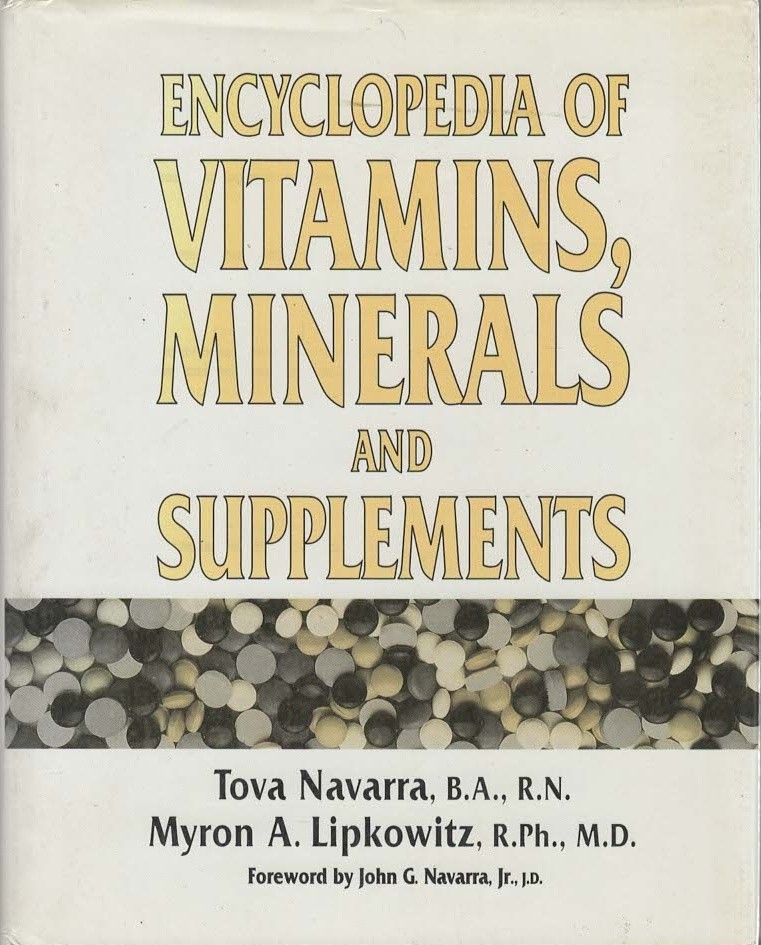 Vitamins Minerals and Supplements Encyclopedia - Tova Navarra - Acceptable - ...$13.07Last checked Nov 20, 2026View on eBay
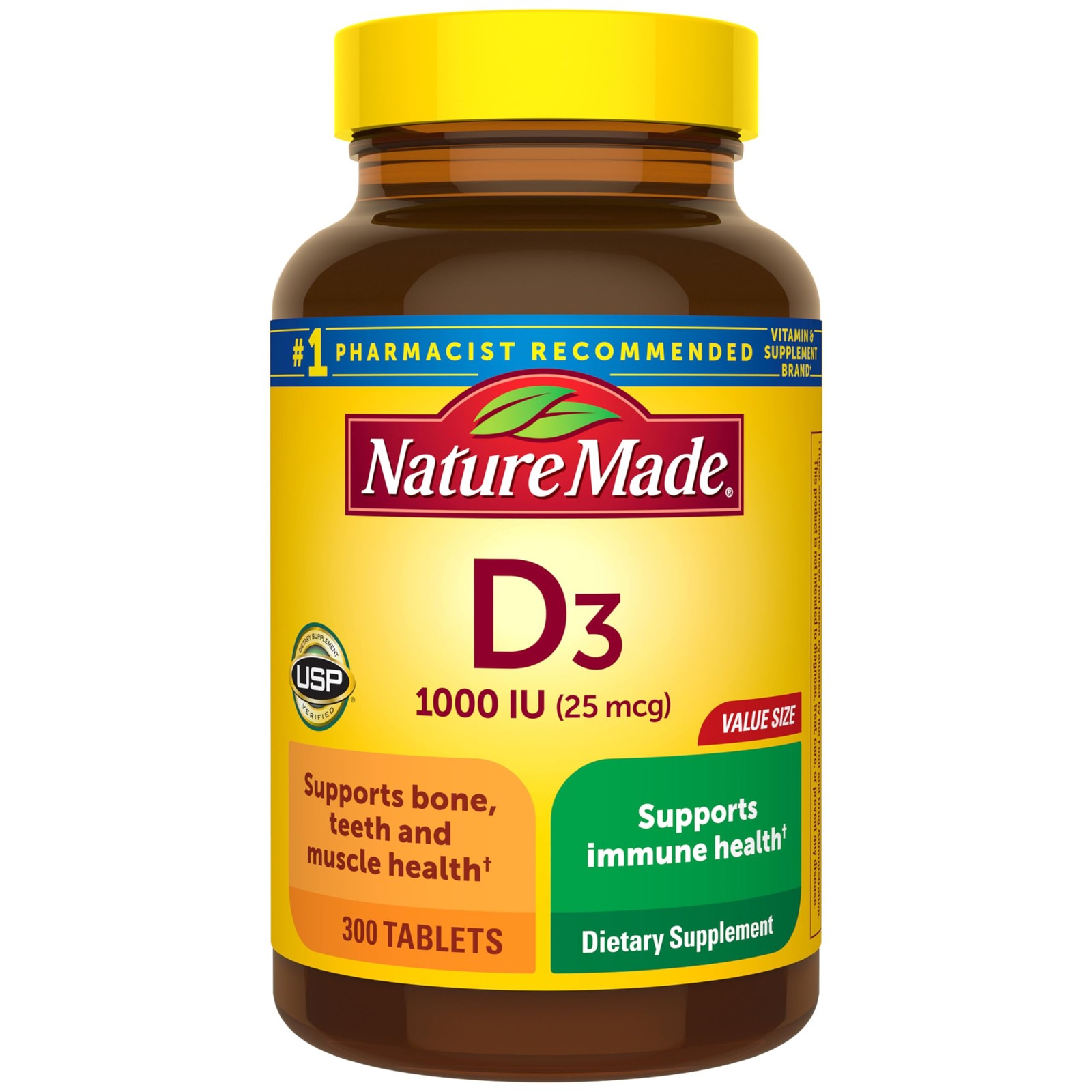 Vitamin D3 1000 IU (25 mcg), 300 Vitamin D Tablets$13.52View on eBay
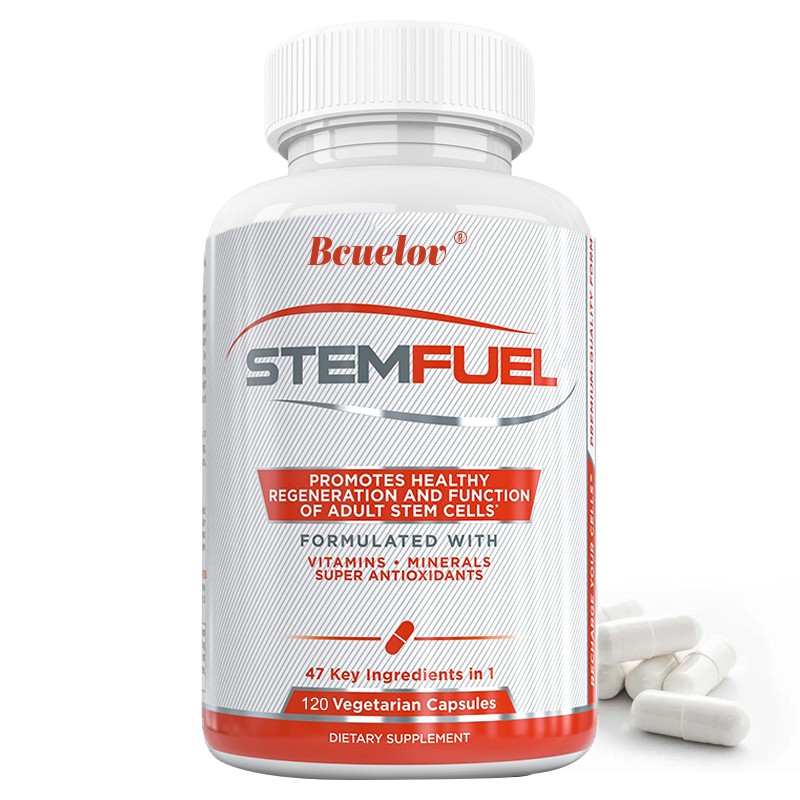 Multi Vitamins and Minerals for Men Women Capsules Stem Cells Regenration 120ct$13.69View on eBay
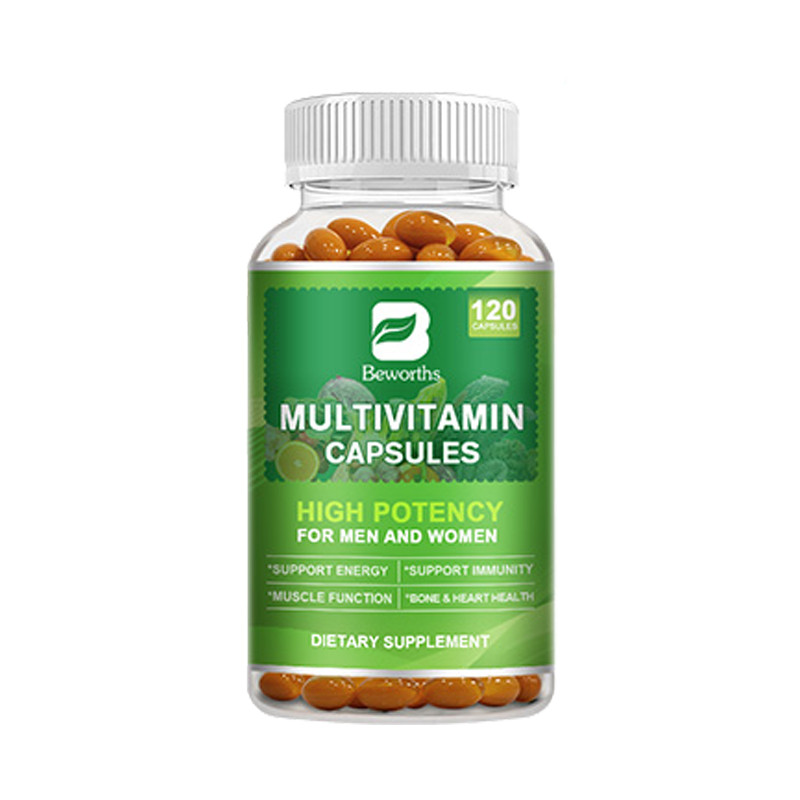 Multivitamin Capsules Highest Potency Daily Vitamins & Minerals Supplement$13.99Last checked Nov 18, 2026View on eBay
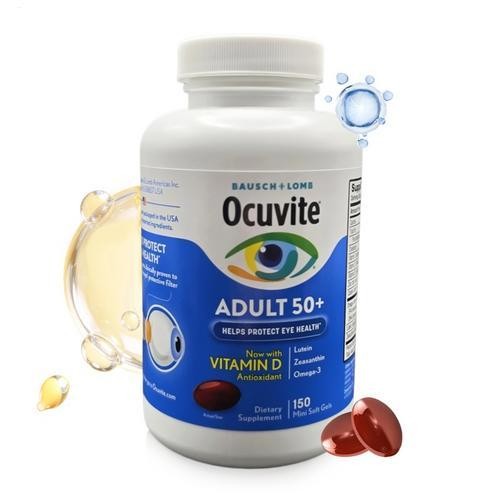 Eye Vitamin & Mineral Supplement Adult 50+, 150 Softgels, Protects Eye Health$14.54View on eBay
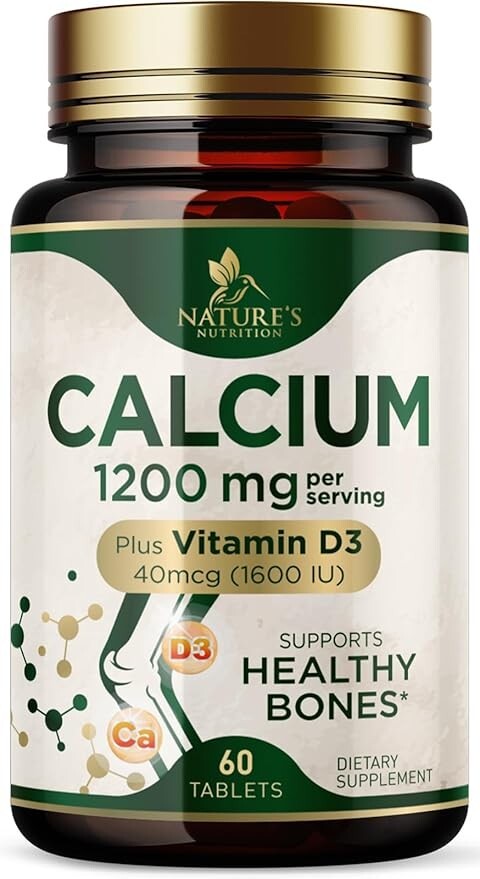 Calcium 1200 mg & 1600 IU Vitamin D3 & Calcium Supplement Supports Bone Strength$14.82Last checked Nov 20, 2026View on eBay
Highlights
- Mineral absorption tiers: magnesium oxide delivers ~4% elemental absorption while magnesium glycinate reaches 50%+ and avoids the laxative effect; glycinate costs more per mg but is the only form for daily sleep/stress use.
- B-vitamin form matters: cyanocobalamin and folic acid are synthetic and require conversion; methylcobalamin and methylfolate bypass the MTHFR enzyme defect carried by roughly 40% of adults and are the correct pick for energy and brain formulas.
- Eye formulas need the AREDS2 ratio: 10 mg lutein plus 2 mg zeaxanthin daily is the clinically validated dose; products listing 'lutein blend' without disclosed mg per capsule are underdosed and not worth buying.
- Delivery format changes compliance: capsules and softgels suit 2-3 g/day regimens, gummies cap out at 2-3 gummies and often omit minerals like iron and calcium because they taste metallic, so gummies are a starter format, not a complete multis replacement.
Best use cases
- Men over 50: choose a multivitamin with no iron (iron accumulates post-menopause and in older men), plus 1000 IU D3, 30 mcg K2, and 400 mg magnesium glycinate; skip any 'men's 50+' formula still containing ferrous fumarate.
- Women over 40: pick a formula with 500-1000 mcg methylfolate, 1000-2000 IU D3, and 500 mg calcium citrate (not carbonate, which needs stomach acid); take calcium in split doses of 500 mg max for absorption.
- Eye health and blue-light protection: buy only AREDS2-compliant lutein 10 mg + zeaxanthin 2 mg with 500 mg vitamin C and 400 IU vitamin E; skip generic 'eye multivitamins' that bury these nutrients below 1 mg.
- Hair, skin, and nails: 5000 mcg biotin plus 10-20 mg zinc picolinate is the effective tier; avoid megadose 10,000 mcg biotin because it skews thyroid and troponin lab tests for days and provides no added benefit.
Buying tips
- Read the Supplement Facts for elemental dose, not compound weight: 400 mg magnesium glycinate delivers only ~56 mg elemental magnesium, so buy by the 'per serving elemental' figure or you will underdose by 7x.
- Choose chelated minerals (glycinate, citrate, picolinate, bisglycinate) over oxides and carbonates for anything taken daily; oxide is acceptable only for short-term constipation relief.
- Prefer capsules over gummies for multis: gummies max out at 2-3 nutrients per piece due to sugar and pectin volume, so a 'complete' gummy multivitamin cannot physically deliver 13 vitamins plus 9 minerals at clinical doses.
- Require a third-party seal—USP, NSF Certified for Sport, or ConsumerLab—on any daily multi; these verify label accuracy and heavy-metal limits, which unsealed dropship brands routinely fail.
Specs
| Mineral Form | Chelated (glycinate/citrate) vs Oxide |
|---|---|
| B-Vitamin Form | Methylated vs Cyanocobalamin/Folic Acid |
| Delivery Format | Capsule/Softgel vs Gummy/Tablet |
| Third-Party Seal | USP / NSF / ConsumerLab verified |
Related searches
What to check before buying
- Match the serving size to your tolerance: 2-3 capsules per day is normal for a full-spectrum multi; a 'one capsule daily' multi is necessarily low-dose and may not cover therapeutic goals.
- Check for iron: post-menopausal women and all men over 50 should buy iron-free formulas unless a blood test confirms deficiency; iron overdose is a real risk with stacked multis.
- Confirm the vitamin D form and dose: D3 (cholecalciferol) at 1000-2000 IU outperforms D2; pair with K2 (MK-7) 90-120 mcg to direct calcium into bone rather than arteries.
- Verify allergy and filler profile: look for capsule shells of hypromellose (vegan) versus gelatin, and avoid magnesium stearate or titanium dioxide only if you have documented sensitivity—neither is clinically harmful at supplement levels.
FAQ
Data sources: eBay / Amazon listings and product attribute feeds. Updated Nov 28, 2026.
Some links on this page are affiliate links. If you buy after clicking one, we may earn a commission at no extra cost to you. This does not change which products appear here or their order. Affiliate disclosure.