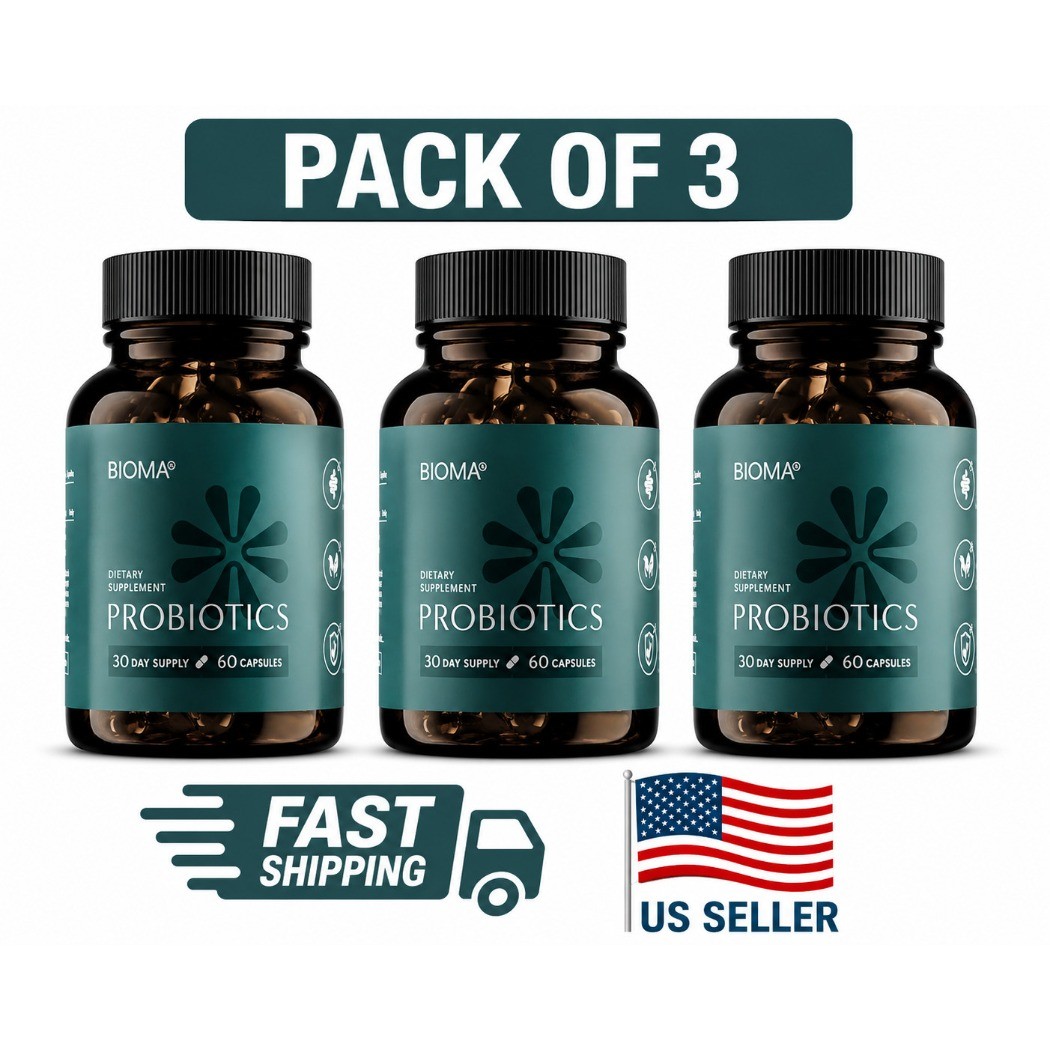

Photos from current listings. Actual item, color, and included accessories may vary.
Dietary Supplement Buying Guide
Dietary supplement probiotics are live-microorganism capsules, powders, or gummies formulated to deliver defined CFU counts of specific bacterial strains to the gut. The primary trade-off is CFU potency and strain specificity versus capsule survivability and shelf stability—high-count products only work if the delivery format protects viable cells through stomach acid. The decision rule: choose supplements that disclose genus, species, and strain IDs plus a CFU count guaranteed through expiry, and skip any product that lists only 'probiotic blend' with no strain-level transparency or viability protection.
Key takeaways
- CFU counts range from 5 billion to 100 billion per serving; clinical evidence supports 10–50 billion CFU daily for general digestive support, while 50+ billion is reserved for targeted or post-antibiotic recovery.
- Strain identity matters more than total CFU: Lactobacillus rhamnosus GG, Saccharomyces boulardii, and Bifidobacterium lactis BB-12 have strain-specific human trials; blends without strain IDs are unverifiable.
- Delayed-release acid-resistant capsules (HPMC or enteric-coated) protect live bacteria through gastric pH 1.5–3.5; standard gelatin capsules release contents in the stomach and reduce viable delivery.
At a glance
- Category
- Probiotics & Digestion
- Last updated
- Nov 28, 2026
Current offers
Highlights
- CFU counts range from 5 billion to 100 billion per serving; clinical evidence supports 10–50 billion CFU daily for general digestive support, while 50+ billion is reserved for targeted or post-antibiotic recovery.
- Strain identity matters more than total CFU: Lactobacillus rhamnosus GG, Saccharomyces boulardii, and Bifidobacterium lactis BB-12 have strain-specific human trials; blends without strain IDs are unverifiable.
- Delayed-release acid-resistant capsules (HPMC or enteric-coated) protect live bacteria through gastric pH 1.5–3.5; standard gelatin capsules release contents in the stomach and reduce viable delivery.
- Shelf stability depends on moisture and temperature control: freeze-dried powder in blister packs or nitrogen-flushed HDPE bottles retains potency longer than loose capsules in permeable containers.
Best use cases
- Daily digestive maintenance: choose a multi-strain Lactobacillus/Bifidobacterium blend at 10–30 billion CFU with delayed-release capsules; skip 100-billion CFU products unless a clinician specifies a therapeutic target.
- Post-antibiotic recovery: pick Saccharomyces boulardii at 5–10 billion CFU or a Lactobacillus rhamnosus GG product; avoid blends without yeast-based strains, which are the evidence-backed choice for antibiotic-associated diarrhea.
- Travel or immune support: select a shelf-stable, blister-packed 10–20 billion CFU multi-strain formula that requires no refrigeration; skip refrigerated-only bottles if you cannot maintain cold chain during transit.
- Skip probiotic supplements entirely if you have severe immunosuppression or a central venous catheter—live organisms carry translocation risk; whole-food fermented options or clinician-guided strains are safer.
Buying tips
- Match CFU to goal: 5–10 billion for mild maintenance, 10–30 billion for daily digestive support, 50+ billion only for short-term therapeutic protocols—higher counts are not inherently better and raise cost without added benefit.
- Require full strain designation (genus + species + strain code) on the label; 'Lactobacillus blend' without strain IDs fails the transparency test because effects are strain-specific, not species-wide.
- Check the CFU guarantee is 'through expiry,' not 'at time of manufacture'—a 50-billion label at manufacture may deliver far less by expiry, especially in permeable packaging.
- Prefer delayed-release or acid-resistant capsules (HPMC, enteric-coated) for live bacteria; powder sachets and gummies often lack gastric protection and are better suited to shelf-stable spore-forming strains like Bacillus coagulans.
Specs
| CFU Potency | 5–100 billion per serving |
|---|---|
| Strain Transparency | Genus + species + strain ID required |
| Capsule Delivery | Delayed-release / acid-resistant |
| Potency Guarantee | Through expiry vs at manufacture |
Related searches
What to check before buying
- Confirm storage conditions your home can sustain: refrigerated products need consistent 2–8°C; shelf-stable freeze-dried products tolerate room temperature but degrade faster in humid bathrooms.
- Verify capsule or serving size fits your routine: 60-capsule bottles at 2 per day last 30 days; single-capsule daily formats simplify adherence but may cap CFU per dose.
- Check allergen and excipient profile: many probiotic capsules use dairy-derived media or gelatin shells; vegan HPMC capsules and dairy-free fermentation media exist for restricted diets.
- Match product format to travel or portability needs: blister packs resist moisture better than loose bottles; gummies and powders are convenient but typically lower CFU and less acid-protected.
FAQ
Data sources: eBay / Amazon listings and product attribute feeds. Updated Nov 28, 2026.
Some links on this page are affiliate links. If you buy after clicking one, we may earn a commission at no extra cost to you. This does not change which products appear here or their order. Affiliate disclosure.