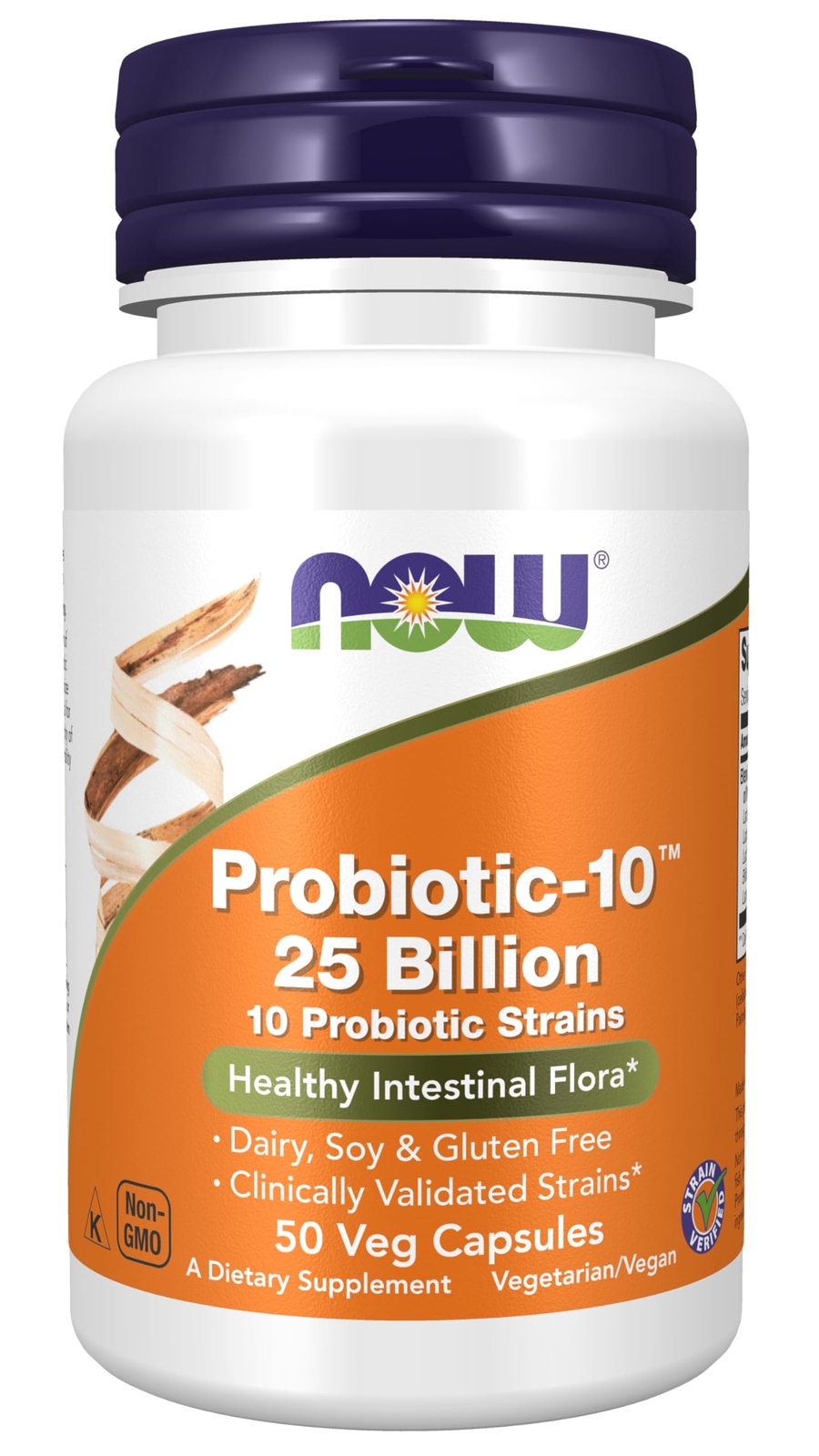

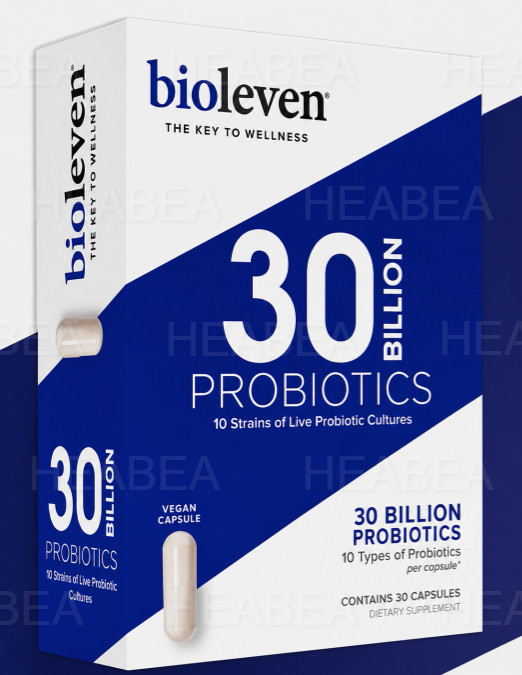
Photos from current listings. Actual item, color, and included accessories may vary.
Nutritional Supplement Buying Guide
Nutritional supplements in the probiotics & digestion segment are defined by live CFU counts at expiry, strain specificity, and delivery format—not by capsule count alone. The core trade-off is potency and survivability versus cost: high-CFU multi-strain capsules with delayed-release or spore-forming technology protect viable organisms through stomach acid, while plain capsules and blends rely on overage and often underdeliver. The decision rule: buy only supplements that state CFU at expiry, list full strain designations with genus and strain code, and match the format (capsule, spore, enzyme blend) to your actual digestive issue.
Median $24.37
Key takeaways
- CFU guarantees must be stated at expiry, not at manufacture; a 50 billion CFU label at production can degrade to under 10 billion by expiry without overage or blister packaging.
- Strain identity matters more than total CFU: Lactobacillus rhamnosus GG and Bifidobacterium longum BB536 have human trial data, while unlabeled '10 strains' blends cannot be matched to evidence.
- Spore-forming Bacillus strains (e.g., B. coagulans, B. subtilis) survive stomach acid and ambient heat without refrigeration, making them the durable choice for unrefrigerated shipping and travel.
At a glance
- Category
- Probiotics & Digestion
- Last updated
- Nov 28, 2026
Current offers
Highlights
- CFU guarantees must be stated at expiry, not at manufacture; a 50 billion CFU label at production can degrade to under 10 billion by expiry without overage or blister packaging.
- Strain identity matters more than total CFU: Lactobacillus rhamnosus GG and Bifidobacterium longum BB536 have human trial data, while unlabeled '10 strains' blends cannot be matched to evidence.
- Spore-forming Bacillus strains (e.g., B. coagulans, B. subtilis) survive stomach acid and ambient heat without refrigeration, making them the durable choice for unrefrigerated shipping and travel.
- Digestive enzyme blends with probiotics combine lipase, protease, and amylase for macronutrient breakdown; they are not substitutes for CFU-dosed probiotic colonization and should be chosen by enzyme activity units, not capsule count.
Best use cases
- Choose delayed-release or spore-based capsules with expiry-date CFU for daily gut maintenance and travel—skip plain gelatin capsules with manufacture-date CFU that require refrigeration.
- Choose an enzyme-plus-probiotic blend for post-meal bloating and macronutrient digestion—skip it if your goal is microbiome colonization, because enzyme activity does not establish CFU residency.
- Choose single-strain, trial-backed formulas (LGG, BB536) for antibiotic-associated or IBS-directed use—skip broad 10-strain blends with no strain codes, as you cannot verify dose per strain.
- Choose shelf-stable spore probiotics for hot climates or unrefrigerated storage—skip refrigerated-only Lactobacillus blends if cold-chain handling cannot be guaranteed.
Buying tips
- Match CFU tier to need: 1-10 billion for general maintenance, 20-50 billion for post-antibiotic or acute support; above 50 billion has no added benefit without strain-specific evidence.
- Check the strain code after the genus and species (e.g., Lactobacillus rhamnosus GG); a label listing only genus and species cannot be verified against clinical trials.
- Prefer blister packs or nitrogen-flushed high-barrier bottles over loose capsules in a plain tub; moisture and oxygen are the primary causes of CFU loss in storage.
- For enzyme blends, look for activity units (FCC units such as DU, HUT, SAPU) rather than milligram weights, which do not indicate enzymatic potency.
Specs
| CFU Potency | 1-10B maintenance / 20-50B support |
|---|---|
| Strain Labeling | Genus + species + strain code |
| Delivery Format | Delayed-release / spore / standard capsule |
| Storage Requirement | Shelf-stable spore vs refrigerated live |
Related searches
What to check before buying
- Confirm the CFU number is labeled 'at expiry' and that the bottle states a clear expiry date, not just a lot code.
- Verify storage conditions you can meet: refrigeration (2-8°C) for many Lactobacillus/Bifidobacterium blends versus shelf-stable spore formats.
- Check capsule material and size: delayed-release or enteric-coated capsules are larger; confirm you can swallow them or choose powder/sachet formats.
- For enzyme blends, confirm the formula targets your trigger meal (fat-heavy, protein-heavy, or mixed) via its lipase/protease/amylase activity ratios.
FAQ
Data sources: eBay / Amazon listings and product attribute feeds. Updated Nov 28, 2026.
Some links on this page are affiliate links. If you buy after clicking one, we may earn a commission at no extra cost to you. This does not change which products appear here or their order. Affiliate disclosure.