
Photos from current listings. Actual item, color, and included accessories may vary.
Probiotic Buying Guide
Probiotics are live microbial supplements whose strain identity, CFU potency at expiry, and capsule technology determine whether they deliver real digestive or vaginal support. The core trade-off is strain-specific clinical evidence versus generic CFU marketing, so buyers must match named strains to their condition and demand potency guarantees verified at end of shelf life, not at manufacture.
Median $23.35
Key takeaways
- Clinical efficacy is strain-specific: Lactobacillus rhamnosus GG (LGG) and Saccharomyces boulardii have human trial data for diarrhea and IBS, while generic 'probiotic blends' lack condition-specific evidence.
- Vaginal health requires Lactobacillus crispatus, L. jensenii, or L. reuteri strains; standard gut blends with L. acidophilus do not colonize the vaginal tract effectively.
- CFU counts must be guaranteed through expiry, not at time of manufacture; a 50 billion CFU label at production can degrade to under 5 billion by expiry without desiccant or blister packaging.
At a glance
- Category
- Probiotics & Digestion
- Last updated
- Nov 27, 2026
Current offers
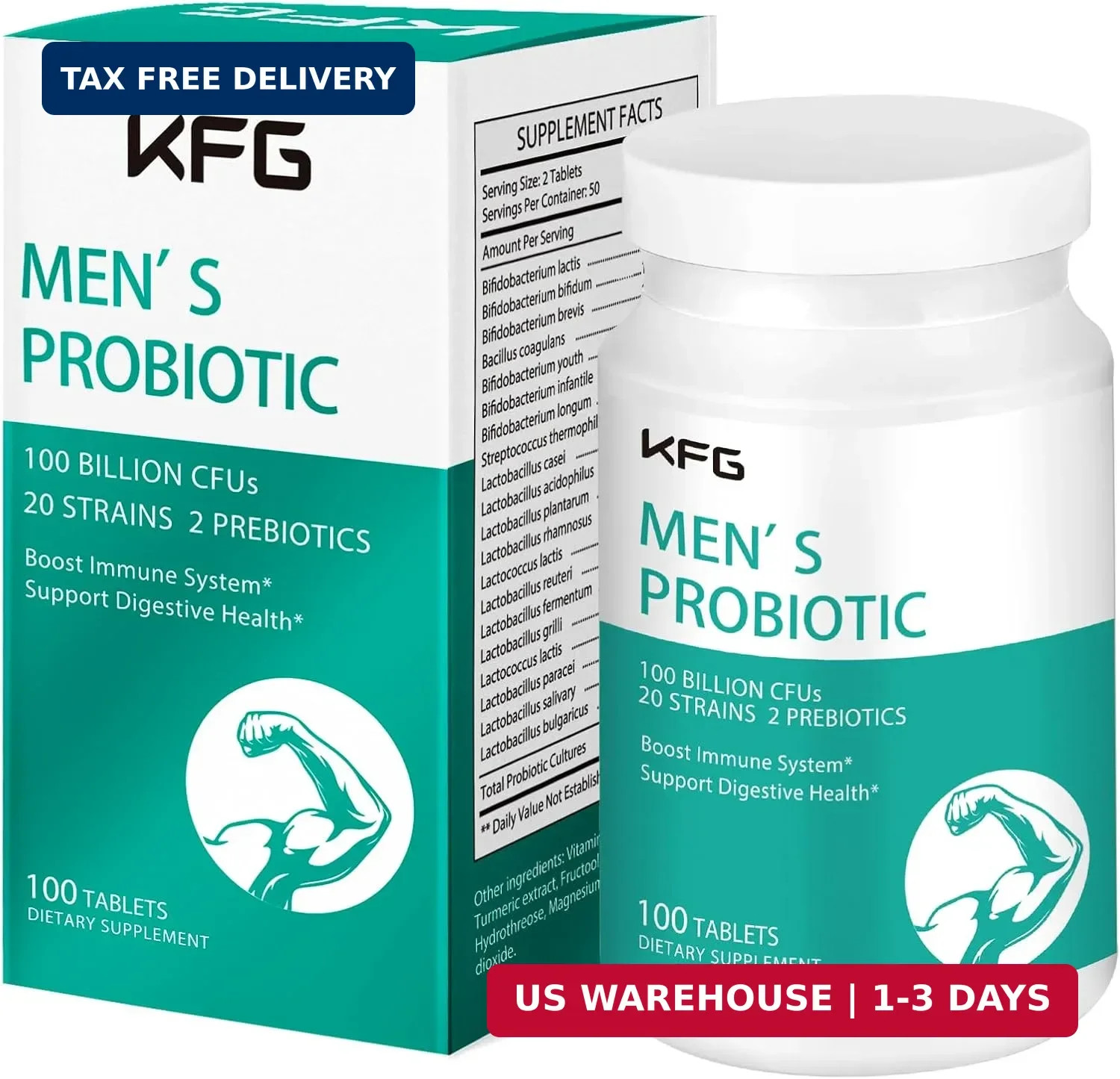 Probiotic Supplement 100 Billion CFU, 20 Strains, 2 Prebiotics and Digestive Enz$11.90View on eBay
 Female Probiotic Moisturizing Gummy$8.99View on Mallflare
 Probiotics for Women 60 Billion CFU &16 Probiotic Strains with Prebiotics for pH$19.62Last checked Nov 20, 2026View on eBay
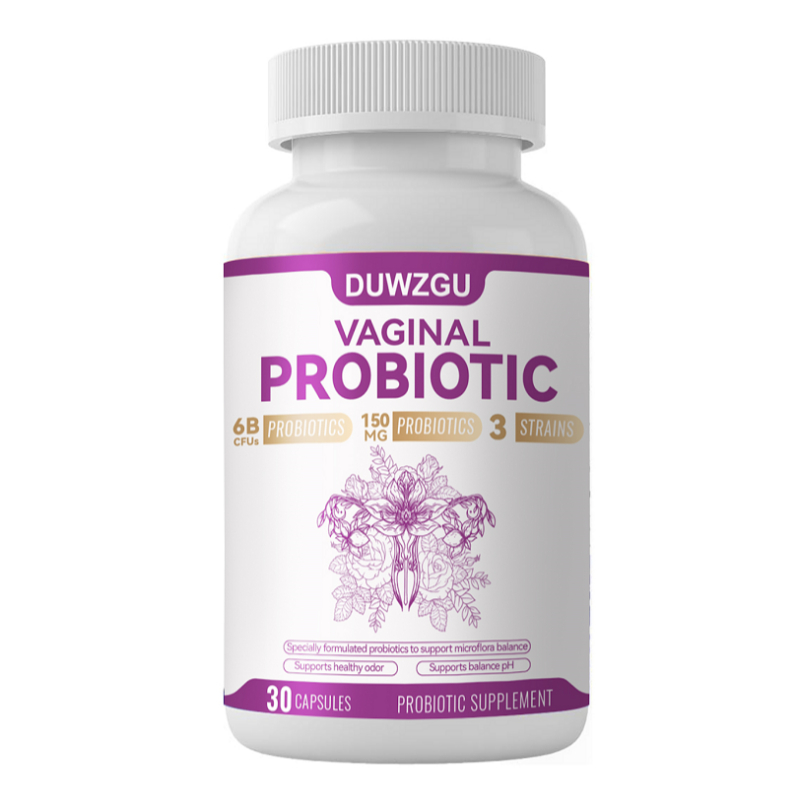 Women's Probiotics 30ct Prebiotics Cranberry PH & Odor Support$9.99View on Mallflare
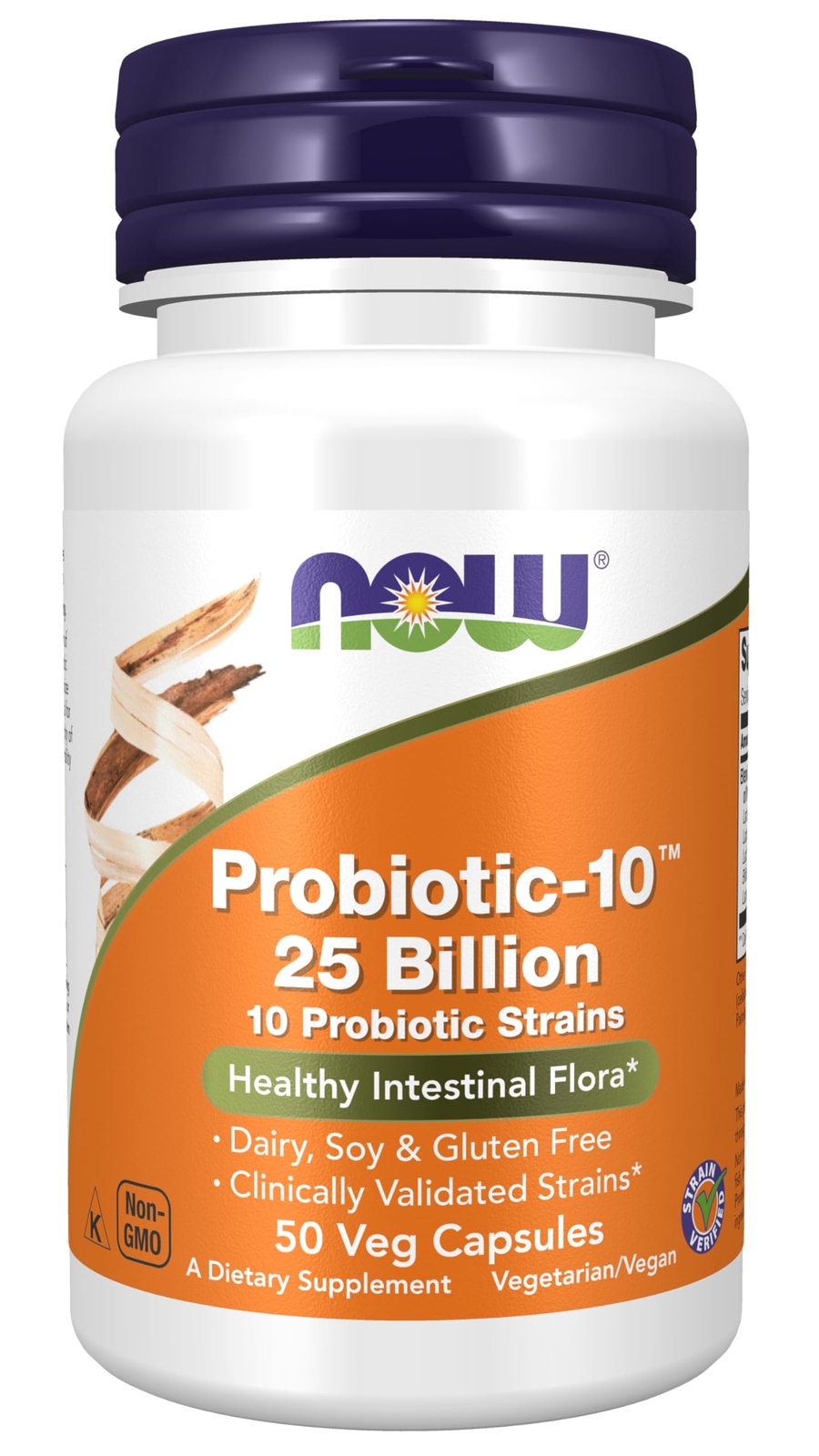 Probiotic 10 Nutritional Supplement 50 Capsules 10 Strains Healthy Digestive ...$19.79Last checked Nov 26, 2026View on eBay
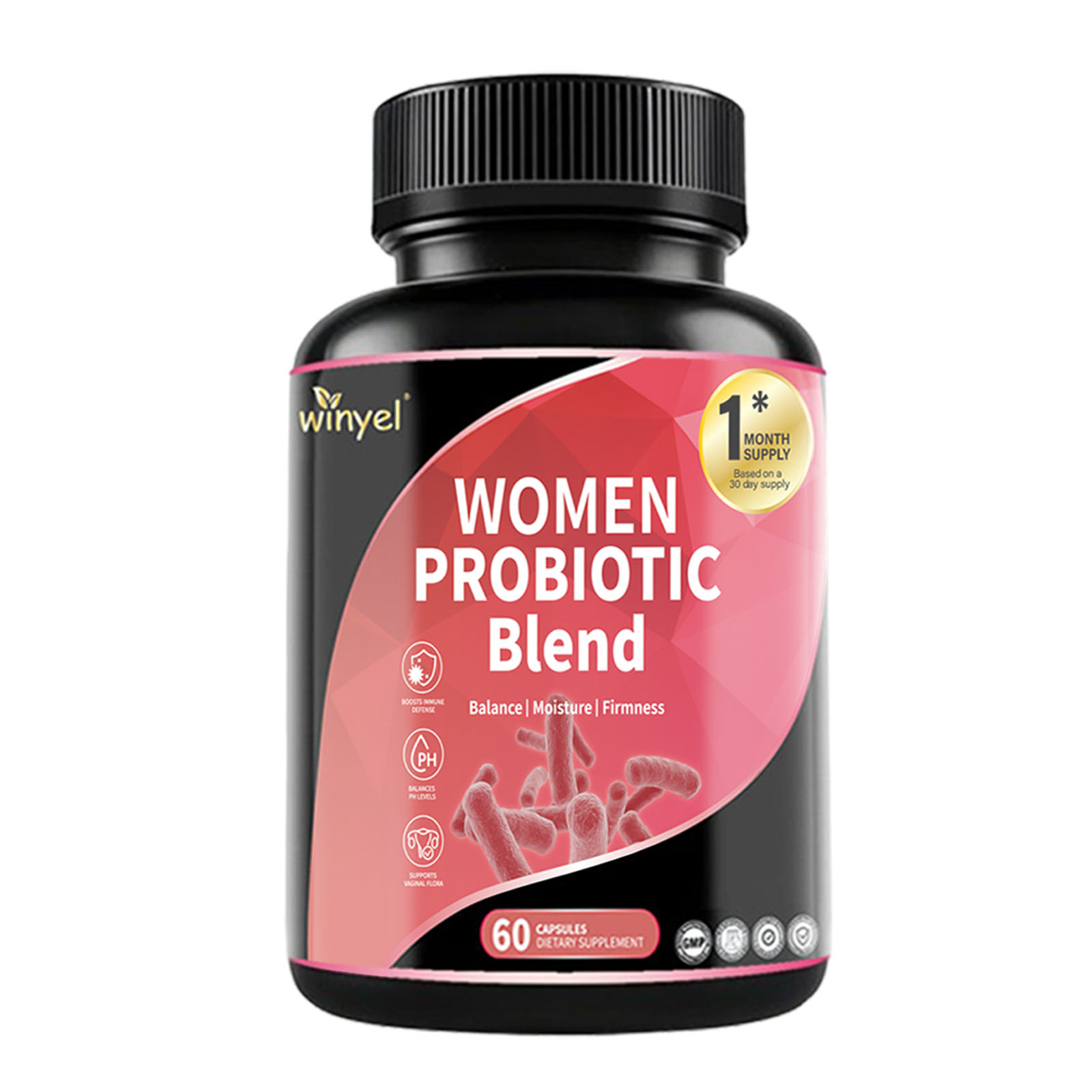 Women's Probiotics For Women PH Balance With Prebiotics, Lactobacillus Probiotic Blend And Herb - Health Supplement, 60 Count$19.99View on Mallflare
 Probiotic 20 Billion CFU for Digestive Health$19.95Last checked Nov 19, 2026View on eBay
 Women Probiotic Gummies With Slippery Elm Bark, Prebiotics XOS & Pineapple Extract For Intimate Moisture, Odor Control, Vaginal Flora & Gut Health, Flavor, 60$26.99View on Mallflare
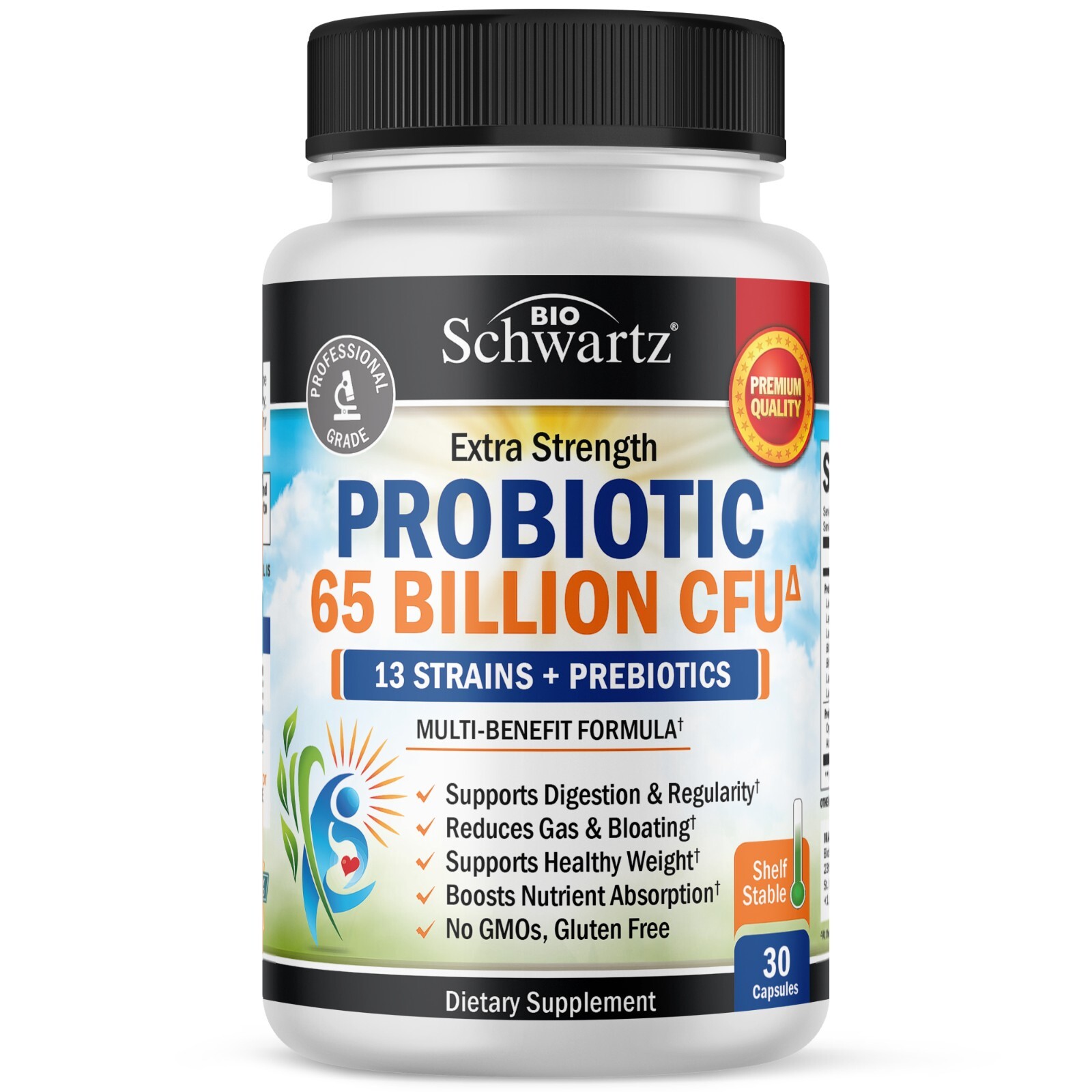 BioSchwartz Probiotic 65 Billion CFU Reduce Bloating & Support Digestion, 30 ct$19.97Last checked Nov 21, 2026View on eBay
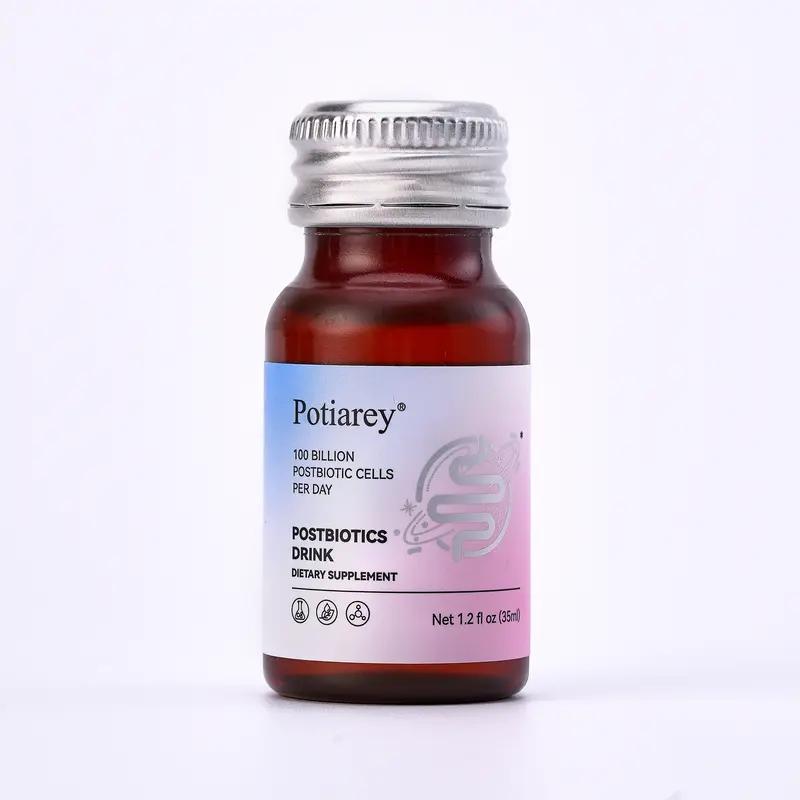 4th-Generation Luminous Gut Probiotics 10 Billion CFU Effectively Improves Gastrointestinal Function$26.99View on Mallflare
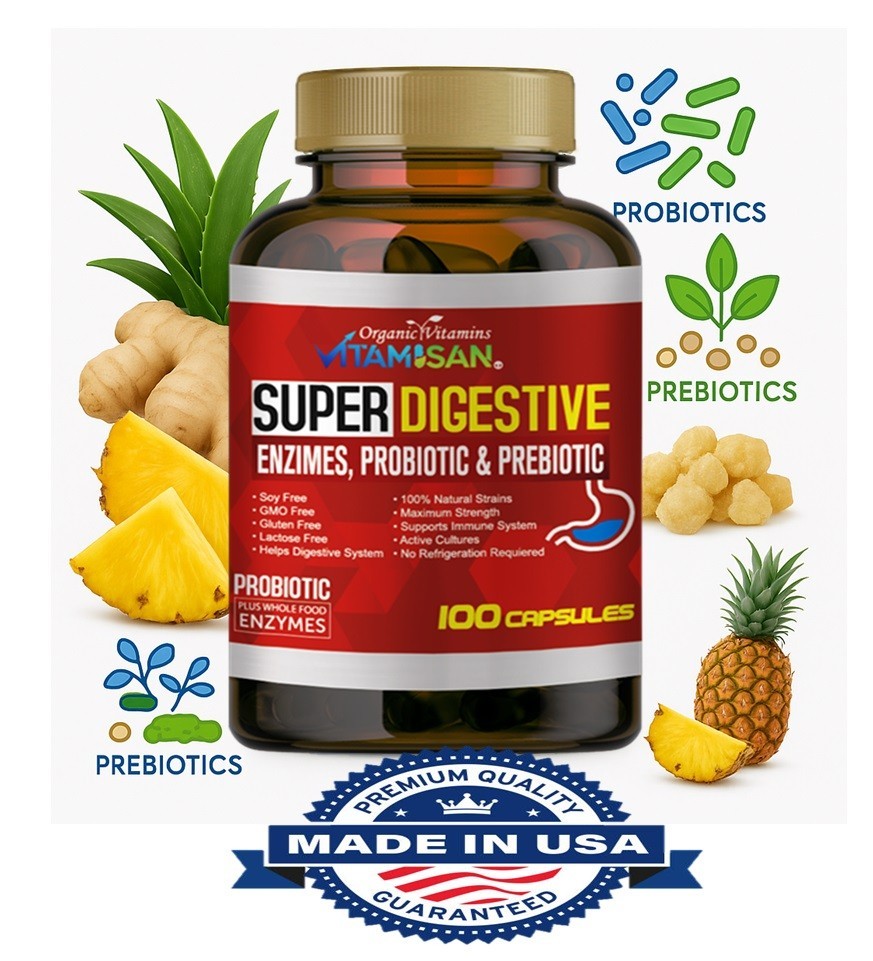 Probiotics 100 Billion CFU Potency Digestive Immune Health 100 Capsules lactobac$20.12Last checked Nov 27, 2026View on eBay
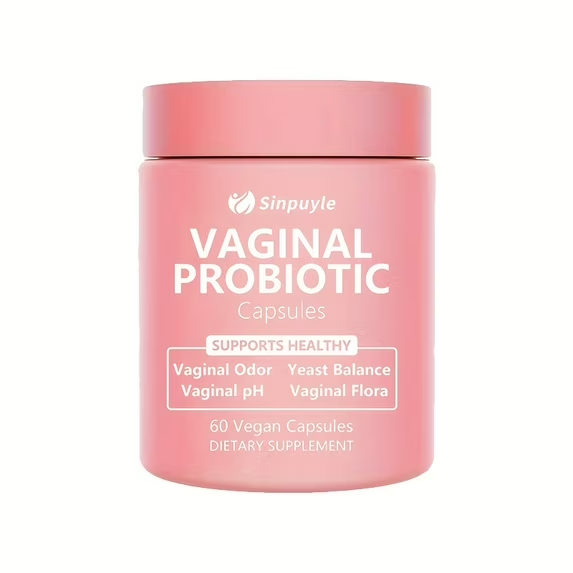 Feminine Vaginal Probiotic Supports PH Balance, Odor Control And Yeast 60 Vegan Capsules$28.99View on Mallflare
 Formulated Probiotics for Women with Prebiotics - Womens Probiotic for Support$20.12Last checked Nov 24, 2026View on eBay
 Cranberry Probiotic Gummies Targets Body Odor, Women's Health, And PH Balance Vegan 60 Per Pack$28.99View on Mallflare
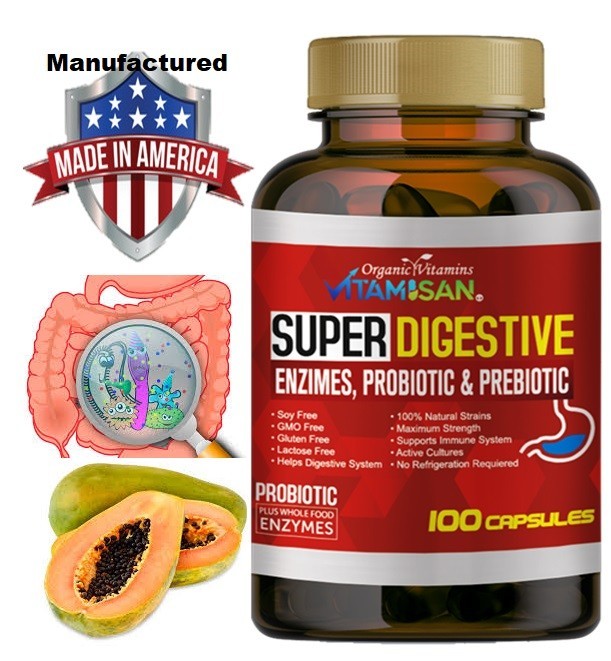 Enhanced Super Digestive Enzymes 100 Cap probiotic prebiotic Digestive Support$20.25View on eBay
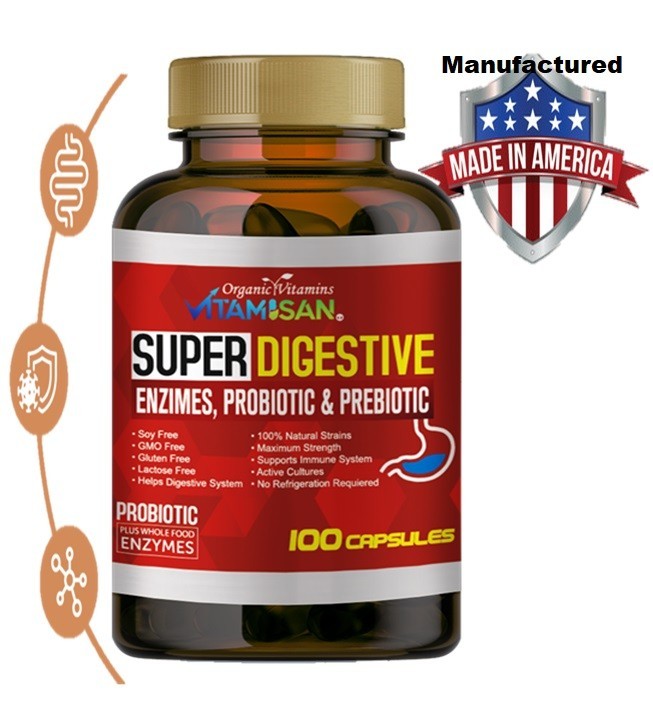 Digestive Enzymes Probiotic Prebiotic 100 wellness formula, daily gut support$20.27View on eBay
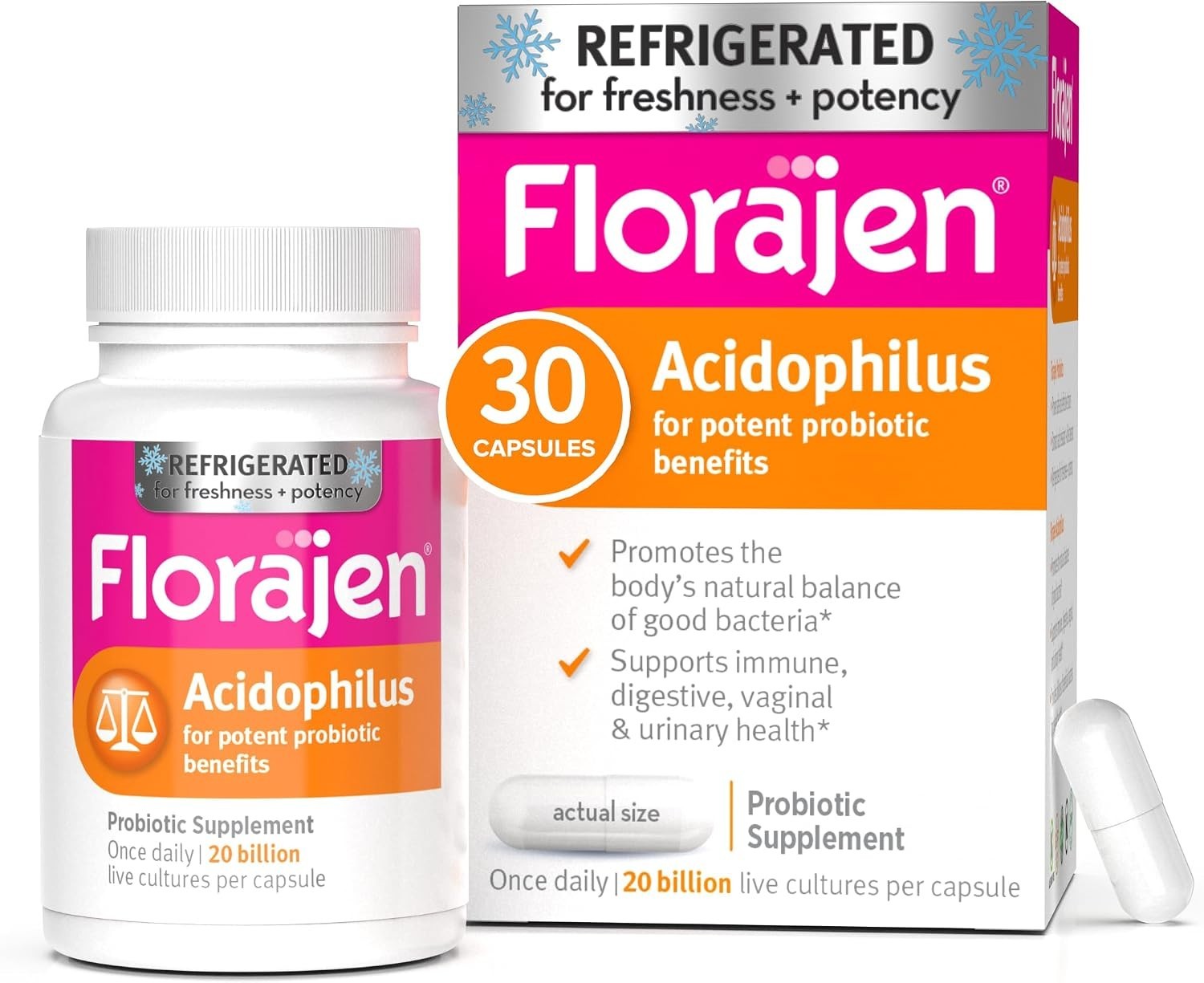 Florajen Probiotics 30 Count High Potency Acidophilus for Digestive Health$20.75Last checked Nov 25, 2026View on eBay
 Probiotics 60 Billion CFU + 10 Strains - Daily Probiotic Lactobacillus Blend Gut$20.82Last checked Nov 19, 2026View on eBay
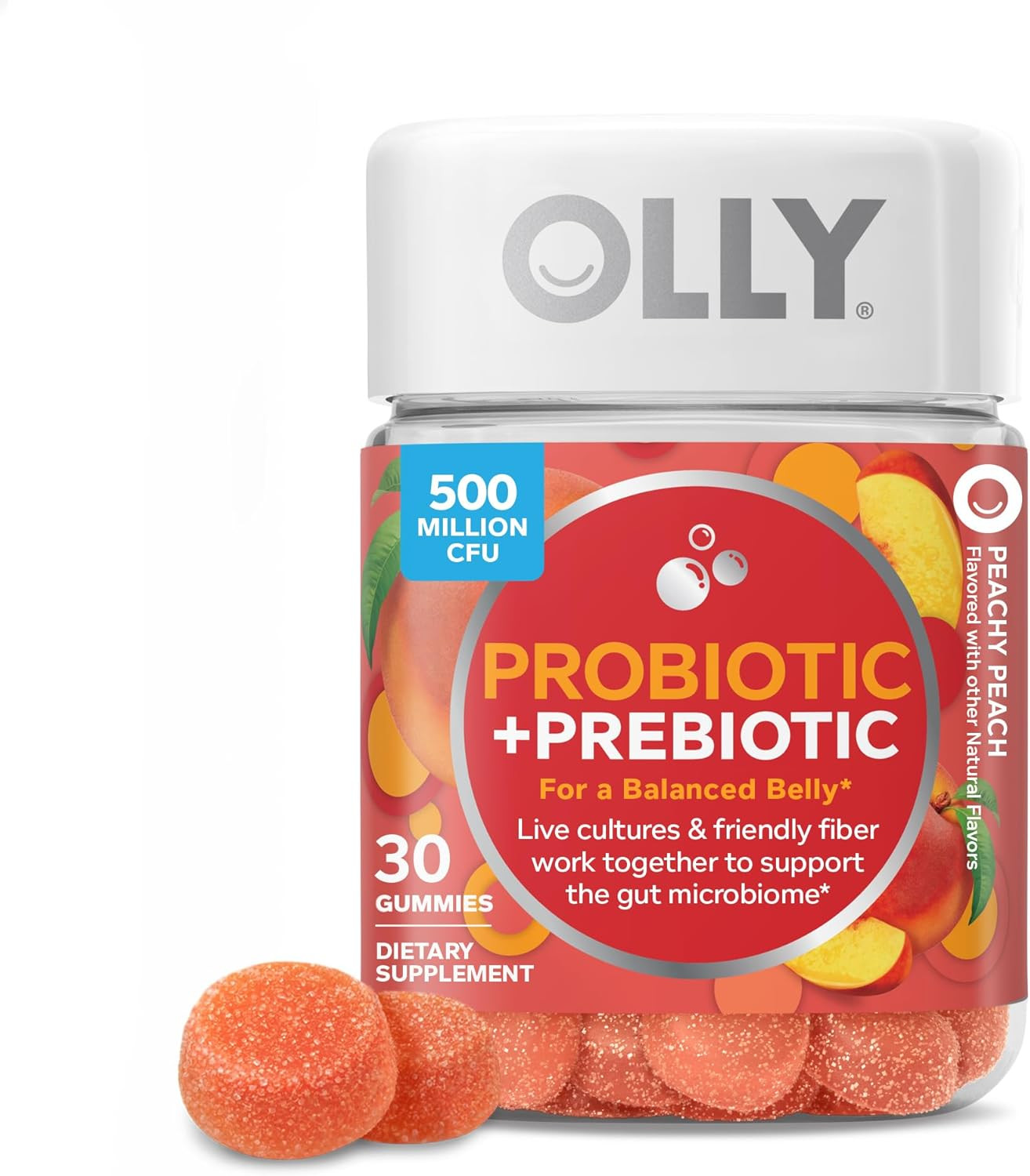 Probiotic + Prebiotic Gummy, 500M CFUs, Peach Flavor, 30 Count$20.91Last checked Nov 21, 2026View on eBay
 Probiotics and Enzymes Blend for better result, Healthy Intestinal Flora.$20.95View on eBay
Highlights
- Clinical efficacy is strain-specific: Lactobacillus rhamnosus GG (LGG) and Saccharomyces boulardii have human trial data for diarrhea and IBS, while generic 'probiotic blends' lack condition-specific evidence.
- Vaginal health requires Lactobacillus crispatus, L. jensenii, or L. reuteri strains; standard gut blends with L. acidophilus do not colonize the vaginal tract effectively.
- CFU counts must be guaranteed through expiry, not at time of manufacture; a 50 billion CFU label at production can degrade to under 5 billion by expiry without desiccant or blister packaging.
- Delayed-release or enteric-coated capsules resist stomach acid and reach the intestine intact; standard gelatin capsules release bacteria in gastric acid, reducing live delivery by 90% or more.
Best use cases
- For IBS with diarrhea: choose Saccharomyces boulardii 250-500 mg daily or LGG at 10-20 billion CFU; skip multi-strain blends without clinical IBS data.
- For vaginal pH balance and yeast infection support: select L. crispatus or L. jensenii strains at 1-10 billion CFU in vaginal-targeted products; skip general gut probiotics with only L. acidophilus.
- For constipation and bloating: pick Bifidobacterium lactis or L. plantarum strains at 10-50 billion CFU with prebiotic fiber; skip high-CFU products lacking Bifidobacterium species.
- For general gut health maintenance: choose a multi-strain product with 5-30 billion CFU and at least 5 documented strains; skip single-strain products marketed only on CFU count.
Buying tips
- Match CFU to condition: 1-10 billion for vaginal support, 10-50 billion for IBS or antibiotic-associated diarrhea, and 50-100 billion only for short-term therapeutic use under guidance.
- Select products listing full genus, species, and strain designation (e.g., Lactobacillus rhamnosus GG) on the label; generic 'probiotic blend' listings without strain IDs are unverifiable.
- Choose delayed-release or acid-resistant capsules for gut-targeted products; vaginal-targeted probiotics typically use standard capsules but require strains proven to colonize vaginal epithelium.
- Prefer packaging with desiccant or individually sealed blister packs; bulk bottles without moisture control lose CFU potency rapidly after opening, especially in humid climates.
Specs
| CFU Potency | 1-100 billion CFU (expiry-guaranteed) |
|---|---|
| Strain Specificity | Genus + species + strain ID required |
| Capsule Delivery | Delayed-release / enteric vs standard |
| Packaging | Blister or desiccant bottle; refrigerated vs shelf-stable |
Related searches
What to check before buying
- Confirm the product guarantees CFU at expiry, not at manufacture, and that the bottle specifies storage conditions (refrigerated vs shelf-stable).
- Verify strain IDs on the Supplement Facts panel match published clinical strains for your condition, not just genus and species.
- Check capsule type: delayed-release or enteric-coated for gut survival; standard vegan capsule acceptable for vaginal strains with clinical backing.
- Ensure the product is third-party tested for potency and purity (NSF, USP, or ConsumerLab) and lists an expiration date with batch number.
FAQ
Data sources: eBay / Amazon listings and product attribute feeds. Updated Nov 27, 2026.
Some links on this page are affiliate links. If you buy after clicking one, we may earn a commission at no extra cost to you. This does not change which products appear here or their order. Affiliate disclosure.