
Photos from current listings. Actual item, color, and included accessories may vary.
Probiotic Men Buying Guide
Probiotics for men are multi-strain live-microbe supplements formulated to support digestive regularity, immune function, and sometimes prostate or testosterone-adjacent pathways, sold as capsules, spore-based powders, or acidophilus blends. The core trade-off is CFU count and strain specificity versus survivability and packaging: high-CFU blends look impressive on the label but often underdeliver unless the strains are acid-resistant or spore-forming and the bottle is moisture- and light-protected. Buy spore-based or clinically documented multi-strain capsules in blister or desiccant-lined bottles for real gut colonization; treat generic high-count acidophilus capsules in clear or flimsy bottles as a compromise tier.
Median $29.44
Key takeaways
- Spore-forming Bacillus strains (B. coagulans, B. subtilis, B. clausii) survive stomach acid and ambient heat far better than unprotected Lactobacillus/Bifidobacterium, so spore-based men's formulas need far lower CFU counts to be effective.
- CFU counts from 1 to 100 billion are common; efficacy depends on documented strains and delivery, not raw count, and higher CFU does not automatically mean better colonization.
- Capsule shells matter: delayed-release or enteric-coated vegetarian capsules protect acid-sensitive strains through gastric pH, while standard gelatin capsules release immediately in the stomach.
At a glance
- Category
- Probiotics & Digestion
- Last updated
- Nov 27, 2026
Current offers
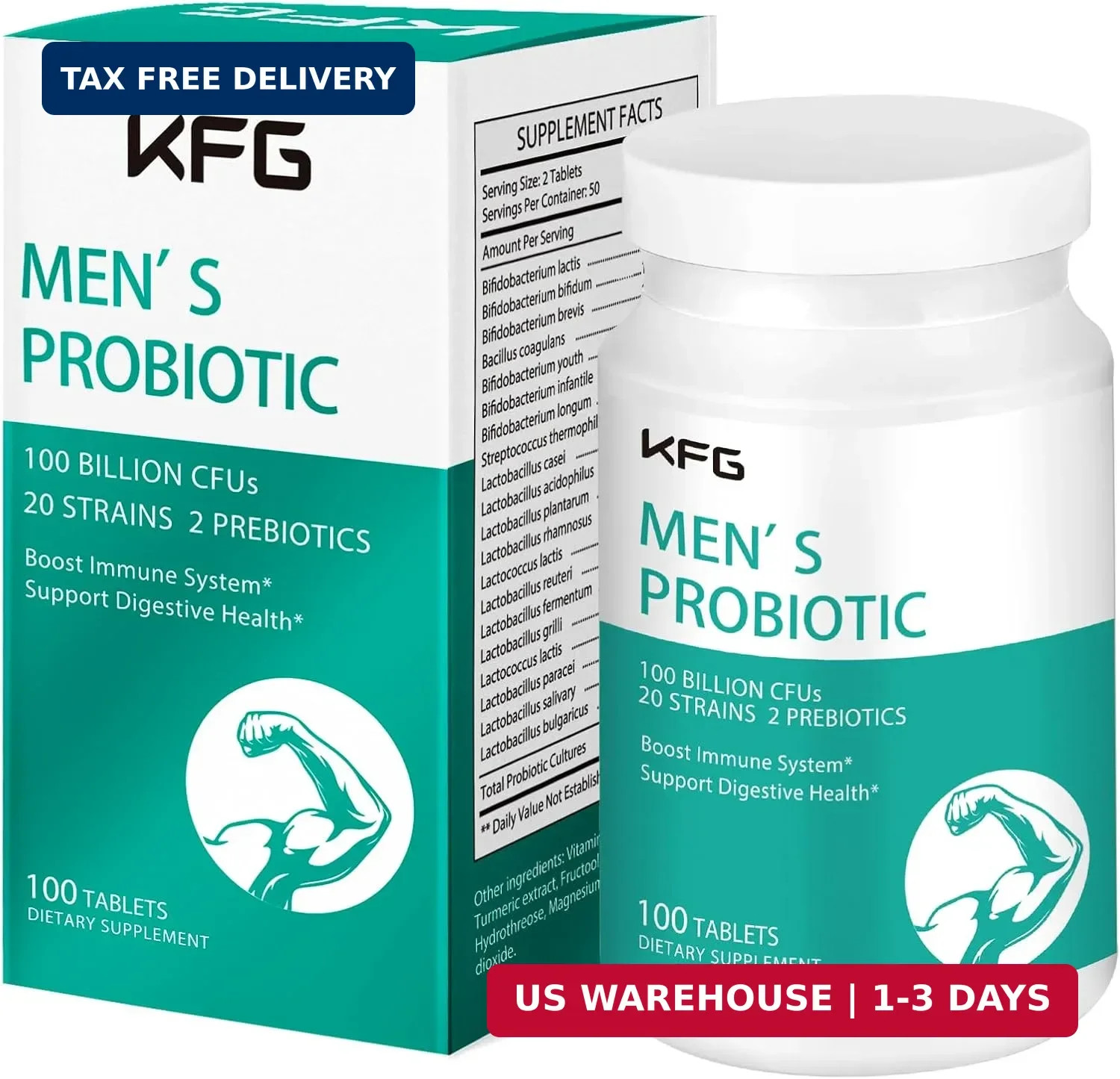 Probiotic Supplement 100 Billion CFU, 20 Strains, 2 Prebiotics and Digestive Enz$11.90View on eBay
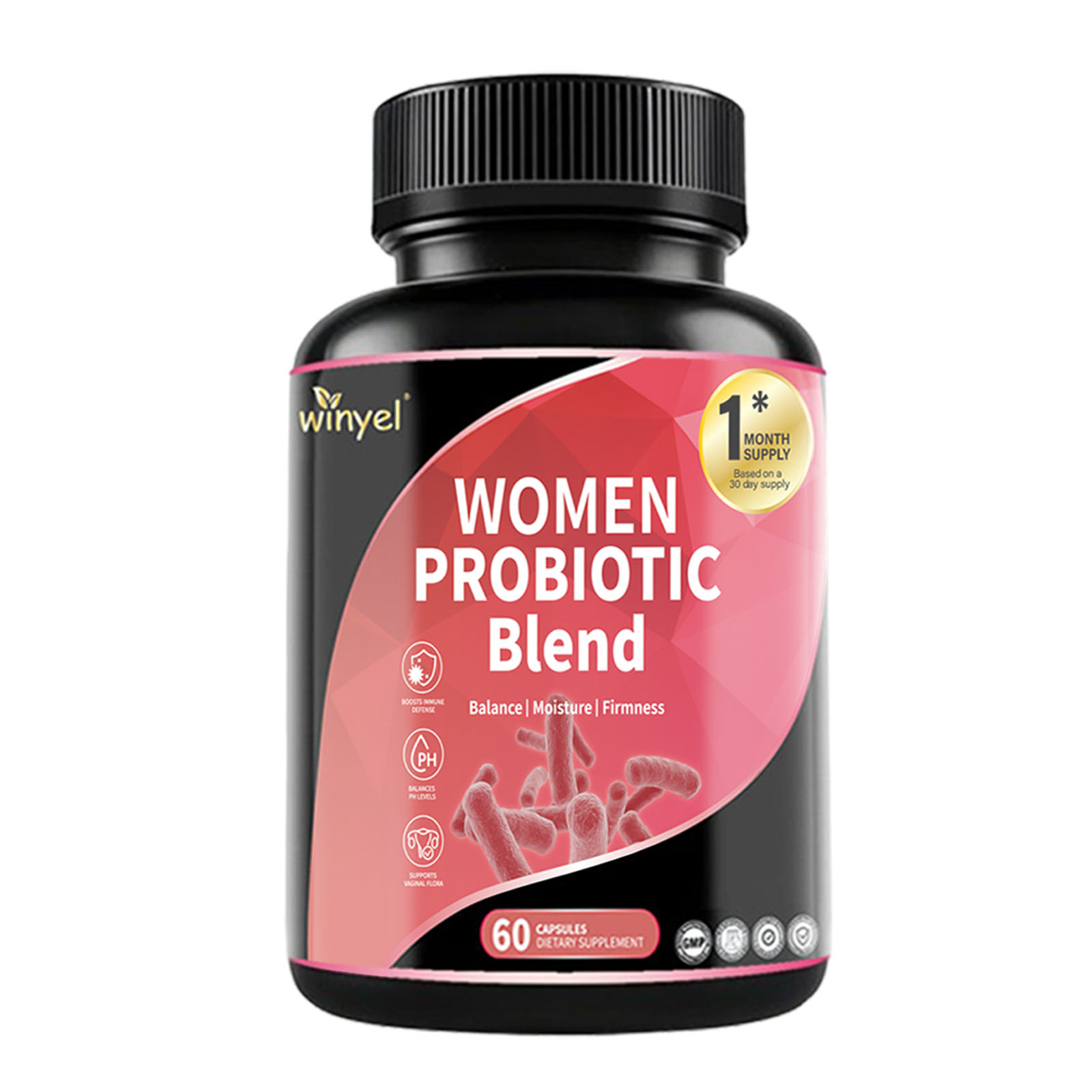 Women's Probiotics For Women PH Balance With Prebiotics, Lactobacillus Probiotic Blend And Herb - Health Supplement, 60 Count$19.99View on Mallflare
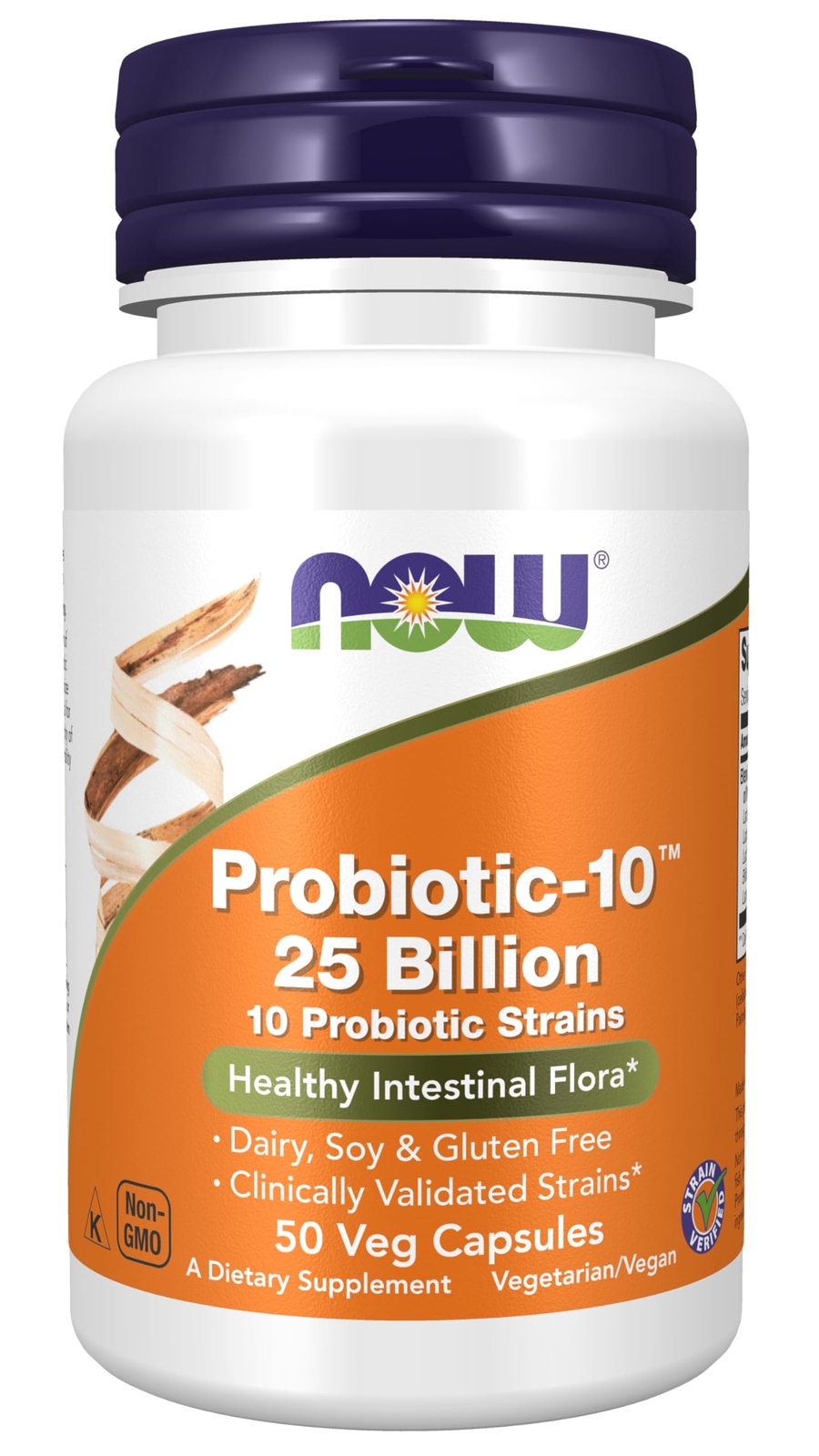 Probiotic 10 Nutritional Supplement 50 Capsules 10 Strains Healthy Digestive ...$19.79Last checked Nov 26, 2026View on eBay
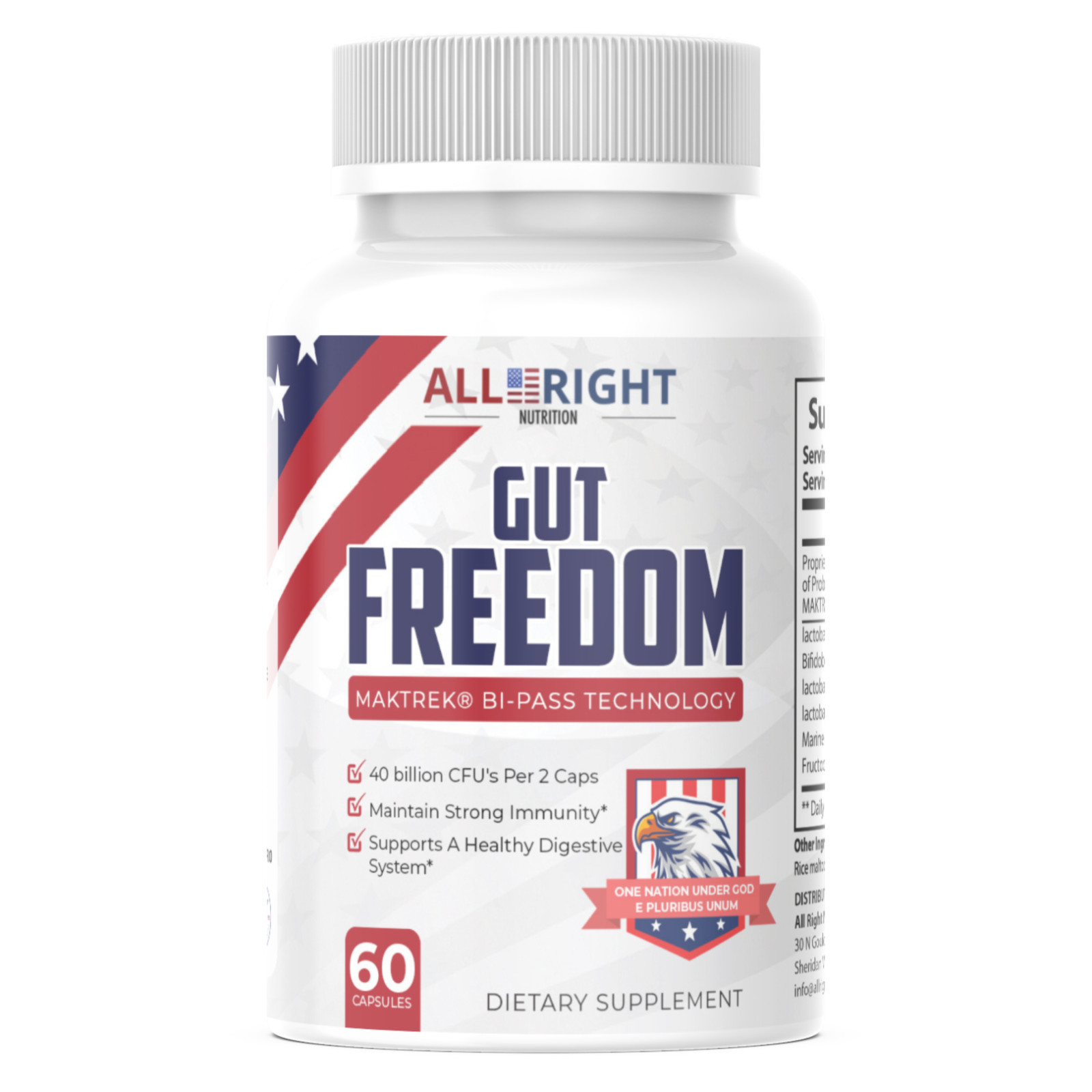 All Right Nutrition GUT FREEDOM Probiotic For Gut Health Dietary Supplement 60$21.95Last checked Nov 24, 2026View on eBay
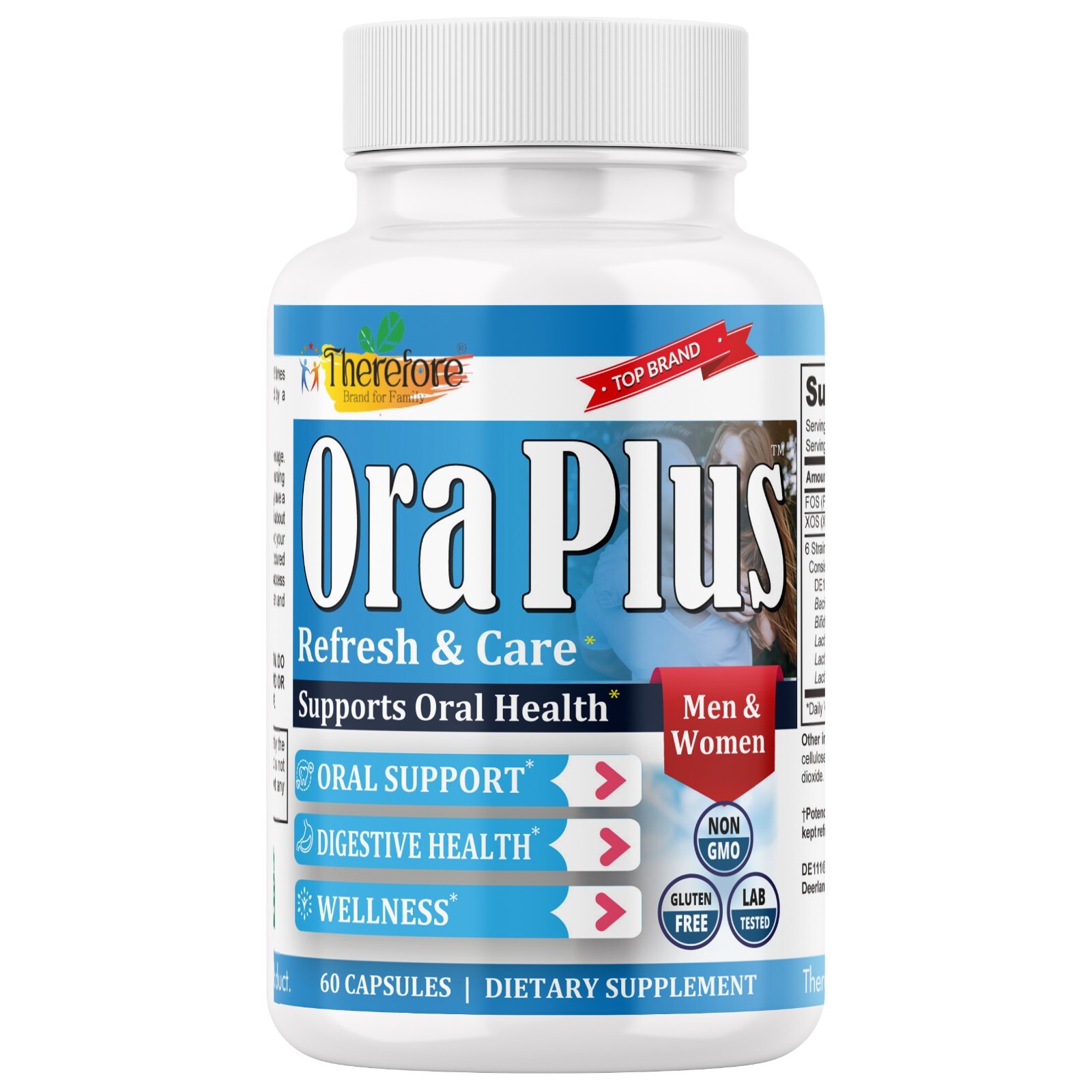 Probiotics for Bad Breath- Gut & Digestive Health Oral Support Men Women 60 Caps$22.49Last checked Nov 24, 2026View on eBay
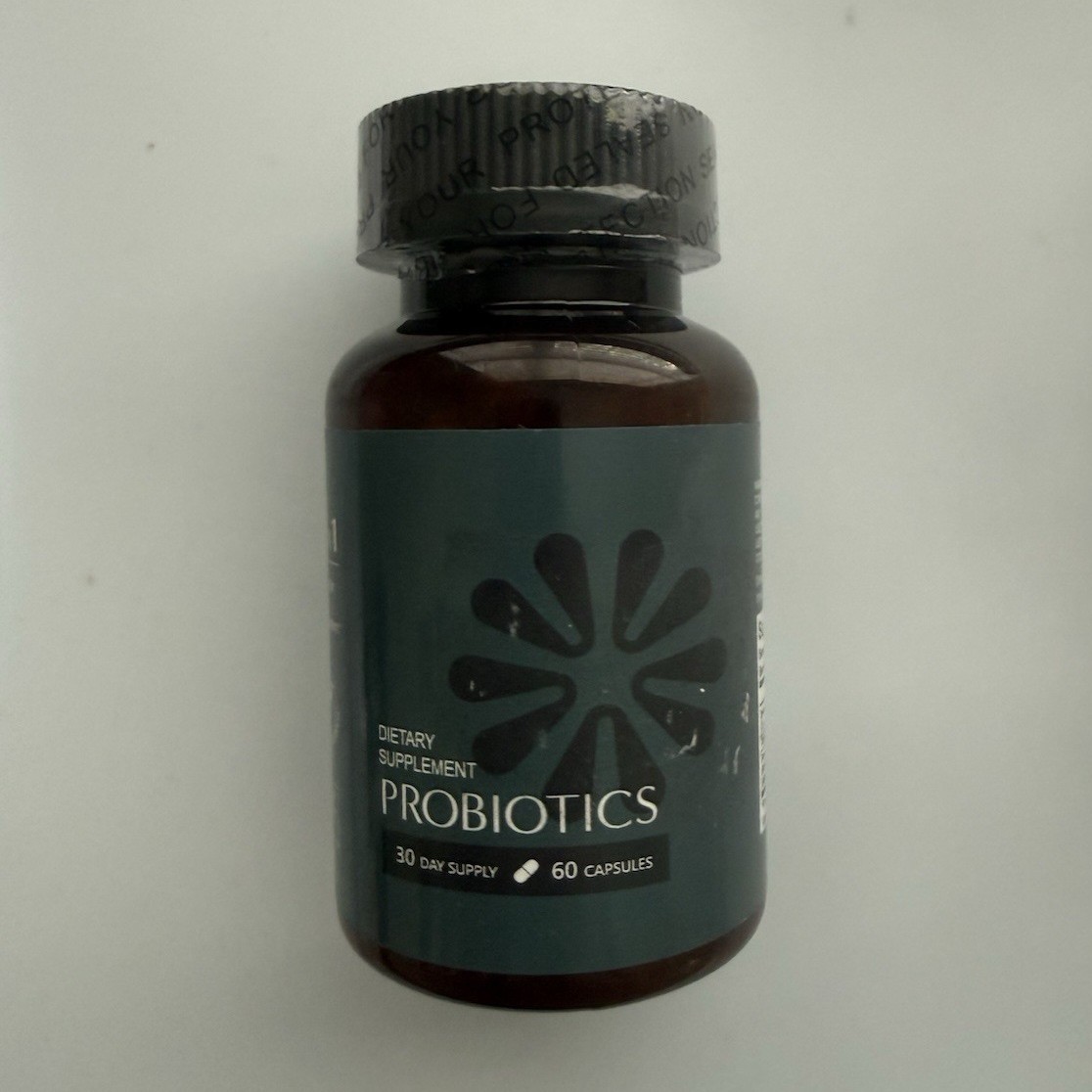 Probiotic Digestive Support Supplement 60 Capsules Vegetarian 30 Day Supply$22.95Last checked Nov 21, 2026View on eBay
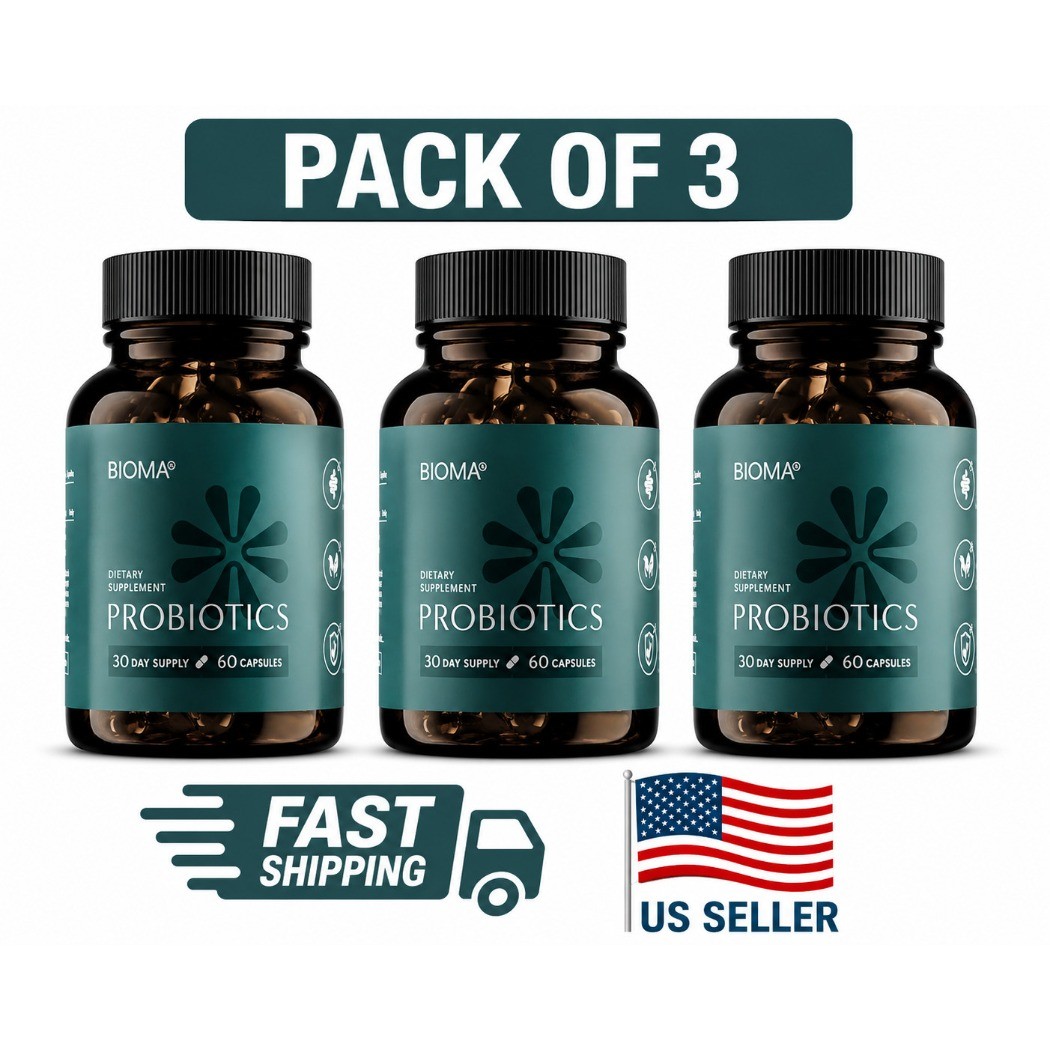 3Pack New Probiotics Dietary Supplement BIOMA Formula for Men and Women$23.66View on eBay
 Probiotic Gummies for Women & Men's Digestive Health, 5 Billion CFU, Best Daily$24.12Last checked Nov 24, 2026View on eBay
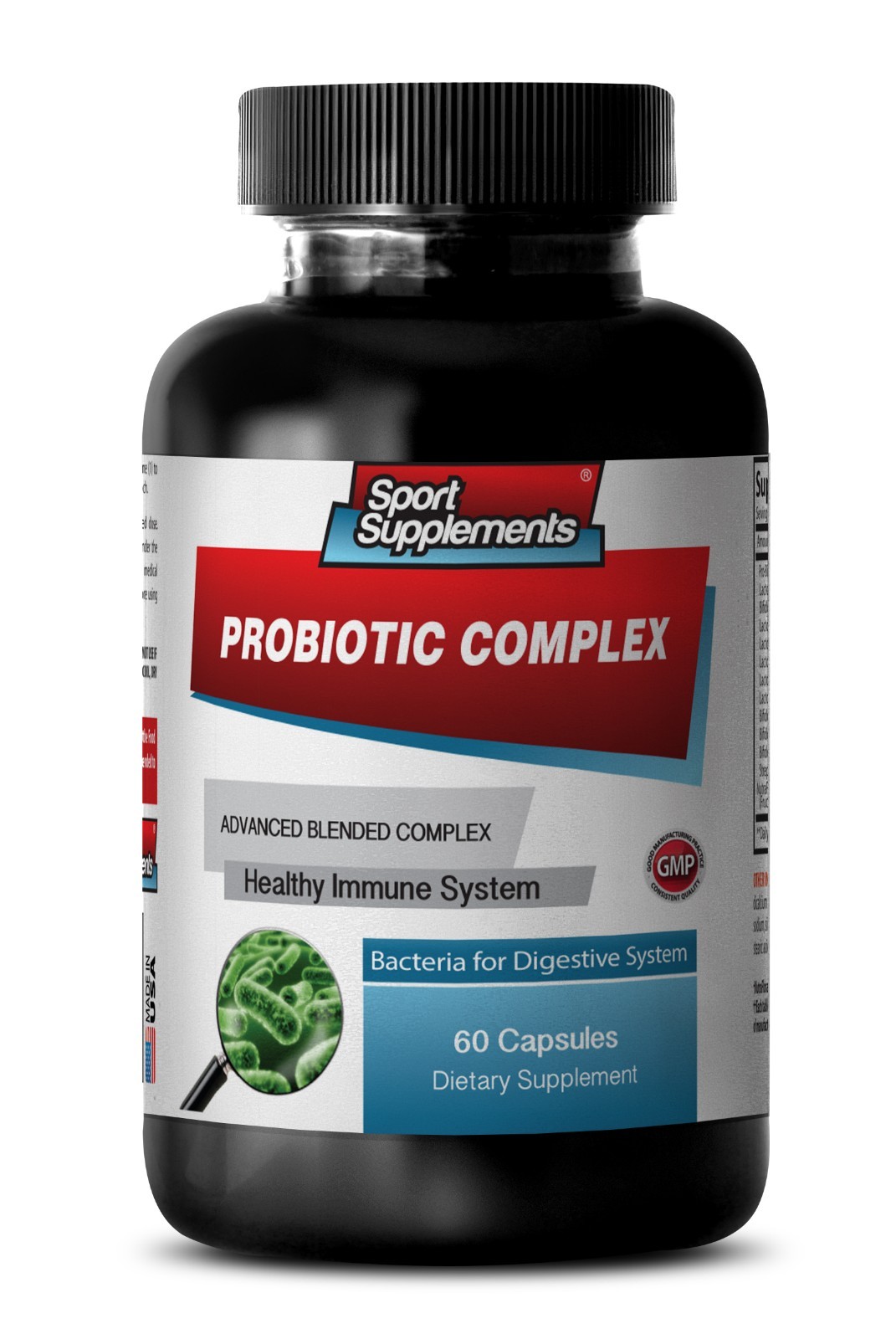 digestive aid supplement - PROBIOTIC COMPLEX - probiotic capsules 1 Bottle$24.54Last checked Nov 20, 2026View on eBay
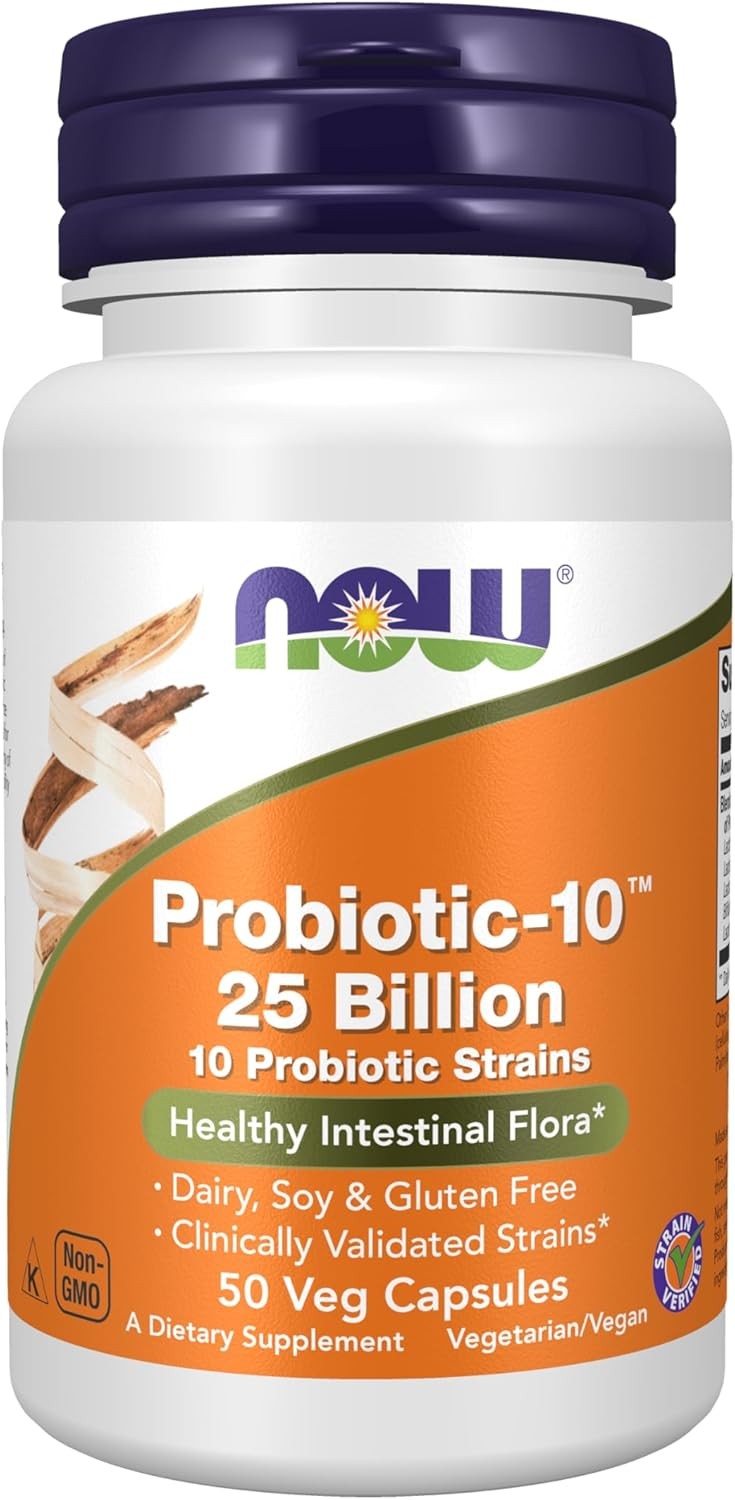 NOW Foods Supplements, Probiotic-10™, 25 Billion, with 10 Probiotic Strains$24.86Last checked Nov 20, 2026View on eBay
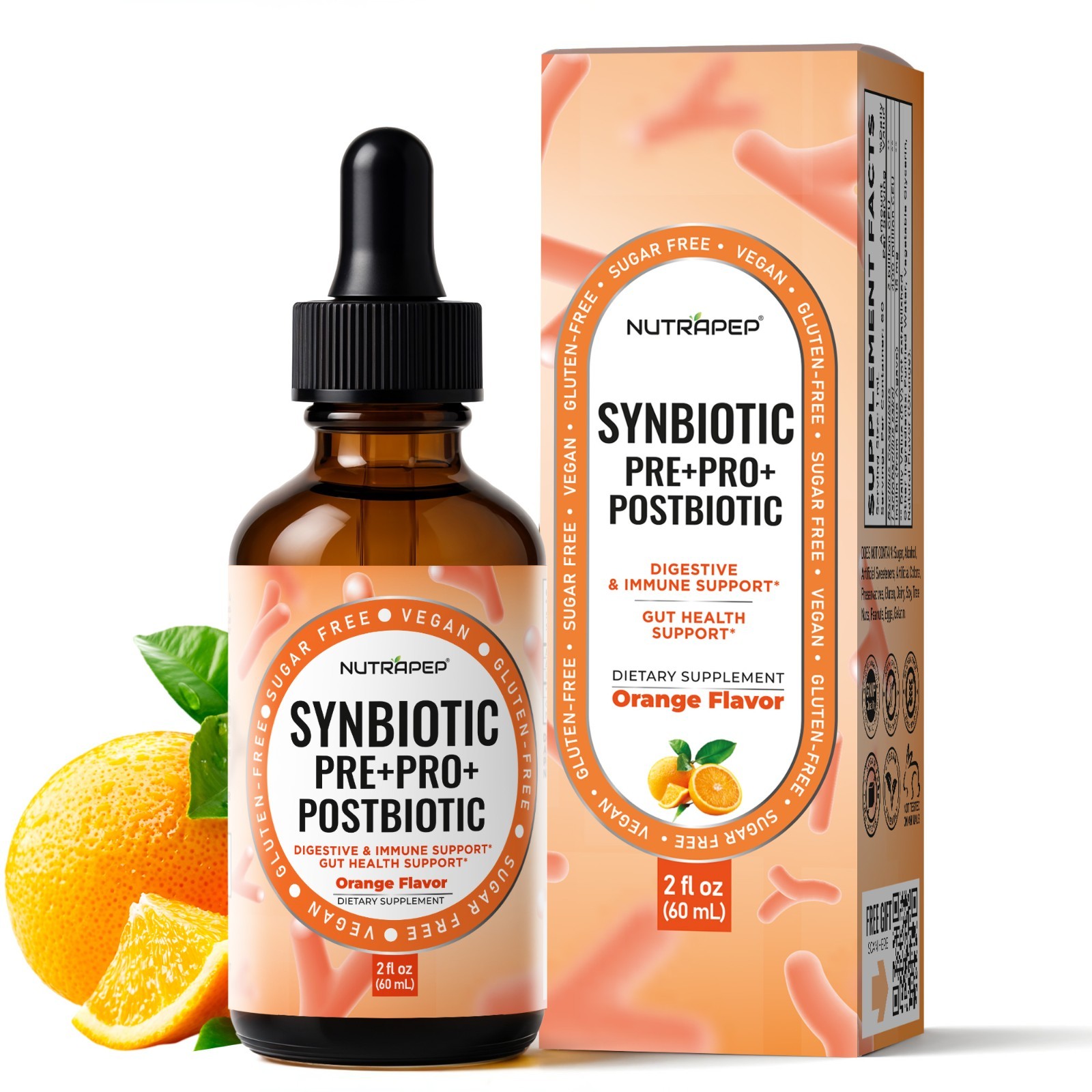 NutraPep Synbiotic Liquid Drops - Probiotic Prebiotic & Postbiotic Supplement$24.99Last checked Nov 24, 2026View on eBay
 NOW Foods Supplements, Clinical GI Probiotic™, 50+ Formula, Strain Verified, 60$25.22Last checked Nov 26, 2026View on eBay
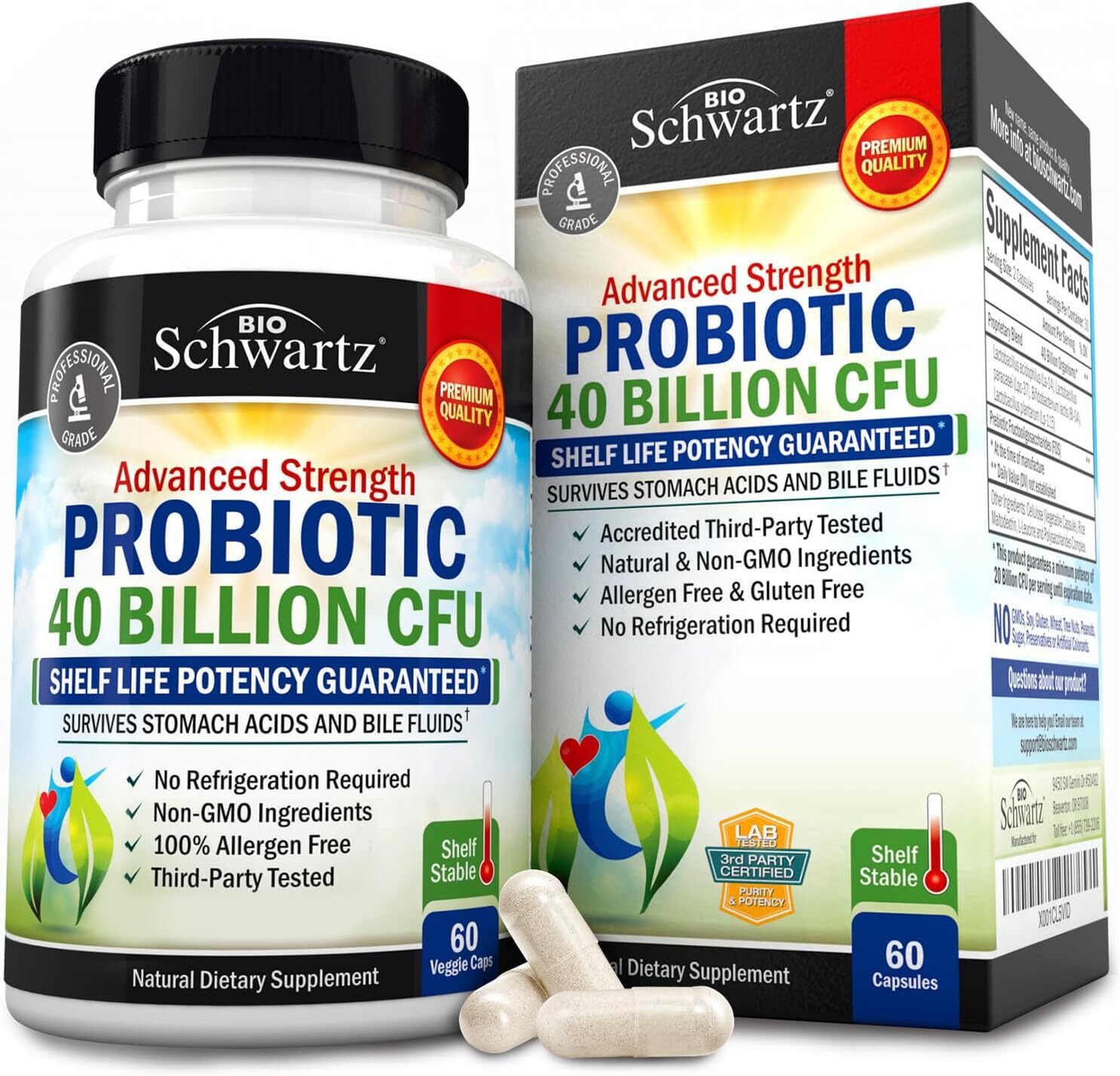 Complete Digestive Support Probiotics and Prebiotics for Men and Women 60 Count$25.29Last checked Nov 20, 2026View on eBay
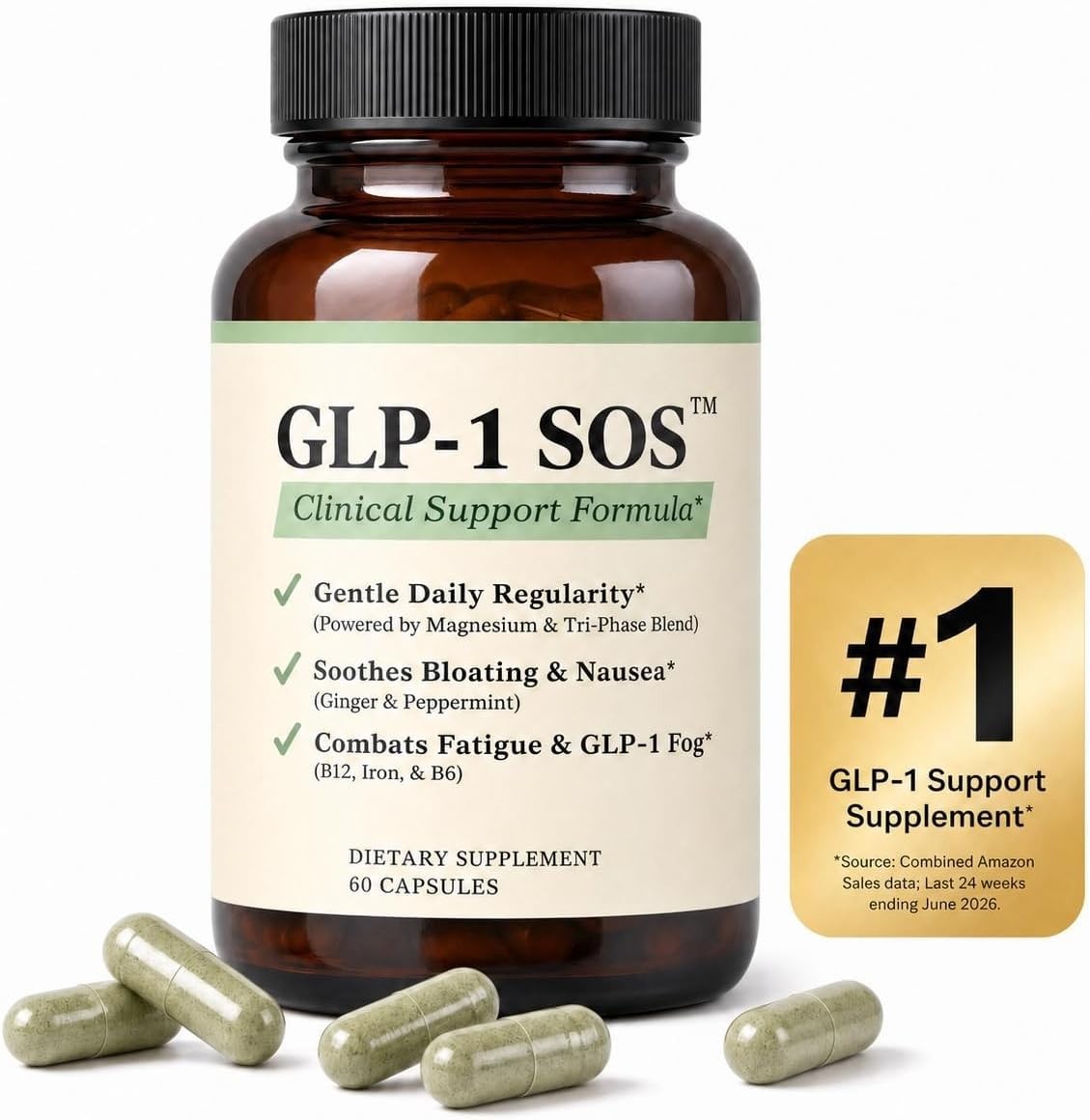 Digestive Support 60 Caps Probiotic Magnesium Ginger B12 Supplement | Free Ship$25.49View on eBay
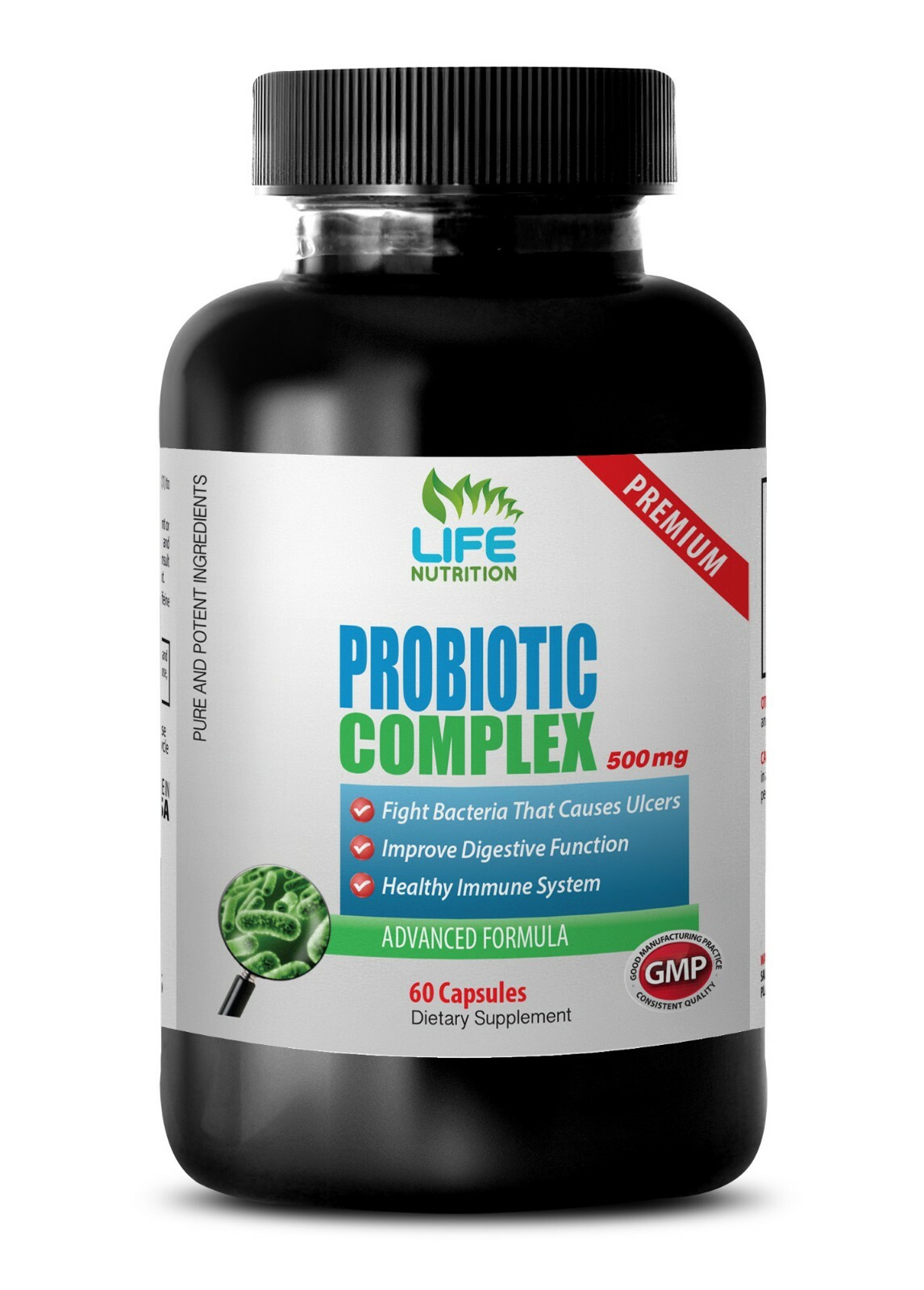 probiotic capsules - PROBIOTIC COMPLEX 500mg - digestive health supplement 1B$25.91Last checked Nov 20, 2026View on eBay
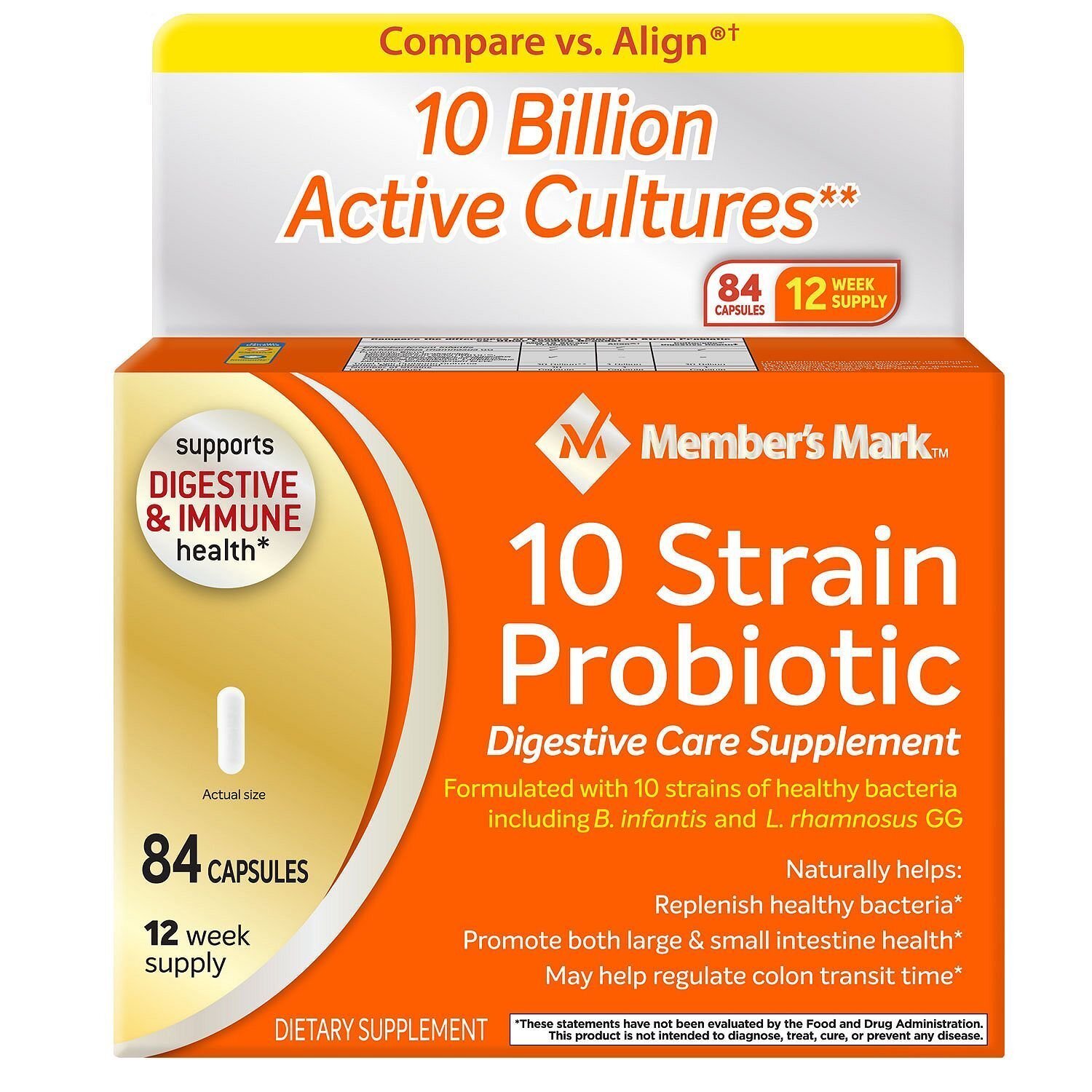 Member's Mark 5x Probiotic Digestive Care Supplement - 2/42ct. Bottles$26.80Last checked Nov 19, 2026View on eBay
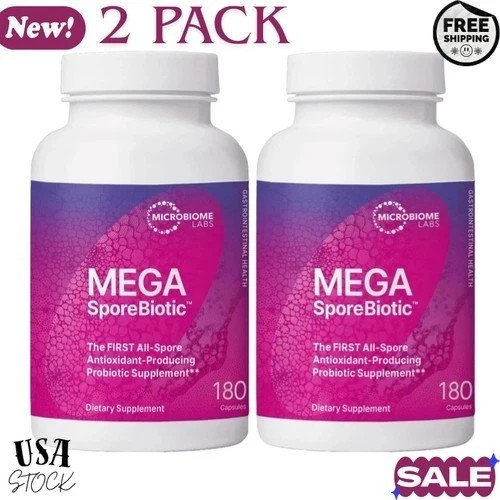 Sporebiotic Mega 180 Capsules Microbiome , Gut Health Probiotic Men And Women .$26.90View on eBay
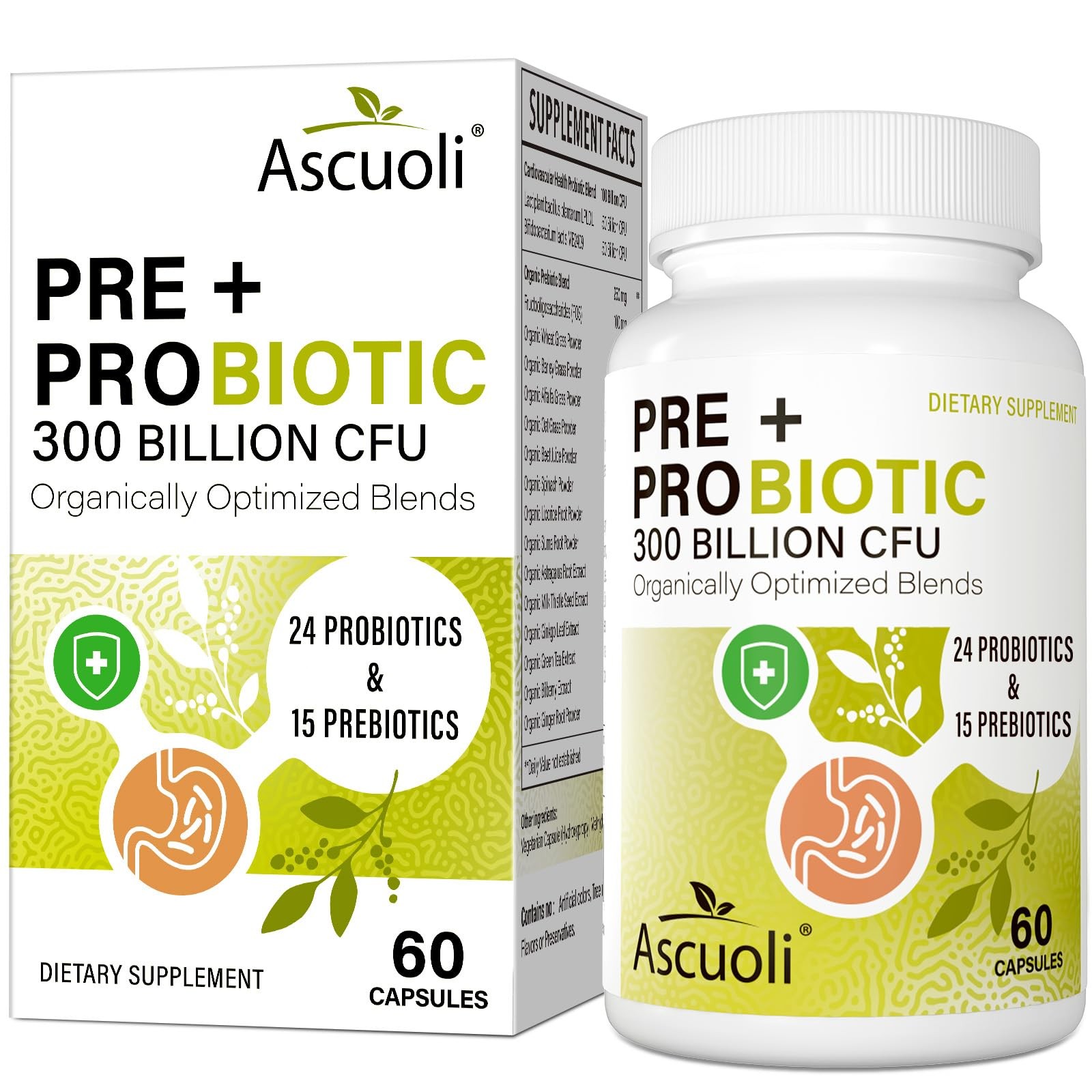 Probiotics for Women & Men 300 Billion CFU, 24 Strains Probiotics + 15 Organ...$26.91View on eBay
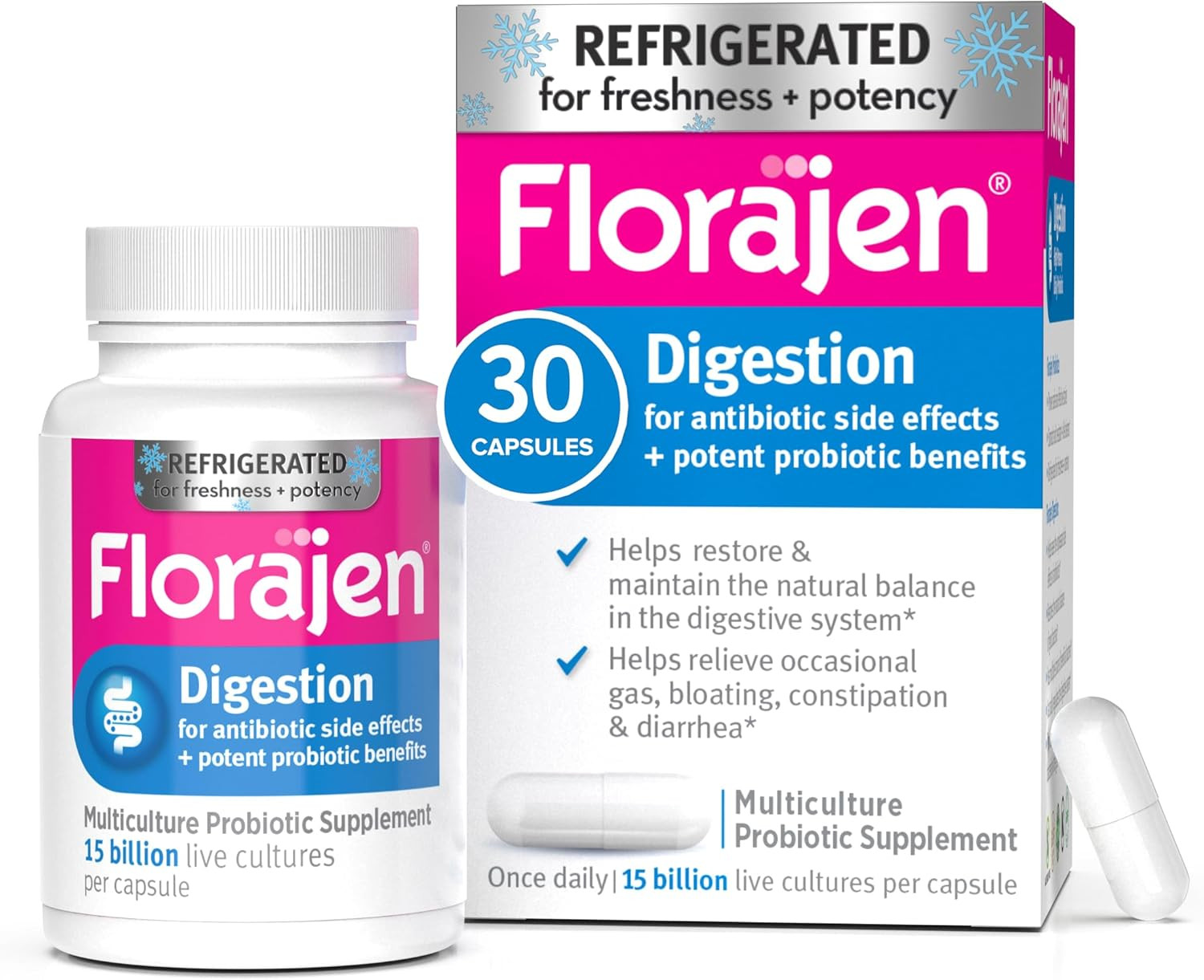 Digestion Probiotics, Gut Health Supplement with Constipation and Bloating Re...$26.95View on eBay
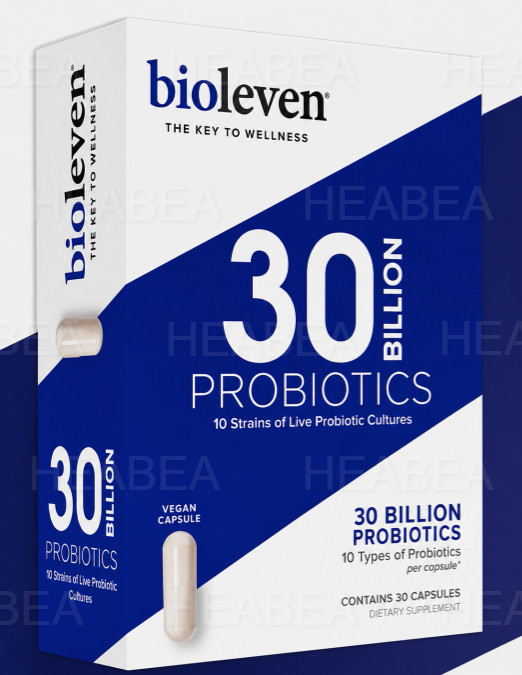 NUTRITIONAL SUPPLEMENT: Bioleven Probiotics 30 Billion Probiotics Per Capsule$28.95Last checked Nov 21, 2026View on eBay
Highlights
- Spore-forming Bacillus strains (B. coagulans, B. subtilis, B. clausii) survive stomach acid and ambient heat far better than unprotected Lactobacillus/Bifidobacterium, so spore-based men's formulas need far lower CFU counts to be effective.
- CFU counts from 1 to 100 billion are common; efficacy depends on documented strains and delivery, not raw count, and higher CFU does not automatically mean better colonization.
- Capsule shells matter: delayed-release or enteric-coated vegetarian capsules protect acid-sensitive strains through gastric pH, while standard gelatin capsules release immediately in the stomach.
- Packaging integrity decides shelf life: desiccant-lined HDPE bottles, blister packs, or nitrogen-flushed foil keep moisture out, while clear or thin bottles degrade live cultures faster in warm, humid rooms.
Best use cases
- Pick a spore-based or enteric-coated multi-strain capsule if you want daily digestive regularity and immune support and live in a warm or humid climate or travel often; skip standard uncoated acidophilus capsules that require constant refrigeration.
- Choose a men's formula that explicitly lists prostate- or testosterone-supportive strains and is free of proprietary blend opacity if your goal is male-specific health; skip generic women's or unisex probiotics that emphasize vaginal or pH-balance strains irrelevant to you.
- Select a 30- to 60-count bottle for a first trial to assess tolerance and bowel response over 2 to 4 weeks; skip 180- or 300-count bulk bottles until you know the strain profile works for you.
- Use a single-strain or low-strain (2–5) formula if you have a sensitive gut or known histamine issues; skip 10+ strain kitchen-sink blends that make it impossible to isolate a reaction.
Buying tips
- Match CFU to purpose: 1–10 billion CFU for daily maintenance and regularity; 20–50 billion CFU for post-antibiotic recovery or active digestive distress; above 50 billion only with documented strains and verified survivability.
- Prefer Bacillus spore-based formulas if storage or travel is a concern; they remain viable at room temperature and do not require the cold chain that Lactobacillus blends do.
- Look for delayed-release or enteric-coated capsules and desiccant-lined bottles; these two design choices do more for live delivery than doubling the label CFU count.
- Check strain transparency: a label that lists full genus, species, and strain code (e.g., Bacillus coagulans GBI-30) is a reliable quality signal; proprietary blend opacity is a red flag for underdosing.
Specs
| Probiotic Type | Spore-based vs Lactobacillus/Bifido |
|---|---|
| CFU Range | 1–100 billion CFU per capsule |
| Capsule Delivery | Enteric-coated vs standard gelatin |
| Storage Need | Shelf-stable vs refrigerate after opening |
Related searches
What to check before buying
- Confirm storage conditions in your home: spore-based formulas tolerate room temperature, but Lactobacillus/Bifidobacterium blends may need refrigeration after opening—check your fridge space before buying a 180-count bottle.
- Verify the capsule or tablet format suits you: large capsules are hard to swallow for some, and chewable or powder formats may be better if you dislike pills.
- Check for allergens and excipients: many probiotics use dairy-derived cultures or gelatin capsules, which matters if you are vegan or lactose intolerant.
- Confirm the bottle count matches your dosing schedule: a 30-count bottle at one capsule daily lasts one month, so a 300-count bottle is a 10-month supply that will sit open for months—buy smaller if the product needs refrigeration.
FAQ
Data sources: eBay / Amazon listings and product attribute feeds. Updated Nov 27, 2026.
Some links on this page are affiliate links. If you buy after clicking one, we may earn a commission at no extra cost to you. This does not change which products appear here or their order. Affiliate disclosure.