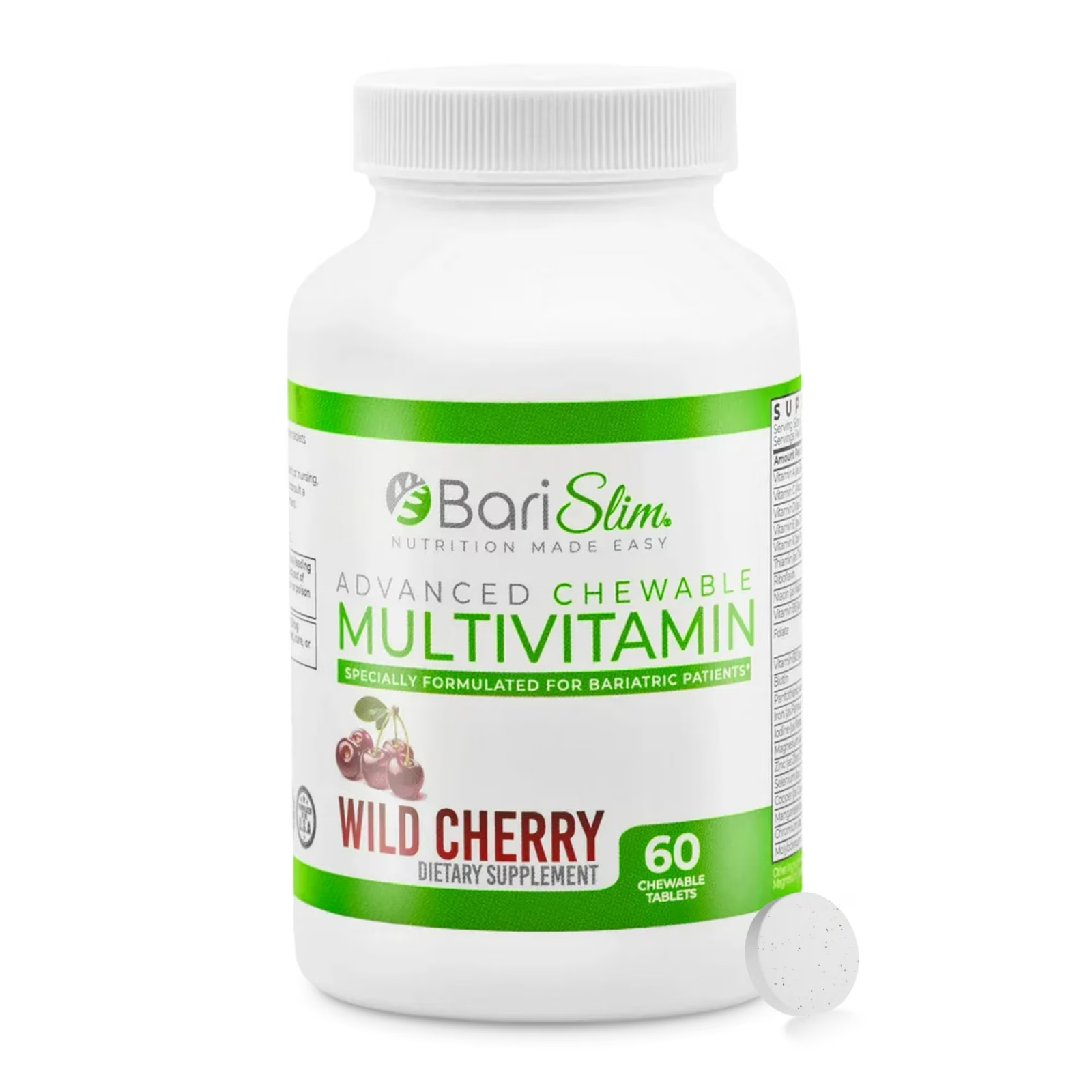

Photos from current listings. Actual item, color, and included accessories may vary.
Bariatric Multivitamin With Iron Buying Guide
Bariatric multivitamin with iron is a high-potency micronutrient supplement formulated for post-bariatric surgery patients who absorb less iron, B12, folate, and fat-soluble vitamins due to altered digestion. The core trade-off is between chewable/capsule formats that tolerate a restricted stomach pouch versus effective iron dose and GI tolerance, with the decisive rule being: choose a product with at least 18 mg elemental iron plus 100% DV of B12 and folate in a form your surgical stage allows, or you will risk deficiency.
Key takeaways
- Post-bariatric iron needs are 45–60 mg elemental iron daily for menstruating patients and 18–27 mg for others, far above standard multivitamin levels of 18 mg.
- Chewable and capsule formats are required for the first 4–8 weeks post-surgery; gastric bypass patients need calcium citrate, not carbonate, due to lack of stomach acid.
- Iron forms differ sharply: ferrous sulfate is cheap but constipating, while ferrous bisglycinate and carbonyl iron deliver similar absorption with far fewer GI side effects.
At a glance
- Category
- Vitamins & Minerals
- Last updated
- Nov 28, 2026
Current offers
Highlights
- Post-bariatric iron needs are 45–60 mg elemental iron daily for menstruating patients and 18–27 mg for others, far above standard multivitamin levels of 18 mg.
- Chewable and capsule formats are required for the first 4–8 weeks post-surgery; gastric bypass patients need calcium citrate, not carbonate, due to lack of stomach acid.
- Iron forms differ sharply: ferrous sulfate is cheap but constipating, while ferrous bisglycinate and carbonyl iron deliver similar absorption with far fewer GI side effects.
- Bariatric-specific products provide 100–200% DV of vitamin B12, 400–800 mcg folate, and 1,500–3,000 IU vitamin D3 to offset malabsorption from Roux-en-Y bypass.
Best use cases
- Best fit: post-op gastric sleeve or bypass patients 8+ weeks out who need a daily chewable or capsule with 45–60 mg iron — pick a bariatric-specific label, not a generic multivitamin.
- Wrong fit: pre-op or non-bariatric shoppers should skip high-iron bariatric formulas and use a standard adult multivitamin; excess iron without malabsorption risks overload.
- Best fit: patients with iron-deficiency anemia history after surgery should choose ferrous bisglycinate or carbonyl iron capsules with vitamin C for absorption and lower constipation risk.
- Wrong fit: anyone who cannot swallow large tablets or has active GI bleeding should avoid ferrous sulfate tablets and opt for chewable bariatric formulas under GI supervision.
Buying tips
- Match elemental iron, not compound weight: ferrous sulfate 325 mg provides only 65 mg elemental iron, so read the 'elemental iron' line to hit 45–60 mg post-op targets.
- For gastric bypass, choose calcium citrate 1,200–1,500 mg daily split into 2–3 doses, and keep iron and calcium at least 2 hours apart to avoid absorption competition.
- Chewable bariatric formulas often contain sugar alcohols (sorbitol, maltitol) that cause gas and diarrhea; pick one with <2 g sugar alcohol per serving if GI tolerance is a concern.
- Confirm B12 form: cyanocobalamin is stable and effective, but methylcobalamin suits patients with MTHFR variants; either must reach 350–500 mcg daily for bypass patients.
Specs
| Iron Form | Ferrous bisglycinate / carbonyl / sulfate |
|---|---|
| Elemental Iron | 18–60 mg per daily serving |
| Format | Chewable / capsule / tablet |
| Surgery Stage | Post-op 0–8 wk: chewable / 8+ wk: capsule |
Related searches
What to check before buying
- Measure your pouch capacity: chewable or small capsule formats fit within 4–8 oz meal limits; large tablets may not pass through a narrowed stoma.
- Check your surgery type: Roux-en-Y bypass requires calcium citrate and higher B12/D; sleeve patients absorb better but still need 18–27 mg iron daily.
- Review current labs for ferritin and hemoglobin before picking an iron dose; ferritin under 30 ng/mL signals need for the higher 45–60 mg tier.
- Confirm label certification (USP, NSF, or GMP) and that the product is third-party tested for heavy metals, since bariatric patients take these daily long-term.
FAQ
Data sources: eBay / Amazon listings and product attribute feeds. Updated Nov 28, 2026.
Some links on this page are affiliate links. If you buy after clicking one, we may earn a commission at no extra cost to you. This does not change which products appear here or their order. Affiliate disclosure.