
Photos from current listings. Actual item, color, and included accessories may vary.
Berberine Buying Guide
Berberine is an alkaloid supplement sold as a metabolic-support aid, primarily for blood-sugar and lipid management, with weight-loss marketing layered on top. The core trade-off is between standalone high-purity berberine (typically berberine HCl) and multi-ingredient blends that dilute per-serving berberine dose with cinnamon, chromium, or bitter melon. Choose a product that states berberine extract standardization and per-capsule dose; skip blends that hide berberine behind a long 'proprietary' list.
Median $24.99
Key takeaways
- Berberine HCl is the dominant clinical form; typical studied doses are 500 mg taken 2-3 times daily, so a 1500 mg capsule is usually a once-daily convenience dose, not a triple-strength formula.
- Standardization matters: quality extracts are standardized to 97% berberine (often from Berberis aristata root), while unstandardized powders vary widely in actual alkaloid content.
- Capsule count defines value: 120 capsules at 500-600 mg each gives roughly 60-120 servings depending on dose, so compare cost per 500 mg berberine, not cost per bottle.
At a glance
- Category
- Vitamins & Minerals
- Last updated
- Nov 28, 2026
Current offers
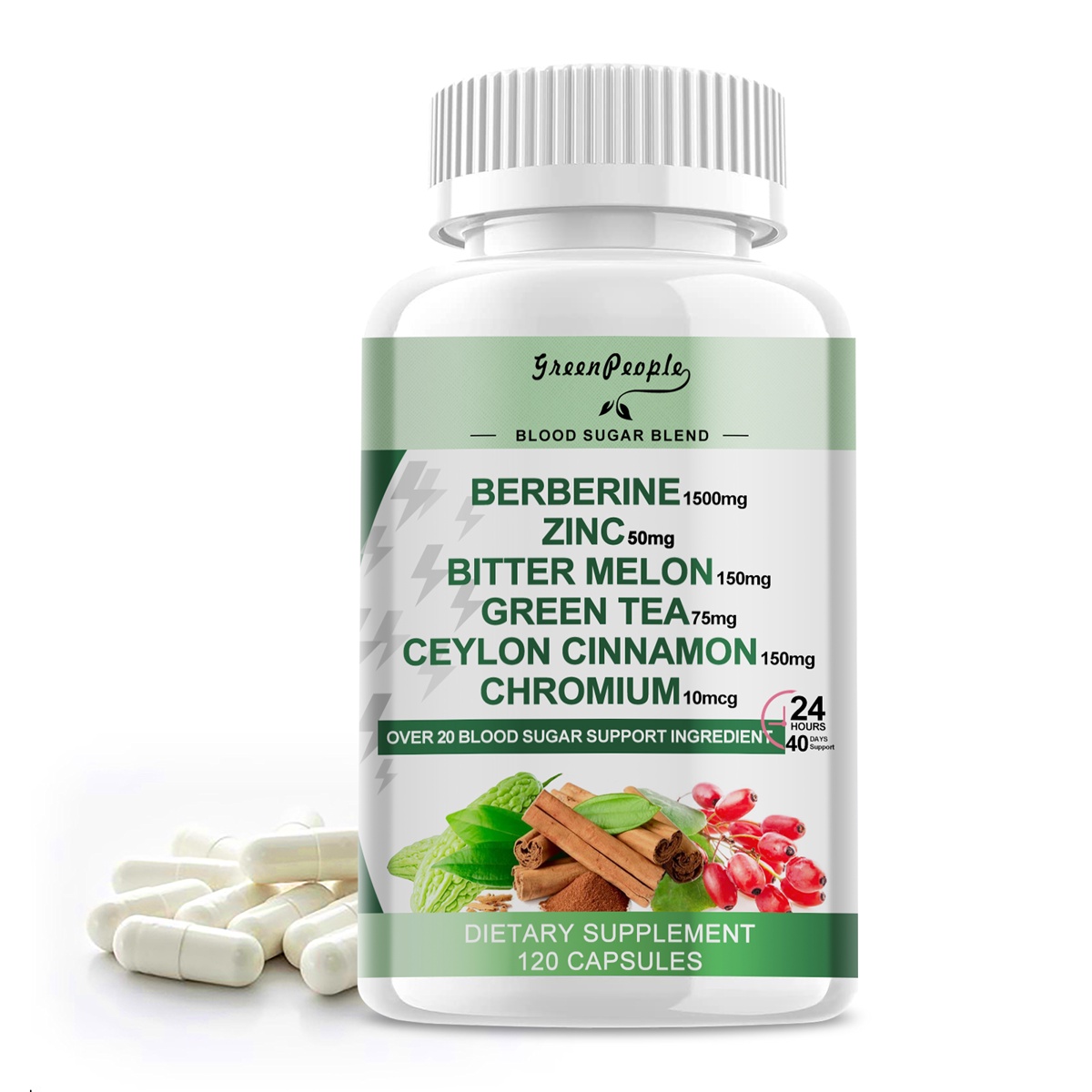 Berberine Supplement 1500mg – 120 Capsules – Ceylon Cinnamon, Bitter Melon, Chromium, Zinc, HCI Root Supplements Pills –$9.99View on Mallflare
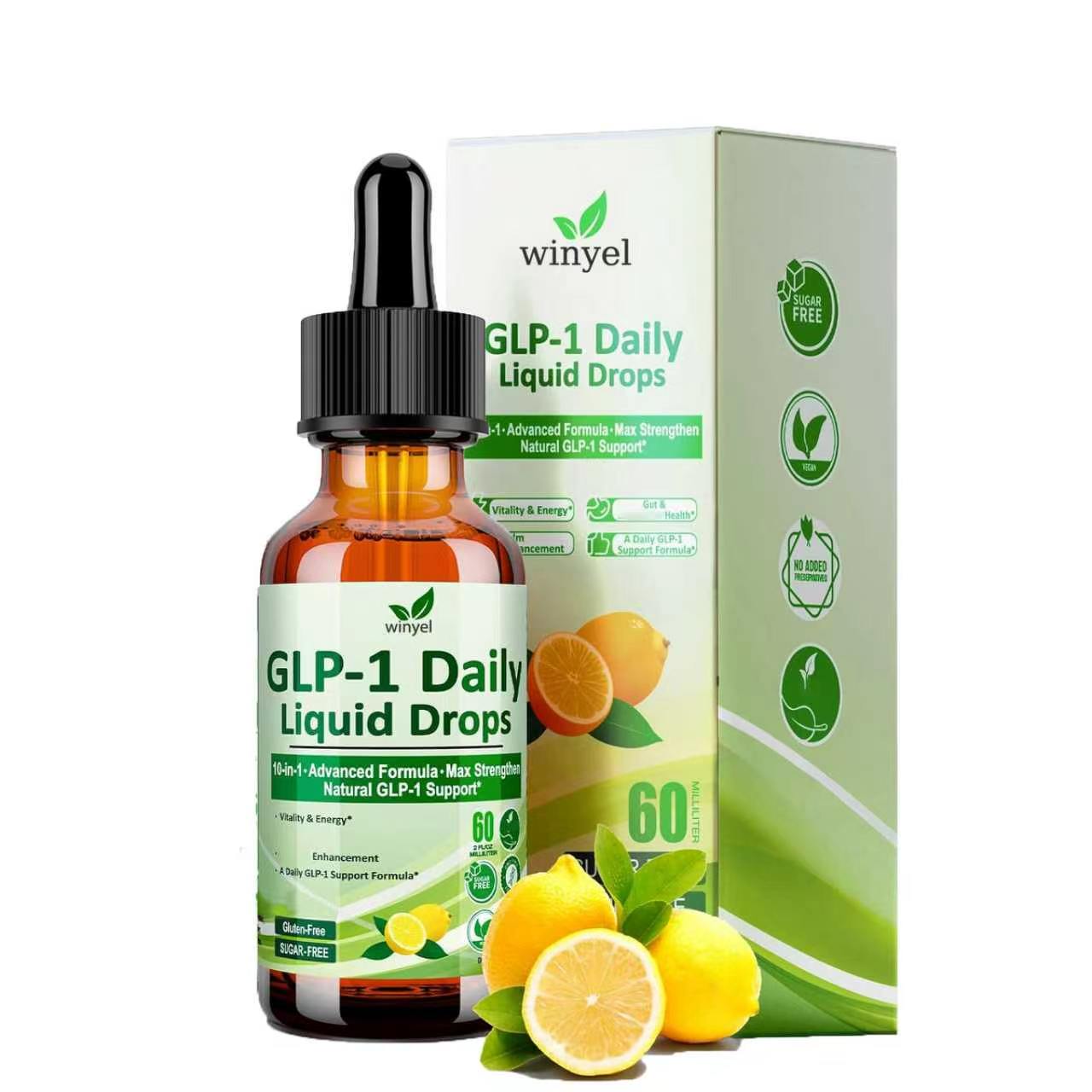 GLP-1 Supplement Liquid Drops W. Berberine Ceylon Cinnamon Green Tea Fiber, 10-in-1 Advanced Oral Drop For Women & Men$20.99View on Mallflare
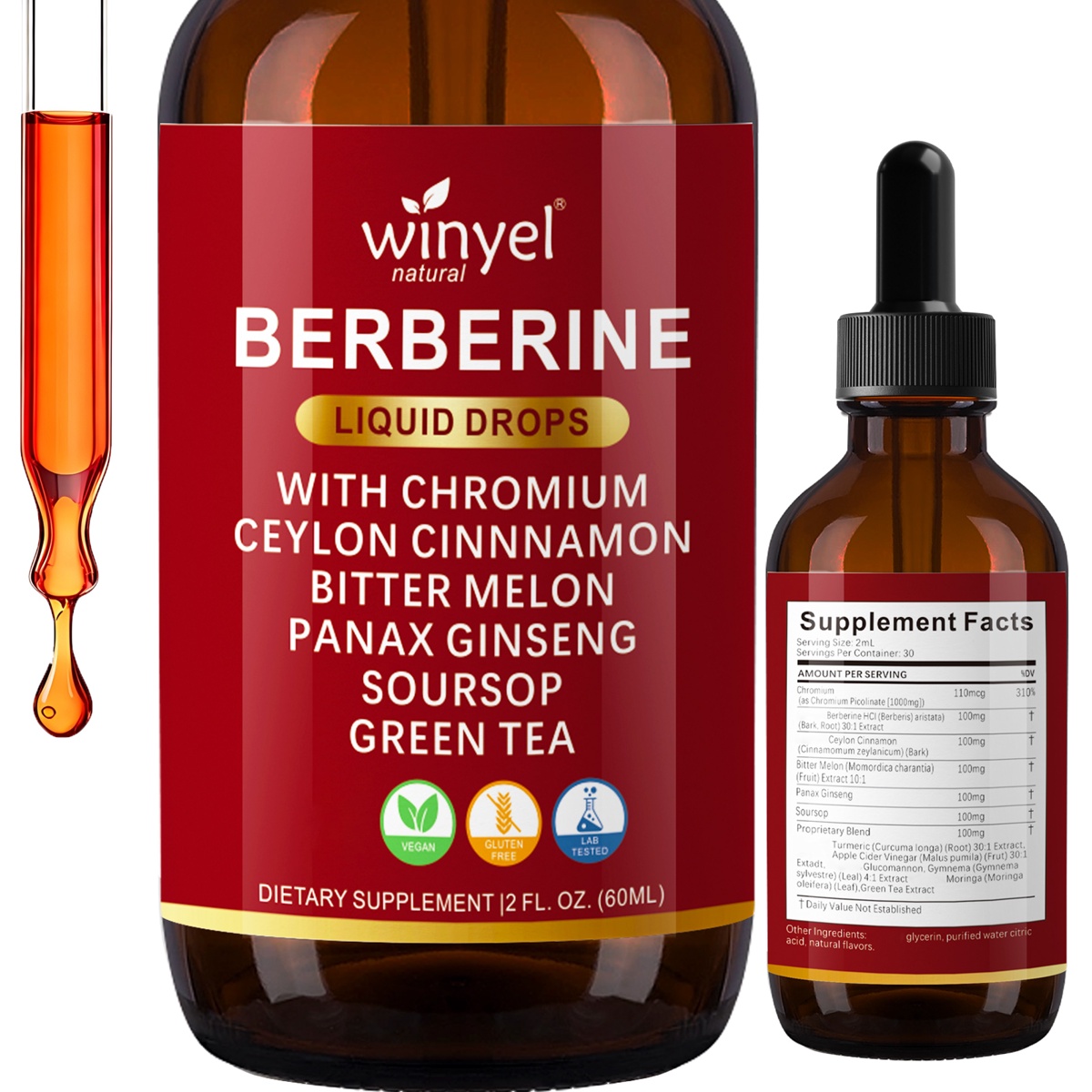 Organic Ceylon Cinnamon Berberine Liquid Drops Supplement With Bitter Melon Extract, Glucomannan, Gymnema, Chromium, Turmeric, Panax Ginseng$28.99View on Mallflare
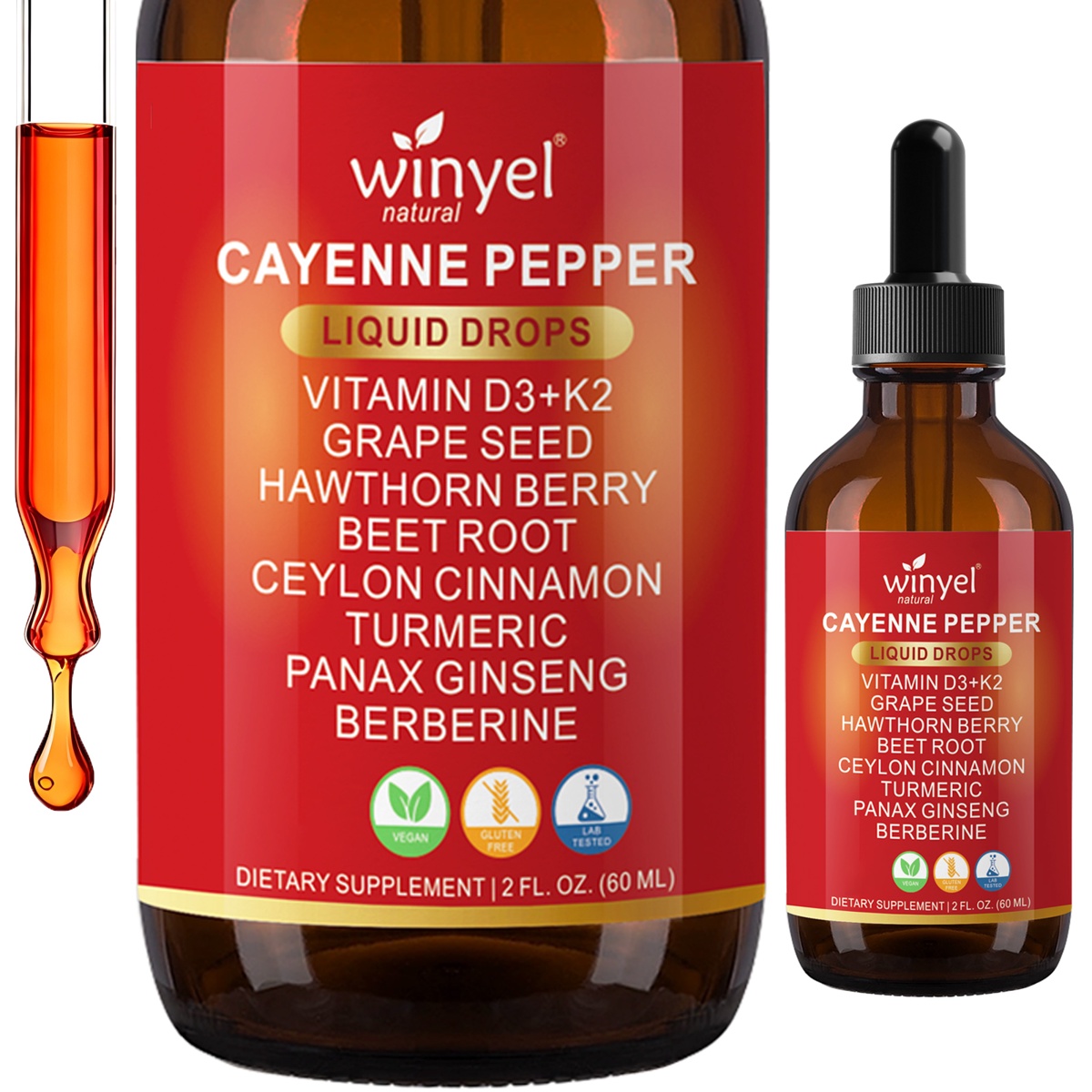 WINYEL Cayenne Pepper Drops Herbal Supplement, Hawthorn Berry, Vitamin D3 K2, Beet Root, Ceylon Cinnamon, Turmeric & Berberine Extract, 60ML$28.99View on Mallflare
Highlights
- Berberine HCl is the dominant clinical form; typical studied doses are 500 mg taken 2-3 times daily, so a 1500 mg capsule is usually a once-daily convenience dose, not a triple-strength formula.
- Standardization matters: quality extracts are standardized to 97% berberine (often from Berberis aristata root), while unstandardized powders vary widely in actual alkaloid content.
- Capsule count defines value: 120 capsules at 500-600 mg each gives roughly 60-120 servings depending on dose, so compare cost per 500 mg berberine, not cost per bottle.
- Blend ingredients are not interchangeable with berberine: Ceylon cinnamon, chromium picolinate, and bitter melon have their own glucose-metabolism evidence but at specific doses rarely disclosed on combination labels.
Best use cases
- Best fit for blood-sugar support: choose a standalone 500 mg berberine HCl capsule standardized to 97%, dosed 2-3 times daily with meals; skip 1500 mg 'all-in-one' capsules if you need flexible dosing.
- Best fit for cholesterol/lipid goals: pick a single-ingredient berberine product with a clear per-serving dose so you can track 1000-1500 mg daily; skip liquid drops that list berberine last in a 10-in-1 blend.
- Best fit for weight-loss marketing: select a berberine capsule with chromium or cinnamon only if the label states per-ingredient amounts; skip cayenne-pepper drop blends where berberine is a minor ingredient.
- Wrong fit: anyone on prescription glucose-lowering or blood-pressure medication, pregnant or breastfeeding women, and people wanting a one-capsule-per-day formula without checking total daily berberine intake.
Buying tips
- Match dose math: 500 mg capsules let you hit 1000-1500 mg/day in 2-3 doses; 1500 mg single capsules lock you into one daily dose and are harder to split.
- Check standardization: the label should state '97% berberine' or a per-serving berberine extract amount, not just 'Berberine Root' in a proprietary blend.
- For blends, require disclosed amounts of cinnamon (typically 500-1000 mg), chromium (200-1000 mcg), and bitter melon; undisclosed amounts mean you cannot judge efficacy.
- Prefer capsules over liquid drops for dose accuracy: drops rely on dropper calibration and often combine berberine with many low-dose botanicals.
Specs
| Berberine Form | HCl / Standardized 97% extract |
|---|---|
| Dose Per Serving | 500-1500 mg berberine |
| Daily Dosing | 1000-1500 mg in 2-3 doses |
| Delivery Format | Capsule vs liquid drops |
Related searches
What to check before buying
- Confirm your daily berberine target (usually 1000-1500 mg) and that the bottle's capsule count supports at least a 30-day supply at that dose.
- Verify the label states berberine HCl or standardized berberine extract percentage, not just a root powder in a proprietary blend.
- If choosing a blend, check that cinnamon is Ceylon (not Cassia) and that chromium form (picolinate or polynicotinate) is named.
- Review medication interactions: berberine inhibits CYP3A4 and can amplify glucose-lowering drugs; confirm with a clinician before stacking with metformin or insulin.
FAQ
Data sources: eBay / Amazon listings and product attribute feeds. Updated Nov 28, 2026.
Some links on this page are affiliate links. If you buy after clicking one, we may earn a commission at no extra cost to you. This does not change which products appear here or their order. Affiliate disclosure.