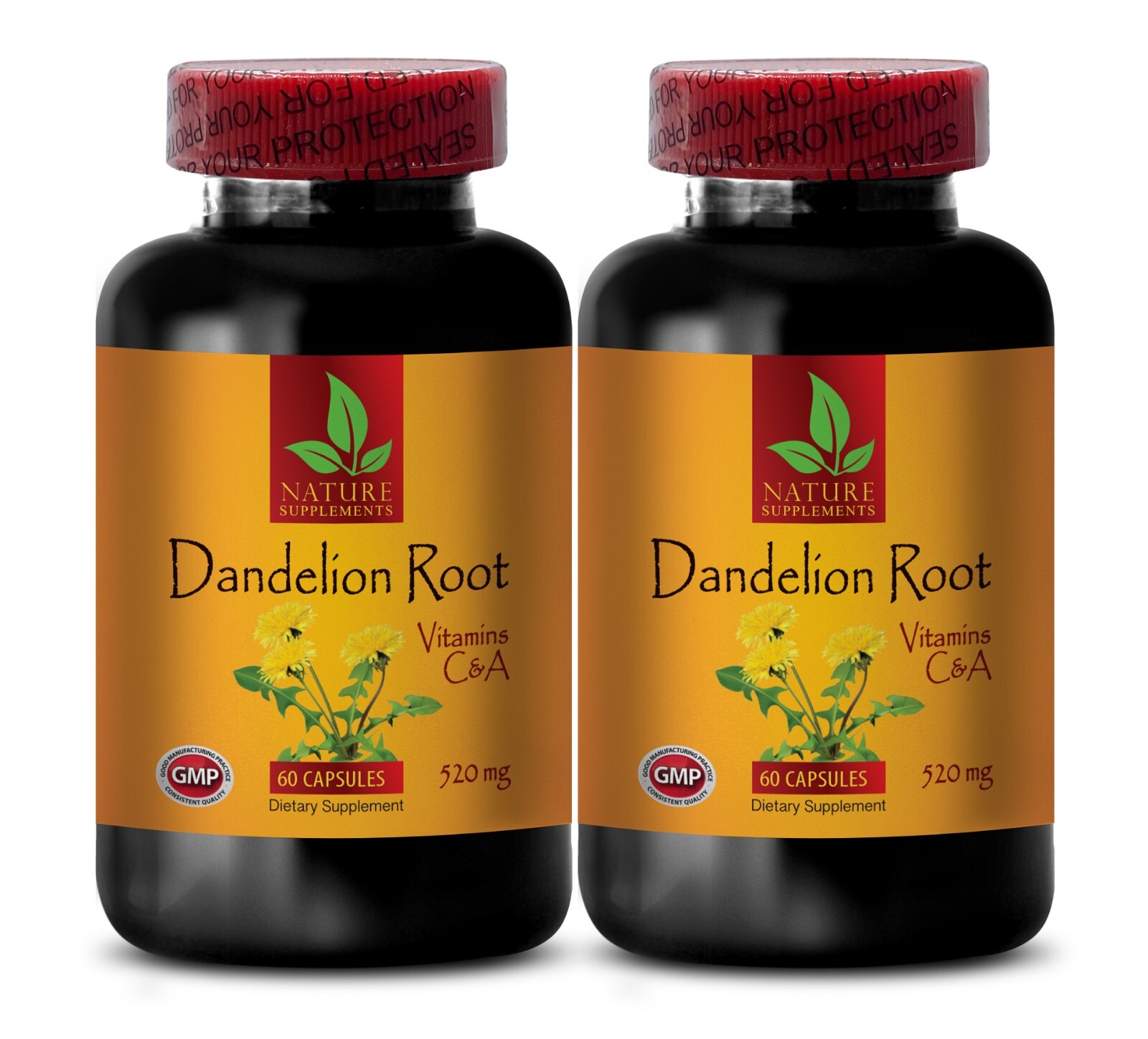

Photos from current listings. Actual item, color, and included accessories may vary.
Blood Pressure Supplement Buying Guide
Blood pressure supplements are dietary capsules, powders, or tinctures marketed to support healthy circulation, often built around botanicals, minerals, or amino acids rather than prescription antihypertensives. The core trade-off is between single-ingredient potassium/magnesium or herbal diuretic formulas and multi-ingredient blends whose doses are frequently subclinical. The decision rule: prioritize products that disclose exact elemental mineral doses or standardized botanical extracts and avoid proprietary blends that hide per-ingredient amounts.
Key takeaways
- Potassium citrate delivering 99 mg elemental potassium per capsule is the common low-dose form; meaningful dietary potassium targets are far higher and typically require food or higher-dose powders.
- Magnesium oxide carries roughly 60% elemental magnesium by weight but poor bioavailability; magnesium glycinate and citrate deliver better absorption at 14-18% elemental yield.
- Standardized botanical extracts list a marker compound percentage (e.g., hibiscus standardized to anthocyanins, garlic to allicin potential) while raw dried herb powders list only grams and vary batch to batch.
At a glance
- Category
- Vitamins & Minerals
- Last updated
- Nov 28, 2026
Current offers
Highlights
- Potassium citrate delivering 99 mg elemental potassium per capsule is the common low-dose form; meaningful dietary potassium targets are far higher and typically require food or higher-dose powders.
- Magnesium oxide carries roughly 60% elemental magnesium by weight but poor bioavailability; magnesium glycinate and citrate deliver better absorption at 14-18% elemental yield.
- Standardized botanical extracts list a marker compound percentage (e.g., hibiscus standardized to anthocyanins, garlic to allicin potential) while raw dried herb powders list only grams and vary batch to batch.
- Proprietary blends legally combine multiple ingredients under one total milligram figure, preventing verification that any single active reaches an effective threshold.
Best use cases
- Best fit: a single-mineral potassium or magnesium citrate/glycinate capsule for shoppers who want a transparent elemental dose alongside dietary changes; skip multi-herb proprietary blends with no per-ingredient disclosure.
- Best fit: standardized hibiscus or garlic extract for buyers seeking a researched botanical with a defined marker compound; skip unstandardized 'root powder' capsules that list only total herb weight.
- Best fit: a dandelion-root diuretic-style formula for short-term fluid-balance support under clinician guidance; skip it as a substitute for prescribed antihypertensive therapy or for anyone on potassium-sparing diuretics.
- Wrong fit: anyone with kidney disease, hyperkalemia risk, or existing blood-pressure medication should not self-select potassium or diuretic herbal supplements without medical supervision.
Buying tips
- Match the elemental dose, not the compound weight: 500 mg magnesium oxide yields about 300 mg elemental magnesium, while 500 mg magnesium glycinate yields only about 70-80 mg elemental.
- Choose standardized extracts with a stated marker percentage and a specified extract ratio (e.g., 5:1, 10:1); reject labels showing only 'herb blend' totals.
- Check the serving size math: a label listing 300 mg per 3 capsules means one capsule delivers only 100 mg, so compare cost and dose per single capsule.
- Confirm the format suits your routine: capsules and tablets are dose-stable, while tinctures and powders require measuring and have shorter stability once opened.
Specs
| Active Ingredient | Potassium, magnesium, hibiscus, garlic, dandelion |
|---|---|
| Elemental Dose | Per-capsule elemental mg disclosed vs blend total |
| Extract Standardization | Marker compound % and extract ratio stated |
| Delivery Format | Capsule, tablet, powder, or tincture |
Related searches
What to check before buying
- Review your current medications for interactions: potassium supplements and diuretic herbs like dandelion interact with ACE inhibitors, ARBs, and potassium-sparing diuretics.
- Confirm your supplement will not exceed 99 mg elemental potassium per capsule in the US, the legal limit for OTC single-dose potassium.
- Check the label for third-party testing seals (USP, NSF, Informed Choice) since dietary supplements are not pre-approved for efficacy by the FDA.
- Verify serving size and capsule count align with a realistic daily regimen so you do not under-dose by taking one capsule of a three-capsule serving.
FAQ
Data sources: eBay / Amazon listings and product attribute feeds. Updated Nov 28, 2026.
Some links on this page are affiliate links. If you buy after clicking one, we may earn a commission at no extra cost to you. This does not change which products appear here or their order. Affiliate disclosure.