
Photos from current listings. Actual item, color, and included accessories may vary.
Bone Vitamin Buying Guide
Bone vitamins combine calcium, vitamin D3, and often vitamin K2 or magnesium to support bone mineral density and reduce fracture risk. The primary trade-off is between calcium carbonate (cheap, high elemental calcium, needs stomach acid) and calcium citrate (better absorbed without food, lower elemental calcium per pill), plus the form and dose of D3 and K2. Choose carbonate with food for cost efficiency if you have normal stomach acid; choose citrate, D3+K2, and magnesium if you have low acid, take acid reducers, or want a comprehensive bone matrix formula.
Median $16.82
Key takeaways
- Calcium carbonate is 40% elemental calcium and absorbs best with food; calcium citrate is 21% elemental and absorbs with or without food, ideal for low-stomach-acid users.
- Vitamin D3 (cholecalciferol) raises blood 25(OH)D more effectively than D2; 1000-2000 IU daily maintains sufficiency for most adults, with 4000 IU being the safe upper limit.
- Vitamin K2 as MK-7 (menaquinone-7) has a longer half-life than MK-4 and directs calcium to bone rather than arteries; typical bone-support doses are 45-180 mcg.
At a glance
- Category
- Vitamins & Minerals
- Last updated
- Nov 28, 2026
Current offers
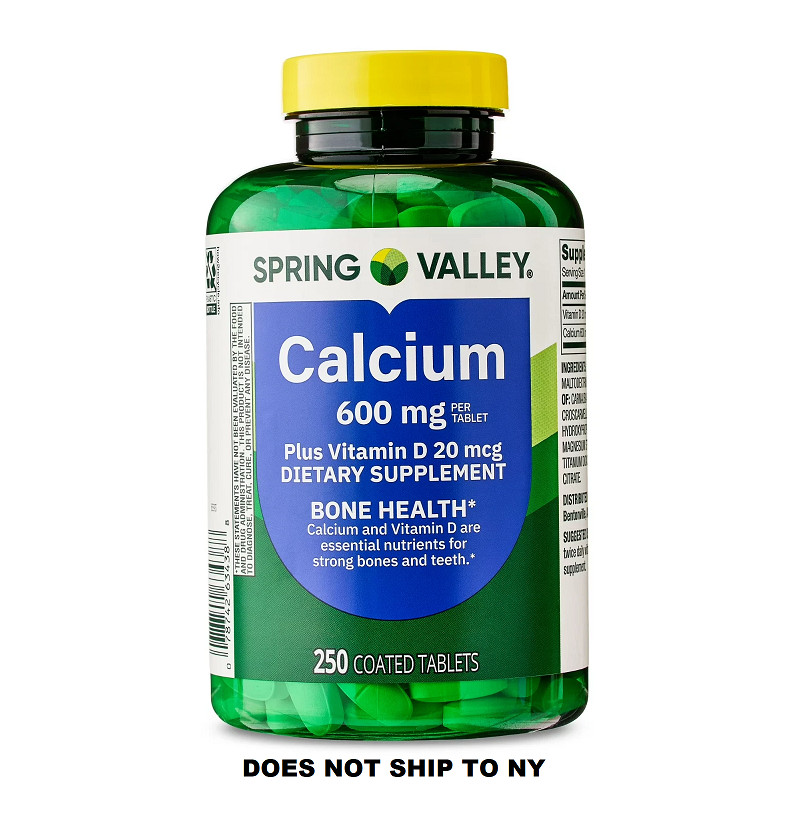 Spring Valley Calcium 600mg + Vitamin D 20mcg, Bone Health Supplement, 250-Count$11.80Last checked Nov 20, 2026View on eBay
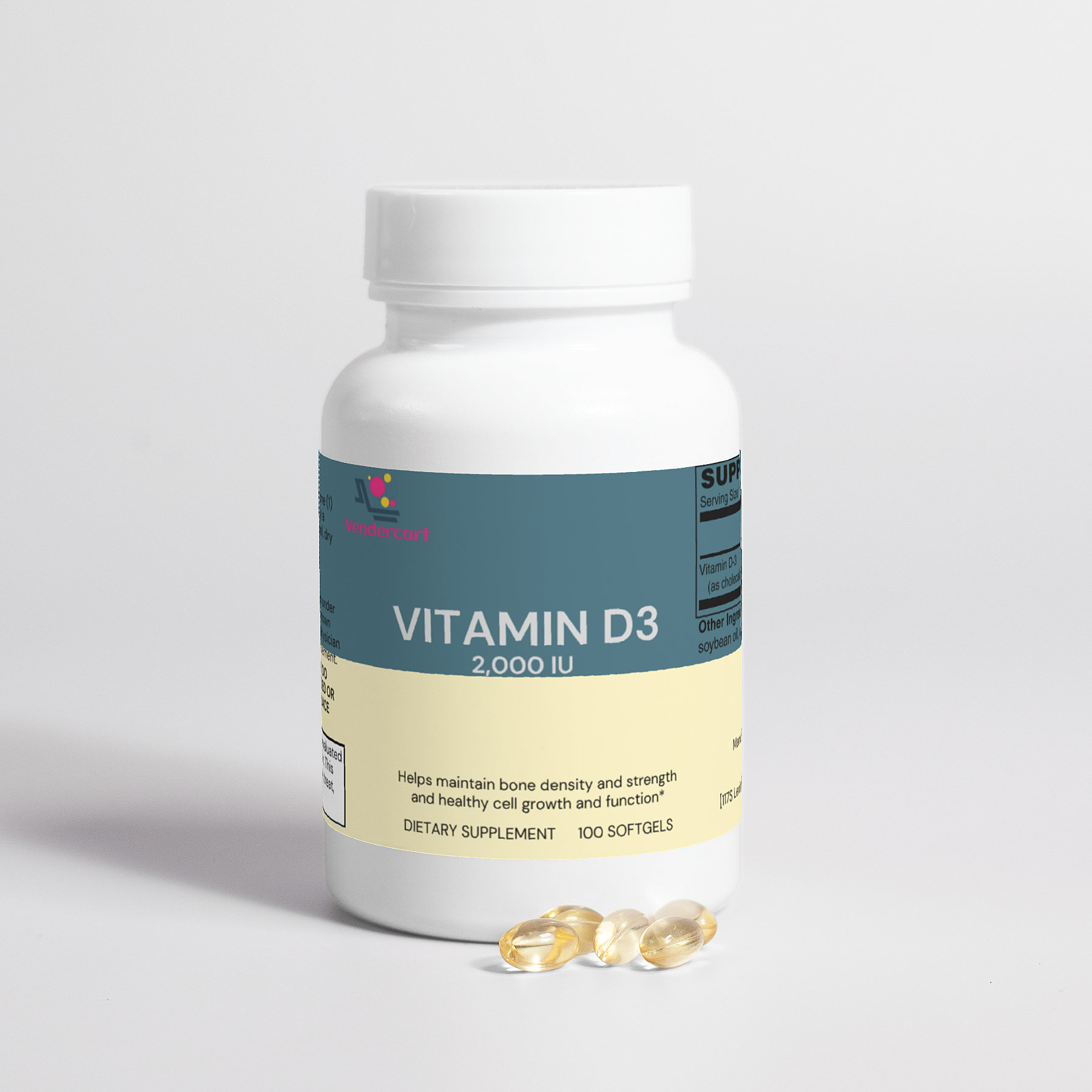 Vitamin D3 2000 IU For Women Bone Strength, Hormonal Balance, And Immune Support$35.99View on Mallflare
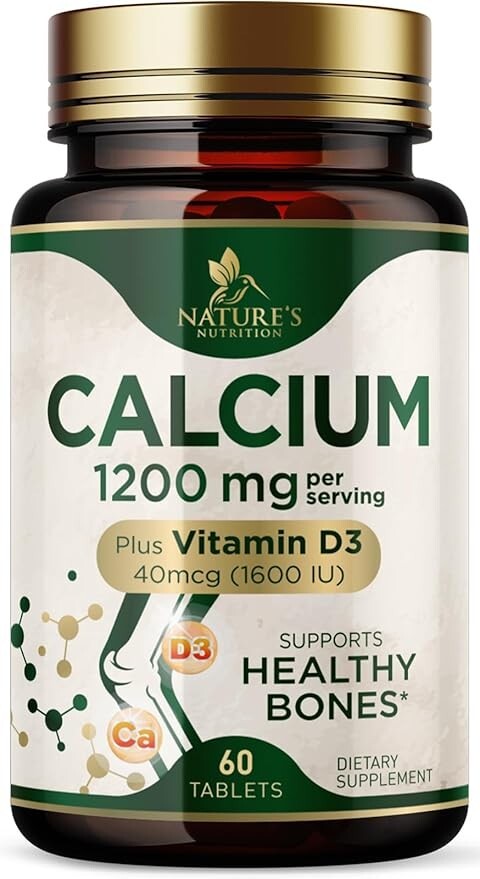 Calcium 1200 mg & 1600 IU Vitamin D3 & Calcium Supplement Supports Bone Strength$14.82Last checked Nov 20, 2026View on eBay
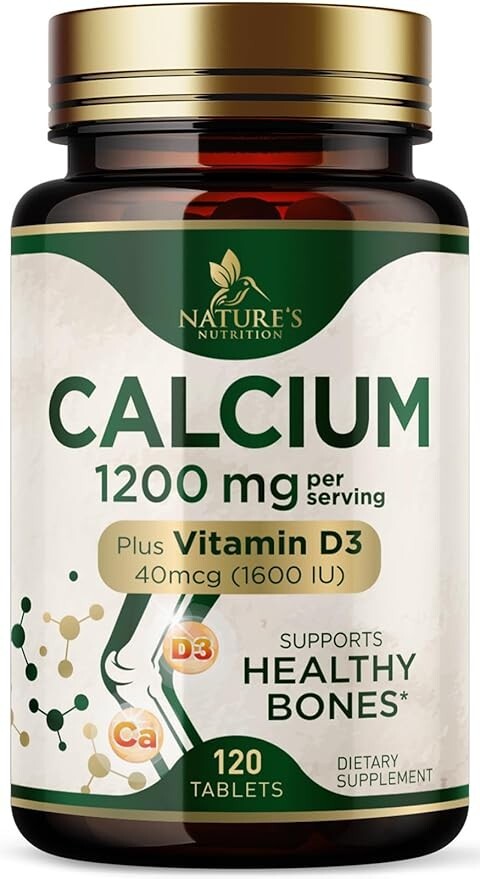 Calcium 1200 mg & 1600 IU Vitamin D3 & Calcium Supplement Supports Bone Strength$16.82Last checked Nov 20, 2026View on eBay
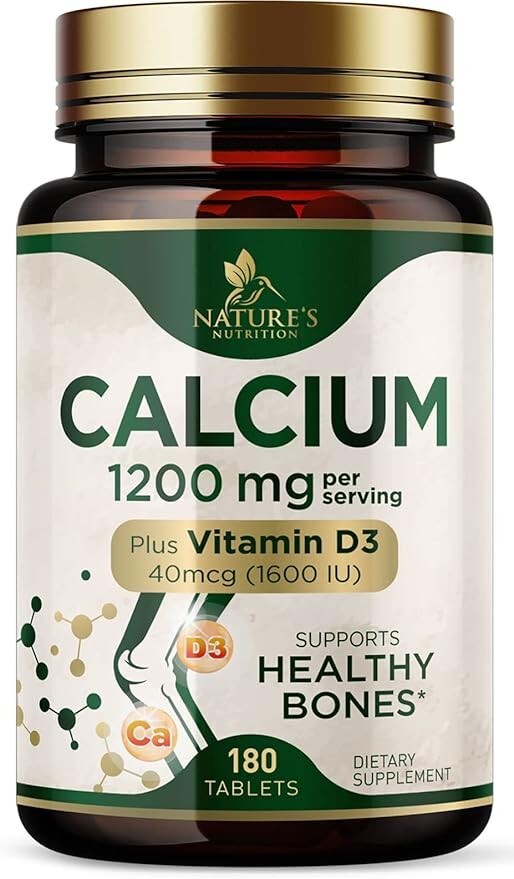 Calcium 1200 mg & 1600 IU Vitamin D3 & Calcium Supplement Supports Bone Strength$18.62Last checked Nov 20, 2026View on eBay
Highlights
- Calcium carbonate is 40% elemental calcium and absorbs best with food; calcium citrate is 21% elemental and absorbs with or without food, ideal for low-stomach-acid users.
- Vitamin D3 (cholecalciferol) raises blood 25(OH)D more effectively than D2; 1000-2000 IU daily maintains sufficiency for most adults, with 4000 IU being the safe upper limit.
- Vitamin K2 as MK-7 (menaquinone-7) has a longer half-life than MK-4 and directs calcium to bone rather than arteries; typical bone-support doses are 45-180 mcg.
- Magnesium glycinate is gentle on digestion and well absorbed, while oxide is cheap but poorly absorbed; bone formulas often include 200-400 mg magnesium to support calcium metabolism.
Best use cases
- Best fit: Adults over 50 or postmenopausal women with low dietary calcium—choose calcium citrate 500-600 mg elemental plus D3 1000-2000 IU daily, split into two doses.
- Best fit: People on proton-pump inhibitors or with low stomach acid—skip calcium carbonate and pick calcium citrate, which does not require stomach acid for absorption.
- Best fit: Those wanting comprehensive bone and cardiovascular support—pick a formula with D3 2000 IU plus K2 as MK-7 90-180 mcg, and avoid if on blood thinners without medical advice.
- Wrong fit: Anyone with hypercalcemia, kidney stones, or on thiazide diuretics should skip high-dose calcium without physician guidance; also skip gummy vitamins if you need precise mineral dosing.
Buying tips
- Match elemental calcium, not compound weight: 1250 mg calcium carbonate yields 500 mg elemental calcium; read the 'elemental' or 'from' line to compare doses accurately.
- Split calcium doses to 500 mg or less per sitting—absorption drops at higher single doses, so a 1200 mg pill is best taken as two 600 mg doses or split across meals.
- Choose D3 over D2 and look for oil-based softgels or capsules; D3 is fat-soluble and absorbs better with a meal containing fat.
- For K2, select MK-7 over MK-4 and check the mcg dose—45-180 mcg MK-7 daily is the evidence-backed range for bone and arterial support.
Specs
| Calcium Form | Carbonate vs Citrate |
|---|---|
| Elemental Calcium | 500-600 mg per dose |
| Vitamin D3 Dose | 1000-2000 IU daily |
| Vitamin K2 Form | MK-7 45-180 mcg |
Related searches
What to check before buying
- Calculate your dietary calcium first: 3 servings of dairy or fortified plant milk provide ~900 mg; supplement only the gap to reach 1000-1200 mg total daily.
- Check your medications: proton-pump inhibitors, blood thinners (warfarin), thiazide diuretics, and calcium-channel blockers interact with calcium or K2—confirm timing and suitability.
- Verify the label lists elemental calcium and vitamin D3 IU separately, plus a third-party test seal (USP, NSF, or Informed Choice) for potency and purity.
- If choosing gummies, confirm they are not the sole calcium source—gummies often underdose minerals and lack K2 or magnesium.
FAQ
Data sources: eBay / Amazon listings and product attribute feeds. Updated Nov 28, 2026.
Some links on this page are affiliate links. If you buy after clicking one, we may earn a commission at no extra cost to you. This does not change which products appear here or their order. Affiliate disclosure.